标签: Dominican Republic

多米尼加共和国

  • Holy Week 2026 sets record vehicular flow on Dominican highways

    Holy Week 2026 sets record vehicular flow on Dominican highways

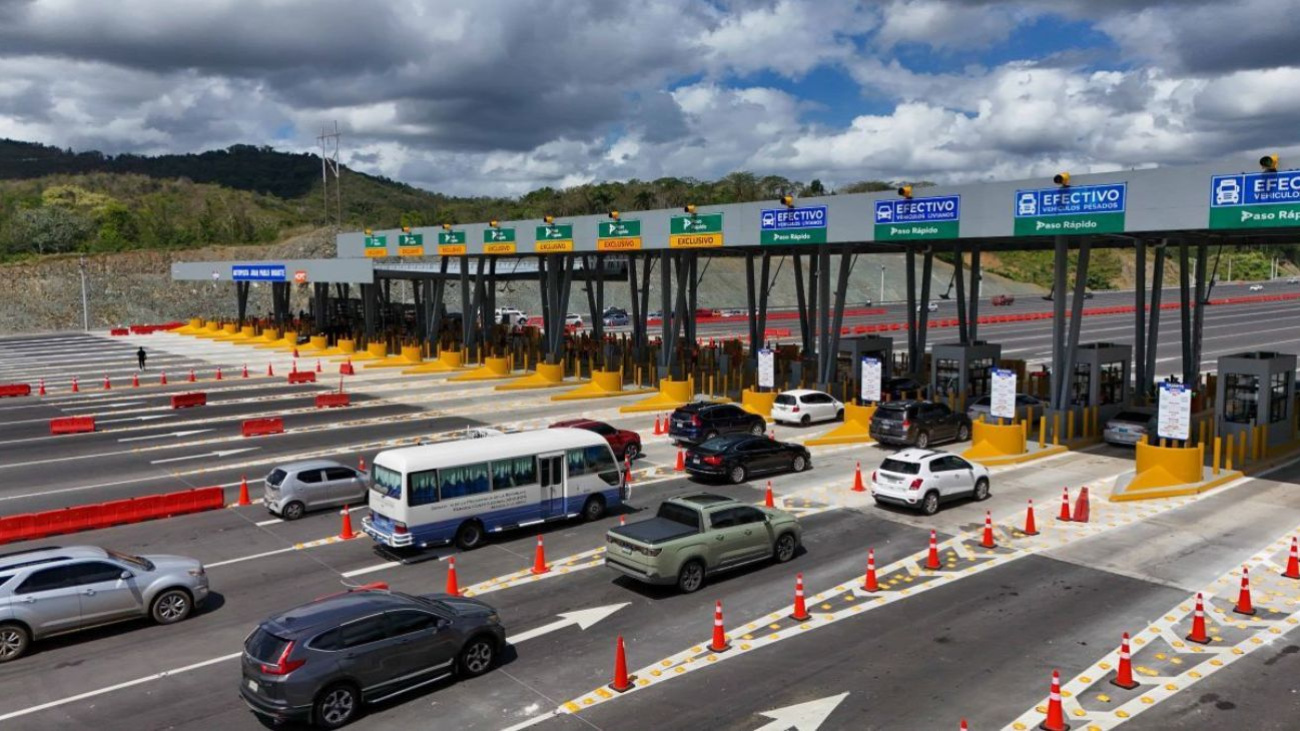
    Santo Domingo – The 2026 Holy Week travel season has cemented its place in Dominican transportation history, after the RD Vial Trust reported a landmark surge in vehicle traffic across all toll roads under its management. From April 1 to April 3 alone, official counts logged 891,601 vehicles passing through toll plazas, marking a dramatic 32.8% jump compared to the same three-day period in 2025. This double-digit growth aligns with a years-long upward trend in domestic mobility across the Dominican Republic’s primary highway network, signaling steadily rising demand for road travel across the country.

    Traffic volumes climbed rapidly in the opening 48 hours of the tracking period, setting the tone for the record-breaking weekend. The first day, Wednesday, saw 357,862 vehicles traverse the network, with volumes climbing even higher to a single-day peak of 366,871 vehicles on Thursday. Combined, these two days already pushed the total to 724,733 vehicles, a figure that outpaced the full three-day totals from every previous Holy Week season. On the third day, Good Friday, national policy waived all toll fees for the holiday, drawing an additional 166,868 vehicles and pushing the final total to the unprecedented historic high.

    RD Vial Trust director Hostos Rizik Lugo explained that the record-breaking traffic flow was managed smoothly thanks to expanded operational capacity rolled out as part of Operation Awareness for Life 2026, a national safety initiative coordinated by the country’s Emergency Operations Center. To prepare for the seasonal travel boom, authorities deployed more than 3,600 trained personnel across 3,200 kilometers of national highways, supported by hundreds of patrol units, ambulances, tow trucks, and mobile maintenance workshops to respond quickly to incidents and keep traffic moving.

    The Paso Rápido electronic toll collection system also emerged as a critical contributor to managing the unprecedented volume, operating across all toll plazas with a 96% operational efficiency rate. The system’s reliable performance cut down on wait times and prevented widespread gridlock, even as traffic volumes far exceeded initial projections. Officials emphasized that the sharp year-over-year increase in traffic is not just a reflection of typical seasonal holiday travel demand. Instead, they noted, it points to a structural, long-term increase in road usage across the country, alongside growing public confidence in the quality and reliability of the Dominican Republic’s national highway infrastructure.


  • Air Force rescues two tourists in emergency evacuation near Pico Duarte

    Air Force rescues two tourists in emergency evacuation near Pico Duarte

    In a display of coordinated emergency response, the Dominican Republic Air Force has pulled off a high-stakes aeromedical evacuation in the rugged terrain near Pico Duarte, successfully extracting two tourists facing life-threatening medical emergencies. The mission was not a solo effort: air force units worked in lockstep with the national Emergency Operations Center and the Directorate of Out-of-Hospital Emergency Services, turning separate institutional capabilities into a unified, effective response that underscores the country’s investment in inter-agency emergency preparedness.

    The rescue operation was launched from a UH1H 3074 military aircraft, with a carefully assembled four-person crew leading the risky mission. At the helm were Captain Pilot Juan Vásquez Ávila and First Lieutenant Pilot Martín Soto Quezada, who navigated the unforgiving mountain topography to reach the stranded tourists. They were backed by Aviation Technical Sergeant Yesther Ciprian Paredes, who managed critical aircraft systems throughout the flight, and aeromedic Second Lieutenant Thomas Camacho Moronta, who provided on-site urgent care to stabilize the injured patients before extraction. Working against challenging geographic conditions that demand extreme precision, the team completed the extraction without further incident, getting the two tourists to care far faster than a ground evacuation could have achieved.

    Once extracted, the patients were flown directly to Professor Juan Bosch Regional Traumatological and Surgical Hospital, a leading facility equipped to handle complex trauma and urgent surgical care, where they immediately began receiving specialized treatment from experienced medical teams. Beyond the successful rescue of two individuals, the operation serves as a public demonstration of the Dominican Republic Air Force’s constant operational readiness. It proves the branch can deploy rapidly and effectively to respond to crises across every region of the country, even in the most hard-to-reach landscapes, protecting both residents and visitors through coordinated, quick action.

  • Nine minors among the 200 poisoned by alcohol in 24 hours during Holy Week

    Nine minors among the 200 poisoned by alcohol in 24 hours during Holy Week

    Public health officials have recorded a sharp uptick in acute alcohol poisoning cases across the region over the latest 24-hour monitoring window, new data from the Emergency Operations Center (COE) confirms. In total, clinical teams responded to 200 confirmed cases of alcohol poisoning requiring urgent medical intervention during this period — a 38% jump from the 145 cases registered in the preceding comparable monitoring cycle. What has raised particular public concern is the inclusion of nine underage patients, all falling between the ages of 11 and 17, in the latest count of those needing treatment for alcohol-related poisoning. Alongside the spike in alcohol poisoning incidents, the COE also released data on foodborne illness linked to the Easter holiday period. To date, 73 people have sought and received medical care for symptoms of food poisoning connected to holiday gatherings and public dining over the Easter weekend. The COE has not yet released additional details on the geographic distribution of cases, patient outcomes, or potential sources of the contaminated food linked to the holiday illnesses, and has not announced any formal public advisories accompanying the latest case count updates.

  • UPDATE: Public health officials rescue abandoned man in Sosúa after authorities alert

    UPDATE: Public health officials rescue abandoned man in Sosúa after authorities alert

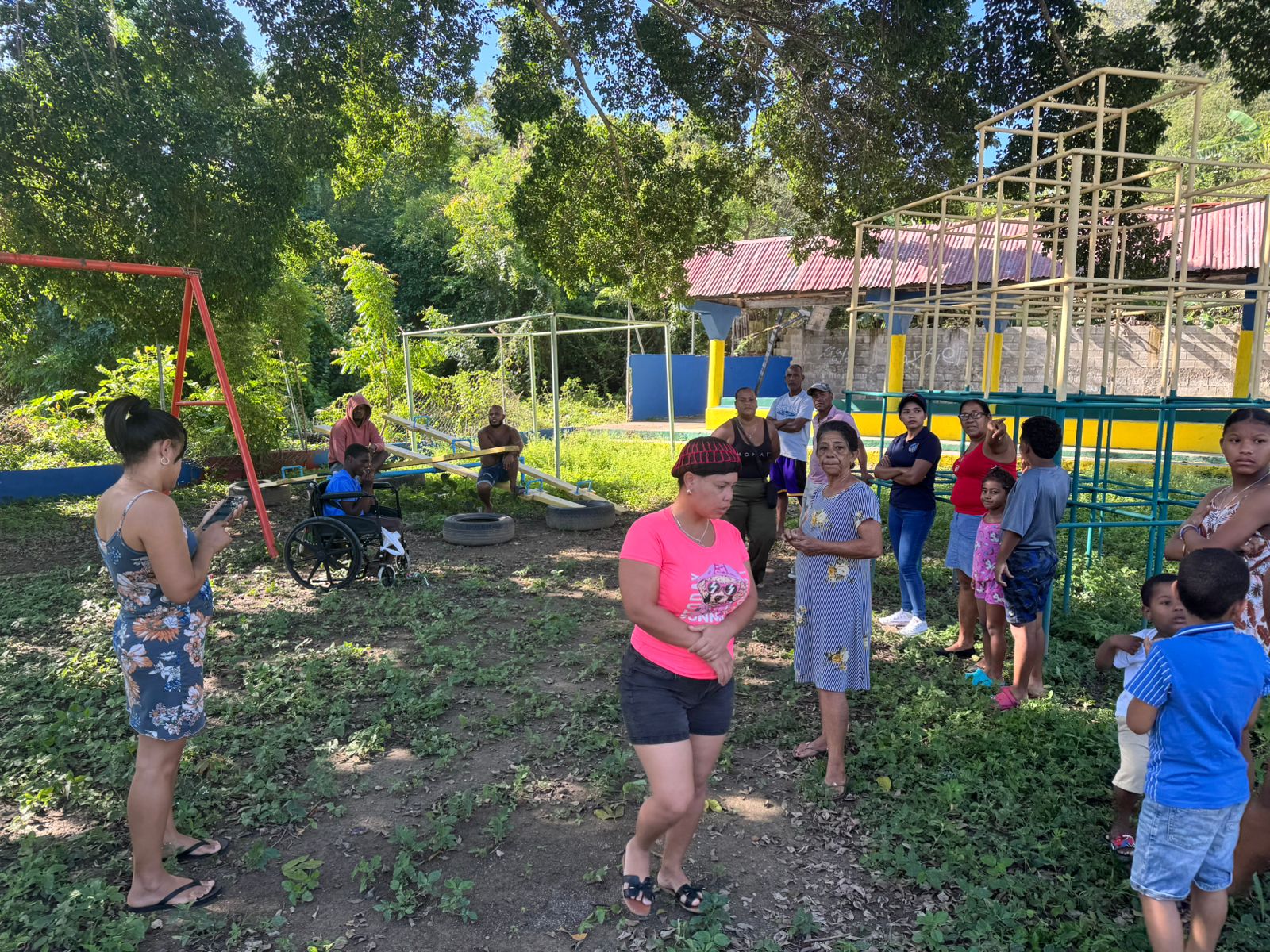
    In the Altos de Chila sector of Cangrejos district, near the Granito de Mostaza community home in Sosúa, Puerto Plata, a coordinated multi-agency effort has successfully rescued an at-risk adult who was found abandoned in the area.

    The operation was triggered after local residents noticed the man’s vulnerable condition and raised alarms to relevant oversight bodies. While the individual is not a minor, his obvious poor health and unsafe living situation prompted immediate action from the Prosecutor’s Office for Children and Adolescents (NNA) and the National Council for Children and Adolescents (CONANI), which quickly passed along the report to public health teams to enable a rapid response.

    A dedicated ambulance from the Dominican Ministry of Public Health was dispatched to the location without delay. Emergency medics transported the man to a local public health center, where he has since been admitted for comprehensive medical assessment and ongoing specialized care tailored to his needs.

    Witnesses who observed the rescue effort confirmed that the intervention unfolded far faster than expected. The quick action from coordinated authorities is widely credited with preventing potentially life-threatening complications for the man, who was already in fragile health when he was discovered.

    Public officials have highlighted that this successful rescue serves as proof of the value of cross-institutional collaboration when addressing emergency cases involving vulnerable populations. They reaffirmed the government’s ongoing commitment to safeguarding the rights and well-being of people who face heightened risk of neglect or abandonment.

    In the wake of the rescue, authorities have issued a public call for all community members to report any suspected cases of abandoned or at-risk people they encounter. Early reporting, they note, is critical to allowing response teams to act quickly and deliver effective support before situations escalate.

    This incident has also reignited public discussion about the urgent need to strengthen national and local public policies focused on supporting unhoused populations, expanding social inclusion initiatives, and reinforcing systemic protections for the most marginalized groups in Dominican society.

  • COE raises alerts in 17 provinces due to risk of flooding and rising water levels

    COE raises alerts in 17 provinces due to risk of flooding and rising water levels

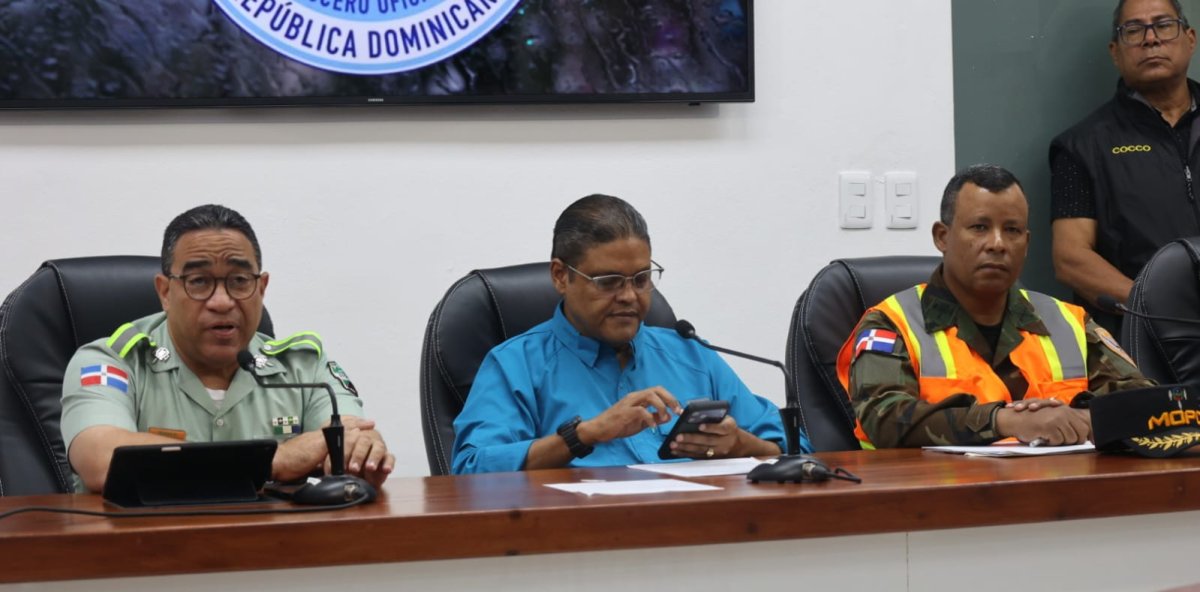
    As holiday crowds prepare to gather for Easter Sunday celebrations across the Dominican Republic, the nation’s Emergency Operations Center (known locally as COE) has activated a two-tiered alert system across 17 provinces, citing elevated risks of widespread water-related hazards.

    Two provinces, Monseñor Nouel and San José de Ocoa, face the higher of the two alert levels, a yellow warning, marking them as areas at greatest risk of hazardous flooding. The remaining 15 jurisdictions under alert – including the capital’s National District, the larger Santo Domingo province, Sánchez Ramírez, Hermanas Mirabal, Puerto Plata, San Cristóbal, Santiago, Espaillat, Duarte, Samaná, La Vega, La Altagracias, Monte Plata, Hato Mayor, and El Seibo – are placed under a lower-level green alert.

    Across all affected regions, officials warn that rising water levels are possible in natural waterways including rivers, streams, and mountain ravines, with the added threat of sudden flash flooding and urban inundation that can catch communities off guard during the busy holiday weekend.

    Beyond inland flood risks, COE has issued additional safety guidance for marine activities along a large stretch of the country’s coastline. From the northwestern border province of Monte Cristi extending east to Isla Saona, operators of small, medium, and structurally fragile watercraft have been strongly advised to stay anchored in port. This advisory comes in response to the development of dangerous ocean swells paired with moderate to strong winds that create unstable, high-risk conditions for small vessels.

    For recreational beachgoers – a large demographic expected to travel to coastal areas over the Easter holiday – the agency has issued a critical warning about powerful rip currents, which are among the leading causes of drowning incidents at beaches. It is urging all swimmers and members of the public to exercise extreme caution when entering the water, and to check in with local lifeguard and rescue services to confirm current safety conditions before accessing any beach.

    For all other sections of the Dominican Republic’s Caribbean coastline, no movement or activity restrictions have been put in place at this time.

  • Why were vacationers trapped in Ocoa after the Nizao River overflowed despite weather warnings?

    Why were vacationers trapped in Ocoa after the Nizao River overflowed despite weather warnings?

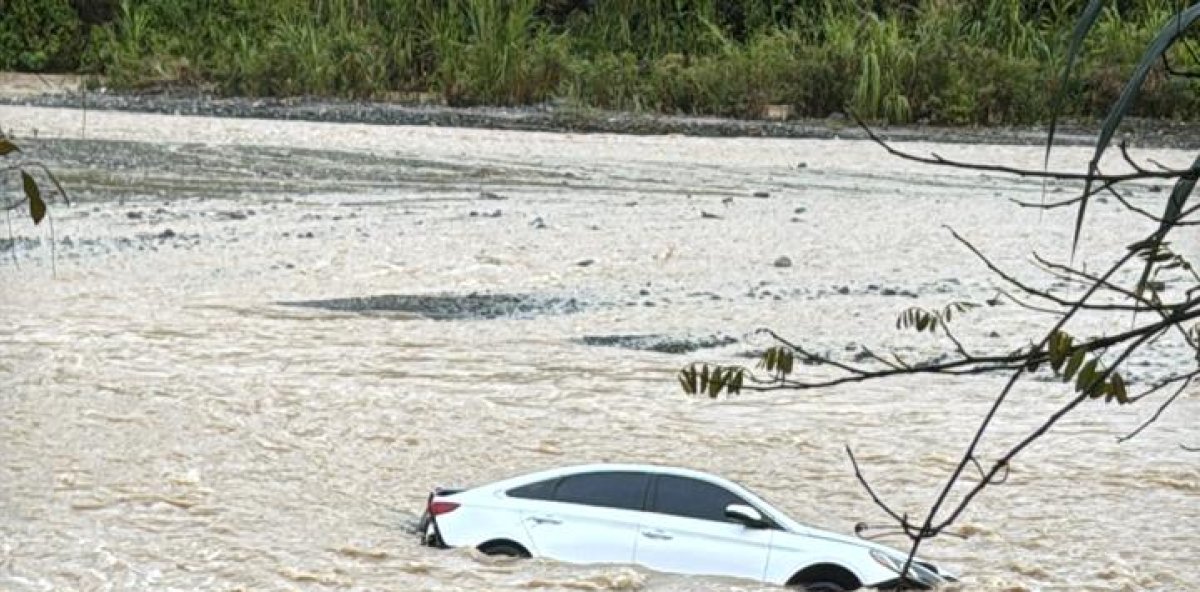
    Pre-emptive alerts from national emergency and meteorological agencies failed to prevent a mass stranding incident in central Dominican Republic over the Easter holiday weekend, when the overflowing Nizao River left dozens of visitors and local residents trapped in isolated communities of San José de Ocoa province.

    Alcedo de los Santos, mayor of Rancho Arriba municipality, clarified the root cause of the crisis that unfolded on Holy Saturday, pushing back on common assumptions that the incident stemmed from recreational bathers ignoring safety warnings in the river. He explained that regional authorities had completed evacuations of all riverside resorts before floodwaters began to rise, clearing the river and its immediate banks of any visitors. The true source of the crisis, he told local newspaper Hoy, was the simultaneous evacuation of recreational groups scattered across a far wider area.

    Fifteen small rural communities beyond the Nizao River are popular destinations for campers and ecotourism enthusiasts, who flocked to the region over the four-day Easter holiday weekend. Once flood warnings were issued, all of these visitors attempted to exit the area at the same time, triggering crippling traffic jams on the region’s already inadequate rural road network. “There were too many vehicles on the road and unfortunately those who couldn’t get out in time were the ones who were left behind,” de los Santos said in his interview.

    The mayor added that local infrastructure conditions exacerbated the gridlock. Narrow local roads, combined with informal, random parking by visitors, left no room for vehicles to maneuver and extended traffic delays long enough for floodwaters to cut off the exit route. The Nizao River spilled its banks around 8:00 p.m. on Saturday, right as the stream of returning vacationers hit its peak, submerging the only exit road and leaving those who had not crossed stuck in the isolated communities on the opposite side.

    In the aftermath of the overflow, dozens of people remain trapped, with many requiring emergency shelter and basic assistance. De los Santos confirmed that he personally facilitated shelter for roughly 25 stranded young travelers who had been exploring the mountain and river areas, hosting the group at the local town hall after they were left with no accommodation options for the night.

    As of Monday, the situation remains unresolved, with many trapped people expected to miss the return to their workplaces. “It’s still raining today, and they’re stuck on that side,” de los Santos noted, adding that communication with the affected groups is a growing source of concern. With many visitors running low on phone battery, their families back home are left in the dark about their safety, amplifying anxiety around the incident.

  • The city slows down: neighborhoods in Greater Santo Domingo experience a quiet Holy Saturday

    The city slows down: neighborhoods in Greater Santo Domingo experience a quiet Holy Saturday

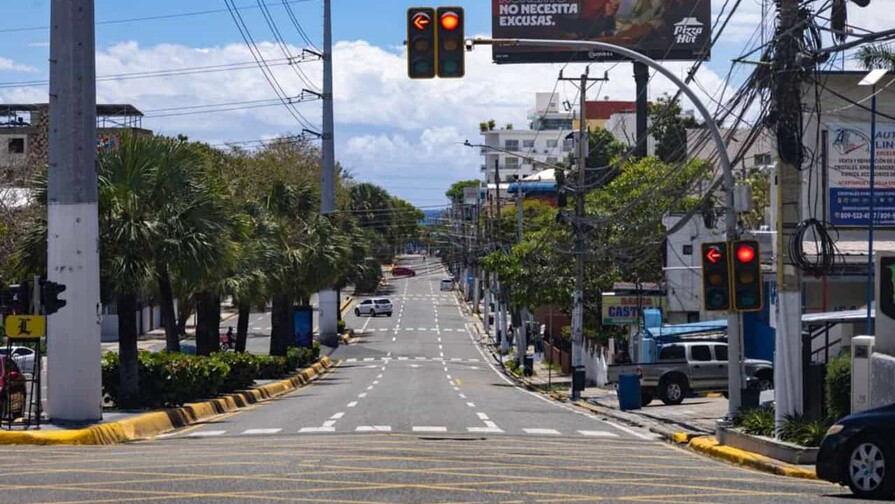
    On Holy Saturday, Greater Santo Domingo’s normally vibrant urban landscape fell into an unusual, profound stillness. The sprawling capital’s streets, avenues and residential neighborhoods, which typically hum with daily commerce and movement, saw a sharp drop in activity, with sparse traffic, empty thoroughfares, and most businesses shuttered for the religious holiday.

    Following the mandatory full shutdown of public life on Good Friday, the traditional period of religious reflection extended into Holy Saturday, bringing a near-total pause to routine commercial activity. Once-bustling corridors were reduced to a quiet lethargy, with foot traffic and vehicle movement dropping far below typical weekend levels. Nearly all retail shops, beauty salons, and non-essential service businesses remained closed for the observance, leaving only limited operations for food-focused establishments to serve residents who stayed in the capital over the holiday. Grocery stores, small local food vendors, and roadside fried food stands were among the only businesses welcoming customers.

    Streets lined with parked cars signal that most locals opted to stay home for the holiday, with the usual city soundtrack of honking horns and blaring music entirely absent. Even Santo Domingo’s iconic Malecón, the waterfront boardwalk that usually draws crowds of locals and visitors, remained nearly deserted. Salt air drifted across the quiet promenade, where the ocean lay calm with barely a ripple, and only small groups gathered to chat on benches or complete casual exercise on foot or bicycle.

    Across residential neighborhoods, residents adapted to the slow holiday pace in small, personal ways. In Ensanche Espaillat, local resident Fiordaliza Capellán set up two inflatable swimming pools outside her home for her grandchildren to enjoy, noting that police had removed an identical setup the day before in an adjacent street. Unlike many local families, Capellán opted not to prepare the traditional holiday dish sweet beans this year, citing both the high cost of the ingredient and the large volume she would need to make to share with neighborhood friends. She did, however, keep the tradition of preparing fish for Good Friday. The high price of sweet beans was a common complaint across the city: on Diego Colón Street in Los Mina, an unidentified local resident voiced frustration over the inflated cost of the staple holiday ingredient.

    For other locals, the quiet holiday brought unhurried, low-key celebration. Roberto, a Los Mina resident, joked that his Good Friday plans centered on generous amounts of rum, a tradition he planned to continue through Holy Saturday, noting that a nearby private club charged only 200 pesos for adult entry to its swimming pool, with free admission for children under five.

    In the Villas Agrícolas neighborhood near Nicolás de Ovando Avenue, community members came together to build a makeshift public cooling station on the sidewalk, running three shower pipes connected to a shared water pump where neighborhood children and adults could cool off in the warm holiday weather. Longtime local resident Sandino Henríquez, who has lived in the area for more than 60 years, explained that the group removes the shower heads each night to prevent theft by water truck operators. On Saturday, Henríquez gathered with neighbors to share bread topped with avocado and tuna, while local youth prepared pots to cook a communal meal of fish, rice, and beans later in the day. “We don’t have many plans, just drinks, food, and turning on the shower for a dip,” Henríquez said.

    Despite the near-standstill of daily activity, law enforcement and security agencies maintained a heavy visible presence across the capital, continuing patrols and monitoring to preserve public order throughout the holiday. Police officers conducted routine stops and checks across the city, even as vehicle and pedestrian volumes stayed far below normal.

  • Police in Los Alcarrizos kill a young man they were looking for in connection with armed robberies

    Police in Los Alcarrizos kill a young man they were looking for in connection with armed robberies

    A fatal police-involved shooting in Los Alcarrizos has left a 24-year-old suspected criminal dead, according to official statements from Dominican Republic’s National Police. The deceased has been identified as Ambiorix Acevedo, who succumbed to multiple gunshot wounds while undergoing emergency treatment at Dr. Vinicio Calventi Hospital.

    Preliminary official accounts outline that the shooting unfolded when uniformed police patrols moved to apprehend Acevedo, who was already the subject of an active arrest warrant. Law enforcement officials state that Acevedo opened fire on the arriving patrol officers, forcing officers to return fire in self-defense.

    National Police have confirmed that Acevedo was a person of interest linked to multiple armed assault and robbery cases across several neighborhoods in Santo Domingo Oeste municipality. Following the confrontation, authorities secured a loaded firearm and a motorcycle at the incident site.

    The investigation into the encounter remains active and ongoing, with law enforcement currently conducting a manhunt for a second individual believed to be connected to Acevedo and the broader robbery network he was allegedly part of. No further details about the second suspect or the timeline for concluding the investigation have been released to the public as of the latest update.

  • Communities in Montecristi transform the devil fish into a productive alternative

    Communities in Montecristi transform the devil fish into a productive alternative

    SANTO DOMINGO — An invasive aquatic species that has thrown off the fragile ecological balance of Montecristi province’s Saladilla Lagoon is now at the center of an innovative pilot initiative that re-frames an environmental crisis as a pathway to long-term sustainable economic growth for local communities.

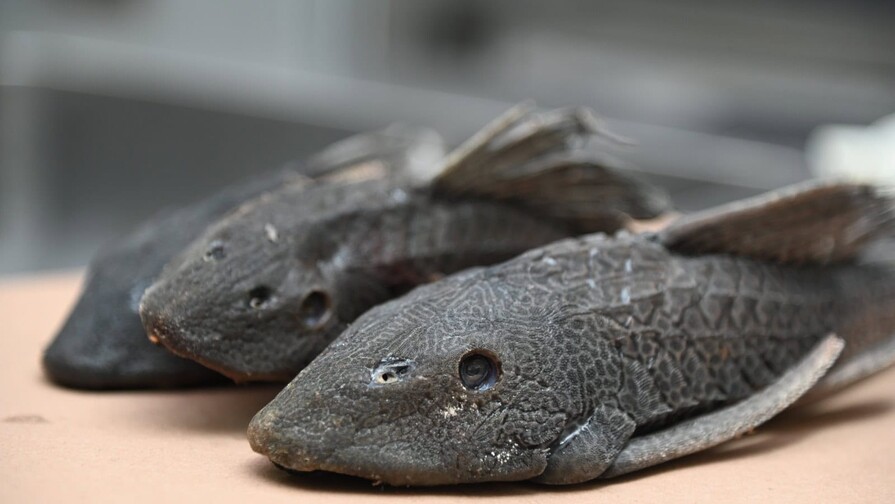
    Native to the Amazon basin, the devil fish has spread rapidly across Saladilla Lagoon in recent years, outcompeting native and commercially important species such as tilapia. Its unchecked proliferation has decimated local fish populations, disrupted the lagoon’s natural ecosystem, and undermined the livelihoods of area fishermen who rely on the waterway for income.

    Rather than focusing solely on population control for this problematic invasive species, a new collaborative project led by development non-profit People for Development (AVSI Dominican Republic) in partnership with the Dominican Ministry of Environment is aiming to integrate the devil fish into a circular local production chain. The core plan of the initiative is to process devil fish and other invasive species caught in the lagoon into nutrient-dense fishmeal.

    Per an official statement from the Ministry of Environment, local community members are carrying out the fishmeal processing work. Once production is complete, samples will undergo rigorous laboratory testing to confirm the safety and efficacy of the final product for two key uses: as an organic soil fertilizer for local farms, and as a nutritional feed supplement for domestic livestock.

    This model marks a critical shift in how invasive species are managed across many affected regions. Instead of treating invasive organisms as a costly problem that drains public resources, the project turns a species with no existing commercial value into a sellable commodity that can generate consistent local income.

    Gustavo Benigno Toribio, project manager for AVSI, explained that the pilot’s greatest potential lies in its scalability. Beyond the small group of initial participants, the project is designed to expand economic opportunity for every community that relies on Saladilla Lagoon for work and resources.

    From the project’s launch, local stakeholders have been at the center of every step of development. After a open selection process, volunteer local farmers and ranchers received specialized training to launch the pilot phase, which kicked off on March 9, 2026. Local fishermen have also been integrated into the workforce, taking on roles in harvesting and initial processing of captured devil fish.

    This deep community ownership has cleared the way for the potential development of a permanent community microenterprise, which would formalize the process of converting the invasive species into a sustained economic asset for the region. Notably, the project has prioritized the participation of organized local women in the processing stage, expanding economic inclusion and strengthening the resilience of the local production chain.

    Project progress was formally validated during a March 26, 2026 site visit by Marina Hernández, Director of Biodiversity at the Dominican Ministry of Environment, where she reviewed the initial outputs of the devil fish transformation process.

    The pilot is one component of a much larger initiative focused on improving environmental management at the Laguna Saladilla Wildlife Refuge, which receives core funding from the Japan International Cooperation Agency.

    Alongside the production and economic work, the initiative embeds environmental education as a cross-cutting priority for long-term impact. A dedicated education program for local students and teachers has been developed, with curriculum modules covering key topics including invasive species dynamics, coastal ecosystem health, and the environmental impacts of local productive activities. These educational efforts are designed to build widespread community understanding of the challenges posed by the devil fish invasion, while empowering local people to contribute to context-appropriate, community-led solutions.

  • Tranquility reigns supreme on the beaches of Boca Chica, Guayacanes and Juan Dolio

    Tranquility reigns supreme on the beaches of Boca Chica, Guayacanes and Juan Dolio

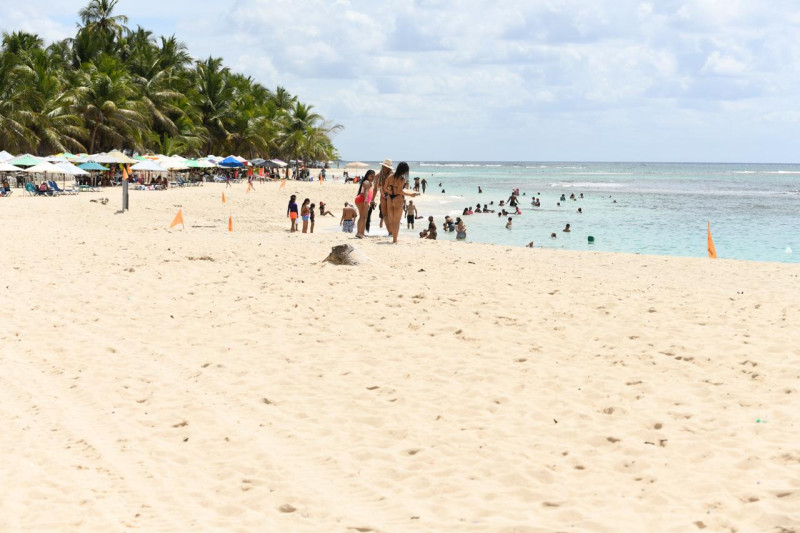
    On Good Friday, three popular coastal destinations in the Dominican Republic — Guayacanes, Juan Dolio, and Boca Chica — drew crowds of sun-seeking visitors, all united by a shared desire for rest, connection, and relaxation amid the Holy Week holiday. From the earliest hours of dawn, clear golden sunlight spilled across the shoreline, turning the Caribbean waters into a shimmering gradient of blues that wrapped around swimmers wading into the gentle surf. Every beachgoer arrived prepared for a full day outdoors, armed with wide-brimmed hats, coolers packed with home-prepared food, sunglasses, and tote bags holding towels and personal belongings, all ready to soak up the warm holiday atmosphere.

    For many regular visitors, a Good Friday trip to the coast is far more than just a day off — it is a chance to reconnect with nature and step away from the crowded bustle of city life. Rut Luna, a 51-year-old evangelical pastor from the capital Santo Domingo who visits Dominican beaches regularly, spoke from her spot on Guayacanes shore, smiling as she described her experience. “The beach is life, it’s creation. Here we get to breathe in a clean, wholesome environment,” she said. “Most people head inland to small towns for the holiday, so we get to stay here and enjoy the peace.” Her sentiment was echoed by Carmen Rivas, a Venezuelan migrant who has lived in the Dominican Republic for eight years, hailing from the central Venezuelan state of Aragua. Rivas noted that beach trips during Holy Week and New Year’s are a beloved longstanding tradition, and the calm, welcoming shores of the Dominican Republic fit that perfectly.

    A half-kilometer down the coast from Guayacanes, Juan Dolio beach catered to a large crowd of multi-generational families, who gathered to sunbathe on the soft sand and catch up with one another over casual conversation. Alicia Rosario, a 44-year-old visitor who traveled to the coast from Consuelo in San Pedro de Macorís province, said she rarely leaves home for Good Friday, but changed her plans this year when her husband invited her along. She was glad she did, she said, noting that the entire beach maintained a quiet, orderly vibe throughout the day. “My hope is that everyone gets to enjoy themselves without trouble, and that we all get back home just as safe and happy as we arrived,” she added. Along the town streets leading to the shore, a steady stream of groups made their way to the water, arriving with family members, friends, and neighbors to share the holiday.

    Further along the coast, Boca Chica recorded a noticeable uptick in visitor numbers compared to typical non-holiday weekends. Some visitors waded and swam in the warm waters, while others opted to gather at open-air picnic tables set up right on the sand near the shoreline, where they enjoyed fresh seafood and homemade pasta. One of those diners was 65-year-old Rafaela, who came with her entire family to step away from the demands of the auto mechanic shop she co-owns with her husband. Good Friday is the only day of the year the shop closes for a full break, she explained, and even when the shop called her husband while they were staying at a nearby hotel that morning, she pushed him to ignore the work and focus on the day off. “I told him to leave all that stress behind,” she said with a laugh.

    Sitting nearby was another Venezuelan visitor, Susana Lavieri, who joked that she and her family must have been fish in a past life, given how much they love being on the beach. Lavieri added that large beach gatherings during Holy Week are a long-held tradition from Venezuela, and the group was pleasantly surprised to find the shore relatively quiet this year, making their day even more enjoyable. “We’re all true beach people at heart,” she said, grinning.

    To ensure visitor safety across all three coastal destinations, local authorities had deployed full operational teams of emergency responders and law enforcement well ahead of the Good Friday crowds. Reporters from local outlet Listín Diario observed personnel from the Dominican Civil Defense, the national Tourist Police (Politur), and specialized rescue teams on patrol across all three beaches. Politur operates its central command and control center for tourist incidents across the entire country at Boca Chica beach, allowing for rapid response to any issues that arise during the busy holiday period. Juan Jesús Cabrera, director of Civil Defense for the Juan Dolio area, noted that his team had been on duty assisting and supporting visitors since Holy Thursday morning, and that this year’s holiday operation included more trained staff, better equipment, and expanded resources than in previous years to handle any emergency.