标签: Dominican Republic

多米尼加共和国

  • Dominican message goes viral during NASA Artemis II Moon launch

    Dominican message goes viral during NASA Artemis II Moon launch

    On April 1, 2026, NASA ignited a new chapter of human lunar exploration when its long-awaited Artemis II mission lifted off from the Kennedy Space Center in Florida, marking the first crewed flight of the agency’s ambitious Artemis Program. While the launch itself drew hundreds of thousands of spectators across Florida, who gathered along coastlines and city vantage points to catch a glimpse of the rocket’s ascent, and millions more tuned into official broadcast coverage worldwide, an unexpected moment of global unity emerged from the live stream that quickly stole the spotlight: a heartfelt message of support from a Dominican viewer that spread like wildfire across social media within hours of the launch.

    The message, read aloud on air during the official launch coverage, carried warm wishes from the viewer on behalf of the global Dominican community—including those residing in the United States, the Dominican homeland, and diaspora communities across every continent. “On behalf of myself and all Dominicans in the USA, the Dominican Republic, and around the world, we wish you a good trip—safe, productive, and full of fun. You are an inspiration. You know what to do; go for it, Artemis,” the message read. Its sincere, enthusiastic tone resonated deeply with audiences across platforms, turning a routine segment of broadcast coverage into one of the most memorable highlights of the entire launch event.

    For Dominicans both at home and living abroad, the viral moment sparked a widespread wave of collective pride. It marked a rare, visible moment of inclusion for the Dominican diaspora in a landmark global event, bridging the gap between everyday communities and the rarefied world of cutting-edge space exploration. The message’s emphasis on shared encouragement and collective excitement reinforced how major scientific milestones can unite people across geographic, cultural, and socioeconomic boundaries, turning a NASA mission into a shared global moment of hope.

    As the first crewed mission of the Artemis Program, Artemis II carries far more than four astronauts aboard the Orion spacecraft: it carries the weight of NASA’s decades-long goal to return humans to the lunar surface, and lay the technical groundwork for future deep space exploration ranging from Mars missions to long-term lunar research. Over the course of its approximately 10-day mission, Orion will complete a full orbit of the Moon before returning to Earth, allowing engineers to put critical life support, navigation, and reentry systems through rigorous real-world testing ahead of the Artemis III mission, which is planned to mark the first crewed lunar landing in over 50 years. Ultimately, the Artemis Program is designed to establish a sustained long-term human presence on the Moon, opening new avenues for scientific research and commercial space development in the coming decades.

  • Dominican economy grows 3.9% in February, best performance in 11 months

    Dominican economy grows 3.9% in February, best performance in 11 months

    New preliminary data released by the Central Bank of the Dominican Republic via its Monthly Indicator of Economic Activity (IMAE) shows that the Caribbean nation’s economy delivered its most robust performance in nearly 12 months during February 2026, posting a 3.9% year-on-year expansion. This strong February result lifted the average growth rate across the first two months of 2026 to 3.7%, outpacing many moderate growth projections for regional economies.

    This upward momentum was anchored by outsize gains in three foundational sectors of the Dominican economy: mining, construction, and services. Mining led all sectors with a 9.4% annual expansion, followed by construction at 5.8% and the broad services sector at 3.5%. Within services, multiple sub-sectors posted particularly notable growth: education, healthcare, tourism-linked hospitality (including hotels, bars and restaurants), financial services, and professional business activities all contributed heavily to the overall expansion. Additional modest but steady growth came from other core sectors: agriculture grew 3.2% year-on-year, local domestic manufacturing expanded 2.4%, and free trade zone manufacturing recorded a 1.2% increase.

    A closer look at the driving forces behind sector growth reveals a mix of public and private momentum. Construction activity, one of the top growth contributors, was buoyed by rising public infrastructure spending and growing private investment across residential, commercial, and tourism-focused development projects, paired with increasingly favorable lending rates that lowered borrowing costs for developers. The mining sector’s double-digit expansion stemmed from higher production volumes of gold, silver, and key construction materials, aligned with growing regional demand for commodities.

    Tourism, a longstanding economic pillar for the Dominican Republic, continued its recovery and expansion: the country recorded a 10% year-on-year jump in air arrivals through the first two months of 2026, hitting nearly 1.65 million total international visitors. The financial sector also strengthened its position, with financial intermediation activity growing alongside an 8.1% annual increase in credit extended to the private sector, signaling growing business and consumer confidence. For agriculture, higher overall production volumes and targeted government support programs boosted the sector’s performance for the period.

    Even with the stronger-than-expected growth print, the Central Bank has cautioned that ongoing headwinds remain on the global horizon. Persistent geopolitical tensions and upward pressure on global oil prices continue to create widespread uncertainty for small open economies like the Dominican Republic. In response, the central bank reaffirmed its policy commitment to preserving macroeconomic stability and keeping inflation anchored within target ranges through the remainder of 2026.

  • Baní Bypass to operate one-way for Easter traffic control

    Baní Bypass to operate one-way for Easter traffic control

    PERAVIA — Authorities from the Dominican Republic’s National Institute of Traffic and Land Transportation (DIGESETT) have rolled out a targeted traffic management adjustment ahead of the Easter holiday rush, announcing that the Baní Bypass will switch to a temporary southbound-only configuration starting Wednesday afternoon. This strategic shift is designed to streamline movement along the critical corridor that thousands of holidaymakers use to reach popular destinations in the country’s southern provinces.

    To accommodate the expected wave of return traffic heading back to the capital after the long weekend, the directional arrangement will be reversed on Easter Sunday. On that day, the entire bypass will operate as a single northbound lane, with all traffic permitted to travel only from the southern region toward Santo Domingo. This phased adjustment is intended to cut down on long delays and gridlock that typically plague major travel routes during peak holiday arrival and departure periods.

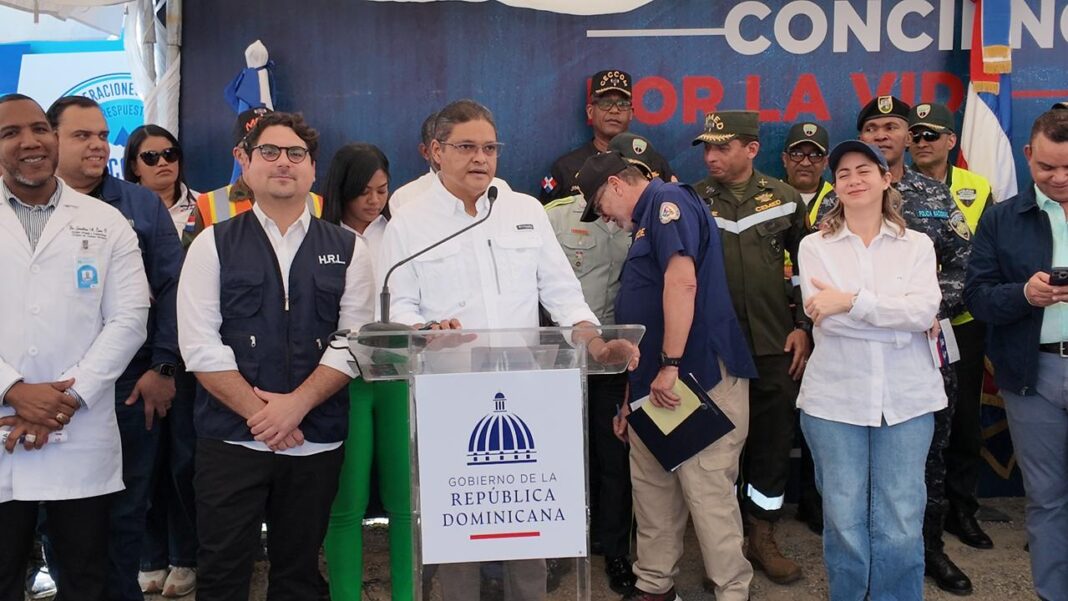
    The traffic plan was formally unveiled by DIGESETT spokesperson Rafael Tejeda Baldera during the official launch of the agency’s annual “Conscience for Life” road safety operation in Peravia. Beyond the infrastructure adjustment, officials have issued a public appeal to all motorists traveling over the holiday. Drivers are strongly encouraged to comply with posted traffic regulations, adhere to speed limits, and follow on-the-ground instructions from deployed traffic personnel to minimize the risk of accidents and keep the road network operating safely for all users.

  • Puerto Plata to welcome 54 cruise ships in April 2026

    Puerto Plata to welcome 54 cruise ships in April 2026

    The Dominican Republic’s Ministry of Tourism has unveiled a landmark update for the country’s northern cruise sector, confirming that the popular coastal destination of Puerto Plata will welcome 54 scheduled cruise ship calls in April 2026. This announcement underscores the steady, long-term expansion of cruise tourism across the Dominican Republic’s northern coastline.

    The scheduled arrivals will be split between two major local port facilities: the well-established Amber Cove terminal will host 19 cruise ship operations, while the growing Taíno Bay port will accommodate the remaining 35 calls, reflecting the increasing capacity and demand for cruise stops in the region.

    David Collado, the Dominican Republic’s Tourism Minister, attributed the cruise sector’s consistent strong performance to a targeted national strategy that prioritizes long-term infrastructure planning, rigorous daily operational monitoring, and ongoing upgrades to the services delivered to international visitors. Collado noted that this intentional, visitor-focused approach has significantly boosted the country’s competitive standing among top cruise destinations across the Caribbean, a region that draws millions of cruise passengers every year.

    Local tourism leadership echoed Collado’s optimism, emphasizing that the early announcement of the 2026 April schedule creates unique opportunities for advance operational planning. With clear advance knowledge of arrival volumes, stakeholders can refine passenger flow management, streamline communication and collaboration between port operators, local tour providers, and national government agencies, and eliminate last-minute logistical bottlenecks that can detract from visitor experiences.

    Industry and government projections indicate that the higher volume of cruise arrivals will deliver widespread benefits across Puerto Plata’s local economy. Beyond boosting the revenue of local tourism-dependent businesses, the increased passenger footfall is expected to drive incremental improvements in service standards, help refine visitor experience offerings, and create additional informal and formal employment opportunities for local residents.

    With consistent strategic planning and close cross-institutional coordination, Puerto Plata is continuing to solidify its reputation as one of the Caribbean’s premier cruise tourism hubs, attracting growing numbers of major cruise lines and their passengers year after year.

  • Luis Abinader, ITM Group announce Port Samaná opening on November 24 with 1,000 direct jobs

    Luis Abinader, ITM Group announce Port Samaná opening on November 24 with 1,000 direct jobs

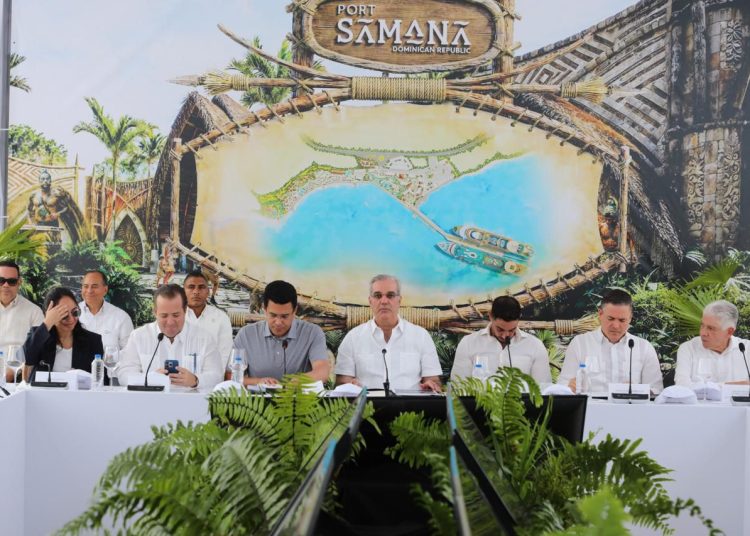
    The Caribbean nation of the Dominican Republic is poised to hit a major milestone in its cruise tourism expansion strategy, with Dominican President Luis Abinader confirming the official opening of the long-awaited Port Samaná for November 24. Developed under a forward-looking public-private partnership between private developer ITM Group, the Dominican Port Authority, and the national Ministry of Tourism, the project is already being hailed as a cornerstone of the country’s economic growth agenda. Currently wrapping up its final construction and preparation phase, the new port is projected to create more than 4,000 local jobs while elevating Samaná to a top-tier cruise destination across the Caribbean.

  • Dominican Health Ministry distributes 25,000 first aid kits for Easter 2026

    Dominican Health Ministry distributes 25,000 first aid kits for Easter 2026

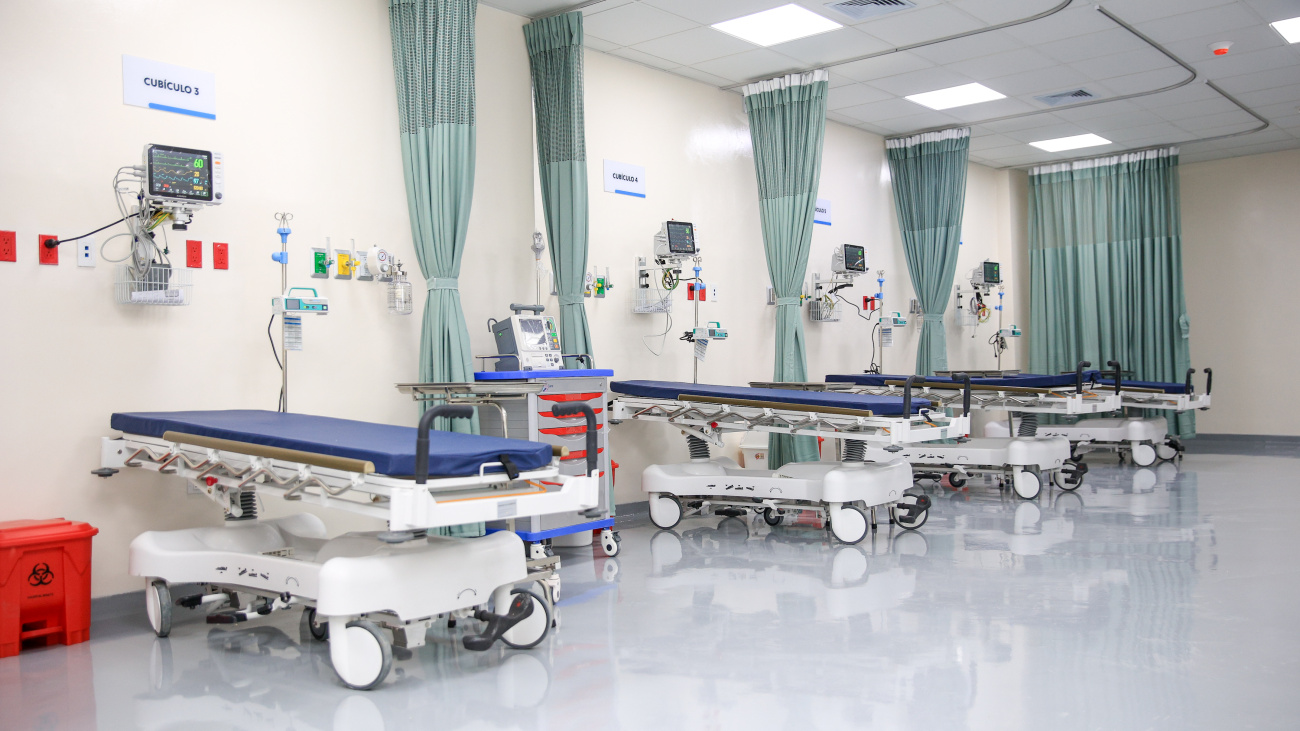
    Residents and travelers across the Dominican Republic are set to benefit from a sweeping nationwide public health initiative aimed at boosting emergency response capabilities during the upcoming 2026 Easter holiday period. Unveiled by the nation’s Ministry of Health as a core component of Operation SS 2026, the program centers on three foundational pillars: proactive incident prevention, rapid on-site medical care, and continuous public health surveillance across high-foot-traffic areas.

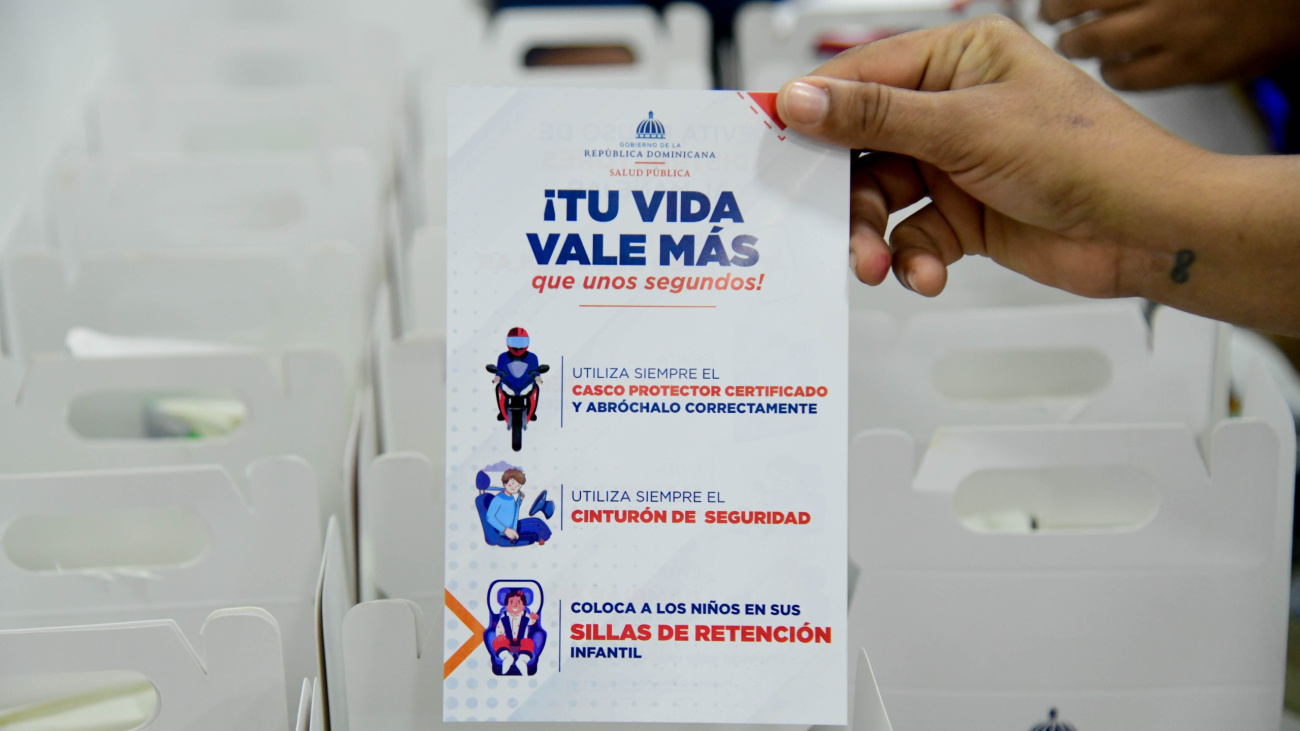
    A key centerpiece of the initiative is the distribution of 25,000 fully stocked first aid kits, which will be routed through local Provincial and Area Health Directorates to locations that see the largest volumes of visitor and traveler movement over the holiday. Priority deployment zones include major city exit routes, highway toll plazas, and low-resource vulnerable communities that face gaps in immediate emergency access.

    Public health officials designed the full set of measures to address the most common preventable health and safety risks that spike during the Easter holiday season: traffic collisions, incidents linked to excessive alcohol consumption, and outbreaks of food poisoning. The plan guarantees that rapid, professional medical assistance will be available at pre-identified strategic checkpoints and gathering spots across every region of the country.

    Dominican Health Minister Víctor Atallah emphasized that while the newly distributed first aid kits will serve as a critical lifeline in time-sensitive emergency scenarios, proactive prevention of incidents remains the single most effective strategy to protect public safety and save lives over the holiday. Beyond first aid supplies, authorities have also upgraded the national capacity to respond to poisoning incidents by restocking critical life-saving medications at all major public health facilities across the country.

    The cross-cutting program has secured coordinated support from a network of partner institutions, including Promese/CAL, the Dominican Red Cross, and the national Civil Defense agency. Public health teams have also ramped up epidemiological surveillance protocols, with a particular focus on early detection and response to diarrheal illnesses and other diseases spread through contaminated food, which are common holiday-related public health concerns.

    To support real-time tracking of incidents and inter-agency coordination, national Health Situation Rooms have been activated across all administrative regions of the country. The activation falls under the broader “Awareness for Life Holy Week 2026” operation, which is led by the Dominican Emergency Operations Center (COE). In closing, public health officials have issued a public appeal for holidaygoers and residents to practice responsible behavior, uphold strict personal and food hygiene standards, follow safe food handling protocols, avoid consuming unregulated and unsealed alcohol products, and seek prompt professional medical attention if they experience illness or injury over the holiday period.

  • Abinader inaugurates four-lane highway at Samaná entrance

    Abinader inaugurates four-lane highway at Samaná entrance

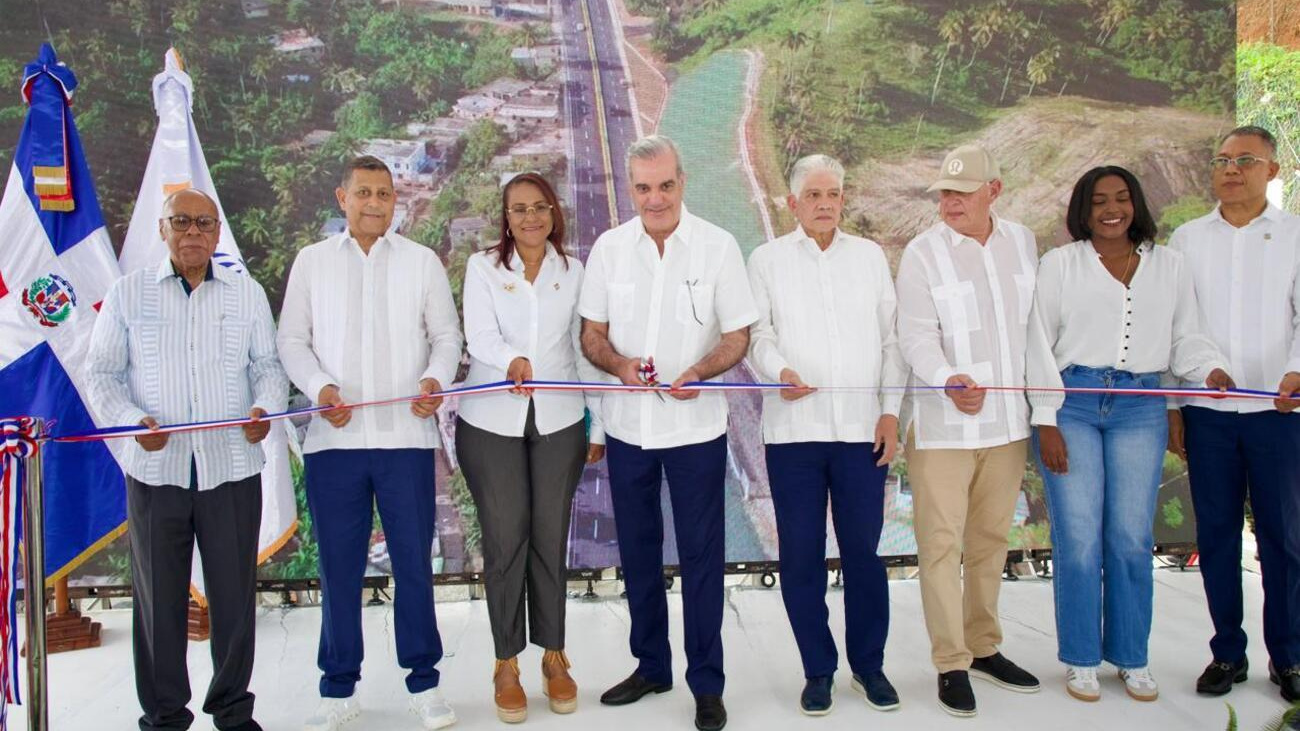
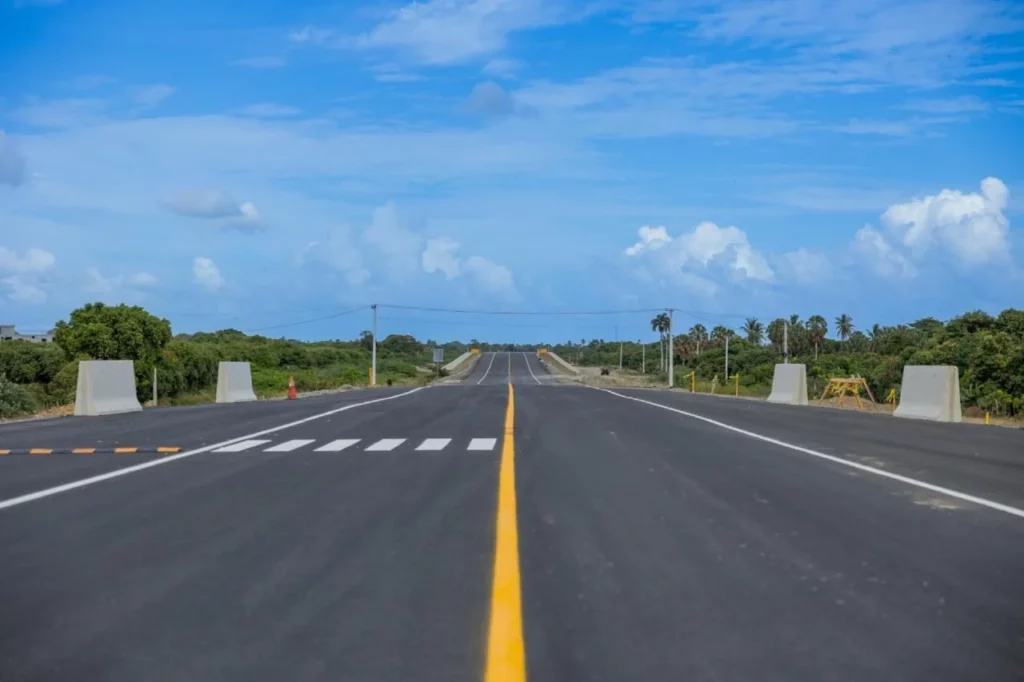
    In a major milestone for regional development in the Dominican Republic, President Luis Abinader has officially opened the upgraded four-lane highway at the main entrance of Samaná Province, a high-priority infrastructure project expected to lift quality of life for over 110,000 local residents and supercharge the region’s critical tourism sector.

    Overseen by the country’s Ministry of Public Works and Communications, the comprehensive modernization project went far beyond simple road widening. In addition to expanding the original route to four lanes, crews completed full asphalt rehabilitation across the entire stretch, installed upgraded drainage systems to mitigate flood risks, added new energy-efficient road lighting, built paved pedestrian sidewalks, and reengineered access points to improve flow for both vehicles and pedestrians.

    The completed upgrades deliver immediate, tangible benefits: improved road safety for all users, significant cuts to peak and off-peak travel times, and stronger, more reliable connectivity between scattered local communities. These changes also position Samaná as a competitive strategic hub for both tourism and logistics across the Dominican Republic.

    During the inauguration ceremony, President Abinader framed the highway project as one piece of a sweeping, long-term national development strategy for the region. The broader plan includes a portfolio of complementary initiatives: new port development projects, city-wide urban renovation works, and expanded land titling programs, all designed to attract new private and public investment and drive inclusive economic growth across the province.

    Regional and national authorities have underscored that the improved road infrastructure will create smoother access to Samaná’s most popular tourist attractions, streamline the transportation of local goods to regional and national markets, and support the sustainable expansion of the tourism sector. In the long term, these upgrades are expected to solidify Samaná’s reputation as one of the Caribbean’s top travel destinations.

  • COE launches Holy Week 2026 safety operation nationwide

    COE launches Holy Week 2026 safety operation nationwide

    In preparation for the 2026 Holy Week holiday season, the Dominican Republic’s Emergency Operations Center (COE) has rolled out a massive nationwide public safety initiative dubbed “Holy Week Awareness for Life 2026”, scheduled to run from April 2 through April 5.

    The unprecedented operation draws together coordinated resources from 22 separate government and public institutions, mobilizing a total workforce of 51,232 trained personnel across every region of the country. Backed by robust logistical infrastructure and cutting-edge technological monitoring tools, the operation is structured around a core prevention-first strategy, according to COE director Juan Manuel Méndez García.

    To deliver rapid, effective response to any emergency, hundreds of ambulances, search-and-rescue boats, air support helicopters, and rapid response units have been pre-positioned, alongside thousands of strategically placed first aid stations that cover both high-traffic urban routes and remote recreational areas popular with Holy Week travelers. The overarching objective of the massive deployment, authorities confirmed, is to ensure that all citizens traveling to visit family, participate in religious events, or enjoy holiday outings can reach their destinations and return home safely without incident.

    Representatives from participating institutions emphasized that the success of the safety operation relies on more than just government action: public cooperation and responsible behavior are equally critical to preventing avoidable accidents. Alongside the large personnel deployment, authorities have implemented a series of targeted measures including enhanced road safety patrols, the placement of additional traffic agents in historically high-risk collision zones, and expanded 24/7 surveillance of major travel routes. Complementing these enforcement actions are widespread public awareness campaigns, which urge all road users to follow traffic regulations strictly, avoid driving after consuming alcohol, and prioritize the safety of vulnerable groups, particularly unaccompanied minors during the holiday period.

  • Dominican Republic nominated to lead 79th World Health Assembly

    Dominican Republic nominated to lead 79th World Health Assembly

    The Dominican Republic has secured a historic unanimous nomination from all countries of the Americas to serve as president of the 79th World Health Assembly, set to take place from May 18 to 23, 2026, at the World Health Organization (WHO) headquarters in Geneva, Switzerland.

    The selection aligns with WHO’s long-standing rotational leadership framework, which allocates the 2026 presidency to the World Health Organization’s Region of the Americas, represented regionally by the Pan American Health Organization (PAHO). The full backing from every regional delegation was formalized during a closed-door meeting of country representatives held in October 2025, and the final confirmation of the appointment will take place during the opening plenary session of the 2026 assembly.

    The official notification of the nomination was delivered in a formal letter addressed to Dominican Republic President Luis Abinader, which included a guarantee of full institutional support from PAHO and the American regional bloc as the country prepares to take on the leadership role.

    This milestone marks the first occasion in history that the Dominican Republic has been selected to lead WHO’s highest decision-making body, a development that is widely viewed as a major global vote of confidence in the Caribbean nation’s public health leadership and contributions to international health cooperation. The annual World Health Assembly brings together senior health and diplomatic representatives from WHO’s 194 member states to identify pressing global health challenges, negotiate collaborative response frameworks, and set binding policy priorities that guide global public health work for the coming years.

  • Manzanillo Plant key to energy stability, says Energy Minister

    Manzanillo Plant key to energy stability, says Energy Minister

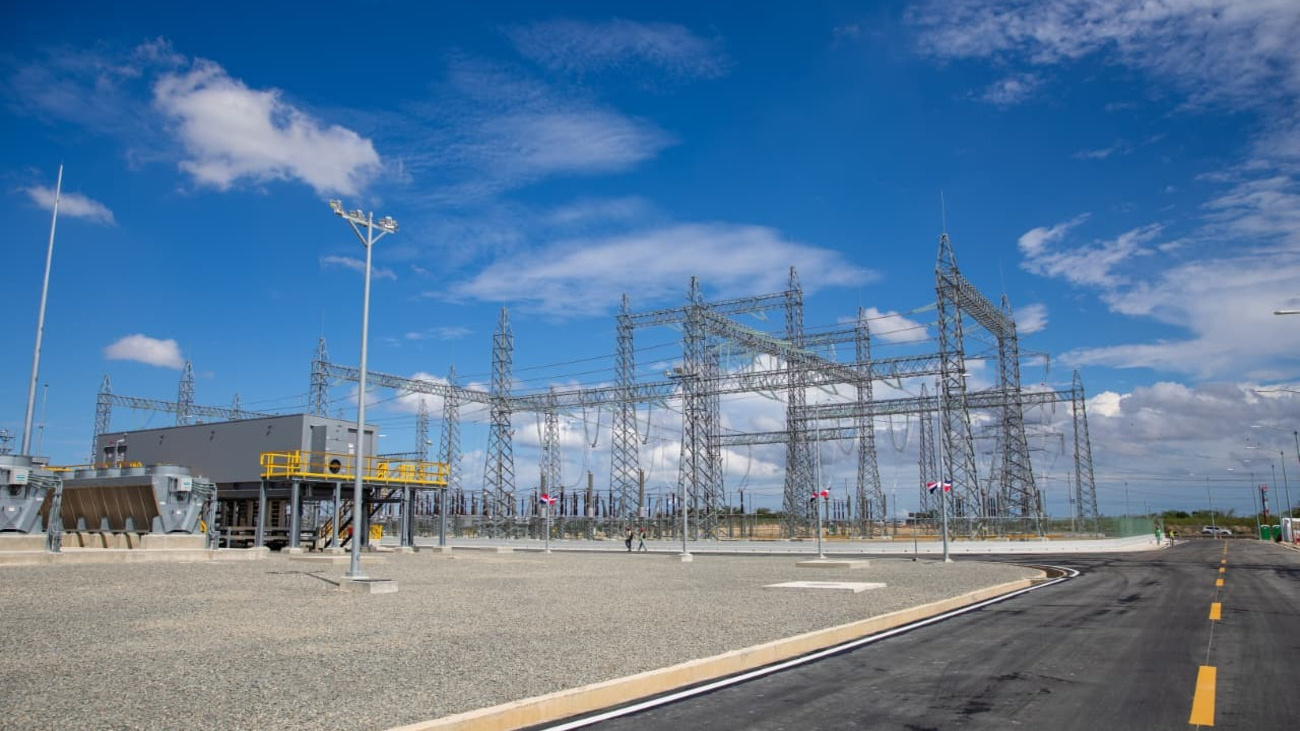
    Santo Domingo has emerged as a Caribbean energy leader with groundbreaking infrastructure development and renewable expansion. Energy and Mines Minister Joel Santos unveiled the Manzanillo Power Land thermoelectric facility, now operational as the region’s most advanced power plant. This state-of-the-art complex injects 414 megawatts into the National Interconnected Electric System, deploying cutting-edge control and monitoring technologies that significantly enhance grid reliability while optimizing response mechanisms to fluctuating energy demands.

    The energy transformation extends beyond conventional power generation. Under President Luis Abinader’s administration, renewable capacity has experienced unprecedented growth, surging from 554 megawatts in 2020 to approximately 2,000 megawatts today—representing a nearly fourfold increase. The year 2025 proved particularly significant with approximately 1,150 megawatts of clean energy integration, demonstrating accelerated investment in solar and wind projects nationwide.

    Minister Santos emphasized that this dual approach—combining advanced thermal generation with renewable expansion—creates a more resilient, sustainable, and secure energy ecosystem. Strategic infrastructure investments, regulatory reforms, and technological innovation have collectively positioned the Dominican Republic for continued energy modernization. The government maintains its commitment to further increasing renewable penetration, ensuring nationwide access to stable, environmentally conscious electricity that meets both current and future demands.