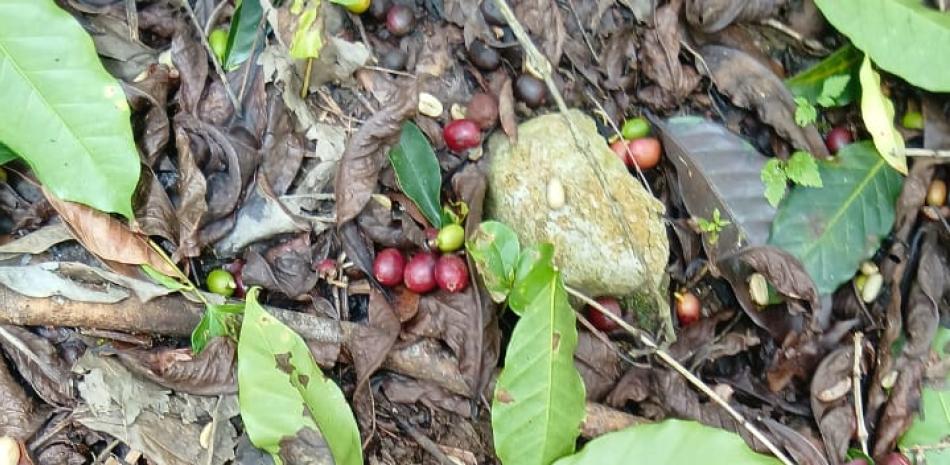
In the southwestern Dominican province of Bahoruco, hundreds of coffee farmers who suffered catastrophic losses from 2023’s Hurricane Melissa are waiting for long-promised compensation from President Luis Abinader’s administration—but the rollout of the aid program has already been overshadowed by secrecy, inter-agency friction, and fears that eligible growers will be left out.
The disbursement of relief funds is scheduled to take place April 7 and 8 at the headquarters of the Dominican Coffee Institute (INDOCAFE) in Neyba, the province’s largest municipality. The distribution will be led by a joint delegation of INDOCAFE staff and officials from the Dominican Republic’s Office of the Comptroller General, tasked with overseeing the transfer of public funds to affected producers.
But basic details about the program remain undisclosed to the public: the total size of the relief package, and the full list of growers approved to receive compensation, have not been made available. Teodoro Peña Rivas, INDOCAFE’s interprovincial director for the region, has declined to share the roster of beneficiaries, stating he is following orders from the institute’s senior leadership in Santo Domingo.
Peña Rivas—widely known by his nickname “Carlos Café” among local growing communities—has also refused to partner with the NUCASNE, the local advocacy group representing coffee and crop farmers in the Sierra de Neyba mountain region, where much of Bahoruco’s coffee cultivation is concentrated. Peña Rivas claimed he could not collaborate with the group because he had not received authorization from INDOCAFE’s national director, Leonidas Batista Díaz.
This refusal directly contradicts communications shared directly with NUCASNE, however: Peña Rivas himself read a text message and played an audio recording from Batista Díaz that instructed the institute’s regional team to meet with Faustino Reyes Díaz, NUCASNE’s coordinator, to coordinate support for the affected producers.
The conflicting directions and secrecy have fueled growing suspicion among local growers about the transparency of the relief program. Reyes Díaz told reporters he believes mid-level INDOCAFE technicians, with backing from the institute’s national leadership, have deliberately declined to complete official damage assessments for many affected farms, even when clear evidence of storm destruction exists. He warned that growers who suffered severe losses during Hurricane Melissa will be locked out of the compensation program entirely, and says he is already bracing for anger and disappointment among the farming community when aid is distributed.
For Bahoruco’s coffee sector, which is a core source of employment and economic activity for the region, Hurricane Melissa caused widespread damage to crops and growing infrastructure in 2023. The promised compensation from the national government was intended to help small-scale producers rebuild their operations, but the emerging controversies have cast doubt on whether the aid will reach those who need it most.