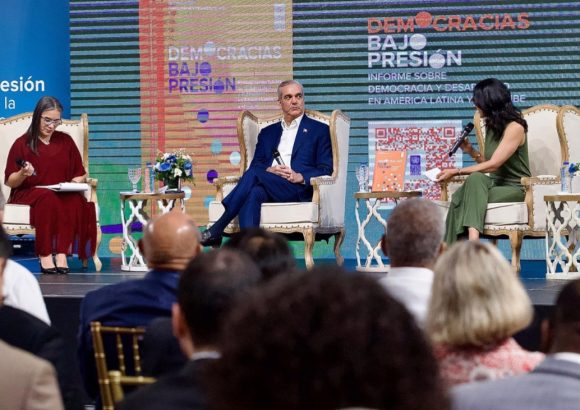
At a high-profile event hosted in Santo Domingo, the United Nations Development Programme (UNDP) has recognized the Dominican Republic for its groundbreaking progress across democratic governance, political liberties, and broad-based human development, framing the Caribbean nation as a standout example of democratic deepening at a time when democratic institutions across the Latin American and Caribbean region face mounting systemic pressures. The acknowledgement came during the official launch of the 2026 Regional Human Development Report, where Michelle Muschett, UNDP’s Regional Director for Latin America and the Caribbean, spotlighted the Dominican Republic’s steady work to entrench electoral democracy and widen access to political freedoms for all segments of society.
Beyond political advances, Muschett emphasized the Dominican Republic’s decades-long track record of tangible social progress, noting that over the past 20 years, the country has delivered dramatic reductions in both widespread poverty and systemic inequality. These socioeconomic gains, she explained, are core to the nation’s broader improvements in human development outcomes and collective social well-being, proving that democratic strengthening can go hand-in-hand with inclusive growth. The 2026 report itself takes a comprehensive look at the most pressing challenges facing democratic systems across the region, ranging from persistent governance gaps and stubborn income inequality to rising political polarization and the growing gap between citizen expectations and government delivery.
The launch event was led by Dominican President Luis Abinader, with Dominican Foreign Minister Roberto Álvarez in attendance, and featured aligned remarks from both national and regional leaders on the future of democratic governance in the region. Muschett opened the policy discussion by stressing that durable, resilient democracies ultimately rely on effective, responsive institutions that can deliver concrete, visible benefits to everyday citizens. Álvarez echoed this core argument, adding that ongoing protection and intentional renewal of democratic systems is critical as the region grapples with a new wave of interconnected challenges, including rampant disinformation, transnational organized crime, unprecedented migration pressures, rapid technological disruption, and the accelerating global environmental crisis. Closing his remarks, Álvarez reaffirmed the Dominican Republic’s unwavering commitment to further strengthening its democratic institutions and ensuring that every advance in political governance translates to measurable improvements in quality of life for all citizens, regardless of background.