标签: Dominica

多米尼克

  • Motorcycle death in Antigua reported on social media to be Dominican

    Motorcycle death in Antigua reported on social media to be Dominican

    Antiguan authorities have launched a formal investigation into a tragic motorcycle accident that resulted in the death of a 23-year-old man on Popeshead Street in the early hours of November 30th. The victim has been officially identified as Joshua Alexander, a resident of Light Foot, Antigua.

    According to preliminary police reports, the incident occurred when Alexander was traveling at excessively high speeds along Popeshead Street. Authorities state he lost control of his vehicle, leading to a violent collision with a wall and sidewalk on the eastern side of the roadway.

    Emergency medical personnel responded promptly to the scene but found no signs of life. Alexander was officially pronounced deceased at 3:16 AM despite resuscitation efforts.

    The accident has garnered significant attention on social media platforms, with circulating images and unverified claims that the deceased was of Dominican origin. While these reports remain unconfirmed by official sources, local media outlets have committed to seeking clarification from relevant authorities regarding the victim’s background.

    This incident marks another tragic addition to Antigua’s road traffic statistics, highlighting ongoing concerns about road safety and speeding violations. The investigation continues as authorities work to determine the exact circumstances surrounding the fatal crash.

  • The CCJ Academy for Law successfully hosts  its largest biennial conference

    The CCJ Academy for Law successfully hosts its largest biennial conference

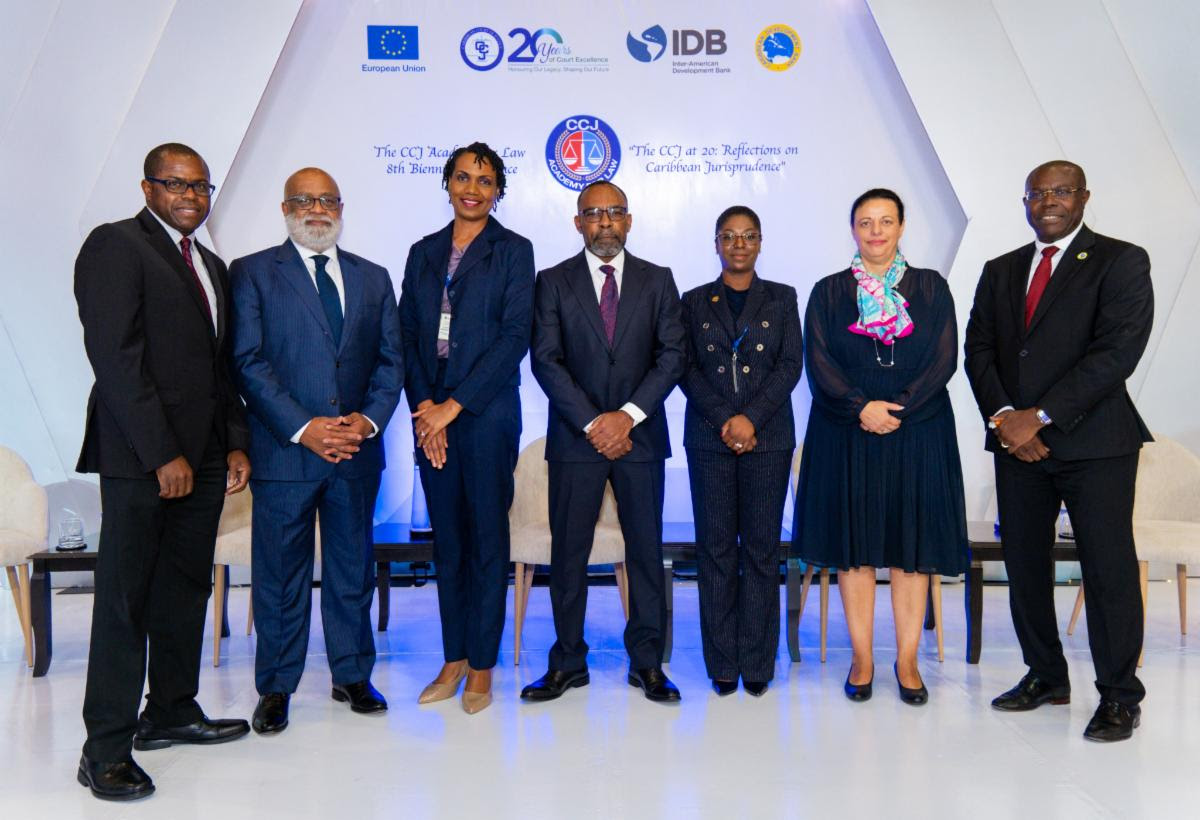
    PORT OF SPAIN, Trinidad and Tobago – The Caribbean Court of Justice Academy for Law concluded its record-breaking 8th Biennial Conference on November 28, 2025, with the adoption of the groundbreaking Port of Spain Declaration – a comprehensive framework for advancing Caribbean jurisprudence. Held at the Hyatt Regency Trinidad under the theme ‘The CCJ at 20: Reflections on Caribbean Jurisprudence,’ the event attracted over 400 judicial officers, legal experts, academics, and civil society representatives from across the region, marking the largest gathering in the Academy’s history.

    The conference commenced with opening remarks from Honourable Mr Justice Winston Anderson, President of the Caribbean Court of Justice and Chair of the CCJ Academy for Law, who reflected on two decades of judicial evolution. ‘This conference invites us to reflect on the strides made, the progress achieved, and the paradigm shifts inspired by the region’s apex court,’ Justice Anderson stated. He simultaneously honored the legacy of former CCJ Judge Mr Justice Wit, recognizing his profound contributions to shaping modern Caribbean jurisprudence.

    Ms Lisa Shoman, SC, General Counsel of the CARICOM Secretariat, emphasized the critical importance of developing a distinct Caribbean legal identity. ‘Political independence compels us to shape our own legal landscape,’ she asserted, ‘forging a jurisprudence that reflects our unique culture, social realities, and supports our regional integration process.’

    International development partners demonstrated strong support for Caribbean judicial institutions. Her Excellency Cécile Tassin, EU Ambassador to Trinidad and Tobago, highlighted Europe’s 15-year partnership with the CCJ, noting that ‘supporting justice institutions is essential for democratic governance, human rights protection, and sustainable development.’ Similar endorsements came from the Inter-American Development Bank and Caribbean Development Bank, with the latter encouraging development of ‘a justice ecosystem that is technologically-enabled and people-centred.’

    The conference featured significant leadership transitions within the Academy, with Honourable Mme Justice Ononaiwu appointed as new Chair and Honourable Mme Justice Mira Dean-Armorer as Deputy Chair. The opening ceremony also showcased the launch of ‘Caribbean Court of Justice: Striving for Excellence – 20 Years of Evolving Justice,’ a commemorative publication analyzing landmark CCJ decisions.

    The Port of Spain Declaration emerged as the conference’s centerpiece achievement, advocating for legislative convergence while respecting regional legal diversity. The declaration calls for enhanced constitutional education, modernization of estate practices, protection of environmental justice, and greater enforcement of CARICOM nationals’ rights under the Revised Treaty of Chaguaramas. It specifically encourages ethical technology integration within judicial systems and recognizes the vital role of legislatures, academia, and media in juridical development.

    The Declaration will be publicly available on the CCJ Academy’s website, with the next conference anticipated for November 2027.

  • CARPHA and Guyana’s Ministry of Health Launch its 70th Annual Health Research Conference: A Historic Milestone for Regional Public Health

    CARPHA and Guyana’s Ministry of Health Launch its 70th Annual Health Research Conference: A Historic Milestone for Regional Public Health

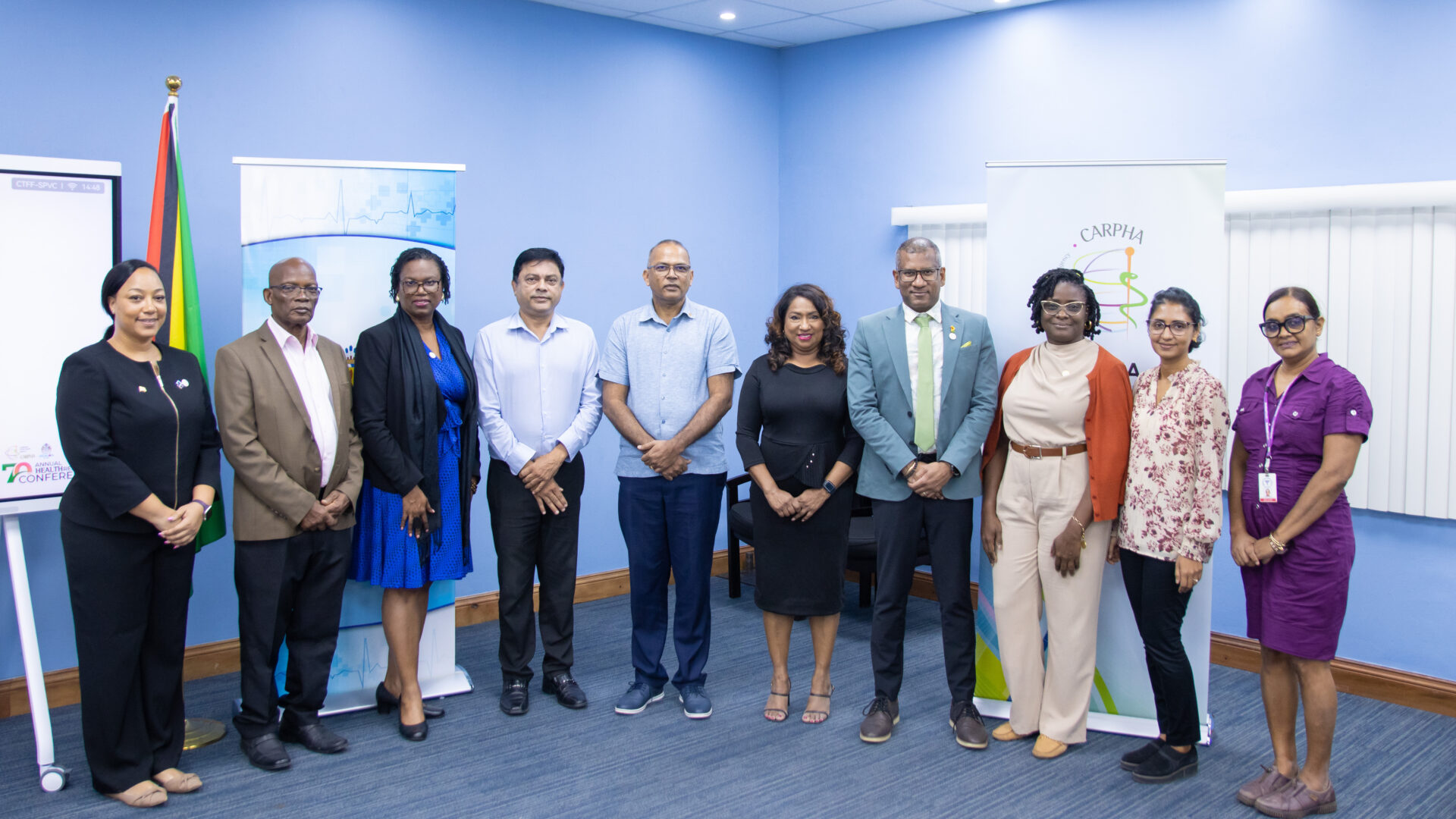
    GEORGETOWN, GUYANA – The Caribbean Public Health Agency (CARPHA), in collaboration with the Government of Guyana, has officially announced the 70th Annual Health Research Conference (AHRC), scheduled for April 22-24, 2026. The event will be hosted at the Arthur Chung Convention Centre in Georgetown, marking a historic milestone as the longest-running health research gathering in the English-speaking Caribbean.

    Under the theme “Innovations in Health,” the conference will celebrate seven decades of scientific advancement, regional collaboration, and evidence-based policy-making in public health. Executive Director of CARPHA, Dr. Lisa Indar, emphasized the transformative power of innovation, stating: “Public health innovations are engines of modern well-being—they turn deadly outbreaks into manageable obstacles, extend life expectancy, and bring quality health services to remote corners of the world.” She highlighted cutting-edge tools such as AI-driven epidemic prediction systems and smart vaccines as key examples.

    Guyana’s role as host reflects its significant investments in health infrastructure and digital medicine. Honourable Dr. Frank Anthony, Guyana’s Minister of Health, outlined the country’s pioneering work in telemedicine, drone-based medicine delivery, and AI-assisted medical imaging. He also noted Guyana’s progress toward eliminating five neglected tropical diseases by 2030, offering valuable lessons for regional partners.

    The conference will gather researchers, medical professionals, policymakers, and international partners to explore technological advancements shaping disease prevention, diagnostic accuracy, and health equity. It aims to strengthen collective preparedness against emerging health threats while honoring CARPHA’s legacy of regional cooperation.

  • Friday sworn in as St. Vincent and Grenadines’ 5th PM, Gonsalves to become Opposition Leader

    Friday sworn in as St. Vincent and Grenadines’ 5th PM, Gonsalves to become Opposition Leader

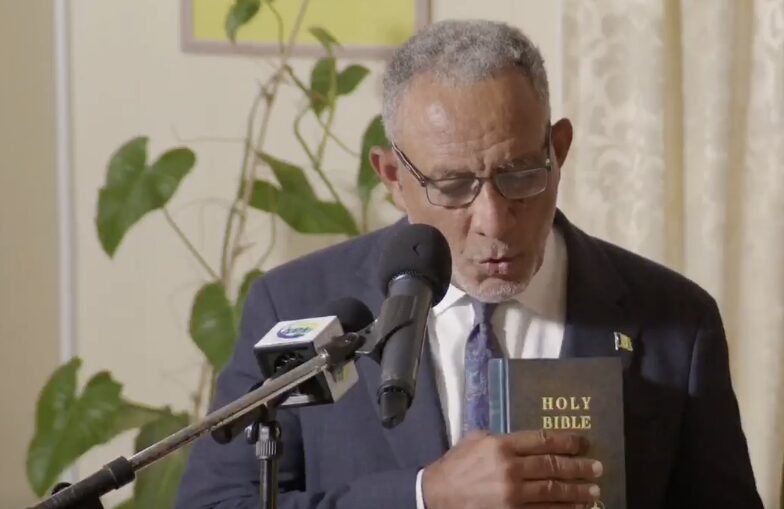
    St. Vincent and the Grenadines witnessed a historic political transition on November 28, 2025, as Dr. Godwin Friday took the oath of office to become the nation’s fifth Prime Minister. The ceremony marked the culmination of a dramatic electoral shift that ended the 25-year governance of the Unity Labour Party (ULP).

    Addressing the nation after his swearing-in, Dr. Friday expressed profound humility at assuming leadership, declaring his intention to govern as “a Prime Minister for all the people of this country.” The New Democratic Party (NDP) leader outlined his vision for national unity, emphasizing the need for citizens to embrace their shared identity as Vincentians while pooling resources and intellect for collective advancement.

    The transition follows the NDP’s unprecedented electoral triumph on November 27, where the party secured 14 of the 15 parliamentary seats—a result Dr. Friday characterized as a decisive mandate for “major, transformational changes.” The Prime Minister-elect pledged to dedicate “every sinew in our body” to fulfilling campaign commitments, with particular focus on elevating living standards, reinforcing moral values, and restoring national hope. While his cabinet appointments will be finalized next week, Dr. Friday immediately encouraged community-level participation, assuring citizens that “brighter days ahead” await the nation.

    Concurrently, former Prime Minister Dr. Ralph Gonsalves confirmed he would assume the role of Opposition Leader after his party’s devastating electoral performance. The ULP veteran, who maintained his own seat but witnessed his party’s collapse, asserted that “Labour is strong and alive” despite the setback. Dr. Gonsalves announced plans to convene with ULP leadership to select two senators who will join him on the opposition benches.

    Notably absent from the political transition was any public congratulatory message from the outgoing Prime Minister to the victorious NDP—a silence that underscored the profound shift in the nation’s political landscape after a quarter-century of continuous ULP governance.

  • Godwin Friday sworn in as St. Vincent and Grenadines’ 5th PM, Gonsalves to become Opposition Leader

    Godwin Friday sworn in as St. Vincent and Grenadines’ 5th PM, Gonsalves to become Opposition Leader

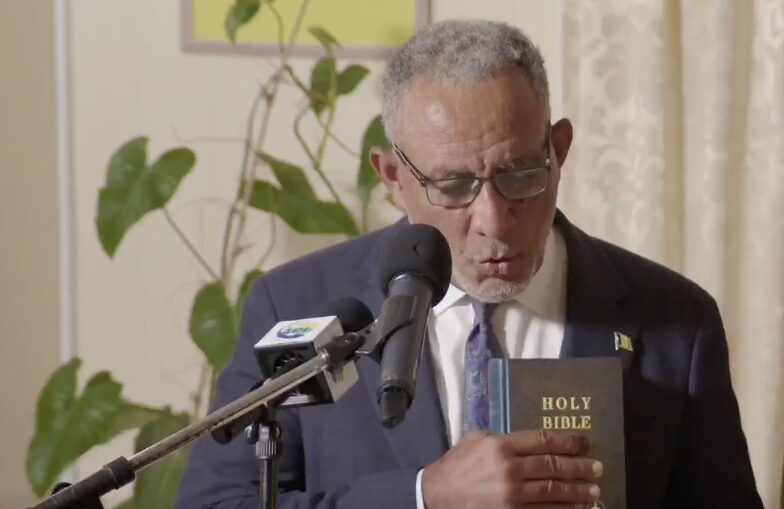
    In a historic political transition, Dr. Godwin Friday assumed office as the fifth Prime Minister of St. Vincent and the Grenadines on November 28, 2025, following his New Democratic Party’s (NDP) landslide electoral victory. The swearing-in ceremony marked the culmination of a decisive electoral outcome that saw the NDP capture 14 of the 15 parliamentary seats in the November 27 general election.

    Addressing the nation after taking his oath of office, Prime Minister Friday expressed humility at his new role and committed to governing as a leader for all citizens. “I am humbled by the trust and honor given to me to serve as Prime Minister,” he declared, emphasizing his administration’s dedication to national unity and comprehensive progress.

    The newly inaugurated leader outlined his vision for transformative governance, pledging to elevate living standards, strengthen moral values, and fulfill the aspirations of Vincentians. He called for collective national effort, urging citizens to embrace their shared identity and contribute their resources and intellect toward national development. Friday characterized the electoral outcome as a clear mandate for substantial change and promised to work with “every sinew in our body” to implement campaign commitments.

    Meanwhile, former Prime Minister Dr. Ralph Gonsalves, whose Unity Labour Party (ULP) held power for 25 years, confirmed he would assume the role of Opposition Leader. Gonsalves, who was the sole ULP candidate to retain a parliamentary seat, acknowledged his party’s defeat while maintaining that “Labour is strong and alive.” He announced plans to convene with the ULP executive to select two senators to join the opposition bench.

    Notably absent from the political transition was any public congratulatory message from Gonsalves to the victorious NDP, signaling a quiet conclusion to his lengthy tenure as head of government. The new administration is expected to announce its cabinet composition in the coming week.

  • Trump halts all Asylum decisions and vows once more to pause immigration from third world countries

    Trump halts all Asylum decisions and vows once more to pause immigration from third world countries

    In a significant policy shift, the Trump administration has implemented an immediate and comprehensive suspension of all asylum adjudications. This decisive action comes directly in response to a security incident in Washington DC that resulted in the fatal shooting of one National Guard soldier and left a second in critical condition.

    The directive was formally announced by Joseph Edlow, the Acting Director of U.S. Citizenship and Immigration Services (USCIS). In an official statement, Edlow declared that the processing pause will remain in effect indefinitely until federal authorities can implement enhanced vetting protocols. He emphasized the administration’s new benchmark, stating asylum applications will only resume once officials can ‘ensure that every alien is vetted and screened to the maximum degree possible.’

    This suspension marks a rapid operationalization of President Trump’s earlier rhetoric. Mere hours before the official USCIS announcement, the President had publicly vowed to permanently halt immigration from what he characterized as ‘third world countries.’ The administration is now framing the shooting incident as a catalyst justifying an immediate and sweeping tightening of the U.S. immigration system, linking national security concerns directly to asylum procedures.

    The move is anticipated to create immediate and profound logistical challenges, generating a massive backlog of cases and leaving thousands of asylum seekers in a state of legal limbo. Policy analysts predict this will likely face swift legal challenges from immigrant advocacy groups who argue it effectively nullifies established national and international refugee protections.

  • Dominican economist at FIED urges Africa to build its own farm–to–market highways

    Dominican economist at FIED urges Africa to build its own farm–to–market highways

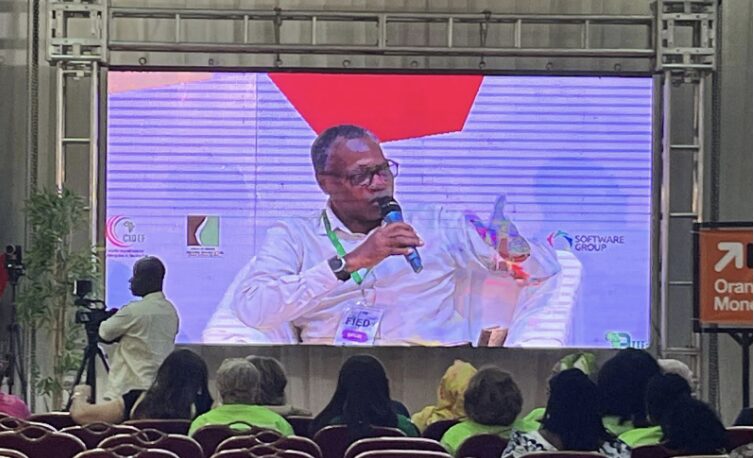
    At the International Forum of Dynamic Women Entrepreneurs (FIED) in Ouagadougou, agricultural economist McCarthy Marie delivered a compelling vision for transforming Africa’s agricultural trade landscape. Speaking before delegates from approximately 30 African nations, Marie emphasized that unlocking the full potential of intra-African trade requires urgent investment in physical infrastructure and thoughtful food processing policies.

    The Dominican economist, who accompanied Creole music icon Ophelia to the forum, presented a dual-focused strategy during a high-level panel on strengthening agricultural trade. His first priority addressed the continent’s infrastructure deficit, noting that reliable transportation networks form the foundation of successful trade ecosystems.

    “We must establish efficient pathways from farming communities to distribution centers,” Marie asserted. “This demands substantial investment not just in export corridors but within rural areas themselves—roads, storage facilities, logistics systems, and market infrastructure are all essential components.”

    Marie highlighted the paradoxical reality where shipping agricultural products to Europe often proves easier and cheaper than transporting them to neighboring African regions. He advocated for developing an integrated continental grid of farm-to-market highways connecting West, Central, East, and Southern Africa through both road and rail networks.

    Turning to food policy, the economist issued a cautionary warning based on Caribbean experiences with ultra-processed foods. He noted that aggressive promotion of heavily processed products has led to devastating health consequences, including skyrocketing rates of diabetes, hypertension, and cardiovascular diseases that now overwhelm public health budgets.

    “African nations have the unique opportunity to design food systems that protect public health rather than compromise it,” Marie advised. “Processing is necessary, but over-processing creates preventable health crises.”

    The economist pointed to Burkina Faso’s cotton sector as an exemplary model of value chain development. He praised how Burkinabè producers have mastered the entire production process—from cultivation to spinning, dyeing, design, and garment fabrication—thereby capturing more value within the country.

    Marie further advocated for increased utilization of intellectual property tools, particularly geographical indications. He suggested that legally protecting products like Burkinabè cotton textiles through geographical indications could significantly enhance their market value and establish recognizable quality benchmarks worldwide.

    The forum, which gathered entrepreneurs, investors, and policymakers from across Africa, focused on practical strategies to strengthen intra-continental trade, with agriculture identified as a crucial driver for job creation, food security, and industrialization.

  • MATCH DAY: Sisserou Girls take on Jamaica in opening qualifier

    MATCH DAY: Sisserou Girls take on Jamaica in opening qualifier

    GROS ISLET, ST. LUCIA – Dominica’s Senior Women’s National Team commences its 2025–2026 CONCACAF Women’s Qualifiers journey with a highly anticipated match against Jamaica’s Reggae Girlz. The encounter kicks off at 3:00 p.m. local time today at the Daren Sammy Cricket Ground, marking the beginning of a demanding qualification phase for the Sisserou Girls.

    This inaugural match represents the first step in a challenging group stage that will subsequently see Dominica confront Guyana in February, followed by clashes with Nicaragua and Antigua & Barbuda in April. The team’s campaign is characterized by a blend of youthful exuberance and seasoned experience, aiming to make a profound statement on the international stage.

    In a historic appointment, 17-year-old prodigy Dymond Daniel will lead the squad as captain, becoming the youngest individual ever to skipper Dominica’s senior women’s team in international competition. The roster showcases a strategic combination of promising domestic talent and veterans playing abroad, all united in their ambition to proudly represent the Nature Isle.

    Head Coach Ronnie Gustave revealed his psychological approach to preparing the team for facing world-class opponents like Manchester City’s Khadija ‘Bunny’ Shaw. ‘My central theme today is faith over fear,’ Gustave stated. ‘While acknowledging the caliber of players we’re facing, football is ultimately decided on the pitch. With collective belief and unified effort, we are confident in our ability to deliver a strong performance.’

    Physical Trainer Duly Polydore emphasized the importance of incorporating enjoyment into their preparatory routines. ‘Our muscle activation process focuses on relaxation and acid removal to ensure optimal physical readiness,’ Polydore explained. ‘We intentionally design these activities to be enjoyable and football-specific, aligning with the game’s inherent nature.’

    Supported by months of intensive preparation, the Sisserou Girls approach today’s match with remarkable unity and determination, symbolizing a growing movement for women’s football development in Dominica. The match will be broadcast live on ESPN2 and Disney+, enabling fans nationwide and throughout the diaspora to support their national team as they embark on this exciting competitive journey.

  • UWI Centre for Reparation Research launches 2nd international debate

    UWI Centre for Reparation Research launches 2nd international debate

    The University of the West Indies’ Centre for Reparation Research (CRR), alongside regional collaborators, has unveiled plans for the second International Reparation Debate Competition scheduled for 2026. Following the resounding success of its inaugural edition in early 2025, this intellectual contest will initiate virtual qualifying rounds in January before culminating in a live championship event in Kingston, Jamaica come March.

    Designed specifically to empower Caribbean youth and diaspora communities, the competition creates an educational platform for rigorous examination of reparatory justice themes. Participating teams—each comprising five students guided by two educators—will engage with complex topics derived from the CARICOM 10-Point Reparatory Justice Framework. Key discussion points will include moral imperatives for restitution, economic dimensions of historical wrongs, and ongoing responsibilities of former colonial powers in rectifying systemic disparities.

    The precedent-setting 2025 tournament featured academic institutions from five Caribbean nations and the United Kingdom, ultimately crowning St. Joseph’s Convent Port of Spain from Trinidad and Tobago as champions. Their triumph was particularly noted for articulate argumentation and scholarly activism that impressed both judicial panels and dignitaries. Beyond competitive debates, the initial program incorporated educational workshops and expert-led discussions to deepen participants’ understanding of global reparations movements, while strategic social media engagement expanded public involvement.

    Professor Sonjah Stanley Niaah, CRR’s Director, emphasized the initiative’s continued significance: ‘Merging academic rigor with digital innovation allows the CRR and its partners to maintain vibrant, accessible dialogues around reparations.’ The 2026 iteration will enhance its reach through influencer collaborations, live-streamed debates, and broadened partnerships targeting audiences across the Caribbean, Americas, Africa, and Europe.

    Established in 2017, the CRR operates as a pivotal institution advancing reparatory justice through multidisciplinary research, policy advocacy, and international cooperation. It actively supports the CARICOM Reparations Commission’s objectives while contributing to worldwide movements addressing historical crimes including indigenous genocide, African enslavement, and colonial exploitation.

    The University of the West Indies, housing the CRR, celebrates over 75 years as a cornerstone of Caribbean intellectual development. Since its 1948 founding in Jamaica with merely 33 medical students, the institution has evolved into a globally recognized academic force serving nearly 50,000 learners across five campuses—Mona (Jamaica), St. Augustine (Trinidad and Tobago), Cave Hill (Barbados), Five Islands (Antigua and Barbuda), and its Global Campus. Offering more than 1,000 accredited programs, The UWI consistently earns top positions in international university rankings by Times Higher Education.

    Educational institutions across the Caribbean and United Kingdom are presently invited to register for the 2026 competition through the official portal: www.uwi.edu/crr.

  • MP for Salisbury Jesma Paul: Government has neglected her constituency in providing housing benefits

    MP for Salisbury Jesma Paul: Government has neglected her constituency in providing housing benefits

    Jesma Paul-Victor, Parliamentary Representative for the Salisbury Constituency, has delivered a powerful condemnation of the government’s housing allocation practices during a recent parliamentary session. The elected official revealed that despite millions in approved housing funds, her constituency has received zero benefits from national housing initiatives.

    Paul-Victor detailed how families in the Coulibistrie area continue to inhabit substandard living conditions eight years after Hurricane Maria devastated the region. Residents remain in partially repaired homes, deteriorating structures, and temporary accommodations originally intended as short-term solutions.

    The parliamentarian expressed frustration that while other communities have received modern apartment complexes and climate-resilient housing units, her constituents face perpetual neglect. She emphasized her support for the national housing project and congratulated recipients elsewhere, but questioned the equity of distribution.

    ‘How long can my people endure this wait? How long must they tolerate these conditions?’ Paul-Victor challenged the assembly. ‘After eight long years, my constituents feel forgotten, unseen, and that their suffering since Maria has been normalized and dismissed.’

    The representative’s address highlights growing concerns about regional disparities in post-disaster recovery efforts and raises questions about the transparency of housing fund distribution across constituencies.