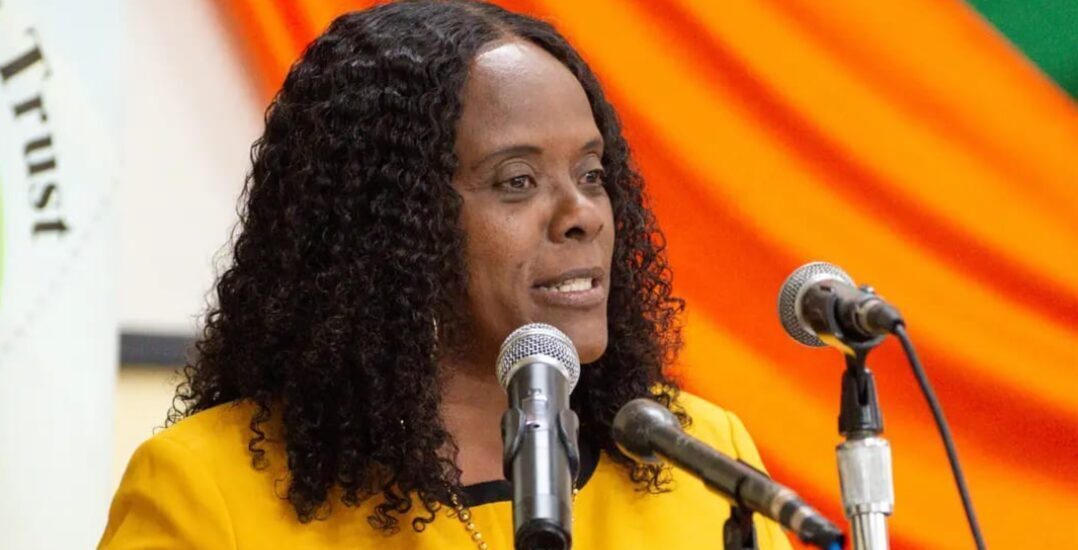
On the annual observance of the International Day of Cooperatives, held this year on the first Saturday of July, Gretta Roberts—Minister for Community Development with a specific portfolio focused on cooperative development—has issued a call to action for cross-sector stakeholders, ranging from government bodies and civil society organizations to private enterprises and young people, to acknowledge and bolster the critical contribution cooperative models make to advancing long-term, sustainable peace globally. Roberts emphasized that the core foundational principles that govern cooperative enterprises—including voluntary open membership, democratic decision-making control by members, and a core commitment to community well-being—create a unique social ecosystem where mutual trust is cultivated, and disputes are resolved through constructive dialogue rather than adversarial division.
Unlike traditional business structures that prioritize cutthroat competition over collective progress, cooperatives are inherently designed to center collaboration. Roberts explained that this core orientation teaches communities to prioritize social harmony, negotiate differences through amicable compromise, and work collectively toward shared inclusive growth. “Let us continue to support and strengthen the cooperative movement using its time-tested principles to bridge divides, empower individuals, and shape a more peaceful and just world,” she urged in her address marking the occasion.
This year’s United Nations International Day of Cooperatives carries the official theme “Cooperatives for a peaceful world”, a framing that intentionally highlights the often-overlooked role cooperative enterprises play in advancing social justice, cross-group inclusion, and collective solidarity. As outlined in official analysis published on the United Nations’ website, the global observance positions cooperatives as people-centered institutional models that are uniquely equipped to build social trust, strengthen cohesion within fractured communities, and unite diverse groups around shared needs and common aspirations.
Against a contemporary global landscape defined by rising intergroup conflict, widening economic inequality, deepening social fragmentation, and plummeting public trust in institutions across many regions, this year’s theme reinforces a key perspective: peace is far more than just the absence of open violent conflict. For peace to be sustainable, it must also be rooted in inclusive social structures, fair access to resources, open channels for dialogue, and broad economic security for all community members—outcomes that cooperative models are inherently structured to deliver.