标签: Dominica

多米尼克

  • High Court rules in favour of Edison James against Magistrate Michael Laudat

    High Court rules in favour of Edison James against Magistrate Michael Laudat

    In a significant judicial development, former Dominican Prime Minister Edison James has secured a landmark High Court ruling affirming the violation of his constitutional rights by Magistrate Michael Laudat. The case stemmed from James’ incarceration without a bail hearing during ongoing legal proceedings against opposition figures.

    The 80-year-old statesman, who led Dominica from 1995 to 2000, is currently facing incitement charges alongside United Workers Party (UWP) leaders Lennox Linton and Dr. Thomson Fontaine. The allegations concern events dating back to February 7, 2017, when prosecutors claim James encouraged actions potentially endangering public peace following demands for Prime Minister Roosevelt Skerrit’s resignation.

    During Friday’s proceedings, Magistrate Laudat ordered James detained pending possible bail consideration, resulting in his temporary placement in a holding cell at Roseau’s Magistrate’s Court. This action prompted the immediate constitutional challenge that led to the High Court’s intervention.

    James emphasized the principle-driven nature of his legal battle, stating, ‘This matter was never about monetary compensation but rather the fundamental protection of citizens’ rights. The law explicitly provides for bail consideration before deprivation of liberty, a right that was disregarded in my case.’

    The former prime minister expressed concern over judicial overreach, noting that the ruling serves as a crucial reminder of the judiciary’s obligation to uphold constitutional protections. ‘When judicial officers violate citizens’ rights, it not only causes individual harm but imposes significant costs on the state apparatus,’ James observed.

    Beyond the immediate legal context, James connected the case to broader governance issues, referencing ongoing debates about development projects including the controversial new airport initiative. He stressed that all governmental actions must operate within legal frameworks with appropriate public consultation.

    James was represented by Queen’s Counsel Thomas in the High Court proceedings, with Attorney Gildon Richards handling the magistrate’s court case. The legal team successfully argued that the detention without bail consideration constituted a fundamental rights violation.

    In a related development, James addressed separate ongoing litigation regarding quarry operations near his Korsha property. Having previously obtained an interim order limiting operational hours of a crushing plant due to residential disruption, James has now filed for judicial notice of a newly installed crusher in Stonefield that contradicts claims about the Korsha facility’s uniqueness.

    ‘This action seeks not to impede development but to mitigate the nuisance of industrial operations immediately adjacent to residential property,’ James clarified. ‘We await the court’s determination on achieving reasonable balance between development and residential rights.’
  • Police investigate fatal bike crash

    Police investigate fatal bike crash

    Dominican authorities have launched a comprehensive investigation into a devastating road traffic incident that resulted in the death of Ken Joseph, a resident of Kingshill. The tragic event unfolded on the evening of Saturday, December 6, 2025, in close proximity to the Ocean Edge Oasis Hotel.

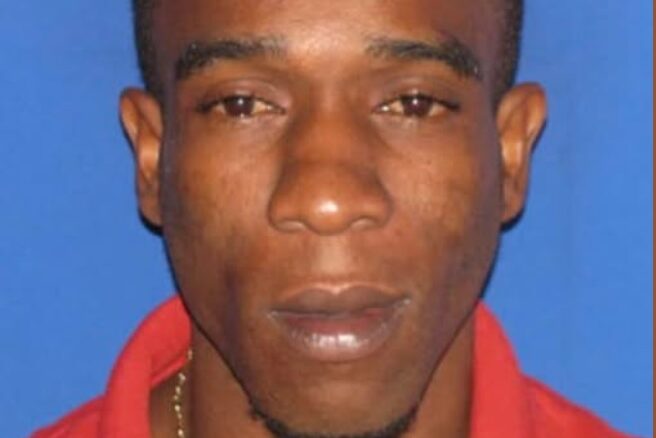
    Preliminary reports from law enforcement indicate that Mr. Joseph was traveling as the pillion passenger on a motorcycle operated by Salim Khalid Green when the collision occurred. Emergency services promptly transported both individuals to the Dominica-China Friendship Hospital (DCFH) for urgent medical attention.

    Tragically, medical professionals at the hospital’s Accident and Emergency Department pronounced Mr. Joseph deceased upon arrival. The motorcycle’s operator, Mr. Green, sustained severe injuries and was immediately transferred to the Intensive Care Unit, where he remains in critical condition under close medical supervision.

    Traffic safety officials have cordoned off the accident scene for forensic analysis as they work to determine the precise circumstances that led to this fatal collision. The investigation will examine multiple factors including road conditions, vehicle mechanics, and potential contributing elements to understand the complete sequence of events.

    This incident has sparked renewed conversations within the community regarding road safety measures and the vulnerabilities associated with motorcycle transportation. Local authorities are expected to review safety protocols in the aftermath of this tragedy.

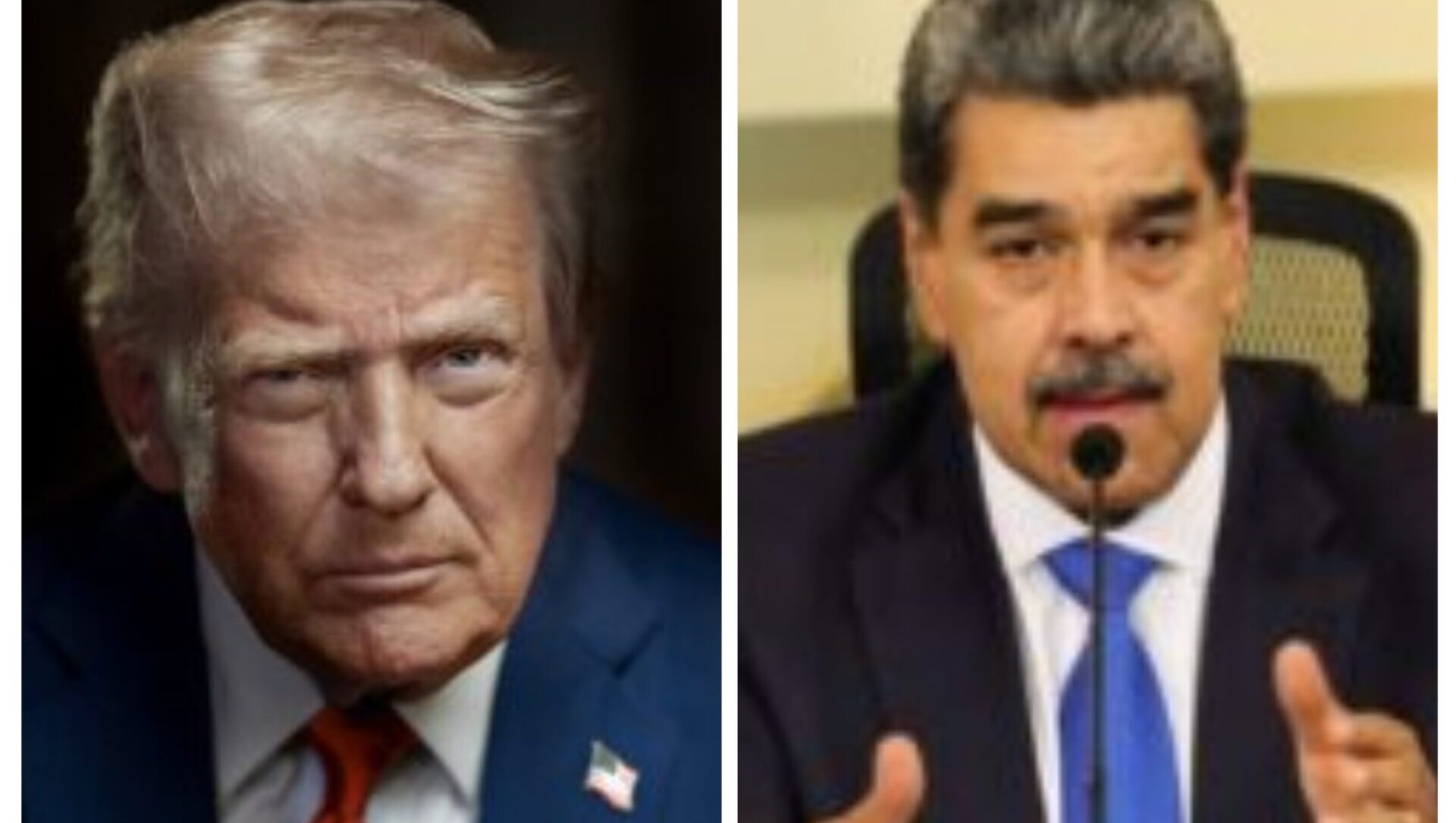
  • Maduros alleges that US strikes in Caribbean are about oil, not drug trade clean-up

    Maduros alleges that US strikes in Caribbean are about oil, not drug trade clean-up

    A significant geopolitical dispute has emerged between Venezuela and the United States regarding American military activities in the Caribbean region. Venezuelan President Nicolás Maduro has publicly accused the US of deploying military forces to secure access to Venezuela’s substantial oil reserves, which rank as the world’s largest proven deposits.

    The US State Department has categorically denied these allegations, maintaining that its recent military operations—including airstrikes over the past three months that reportedly resulted in approximately 80 civilian casualties—are exclusively targeting drug trafficking networks. However, critics cited by The Guardian question the effectiveness of these tactics, noting that most narcotics enter the United States through Mexico rather than Caribbean routes.

    Energy experts provide a more nuanced perspective on the situation. Francisco J Monaldi of Rice University acknowledges that oil interests may play a role but argues they cannot be the primary motivation, given Venezuela’s current minimal contribution to global oil production—less than 1% despite its massive reserves. The country’s oil industry has suffered catastrophic decline due to years of mismanagement, international sanctions, and critically insufficient investment.

    The sanctions landscape has been particularly volatile. Former President Donald Trump initially imposed stringent sanctions banning Venezuelan oil imports, which President Joe Biden temporarily lifted in an effort to promote democratic reforms. Following Maduro’s controversial re-election amid allegations of electoral manipulation, Trump reinstated these restrictions.

    This pattern has led some analysts to suggest that regime change rather than oil access might be the ultimate objective, especially considering Trump’s consistent opposition to Maduro and his administration’s alliances with China, Russia, and Iran.

    Venezuela faces monumental challenges in revitalizing its oil sector, including profound political instability and severely deteriorated infrastructure. José Ignacio Hernández, a legal scholar specializing in Venezuela’s energy industry, notes that even with governmental change, international companies would require stability guarantees before committing substantial investments, with US energy giant Chevron positioned to benefit most from any normalization.

    Despite these complex realities, Colombian President Gustavo Petro has aligned with Maduro’s perspective, characterizing recent US military actions as fundamentally “a negotiation about oil” rather than genuine counter-narcotics or democracy promotion efforts.

  • COMMENTARY: (Hidden History) Robert Nathaniel Robinson – A Caribbean-rooted genius who challenged a continent

    COMMENTARY: (Hidden History) Robert Nathaniel Robinson – A Caribbean-rooted genius who challenged a continent

    The remarkable journey of Robert Nathaniel Robinson—an African American mechanical engineering prodigy with Caribbean roots—represents one of history’s most overlooked narratives of diasporic excellence. Born in Jamaica in 1906 to a Dominican mother and Jamaican father, Robinson would eventually shape industrial policy alongside Joseph Stalin in the Moscow Soviet, achieving unprecedented political status for a Black man in the early 20th century.

    Robinson’s technical brilliance emerged not from formal education but through practical experience at Ford Motor Company’s Detroit assembly lines during the 1920s. His expertise captured the attention of Soviet recruiters seeking foreign talent to accelerate Stalin’s First Five-Year Plan for industrialization. Accepting their invitation, Robinson relocated to the USSR where he designed manufacturing systems, trained Soviet engineers, and ultimately earned election to Moscow’s governing council.

    His political position during the 1930s placed him in direct collaboration with architects of the Soviet state—a stark contrast to the racial discrimination facing African Americans in the United States. Robinson survived purges, anti-Black hostility, and four decades of Soviet life before eventually returning to the United States in 1986 through diplomatic efforts involving Ugandan officials and U.S. Information Service officer William B. Davis.

    Robinson documented his extraordinary experiences in the autobiography ‘Black on Red: My 44 Years Inside the Soviet Union’ (1988), providing rare insight into Soviet society through Black eyes. He died in Washington D.C. in 1994, leaving a legacy that connects Caribbean heritage to global technological influence.

    This narrative forms part of a broader tradition of diasporic achievement exemplified by figures like Dr. Fenton—a Tuskegee Airman who established agricultural colleges in Liberia—and Joseph Roane, another Tuskegee-trained scientist who revolutionized Soviet cotton production. Their collective stories demonstrate how Caribbean and African descendants have repeatedly contributed to global technological progress while often remaining unrecognized in their ancestral homelands.

    Robinson’s story offers contemporary youth a blueprint for transcending geographical and social constraints through technical mastery and unwavering dedication to excellence.

  • LETTER TO THE EDITOR: A cat in a tree and a lesson in public service – My experience with the Dominica Fire and Ambulance Service Station

    LETTER TO THE EDITOR: A cat in a tree and a lesson in public service – My experience with the Dominica Fire and Ambulance Service Station

    In an inspiring demonstration of compassion transcending conventional emergency protocols, the Dominica Fire and Ambulance Service executed an unconventional rescue mission in Morne Bruce on December 6th, 2025. The incident began when local resident Yaritza Barbosa discovered a distressed feline trapped precariously high in a tree overlooking a steep cliff adjacent to a main roadway.

    Despite initial attempts using personal equipment, the unstable terrain and deteriorating weather conditions rendered independent rescue impossible. The situation grew increasingly dire as rainfall intensified and daylight faded. Facing limited options, Barbosa’s son contacted local fire services—a decision made with hesitation given widespread assumptions about emergency priorities.

    Contrary to expectations, the Roseau-based fire station dispatched a comprehensive response team within hours. A fire truck and support vehicle arrived carrying eight uniformed officers equipped with specialized gear including safety equipment and an innovative guiding apparatus. Their professional approach immediately alleviated any concerns about the legitimacy of the animal rescue request.

    The rescue operation unfolded with remarkable coordination as officers established a secure perimeter while encouraging the frightened animal. In a dramatic descent, the cat navigated branches downward toward safety as firefighters provided vocal support and strategic guidance. The successful conclusion saw the unharmed feline returned to ground level without injury to personnel or animal.

    Sub Station Officer Andre, who led the operation, articulated the service’s philosophy: all emergencies warrant professional response regardless of scale or species. This perspective highlights the evolving nature of public service that values compassionate intervention alongside traditional emergency response capabilities.

    The episode serves as a powerful reminder that true community protection encompasses both human and animal welfare, challenging preconceived notions about emergency service priorities in modern society.

  • Stage prepared for the 2025 CMEx Leadership Awards to honor Caribbean visionaries, global partners

    Stage prepared for the 2025 CMEx Leadership Awards to honor Caribbean visionaries, global partners

    The Caribbean tourism and media landscape prepares to honor its most distinguished contributors at the upcoming 2025 Caribbean Media Exchange (CMEx) Leadership Awards. This premier event, scheduled to unite influential professionals, cultural ambassadors, and policy makers from across the Caribbean region and its global Diaspora, serves as a pivotal platform for recognizing excellence and fostering future leadership development.

    A landmark feature of this year’s ceremony will be the inaugural presentation of the CMEx Lifetime Achievement Award to Sir Baltron Bethel, a foundational figure in Caribbean tourism. Hailed as a national hero of The Bahamas, Sir Baltron holds the distinction of being the first and longest-serving Bahamian Director General of Tourism, whose visionary policies have profoundly shaped regional tourism development on the international stage.

    The awards will further celebrate fifteen exceptional leaders whose innovative work continues to drive progress in Caribbean tourism, cultural promotion, and economic growth. The 2025 honorees represent a diverse cross-section of expertise, including:
    – Carole Alexis, Martinique’s renowned Choreographer and Artistic Director
    – Dave Chang, Senior Vice President at Carnival Cruise Line
    – Key tourism authority CEOs: Ronella Croes (Aruba), Muryad de Bruin (Curaçao), and May-Ling Chun (St. Maarten)
    – Industry pioneers including Laura Davidson (LDPR), Clarisa Jiménez (Puerto Rico Hotel & Tourism Association), and Monique Hamaty-Simmonds (Tortuga Rum Company)

    Adding diplomatic significance to the event, numerous government officials and regional leaders will participate as distinguished guests. The confirmed attendance includes tourism ministers and directors from Grenada, U.S. Virgin Islands, Anguilla, and the Bahamas, alongside chief executives of major regional organizations including the Caribbean Tourism Organization and Caribbean Hotel and Tourism Association.

    The ceremony will be elevated by a headline performance from Bahamian vocalist Simmone Bowe, whose versatile repertoire spans jazz, reggae, R&B, and gospel traditions.

    Bevan Springer, CMEx President, emphasized the awards’ broader mission: “These exemplary honorees embody the Caribbean’s spirit of leadership, innovation, and service. Their transformative contributions across tourism, business, and community development inspire our collective future.”

    Proceeds from the fundraiser will directly support educational programs, youth empowerment initiatives, and professional training designed to cultivate the next generation of Caribbean tourism and media leadership. The event enjoys substantial backing from platinum sponsor Bahamas Ministry of Tourism, Investments and Aviation, alongside major support from Nassau & Paradise Island Promotion Board, British Virgin Islands Tourist Board, Tropical Shipping, Sandals Resorts representative Unique Vacations, and numerous additional destination and corporate partners.

  • FCCA Christmas Gift Project for underserved children continues in Dominica

    FCCA Christmas Gift Project for underserved children continues in Dominica

    For over twenty years, the island nation of Dominica has maintained its cherished participation in the Florida Caribbean Cruise Association’s annual Christmas Gift Project, a humanitarian initiative that delivers holiday cheer to underprivileged children throughout the Caribbean region. According to an official release from the Discover Dominica Authority, this longstanding partnership exemplifies the island’s enduring dedication to community welfare.

    The philanthropic program specifically targets children residing in foster homes and care facilities who might otherwise experience the holiday season without receiving gifts. This year’s edition will see the MV Celebrity Ascent cruise ship arriving on December 8, 2025, carrying donations destined for two hundred Dominican children. Crew members from the vessel will collaborate with representatives from Dominica’s Ministry of Tourism, the Discover Dominica Authority, and the West Dominica Children’s Federation to facilitate the special gift distribution ceremony.

    Discover Dominica Authority CEO Marva Williams emphasized the profound impact of the initiative, stating: ‘The FCCA Christmas Gift Project continues to make a real difference in the lives of our children. Every year, it reminds us of the power of kindness and partnership. We are grateful to the FCCA and the crew of the Celebrity Ascent for bringing smiles to our young ones and helping to make the season a little brighter for families across Dominica.’

    The Discover Dominica Authority reaffirmed its ongoing coordination with the FCCA to ensure the project’s seamless execution and to create meaningful experiences for participating children. Both the Ministry of Tourism and the Discover Dominica Authority expressed profound gratitude for the FCCA’s sustained generosity and commitment to improving the lives of Caribbean youth. Dominica has further pledged its continued support for this program and future initiatives that promote community wellbeing and enhance quality of life across the nation.

  • COMMENTARY: Amazing historical find  (with documents) – correspondence between British governor Hesketh Bell and Andrew Carnegie that birthed the Roseau Public Library

    COMMENTARY: Amazing historical find (with documents) – correspondence between British governor Hesketh Bell and Andrew Carnegie that birthed the Roseau Public Library

    In an extraordinary historical discovery, correspondence between British Governor Sir Hesketh Bell and philanthropist Andrew Carnegie has revealed the origins of one of Dominica’s most transformative institutions—the Roseau Public Library. This early 20th century exchange, occurring during Carnegie’s global library-building campaign, resulted in one of the few Caribbean libraries funded by the steel magnate turned philanthropist.

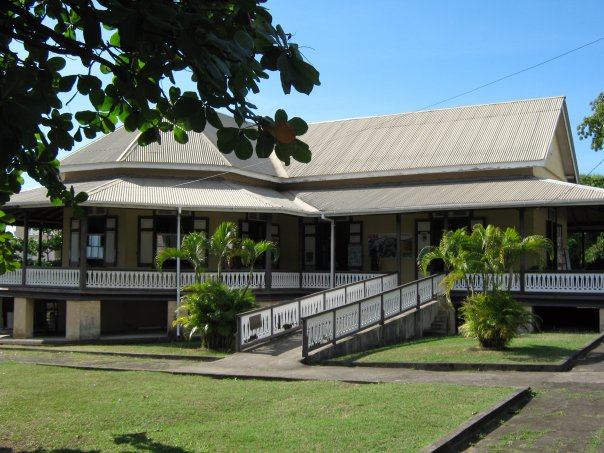
    The library, originally named the Roseau Free Library, emerged as an architectural gem—a wooden Caribbean bungalow perched above the Caribbean Sea with wide verandas and jalousie windows designed to capture cooling breezes. But beyond its physical beauty, it became an intellectual sanctuary that would fundamentally shape Dominican society.

    During the 1950s-70s, the library served as an unparalleled gateway to global knowledge for Dominican youth. Its collections surpassed school libraries with encyclopedias, international literature, and periodicals like The Economist, Newsweek, and Time. This access cultivated critical thinking and intellectual independence during Dominica’s transition from colonial rule to self-governance.

    The library’s most profound impact manifested through two particular visitors: Gabriel J. Christian and Irving W. André, who met in the research room around 1975. Both came from households filled with books and intellectual discussion—Christian’s father, a British Army veteran, maintained collections on Churchill and world affairs, while André’s father, a customs officer, returned from Curaçao with extensive libraries and jazz collections.

    Their meeting sparked a friendship forged through shared Saturdays spent pursuing knowledge beyond the colonial curriculum. They studied African liberation movements, Caribbean history, and Marxist theory, using the library as their “university before university.” This intellectual partnership eventually evolved into Pont Casse Press, established in 1992, which has since published 44 books documenting Dominican history and culture.

    The library’s current state tells a different story. Hurricane Maria’s devastation in 2017 left the institution in ruins, prompting calls for national mobilization. Authors Christian and André are leading efforts to form a bipartisan steering committee to rebuild the library, emphasizing that this must be a non-partisan national cause supported by Dominicans at home and throughout the diaspora.

    Organizations like Rebuild Dominica Inc. have already demonstrated commitment through recent donations of $5,000 worth of books to Dominica State College. The reconstruction effort represents not just physical rebuilding but the reclamation of a vital space for future generations and honoring the legacy of Bell and Carnegie’s visionary investment in Dominican intellectual development.

    The Roseau Public Library’s enduring legacy continues through every Dominican it educated and through the published works of Pont Casse Press that now contribute to the global archive of human knowledge. It stands as testament to how philanthropic vision and local advocacy can permanently shape a nation’s intellectual destiny.

  • Business Training Center introduces BTC Trade school

    Business Training Center introduces BTC Trade school

    In a significant development for workforce development, Business Training Center Inc. (BTC) has partnered with UK-based Training Express to establish BTC Trade School, a vocational training initiative targeting Dominican youth. This program aims to address the critical shortage of skilled tradespeople across the island nation through comprehensive technical education programs.

    The newly launched institution will offer both online evening classes and in-person sessions that emphasize practical, on-the-job training. The curriculum spans multiple high-demand sectors including construction trades (plumbing, electrical work, welding, land surveying), mechanical trades (HVAC, automotive repair, solar energy systems), healthcare (nursing, phlebotomy, medical administration), and financial security (anti-money laundering, compliance).

    Lucia Stedman, Director of BTC, highlighted the program’s national significance: “Dominica’s development depends on having a skilled workforce. Too many of our young people leave school without marketable skills. BTC Trade School changes that by creating pathways to employment and entrepreneurship within Dominica.”

    The program’s credibility is enhanced through its partnership with Training Express, which provides internationally recognized course content and certification. BTC holds accreditation from the International Association for Quality Assurance in Pre-Tertiary and Higher Education (QAHE) and operates as an authorized Pearson VUE testing center.

    BTC demonstrates a proven track record through previous initiatives like the Canadian Government-funded Local Engagement Action Fund (LEAF) project, which successfully trained over 100 young Dominicans aged 18-30.

    With classes commencing January 5, 2026, prospective students can explore course offerings at btcdominica.com/trade-school-courses/.

  • GWP-C Regional Coordinator attends CariCOF and EWISACTs gatherings to promote improved early warning systems, strengthen climate resilience across the Caribbean.

    GWP-C Regional Coordinator attends CariCOF and EWISACTs gatherings to promote improved early warning systems, strengthen climate resilience across the Caribbean.

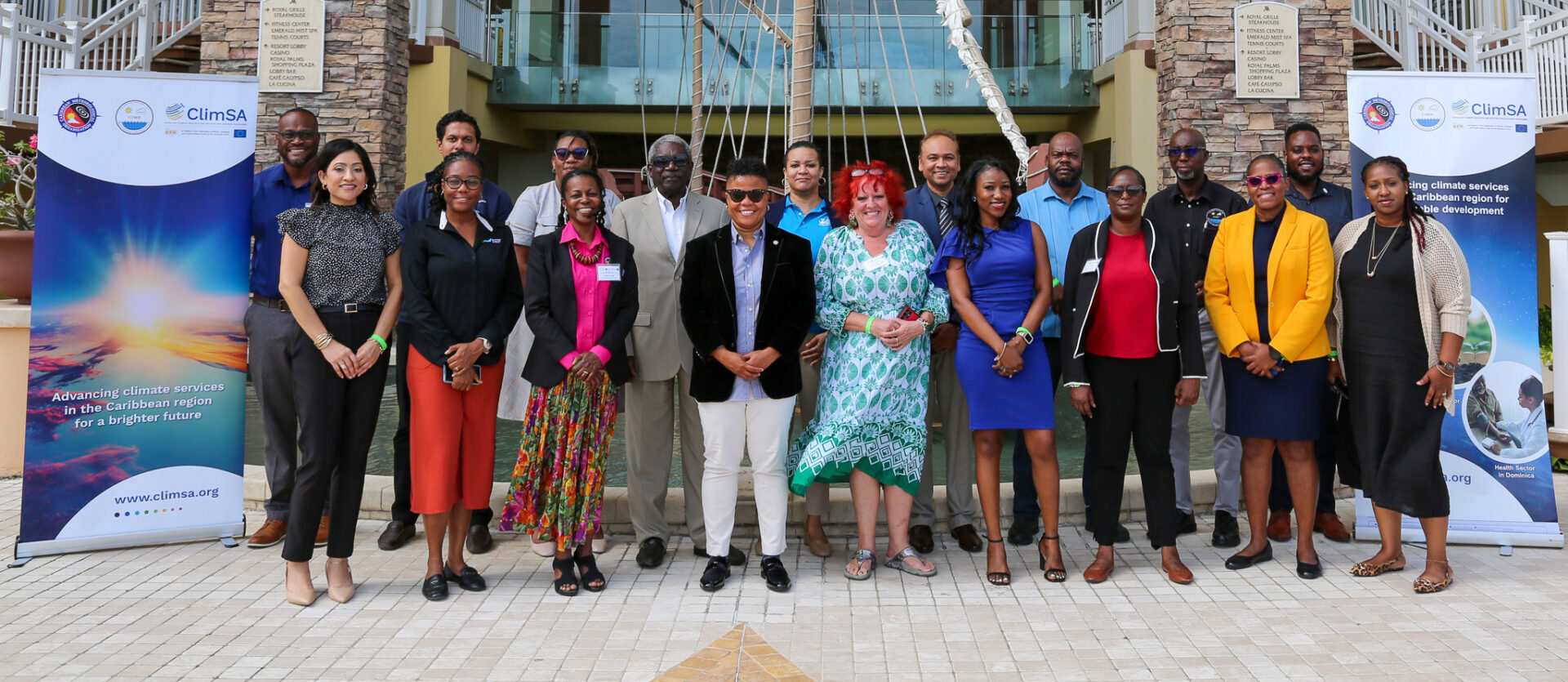
    BASSETERRE, St. Kitts and Nevis – The Caribbean region marked a significant advancement in climate resilience planning during the recent 2025-2026 Dry Season Caribbean Climate Outlook Forum (CariCOF) and the 13th Meeting of the Consortium of Regional Sectoral Early Warning Information Systems Across Climate Timescales (EWISACTs). Held from November 23-26, the gathering brought together climate experts and regional stakeholders to strengthen collaborative efforts against climate vulnerabilities.

    Dr. Roxanne Graham-Victor, Regional Coordinator for the Global Water Partnership-Caribbean (GWP-C), participated as an observer, highlighting the organization’s commitment to integrated water management within climate adaptation strategies. Although not an official EWISACTs member, GWP-C’s involvement signifies growing regional coordination between water security and climate resilience initiatives.

    The forum celebrated a decade of regional cooperation through the EWISACTs Consortium, demonstrating the Caribbean’s sustained commitment to climate-informed governance. Key agenda items included evaluating progress on the Regional Plan of Action (June-November 2025), reviewing achievements from Performance Period 2 (2023-2025), and developing strategies for Performance Period 3 (2026-2028). Participants also explored how the Intra-ACP ClimSA Programme, funded by the European Union, could enhance 2025-2026 activities across beneficiary regions including Barbados, Eastern Caribbean States, OECS, CARICOM, and CARIFORUM.

    Technical sessions revealed substantial progress in several critical areas: climate data management, quality assurance of climate information, system strengthening for climate services, stakeholder engagement, and capacity building. A particularly significant development was the enhancement of the Caribbean Climate Impacts Database (CCID), which now provides comprehensive documentation of climate events including floods, droughts, heatwaves, and storms. This evidence-based platform has become indispensable for regional risk assessments and strategic planning.

    Dr. Graham-Victor characterized the forum as both technically insightful and strategically valuable, noting that it provided exceptional opportunities for networking and identifying potential partnerships with stakeholders across climate, disaster risk management, and development sectors. Her observations underscore the Caribbean’s progressive approach to building climate resilience through multidisciplinary collaboration and knowledge sharing.