标签: Dominica

多米尼克

  • LIVE: Southern Vicariate Lenten Retreat 2026 at the St. Luke Parish. Theme: The way of the cross

    LIVE: Southern Vicariate Lenten Retreat 2026 at the St. Luke Parish. Theme: The way of the cross

    Pinterest has announced a significant expansion of its body type representation technology, introducing a more diverse range of silhouettes to improve inclusivity in fashion and beauty searches. The visual discovery platform’s latest update enables users to refine image results based on specific body types, moving beyond its initial limited options to better reflect real-world diversity.

    The enhanced technology employs advanced machine learning algorithms to analyze and categorize body shapes within Pinterest’s vast image database. This development represents Pinterest’s ongoing commitment to creating a more positive and representative online environment, particularly in fashion and wellness content where body image sensitivity is paramount.

    Company representatives emphasized that this technological advancement addresses longstanding gaps in visual search inclusivity. The update allows users to discover style inspiration and product recommendations that align with their individual body types, making the platform more personally relevant and useful.

    The body type technology expansion follows Pinterest’s previous initiatives promoting mental wellness and body positivity, including its ban on weight loss advertisements in 2021. This strategic direction aligns with evolving user expectations for platforms to demonstrate social responsibility and promote healthy self-image.

    Industry analysts note that Pinterest’s focus on inclusive technology could set new standards for visual search capabilities across social media platforms, potentially influencing how other companies approach representation in their algorithms and user experiences.

  • PRESS RELEASE: Tribute on the passing of Dr Tomlin Paul, Deputy Principal, The UWI Mona Campus

    PRESS RELEASE: Tribute on the passing of Dr Tomlin Paul, Deputy Principal, The UWI Mona Campus

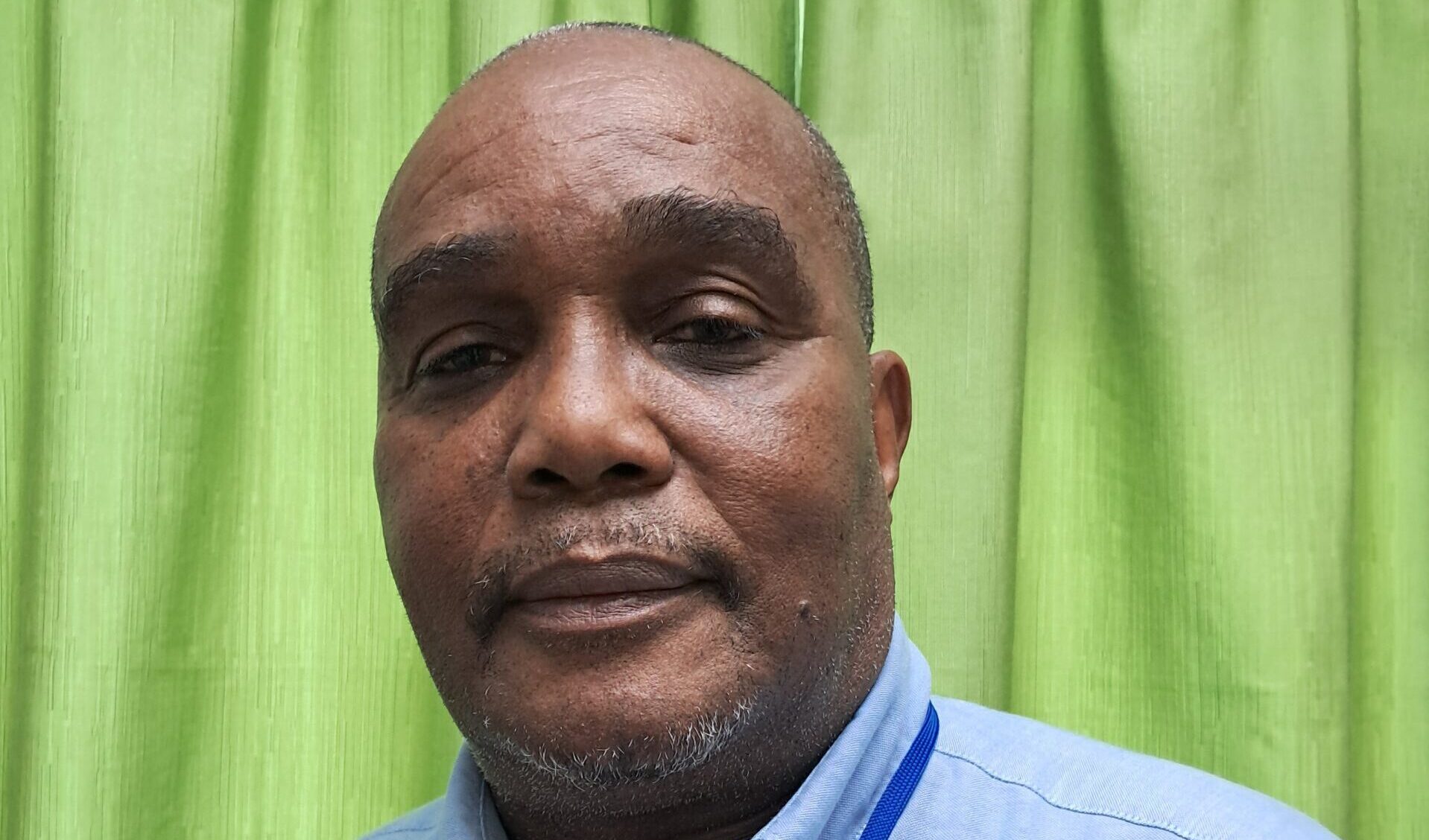
    The University of the West Indies Global Campus announced with profound sorrow the passing of Dr. Tomlin Paul, Deputy Principal of the Mona Campus, on Thursday, March 12, 2026. The esteemed physician and academic leader leaves behind an indelible legacy in medical education and public health throughout the Caribbean region.

    Dr. Paul’s remarkable career at The UWI spanned over three decades, beginning in 1990 when he joined as a lecturer. His progressive leadership journey saw him assume multiple pivotal roles including Programme Director for the MBBS programme, Deputy Dean, and ultimately Dean of the Faculty of Medical Sciences from 2017 to 2021 before his appointment as Deputy Principal in 2023.

    A visionary in health professions education, Dr. Paul pioneered initiatives emphasizing student engagement, quality enhancement, and social accountability within medical training. His transformative leadership was instrumental in guiding the Faculty of Medical Sciences to achieve international acclaim, most notably the prestigious ASPIRE-to-Excellence Award in Medical Education for Social Accountability from the Association of Medical Education of Europe.

    Beyond his administrative accomplishments, Dr. Paul was revered for his compassionate mentorship and humble demeanor. Colleagues and students alike cherished his people-centered approach to leadership and his exceptional ability to foster respectful dialogue even amidst differing perspectives. His scholarly influence extended across more than fifty publications and numerous collaborations with regional and global health institutions.

    Global Campus Principal Dr. Francis O. Severin memorialized Dr. Paul as an irreplaceable figure who epitomized student-centered care. “Dr. Paul’s passing leaves a ‘gaping’ space in our lives,” Severin reflected, noting his unique capacity to make colleagues feel respected and valued during discussions.

    The UWI Global Campus Senior Management Team joins the broader academic community in honoring Dr. Paul’s extraordinary contributions to institutional development and regional advancement. The university extends deepest sympathies to his family, friends, and colleagues, expressing hope that his lifetime of service will continue inspiring those dedicated to educational excellence and compassionate leadership.

  • Landmark international study on cocaine trafficking, organized crime in southern Caribbean published

    Landmark international study on cocaine trafficking, organized crime in southern Caribbean published

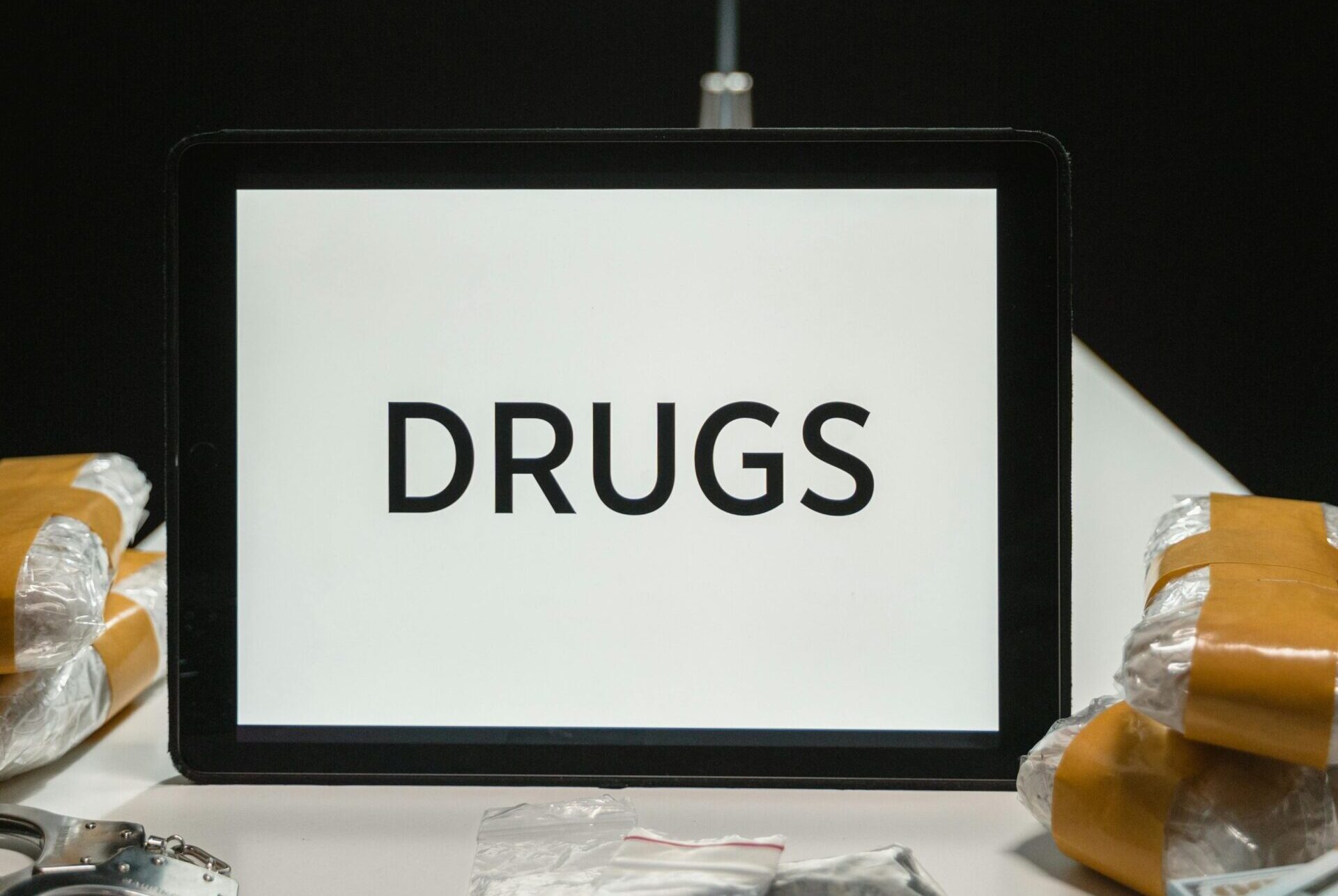
    A groundbreaking multinational investigation has revealed the Caribbean’s escalating transformation into a primary nexus for sophisticated transnational criminal operations, marking an unprecedented level of global law enforcement collaboration. The comprehensive report, developed through the joint efforts of EL PACCTO 2.0 (an EU-funded initiative) and InSight Crime with strategic input from CARICOM IMPACS, EMPACT, FRONTEX, and France’s General Prosecutor’s Office in Martinique, represents the first coordinated international effort to map the intricate architecture of Caribbean-based illicit networks.

    The study, titled “Criminal Networks and Routes from the Caribbean to Europe: A Deep-Dive into Cocaine Trafficking and Other Illicit Activities,” provides an exhaustive analysis of the region’s emerging function as a crucial conduit in the global illegal supply chain. It identifies the so-called “Southern Corridor”—encompassing Guyana, Suriname, and French Guiana—as particularly strategic zones within the international illicit trade ecosystem.

    According to the findings, criminal organizations orchestrating cocaine shipments to European ports simultaneously engage in environmental crimes, weapons trafficking, and advanced money laundering schemes. The investigation further highlights critical vulnerabilities in both maritime and digital infrastructures, tracing a sophisticated pipeline that originates at remote Caribbean marinas and terminates at major European container terminals.

    Law enforcement agencies confront substantial challenges due to fragmented legal frameworks and insufficient resources to monitor a maritime territory exceeding half the size of the European Union. During the report’s launch at CARICOM IMPACS headquarters in Trinidad and Tobago on March 2, 2026, Executive Director Lt. Col. Michael Jones emphasized the paradigm shift from reactive defense to proactive, intelligence-driven disruption strategies.

    Marc Reina Tortosa of EL PACCTO 2.0 described the evolving criminal landscape, noting that fluid, transactional networks have replaced traditional cartels, with European and Western Balkan brokers functioning as invisible architects of the trade. These networks demonstrate remarkable adaptability, shifting between maritime, aerial, and riverine routes—particularly those connecting the Amazon to the Atlantic—when confronted with enforcement pressure.

    The study further reveals an undeniable polycriminal dimension where drug trafficking intersects with environmental crimes like illegal gold mining in the Guianas. French judicial official Patrice Camberou highlighted the complexities of prosecuting transnational crime in EU territories located within the Americas, advocating for harmonized prosecutorial strategies with CARICOM and South American partners.

    Evelina Melbarzde of the EU Delegation to Trinidad and Tobago underscored the report’s significance as a foundational document for the new EMPACT 2026–2029 cycle, which aims to integrate Caribbean security concerns into Europe’s core law enforcement priorities. Participants unanimously characterized the report as a dynamic tool requiring sustained funding, enhanced maritime patrol capabilities, modernized port security infrastructure, and seamless information sharing mechanisms to effectively combat criminal networks whose agility continues to outpace traditional law enforcement approaches.


  • STATEMENT:  DOMLEC re March 11 outage

    STATEMENT: DOMLEC re March 11 outage

    DOMLEC has issued an official clarification regarding the widespread power interruption that affected its network on March 11, 2026, confirming that the incident was unrelated to the upcoming geothermal plant integration. According to Daryl Dalrymple, Manager of ET&D at DOMLEC, the outage resulted from an unexpected system fault during preparatory work at the Fond Colé power station.

    The electrical company was conducting critical reconfiguration procedures to accommodate the future interface with the geothermal energy facility when a technical fault triggered a cascade failure. This malfunction caused multiple generators at the Fond Colé plant to trip offline simultaneously, creating an extensive service disruption across the network.

    Dalrymple emphasized that the geothermal plant itself performed without issues and remains disconnected from the main grid during this preparatory phase. The prolonged restoration period resulted from the complete shutdown of Fond Colé generators necessary for the reconfiguration work, compounded by technical challenges encountered when reactivating the units.

    DOMLEC technicians worked extensively to restore power to all affected customers, though the process required additional time due to complications with bringing certain generators back online. The company maintains that the incident represents a temporary setback in their broader strategy to integrate renewable geothermal energy into Dominica’s power infrastructure.

    The utility provider reassures the public that commissioning activities for the geothermal plant will continue as planned, with the incident providing valuable operational insights for future system integration projects.

  • Discover Dominica’s Natural wonders at HikeFest 2026 – An adventure for all

    Discover Dominica’s Natural wonders at HikeFest 2026 – An adventure for all

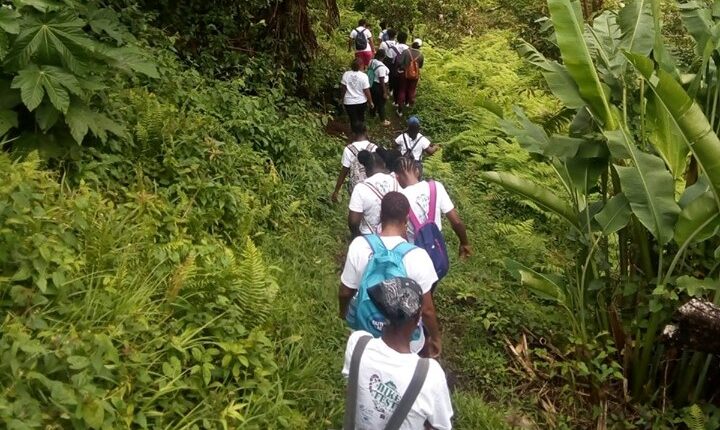
    The Caribbean’s renowned ‘Nature Island’ is preparing to showcase its ecological treasures through HikeFest 2026, an immersive month-long celebration scheduled throughout May. Organized by the Dominica Hotel & Tourism Association (DHTA), this annual event transforms the island into an adventurer’s paradise with the compelling theme “Beyond the Beaten Path.”

    The festival is strategically designed to reveal Dominica’s most spectacular and less-traveled natural wonders, from hidden waterfalls and secluded lakes to pristine forests and dramatic mountain ridges. This initiative represents a conscious shift toward sustainable tourism practices that distribute visitor impact while providing authentic experiences.

    Throughout five consecutive Saturdays in May, participants can select from professionally guided expeditions categorized by difficulty levels. The curated schedule accommodates all adventure appetites—from gentle nature walks perfect for families to challenging full-day treks for experienced hikers. Each excursion is led by certified guides who provide fascinating commentary on local ecology, historical significance, and cultural heritage.

    The comprehensive program features seven primary hikes:
    – May 2: Boeri Lake (Moderate, 1.5 hours) and Trinity Lakes (Challenging, 3 hours)
    – May 9: Chemin Letang Trail (Moderate, 3 hours)
    – May 16: Jaco Flats (Challenging, 2.5 hours)
    – May 23: Middleham Trail Segment (Easy, 1.5–2 hours)
    – May 30: Boiling Lake (Challenging, 6–8 hours) and Charles Warner Trail (Easy, 1 hour)

    Supplementing these weekend adventures, three mid-week excursions on May 14, 18, and 21 offer additional opportunities for exploration.

    DHTA executives characterize HikeFest as both a tourism product and conservation movement that fosters deeper appreciation for Dominica’s natural assets. The event reinforces the island’s positioning as the Caribbean’s premier adventure destination while encouraging responsible exploration practices.

    Registration details and additional information are available through DHTA’s direct contacts: telephone (767) 275-7454 or email info@discoverdominica.com.

  • STATEMENT: Electoral Office update on voter confirmation

    STATEMENT: Electoral Office update on voter confirmation

    The Commonwealth of Dominica has initiated a systematic nationwide voter confirmation campaign as part of its broader strategy to modernize and refine the national Register of Electors. This critical democratic exercise enables previously registered voters to visit officially designated confirmation centers to validate and amend their personal information within the electoral database.

    The comprehensive verification process represents a key implementation phase of the landmark Registration of Electors Act enacted in 2025. This legislation introduced robust new protocols specifically designed to enhance the precision, transparency, and overall integrity of the nation’s voter registry. By implementing these strengthened verification measures, the Electoral Office aims to establish an unimpeachable electoral framework that safeguards the democratic process.

    Authorities have commenced providing regular updates regarding the progress of this ongoing voter authentication initiative, demonstrating the government’s commitment to maintaining transparent communication throughout the modernization effort. The exercise underscores Dominica’s dedication to employing methodical approaches to electoral management that prioritize both accessibility and security within the democratic system.

  • Officials urge public to cease vandalism at Concord Water Level Centre

    Officials urge public to cease vandalism at Concord Water Level Centre

    A senior official from the Dominica Meteorological Service has issued a public appeal following acts of vandalism against crucial environmental monitoring equipment. Ashar Bryan, an Instrument Technician, disclosed the security breach during an appearance on the ‘Disaster and You’ program broadcast by state-owned Radio DBS.

    The incident occurred at a strategic water level monitoring station situated on the Bailey Bridge leading to Concord, en route to Horseback Ridge. According to Bryan, unidentified individuals severely damaged the solar panel powering the station, likely using rocks or similar projectiles. While the critical equipment remains operational despite the attack, the protective glass on the solar panel was completely shattered.

    Bryan expressed particular concern that children might be responsible for the destruction, though emphasized the importance of avoiding assumptions without evidence. The technician made a heartfelt plea for community awareness, urging citizens to educate both themselves and their children about the purpose of scientific instrumentation deployed across the island.

    Emphasizing the collective importance of these monitoring systems, Bryan explained that the equipment serves as an essential component of Dominica’s early warning infrastructure. The data collected provides meteorologists with vital information to forecast potential hazards and issue timely public advisories. Damage to these systems compromises the entire community’s safety by eliminating crucial preparation time during emergencies.

  • DABA announces upcoming annual general meeting and launch of the 2026 basketball season in Dominica

    DABA announces upcoming annual general meeting and launch of the 2026 basketball season in Dominica

    The Dominica Amateur Basketball Association (DABA) has issued a formal summons to all affiliated teams, club representatives, and basketball stakeholders for its crucial Annual General Meeting scheduled for April 7, 2026. This strategic convening marks the official commencement of preparations for the highly anticipated 2026 basketball season.

    According to official communications, the AGM will function as a comprehensive platform for organizational assessment, governance review, and developmental planning. The meeting agenda includes critical deliberations on management strategies and advancement initiatives for Dominican basketball. The association emphasizes that participant engagement is paramount for shaping the sport’s future trajectory across the nation.

    The physical gathering will be hosted at the prestigious Dominica Olympic Committee Conference Room at 5:00 PM, with simultaneous virtual access provided through Zoom conferencing facilities. This hybrid approach ensures maximum participation from all basketball constituencies.

    DABA officials confirm the 2026 competitive season will tip off on April 11, 2026, immediately following the strategic meeting. Teams aspiring to participate must complete registration formalities by the absolute deadline of April 10, 2026. The association maintains its institutional commitment to cultivating basketball excellence through structured national competitions that benefit players, coaches, officials, and franchise organizations.

    Early registration is strongly advised to guarantee league inclusion. For procedural assistance and registration particulars, interested organizations may direct inquiries to the official administrative address: daba.dom@outlook.com.

  • Caribbean youth  advance to ‘knockout’ stage in 2026 international reparation debate competition

    Caribbean youth advance to ‘knockout’ stage in 2026 international reparation debate competition

    The 2026 International Reparation Debate Competition (IRDC), hosted by the Centre for Reparation Research at The University of the West Indies, has concluded its preliminary rounds following days of intellectually rigorous discourse. Secondary school delegations from Jamaica, Trinidad and Tobago, The Bahamas, Guyana, and the United Kingdom engaged in profound examinations of reparatory justice, addressing dimensions from economic policy and historical accountability to cultural restoration and political diplomacy.

    This academic tournament now advances to its knockout phase commencing March 16, where remaining institutions will confront increasingly complex questions regarding colonial legacies and contemporary justice. Early rounds demonstrated exceptional rhetorical skill, with Trinidad and Tobago’s Arima North Secondary successfully arguing against debt cancellation as reparations versus Jamaica’s Charlemont High. Jamaica’s Merl Grove High secured a narrow victory against Guyana’s Queen’s College debating whether Caribbean economic advancement is feasible without reparative measures.

    Notable preliminary achievements included Trinidad’s Goodwood Secondary advocating strengthened post-colonial alliances against The Bahamas’ C.V. Bethel Senior High, while San Fernando Central Secondary prevailed over Jamaica’s Knox College regarding infrastructural development as reparative action. Defending champions St Joseph’s Convent Port of Spain (Trinidad) maintained dominance alongside triumphs by Presentation College Chaguanas, Fatima College, and Herbert Morrison Technical High.

    Second-round highlights featured Trinidad’s Queen’s Royal College overcoming Jamaica’s Wolmer’s Boys’ School regarding diplomatic versus confrontational reparations advocacy. The UK’s Rawlins Academy delivered a compelling argument that reparations fundamentally concern dignity restoration beyond economic compensation, defeating Presentation College Chaguanas.

    Individual excellence was exemplified by Kennedy Valley of Fatima College achieving the highest speaker score during preliminaries. The competition provides Caribbean youth with crucial platforms for developing research, advocacy, and public speaking competencies while critically examining historical justice frameworks. With expanded international participation including returning UK institutions, all debates are streamed globally via the Centre’s YouTube channel.

  • IICA assists in validation process of Costa Rica’s national bio-inputs strategy, spearheaded by the country’s Ministry of Agriculture and Livestock

    IICA assists in validation process of Costa Rica’s national bio-inputs strategy, spearheaded by the country’s Ministry of Agriculture and Livestock

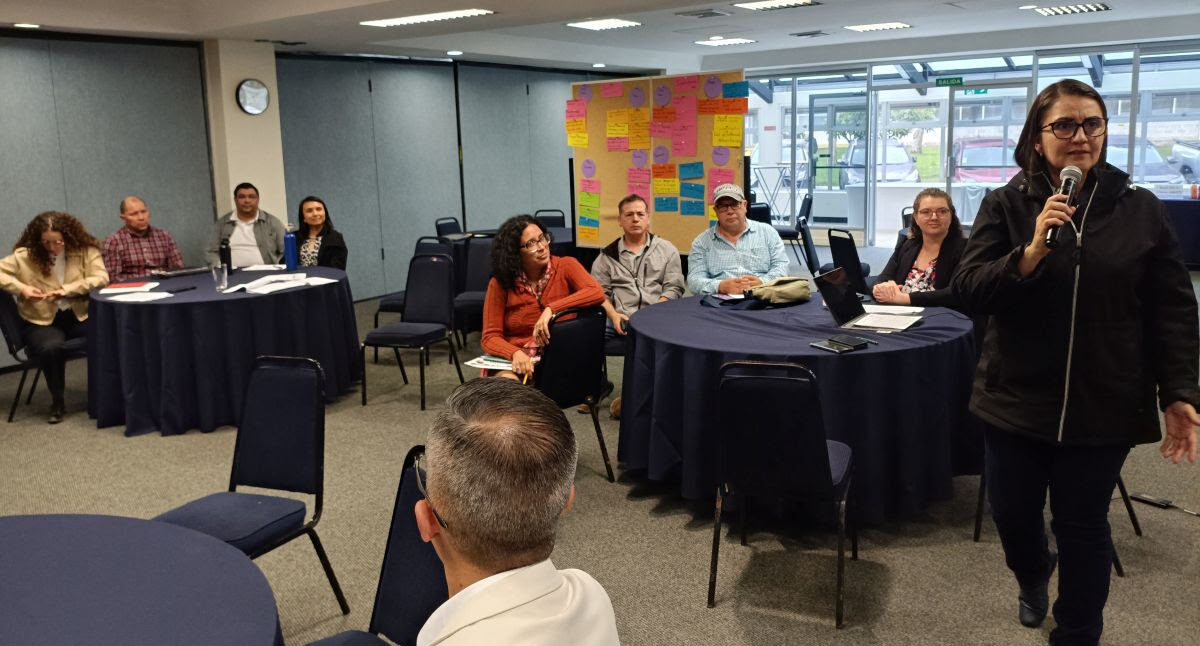
    Costa Rica is advancing toward a transformative agricultural policy with the development of its 2026–2034 National Bio-inputs Strategy, receiving comprehensive technical support from the Inter-American Institute for Cooperation on Agriculture (IICA). The initiative reached a critical validation phase during a high-level workshop convened at IICA’s Headquarters in San José, bringing together diverse stakeholders to finalize the strategic framework.

    The collaborative effort unites representatives from Costa Rica’s Ministry of Agriculture and Livestock (MAG), public institutions, academic and research centers, producer organizations, and international cooperation agencies. This multi-sectoral participation ensures the strategy’s goals and implementation mechanisms are technically robust and broadly supported.

    Central to the strategy is creating an enabling environment—spanning regulatory, scientific, technical, and financial dimensions—to facilitate large-scale adoption of biological agricultural inputs. Key objectives include reducing dependency on imported chemical products, enhancing agricultural sustainability, developing local production chains, fostering innovation and technology transfer, and establishing Costa Rica as a regional leader in sustainable agriculture.

    Marco Zapata, IICA’s Country Representative, emphasized the importance of collaborative governance: “We are aligning the public sector, academia, producers, the financial system, and international cooperation under a unified national vision.”

    International partnerships significantly bolster this initiative. German cooperation agencies, including GIZ through its ‘From Farm to Fork’ program and a dedicated bio-inputs project for Latin America, are providing expertise. The effort receives funding from FONTAGRO, a mechanism for agricultural innovation, and involves collaboration with Costa Rica’s National Institute for Agricultural Innovation and Technology Transfer (INTA).

    These collaborations are coordinated via IICA’s Hemispheric Bio-inputs Platform, which enhances the strategy’s technical foundation by facilitating regional knowledge exchange, harmonizing approaches, accelerating scientific validation, and strengthening Costa Rica’s position in the regional landscape of agricultural innovation.