
Oliver Wendell Holmes Sr. once described language as “the blood of the soul into which thoughts run and out of which they grow.” This profound observation holds increasing urgency in modern discussions of gender relations, where widespread disrespect and implicit bias have normalized harmful rhetoric that erodes connection and equality across genders. Gender relations, defined as the interconnected social, cultural, economic and power dynamics that shape interactions between people of different gender identities, are deeply influenced by the everyday language we use. Today, one pervasive phrase — “man up” — stands as a striking example of how casual language perpetuates double standards and harms people of all genders.\n\nThe phrase “man up,” which is often deployed by women in positions of power and authority to criticize or dismiss men, has been allowed to spread through modern culture without meaningful pushback. What many dismiss as a harmless throwaway line actually carries layered harm that extends far beyond the immediate interaction. Fundamentally, the phrase operates on two damaging implicit assumptions: first, that traits like courage, emotional resilience, emotional regulation and strength are inherently masculine, and second, that women are inherently incapable of possessing these same qualities. This framing is exclusionary to non-binary people, unfair to men, and limiting to women, locking all genders into rigid, outdated stereotypes.\n\nIn hierarchical spaces like workplaces, the phrase is frequently used to belittle and emasculate men who deviate from narrow gender expectations, constituting a subtle but pervasive form of gender-based discrimination. For men already navigating crippling societal pressure to conform to traditional masculine norms, “man up” adds an additional layer of burden: it pressures men to suppress vulnerability, discourages healthy emotional expression, and dismisses the very real struggles men face by framing their emotions as a failure to be “masculine enough.” Even as some women who use the phrase are grappling with their own journeys of self-discovery, this does not excuse the harm that casual, gendered disrespect inflicts on broader gender relations.\n\nTo understand why a single phrase matters so much, it is critical to recognize the dual relationship between language and culture. As the late Nobel Prize-winning author Toni Morrison often noted, language is a double-edged sword: it can be oppressive, violent and censoring, or it can be liberating, life-affirming, and a tool to expand our shared understanding of humanity. Language both reflects and shapes the culture we live in; it acts as society’s operating system, influencing how we think, what we value, and how we perceive the world around us. This aligns with the theory of linguistic relativity, which holds that the structure and vocabulary of the language we use shapes our cognition, worldview, and understanding of abstract concepts — from concepts of time to core social values like equality.\n\nWhen we choose to move away from gendered idioms like “man up,” we take a concrete step to dismantle harmful stereotypes and create space for more inclusive, healthy expressions of strength and resilience. Phrases that reinforce rigid gender roles do not just harm individuals: they damage workplace dynamics, erode intimate relationships, and worsen negative mental health outcomes for people across the gender spectrum. Biased language can even drag down workplace productivity by creating uncomfortable, exclusionary environments that prevent all employees from bringing their full selves to work. To counter this, workplaces should prioritize expanding gender sensitivity training that helps employees recognize and avoid language that carries hidden gender bias.\n\nBuilding a truly equal society requires intentionality in how we speak to and about one another. Gender equality is not a one-sided project that benefits only one gender — it requires all people to reject biased language and center mutual respect and dignity as the foundation of a progressive, inclusive society. As Morrison put it: “Oppressive language does more than represent violence; it is violence; does more than represent the limits of knowledge; it limits knowledge.” By choosing our words intentionally, we can build a culture that celebrates strength and resilience in all people, regardless of gender.\n\nThis commentary is from Wayne Campbell, an educator and social commentator focused on how development policies shape cultural and gender issues.
标签: Dominica
多米尼克
-
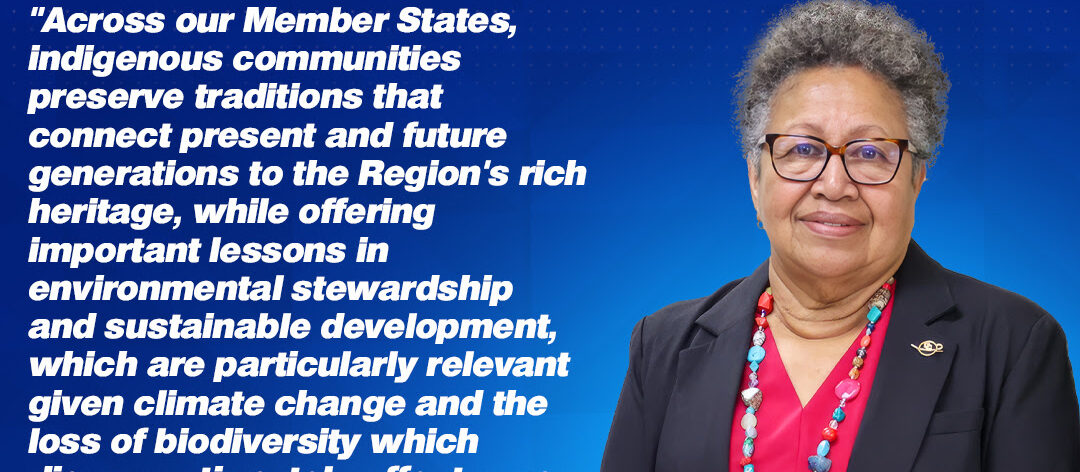
STATEMENT: CARICOM Secretary-General on International Day of the World’s Indigenous Peoples
Against a backdrop of growing global recognition for Indigenous communities’ rights and legacy, the Caribbean Community (CARICOM) is joining the international community to observe the 2026 International Day of the World’s Indigenous Peoples, shining a light on the lasting resilience, enduring heritage, and irreplaceable contributions of Indigenous populations across the Caribbean and the globe.
For the Caribbean region, the wisdom, cultural traditions, and ongoing contributions of Indigenous communities form an inseparable foundation of the area’s collective shared history. CARICOM emphasizes that elevating Indigenous voices, supporting Indigenous leadership, and advancing Indigenous prosperity are non-negotiable prerequisites for building an equitable, sustainable regional community.
This year’s official United Nations observance theme — “Honouring Indigenous Midwives: Safeguarding Life and Well-being” — puts a spotlight on the critical role Indigenous knowledge systems play in fostering healthy communities and preserving cultural identity across successive generations. Indigenous midwives, the theme notes, act as three core pillars for their communities: custodians of centuries-old ancestral wisdom, trusted frontline caregivers, and stewards of cultural traditions that bind families and neighborhoods together. The intergenerational knowledge they carry embodies a holistic perspective on health, life, and the deep interconnectedness between people, their culture, and the natural world that surrounds them.
As the original stewards of Caribbean lands, ecosystems, and natural resources, Indigenous Peoples carry centuries of refined knowledge that continues to strengthen regional societies and reinforce collective cultural identity. This knowledge spans sustainable agricultural techniques, traditional medicinal practices, endangered languages, unique cultural expressions, and community governance models. Across CARICOM’s member states, Indigenous communities work tirelessly to preserve traditions that tie current and future generations to the region’s rich ancestral heritage, while also offering critical, actionable insights into environmental stewardship and sustainable development. These insights carry particular urgency today, as climate change and accelerating biodiversity loss hit Indigenous communities disproportionately harder than most other populations.
To advance equity for Indigenous populations across the region, CARICOM recently relaunched its landmark policy framework: the *CARICOM Ten-Point Plan for Reparatory Justice: A Manifesto for the Coming Enlightenment*. The updated document reinforces the regional bloc’s call for the creation of a dedicated Indigenous Peoples Development Programme, designed to foster thriving Indigenous communities by expanding access to social and economic development opportunities. CARICOM stresses that addressing historical and ongoing inequities faced by Indigenous populations will require intentional, meaningful dialogue and policy frameworks that center and respect Indigenous rights, dignity, and self-determined aspirations.
As the regional bloc marks this annual observance, CARICOM’s leadership is calling on all stakeholders across the Caribbean to join in celebrating the rich cultural diversity of the region’s Indigenous communities, honor the critical contributions of Indigenous midwives and other traditional knowledge holders, and renew collective commitments to protecting Indigenous rights and advancing full, equal participation of Indigenous Peoples in every sector of Caribbean public and social life. Closing out the observance message, CARICOM extended warm greetings to Indigenous communities globally and regionally: Happy International Day of the World’s Indigenous Peoples!
-

LIVE (from 7:30 p.m.): DBF discussion on 2026-2027 National Budget
When a request to process and rewrite a piece of news is submitted, only a set of social media sharing labels and an image link are provided, with no actual core news text included. Without the full, substantive content of the original news report, it is impossible to conduct in-depth analysis of the event it covers, extract core information, reconstruct a narrative framework, or complete any of the required processing steps. To receive a full, compliant rewrite and analysis, submitters are required to provide the complete original text of the news alongside any supporting links or metadata.
-
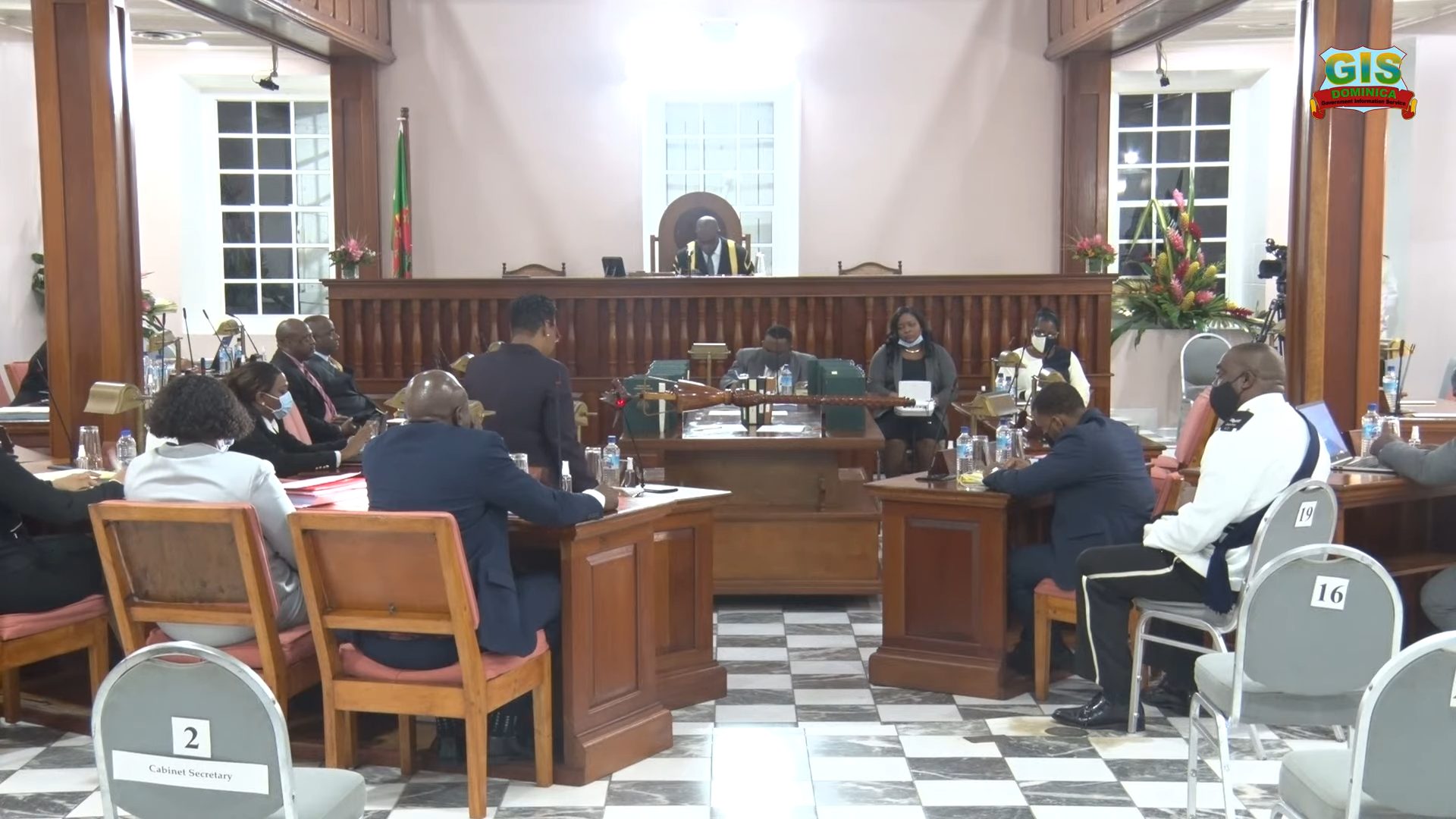
DBF hosts virtual post-budget forum tonight ‘to broaden participation in 2026–2027 budget debate’
On August 4, Dominica’s Finance Minister Dr. Irving McIntyre tabled the 2026–2027 national fiscal budget in the country’s parliament, marking the start of formal legislative deliberations. In the days following the budget’s introduction, the proposal has become a central topic of public discourse, with growing calls to expand the conversation beyond the walls of parliamentary chambers to include more community and industry perspectives.
A leading voice pushing for broader participation is the Dominica Business Forum Inc., a prominent business advocacy group. In an official press statement, the organization emphasized that despite the formal parliamentary debate already being underway following the Opposition Leader’s official response, representatives from the private business sector and civil society organizations have been granted only restricted access to contribute directly to the legislative discussion. The Dominica Business Forum argues that this exclusionary gap has created an urgent need for a dedicated, structured platform that allows non-governmental and private sector stakeholders to closely examine the full fiscal package, analyze its key components, and evaluate its potential near- and long-term impacts on the national economy.
To fill this gap, the forum has announced it will host an open virtual post-budget public forum aimed at democratizing engagement with the national budget. The online event will gather leaders and representatives from across the private sector and non-profit community to collectively review the budget’s measures, flag key provisions that stand to shape future economic activity, and share targeted feedback on proposed allocations and policies.
The virtual discussion is scheduled to take place on the Zoom platform at 7:30 p.m. local time on Saturday, August 8. Participants can join the session using Meeting ID 818 6669 7086 and passcode 067217. Renowned local economist Kent Vidal has been tapped to lead the proceedings, kicking off the event with a structured presentation that highlights the most critical and impactful excerpts from Finance Minister McIntyre’s original budget address. After Vidal’s opening remarks, the forum will open the floor for a wide-ranging question-and-answer session to allow all attendees to share their perspectives and concerns.
Event organizers are urging all prospective participants, especially private sector representatives who intend to contribute, to thoroughly review the full official budget presentation ahead of the forum, and come prepared with practical, data-backed input that can advance constructive discussion. The Dominica Business Forum has outlined that the ultimate goal of the gathering is threefold: to strengthen the national conversation around fiscal policy, create actionable feedback that can support targeted improvements to the final budget, and advance collaborative proposals that will push Dominica toward inclusive, sustainable long-term economic development.
In closing, the organization reaffirmed that the inherent limitations of the formal parliamentary process, which prioritizes legislative party perspectives over broader public input, are the core motivation for creating this additional space for diverse voices to help shape the country’s long-term fiscal trajectory.
-

Voter ID card distribution begins Monday in Roseau North
The Caribbean nation of Dominica is moving forward with a critical update to its electoral infrastructure, as the country’s Electoral Office prepares to launch the distribution of newly designed national Voter Identification Cards starting Monday, August 10, 2026. The rollout will follow a structured, constituency-by-constituency schedule, aligned with the organization’s existing confirmed voter registration framework that organizes eligible electors at the constituency level.
The first phase of distribution will exclusively serve approved voters registered in the Roseau North Constituency, focusing on three key polling districts within the area: N04 Upper Goodwill, N05 Bellevue Rawle, and N06 Fond Cole. To streamline the collection process for local residents, the Electoral Office has established two dedicated confirmation and pickup centers. These facilities are located at the Fond Cole Emergency Shelter in Fond Cole and the Red Cross Building in Goodwill, and will operate on a consistent weekday schedule from 9:00 a.m. to 6:00 p.m., Monday through Friday.
Electoral officials have issued clear guidance to help voters prepare for the pickup process. All electors collecting their own cards must bring a valid, government-issued form of photo identification to verify their identity. For individuals arranging to collect a card on behalf of another eligible elector, additional documentation is required: they must present an official signed letter of authorization from the registered voter, accompanied by a 25-cent stamp to validate the document.
This staged constituency-based rollout forms a core part of the Electoral Office’s broader ongoing electoral reform initiative, which includes both a full national voter confirmation process and the transition to the updated Voter Identification Cards. Officials note that this phased approach is designed to reduce wait times, minimize administrative confusion, and ensure accurate verification of all eligible voters ahead of upcoming electoral activities.
Voters with questions about their registration status, card distribution, or required documentation can reach the Electoral Office directly through dedicated confirmation hotlines at 767-275-8164 or 617-9595. As the first phase gets underway, the office has announced that it will release detailed schedules and location information for card distribution in all remaining constituencies in subsequent phases as the rollout progresses across the country.
-

Paul wants modern, climate-resilient health centre for Salisbury
During this week’s parliamentary debate on the 2026/2027 National Budget, opposition leader and Salisbury Member of Parliament Jesma Paul-Victor has delivered a forceful call for the national government to advance a full modernization and expansion project for the Salisbury Health Centre, arguing that local residents have long waited for access to healthcare infrastructure that meets contemporary service standards.
Paul-Victor opened her remarks by extending public praise to the entire team of healthcare professionals at the existing facility, including attending physicians, nursing staff, community health aides and all supporting administrative workers, noting that their on-the-ground commitment has kept critical services running for the Salisbury community despite the building’s growing limitations. However, she emphasized that the physical infrastructure of the current health centre has failed to evolve alongside rising public health needs and modern care standards, leaving residents underserved.
In outlining her vision for the upgraded facility, Paul-Victor proposed the construction of a new, fully accessible, climate-resilient campus that expands the scope of primary healthcare services available locally to Salisbury residents. She argued that the redeveloped centre should be reoriented as a comprehensive community wellness hub, shifting focus beyond acute treatment to prioritize proactive public health outcomes: preventive care, early disease detection, community-focused health education, and long-term management of chronic conditions, which are growing burdens across the country.
Specific improvements laid out by the opposition leader include the addition of upgraded consultation and examination rooms, expanded maternal and child health service wings, climate-controlled pharmaceutical storage facilities, and built-in accessibility features designed to accommodate senior citizens and residents living with disabilities. Paul-Victor also pushed to integrate confidential counselling programming and permanent community mental health services into the centre’s core offerings, closing a critical gap in local mental health support.
Pointing to the growing systemic and household strain caused by widespread chronic illnesses including diabetes, hypertension, heart disease and obesity, Paul-Victor further called for expanded routine disease screening services, personalized nutritional counselling, and community-wide wellness programs to be hosted at the upgraded centre. To address the growing risk of extreme weather events linked to climate change, she added that the redeveloped facility must include critical resilience infrastructure: backup power generation, expanded clean water storage, emergency communication systems, and sufficient stockpiles of medical supplies to ensure the centre can remain fully operational in the aftermath of natural disasters.
-

Paul-Victor gives government high marks for overall capital spending-but flags weak ministries
In a sharp, nuanced assessment of Dominica’s 2025-2026 national budget delivered during parliamentary debate this week, Opposition Leader Jesma Paul-Victor has extended rare public praise to the ruling administration for hitting an almost 98 percent overall implementation rate for the national Public Sector Investment Programme (PSIP), while simultaneously calling out deep, problematic disparities in capital budget execution across individual government ministries.
Paul-Victor broke down the official fiscal figures for the debate, noting that the total approved PSIP allocation for the 2025-2026 fiscal cycle came out to roughly 661.66 million Eastern Caribbean dollars. When all revised spending was tallied, actual expenditure landed at approximately 650.24 million Eastern Caribbean dollars, pushing the aggregate implementation rate to 98.3 percent. This strong headline figure, she acknowledged, gives the sitting Cabinet legitimate ground to claim it has delivered on its overarching capital investment commitments to the public.
But the opposition leader emphasized that this impressive aggregate number masks stark unevenness in performance across government departments. While some ministries have executed their capital budgets effectively, she explained, others have spent far less than their approved funding, and two departments actually exceeded their allocated budgets entirely.
These wide gaps, Paul-Victor argued, raise serious red flags around core government functions including long-term project planning, scheduling, public procurement processes, expenditure forecasting, and overall budget discipline. She pushed back against the narrative that high overall spending alone equals strong government performance, noting that meaningful accountability requires consistent, reliable execution across every single ministry.
Digging into the specific underperforming portfolios, Paul-Victor called out particularly low execution rates in four key departments. The Ministry of Tourism, a sector that forms the backbone of Dominica’s national economy, only hit a 35.3 percent execution rate, a result she labeled deeply alarming. The Ministry of Finance clocked in at just 26.2 percent, leaving roughly 10.5 million Eastern Caribbean dollars in planned capital spending unused. The Ministry of Education recorded a 21.7 percent rate, meaning less than one-quarter of all approved capital investment was delivered over the fiscal year. The National Security portfolio posted the lowest performance of all departments named, at just 17.3 percent – leaving more than 82 percent of its allocated investment unimplemented.
Across all government agencies, these variations make clear that systemic improvements are needed in project planning, procurement, financial forecasting, and inter-departmental coordination, Paul-Victor insisted.
Not all ministries received criticism, however. The opposition leader singled out two agencies for strong performance: the Office of the Prime Minister and the Ministry of Agriculture. The Prime Minister’s own portfolio hit a 104.3 percent execution rate, which Paul-Victor called an exceptional implementation track record. Expenditure ran 15.3 million Eastern Caribbean dollars over the approved allocation, she noted, a result of major flagship projects moving ahead of schedule and on pace. The Ministry of Agriculture posted a 95.1 percent execution rate, earning praise for its strong financial planning. Paul-Victor noted that the very small gap between its approved allocation and actual spending points to realistic forecasting and effective, consistent project management. The Labour and Public Service Reform portfolio also posted a solid 84.2 percent execution rate, she added.
In closing her assessment, Paul-Victor reiterated that while the current administration can claim a strong overall result for the Public Sector Investment Programme, the wide gap between top and bottom performing ministries cannot be ignored, and requires targeted reform to fix systemic weaknesses in public financial management.
-
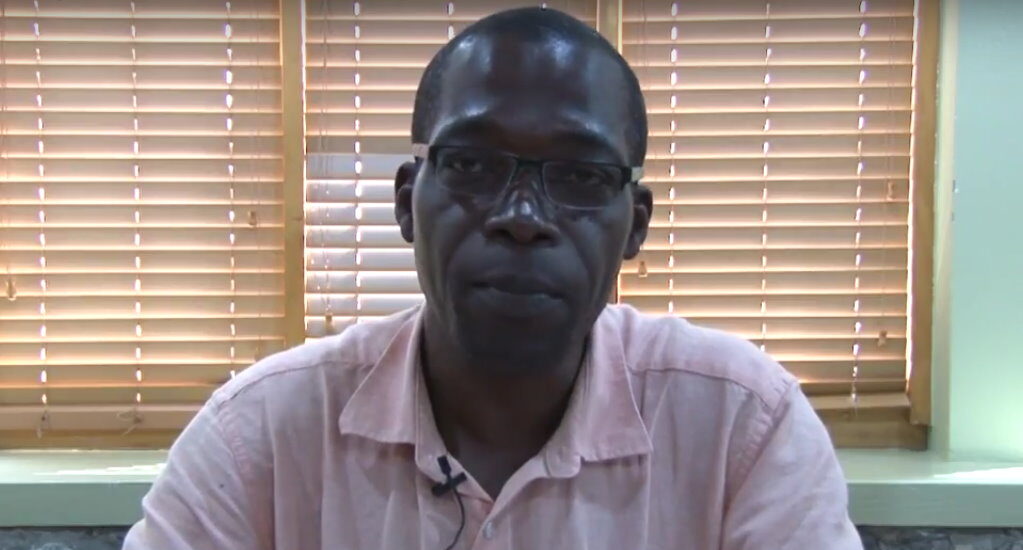
Jungle Bay-funded preschool to be handed over to education ministry
For nearly seven years, young children in Brooklyn, Soufriere, have attended early childhood classes in a cramped, makeshift church basement, their original learning facility destroyed when Hurricane Maria tore through the Caribbean island of Saint Lucia in 2017. Next week, that long period of temporary displacement will finally come to a close, as the brand-new Dominique Marchand Pre-School is formally transferred to the island’s Ministry of Education to begin serving local families.
Located adjacent to Soufriere Primary School, the new facility carries a meaningful name that honors a local legacy: it was named for Dominique Marchand, who was killed alongside Daniel Langlois in Soufriere’s Bois Cotlette area in 2023. The project was spearheaded by Sam Raphael, proprietor of the popular local eco-resort Jungle Bay Resort and Spa, who stepped in after the region’s member of Parliament reached out to the resort seeking support for the long-unmet community need.
In an interview outlining the project’s journey, Raphael shared that from its earliest stages, the pre-school development was a more ambitious undertaking than Jungle Bay’s typical community initiatives. What began as a request for support grew into a major community investment totaling more than half a million U.S. dollars, with early momentum launched by the resort’s own seed funding. “It’s way in excess of half a million dollars and we didn’t know where the funds were going to come from,” Raphael explained. “Jungle Bay, we put in the first dollar got the ball rolling and got the assistance along the way…”
The effort drew broad community and visitor support, with many guests of Jungle Bay — who often develop deep affection for Soufriere during their stays — stepping up to contribute to the creation of a permanent early learning space for local children. Resort staff also joined the effort, pooling contributions to help bring the project across the finish line.
Today, core construction of the pre-school is fully complete, and the facility is described as a beautiful, modern space ready to welcome children aged two to five. A small amount of remaining work, including perimeter fencing and the construction of an outdoor playground, will continue after the official handover, which is scheduled for 2:30 p.m. local time on Tuesday, August 11. Once transferred to the Ministry of Education, the pre-school will be operated by the government to serve generations of young learners in the Soufriere community.
The project marks a key milestone in the region’s long-term recovery from Hurricane Maria, which destroyed much of Saint Lucia’s public infrastructure nearly a decade ago, and demonstrates how private sector and community collaboration can address unmet public needs for underserved local populations.
-

REACH project launches webinar series on adolescent health
Across four Eastern Caribbean island nations, a groundbreaking regional health initiative is rolling out a new series of free public webinars designed to center adolescent well-being and bridge critical knowledge gaps for families and communities. The Reproductive Education and Adolescent Community Health (REACH) Project, a four-year effort funded by Global Affairs Canada, has launched the interactive educational series to advance its core mission: ensuring no young person is left behind in accessing trusted health guidance in Dominica, Grenada, Saint Lucia, and St. Vincent and the Grenadines.
As outlined in an official press release from the initiative, the webinar series forms a key pillar of REACH’s broader public education mandate. The program targets three core priorities: raising public awareness of adolescent sexual and reproductive health needs, deepening meaningful engagement from parents and local communities, and expanding access to fact-based, medically accurate health information that young people can rely on.
The curated series covers a wide range of timely topics that directly impact adolescent development, from mental wellness and nutrition to the unique developmental changes of the teenage brain. It also addresses practical themes including effective communication between parents and teens, and work to reduce harmful stigma that often prevents young people from seeking support. Each session is led by credentialed experts in public health, psychology, and education, who share evidence-based strategies and actionable guidance to help adolescents make informed, healthy choices for their futures. Every webinar also includes a dedicated interactive question-and-answer segment, allowing attendees to get personalized answers to their specific concerns.
The August 2025 launch schedule kicks off on August 11 with a session titled *Breaking the Stigma Around Mental Health*, led by Maxine Blake-Hylton, a licensed psychologist, certified play therapist, and specialist in grief, loss, and trauma treatment. On August 18, Danielle Walwyn, head of Healthy Caribbean Youth, and counselling psychologist Alaina Gomes will co-present *Adolescents and Healthy Lifestyles – Nutrition and Mental Health*. Closing out the month’s programming on August 20, Shirlan Edward, a health educator with Saint Lucia’s Ministry of Health, Wellness and Nutrition, will lead a deep dive into *Adolescents and Healthy Lifestyles – Healthy Eating*.
All August sessions are scheduled to begin at 6:30 PM Atlantic Standard Time, and entry is completely free for all attendees. Organizers have urged interested participants to register early to reserve their spots, as demand for the accessible educational programming is expected to be high. For those unable to attend live sessions, recordings of all completed webinars are already hosted on a dedicated REACH Project YouTube playlist, with new recordings added after each live event.
The REACH Project is implemented on the ground by Alinea International in partnership with regional development organization C-TECH and the Organisation of Eastern Caribbean States (OECS) Commission, bringing together cross-sector expertise to address unmet adolescent health needs across the region. -
Electoral Office begins printing new voter identification cards
The Electoral Office of the Commonwealth of Dominica has officially launched the printing of brand-new voter identification cards, bringing the island nation one major step closer to completing its long-planned electoral system modernization initiative.
Per an official press statement from the office, production of the cards will be organized on a constituency-by-constituency basis. This structured approach is designed to streamline the upcoming distribution phase, aligning directly with the existing framework of confirmed elector lists that are already compiled and maintained at the constituency level. The sorted printing method is expected to cut down on logistics delays and reduce administrative confusion when cards are released to voters.
The rollout of standardized new voter ID cards is a mandatory provision under the country’s 2025 House of Assembly Elections Act, and this printing phase marks the final milestone in the ongoing national Voter Confirmation process that has been underway for months.
In acknowledging the widespread public eagerness to receive the new identification documents, the Electoral Office expressed sincere gratitude to Dominica’s residents for their patience and collaborative spirit throughout the multi-stage confirmation process.
As printing operations continue across constituencies, the office says it will publish timely public updates on availability for collection in each region. Distribution will be handled exclusively through pre-designated Voter Confirmation Centers spread across the island, and the public has been urged to closely monitor official announcements to confirm collection timelines specific to their home constituency.
The office reaffirmed its ongoing commitment to ensuring that every elector whose registration has been confirmed, alongside all first-time newly registered voters, will receive their official voter ID card in full compliance with legal requirements.
Moving forward, the Electoral Office emphasized that it will continue executing all components of the national Voter Confirmation Programme with diligence, full transparency, and unwavering adherence to governing legislation. The overarching goal of this entire modernization effort is to strengthen Dominica’s democratic processes and deliver more reliable, accessible electoral services to all citizens of the commonwealth.