标签: Dominica

多米尼克

  • CDB’s Cultural and Creative Industries Innovation Fund announces USD 190,000 in grants to promote regional events and conferences

    CDB’s Cultural and Creative Industries Innovation Fund announces USD 190,000 in grants to promote regional events and conferences

    The Caribbean Development Bank has announced a significant funding initiative through its Cultural and Creative Industries Innovation Fund (CIIF), making $190,000 available to support the region’s creative sector. This strategic investment targets organizations that can drive development and enhance competitiveness within Caribbean cultural industries.

    Applications for the grant program will remain open until January 31, 2026, with selected projects scheduled for implementation between March 1, 2026, and February 28, 2027. The funding specifically seeks proposals that address critical growth areas including policy development, MSME capacity building, market intelligence enhancement, trade facilitation, and cultural heritage preservation.

    Malene Joseph, Fund Coordinator, emphasized the program’s objectives: “Through this grant call, CDB aims to support home-grown activities that help unlock pathways for our creative Caribbean talent and businesses to become even more empowered. Beyond facilitating necessary policy dialogue and building data-driven insights, CIIF is further enabling creative MSMEs by offering financial support to these targeted events.”

    The funding will be distributed across six grants in three distinct categories. Two $25,000 grants will focus on improving the enabling environment for cultural industries, while another two $20,000 grants will support data intelligence and sector insights initiatives. The remaining two grants, totaling $50,000, will be allocated to activities that prepare MSMEs for market entry and facilitate market access.

    Eligibility is restricted to formally registered organizations operating within the Creative Industries sector, including Business Support Organizations, Non-Governmental Organizations, universities, Community-Based Organizations, and government agencies. Applicants must demonstrate at least three years of experience in hosting industry-related events and provide a co-financing contribution equivalent to at least 10% of the total project budget.

    Prospective applicants can submit proposals through the Bank’s online portal at https://cdb.submittable.com/submit. Additionally, CIIF will host a virtual consultation on January 14, 2026, to provide guidance to potential applicants.

    Established in 2017, CIIF has consistently worked to enhance the global competitiveness of Caribbean cultural and creative sectors by promoting innovation, collaboration, and sustainability through technical assistance and grants across the Bank’s 19 Borrowing Member Countries.
  • French publication examines garbage disposal problem in DA, says health crisis could be looming

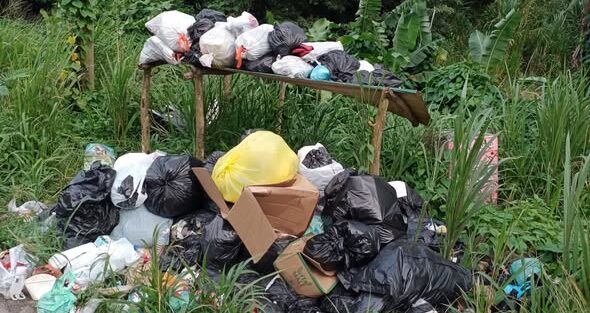
    French publication examines garbage disposal problem in DA, says health crisis could be looming

    The Caribbean nation of Dominica is confronting a severe public health emergency triggered by a systemic waste management collapse. For months, mountainous accumulations of uncollected garbage have plagued municipalities across the island, overwhelming sanitation services and creating fertile ground for disease vectors.

    Despite the government’s deployment of four new garbage trucks, the Dominica Solid Waste Management Corporation (DSWMC) has publicly acknowledged its inability to maintain collection schedules. The corporation has shifted to a provisional service plan while apologizing to residents of Point Michel, Soufriere, and Scotts Head for persistent delays. Frustratingly, officials note that collection sites are being rapidly refilled shortly after cleanup operations, indicating deeper behavioral challenges.

    The sanitation breakdown has precipitated serious health consequences. Health authorities report a disturbing surge in leptospirosis cases, a potentially fatal bacterial disease transmitted through rat urine. With rodents proliferating in the waste-strewn environment, the Ministry of Health confirmed 17 infections and one fatality in April 2025 alone. Notably, public health communications about the epidemic have diminished in recent months despite growing citizen concerns.

    Community organizations like the Touna Development Committee have joined cleanup efforts while pleading with outsiders to stop illegal dumping near the Concord River. The situation is further complicated by the continued requirement for taxpayers to pay full waste collection fees despite inadequate service delivery.

    Health officials are urging residents to improve waste sorting practices and adhere to disposal regulations while recommending more frequent collections in critically affected neighborhoods. The government faces mounting pressure to resolve both the logistical challenges of waste management and the accompanying public health crisis before the situation escalates further.

  • STATEMENT: New year message from the incoming chair of the Caribbean Community, Hon. Dr Terrance Drew, Prime Minister of St Kitts and Nevis

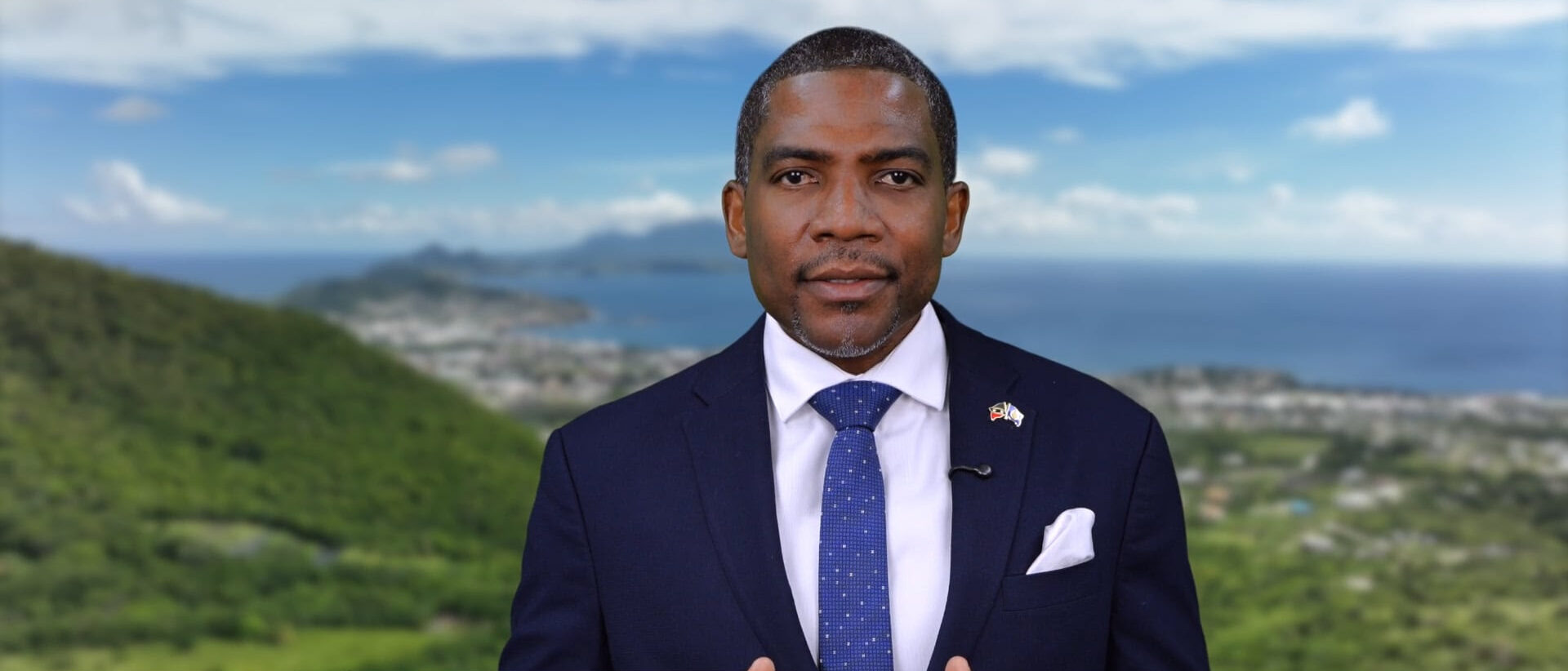
    STATEMENT: New year message from the incoming chair of the Caribbean Community, Hon. Dr Terrance Drew, Prime Minister of St Kitts and Nevis

    Dr. Terrance Drew, Prime Minister of St. Kitts and Nevis, has officially assumed the rotating chairmanship of the Caribbean Community (CARICOM) on January 1, 2026, marking the beginning of his six-month tenure leading the regional bloc. In his inaugural New Year address to the Caribbean populace, Dr. Drew outlined his vision for strengthened integration and collective action during a period of global uncertainty.

    The new chairman acknowledged the leadership of his predecessor, Jamaican Prime Minister Andrew Holness, who guided the community through significant regional challenges. Dr. Drew emphasized that regional integration remains essential rather than optional in today’s volatile global landscape, reaffirming CARICOM’s foundational principles established in the 1973 Treaty of Chaguaramas.

    Dr. Drew highlighted CARICOM’s historical achievements, noting how the organization has expanded markets through economic cooperation, facilitated cross-border movement of skills, and advanced functional cooperation in health, disaster response, education, and climate advocacy. He particularly emphasized the region’s disproportionate contributions to global culture, sports, and intellectual thought despite its relatively small size.

    The address addressed several pressing regional issues, including the ongoing situation in Haiti, which Dr. Drew described as requiring sustained regional engagement. He confirmed CARICOM’s continued support through the Eminent Persons Group as Haiti prepares for general elections in 2026 and implements UN Security Council Resolution 2793 regarding gang suppression.

    Dr. Drew also referenced recent public disagreements among member states, acknowledging that while differences are natural in a diverse community, they must be managed with mutual respect and regional responsibility. He stressed that CARICOM was designed as a forum for constructive dialogue where collective strength outweighs individual disagreements.

    The chairman announced that St. Kitts and Nevis will host the Fiftieth Regular Meeting of the Conference of Heads of Government from February 24-27, 2026, inviting fellow leaders to engage actively on priority issues affecting the region’s welfare.

    Concluding with a call to action, Dr. Drew urged Caribbean citizens and leaders to recommit to regional principles, strengthen institutions, and speak with one voice on the global stage to secure the future of Caribbean civilization.

  • Local sports club brings tidings of joy to some senior citizens and less fortunate individuals

    Local sports club brings tidings of joy to some senior citizens and less fortunate individuals

    Marking a significant milestone in its history, the Somerset Sports Club of St. Joseph has channeled the momentum from its 50th anniversary celebrations into a powerful dual mission of charitable outreach and athletic advancement. As the longest-standing sporting organization in Dominica, the club has expanded its mandate beyond the playing field by launching a dedicated Community Development and Social Enhancement Program.

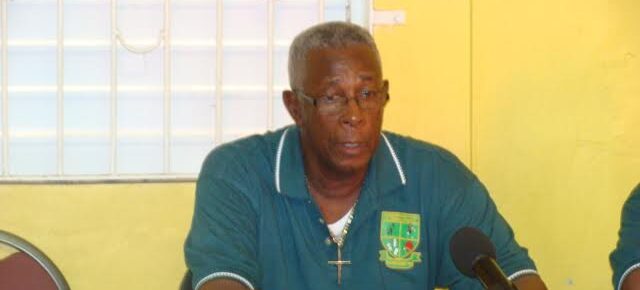
    In a heartfelt holiday initiative, the club extended its generosity to national institutions and local community groups. Essential groceries, including supplies of chicken, beans, rice, beverages, and toiletries, were distributed to the Dominica Infirmary and the Grotto Home for the Homeless. Further amplifying its impact, the club provided key ingredients to the Seventh Day Adventist Church to support the preparation of warm, nutritious Christmas meals for vulnerable community members. Recipients of these donations expressed profound gratitude for the club’s empathetic and timely contribution to their seasonal celebrations.

    Club President Ambrose Sylvester emphasized that this humanitarian drive was undertaken despite the organization facing its own operational challenges, underscoring a deep-rooted commitment to foundational principles of community support.

    Concurrently, the club is making substantial progress on a significant infrastructure project. A new concrete cricket wicket, adjacent to the St. Joseph playing field, is now approximately 90% complete. This facility is poised to become a cornerstone for cricket development in the region and will serve as the foundation for an ambitious Youth Development Program. This initiative is designed to nurture young athletic talent, focusing on boys from the age of ten upwards.

    The executive team of Somerset Sports Club has extended its sincere appreciation to all donors and supporters who made these multifaceted efforts possible, reaffirming a steadfast commitment to fostering holistic community growth through the unifying power of sport and compassionate outreach.

  • New U.S remittance tax could impact Dominican families in 2026

    New U.S remittance tax could impact Dominican families in 2026

    Beginning January 1, 2026, a significant policy shift will affect thousands of Dominican families who depend on financial support from relatives working in the United States. The U.S. government will implement a 1% tax on specific categories of international money transfers, particularly those funded through cash, money orders, or cashier’s checks sent to foreign destinations.

    This fiscal measure applies universally, regardless of the sender’s immigration status—impacting U.S. citizens, permanent residents, and undocumented workers equally when utilizing these payment methods. For Dominica, where remittances constitute a vital economic lifeline, this development carries substantial implications. These funds are instrumental in supporting daily household expenses, post-hurricane reconstruction efforts, educational costs, and healthcare needs.

    Economic analysts emphasize that remittances represent more than individual financial support—they serve as a critical component of the nation’s economic ecosystem. The circulation of these funds through local communities sustains small businesses, supports service providers, and fuels rural development initiatives. Even marginal reductions in transfer volumes could trigger noticeable effects on local spending patterns and commercial vitality.

    Notably, the regulation contains a crucial exemption: electronic transfers initiated directly from bank accounts, debit/credit cards, or digital remittance applications remain exempt from the additional levy. Financial experts are actively encouraging Dominican households to advise their overseas relatives to transition toward these digital channels to preserve the full value of their transfers.

    With the United States serving as Dominica’s primary source of remittance income, and billions of dollars flowing annually throughout the Caribbean region, this policy change underscores how U.S. financial regulations can produce immediate socioeconomic repercussions across neighboring economies. As 2026 approaches, Dominican communities are preparing through increased awareness, technological adaptation, and strategic financial planning to ensure that essential overseas support reaches beneficiaries without unnecessary reduction.

  • Dominican man in Antigua pleads for help amid life-threatening cancer battle

    Dominican man in Antigua pleads for help amid life-threatening cancer battle

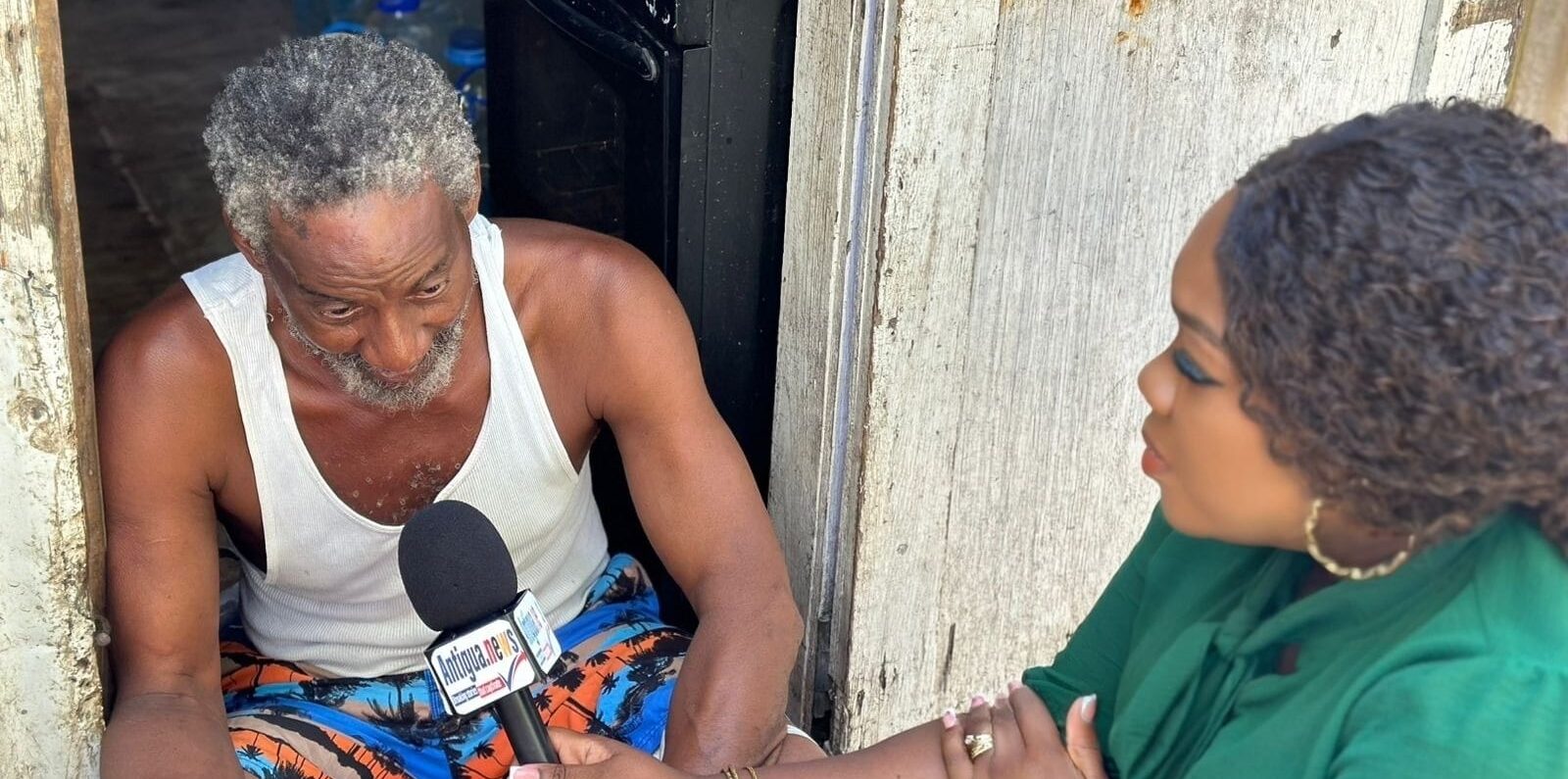
    A 61-year-old Dominican native who has resided in Antigua and Barbuda for over two decades now confronts a severe health crisis in isolation. Zophar ‘Tupac’ Andrew, who originally migrated seeking improved economic prospects, received a prostate cancer diagnosis approximately twelve years ago and currently requires urgent surgical intervention estimated at EC$6,000—a sum he cannot possibly afford.

    Andrew’s situation is compounded by his complete lack of official documentation in Antigua. Without a passport, Social Security identification, or medical benefits coverage, he finds himself systematically excluded from formal assistance programs. His health deterioration has progressively diminished his capacity for self-sufficiency and employment.

    In a candid reflection, Andrew acknowledged his past lifestyle choices: ‘I initially achieved financial success but squandered resources on reckless pursuits. I once perceived myself as invincible, but my circumstances have dramatically reversed.’

    Despite approaching multiple religious institutions for support, he received only spiritual consolation rather than tangible aid. His familial connections remain in Dominica, but relatives lack the financial means to assist, while in Antigua, he faces complete isolation.

    Currently occupying a small unauthorized wooden shelter on agricultural property in Jennings, Andrew sustains himself through minimal subsistence farming. However, even this basic survival mechanism becomes increasingly challenging as his physical capabilities decline.

    Remarkably, Andrew maintains resilient determination, explicitly stating he seeks not sympathy but merely an opportunity to survive. Having contributed to Antiguan society through decades of labor, he now appeals to the community for support during his most critical struggle.

    Potential supporters may contact him directly at 1-268-723-3379. While he has received minor provisions of food and essentials, the substantial financial requirement for life-saving surgery remains unmet.

  • OP-ED: Our children deserve better – The case for education reform in CARICOM

    OP-ED: Our children deserve better – The case for education reform in CARICOM

    The Caribbean educational landscape is confronting a profound crisis, marked by persistently declining academic outcomes and systemic governance failures. Recent data from the 2024 Caribbean Examinations Council (CXC) results reveal a startling reality: merely 4.9% of 200,000 students achieved passes in five or more CSEC subjects, including essential Mathematics and English, while the regional Mathematics pass rate stood at a dismal 36%. These figures, showing negligible improvement into 2025, underscore a deepening regional learning emergency that threatens both individual futures and broader economic competitiveness.

    Structural deficiencies in primary education foundations, curriculum alignment, instructional quality, and assessment reliability have been exposed as root causes. Socioeconomic disparities continue to disproportionately shape student achievement, uniting parents, educators, and learners in demanding meaningful accountability from regional institutions.

    In April 2025, the CXC initiated a strategic repositioning aimed at modernizing its governance and expanding stakeholder representation—a move widely acknowledged as necessary yet long overdue. However, the proposed framework limits parental influence to Parent-Teacher Association (PTA) delegates, failing to incorporate the region’s full diversity of parental voices. Genuine accountability, stakeholders argue, requires broad, independent, and empowered parental participation, not merely symbolic representation.

    Persistent operational challenges further erode trust in the examination body. Throughout 2025, reports surfaced of grading anomalies, examination paper errors, aggressive pushes for electronic testing despite inadequate ICT infrastructure, and opaque grade review processes. For students whose futures hinge on these results, such issues are life-altering. The consistent difficulty in obtaining timely, substantive responses from CXC has widened a critical trust gap, highlighting significant deficiencies in the fundamental principles of exam reliability, validity, and fairness.

    The region’s response to past critiques remains shrouded in opacity. Key recommendations from the 2020 Independent Review Team (IRT), convened after widespread public outcry over grading and moderation processes, have never been publicly accounted for. Similarly, a 2021 UNICEF call to action—urging addressed anxieties over exam fairness, transparency, and appeals—remains largely unanswered four years later, signaling a failure to implement sustained, systemic reform.

    International partners have amplified the alarm. World Bank Director Lilia Burunciuc emphasized in 2025 that low numeracy and literacy proficiency directly threaten the Caribbean’s long-term economic resilience, positioning educational quality as a core development imperative.

    A critical, often overlooked dimension is the governance structure of CXC itself. As an institution of the Caribbean Community (CARICOM), it operates with a high degree of self-regulation, reporting ultimately to regional Heads of Government. This arrangement, lacking robust external oversight and independent accountability mechanisms, is increasingly seen as the root of unresolved challenges.

    Amid the crisis, 2025 emerged as a watershed year for parental advocacy. From direct presentations to CARICOM Heads of Government to central roles in symposia like the CDB’s CARICOM Education Symposium, parental partnership was officially recognized as indispensable. Barbados has led with tangible steps, appointing parents to National Curriculum Development Committees and involving them in discussions to amend the Education Act.

    Barbados’s ambitious educational transformation agenda aims to modernize curricula, strengthen teacher professionalization, and overhaul governance within five years. While the aspiration signals bold leadership, the scale of reform highlights the complexity of achieving such targets amid limited resources and deep-seated structural challenges.

    The collective call from parents, children, and teachers is not for perfection but for fairness, transparency, and respect. As the region looks to 2026, the mandate is clear: collaborative, transparent, and externally accountable reforms are essential to rebuild trust and reaffirm the commitment to the rights and futures of Caribbean children.

  • Correction and Apology to Joshua Francis

    Correction and Apology to Joshua Francis

    In a significant act of journalistic accountability, Dominica News Online has issued a comprehensive public apology and full retraction for falsely labeling political figure Joshua Francis as a self-confessed pedophile. The publication admitted to serious editorial failures in verifying a reader comment that appeared in a December 10, 2025 article about the United Progressive Party’s website launch.

    The media organization conducted an extensive internal investigation that completely debunked the allegation. The probe confirmed that Francis never faced any sexual offense charges in a court of law and revealed that a previous case against him had been dismissed years earlier.

    This false publication has triggered significant legal consequences, with Francis initiating legal proceedings against the State of the Commonwealth of Dominica for constitutional rights violations. The news outlet acknowledged the severe professional and personal damage caused to Francis, his family, and associates.

    Dominica News Online’s management accepted full responsibility for the error and expressed profound regret for the distress caused. The organization announced it is implementing strengthened internal protocols to prevent similar incidents, reaffirming its commitment to journalistic integrity and ethical reporting standards. This case highlights the critical importance of verification processes in digital media and the serious real-world consequences of publishing unsubstantiated claims.

  • Kiwanis Nature Island Club hosts annual party with 32 youngsters

    Kiwanis Nature Island Club hosts annual party with 32 youngsters

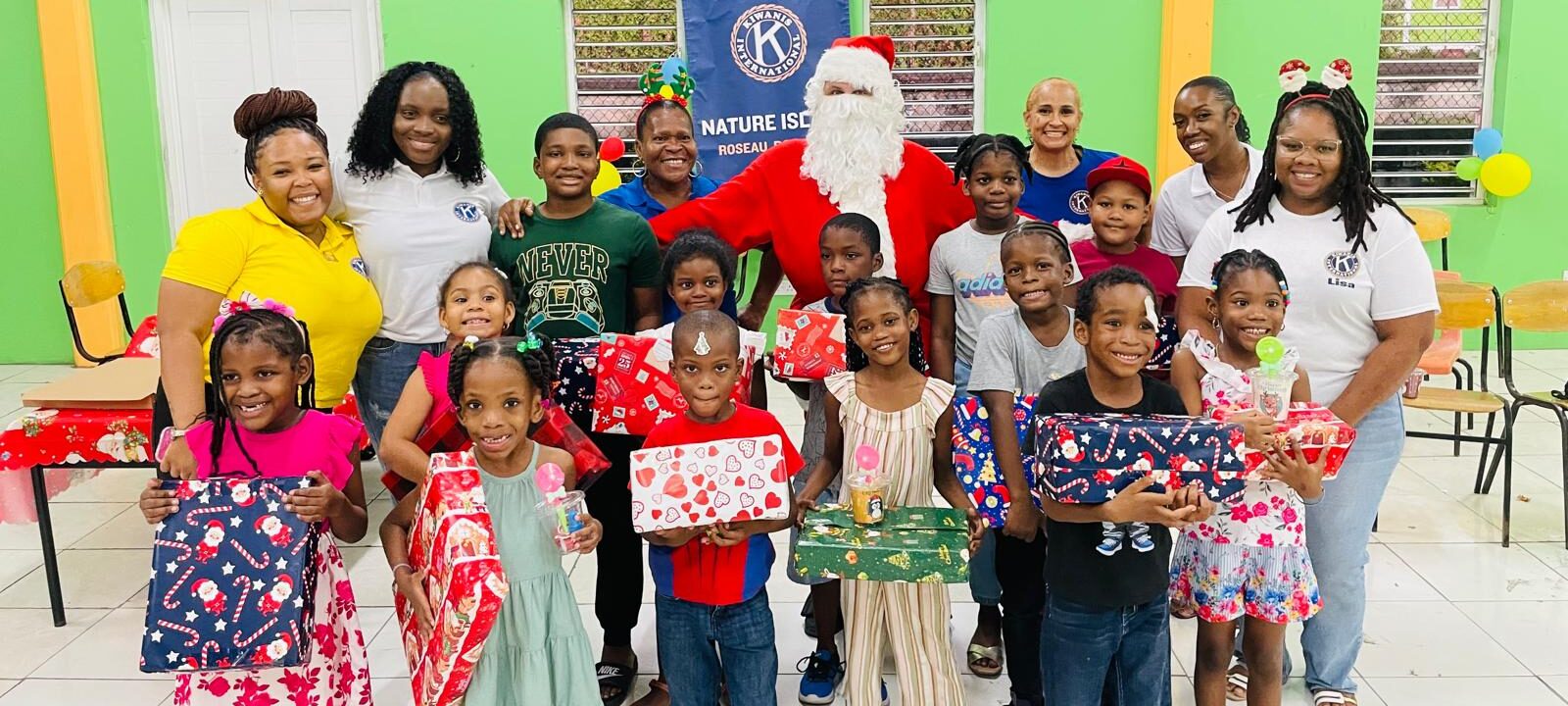
    DOMINICA – In a heartwarming display of community spirit, the Kiwanis Nature Island Club of Dominica hosted its annual Christmas celebration on December 27, 2025, bringing festive joy to 32 young students. The event, held at the Goodwill Primary School Auditorium, transformed the venue into an enchanting winter wonderland for a day of merriment and gift-giving.

    The organization meticulously organized an engaging program featuring festive activities, lively music, delicious treats, and special surprises for the attending children. The highlight of the celebration proved to be the appearance of Santa Claus, who personally distributed gifts to each delighted child, creating unforgettable memories for all participants.

    Mary Winston, President of the Kiwanis Nature Island Club, emphasized the significance of this annual tradition. ‘This event embodies our fundamental mission to serve Dominica’s children,’ Winston stated. ‘Witnessing the radiant joy on these young faces reinforces our commitment to this meaningful work year after year. We extend our sincere gratitude to our dedicated sponsors, volunteers, and the Goodwill Primary School for their invaluable support in bringing this celebration to life.’

    The Kiwanis organization has established a longstanding reputation for implementing various community initiatives throughout Dominica, consistently working to inspire hope and create opportunities for local families. This Christmas celebration represents one of their many ongoing efforts to strengthen community bonds and spread positivity across the nature island.

    For additional information about the Kiwanis Nature Island Club of Dominica and details regarding future activities, the organization encourages community members to visit their Facebook page @Kiwanis Nature Island Club of Dominica.

  • St Kitts and Nevis welcomes Nigerian volunteers to enhance the island’s education sector

    St Kitts and Nevis welcomes Nigerian volunteers to enhance the island’s education sector

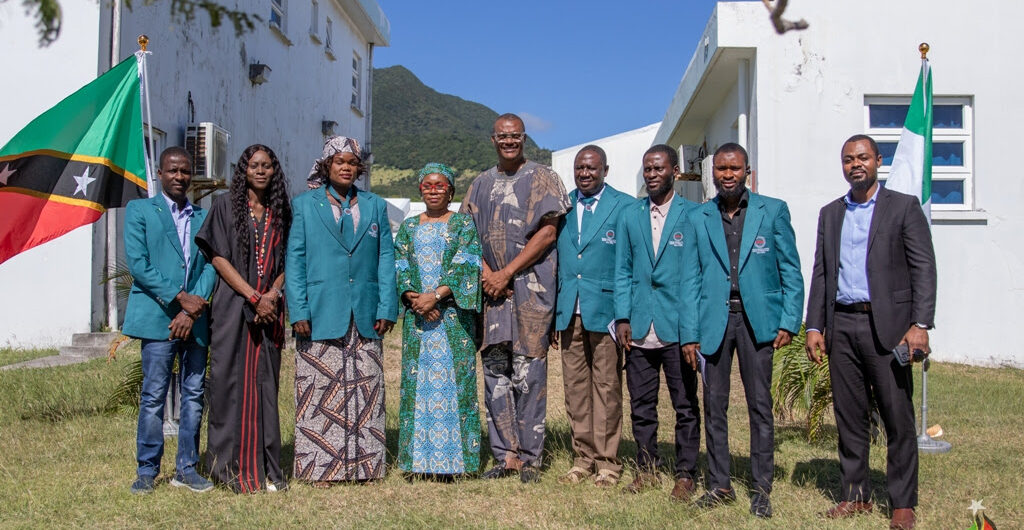
    In a significant bilateral cooperation effort, five education specialists from Nigeria’s Technical Aid Corps (NTAC) have arrived in Saint Kitts and Nevis to strengthen the Caribbean nation’s educational capabilities in mathematics and fundamental sciences. The volunteers were formally welcomed during a ceremony at the Joseph N. France General Hospital on December 29, 2025, by Deputy Prime Minister and Education Minister Dr. Geoffrey Hanley.

    This educational contingent forms part of a larger deployment of seventeen Nigerian volunteers, with twelve additional professionals designated for healthcare sector assignments across the twin-island federation. All volunteers will serve two-year terms supporting critical development initiatives.

    Dr. Hanley emphasized the strategic importance of this partnership, noting that the initiative exemplifies the enduring diplomatic relationship and mutual commitment to advancing educational and health outcomes for citizens of both nations. The ceremony was attended by Prime Minister Dr. Terrance Drew and Senior Minister Dr. Denzil Douglas, who oversees foreign affairs, highlighting the high-level governmental support for this international cooperation.

    Beyond the current volunteer deployment, officials revealed that expanded educational collaboration is under discussion between the two governments. Potential areas for future partnership include specialized support for autism education, disability programs, and scholarship opportunities for Kittitian and Nevisian students seeking higher education in Nigeria.

    The volunteer program represents a concrete implementation of South-South cooperation principles, where developing nations exchange technical expertise and resources to address common challenges without relying solely on traditional donor countries.