标签: Dominica

多米尼克

  • STATEMENT: Rotary Club of Dominica on this year’s successful Original Souse and Punch

    STATEMENT: Rotary Club of Dominica on this year’s successful Original Souse and Punch

    The Rotary Club of Dominica has formally acknowledged and expressed profound gratitude to the numerous sponsors, partners, and patrons whose contributions ensured the outstanding success of its ‘Original Souse and Punch’ event. Held on Carnival Sunday, February 15, 2026, the celebration has been hailed as a memorable cultural and community gathering.

    The Club’s Board of Directors emphasized that the presence and generous support from all participants significantly enhanced the festive atmosphere of this culturally important day. Special recognition was extended to telecommunications provider FLOW, which served as the event’s Platinum Sponsor. The Club also publicly acknowledged a substantial list of supporting organizations that included Argos Dominica, Fine Foods Dominica, National Bank of Dominica, Q95 Radio, Kairi FM, and the National Cooperative Credit Union, among numerous others.

    Crucially, the event served as a major fundraising initiative. All generated proceeds are designated for community projects and service programs that directly benefit individuals and families throughout Dominica. This financial support enables the Rotary Club to expand its humanitarian efforts and uphold its foundational principle of ‘Service Above Self.’

    The statement concluded with expressions of appreciation for both the loyal patrons who participated in the celebrations and the corporate sponsors who invested in the community development mission. The Rotary Club of Dominica affirmed its anticipation of continued partnerships and support for future initiatives aimed at creating positive social impact.

  • OP-ED: Doctors, not bombs – the truth about Cuban medical cooperation

    OP-ED: Doctors, not bombs – the truth about Cuban medical cooperation

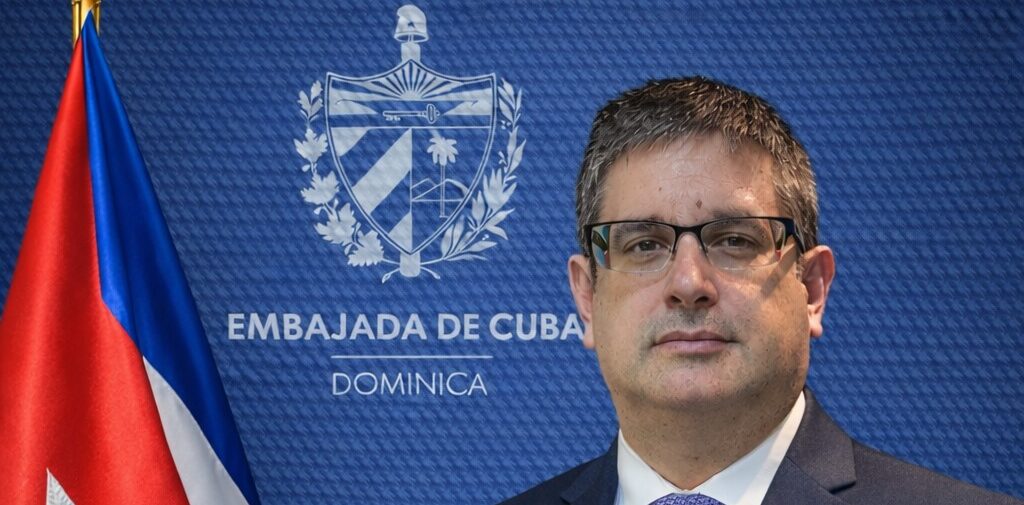
    Cuban Ambassador Miguel Manuel Fraga González has issued a forceful rebuttal to what he characterizes as a “slanderous” disinformation campaign orchestrated by US diplomatic officials. The response comes following critical remarks made by the Chargé d’Affaires of the US Embassy in Barbados regarding Cuba’s international medical cooperation programs.

    The diplomatic communique presents a stark contrast between Cuba’s humanitarian outreach and United States foreign policy approaches. According to the Cuban government, over 605,000 Cuban health professionals have voluntarily participated in medical missions across 165 nations, delivering treatment to more than 2.3 billion patients and saving an estimated 12 million lives through surgical interventions, childbirth assistance, and comprehensive medical care.

    Ambassador Fraga highlights that this medical diplomacy occurs despite Cuba operating under “a cruel regime of sanctions” imposed by the United States over six decades. The document cites international recognition of Cuba’s medical efforts, including acknowledgments from the World Health Organization and former President Barack Obama, who in 6 praised Cuban doctors’ service to poor and suffering populations.

    The response sharply criticizes US foreign policy, noting that while Cuba has dispatched medical professionals globally, the United States has conducted military interventions in over 25 countries resulting in millions of casualties. The ambassador specifically references recent US military actions in the Caribbean Sea that allegedly resulted in more than 100 fatalities, described by UN experts as extrajudicial killings.

    The Cuban government rejects accusations of “forced labor” in its medical missions as politically motivated falsehoods, emphasizing that participation is voluntary and governed by bilateral agreements respecting international law. The document concludes by condemning current US efforts to intensify economic pressure on Cuba, including attempts to restrict fuel shipments, which Havana views as attempted creation of a humanitarian crisis.

  • LIVE NOW: Wesley High School 100th Anniversary Media Launch

    LIVE NOW: Wesley High School 100th Anniversary Media Launch

    In a landmark strategic shift, Apple Inc. is poised to fundamentally transform its iconic iPhone ecosystem through comprehensive artificial intelligence integration. The technology giant’s upcoming iOS 18 update represents its most ambitious AI initiative to date, marking a significant departure from its traditionally cautious approach to emerging technologies.

    The comprehensive AI overhaul, internally designated as “Apple Intelligence,” will introduce sophisticated on-device processing capabilities that maintain the company’s staunch commitment to user privacy. This development emerges as Apple strategically responds to the accelerating AI race, where competitors have made substantial advancements in generative AI and machine learning applications.

    According to insider sources familiar with the development timeline, the AI-enhanced features will leverage both the device’s native processing power and cloud-based solutions for more complex computational tasks. This hybrid approach ensures seamless performance while handling resource-intensive operations such as advanced image processing, natural language understanding, and predictive text generation.

    The technological implementation will utilize Apple’s proprietary silicon capabilities, with recent A-series and M-series chips containing dedicated neural engines that enable sophisticated machine learning operations without compromising battery performance. This hardware-software synergy represents Apple’s distinct advantage in the increasingly competitive AI landscape.

    Industry analysts suggest this AI integration could potentially trigger a significant upgrade cycle among iPhone users, particularly those with older devices that cannot support the advanced computational requirements of the new AI features. The strategic timing aligns with Apple’s need to reinvigorate hardware sales amid market saturation and increased competition from Android manufacturers implementing similar AI capabilities.

    This development also signals Apple’s evolving partnership approach, with potential collaborations with established AI research organizations and technology firms to accelerate implementation. However, the company maintains its characteristic emphasis on vertical integration, ensuring that core AI functionalities remain under its direct control and development.

    The AI integration extends beyond conventional feature enhancements, potentially revolutionizing how users interact with their devices through more intuitive interfaces, contextual awareness, and predictive assistance that anticipates user needs based on behavioral patterns and usage history.

  • COMMENTARY: Round two of Inter-Secondary Schools Debating Competition begins today

    COMMENTARY: Round two of Inter-Secondary Schools Debating Competition begins today

    Eight secondary schools in Dominica have secured their positions in the highly anticipated second round of the 2026 Inter-Secondary Schools Debating Competition after a rigorous initial elimination phase. The tournament, which commenced on January 22nd, witnessed exceptional performances from student debaters addressing various contemporary issues.

    St. Martin Secondary School emerged as the frontrunner with debater Shanaiyah John achieving the highest individual score of 341 points. Close behind was Wesley High School, propelled by Hephzibah Abenole’s impressive 328-point performance. Other qualifying institutions include Orion Academy (Taya Charles, 320 points), Convent High School (Sienna Andrew, 317 points), Portsmouth Secondary School (Maliah Ettienne, 302 points), Castle Bruce Secondary School (Isaac Roberts, 299 points), and Isaiah Thomas Secondary School (Kianna Aaron, 288 points).

    These seven schools will be joined by defending champions Dominica Grammar School, creating an elite lineup for the upcoming debates scheduled for February 25-26 at the UWI Global Campus Auditorium.

    The second round features compelling motion discussions addressing pressing social and health issues. On February 25th, Wesley High School will propose while Portsmouth Secondary School opposes the motion: ‘Parents, not schools, should be primarily responsible for disciplining students for acts of digital peer-to-peer violence committed outside of school hours.’ Later that day, Isaiah Thomas Secondary School and Convent High School will debate the same proposition.

    February 26th will shift focus to public health with the topic: ‘Nutrition education is more effective than food restrictions in preventing NCDs among teenagers.’ St. Martin Secondary School will face Orion Academy, while Dominica Grammar School debates Castle Bruce Secondary School on this critical health matter.

    Event organizer Trudy Christian anticipates exceptional competition, noting that participants have demonstrated thorough preparation. Christian extended gratitude to headline sponsor Josephine Gabriel & Co. Ltd. and supporting organizations including Central Cooperative Credit Union, DOMLEC, ICWI, KFC, Lindo Mart, and Dominica Social Security for their educational investment.

    All debates will commence at 2:30 PM daily and will be broadcast live through Dominica News Online and EmoNews platforms, allowing nationwide audience engagement with these intellectual exchanges.

  • CARICOM Movement of Factors BIll passes in Parliament

    CARICOM Movement of Factors BIll passes in Parliament

    In a significant stride toward regional economic unification, the Caribbean Community (Movement of Factors) Bill 2026 has been formally enacted by Parliament. This pivotal legislation operationalizes core provisions of the Revised Treaty of Chaguaramas, establishing a robust legal framework to guarantee the right of establishment, the provision of services, and the unimpeded movement of capital across all CARICOM Member States.

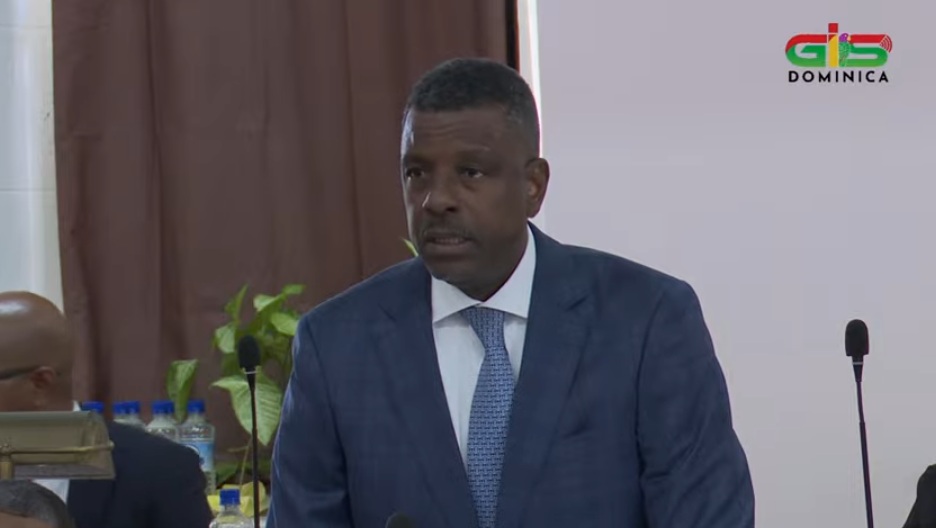
    Foreign Affairs Minister Dr. Vince Henderson heralded the passage of the Bill as a transformative moment for regional integration. He emphasized that the Act is designed to dismantle longstanding practical barriers that have historically hindered the free flow of people, capital, skills, and enterprise between member nations. “The Caribbean Movement of Factors Act is a critical instrument to translate regional policy into enforceable national law,” Dr. Henderson stated, underscoring its role in moving from agreement to action.

    The legislation is engineered to fortify the CARICOM economic union by instituting a predictable, transparent, and rights-based regulatory environment for cross-border economic activity. By systematically removing a complex web of administrative and legal obstacles, the Act ensures that both nationals and residents of member states can fully exercise their rights to establish businesses, offer services, and transfer capital without undue restriction.

    Dr. Henderson further elaborated on the macroeconomic significance, noting, “The Act enables the movement of capital among member states, which is the main thing. In the creation of an economic union through the Caribbean Common Market, we are ensuring that all member states, with minor amendments for their specific circumstances, adopt congruent legislation. This harmonization guarantees that all nationals throughout the economic union can uniformly enjoy these fundamental rights.” This legislative alignment is anticipated to stimulate investment, foster competitive markets, and solidify the region’s position as a cohesive economic bloc.

  • STATEMENT: President National Beekeepers Cooperative Society on introduction of the Food Safety Bill 2026

    STATEMENT: President National Beekeepers Cooperative Society on introduction of the Food Safety Bill 2026

    In a significant development for food safety regulation, Dominica’s National Beekeepers Cooperative Society Ltd has issued strong endorsements for the newly proposed Food Safety Bill 2026. The organization’s president, Mr. Kevin James, has publicly applauded parliamentary discussions addressing honey adulteration concerns, characterizing the legislative attention as demonstrating “serious commitment to protecting public health and the integrity of our local food industries.”

    The Cooperative has taken an unequivocal stance against honey adulteration practices, asserting that such fraudulent activities undermine consumer confidence and disadvantage legitimate beekeepers who maintain quality standards. Mr. James emphasized that honey represents both an economic asset and a natural product with significant nutritional and medicinal value, warranting robust regulatory protection.

    The proposed legislation establishes comprehensive frameworks including a national Food Safety Service, mandatory licensing for food businesses, and certification requirements for food handlers. Enhanced inspection protocols and enforcement mechanisms form core components of the bill, alongside systems for product traceability, recall procedures, and emergency response coordination.

    Industry representatives believe these measures will not only combat food fraud and misleading labeling but also strengthen market confidence in locally produced honey. The Cooperative has pledged collaborative engagement with government agencies and stakeholders to ensure effective implementation of the new regulatory regime, aiming to eliminate threats to industry integrity while supporting sustainable growth in the beekeeping sector.

    This legislative initiative emerges amid growing global concerns about food authenticity and safety standards, positioning Dominica to address these challenges through strengthened regulatory frameworks and industry partnerships.

  • PM Skerrit: Prolonged hiatus in voter registration represents administrative failure

    PM Skerrit: Prolonged hiatus in voter registration represents administrative failure

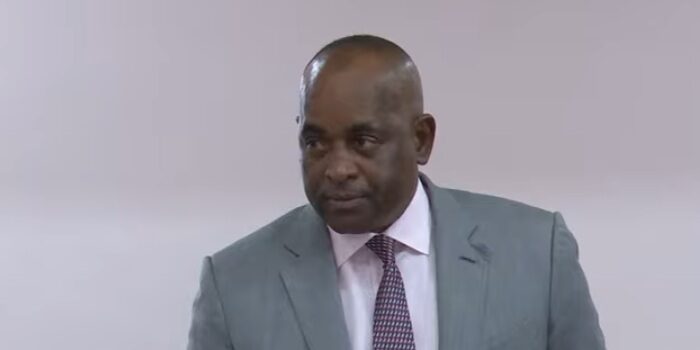
    Prime Minister Roosevelt Skerrit has publicly condemned the Electoral Commission of Dominica for what he characterizes as a severe administrative failure in maintaining the nation’s voter registration system. During a parliamentary session on Monday, the Prime Minister asserted that the Commission created an artificial impasse to justify its non-compliance with statutory obligations under the newly enacted Registration of Electors Act, 2025.

    The controversy stems from the Commission’s decision to suspend all voter registration activities for approximately twelve months, citing necessary technological upgrades mandated by the 2025 legislation. This Act requires the implementation of an advanced computerized system incorporating biometric facial and fingerprint recognition capabilities.

    PM Skerrit revealed that the Commission had previously procured a technology-supported registration system from Semelex International in 2017, which already possessed the biometric capabilities now required by law. Despite this existing infrastructure, the Commission procured a second system from the same vendor in June 2025 following the Act’s passage.

    The Prime Minister challenged the Commission’s justification for the prolonged suspension, arguing that even without the preferred technological systems, the Commission remained legally obligated to continue registration through manual or legacy methods. He emphasized that Section 17:1 of the Act explicitly mandates continuous registration without provision for interruption based on administrative convenience or technological readiness.

    Skerrit highlighted the particular impact on young citizens who have reached voting age during this suspension period and have been unable to exercise their constitutional rights. The Dominica Labour Party, which Skerrit leads, has reportedly been prevented from bringing new voters into the democratic process for the past year.

    The Electoral Office has announced that voter registration will finally resume on March 9, 2026, in accordance with the provisions of the 2025 Act, ending what the Prime Minister describes as an unjustifiable year-long interruption of a statutory process that Parliament intended to be continuous.

  • Local Girl Guides urge past and present members to don uniform for Guide Day

    Local Girl Guides urge past and present members to don uniform for Guide Day

    The Girl Guides Association of Dominica (GGAD) has issued a nationwide call to action, urging current members and alumni alike to participate in an island-wide demonstration of unity this Thursday. The event, designated as Guide Day, represents a significant mobilization of the Guiding community across the Caribbean nation.

    According to the official announcement, participants are encouraged to wear their complete traditional uniforms or alternative Guide T-shirts throughout the day—whether attending workplaces, educational institutions, or conducting daily activities. This sartorial demonstration aims to create visible solidarity across Dominica while honoring the historical significance of World Thinking Day within the national context.

    The association emphasizes the timeless guiding principle of “Once a Guide, always a Guide” as foundational to the event’s philosophy. Beyond sartorial participation, the organization encourages digital engagement through social media sharing. Participants are invited to photograph themselves in uniform and post using the dedicated hashtag #GGADGuideDay, creating a digital archive of collective participation.

    The visual transformation of Dominica into “a sea of blue and brown”—referencing the organization’s signature colors—serves as both metaphorical and literal representation of unity. This chromatic demonstration seeks to visually reinforce the organization’s presence and values across the island’s diverse landscapes.

    This coordinated effort simultaneously serves multiple purposes: demonstrating organizational solidarity, commemorating international Guiding traditions, and inspiring future generations of community leaders through visible representation of Guiding principles in daily life.

  • PRESS RELEASE: Cuba denounces new aggressive escalation by the United States and reaffirms its determination to defend its sovereignty

    PRESS RELEASE: Cuba denounces new aggressive escalation by the United States and reaffirms its determination to defend its sovereignty

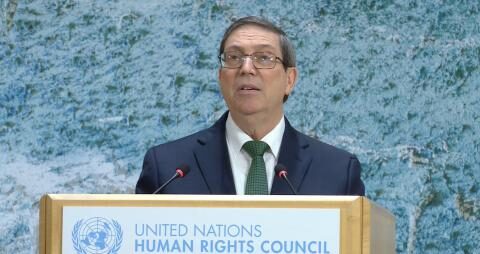
    In a forceful address to the United Nations Human Rights Council, Cuban Foreign Minister Bruno Rodríguez Parrilla issued a stark warning about what he characterized as a new global dictatorship spearheaded by the United States. Speaking at the High-Level Segment of the Council’s 61st session in Geneva on February 23, 2026, Rodríguez Parrilla condemned what he described as a philosophy of dispossession and the normalization of force that undermines the post-World War II international order.

    The Cuban diplomat asserted that beyond ideological divisions, all nation-states now face existential threats from policies of aggression, interventionism, and resource competition. He specifically highlighted the struggle over strategic assets including hydrocarbons, critical minerals, rare earth elements, water resources, biodiversity, and commercial trade routes as flashpoints for potential conflict.

    Rodríguez Parrilla reserved particular criticism for American economic policies, labeling tariffs as instruments of aggression and condemning the extraterritorial application of U.S. laws. He characterized attempts to subject global affairs to the jurisdiction of American courts as a fundamental violation of state sovereignty and international legal norms.

    The address focused significantly on a January 29 executive order from the U.S. president that Rodríguez Parrilla described as imposing collective punishment on the Cuban people. He asserted this policy deliberately seeks to create a humanitarian catastrophe through an energy blockade, asking rhetorically whether the international community would allow ‘a great power to attempt to destroy a small, peaceful nation under the crude pretext of national security.’

    Despite these challenges, the Foreign Minister emphasized Cuba’s determination to defend its self-determination, independence, and constitutional order through national unity and consensus. He outlined the nation’s resilience measures, including leveraging its educated population, robust healthcare and education systems, agricultural resources, water reserves, mineral wealth, and domestic energy production capabilities. Rodríguez Parrilla noted Cuba produces nearly half of its consumed crude oil and is expanding its solar energy investment program as part of its strategy to prevent humanitarian crisis through self-reliance.

  • Kalinago council proposes permit requirement for entry into Territory

    Kalinago council proposes permit requirement for entry into Territory

    The Kalinago Council has announced the development of a groundbreaking permit system designed to regulate access and activities within the Kalinago Territory by non-community members. This strategic initiative represents a significant step toward reinforcing indigenous sovereignty and preserving cultural integrity in the Caribbean region.

    Under the proposed regulatory framework, all external visitors seeking to enter or reside within the territory must obtain formal authorization from the Kalinago governing body. The council clarified that this measure forms part of a comprehensive strategy to assert the Kalinago people’s inherent rights as traditional guardians of their ancestral lands.

    Council representatives emphasized that the system aims to create a balanced approach that welcomes constructive engagement while ensuring environmental protection and cultural preservation. “Our primary objective centers on protection rather than exclusion,” a council spokesperson noted. “We maintain an open stance toward respectful interaction but must simultaneously guarantee that our community’s welfare, security, and ecological resources remain uncompromised.”

    The forthcoming regulations will establish clear guidelines governing entry procedures, duration of stays, and approved activities within the territory. Notably, the system will incorporate streamlined processes for educational programs, research initiatives, and collaborative ventures that align with Kalinago cultural principles and comply with the provisions of the Kalinago Act.

    The council is actively engaging community members and stakeholders throughout the policy development phase, encouraging participatory dialogue as the implementation timeline progresses. This consultative approach reflects the administration’s commitment to transparent governance and community-centered decision-making.