
The Commonwealth of Dominica has issued a powerful statement of solidarity with the Republic of Cuba, condemning the decades-long economic, commercial, and financial blockade imposed on the island nation. This unilateral measure, described as unjust and outdated, has caused immense hardship for the Cuban people, restricting access to essential resources, stifling national development, and limiting Cuba’s engagement with the global community. Despite these challenges, Cuba has emerged as a symbol of humanitarianism, providing critical medical, educational, and technical assistance to countries worldwide, including its Caribbean neighbors. Dominica emphasized that the blockade violates international law, human rights, and the principles of the United Nations Charter, calling it a relic of a bygone era that undermines peace and mutual respect. The statement, issued on October 29, 2025, in Roseau, joins the global chorus demanding the immediate and unconditional lifting of the blockade. Dominica also expressed profound gratitude for Cuba’s enduring friendship and contributions to the region’s social and economic development, reaffirming its commitment to strengthening ties between the two nations. The message concluded with a call for justice, humanity, and solidarity to prevail.
标签: Dominica
多米尼克
-
OP-ED: They create a desert and call It peace – Lessons from two millennia of failed interventions
As global tensions rise—from the fragile ceasefire between Israel and Hamas to disputes over Venezuela’s waters and the great power rivalry in the Pacific—an ancient warning from 83 AD resonates with striking relevance. Calgacus, a Scottish chieftain, reportedly declared before the Roman conquest: ‘They create a desert and call it peace.’ This statement, whether historical or attributed by Roman historian Tacitus, encapsulates a recurring pattern of power dynamics: the destruction of societies in the name of order, followed by declarations of victory over the ruins. From Roman Britain to modern Iraq, colonial Africa to contemporary Afghanistan, this cycle persists. Calgacus saw Rome’s claims of civilization, security, and law as thinly veiled exploitation, subjugation, and devastation. Tacitus, too, seemed to critique the empire’s rhetoric versus its reality. The modern era mirrors this pattern. Crises—real or manufactured—prompt calls for military intervention, often framed as the only viable solution. The promises are familiar: swift victories, precision technology, and flourishing democracy. Yet, the outcomes tell a different story. Iraq, Libya, and Afghanistan stand as stark examples of interventions that left fractured societies, extremism, and humanitarian crises. The language of intervention is carefully crafted to sanitize violence: ‘kinetic actions’ replace bombing, ‘collateral damage’ masks civilian deaths, and ‘nation-building’ disguises occupation. This linguistic manipulation perpetuates a false binary between action and inaction, sidelining diplomacy and conflict resolution. The aftermath of intervention often reveals a growing ‘desert’: power vacuums, destroyed infrastructure, and radicalized populations. Syria’s refugees, Yemen’s cholera epidemic, and Somalia’s chaos are modern manifestations of this desert. Yet, there are instances where intervention may be justified, such as preventing genocide in Rwanda or halting ethnic cleansing in Kosovo. The challenge lies in recognizing the limitations and consequences of military force. Breaking the cycle requires humility, investment in diplomacy, and addressing root causes like poverty and governance failures. Honest accounting of failures, rather than rebranding them as successes, is crucial. Calgacus’s warning, preserved by his conquerors, endures as a call to resist the seductive simplicity of force and embrace the complex work of genuine peace. The choices we make in each crisis will determine whether we continue to create deserts or forge a path toward lasting peace.
-

WCMF 2025: Video snippets of Night Two performances
In the ever-evolving landscape of social media, the act of sharing content has become a cornerstone of digital interaction. Platforms like Twitter and Pinterest have transformed the way users engage with information, fostering a culture of instant dissemination and community-driven content curation. The image attached to this article, sourced from a reputable news repository, underscores the visual appeal that often accompanies viral posts. As users continue to share, tweet, and pin, the dynamics of online communication are being reshaped, emphasizing the importance of visual elements in capturing audience attention. This trend highlights the growing influence of social media in shaping public discourse and the rapid spread of information across global networks.
-
Cadence-Lypso is still vibrant and touching lives, says Ophelia
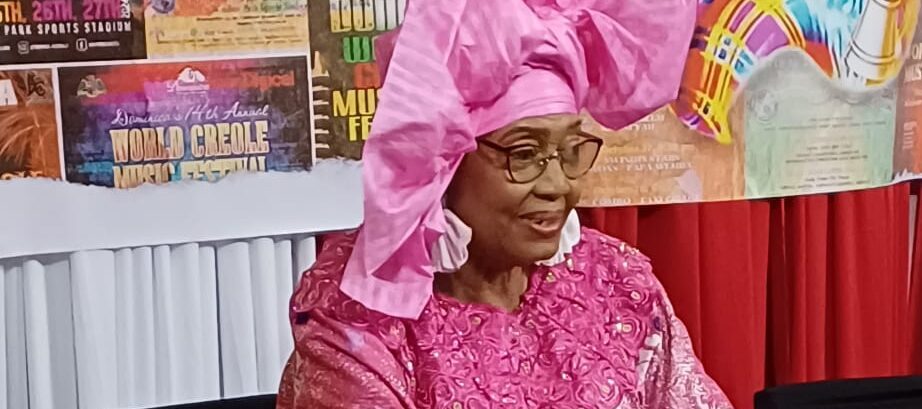
Dominica’s iconic ‘Lady of Song,’ Ophelia Olivaccé-Marie, made a triumphant return to the World Creole Music Festival (WCMF) after a six-year hiatus, delivering a performance that reaffirmed the enduring vitality of Cadence-Lypso. The legendary artist, who has been a cornerstone of the festival since its inception, took to the stage on the second night of the 25th edition, captivating the audience with her timeless melodies and vibrant African attire. Despite a brief 30-minute set, Olivaccé-Marie expressed satisfaction, stating, ‘I managed to express myself and brought back the songs that people loved me for.’ Her performance, marked by enthusiastic audience participation, reinforced her belief that Cadence-Lypso remains a powerful medium for cultural expression. ‘I heard them sing, I saw them dance. It helped me understand that Cadence-Lypso is still alive and still touching people,’ she remarked. Beyond her musical contributions, Olivaccé-Marie addressed the challenges faced by the African diaspora in reconnecting with their heritage. She highlighted the lack of cohesion as a significant barrier, urging collective understanding and unity. ‘Our past is our roots, the foundation upon which we build. Without understanding where we come from, our journey forward will be difficult,’ she emphasized. She called for inspiration, passion, and leadership to bridge these gaps, asserting that progress is achievable when the majority moves forward together.
-

Widespread damage reported in JA post-Melissa, full extent unknown
Hurricane Melissa unleashed its fury on Jamaica on Tuesday evening, leaving a trail of destruction and chaos in its path. The Category 5 storm, with wind speeds surpassing 185 mph, wreaked havoc across the island, particularly in western regions. Reports from eTurbo News reveal that nearly 75% of Jamaica is without power, with extensive flooding submerging numerous areas. The storm’s ferocity has obliterated countless homes, leaving many families homeless and vulnerable. Montego Bay International Airport suffered severe damage and remains shuttered as authorities evaluate the aftermath. Social media accounts from Black River in St. Elizabeth, the hurricane’s point of landfall, depict a town in ruins, with at least three families trapped in their homes. Montego Bay and Negril also faced severe flooding, power outages, and structural damage. In contrast, eastern Jamaica, including Kingston, experienced minimal impact. Communication disruptions have hindered a full assessment of the disaster’s scale. The hurricane also struck Cuba, where it was classified as a Category 3 storm with wind speeds reaching 115 mph. Heavy rains and life-threatening storm surges exacerbated the crisis, isolating approximately 140,000 people due to rising river levels. The death toll, as reported by CNN, stands at 28 in Haiti, 3 in Jamaica, and 1 in the Dominican Republic. In response, the United States, the United Nations, and the United Kingdom have pledged support and aid to Jamaica and other affected nations during this critical period.
-

Who will be crowned Miss Wob Dwiyet tonight?
The highly anticipated Miss Wob Dwiyet 2025 competition is set to take place tonight at the Massacre Indoor Sporting Facility in Dominica. Seven talented young women from diverse communities across the island will vie for the prestigious title, showcasing their elegance, poise, and cultural pride. The contestants include Niah Massicot from Paix Bouche, Daidra Smith from Sibouli Massacre, Ashantè Paul from Jimmit, Kinajè Felix from Giraudel/Eggleston, Myanka Elizee from Grand Bay, Debbie Daway from Newtown, and Zebadijah Maxwell from Tarreau. The event, starting at 8:00 PM, promises to be a vibrant celebration of Dominican heritage and beauty. Tickets are available for $70 for regular seating and $60 for bleachers, with sales at Bullseye Pharmacy and the Old Mill Cultural Centre. The reigning Miss Wob Dwiyet, Heidi Ellick of Grand Bay, will pass on her crown to the new winner, marking a night of unforgettable moments and cultural significance.
-
Gonsalves announces elections in St Vincent-Grenadines, going for sixth consecutive term
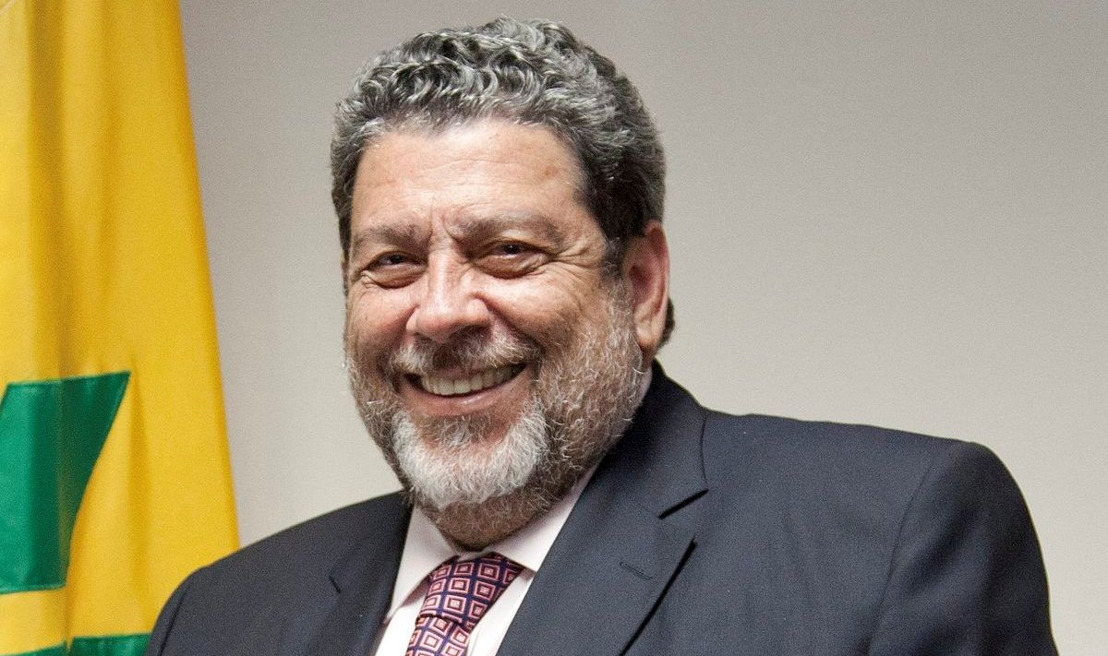
St. Vincent and the Grenadines is gearing up for a pivotal general election on November 27, as announced by Prime Minister Ralph Gonsalves during the Unity Labour Party’s (ULP) “Labour Strong Rally” at Richmond Hill. This marks a significant moment in the nation’s political landscape, with Gonsalves, who has been at the helm since March 28, 2001, aiming to extend his party’s historic tenure. The ULP, under his leadership, has secured five consecutive five-year terms, most recently in 2020 with a 9-6 majority. The dissolution of parliament’s 15 seats on October 28 has officially set the stage for the electoral process. Gonsalves emphasized the importance of a free and democratic choice between the ULP and the opposition New Democratic Party (NDP), led by Godwin Friday. This election is only the second since 1951 to be held in November, highlighting its rarity in the country’s electoral history. While the ULP will remain in power for three weeks beyond its constitutional term, the constitution permits the government to stay in office until February 2026 before a new election is mandated. Gonsalves previously extended his term by a week before the 2010 election. Friday, making his second bid for prime minister, has proposed a Citizen by Investment (CBI) programme to boost national revenue, a policy the ULP has historically opposed.
-
(OP-ED) HOME SOIL HEROES: Ophelia’s Pan-African anthem steals the show at WCMF 2025
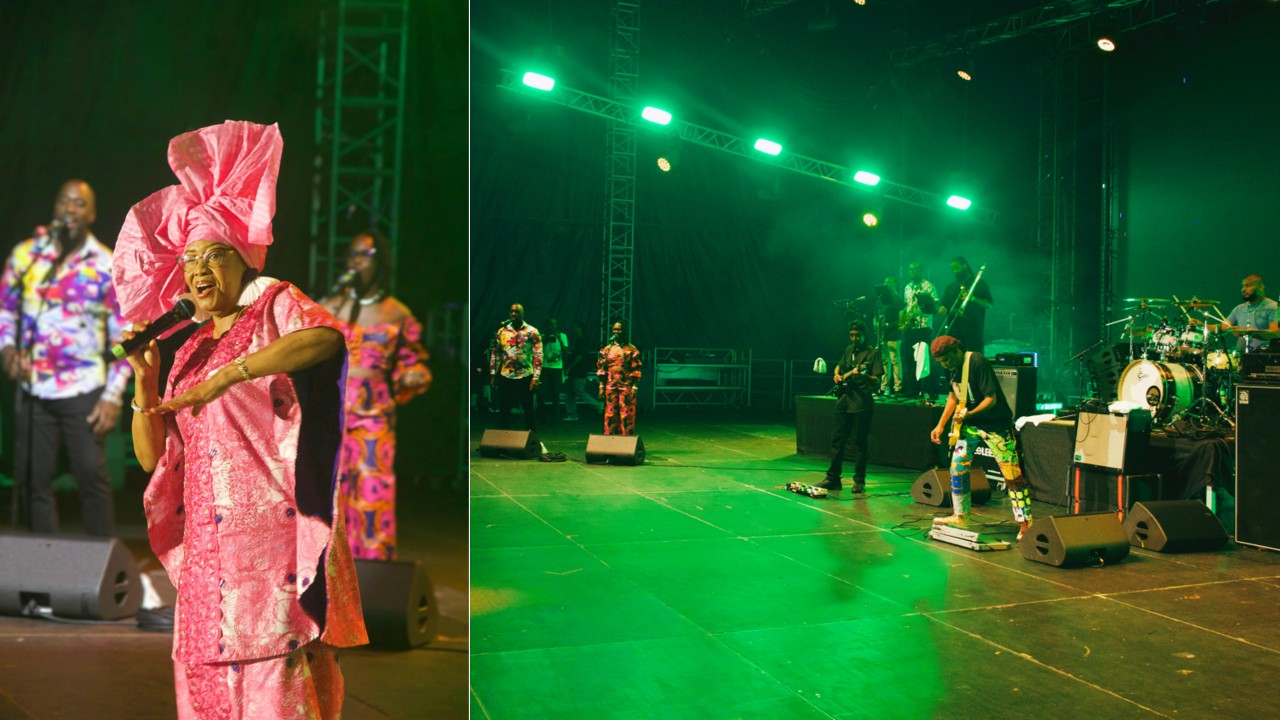
The 2025 World Creole Music Festival (WCMF) culminated in a breathtaking finale this past Sunday, with Dominica’s own Ophelia delivering a performance that will be etched in the annals of music history. Amidst a dazzling array of international acts, it was the homegrown talent that truly captivated the audience, with Ophelia and her band delivering what many are calling the most culturally resonant and artistically profound performance of the event. The festival, held on the Nature Isle, showcased the rich tapestry of Creole music, but it was Ophelia’s Saturday night set that transformed the venue into a crucible of cultural and political expression. Dressed in a striking pink African ensemble crafted in Senegal, Ophelia premiered a stirring reggae anthem dedicated to Burkina Faso’s leader, Ibrahim Traoré. This new composition bridged the Caribbean and Africa, celebrating shared histories of resilience and unity. Backed by Dominica’s finest musicians, Ophelia seamlessly integrated this powerful piece into her repertoire, creating a performance that was as much a political statement as a musical triumph. The audience, both in attendance and online, responded with overwhelming emotion. Social media platforms were inundated with accolades, with fans praising her as a ‘Goddess from heaven’ and hailing her performance as the best they had ever witnessed. Ophelia’s set was a masterclass in artistry, blending her classic hits with the bold, unifying message of her new work. Her band’s intricate and powerful accompaniment highlighted the depth of talent nurtured on the island. While other acts provided entertainment, Ophelia offered a moment of collective identity and global connection. The 2025 WCMF will be remembered as a testament to Dominica’s unparalleled contribution to Creole music, with its artists ready to speak to the world.
-
CARICOM SG calls on global support to lower insurance costs for islands vulnerable to hurricanes
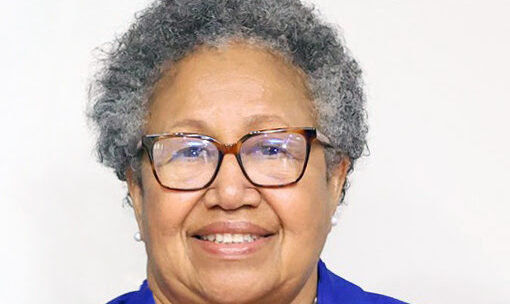
Dr. Carla Barnett, Secretary-General of the Caribbean Community (CARICOM), has issued a compelling call for international cooperation to address the mounting insurance costs plaguing the tourism industry in Small Island Developing States (SIDS). Speaking at the 6th Global Services Forum during the 16th United Nations Conference on Trade and Development (UNCTAD16), Dr. Barnett underscored the severe vulnerabilities of CARICOM’s service-driven economies to climate-related disruptions. She emphasized that rising insurance premiums for older tourism properties and the near-impossibility of securing coverage for new investments pose significant threats to the region’s economic stability. The forum, centered on the theme “Services: A New Frontier of Economic Transformation for Equitable, Inclusive and Sustainable Development,” highlighted the services sector’s critical role in driving global GDP, which accounts for approximately two-thirds of economic output. In CARICOM nations like The Bahamas, Saint Lucia, and Barbados, services contribute up to 75% of GDP, while even more diversified economies such as Trinidad and Tobago and Jamaica rely on services for around 60% of their economic activity. Dr. Barnett also addressed the tourism sector’s heightened anxiety during extreme weather events, such as Hurricane Melissa, and stressed the need for preparedness and resilience. She advocated for strengthened international partnerships with organizations like UNCTAD, the World Trade Organization (WTO), and international development banks to bridge structural gaps and enhance institutional capacities. One key initiative highlighted was UNCTAD’s Trade in Services project, which focuses on building data infrastructure to support evidence-based policymaking. The CARICOM services sector spans diverse industries, including tourism, financial services, ICT, professional services, and entertainment. Dr. Barnett reiterated that targeted global support is essential to unlocking the sector’s potential and safeguarding it against the escalating impacts of climate change.
-
Caribbean Development Bank collabs w/Inter-American Development Bank for regional resilience debt solutions
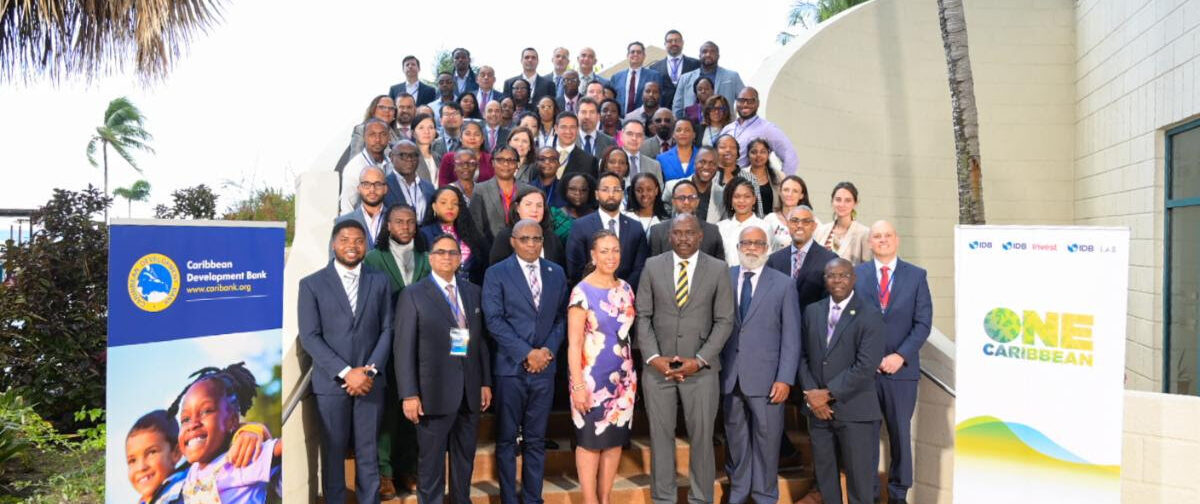
In a landmark initiative to address the pressing issue of sovereign debt in the Caribbean, the Caribbean Development Bank (CDB) and the Inter-American Development Bank (IDB) convened a high-level gathering of regional and international financial experts. The event, held in Barbados from October 28 to 30, coincided with the annual meeting of the Latin America and Caribbean (LAC) Debt Group. Attendees included representatives from Debt Management Offices (DMOs), finance ministries, central banks, Multilateral Development Banks (MDBs), and private sector stakeholders. The primary objective was to explore innovative financing mechanisms and strategies to enhance debt management, foster resilience, and promote sustainable development across the region.
Dr. Isaac Solomon, Vice President (Operations) at CDB, underscored the critical role of effective debt management in ensuring long-term economic stability during his opening remarks. ‘The Caribbean has made commendable strides in fiscal discipline, modernizing debt frameworks, and restoring macroeconomic stability,’ he noted. ‘However, elevated debt levels and unfavorable debt dynamics persist, posing significant challenges to achieving the Sustainable Development Goals (SDGs) and adapting to emerging demands.’
Mr. Anton Edmunds, General Manager of the IDB’s Regional Country Department Caribbean, emphasized the need for enhanced coordination among MDBs. He highlighted the IDB’s commitment to fostering partnerships and developing innovative, solution-oriented debt transactions tailored to the unique needs of Small Island Developing States (SIDS).
Barbados’ Minister of Finance, Economic Affairs, and Investment, Hon. Ryan Straughn, called for greater collaboration among MDBs to better support Caribbean governments. He stressed that such cooperation is essential, particularly given the resource constraints faced by SIDS, which must balance development goals with debt management and fiscal stability. Minister Straughn reaffirmed the region’s unity and collective commitment to addressing critical issues like debt, which are vital to long-term development.