标签: Dominica

多米尼克

  • CDPF launches professional development series with lecture on criminal offences

    CDPF launches professional development series with lecture on criminal offences

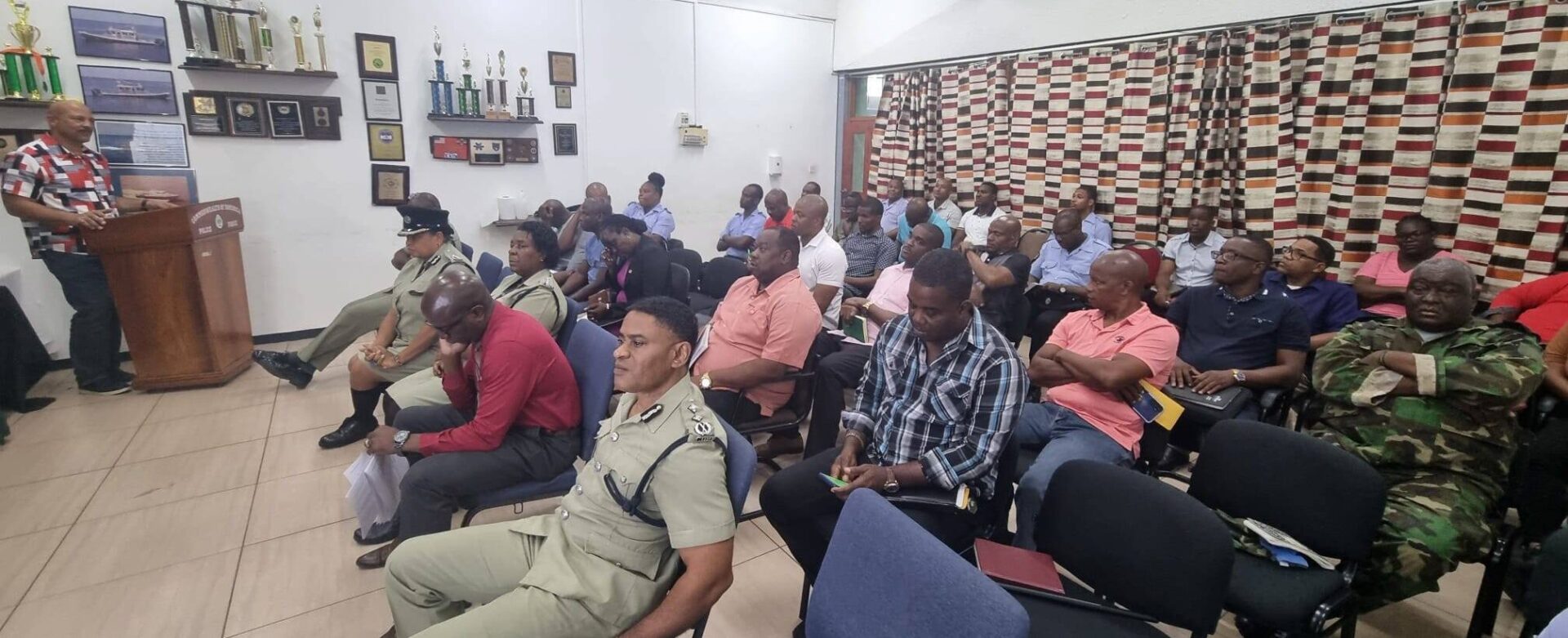
    In a move to reinforce its long-standing dedication to elevating police professional standards, the Commonwealth of Dominica Police Force (CDPF) has kicked off a new series of capacity-building training with a specialized lecture focused on identifying criminal offenses. Held on May 28, 2026, the opening session was led by two of the force’s most seasoned law enforcement professionals: Deputy Chief of Police Jeoffrey James and Acting Superintendent Chaucer James, both of whom bring decades of hands-on expertise in criminal investigation protocol and police operational procedure.

    Unlike traditional passive training formats, the event adopted a practical, experience-centered teaching framework that fostered open engagement between instructors and attending officers. Per an official statement released via CDPF’s social media channels, this interactive approach turned the lecture into a dynamic discussion where participating personnel could share real-world case experiences, ask targeted questions, and deepen their foundational comprehension of how to correctly categorize and recognize different types of criminal activity.

    The training session counted the Chief of Police among its attendees, and was formally chaired by Assistant Commissioner of Police (ACP) Antonia Moses. Following the conclusion of the lecture, participating officers widely praised the initiative, noting that the content was both highly relevant to their daily on-the-job challenges and packed with actionable insights that will directly improve their ability to fulfill their law enforcement duties.

    This opening lecture is not an isolated event, but rather the first step in a sustained organizational push for continuous improvement. The CDPF confirmed in its statement that the series will continue rolling out additional professional development opportunities designed to upgrade the expertise, technical skills, and overall operational effectiveness of officers at all levels of the force. Staying true to its core public mission, the CDPF reiterated its unwavering commitment to a culture of lifelong learning and policing excellence, as it works tirelessly to deliver better protection and service to all communities across Dominica.

  • Caribbean delegation visits Martinique and Guadeloupe to examine Sargassum management strategies

    Caribbean delegation visits Martinique and Guadeloupe to examine Sargassum management strategies

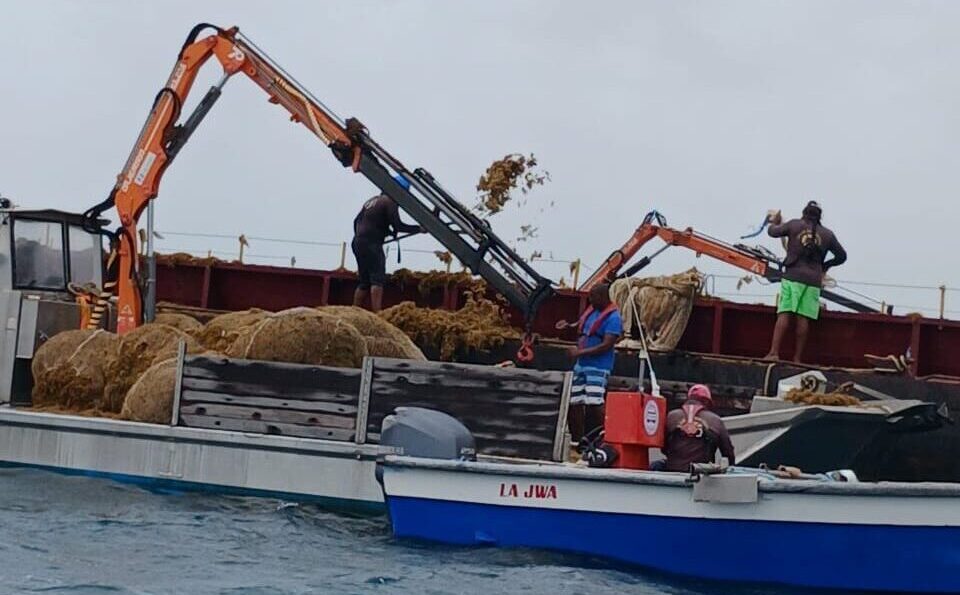
    For more than a decade, massive, recurring blooms of sargassum seaweed have plagued the small island developing nations of the Caribbean, leaving widespread damage in their wake. These invasive influxes disrupt fragile coastal ecosystems, threaten marine biodiversity, trigger public health concerns from rotting biomass, and undermine the economic stability of communities that rely heavily on coastal tourism and fishing. Now, a coordinated regional effort is bringing stakeholders together to share proven solutions and strengthen collective action against this transboundary threat.

    Following recent regional meetings for the Sargassum Regional Strategies for Ecosystem-based Actions (SARSEA) project in Dominica, a delegation representing nine Caribbean states and territories under the Organisation of Eastern Caribbean States (OECS) has launched a four-day technical study mission, running from June 1 to 4, 2026, in the French Caribbean territories of Martinique and Guadeloupe. The core goals of the mission are to examine locally developed sargassum management frameworks and explore viable pathways to turning harvested seaweed into marketable, value-added products.

    Supported jointly by the European Union and the OECS, the initiative forms part of long-standing regional collaboration aimed at fostering cross-border knowledge exchange and building more robust collective responses to the overlapping environmental, economic and public health harms caused by repeated sargassum landings. Over the years, Martinique and Guadeloupe have built comprehensive, multi-faceted strategies covering every stage of sargassum management, from open-ocean monitoring and early warning to large-scale collection, risk mitigation and innovative processing of harvested seaweed into useful goods. The mission gives delegates the chance to observe these strategies in action, hold direct discussions with local public and private stakeholders, and map out opportunities for deeper regional coordination on the shared challenge.

    The first half of the itinerary is focused on technical visits and demonstrations across Martinique, spanning June 1 and 2. On opening day in Le François, the delegation will start with a morning tour of offshore containment barriers and dedicated collection barges, followed by an afternoon visit to two air quality monitoring sites run by local operator Madininair. The day will conclude with a formal presentation on sargassum monitoring systems and early-warning tools at Le François Town Hall.

    On June 2, the schedule moves to Le Vauclin, where delegates will first join guided tours of manual sargassum collection sites at Macabou and Pointe Faula, led by representatives of local organization ACI. After a working meeting with GIP and ACI representatives at Le Vauclin Town Hall, the group will travel back to Le François to visit Holdex, a local company pioneering commercial and innovative applications for processed sargassum. The Martinique portion of the program will close with a presentation on ongoing initiatives to develop value-added sargassum products, delivered by Dominique Bœuf of SARA/SERD. After concluding the Martinique leg, the delegation will travel to Guadeloupe for the final two days of the mission, June 3 and 4, to continue learning from that territory’s management approaches.

    The entire mission is backed by the SARSEA project, which receives funding from the Agence Française de Développement and is implemented through a partnership between Expertise France and the OECS Commission. SARSEA’s core mandate is to build technical capacity across the Caribbean, strengthen regional governance frameworks for sargassum management, and promote ecosystem-centered approaches to addressing the bloom crisis.

    Event organizers emphasize that the study mission underscores Martinique and Guadeloupe’s commitment to sharing their hard-won experience with neighboring Caribbean territories through a foundation of cross-border cooperation, collective solidarity, and innovative problem-solving. Echoing this collaborative spirit, an OECS representative participating in the mission noted that sargassum is a transboundary problem that does not respect national borders. “By combining our knowledge, expertise and resources, we can better protect our coastlines, our economies and our communities,” the representative said.

  • Electoral Office List of Confirmed Voters May 1-31, 2026

    Electoral Office List of Confirmed Voters May 1-31, 2026

    The official body responsible for overseeing electoral processes has published two key voter registration documents covering the spring registration period, bringing clarity to the electorate ahead of upcoming voting events. As of the May 31, 2026 deadline, the Electoral Office has formally released both the master Confirmed Voters List for all registrations processed between May 1 and May 31, as well as the updated Supplementary Voter List approved by the close of the month.

    The public can access both documents directly through dedicated links provided by the office: the Confirmed Voters List is available via the first published link, while the approved Supplementary List can be viewed through the second posted link. This release marks a critical milestone in pre-election preparations, giving candidates, political organizations, and registered voters the opportunity to verify registration status and resolve any discrepancies before polling begins.

  • ‘Sea Wolves in Warm Waters: The U-Boat Battle In The Caribbean’ – Book review and author response

    ‘Sea Wolves in Warm Waters: The U-Boat Battle In The Caribbean’ – Book review and author response

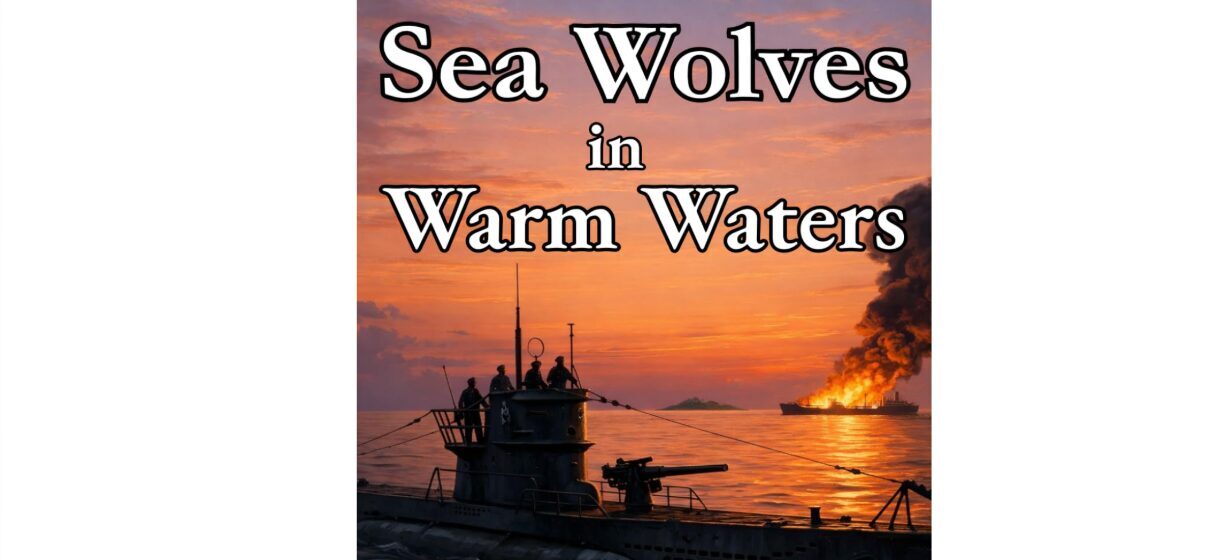
    For most students and enthusiasts of World War Two naval history, the Caribbean theatre is rarely given the attention it deserves. Popular and even academic narratives often fixate on better-known battlegrounds, from the high-stakes Atlantic convoy crossings to the frigid Arctic supply routes, framing the sun-drenched Caribbean archipelago as a tranquil backdrop far removed from the chaos of global conflict. That widespread neglect is exactly what author and Caribbean scholar Clement Richards sets out to correct with his new release, *Sea Wolves in Warm Waters: The U-boat Battle in the Caribbean*, published in May 2026. A new review from military historian Dr. James Bosbotinis, originally featured in The Naval Review, offers a balanced deep dive into this groundbreaking work of historiography, which the book’s author has since responded to with contextual clarifications.

    Drawing on hundreds of declassified multinational archival sources – ranging from official military war diaries to cabinet-level government policy documents – Richards repositions the Caribbean as a strategically critical linchpin of the Allied war effort, rather than a peripheral afterthought. During Operation NEULAND, Germany’s 1942 offensive in the region, Nazi U-boats targeted the Caribbean’s core economic assets: the massive oil refineries across Aruba, Curaçao, and Trinidad, plus key shipping lanes that carried vital supplies of oil and bauxite to feed Allied industrial production. By cross-referencing Grand Admiral Karl Dönitz’s personal diaries with the individual operational logs of deployed U-boats, Richards builds a convincing case that Operation NEULAND was not a scattered string of opportunistic raids, but a coordinated, well-planned strike aimed at crippling a core Allied supply artery.

    The book’s multi-perspective framework draws on four distinct source bases: German military records, British high command policy papers, U.S. intelligence summaries, and local Caribbean community and government archives. This approach allows Richards to clearly trace how Allied defenses in the region evolved over the course of the campaign, from the initial uncoordinated response to the gradual rollout of formal convoy systems, expanded aerial patrol coverage, and growing anti-submarine warfare capacity that steadily eroded U-boat effectiveness by the mid-war period.

    One of the book’s greatest strengths is its commitment to centering the human cost of the conflict, rather than only detailing troop movements and strategic planning. Richards shines a light on the experiences of merchant seamen who suddenly found their routine shipping routes transformed into killing fields, where torpedo strikes left ships burning and leaking oil across once-calm waters. He also explores how the war abruptly shattered the relative peace of Caribbean island communities, which had long viewed the global conflict as a distant European affair. Beyond the immediate violence, Richards details how the massive military infrastructure built by the Allies during the war permanently reshaped Caribbean islands physically and economically, laying the groundwork for the modern commercial tourism industry and accelerating the push for decolonization in the post-war era.

    For all its contributions to the field, Bosbotinis notes the work is not without its limitations. A notable methodological imbalance emerges from the uneven availability of source material: while German, British and American military operations are reconstructed through detailed, complete institutional records, the experiences of local Caribbean populations are drawn from far more fragmented sources, including oral histories and scattered social accounts. This leads to a narrative that often frames Caribbean communities primarily through stories of suffering, rather than highlighting instances of local agency and active participation in the war effort. Additionally, Bosbotinis argues that the text devotes disproportionate space to the opening phase of Operation NEULAND in 1942, leading to repetitive coverage of the initial German offensive and the region’s first response, while the period after 1943 – when Allies had solidified their defensive posture – is covered far too briefly. This overemphasis on the initial “crisis” phase leaves the long-term impacts of wartime mobilization on daily Caribbean life underexplored. Finally, while Anglophone Caribbean communities receive extensive coverage, the Dutch ABC Islands and Vichy-controlled French Antilles are given only limited treatment, and the author’s choice to use summary source notes rather than full detailed citations will likely frustrate academic researchers hoping to verify specific claims or follow up on obscure local incidents.

    Despite these shortcomings, Bosbotinis concludes that *Sea Wolves in Warm Waters* is an indispensable addition to both World War Two maritime history and Caribbean historiography. It builds on the foundational work of earlier scholars like Kelshall and André, while expanding public and academic understanding of how global war touched even the most seemingly remote tropical communities. Even with its structural and geographic gaps, the book successfully challenges the persistent myth of the Caribbean as a passive, peripheral paradise during the war, reminding readers of the strategic importance of the theatre and the enduring legacy of struggle and sacrifice that lies beneath its popular image as a tranquil tourist destination.

    Following the publication of the review, Richards released a formal response clarifying two key criticisms raised by Bosbotinis. Addressing the claim that the book overemphasizes Caribbean suffering at the expense of local agency, Richards noted that during the war the Caribbean was almost entirely controlled by colonial powers, leaving local populations with very little scope for autonomous political or military action. As colonial subjects, most Caribbean communities experienced the war as the recipients of Allied policy rather than independent actors, and the emergence of distinct Caribbean political agency only came in the post-independence era after the war ended. That historical context necessarily shaped the narrative structure of the book.

    On the topic of limited coverage of French and Dutch Caribbean territories, Richards explained that access to local archival material presented significant practical barriers. Most French Caribbean territories were controlled by Vichy France for much of the war, and language barriers combined with restricted access to local French archives made deep research difficult. Dissident activity from French Caribbean territories connected to the Free French movement is covered in a dedicated chapter of the current book, and Richards plans to explore this topic in full in a future work, given Dominica’s central role in those events. Similar access issues impacted research on Dutch islands, with most available material coming from British and other English-language sources, limiting the depth of local Dutch perspectives that could be incorporated. Richards emphasized that he did not aim to excuse the gaps identified in the review, only to explain the practical contextual constraints that shaped the book’s research and writing.

  • DAIC urges stronger preparedness as hurricane season begins

    DAIC urges stronger preparedness as hurricane season begins

    As the 2026 Atlantic Hurricane Season officially kicked off on June 1, the Dominica Association of Industry and Commerce (DAIC) has launched a urgent call to action for businesses, government bodies, public institutions, and all national stakeholders to ramp up disaster preparedness measures and build greater capacity to withstand the full range of climate and operational threats facing the Caribbean island nation.

    In an official press statement, the leading private sector trade group emphasized that while hurricanes remain the most high-profile natural hazard for the region, modern businesses now face a rapidly expanding list of risks that extend far beyond tropical storm systems. These growing threats include widespread flooding, record-breaking extreme heat events, accelerating coastal erosion and storm surge damage, catastrophic landslides, chronic water scarcity, extended power and telecommunications outages, unexpected supply chain disruptions, macroeconomic instability, and a host of other operational challenges that can bring business activity to a halt. Against this backdrop, DAIC stressed that traditional preparedness focused solely on hurricane response is no longer sufficient to protect the private sector and national economy.

    The organization noted that this expanded planning requirement applies to every segment of Dominica’s business ecosystem, from small micro-enterprises and local small businesses to large national corporations and critical infrastructure industries. All business types are urged to take intentional, proactive steps to boost their readiness for potential disruptive events, regardless of their scale or operating sector.

    DAIC also underlined the central role that the private sector plays in sustaining national progress, supporting widespread employment, attracting foreign and domestic investment, maintaining critical supply chains, and leading effective post-disaster recovery. The group warned that unprepared businesses do not only face individual losses – disruptions to private sector activity ripple outward to harm local communities, undermine household livelihoods, and drag down the performance of the entire national economy.

    Under the new leadership of recently elected President Olive Strachan MBE and DAIC’s newly seated Board of Directors, strengthening business resilience and long-term sustainability has been positioned as a top core strategic priority for the organization. To advance this goal, DAIC maintains ongoing collaborative partnerships with a network of regional and international disaster risk reduction bodies, including the United Nations Office for Disaster Risk Reduction, the Caribbean Chambers of Commerce network, and the ARISE (Private Sector Alliance for Disaster Resilient Societies) Network. DAIC serves as the official ARISE national focal point for Dominica, working to expand private sector engagement in Multi-Hazard Early Warning Systems (MHEWS) and other cross-cutting disaster resilience initiatives across the country.

    Through these strategic partnerships, DAIC is actively contributing to regional policy discussions focused on improving public and private risk communication, supporting the development of robust business continuity plans, strengthening cross-sector coordination mechanisms, and ensuring the private sector is formally integrated into national and regional resilience governance frameworks.

    Speaking on the organization’s new priority focus, DAIC President Olive Strachan MBE emphasized: “Preparedness is no longer optional for our business community. Today’s enterprises must plan for multiple hazards that can disrupt daily operations, harm employee safety, break critical supply chains, and slow decades of national development. The private sector has an irreplaceable critical role to play at every stage of disaster management – before, during, and after a hazard event. Every business, no matter how large or small, contributes to building a more resilient Dominica. DAIC is fully committed to strengthening business resilience and sustainability through cross-sector partnerships, targeted advocacy, public awareness campaigns, and hands-on practical support for private enterprises across the country.”

    Strachan and DAIC have also called on all national stakeholders to continue making incremental improvements to cross-sector coordination, public communication systems, critical infrastructure resilience, and integrated preparedness planning. The organization stressed that building effective, country-wide disaster resilience cannot be achieved by a single group – it requires sustained, aligned cooperation between government agencies, the private sector, civil society organizations, and regional partner bodies.

    As part of its formal recommendations for the 2026 hurricane season, DAIC has outlined concrete actions for both businesses and households: review and update existing emergency response and business continuity plans, refresh internal and external communication and contact systems, secure critical operational data and physical infrastructure, conduct full audits of supply chain vulnerabilities, deliver disaster preparedness training to all staff, run regular preparedness simulation exercises, maintain consistent engagement with official information channels and early warning systems, and plan for a full spectrum of hazards rather than focusing exclusively on hurricanes.

    To support businesses in implementing these steps, DAIC announced that it will make a full suite of practical preparedness and business continuity planning resources available to private sector stakeholders throughout the 2026 hurricane season. All DAIC member organizations and local businesses are invited to contact the DAIC Secretariat to access these free planning materials.

    In closing, DAIC reaffirmed its long-term commitment to supporting Dominica’s private sector through targeted advocacy, public awareness initiatives, open information sharing, cross-sector engagement, and expanded access to regional resilience programs and planning tools. The organization stated that it will remain a consistent partner for the Dominican business community, standing alongside enterprises through all stages of emergency and disaster events.
  • OP-ED: Public call to Caribbean legal societies

    OP-ED: Public call to Caribbean legal societies

    In a striking appeal rooted in the principle of equal application of international law, a regional legal voice has issued a formal call to Caribbean legal institutions, jurists, and legal professionals across the region to launch a civil legal inquiry into the deaths of more than 100 unarmed Caribbean and Latin American fishermen killed by United States military strikes between 2025 and 2026.

    The appeal, addressed to the Caribbean Bar Associations, the Organization of Eastern Caribbean States (OECS) Bar, the Caribbean Court of Justice (CCJ), CARICOM jurists and regional attorneys, anchors its argument in the very legal precedent the U.S. recently relied on to indict former Cuban President Raúl Castro for the downing of two unarmed civilian aircraft. The U.S. indictment rests on the core international law principle that state officials can be held personally legally accountable for the unlawful killing of civilians outside the context of active armed conflict. If this principle holds for one nation, the appeal argues, it must apply uniformly to all global actors.

    According to the appeal, credible documentation from the United Nations and leading international human rights organizations confirms that over 100 unarmed fishermen, none of whom were combatants, armed, or involved in any hostilities, were killed in U.S. military strikes carried out in international waters. In at least one documented case, the strike occurred within the territorial waters of St. Vincent and the Grenadines, a sovereign CARICOM member state.

    Under widely accepted international law, customary legal norms, and the long-standing framework of the UN Charter originating from the League of Nations, the intentional killing of unarmed civilians outside armed conflict carries severe legal ramifications: the deaths qualify as extrajudicial killing in violation of Article 6 of the International Covenant on Civil and Political Rights (ICCPR), a breach of the United Nations Convention on the Law of the Sea (UNCLOS), a violation of peremptory (jus cogens) international norms, and could constitute a crime against humanity if proven to be part of a systematic pattern of violence. The strikes also violate the binding duty of CARICOM states to protect their own citizens, the appeal notes.

    The text draws a direct parallel to the U.S. action against the former Cuban leader: if the United States claims legal jurisdiction to indict a foreign sitting or former official for civilian deaths in disputed airspace, Caribbean regional legal institutions hold equal legal standing to investigate and pursue accountability for civilian deaths that occurred within the region’s own maritime boundaries.

    In response to this precedent, the appeal formally calls on Caribbean judicial associations, legal scholars, bar groups and practicing regional attorneys to pursue a non-governmental legal action before the CCJ or another competent regional legal body. The action is grounded in three well-established legal bases for jurisdiction: territorial jurisdiction, as some strikes took place within CARICOM territorial waters; nationality jurisdiction, as the victims included CARICOM nationals; and universal jurisdiction, which applies to the gravest violations of international human rights law.

    The appeal emphasizes that this initiative is not an act of political opposition. Instead, it frames the effort as a binding legal and moral obligation that grows directly from the same principle the United States itself has invoked to justify its own legal action.

    Closing the statement, the appeal reaffirms three core commitments: Caribbean lives carry equal weight under international law, Caribbean sovereignty must be respected under international law, and international law must either be applied equally to all nations, or it effectively applies to none. The call ends with an invitation for all Caribbean legal professionals, scholars, and institutions to join the effort to explore this legal action and map out the appropriate next steps for the process.

  • COMMENTARY: Masculine caregiving

    COMMENTARY: Masculine caregiving

    Across the globe, an enormous workforce of caregivers keeps communities and families functional, yet their work is systematically undervalued, underpaid, and overlooked. As populations age rapidly, this crisis is deepening, bringing with it urgent calls for cultural change, policy action, and broader public recognition of the vital role caregivers play in every corner of society.

    In 1950, infants born around the world had an average life expectancy of just under 47 years. By 2022, that figure had jumped to 71.7 years, creating an unprecedented demand for long-term care for aging populations. The United Nations categorizes care work into two core types: unpaid informal care provided by family members, and paid formal care delivered through professional systems. In both sectors, the challenges are stark: even in nations with formal care policies, poor implementation leaves vulnerable older adults with fragmented, insufficient support, while caregivers face widespread income insecurity. Research from 2002 confirmed that even formal paid care workers earn less than workers in comparable occupations requiring matching skills, education, and experience. This lack of fair compensation, paired with a widespread shortage of adequate job-specific training, leaves many caregivers facing physical injury and chronic mental distress. When caregivers are burnt out, the quality of care for their loved ones or clients inevitably suffers; as the old adage goes, you cannot pour from an empty cup, and few systems exist to refill caregivers’ cups after months or years of relentless demand.

    Caregiver burnout is not a momentary feeling of tiredness, but a gradual, debilitating condition caused by prolonged, unrelieved stress. The Cleveland Clinic compares burnout to a candle that has burned through its wick: it has nothing left to give to keep providing light. It develops when caregivers sacrifice their own well-being to meet the constant needs of someone who cannot care for themselves, leaving them severely exhausted physically, emotionally, and mentally. It affects every area of a caregiver’s life, from their physical health and personal relationships to their financial stability and social connectedness.

    While caregiver disrespect and burnout cut across all genders, male caregivers face unique challenges rooted in rigid cultural constructions of masculinity—particularly in Caribbean contexts like Jamaica, where conventional ideas of manhood are tied to being a breadwinner, protector, and unemotional source of strength. Theron, a Jamaican caregiver who stepped into the role to care for his aging father, says he has experienced firsthand societal bias that frames men who take on care work as less masculine. “When I took on the role of caring for dad, as the only sibling left behind, it was a natural follow,” he explains. “It took its toll in many aspects of my life, including health and relationships, but was never viewed as a burden. In the latter stages, it evoked emotional turmoil to see the man that was strong and confident and my guide in life start to lose his sense of independence and autonomy.”

    In Jamaican culture, hegemonic ideas of masculinity are reinforced through popular media, social norms, and historical structures that box men into narrow definitions of strength. Men who deviate from this mold by taking on intimate care work are often viewed as lesser, adding a layer of social pressure that female caregivers do not face. But as author Wayne Campbell points out, what these men are actually demonstrating is a far more authentic form of courage: quiet, consistent strength that shows up every day to care for the people they love. It is long past time to reframe our understanding of masculinity to celebrate, rather than judge, men who choose care work. Campbell notes that men’s emotional experiences as caregivers are almost as invisible as the work itself: social norms discourage men from opening up about the grief, exhaustion, and helplessness that come with caring for a declining loved one, leaving many to suffer in silence. Communities, workplaces, and faith groups can make an immediate difference by creating safe, non-judgmental space for male caregivers to share their experiences.

    Tackling the caregiver crisis requires both cultural change and systemic policy intervention. Small acts of community support can make a huge difference for overburdened caregivers: even offering to take over care for a single day to give them time to rest, or simply lending a listening ear, can ease the enormous isolation many feel. For policymakers and employers, the solutions are clear: governments should fund trained care assistants to provide daily relief for family caregivers, mandate paid special leave for medical appointments, and require employers to offer flexible scheduling or remote work options where possible. Many countries also need new legislation aligned with international labor standards to protect care workers, guarantee minimum hours and employment protections, and make care work a more attractive, sustainable profession.

    Crucially, all care support systems must be person-centered, tailored to the needs and preferences of both caregivers and care recipients rather than following a one-size-fits-all model. This holistic approach must address both informal unpaid care and formal paid care, bringing together governments, businesses, communities, and households to improve outcomes for everyone. When we devalue and disrespect caregivers, we do not just harm them: we erode the dignity of the people they care for, violating the universal human right to inherent worth that the UN recognizes as the foundation of all justice and freedom.

    Caregiving is fundamentally invisible labor: the emotional, physical, and financial work that holds families and societies together rarely gets the recognition it deserves. Too often, even institutions like churches marginalize older adults and their caregivers once they can no longer participate in public activities, while policymakers remain disconnected from the day-to-day realities of care work. This culture of ingratitude is unacceptable, and it must change. As U.S. President Joe Biden has noted, family caregivers are the backbone of every nation. It is long past time we give them the respect, protection, and support they deserve.

  • PRESS RELEASE: Dominica Red Cross Society urges community preparedness as 2026 Hurricane season begins

    PRESS RELEASE: Dominica Red Cross Society urges community preparedness as 2026 Hurricane season begins

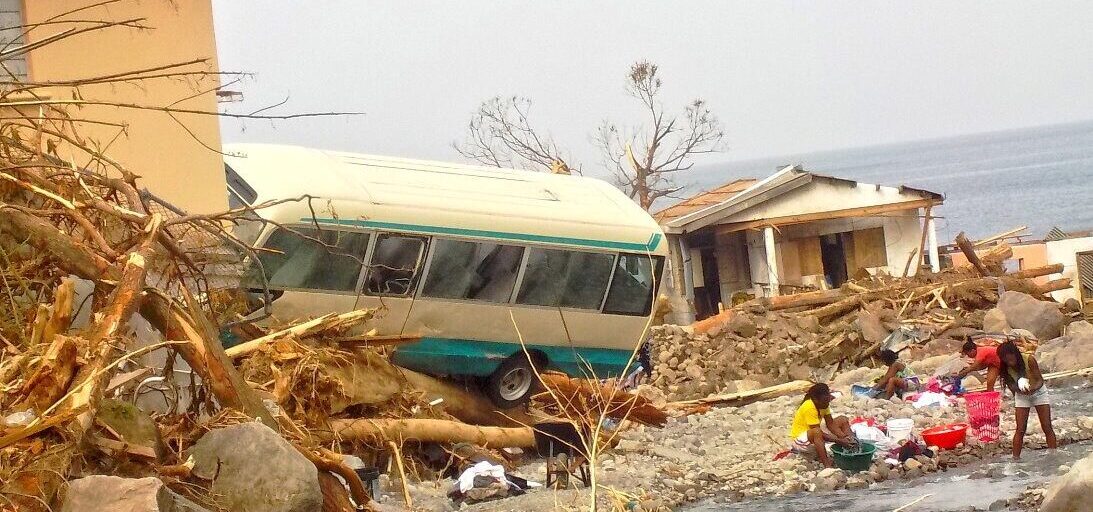
    As the Atlantic basin officially enters the 2025 hurricane season on June 1, the Dominica Red Cross Society has launched a public call for every citizen, resident and community across the island nation to prioritize early hurricane preparedness and proactive safety planning. For a country that bore the catastrophic brunt of Hurricane Maria in 2017 — a storm that left widespread destruction across Dominica’s landscape and communities — the scars of past devastating hurricanes remain a sharp, ongoing reminder of just how unpredictable tropical weather systems can be.

    The Atlantic hurricane season runs annually from June 1 through November 30, and this year meteorological forecasters are predicting an above-average active season. That forecast has underscored the urgent need for immediate action from every household across Dominica, rather than waiting for an active storm warning to begin preparations.

    In advance of the season, the Dominica Red Cross has already taken critical steps to boost its disaster response capacity across the country: the organization has updated and optimized its emergency response protocols, reinforced training for local community disaster response teams, and restocked stockpiles of essential relief supplies at its network of local branches across the island. Even with these institutional preparations complete, agency representatives note that official readiness only accounts for half of what is needed to keep communities safe. True, long-term resilience against hurricane hazards depends fundamentally on individual and household-level preparation.

    To guide families in getting ready ahead of any potential storm, the Red Cross has outlined five core, actionable steps that all Dominica households should complete within the first week of the season:
    First, develop a formal family emergency plan. Hold discussions with all family members to agree on a clear meeting point if members are separated during a storm, and map out predetermined evacuation routes for households located in high-risk areas prone to flooding or landslides.
    Second, assemble a fully stocked emergency supply kit. The kit should include at least three days of non-perishable food, one gallon of drinking water per person per day, flashlights with extra batteries, a comprehensive first aid kit, all essential prescription medications, and waterproof-sealed copies of critical personal identification and legal documents.
    Third, leverage regional public risk resources. Residents can access free interactive hazard maps, localized risk data and community-specific preparedness resources through the official Caribbean climate risk platform at https://caribbean-risks.org/en/ to better understand the unique vulnerabilities of their neighborhood.
    Fourth, secure residential properties ahead of storm activity. This includes trimming overhanging tree branches that could damage roofs during high winds, clearing clogged yard drains to reduce flood risk, and ensuring functional storm shutters or emergency boarding materials are on hand to protect windows and external doors.
    Fifth, stay informed through official channels only. The Red Cross urges residents to monitor continuous updates from the Dominica Meteorological Service and local government authorities, and to avoid sharing or spreading unconfirmed, unverified information across social media platforms that can cause unnecessary panic.

    The Dominica Red Cross has reaffirmed its long-term commitment to supporting the people of Dominica at every stage of storm activity: before a system approaches, through the height of a storm, and in the aftermath of any impact that occurs. Red Cross volunteers are already active in communities across the entire island, distributing educational preparedness materials and offering targeted guidance to help low-income and vulnerable households build safer, more climate-resilient living environments.

    In its closing call to action, the organization emphasized that last-minute preparation once a storm warning is issued is far less effective than early planning. “Do not wait for a storm warning to begin getting ready. Start your preparations today to protect your family, your neighbours, and our beautiful country,” the statement reads.

    Residents can access updated regional risk data anytime through the online platform at https://caribbean-risks.org/en/. For additional preparedness guidance, or for information on volunteering with a local Dominica Red Cross chapter, the public can contact the organization’s headquarters in Roseau directly.

  • KWAK Shorts: THE KWAK commends Minister Frederick

    KWAK Shorts: THE KWAK commends Minister Frederick

    Political satire in the Caribbean has taken an unexpected and delightful turn, as Dominica’s Minister for Environment, Rural Modernisation, Kalinago Upliftment and Constituency Empowerment Cozier Frederick has generated waves of amused public reaction over a recent comment he made in his new role as Chairman of the Organization of Eastern Caribbean States (OECS).

    The popular local satirical platform THE KWAK, which specializes in playful commentary that cuts through serious public discourse to highlight pressing issues, has publicly praised Frederick for what it calls a masterclass in intentional, purpose-driven satire. Few political figures manage to balance dry, cutting humor with focused attention on unresolved public matters, but Frederick pulled off the feat seamlessly, according to the platform’s analysis.

    Frederick’s comment, in which he stated, “I assume the chairmanship to lead the narrative and to be an example of good practices for the rest of the region,” carries layered irony that has not gone unnoticed. The remark comes amid the ongoing, high-profile Deux Branches saga, an unresolved local issue that has already drawn significant public attention and scrutiny. Against that backdrop, Frederick’s claim to be a standard-bearer of good governance for the entire region reads as a self-aware, humorous nod to the gaps between stated policy commitments and on-the-ground action in Dominica right now.

    Contrary to assumptions that satirical commentators would be the ones highlighting the dissonance between current local events and Frederick’s new regional role, THE KWAK says the minister did the work for them. “Few people can appreciate the level of research, dedication and pure diligence it takes to say intentionally ridiculous statements that serve us all laughter while spotlighting truly important issues – but THE KWAK appreciates,” the platform noted in its piece. It rejected claims that it is mocking Frederick or the OECS chairmanship, instead emphasizing that the comment is a perfect example of how satire can cut through bureaucracy to draw attention to unresolved problems.

    As a reminder, THE KWAK operates as an independent satirical segment focused on Dominican current affairs and perennial public topics. Its content intentionally leans into playful absurdity to encourage self-reflection and open discussion of relevant issues, and the views expressed in its work do not represent the official stances of Dominica News Online, Duravision Inc. or any of their affiliated brands. Frederick’s unexpected satirical turn has left the public talking, proving that sometimes the sharpest political commentary comes from the most unexpected places.

  • IICA to highlight agricultural entrepreneurship and food security at national seminar

    IICA to highlight agricultural entrepreneurship and food security at national seminar

    The Inter-American Institute for Cooperation on Agriculture (IICA) has announced plans to host its upcoming National Accountability Seminar in Dominica on June 3, 2026, a gathering designed to bring cross-sector stakeholders together to assess the institution’s recent work and chart a new course for strengthening the Caribbean nation’s agricultural landscape.

    Per an official press release from IICA, the full event theme is “From Local Fields to Regional Markets: Strengthening Food Security through Trade, MSMEs, and Accountability” — a framing that highlights the core priorities the seminar will address. As a dedicated space for retrospective and forward-looking discussion, the one-day event will center on reviewing all of IICA’s activities carried out across 2025, with a particular focus on unpacking the untapped potential of agricultural micro, small, and medium-sized enterprises (MSMEs) to drive progress across key national development goals. These include expanding food security, generating new employment opportunities, and stimulating sustainable economic growth in Dominica’s rural communities.

    The seminar will kick off with opening addresses from two senior leaders: Gregg C. E. Rawlins, IICA’s Representative for the Eastern Caribbean States, and Hon. Roland Royer, Dominica’s Minister for Agriculture, Fisheries, Blue and Green Economy. A centerpiece of the event’s official program is the formal presentation and handover of IICA’s 2025 Annual Report to Minister Royer, a key step in the institute’s commitment to public accountability for its work in the country.

    Beyond the annual report presentation, the agenda features a structured panel discussion focused specifically on the role that agricultural MSMEs play in advancing Dominica’s national development. During this session, participating stakeholders will exchange diverse perspectives on both the emerging opportunities and persistent barriers that shape the sector, as well as its outsized importance to long-term national economic progress. The panel draws participants from across public, private, and civil society spheres: Terri Henry-Lovell, Vice President of the Dominica Herbal Business Association; Narrin Murphy, Senior Relationship Officer for Corporate Banking at the National Bank of Dominica Ltd.; and Micah Walter, Coordinator for Private Sector Relations, Industry, Commerce and Innovation within the Ministry of Labour, Public Service Reform, Social Partnership, Entrepreneurship and Small Business Development.

    IICA has formally extended an open invitation to members of the local and international media to attend the event and cover its proceedings, which organizers expect will spark productive public dialogue around institutional accountability, expanded trade opportunities for agricultural producers, and the growing contribution of small-scale agricultural enterprises to Dominica’s overall development trajectory. The seminar will commence at 9:00 AM local time at the Public Service Union Conference Room, located on Valley Road in Dominica’s capital city of Roseau. Parties seeking additional details about registration or event logistics can contact the IICA Delegation based in Dominica for further information.