标签: Dominica

多米尼克

  • IICA supports preservation of Andean blueberry, promotes agrobiodiversity in Ecuador via the Sacha Ñawi initiative

    IICA supports preservation of Andean blueberry, promotes agrobiodiversity in Ecuador via the Sacha Ñawi initiative

    Ecuador’s páramo ecosystem, a fragile high-altitude environment, hosts the indigenous Andean blueberry (Vaccinium floribundum), known locally as agraz. This culturally significant wild fruit, related to North American blueberries, now symbolizes the ecological pressures facing this unique habitat due to agricultural expansion and commercial harvesting.

    In response to these threats, the Sacha Ñawi initiative has emerged as a comprehensive conservation effort. Spearheaded by the Inter-American Institute for Cooperation on Agriculture (IICA) in partnership with Ecuador’s Ministry of Environment and Energy and the National Agricultural Research Institute (INIAP), this program addresses the delicate balance between preservation and sustainable use.

    The project operates under the broader framework ‘Conservation and sustainable use of crop wild relatives and edible wild species,’ funded by the Global Environment Facility and implemented by FAO Ecuador with support from local universities and community organizations. Its primary objective involves strengthening institutional frameworks to protect wild species while incorporating them into national planning strategies.

    The Andean blueberry holds particular cultural importance as the key ingredient in colada morada, a traditional beverage consumed during Day of the Dead celebrations. Unlike commercially cultivated fruits, this species remains predominantly wild-harvested during September and October, with minimal domestication efforts.

    Recent increased demand for blueberry-based products—including wines, jams, and traditional drinks—has intensified harvesting pressure, threatening the species’ sustainability. The Sacha Ñawi project has initiated focused conservation work in Cotacachi canton (Imbabura province), collaborating with research institutions to map genetic diversity and identify priority conservation areas.

    Beyond research, the initiative develops sustainable harvesting regulations that protect both ecosystems and local livelihoods. Simultaneously, it works to strengthen the berry’s value chain through market access improvements, producer organization, and conservation incentives.

    The project extends to additional cantons including Archidona, Tena, and Arosemena Tola in Napo province—regions within ecologically significant Andean and Amazonian biomes containing numerous protected areas. Here, biodiversity and cultural traditions remain deeply interconnected, presenting the fundamental challenge of preserving species without disrupting the essential relationships between ecosystems and the communities that depend on them for both sustenance and cultural identity.

  • New initiative launched to enhance conservation efforts for the Sisserou Parrot

    New initiative launched to enhance conservation efforts for the Sisserou Parrot

    A groundbreaking conservation partnership has been formally initiated to address the critical endangerment of Dominica’s national bird, the Imperial Amazon parrot (Amazona imperialis). The ambitious program, designated “Sisserou Conservation with Civil Society (SCCS),” represents a strategic coalition between the Dominican environmental organization EcoBalance Inc. and the regional non-governmental entity Caribaea Initiative.

    Financial and logistical support for the endeavor is being provided by the Critical Ecosystem Partnership Fund (CEPF), with operational coordination handled by Dominica’s governmental Forestry, Wildlife, and Parks Division. This multi-stakeholder approach aims to confront the complex challenges that have persistently threatened the Sisserou’s survival, despite previous conservation measures.

    The iconic parrot, which exists nowhere else on Earth beyond Dominica’s mountainous rainforests, confronts an existential triad of threats: accelerating climate change impacts, progressive habitat fragmentation, and occasional conflicts with agricultural operations. The SCCS project framework incorporates several integrated methodologies to counter these pressures.

    Strategic components include enhancing scientific research capabilities, mobilizing civil society volunteers for monitoring operations, and executing nationwide public awareness campaigns. A particularly innovative element involves establishing formal partnerships with agricultural communities, educational institutions, and civic organizations to embed conservation practices within social and economic activities.

    Program architects have outlined specific implementation activities including specialized training workshops, community engagement initiatives, and institutional collaboration protocols. These efforts are strategically designed to culminate in the development of a sustainable, long-term conservation strategy that ensures persistent protection measures for this Caribbean avian emblem.

    Caribaea Initiative representatives emphasized that the project’s core innovation lies in its integrative approach, fundamentally strengthening cooperation between conservation experts, civil society, and local communities to secure the species’ future.

  • COMMENTARY: Water and Gender

    COMMENTARY: Water and Gender

    The global water crisis continues to reveal stark gender disparities, with women and girls disproportionately affected by water scarcity and management challenges worldwide. According to United Nations data, over 1 billion women currently lack access to safely managed drinking water services, highlighting systemic inequalities in water accessibility.

    In 53 countries with available data, women and girls collectively spend approximately 250 million hours daily collecting water—more than triple the time spent by men and boys. This enormous time investment significantly limits educational and economic opportunities for females across developing regions. The World Health Organization further underscores the severity of the situation, reporting that unsafe water, sanitation, and hygiene practices contribute to approximately 1,000 daily deaths among children under five years old.

    The international community marked World Water Day on March 22, 2026, with the theme “Water and Gender,” shifting focus beyond conservation to examine how water access intersects with gender inequality. This observance highlights water’s critical role in advancing gender equality and empowering women, who typically manage household water resources despite being systematically excluded from decision-making processes regarding water governance and technical planning.

    Caribbean communities exemplify this pattern, where women predominantly manage domestic water use, maintain family health, and sustain food production—responsibilities that intensify as water scarcity increases. Yet women remain significantly underrepresented in water sector employment, with World Bank data indicating only 20% of utility employees are female. Some employers still perceive female employment as unproductive, despite evidence suggesting that inclusive water services become more sustainable and effective when women participate in decision-making.

    The climate crisis further compounds these challenges, necessitating transformative approaches that ensure equitable female representation across all levels of water leadership. A more consultative framework involving utility companies and trade unions could help address data gaps regarding female participation in water-related employment while promoting gender-responsive solutions to the global water crisis.

    Ultimately, recognizing access to safe water and sanitation as fundamental human rights represents a crucial step toward gender equality. As the world confronts growing water challenges, ensuring women’s equal participation in water management decisions emerges as essential for developing inclusive, sustainable water systems that benefit entire communities.

  • STATEMENT: Official message for World Meteorological Day 2026 by Senior Meteorological Officer

    STATEMENT: Official message for World Meteorological Day 2026 by Senior Meteorological Officer

    The Commonwealth of Dominica joined global observances for World Meteorological Day 2026 on March 23, with Senior Meteorological Officer Marshall Alexander delivering a powerful message emphasizing this year’s theme ‘Observing Today, Protecting Tomorrow.’ The annual celebration highlights the critical role meteorological data plays in safeguarding future lives and livelihoods through precise weather monitoring and climate analysis.

    In his official address, Alexander extended profound gratitude to the dedicated personnel of the Dominica Meteorological Service, acknowledging their unwavering commitment and professional excellence in providing nationwide early warnings, accurate forecasts, and reliable climate information. Their continuous vigilance serves as the nation’s primary defense mechanism against increasingly severe weather phenomena.

    As a small island developing state, Dominica faces disproportionate vulnerability to climate-induced disasters. The nation has endured catastrophic impacts from historical events including Tropical Storm Erica and Hurricane Maria, with climate change accelerating the frequency and intensity of such extreme weather events including flash floods, landslides, and prolonged droughts.

    Meteorological science transcends weather prediction, supporting essential sectors including aviation safety, agricultural planning, disaster risk reduction, water resource management, marine operations, tourism, and national infrastructure development. Accurate forecasting enables farmers to optimize planting cycles, while early warnings protect maritime workers from hazardous sea conditions.

    Through strengthened partnerships with regional and international organizations including the World Meteorological Organization, and with continued governmental support, Dominica remains committed to enhancing forecasting technologies and expanding early warning coverage to ensure comprehensive community protection.

    Alexander emphasized that scientific advancement alone cannot guarantee safety, calling upon all citizens to actively engage in climate resilience efforts. He urged nationwide adherence to official advisories, encouraging integration of weather information into daily decision-making processes across households, educational institutions, and businesses.

    The Senior Meteorological Officer concluded by reaffirming that meteorological instruments deployed across the island serve as guardians of the nation’s future, transforming atmospheric data into actionable intelligence for sustainable development and disaster preparedness.

  • Historic Milestone: First major commercial charter flight from St. Kitts to Abuja, Nigeria

    Historic Milestone: First major commercial charter flight from St. Kitts to Abuja, Nigeria

    In an unprecedented move for transatlantic connectivity, the Organisation of Eastern Caribbean States (OECS) has endorsed the first commercial charter flight directly linking the Caribbean region to the African continent. The landmark journey, orchestrated by Aquarian Consult Limited, departed from Robert L. Bradshaw International Airport in St. Kitts on March 21, 2026, carrying a distinguished delegation of over 100 passengers.

    The diverse cohort included prominent government officials, business innovators, and cultural ambassadors representing eight Caribbean nations. Their destination was Nnamdi Azikiwe International Airport in Abuja, Nigeria, where they arrived on March 22, completing a voyage that traditionally required lengthy layovers in Western hubs.

    This pioneering flight transcends mere transportation logistics, embodying what organizers term the ‘Reverse Middle Passage’—a powerful symbol of economic emancipation and South-South cooperation. By establishing direct air connectivity, the initiative effectively bypasses historical transit dependencies on European and North American airports.

    The flight serves as the official prelude to the Afri-Caribbean Investment Summit (AACIS), scheduled from March 23-28 at Abuja’s Bola Ahmed Tinubu International Conference Centre. Strategic objectives include strengthening economic diplomacy between OECS and the Economic Community of West African States (ECOWAS), creating a foundational corridor for future trade and collaboration.

    Notably, the route reduces travel time from over thirty hours to a single transatlantic journey, demonstrating commercial viability for permanent air links. Summit delegates will engage in high-level bilateral discussions focusing on agricultural innovation, blue economy development, cultural exchanges, and transformative investment opportunities.

    Aisha Maina, Managing Director of Aquarian Consult, captured the historical significance: ‘We are no longer just dreaming of a bridge between our two regions; we are flying over it. This flight carries the future of Afri-Caribbean trade, tourism, and shared prosperity—a victory for the entire Global Africa family.’

  • COMMENTARY: Poetry as a bridge for peace and inclusion

    COMMENTARY: Poetry as a bridge for peace and inclusion

    Annually observed on March 21, World Poetry Day stands as a UNESCO-declared celebration that transforms verse into a powerful instrument for global unity and cultural dialogue. Established in 1999, this international observance honors poets while revitalizing oral traditions and promoting poetry’s reading, writing, and teaching worldwide.

    The thematic focus for this year’s celebration—’Poetry as a Bridge for Peace and Inclusion’—highlights poetry’s unique capacity to connect diverse populations across cultural and linguistic divides. Derived from the Greek term ‘poiesis’ meaning ‘making,’ poetry transcends demographic boundaries, revealing fundamental human commonalities rather than differences. It provides an inclusive platform that amplifies marginalized voices and fosters empathy through shared emotional expression.

    Beyond its artistic merit, poetry demonstrates practical societal value by preserving endangered languages and creating economic opportunities through monetization. The art form converges with other creative disciplines including theater, dance, music, and painting, enhancing its visibility and accessibility in modern media landscapes.

    Educational approaches to poetry require thoughtful adaptation, particularly regarding gender perceptions. While often stereotyped as a ‘feminine’ art form, educators note that male students engage meaningfully when teaching methods incorporate dramatization and cultural relevance. The emergence of artificial intelligence as a credible poetry generator further complicates traditional pedagogy, with studies indicating indistinguishable quality between AI-generated and human-composed verse.

    From ancient West African Griots to contemporary spoken word movements, poetry persists as a universal medium for truth and emotional articulation. World Poetry Day invites global citizens to reimagine verse as a catalyst for peace, particularly in regions affected by conflict and humanitarian crises. As educator and social commentator Wayne Campbell reflects in his poem ‘Parallel Journey,’ poetry captures essential human experiences across generations, reminding us of our shared journey toward understanding and reconciliation.

  • Local improvised theatre group invites public to performance filled with comedy and mystery

    Local improvised theatre group invites public to performance filled with comedy and mystery

    The Dominican improv collective Mission Improvable is set to transform theatrical conventions next month with an innovative production that places creative control directly in the hands of audience members. Scheduled for April 11th at the UWI Auditorium in Roseau, this groundbreaking performance will merge elements of mystery, comedy, and drama into a spontaneously generated one-act play.

    Founded in 2024 under the Waitukubuli Artist Association, Mission Improvable has rapidly established itself as a cultural force since its acclaimed debut performance ‘Anansi vs Tiger Improv Battle’ in August 2025. The group has since captivated audiences at prestigious events including the Paradise of Colors exhibition and Waitucirque Festival, earning recognition for their quick wit and remarkable adaptability.

    This upcoming show marks a significant evolution in the troupe’s artistic approach. While maintaining their signature spontaneous humor, the performers will introduce an extended narrative format featuring six interconnected characters and multi-scene storylines—a departure from their traditional short-form improvisation.

    ‘Improv creates a unique symbiotic relationship between artists and spectators,’ explained founder Sonja Wiencke. ‘Audience members transition from passive observers to active co-creators, directly influencing the performance’s direction through their suggestions.’

    Company member Jaleel Ahiwa elaborated on the immersive experience: ‘The initial strangeness of improvisation quickly transforms into captivation as performers construct complex narratives instantaneously. This element of unpredictability creates an electrifying atmosphere that conventional theater cannot replicate.’

    Tickets for this unconventional theatrical event are available at 20 EC dollars at the venue or 15 EC dollars through advance purchase, offering audiences an opportunity to witness—and directly participate in—the creation of truly original live entertainment.

  • Kalinago Council Challenges ESIA Consultation Claims on Deux Branches Quarry

    Kalinago Council Challenges ESIA Consultation Claims on Deux Branches Quarry

    Kalinago Chief Annette Sanford has formally refuted assertions that her Council participated in consultations for the Environmental and Social Impact Assessment (ESIA) concerning the proposed Deux Branches quarry. This development project is intrinsically linked to Dominica’s ongoing international airport initiative. Through an official statement disseminated via her Facebook platform, Sanford highlighted escalating apprehensions regarding governmental transparency and community involvement in pivotal decision-making processes.

    Sanford clarified that while the Kalinago Council was nominally identified as a stakeholder in the June 2025 ESIA documentation, no substantive consultations were ever conducted. This position was corroborated through discussions with former Chief Lorenzo Sanford, who confirmed that no deliberations regarding quarry operations occurred during his administration either. The extent of governmental engagement with the current Council comprised a solitary email from the Physical Planning Division dated March 3, 2026, and a meeting with Parliamentary Representatives on January 22, 2026—both of which yielded no meaningful dialogue or substantive outcomes.

    The ESIA documentation has emerged as a focal point of contention within the community. The activist organization Save Deux Branches spearheaded a months-long campaign demanding public accessibility to these critical documents. Their efforts were necessitated by the government’s initial provision of merely three physical copies in Roseau, accompanied by severely restricted viewing hours. Notably, no copies were allocated to the Kalinago Territory despite the quarry’s geographical proximity and its potential adverse effects on the indigenous community. Consequently, activists undertook independent scanning and distribution of the documents to ensure broader public access.

    Substantive criticisms of the ESIA include discrepancies between different report versions, inconsistencies in geographical mapping that erroneously incorporate areas within the Northern Forest Reserve, and the conspicuous absence of accredited experts or comprehensive scientific evaluations. Detractors further note the report’s failure to acknowledge international treaties safeguarding indigenous rights, particularly the Escazú Agreement and ILO Convention 169. Additionally, the assessment neglects to adequately incorporate principles of free, prior, and informed consent—a fundamental requirement for indigenous communities.

    Chief Sanford expressed gratitude to community members who facilitated the delivery of an ESIA copy to the Kalinago Council office, enabling resident access between 9 a.m. and 4 p.m. on weekdays. She emphasized that despite repeated communications directed to various ministries and governmental leaders, the Council remained systematically excluded from meaningful participatory dialogue.

    This dispute underscores pervasive issues of transparency and accountability within Dominica’s development paradigm. For the Kalinago Territory, the controversy represents a critical test case regarding the equitable balance between national infrastructure ambitions and the imperative of respecting indigenous rights. Community organizations are urging citizens to thoroughly review the ESIA and submit formal feedback to the Physical Planning Division prior to the March 30, 2026 deadline, framing this process as a referendum on environmental stewardship and indigenous inclusion in national development strategies.

  • STATEMENT: Health Ministry – Tribute to the life and service of Dr. Jennifer Davina Elwin 6 May 1951 – 11 March 2026

    STATEMENT: Health Ministry – Tribute to the life and service of Dr. Jennifer Davina Elwin 6 May 1951 – 11 March 2026

    The Commonwealth of Dominica’s medical community and public service sector are united in grief following the passing of esteemed physician Dr. Jennifer Davina Elwin. The Ministry of Health, Wellness and Social Services has officially confirmed the death of the renowned doctor, who dedicated her life to serving the nation’s healthcare needs from May 6, 1951, until her passing on March 11, 2026.

    Dr. Elwin’s remarkable career spanned decades of exemplary service within Dominica’s healthcare system, where she established herself as a pillar of medical excellence and compassionate patient care. Her contributions extended beyond clinical practice to include mentorship of younger medical professionals and advocacy for improved healthcare infrastructure throughout the island nation.

    The Ministry’s statement emphasizes that Dr. Elwin’s legacy transcends her professional achievements, noting her profound impact on public health initiatives and community wellness programs. Her work significantly advanced healthcare accessibility in both urban and rural communities, earning her widespread respect among colleagues and patients alike.

    As tributes pour in from across the Caribbean medical fraternity, officials acknowledge the irreplaceable void left in Dominica’s healthcare landscape. The Ministry has pledged to honor her memory through continued advancement of the medical standards and compassionate care principles she championed throughout her distinguished career.

  • Good morning Dominica!:  Early morning view of cruise ship berthed in Roseau

    Good morning Dominica!: Early morning view of cruise ship berthed in Roseau

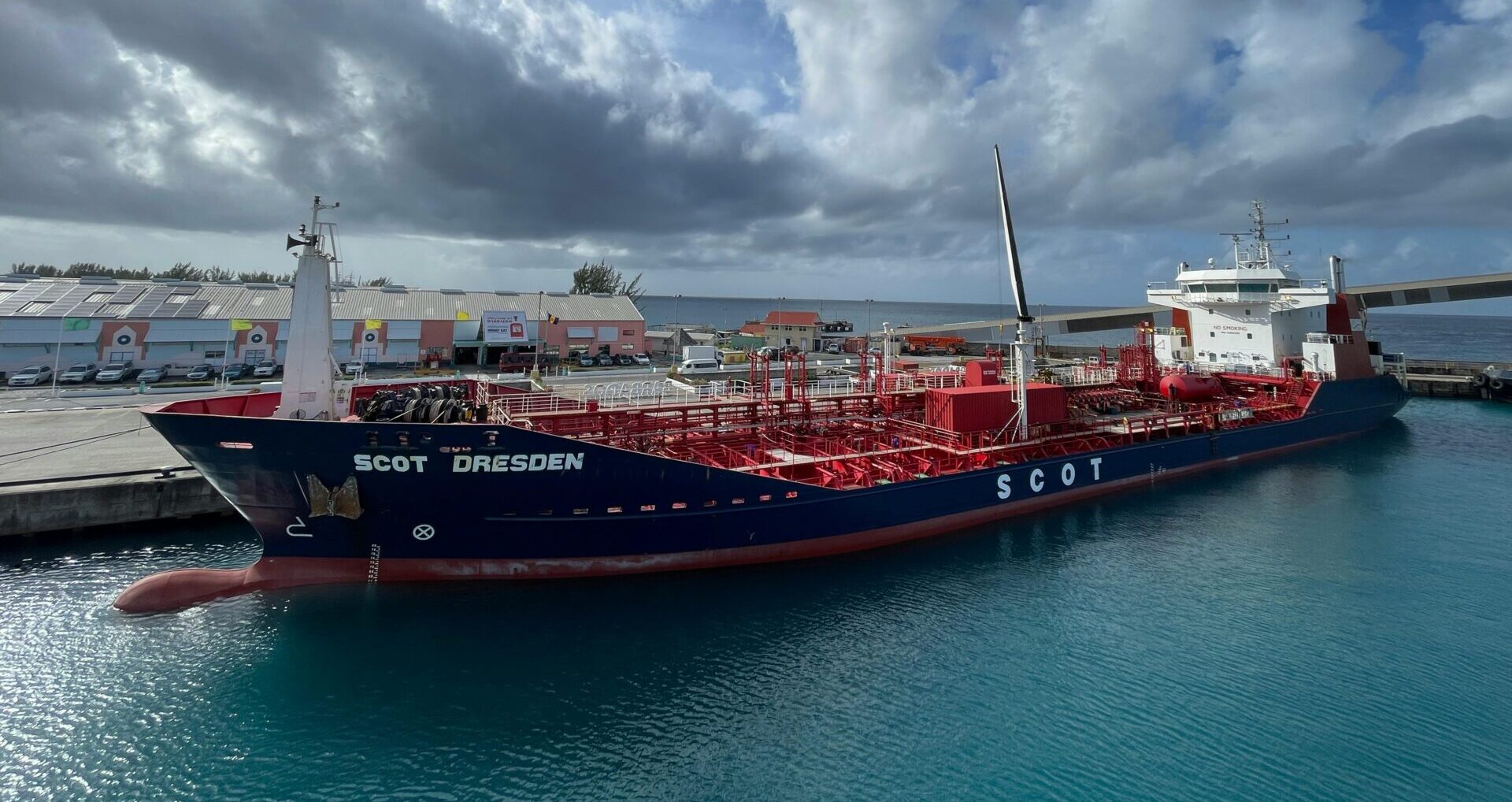
    The tranquil dawn hours in Dominica were graced by the majestic presence of a cruise ship docked at Roseau Harbor this past Saturday. The spectacular sight was captured from the vantage point of Castle Comfort, offering residents and early risers a breathtaking view of the maritime vessel against the backdrop of the waking Caribbean sky.

    This arrival signifies more than just a picturesque moment; it represents a vital economic and cultural exchange for the island nation. Cruise tourism serves as a critical artery for Dominica’s economy, bringing international visitors to explore its renowned natural wonders, including lush rainforests, volcanic hot springs, and pristine diving spots. The careful docking of such ships in the capital’s port is a well-coordinated operation, highlighting the island’s growing infrastructure and its strategic importance in the Eastern Caribbean cruise circuit.

    The timing of the arrival, during the early morning, allows passengers maximum opportunity to experience the island’s unique attractions, from the Trafalgar Falls to the Morne Trois Pitons National Park. For local businesses, from tour operators to artisans and restaurant owners, each docking is a anticipated event, promising a surge of commerce and cultural interaction. This continuous flow of visitors plays an indispensable role in sustaining livelihoods and promoting cross-cultural understanding, reinforcing Dominica’s position as a premier ecotourism destination.