标签: Dominica

多米尼克

  • Dominica hosts seven creatives for groundbreaking residency designed to reshape regional narratives

    Dominica hosts seven creatives for groundbreaking residency designed to reshape regional narratives

    Dominica becomes the epicenter of Caribbean cultural innovation as it hosts the landmark L’Orizon artistic residency from January 5-13, 2026. This transformative gathering brings together seven distinguished creatives from Dominica, Martinique, and Saint Lucia to collectively reimagine the region’s storytelling traditions through multidisciplinary collaboration.

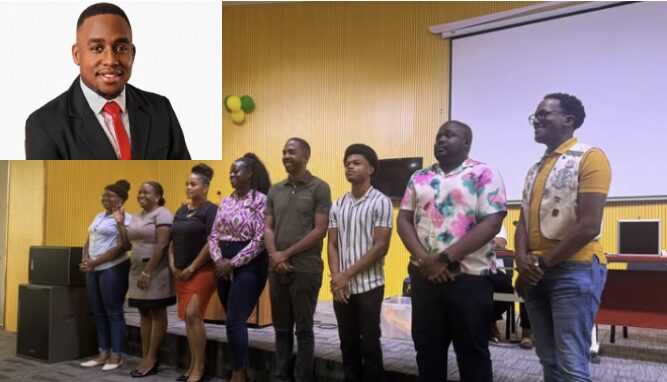
    The residency, organized under the An Ba Lanmè initiative—a trilateral cultural cooperation project—challenges conventional narratives by exploring how Caribbean identities are constructed and shared. Participants including Caribbean Afro-futurism writer Michael Roch (Martinique), performer Ethan James (St Lucia), and circus artists Serena Williams, Irina Khade Elwin, and Russel Raymond (Dominica) will engage in intensive dialogue and creative exchange in Cochrane village.

    Central to the program is examining whose perspectives dominate Caribbean storytelling, which heritages receive emphasis, and what realities define the contemporary Caribbean experience. The initiative uniquely integrates circus arts and performative practices alongside visual and literary arts, recognizing the region’s rich tradition of embodied storytelling that transcends linguistic barriers.

    Beyond artistic exploration, the project addresses urgent regional concerns including climate change impacts, economic diversification, and sustainable development. Organizers emphasize that narrative reconstruction directly influences economic prospects, as traditional tourism imagery becomes increasingly incompatible with environmental realities like seaweed invasions, natural disasters, and coastal erosion.

    The residency features extensive community engagement, including movement workshops led by N’jelle Thorne, exhibitions by the Waitukubili Artist Association, and conferences on cultural industries’ role in education and economics. Critical youth involvement includes January 7 workshops with Goodwill Secondary School students envisioning new Caribbean futures and January 9 theatrical improvisation sessions in Cochrane.

    Nicolas Derné, Artistic Director of Zofi Association, states: ‘This residency creates shared expression space for Caribbean artists and structures a sustainable cultural ecosystem. New narratives emerge from interdisciplinary intersections across the Caribbean—this diversity sustains a creative ecosystem that becomes a development lever for our territories.’

    The program culminates years of planning under An Ba Lanmè’s mission to revive historical and cultural connections between Caribbean islands, operating on the principle that ‘the sea connects more than it separates.’

  • CARICOM collaborates with partners to launch three-part Crop Protection Training

    CARICOM collaborates with partners to launch three-part Crop Protection Training

    The Caribbean Community (CARICOM) has unveiled an ambitious educational initiative designed to transform agricultural practices across member states. A comprehensive three-level Crop Protection training program will launch on January 26, marking a significant step toward enhancing food security and sustainable farming methods throughout the region.

    Developed through a strategic partnership between the CARICOM Secretariat, the Caribbean Agricultural Research and Development Institute (CARDI), and COLEAD—a non-profit organization dedicated to sustainable agriculture—this six-week online course offers self-directed learning for agricultural professionals. The program specifically targets farm supervisors, horticulturists, production managers, crop protection specialists, and packhouse supervisors seeking to advance their expertise.

    The curriculum follows a progressive structure that begins with fundamental crop protection concepts, introducing participants to essential plant pest and disease identification alongside chemical control methods. Intermediate modules delve deeper into pest organism behavior, disease epidemiology, weed competition dynamics, and herbicide resistance management, with practical applications for both field and post-harvest scenarios. The advanced tier focuses on sophisticated integrated pest management (IPM) techniques, including observational methods, intervention threshold establishment, and case study-based solution development.

    This initiative directly supports CARICOM’s Vision 25 x 2025 + 5 strategy, which aims to reduce the region’s food import expenditures by 25% through enhanced local agricultural production, improved trade mechanisms, and climate-resilient farming practices. The program represents a critical capacity-building component within broader infrastructure investments targeting transportation and storage systems.

    Agricultural stakeholders throughout the food production and processing sectors are encouraged to enroll in this transformative educational opportunity, which promises to elevate pest management standards while promoting environmental sustainability and economic development across the Caribbean region.

  • U.S. defends expansion of visa bond program covering 38 countries, including Dominica and Antigua

    U.S. defends expansion of visa bond program covering 38 countries, including Dominica and Antigua

    The United States has significantly expanded its controversial visa bond initiative, nearly tripling the number of countries whose citizens must post financial guarantees ranging from $5,000 to $15,000 when applying for certain U.S. visas. The State Department confirmed the program will now apply to passport holders from 38 nations, with the latest expansion adding 25 countries effective January 21, 2026.

    This policy enhancement follows previous additions made in 2025 and represents one of the most extensive applications of visa bonds to date. The newly affected nations span multiple continents, including Algeria, Angola, Bangladesh, Cuba, Dominica, Fiji, Nepal, Nigeria, Venezuela, and Zimbabwe, among others. They join earlier additions such as Bhutan, Botswana, and Zambia, which faced implementation dates throughout 2025.

    U.S. authorities defend the measure as an essential mechanism to ensure compliance with visa terms and reduce overstay rates. The program operates under INA Section 221(g)(3) and a Temporary Final Rule, utilizing Department of Homeland Security data tracking B1/B2 visa violations. Officials emphasize that bond payment doesn’t guarantee visa approval but will be refunded if the application is denied or if the holder fully complies with all conditions during their stay.

    The expansion occurs within a broader context of tightened U.S. entry requirements that include mandatory in-person interviews, extensive social media history disclosures, and detailed accounts of applicants’ travel and living arrangements. Critics argue the financial requirements create prohibitive barriers for citizens from affected nations, most of which are developing countries across Africa, Latin America, and Asia. Administration supporters maintain the program represents a necessary safeguard for immigration enforcement.

    Implementation will occur on staggered dates, with most new countries beginning enforcement on January 21, 2026, while earlier additions like Malawi, Zambia, and Tanzania already faced requirements in 2025. This policy shift underscores the administration’s continued focus on restricting immigration pathways through financial deterrence mechanisms.

  • human Rights Watch calls for U.S. departure from prevalent human rights abuses in Venezuela

    human Rights Watch calls for U.S. departure from prevalent human rights abuses in Venezuela

    Human Rights Watch has issued a stark warning that the Trump administration’s aggressive military operations in Venezuela risk precipitating a severe human rights emergency. The alert follows January 3rd operations that resulted in the capture of Venezuelan leader Nicolás Maduro and his wife Cilia Flores, who now face US federal court charges spanning drug trafficking and related criminal allegations.

    Juanita Goebertus, Human Rights Watch’s Americas director, condemned Washington’s approach, stating: “While Venezuelans possess the fundamental right to self-determination, the United States appears to be instrumentalizing Venezuela’s oppressive infrastructure to advance its own geopolitical and economic agendas.”

    The escalation began when President Trump declared the US would effectively “run” Venezuela indefinitely without specifying operational parameters. US officials have since indicated cooperation with Delcy Rodríguez, formerly Maduro’s vice president and recently installed as interim president on January 5.

    According to HRW documentation, American strategy involves manipulating oil embargo mechanisms in the Caribbean region combined with threats of additional military action to compel Venezuelan compliance with US demands. These include privileged access for American energy corporations and suppression of gang violence.

    The January 3rd strikes reportedly targeted military facilities, killing dozens of personnel including at least two civilians. The Cuban government—a historical ally of Venezuela—confirmed 32 Cuban officers among the casualties and strongly denounced the attacks.

    This intervention follows earlier extrajudicial US operations in Caribbean and Pacific waters that eliminated至少115 individuals accused of narcotics trafficking. Secretary of State Marco Rubio subsequently outlined demands for Venezuelan cooperation on oil investments, criminal group suppression, and severed ties with Iran and Hezbollah. President Trump reinforced these demands with threats of “a second strike” if Venezuela fails to “behave.”

    Despite Trump’s reference to overseeing a “judicious transition,” HRW observers note absent clarification regarding electoral processes, political prisoner releases, or human rights reforms. This ambiguity persists despite Venezuela’s July 2024 elections where independent analysts reported opposition candidate Edmundo González winning majority support, though official results declared Maduro victorious.

    The post-electoral period witnessed intensified repression including protestor fatalities, arbitrary detentions, and enforced disappearances targeting opposition figures, activists, and foreign nationals. Currently, over 860 political prisoners remain incarcerated according to legal aid organization Foro Penal, with the ICC Prosecutor’s Office investigating crimes against humanity allegations dating to 2014.

    Venezuela’s decade-long humanitarian crisis continues featuring critical shortages of food and medicine, prompting approximately 7 million citizens to flee while 14.2 million require urgent humanitarian assistance. Human Rights Watch urges global leaders—including Latin American, European, and Canadian counterparts—to advocate for democratic transition, prisoner releases, and accountability for human rights violations. The organization specifically calls upon the US to uphold its obligations under international human rights and humanitarian law.

    Goebertus emphasized: “The international community must prioritize protecting Venezuelans who have endured a decade of suffering under Maduro. Trump’s decapitation strike has merely exposed them to further systemic abuse.”

  • Dominicans now face up $15,000 Visa Bond for entry into U.S.

    Dominicans now face up $15,000 Visa Bond for entry into U.S.

    The Trump administration has instituted a groundbreaking visa bond policy affecting citizens from 38 countries, including the Caribbean nation of Dominica. This new requirement mandates that otherwise eligible travelers seeking B1/B2 visas must post substantial financial bonds as part of their application process.

    According to official State Department guidelines, consular officers now possess discretionary authority to impose bond requirements during visa interviews, with amounts typically set at $5,000, $10,000, or $15,000 depending on individual circumstances. The substantial sums represent a significant financial barrier for many applicants from affected nations.

    Beyond the financial commitment, applicants must complete Department of Homeland Security Form I-352 (Immigration Bond form) regardless of their application location. The U.S. government strictly requires all payments through official channels only after explicit consular instruction, emphasizing that unauthorized payments will not be refunded regardless of visa outcome.

    Notably, bond payment does not guarantee visa approval, with final decisions remaining at the discretion of visa authorities. Successful applicants face additional restrictions, being limited to entry and exit through three designated airports: Boston Logan International, John F. Kennedy International, and Washington Dulles International.

    The bond terms outlined on DHS Form I-352 and Travel.State.Gov specify automatic cancellation conditions, including timely departure from the U.S. or denial at port of entry. However, violations such as overstaying or unauthorized presence trigger reporting to USCIS for potential investigation and legal action.

    Antigua and Barbuda joins Dominica as the only other Caribbean territory subject to these stringent new requirements, reflecting a broader immigration policy shift affecting dozens of nations worldwide.

  • Head of regional sustainable land initiative pays courtesy call to St Vincent & the Grenadines’Agriculture and Fisheries minister

    Head of regional sustainable land initiative pays courtesy call to St Vincent & the Grenadines’Agriculture and Fisheries minister

    In a significant diplomatic engagement, Dr. Ronen C.A. Francis, Executive Director of the Partnership Initiative for Sustainable Land Management (PISLM), conducted high-level meetings with St. Vincent and the Grenadines’ government officials on January 5, 2025. The strategic discussions involved Minister Conroy Huggins of Fisheries, Marine and Land Conservation and Climate Resilience, along with Minister Israel Bruce of Agriculture, Forestry, and Rural Transformation.

    The dialogue focused on strengthening regional cooperation to address pressing environmental challenges, particularly land degradation across Caribbean nations. Central to the discussions was the imminent launch of Phase II of the CSIDS SOILCARE Project, a collaborative initiative between PISLM and the Food and Agriculture Organization (FAO) that includes St. Vincent and the Grenadines among its participating nations.

    The CSIDS SOILCARE Project represents a comprehensive approach to sustainable land management, aiming to restore degraded lands within specified timeframes and geographical areas. This initiative seeks to enhance both the quantity and quality of land resources while sustaining critical ecosystem functions and bolstering regional food security.

    Additional collaborative efforts discussed included the Caribbean Drought Initiative and the Caribbean Land Degradation Neutrality Transformative Project, demonstrating the multifaceted approach being taken to address environmental sustainability in the region.

    Dr. Francis expressed considerable optimism following the productive dialogue, stating, “We are satisfied with the discussions in St. Vincent and believe we can help transform our degraded landscapes.” Both ministers reaffirmed their unwavering commitment to partnership with the intergovernmental organization to achieve Land Degradation Neutrality goals within the country.

  • U.S. plans takeover of Venezuelan tanker

    U.S. plans takeover of Venezuelan tanker

    The United States has initiated a high-stakes maritime operation to intercept and seize the oil tanker Marinera, currently navigating the Atlantic Ocean under pursuit by American forces. Official sources confirm the vessel is suspected of having direct ties to Venezuela’s government, prompting this aggressive enforcement action.

    This operation represents the culmination of a sustained campaign against the sanctioned vessel, which has been under U.S. Treasury Department restrictions. The pursuit, ongoing since last month, forms part of a comprehensive strategy concerning the potential detention of Venezuelan President Nicolas Maduro, though officials remain guarded about specific operational details.

    The geopolitical dimensions of the situation intensified significantly with revelations that Russia has deployed substantial naval assets to accompany the tanker. Multiple warships, including at least one submarine, have been tracking alongside the Marinera, creating a complex international standoff in international waters.

    Maritime security experts indicate this confrontation represents one of the most significant overt naval confrontations between nuclear powers in recent Atlantic history. The operation underscores the escalating tensions between global powers using Venezuela as a proxy arena, with energy resources serving as the immediate point of contention.

    The U.S. Navy’s involvement demonstrates Washington’s commitment to enforcing sanctions despite military countermeasures from rival nations. This development occurs amid deteriorating relations between the United States and both Venezuela and Russia, with energy transportation emerging as a new frontline in geopolitical conflicts.

  • COMMENTARY: A reflection on the life of Simpson Gregoire

    COMMENTARY: A reflection on the life of Simpson Gregoire

    Pinterest has unveiled a transformative artificial intelligence feature designed to make visual discovery more inclusive and personally relevant. The innovative body type ranges technology utilizes advanced computer vision to identify diverse body shapes within fashion and style imagery, enabling users to discover content that better reflects their personal physique.

    The cutting-edge system analyzes over 3.5 billion images across Pinterest’s platform, categorizing body types through sophisticated machine learning algorithms rather than traditional binary filters. This approach allows for more nuanced representation across the full spectrum of human body diversity. Users searching for fashion inspiration can now find results tailored to their specific body characteristics, moving beyond the one-size-fits-all approach that has dominated visual search platforms.

    This technological breakthrough represents Pinterest’s commitment to creating a more inclusive digital environment where everyone can see themselves represented. The feature has been developed in collaboration with experts in body acceptance and AI ethics to ensure respectful and accurate representation. Early testing indicates the technology has significantly improved user engagement and satisfaction, particularly among demographics historically underrepresented in fashion imagery.

    The implementation of body type technology marks a significant advancement in how AI can enhance personalization while promoting body positivity. Pinterest’s approach demonstrates how machine learning can be leveraged to create more authentic and relevant user experiences rather than reinforcing narrow beauty standards. The company continues to refine the technology with plans to expand its application across additional content categories beyond fashion.

  • LETTER TO THE EDITOR: Balancing diplomacy and reality – Dominica’s refugee decision under scrutiny

    LETTER TO THE EDITOR: Balancing diplomacy and reality – Dominica’s refugee decision under scrutiny

    Dominican Prime Minister Roosevelt Skerrit’s controversial decision to accept third-country refugees from the United States has ignited intense national debate, balancing diplomatic calculations against domestic practicalities. The arrangement, presented as a strategic move to strengthen bilateral relations with Washington, aims to safeguard Dominican citizens’ access to American travel, education, and employment opportunities while implementing stringent security protocols.

    The announcement has drawn sharp criticism from opposition figures and legal experts who question both the procedural and substantive implications. Prominent attorney Cabral Douglas highlights the absence of parliamentary approval, characterizing the bypass as a concerning erosion of democratic sovereignty. The United Progressive Party has amplified these concerns, citing insufficient public consultation and potential strains on the nation’s housing infrastructure, job market, and social services.

    Beyond the sovereignty questions, practical implementation challenges loom large. The arrangement lacks transparent details regarding security vetting procedures, financial support mechanisms, and resource allocation for refugee integration. Economic analysts note that Dominica’s limited capacity necessitates substantial U.S. support across housing, healthcare, and education sectors to prevent overwhelming domestic systems.

    The geopolitical context reveals additional layers to the decision, with observers noting the timing follows recent U.S. visa restrictions that potentially threatened Dominican interests. While the humanitarian dimension remains undeniable, the success of this initiative hinges on robust security safeguards, transparent governance, and verifiable commitment of American resources. Ultimately, this delicate balancing act between international diplomacy, humanitarian responsibility, and domestic capability will test the Skerrit administration’s ability to protect national interests while honoring global commitments.

  • Today marks the anniversary of the death of former Prime Minister Pierre Charles

    Today marks the anniversary of the death of former Prime Minister Pierre Charles

    The Commonwealth of Dominica observes the twentieth anniversary of the passing of former Prime Minister Pierre Charles, who led the nation from 2000 until his untimely death on January 6, 2004. Charles, who represented the Grand Bay constituency as Member of Parliament for nearly two decades, passed away following a cabinet meeting after battling a chronic heart condition.

    Charles’ ascent to the premiership occurred under tragic circumstances when he succeeded Prime Minister Roosevelt Douglas, who had died suddenly in office just three years prior. This marked the second consecutive instance of a sitting prime minister dying while in service, creating a period of significant political transition for the Caribbean nation.

    His political career began with an appointment to the Senate at the remarkably young age of 25 in 1979. After entering electoral politics, Charles secured his parliamentary seat in 1985 as a member of the Dominica Labour Party (DLP), maintaining this position for fifteen consecutive years despite his party being in opposition.

    When the DLP formed a coalition government with the Dominica Freedom Party in 2000, Charles assumed the portfolio of Minister for Public Works and Communications. During Prime Minister Douglas’s eight-month tenure, Charles frequently served as acting Prime Minister, demonstrating his readiness for national leadership.

    Following Douglas’s sudden passing in October 2000, Charles seamlessly transitioned into the role of Prime Minister. Despite undergoing angioplasty surgery in February 2003 and requiring medical leave—during which Osborne Riviere acted as Prime Minister—Charles continued governing until his final day.

    Before entering politics, the Grand Bay native pursued education at Dominica Grammar School and St. Mary’s Academy, followed by teacher’s college. He worked as an educator and community organizer, developing the grassroots connections that would later define his political approach.