标签: Cuba

古巴

  • Carnival holiday boosted tourism in Ecuador

    Carnival holiday boosted tourism in Ecuador

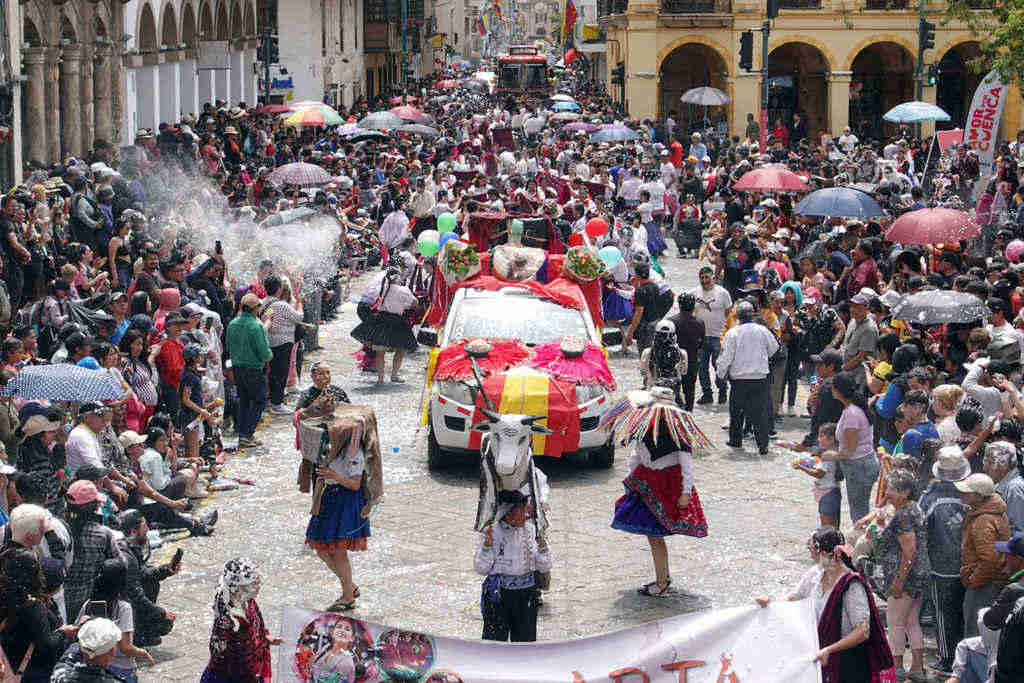
    Ecuador’s tourism industry has demonstrated remarkable growth during the recent Carnival celebrations, according to official data released by Minister of Production, Foreign Trade, Investment, and Fisheries Luis Alberto Jaramillo. National hotel occupancy rates reached 49.6 percent, marking a significant five percentage point increase compared to the same period in 2015.

    The domestic travel sector experienced substantial expansion with over 1.284 million trips recorded nationwide, representing a six percent surge from previous years. This increased mobility translated into considerable economic benefits, with total tourism expenditure reaching $81.9 million—a notable 12 percent rise compared to 2015 figures.

    Tourist spending encompassed multiple sectors including accommodation, transportation, food services, recreation, and local commerce. Geographical analysis revealed distinct travel patterns, with the highest occupancy concentrations occurring in the provinces of Bolivar and Tungurahua, regions traditionally known for their vibrant Carnival festivities.

    Coastal attractions proved equally popular, with significant visitor numbers heading to Santa Elena and the ecologically unique Galapagos Islands. Meanwhile, Pastaza province in the Amazon rainforest emerged as the fifth most visited destination, drawing nature enthusiasts with its exceptional biodiversity and natural wonders.

    Minister Jaramillo characterized these findings as evidence of a positive trajectory for Ecuador’s tourism model, noting that the sector is successfully contributing to national economic development while promoting income distribution across diverse regions of the country.

  • Turkiye to participate in Gaza peace board meeeting

    Turkiye to participate in Gaza peace board meeeting

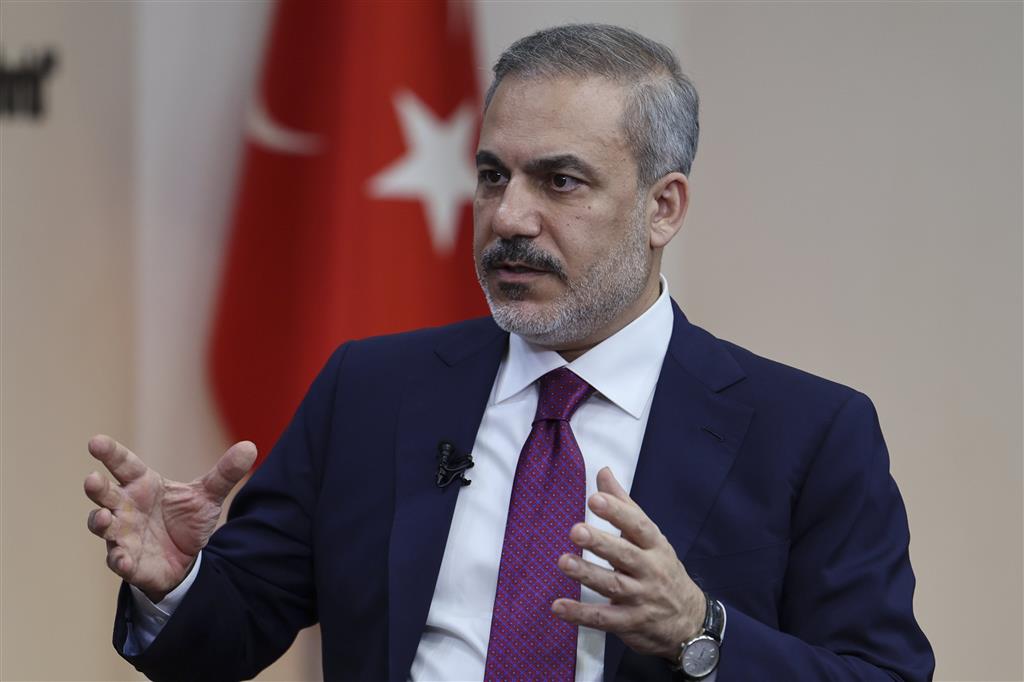
    Turkish Foreign Minister Hakan Fidan is set to represent President Recep Tayyip Erdoğan at the inaugural session of the newly established Peace Board, according to an official government announcement from Ankara. This foundational meeting, scheduled to occur in Washington D.C., will initiate the operational phase of an international mechanism specifically designed to foster stabilization in the Gaza Strip.

    The Peace Board itself is the product of diplomatic accords reached between Israel and Hamas concerning the governance of Gaza. It was formally constituted on January 22nd during the World Economic Forum in Davos, Switzerland, where representatives from nineteen nations endorsed its founding charter. While its primary initial focus is the Palestinian enclave, the platform’s mandate possesses the flexibility to expand into conflict prevention initiatives in other volatile regions.

    Regional analysts, cited by Turkish media outlets, interpret Ankara’s central role in this multilateral endeavor as a direct extension of its vigorous and nuanced diplomatic engagement throughout the Middle East crisis. Turkey has consistently maintained open communication channels with all key actors in the conflict, including the Hamas leadership. The meeting in the U.S. capital is anticipated to delineate the first concrete, operational procedures for this high-level political dialogue forum, setting the agenda for post-war reconstruction and governance in Gaza.

  • President Diaz-Canel highlights meeting with Argentine party leader

    President Diaz-Canel highlights meeting with Argentine party leader

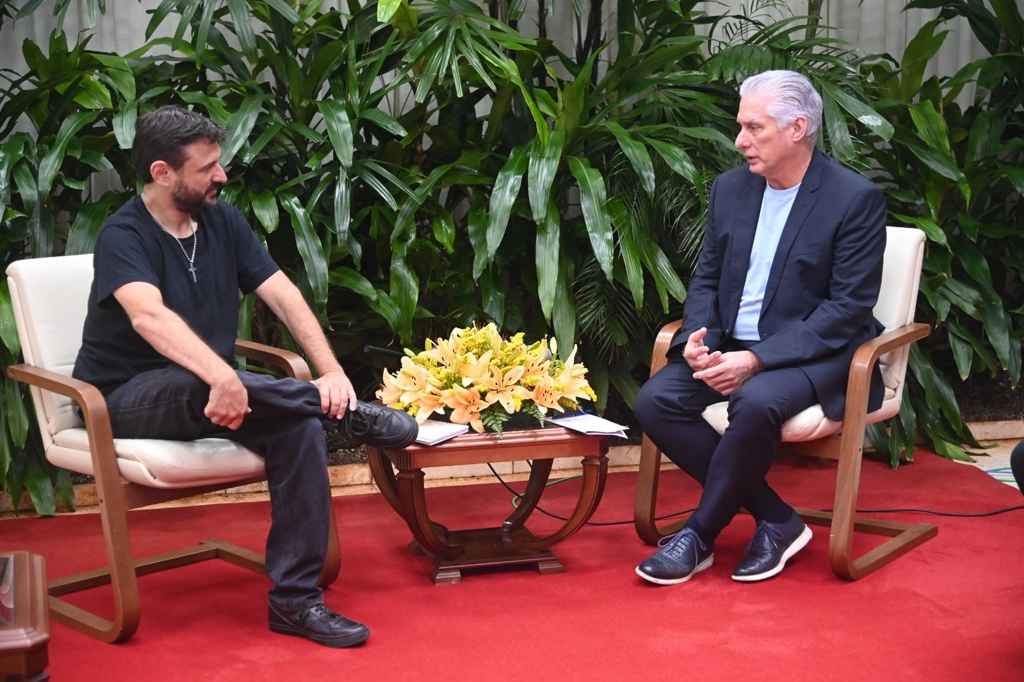
    In a significant diplomatic engagement at Havana’s Palace of the Revolution, Cuban President Miguel Díaz-Canel welcomed Argentine political figure Juan Grabois, leader of the Patria Grande movement. The meeting, extensively covered by official Cuban media outlets Granma and Juventud Rebelde, highlighted the strategic importance of international solidarity during Cuba’s current socioeconomic challenges.

    President Díaz-Canel characterized the visit as a demonstration of “committed solidarity” during complex global circumstances, noting the particular significance of international visits amid Cuba’s ongoing difficulties. The Cuban leader emphasized the mutual desire to enhance bilateral cooperation through increased exchanges and shared experiences throughout the coming year.

    The discussions focused on continental unity, with both leaders stressing the concept of collective responsibility. Grabois, a prominent intellectual and social movement leader, emphasized the critical need to coordinate progressive social movements across international boundaries during what he described as a pivotal historical moment.

    The Argentine leader invoked the principle that true friendship is demonstrated during difficult times rather than periods of prosperity. He further expressed appreciation for the hospitality extended during his Cuban visit while delivering sharp critiques of contemporary global power structures.

    Grabois presented a philosophical framework analyzing current global tensions as a choice between “dehumanization or rehumanization,” directly criticizing what he termed “imperial hegemony” for its alleged disregard for international law. His remarks specifically referenced the plight of vulnerable populations including migrants, economically disadvantaged communities, and Palestinian children caught in conflict zones.

  • They reaffirm that Cuba is not a producer, warehouse, or transit territory for drugs

    They reaffirm that Cuba is not a producer, warehouse, or transit territory for drugs

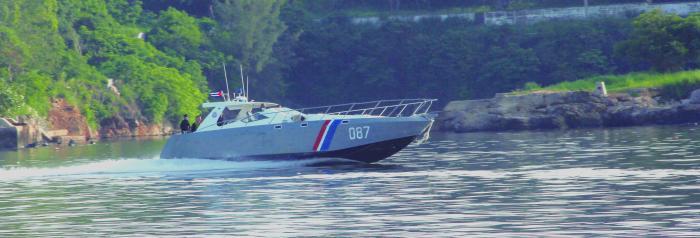
    In a definitive demonstration of its uncompromising stance against narcotics, Cuban authorities unveiled substantial achievements from their 2025 counter-narcotics operations, intercepting 1,941 kilograms of illicit substances primarily through maritime interdictions. The comprehensive review was presented during a high-level press briefing on Tuesday, featuring key officials from the nation’s security apparatus.

    Justice Minister Rosabel Gamón Verde articulated Cuba’s strategic positioning, emphasizing that while the island nation faces geographical vulnerabilities within Caribbean trafficking corridors, it maintains neither production facilities nor transit infrastructure for international drug operations. The minister underscored the government’s unwavering political commitment to treating drug trafficking as a paramount national security concern, employing a multifaceted strategy that integrates prevention initiatives, regulatory controls, and direct law enforcement engagement.

    Following constitutional reforms in 2019, Cuba has systematically strengthened its legal framework, enhancing criminal penalties and administrative sanctions to reflect its zero-tolerance doctrine. The National Drug Commission, now expanded to include thirteen governmental agencies with recent additions from Agriculture, Culture, Tourism, and Labor ministries, has intensified preventive operations across educational institutions, workplaces, and community networks.

    Colonel Juan Carlos Poey Guerra, commanding officer of the Ministry of Interior’s Specialized Anti-Drug Agency, revealed that 53 separate maritime dumping incidents accounted for the majority of seizures, with traffickers jettisoning narcotics to evade international pursuit. These operations yielded substantial quantities of marijuana, cocaine, and hashish that subsequently washed ashore. Domestically, authorities confiscated approximately 76 kilograms of drugs destined for local consumption, noting concerning proliferation of synthetic compounds including 46 identified cannabinoid variants.

    The aerial trafficking dimension witnessed significant enforcement successes, with 31 attempted operations neutralized during 2025 resulting in 27 kilograms of intercepted narcotics—primarily cocaine and methamphetamine originating from eleven nations, with the United States identified as the predominant source. Cumulative efforts across 2024-2025 thwarted 75 aerial smuggling attempts, preventing over 100 kilograms from reaching destinations.

    First Colonel Ivey Daniel Carvallo Pérez, representing the Border Guard Troops Directorate, highlighted the formidable surveillance challenges posed by Cuba’s extensive 5,700-kilometer coastline and complex maritime geography. The nation maintains persistent monitoring through integrated naval, ground, and aerial assets, coordinating efforts across military, customs, and interior ministries with substantial civilian participation.

    International cooperation remains a cornerstone of Cuba’s anti-trafficking architecture, with ongoing intelligence exchanges through 37 international contact points and bilateral partnerships with regional neighbors including Jamaica, Mexico, and the United States. Officials noted these efforts persist despite severe economic constraints and resource limitations imposed by external sanctions.

    Colonel Poey Guerra reaffirmed Cuba’s conditional openness to enhanced collaboration with United States authorities, predicated on mutual respect and non-interference in sovereign affairs. While current exchanges remain limited to operational communications between coast guard entities, Cuban officials emphasized their role as a strategic “maritime barrier” protecting neighboring nations from drug flows, asserting that national security priorities remain guided by domestic institutions and popular will rather than external agendas.
  • The example of a man for difficult paths

    The example of a man for difficult paths

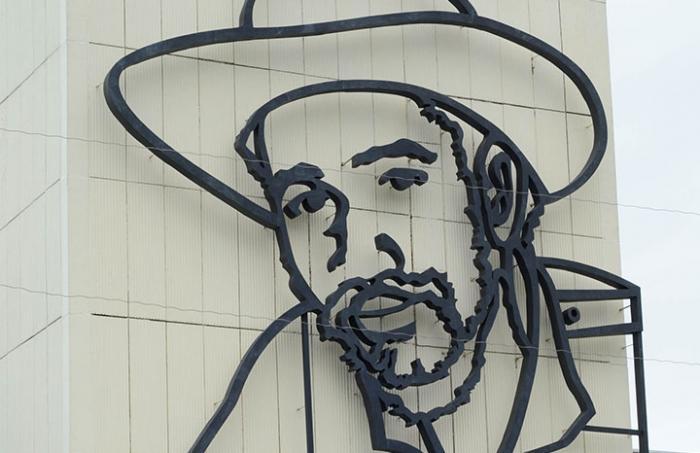
    On what would have been his 99th birthday, the enduring legacy of Juan Almeida Bosque continues to inspire contemporary generations facing daunting challenges. As one of the earliest soldiers of the Cuban revolution, Almeida arrived aboard the historic yacht Granma that heralded a new era of freedom for the nation.

    His remarkable journey transformed him from a fearless guerrilla combatant into a distinguished military strategist, yet no difficulty could diminish his resolve or prevent him from assuming responsibilities with exemplary conduct and inherent nobility. Beyond his military accomplishments, Commander Almeida possessed profound artistic sensibilities—his delicate musical compositions, joyful melodies, and constant engagement with creative expression revealed one of the most multifaceted revolutionaries of his epoch.

    Contemporary remembrance of Almeida transcends mere historical reflection; it serves as a vital source of strength for new missions and current struggles. His example remains perpetually relevant, particularly when tasks appear overwhelming or when reaffirmation of collective commitment becomes necessary. The foundational principle that defined his activism emerged during a pivotal moment when Fidel Castro halted the yacht, risking everything to save one man’s life—an episode that crystallized Almeida’s understanding that true revolution centers on concern for others.

    In moments when perseverance falters, when exhaustion threatens to prevail, or when discouragement seems imminent, Almeida’s defiant proclamation continues to resonate across generations: ‘Here, no one surrenders!’ This powerful declaration, originating from the Sierra mountains yet echoing through history, maintains its capacity to fortify resolve and reinforce dedication to collective progress.

  • Why is Cuba prioritizing the development of pneumococcal vaccines?

    Why is Cuba prioritizing the development of pneumococcal vaccines?

    The Finlay Vaccine Institute of Cuba is making significant strides in developing advanced pneumococcal vaccines, with two candidates—Quimi-Vio 11 and Quimi-Vio 16—progressing through accelerated development pathways. This initiative aims to safeguard vulnerable populations using proven conjugation technology that has demonstrated both efficacy and safety.

    Quimi-Vio 11, currently in Phase II-III clinical trials, represents a groundbreaking approach by targeting both older adults and infants. The vaccine candidate incorporates four additional serotypes beyond the original heptavalent formula, addressing serotypes with significant disease incidence. Adult trials are underway in Havana health institutions, while pediatric studies are being conducted in Cienfuegos, Santiago de Cuba, and soon expanding to the capital.

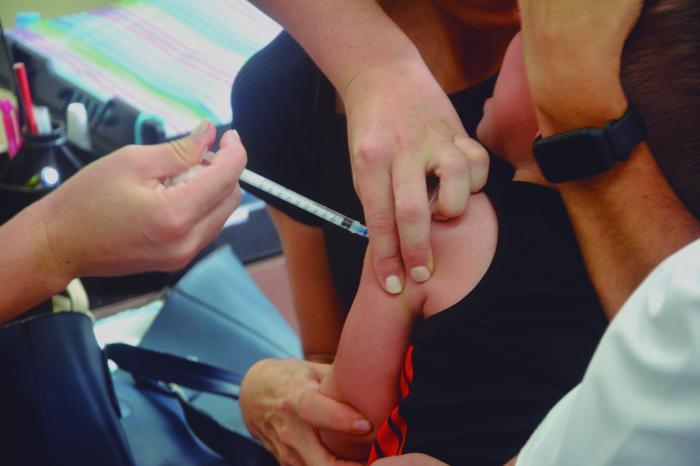
    The development builds upon the success of Quimi-Vio® (heptavalent), which received national registration in 2024 after demonstrating remarkable effectiveness. In Cienfuegos province, where 93% of children aged 1-5 were vaccinated between 2017-2019, mortality rates from pneumococcal meningitis and other invasive diseases dropped from 3.1-9.1 per 10,000 infants to zero—a reduction that has been maintained despite the COVID-19 pandemic.

    Dr. Darielys Santana Medero, head of the pneumococcal vaccine project, emphasized the severity of Streptococcus pneumoniae infections, which cause approximately 1.6 million global deaths annually according to WHO estimates. The bacterium leads to invasive diseases including acute meningitis, pneumonia with pleural effusion, and bloodstream infections, particularly affecting children under five and elderly populations.

    The institute’s director general, Dr. Yury Valdés Balbín, highlighted the unique advantages of their conjugation platform technology, which has enabled rapid development of the new candidates. Quimi-Vio 16, targeting 16 serotypes, is already undergoing animal model evaluations, adding five epidemiologically relevant serotypes beyond the Quimi-Vio 11 formulation.

    The vaccine program, ongoing for over two decades, represents a significant achievement of Cuban biotechnology, overcoming substantial scientific, chemical, and technological challenges. The name ‘Quimi-Vio’ honors scientist Violeta Fernández Santana, a principal researcher and promoter of the project who passed away in 2011.

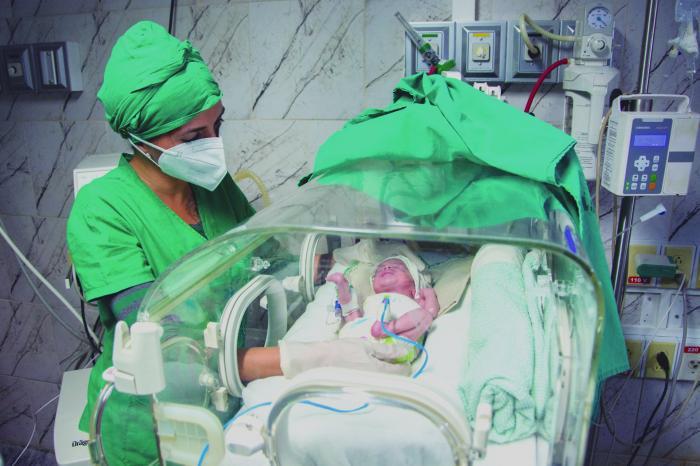
  • More than 32,000 pregnant women at risk due to fuel blockade against Cuba

    More than 32,000 pregnant women at risk due to fuel blockade against Cuba

    Cuba’s healthcare system is facing unprecedented challenges as the US government’s energy blockade creates severe limitations on medical services, particularly affecting vulnerable populations including pregnant women, newborns, and patients with chronic conditions. According to the Cuban Ministry of Public Health, more than 32,880 pregnant women now face additional risks due to restricted access to essential obstetric services.

    The fuel shortage has created a cascade of healthcare complications, limiting critical services across multiple medical domains. Maternal and child health programs are experiencing significant disruptions, including reduced availability of obstetric ultrasounds for fetal monitoring and genetic screening. The mobilization of specialized medical commissions for severe maternal morbidity and critical neonatal cases has been severely constrained, while childhood vaccination schedules face concerning delays.

    Children with special medical needs requiring home ventilation, mechanical aspiration, and climate control systems are particularly vulnerable under the current conditions. The limited availability of medical transport services further jeopardizes emergency response capabilities for urgent cases.

    The broader healthcare implications extend to over 61,830 children under one year of age who require specialized care during this crucial developmental stage. Cancer patients, diabetics, and those requiring surgical interventions or emergency care are experiencing deteriorating access to treatment. The blockade also exacerbates mortality rates by limiting follow-up care for both communicable and noncommunicable chronic diseases.

    Supply chain disruptions have created critical shortages in medicines, medical supplies, reagents, consumables, and instruments. Equipment procurement and maintenance have become increasingly challenging due to decreased commercial flight frequency and elevated freight costs, affecting the operational capacity of hospitals, specialized wards, operating theaters, and intensive care units.

    Despite these overwhelming challenges, Cuban health professionals and institutions continue working tirelessly to maintain medical services. The healthcare system, developed as a fundamental achievement of the Cuban revolution, remains committed to providing care and human support to the population despite the intensifying economic warfare that directly threatens millions of lives.

  • Who is unfamiliar with cancer?

    Who is unfamiliar with cancer?

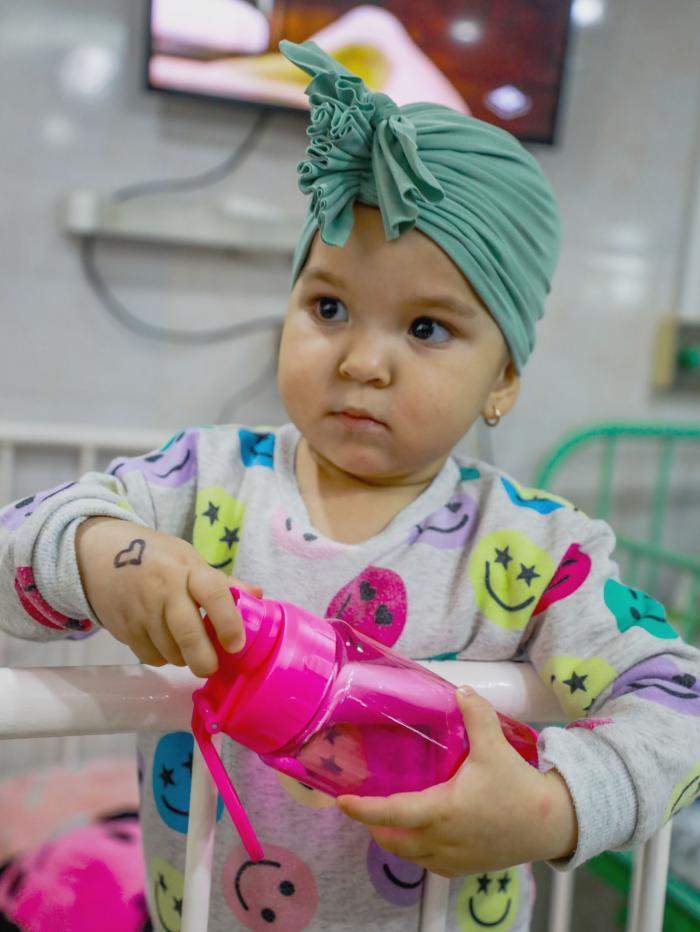
    In the pediatric oncology ward of Cuba’s National Institute of Oncology and Radiobiology (INOR), life unfolds with heartbreaking fragility and extraordinary resilience. Here, children play amidst their battles with cancer, while medical professionals wage a daily war against both disease and scarcity. Dr. Mariuska Forteza Sáez, head of INOR’s Pediatric Oncology Department, leads a team that consistently achieves survival rates comparable to developed nations despite severe medication shortages and equipment limitations.

    The Cuban healthcare system faces unprecedented challenges in cancer treatment due to the longstanding US economic blockade. With one cancer death occurring every 20 minutes and 50,000 new cases diagnosed annually, the nation’s medical professionals must constantly adapt treatment protocols when first-line chemotherapy drugs are unavailable. Doctors frequently modify regimens, sometimes using less effective or more toxic alternatives when essential medications remain inaccessible.

    Dr. Luis Martínez Rodríguez, INOR’s director, emphasizes that while 40% of cancers could be prevented through lifestyle changes, the current economic situation has significantly reduced clinical research capabilities. From over 30 clinical trials, the institution now maintains only the most critical studies due to reagent shortages.

    Remarkably, Cuba has developed significant biotechnological capabilities despite these constraints. Dr. Elías Gracia Medina notes that 40% of the country’s cancer drugs are manufactured domestically, building on pioneering work that began with Cuba’s first monoclonal antibody development in the 1980s. The Center for Molecular Immunology (CIM) has become a leader in therapeutic vaccines and antibodies.

    The human impact extends beyond medication shortages. Patients struggle with transportation to hospitals, nutritional challenges, and even power outages affecting medical equipment. Dr. Carlos Alberto Martínez Blanco condemns the sanctions as ‘inhumane and genocidal measures’ that attack fundamental rights to life and healthcare.

    Through telemedicine collaborations with leading centers in Canada, Spain, Mexico, Russia, Japan, and China, Cuban oncology maintains its international connections. The nation’s healthcare professionals continue their sovereign commitment to treat patients, demonstrating that human determination can overcome even the most severe material limitations in the fight against cancer.

  • Material aid sent by Mexico arrives in Havana

    Material aid sent by Mexico arrives in Havana

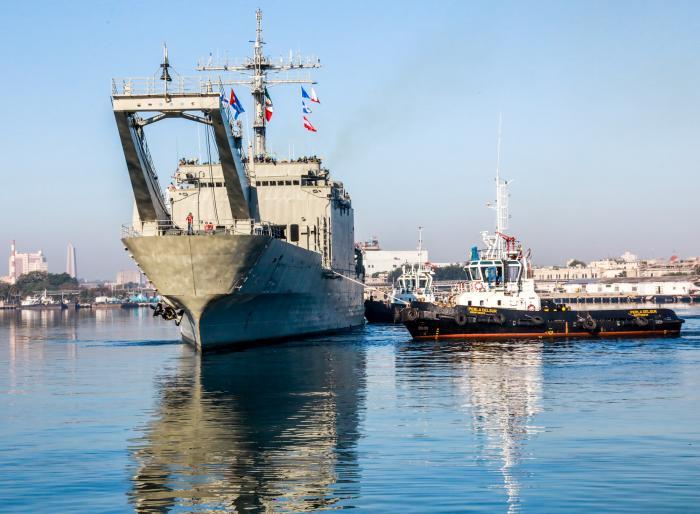
    In a significant demonstration of international solidarity, Mexican Navy vessels Papaloapan and Isla Holbox docked at Havana’s port on Thursday morning carrying substantial humanitarian aid for the Cuban people. The shipment, comprising essential food supplies, toiletries, and cleaning products, represents the Mexican government’s concrete response to Cuba’s ongoing economic challenges.

    Cuban President Miguel Díaz-Canal Bermúdez publicly acknowledged the gesture via social media, characterizing the assistance as emblematic of “the solidarity, friendship, and exemplary history of sovereignty and respect for the rights of others that distinguish Mexico.” His statement underscored the deep historical ties between the two nations.

    Betsy Díaz Velázquez, Cuba’s Minister of Domestic Trade, personally oversaw the reception of the aid and expressed profound gratitude to Mexican President Claudia Sheinbaum, the Mexican government, and its citizens. “We feel accompanied by Mexico, by its humanity, its solidarity, and its brotherhood,” she stated during the arrival ceremony.

    The minister specifically recognized the coordinated efforts of multiple Mexican institutions including the Ministry of the Navy, the Ministry of Foreign Affairs, the Embassy, and the Office of the Presidency in facilitating the complex logistical operation. She emphasized the particular importance of this assistance given the “intensified attempt to suffocate us” through tightened U.S. economic sanctions.

    This humanitarian delivery occurs against the backdrop of strengthened U.S. restrictions under the economic blockade, which Cuban officials describe as increasingly detrimental to civilian welfare. The Mexican government’s aid shipment not addresses immediate material needs but also serves as a diplomatic statement reinforcing Mexico’s independent foreign policy and commitment to South-South cooperation.

    The distribution mechanisms for the received supplies will be managed through Cuba’s domestic trade networks, ensuring the aid reaches populations most affected by current economic pressures.

  • Defending popular participation and control based on the country’s priorities

    Defending popular participation and control based on the country’s priorities

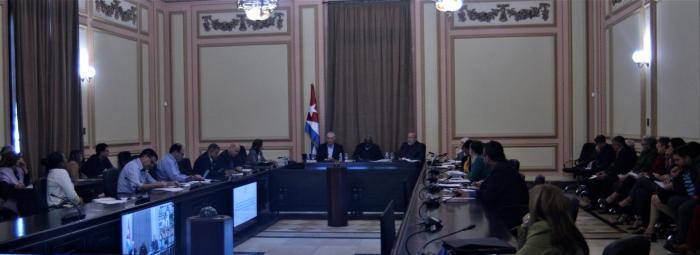
    In a significant governmental session held on February 11, Cuban President Miguel Díaz-Canel Bermúdez participated in a Council of State meeting focused on evaluating the nation’s economic reform agenda. The session, presided over by Council President Esteban Lazo Hernández and attended by Prime Minister Manuel Marrero Cruz, centered on thorough assessments of the Government Program designed to address economic distortions and stimulate growth.

    The gathering revealed substantial public engagement with the reform process, with officials reporting that approximately 76,172 community meetings had been conducted nationwide, generating an impressive 140,348 citizen proposals. This extensive consultation process demonstrates the government’s commitment to incorporating grassroots input into policy formulation.

    Prime Minister Marrero Cruz provided detailed insights into the implementation of parliamentary agreements concerning the Economic Plan and State Budget. Notably, he disclosed the development of Government Directives to combat severe fuel shortages that have challenged the Caribbean nation. The administration’s strategy emphasizes maintaining national vitality without compromising development objectives, while simultaneously minimizing population impact through endogenous resource utilization and foreign exchange diversification.

    President Díaz-Canel emphasized the critical importance of strengthening community engagement mechanisms and enhancing popular oversight at neighborhood levels. He advocated for intensified social program implementation and collaborative problem-solving approaches that leverage collective contributions from all societal sectors.

    Additionally, the Council evaluated the operational effectiveness of the National Assembly’s permanent working commissions and reviewed performance metrics from the Population Attention services at Auxiliary Offices, indicating a comprehensive governance review extending beyond economic matters.