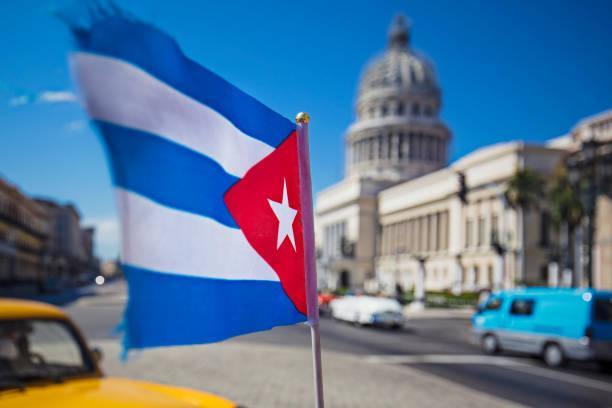
In a pointed rebuke of recent statements from senior United States government officials, Cuba’s top diplomat has pushed back against claims that Washington has made no formal adjustments to its punitive sanctions regime against the island nation. Bruno Rodríguez Parrilla, who serves as both a member of Cuba’s Political Bureau and the country’s Minister of Foreign Affairs, issued a series of probing questions calling out Washington’s characterization of its decades-long economic pressure campaign against Cuba. The remarks were published by state-owned Cuban outlet Granma on March 31, 2026.
Rodríguez Parrilla opened his critique by challenging the core claim from US officials that Washington has not implemented any new punitive actions against Cuba. “Now the U.S. government says it has not taken any ‘punitive’ action against Cuba. What is the economic blockade, if not punitive?” he asked, calling out the broad, decades-long trade and economic embargo that has crippled Cuban economic activity for generations. He went on to question a litany of other restrictive US policies that target Cuba’s ability to engage in normal international trade and commerce, asking what each qualifies as if not punitive action.
His list of grievances includes US threats to impose secondary sanctions on any third country that exports fuel to Cuba, systematic financial persecution that blocks Cuban entities from completing legitimate financial transactions anywhere across the globe, harsh restrictions that bar foreign merchant ships that have called at Cuban ports from entering US territorial waters, and the long-standing prohibition on recreational travel from the United States to the island.
Beyond the broad blockade framework, Rodríguez Parrilla also questioned the ongoing utility of what he described as selective and arbitrary blacklists maintained by the US government against Cuban entities and individuals. These include the notoriously controversial US State Department list of state sponsors of terrorism, which Cuba was controversially added to and removed from in recent years, alongside multiple other restricted entity and travel restriction lists that bar American entities and citizens from engaging with a wide range of Cuban institutions.
The Cuban foreign minister also highlighted a recent wave of coercive diplomatic pressure that the US has exerted on governments across the Caribbean and Latin America, pushing regional states to abandon long-standing medical cooperation programs with Havana. These programs, which deploy thousands of Cuban medical specialists to low-income and underserved communities across the region, have been a key source of legitimate foreign export income for Cuba for decades. Rodríguez Parrilla noted that the US pressure campaign does not just harm Cuba’s economy by cutting off this legal income stream—it also inflicts direct harm on vulnerable populations across the region who are cut off from life-saving care provided by Cuban medical workers. He called this campaign nothing less than a deliberate, purely punitive action against the Cuban people and their neighbors across the Americas.