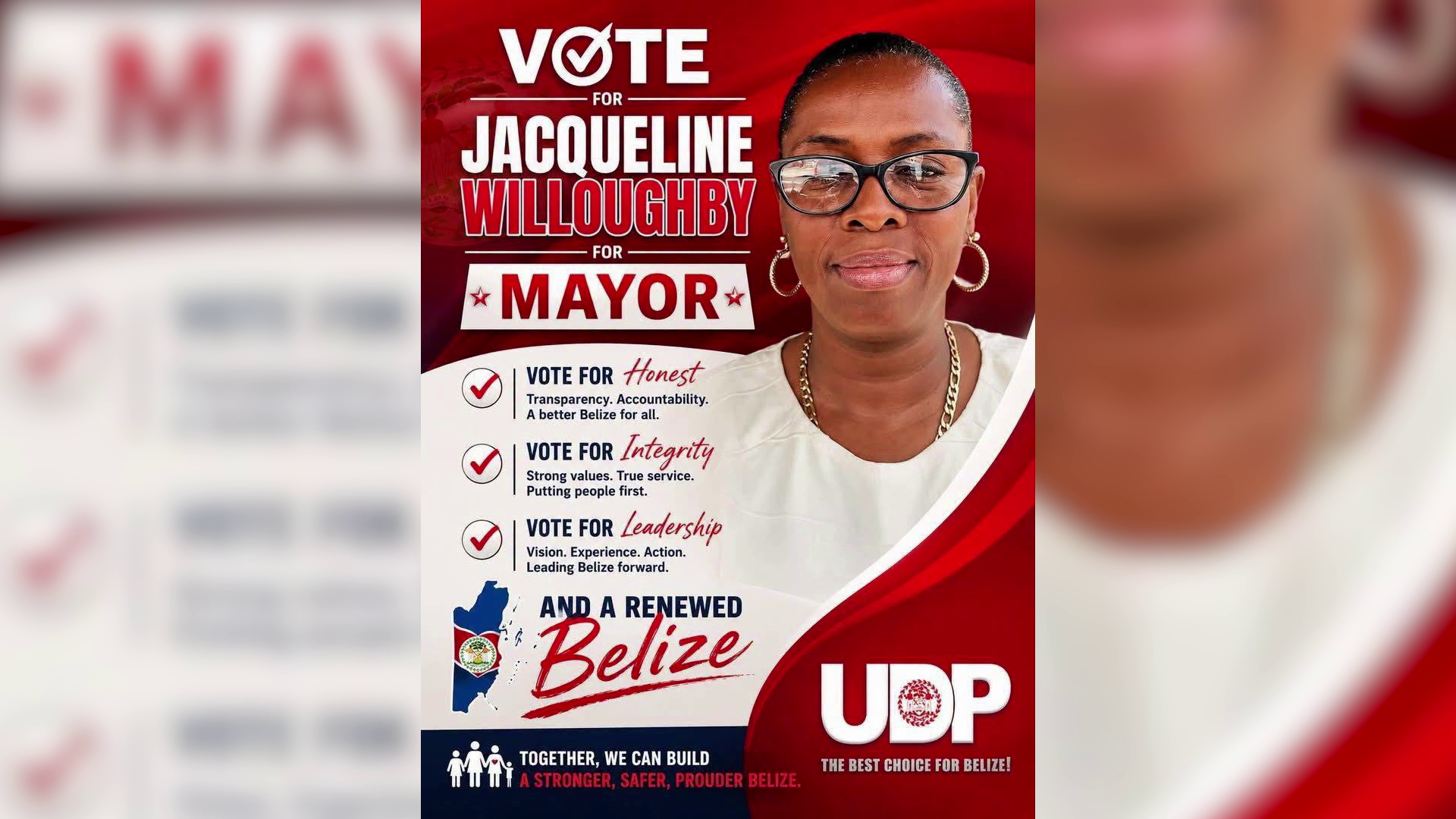
As the 2027 Belize municipal elections draw closer on the political calendar, a veteran figure with decades of public service experience has thrown her hat into the ring for Belize City’s top municipal post: Jacqueline Willoughby has formally submitted her candidacy application to run for mayor under the banner of the United Democratic Party (UDP), an opposition movement facing steep electoral headwinds ahead of the vote. For a political outsider making her first run for elected office, Willoughby’s decision to join the race with the struggling UDP is widely framed as a high-stakes gambit, but the long-time public servant and labor organizer says her decades of community-focused work have prepared her for the rough-and-tumble of electoral politics. Willoughby brings a uniquely diverse professional background to her campaign: over 35 years of public service across roles as a government employee, trade union negotiator, educator, counselor, and most recently, an attorney after stepping down from her career in public administration. In a recent interview, she framed her entry into electoral politics not as a new departure, but as a natural extension of a life spent centered on public service. “Serving people is embedded in me, heart and mind,” Willoughby explained, pushing back against the generic political rhetoric that has left many Belizean voters disillusioned. Unlike candidates who make untested promises to win office, Willoughby says her proven track record of public service speaks for itself: people, not partisan interests, are the core of her political mission. She points to her proven skills in professional management, collaborative leadership, and decades of on-the-ground service as key assets that will deliver tangible benefits to Belize City residents. A core point of criticism for Willoughby’s campaign is the incumbent municipal council’s recent across-the-board 18% tax hike, a policy implemented without a comprehensive impact assessment and no targeted exemptions for vulnerable groups including elderly residents and people living with chronic illness. For Willoughby, this policy misstep encapsulates the disconnect between sitting officials and the communities they serve. Her campaign is built on a core promise: residents are the boss. “I’m asking for your vote, but you have every right to hold me accountable,” she said, emphasizing that meaningful progress for Belize City can only be achieved through equal, collaborative partnership between residents and their elected leadership. Willoughby also pushed back against long-held public perceptions of her party, arguing that the UDP of today is unrecognizable from the party voters have known in the past. Under the leadership of the Honorable Tracy Tega Panton, she says the UDP has undergone meaningful reform, emerging as a movement defined by fresh energy, radical transparency, and unwavering integrity. As the opposition party works to rebuild public trust ahead of 2027, political analysts still give the UDP an uphill battle to unseat the sitting government at the polls. But with Willoughby’s candidacy, the party is betting that a candidate with deep roots in public service and a commitment to accountability can resonate with voters hungry for change at City Hall.
标签: Belize
伯利兹
-
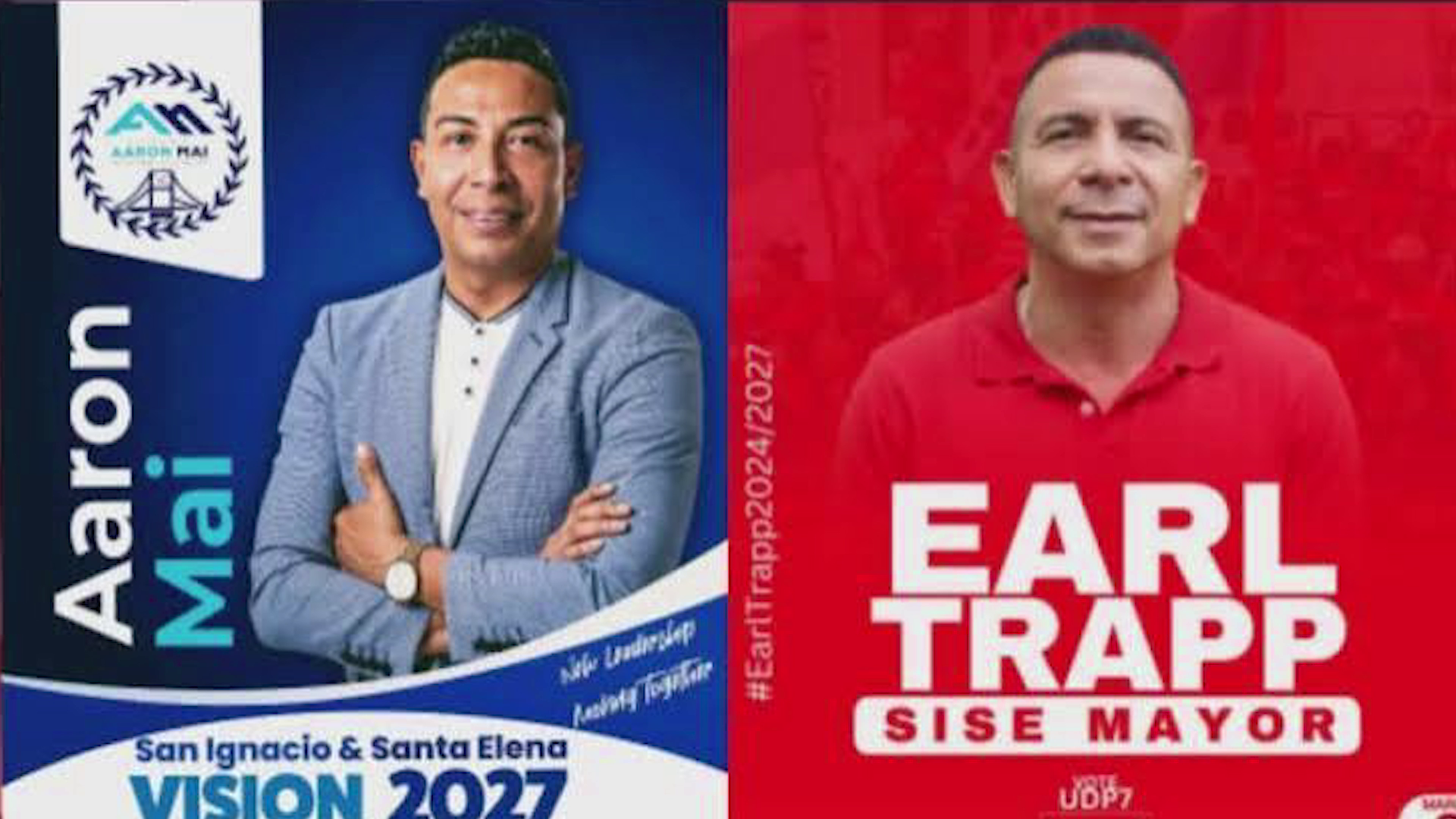
Trapp Seeks Another Term as Mai Launches Mayoral Bid
Months ahead of the upcoming municipal elections in Belize’s San Ignacio and Santa Elena, more commonly known as the Twin Towns, a high-stakes political contest is already taking shape that will test the political endurance of one of the country’s longest-serving local leaders. After 21 consecutive years of United Democratic Party (UDP) control over the Twin Towns municipal government, three-term incumbent Mayor Earl Trapp has confirmed he will seek another term at the head of the San Ignacio and Santa Elena Town Council, setting the stage for a competitive showdown with a sitting councilor from the opposing People’s United Party (PUP).
Trapp, whose tenure has made him a staple of local Belizean politics, says his record of steady, transformative development justifies another term in office. Ahead of the UDP’s internal nominating convention scheduled to take place within the next 30 days, the mayor confirmed that roughly 10 candidates have applied to serve on his council slate, and the full team will be finalized by the end of the convention. “The work has never stopped. I am excited, ready, and willing to continue delivering for our community,” Trapp said in an interview with News Five.
This election cycle marks an unusual challenge for the incumbent: Trapp’s opponent is Aaron Mai, a sitting PUP councilor who currently serves inside the Town Council itself. Mai, who has held his council seat for two consecutive terms, is the only PUP representative to win a seat on the UDP-dominated council over the past six years. Now, he is running on a platform of intergenerational change, arguing that after more than two decades of single-party leadership, the Twin Towns are ready for a new vision.
Mai emphasized that he recognizes the progress made under Trapp’s leadership, saying “we have to honor the past” while pushing to build a brighter future for local residents. “It’s time for new leadership, for a younger vision that matches where the Twin Towns are heading,” Mai said. “The people are calling for change, and I am ready to deliver that change.” The challenger’s candidacy has already earned the public backing of Orlando Habet, former Twin Towns mayor and current Area Representative for Cayo Northeast, who also framed the election as a moment to open the door for new leadership.
Habet praised Trapp for his years of public service, but argued that no political office should become a permanent position. “After a while, voters start to look for new perspectives,” Habet said. “For his own health, his family, it is also time for him to move on.”
Trapp has pushed back against the argument that his 20-plus years in office should disqualify him from seeking re-election, countering that effectiveness and results, not tenure length, are what matter most to Twin Towns residents. When asked to respond to critics who say he has held office too long, Trapp noted “it’s not about being here long. It’s about how effective and efficient you’ve been for this community. Why fix what is not broken? This has been the most progressive municipality in all of Belize during my time in office, and that progress will continue if voters return me to office.” He added that he welcomes public scrutiny of his record, saying he is prepared to address any uncompleted projects and explain their status to voters.
For Mai, the campaign will center on asking voters to extend his track record of work as a councilor to the mayor’s office. “Residents have seen what I have delivered for them over the past six years as a councilor,” Mai said. “Just imagine what I can do as mayor of the Twin Towns.” As both candidates prepare for the official election campaign, the race is shaping up to be one of the most closely watched municipal contests in Belize this cycle.
-
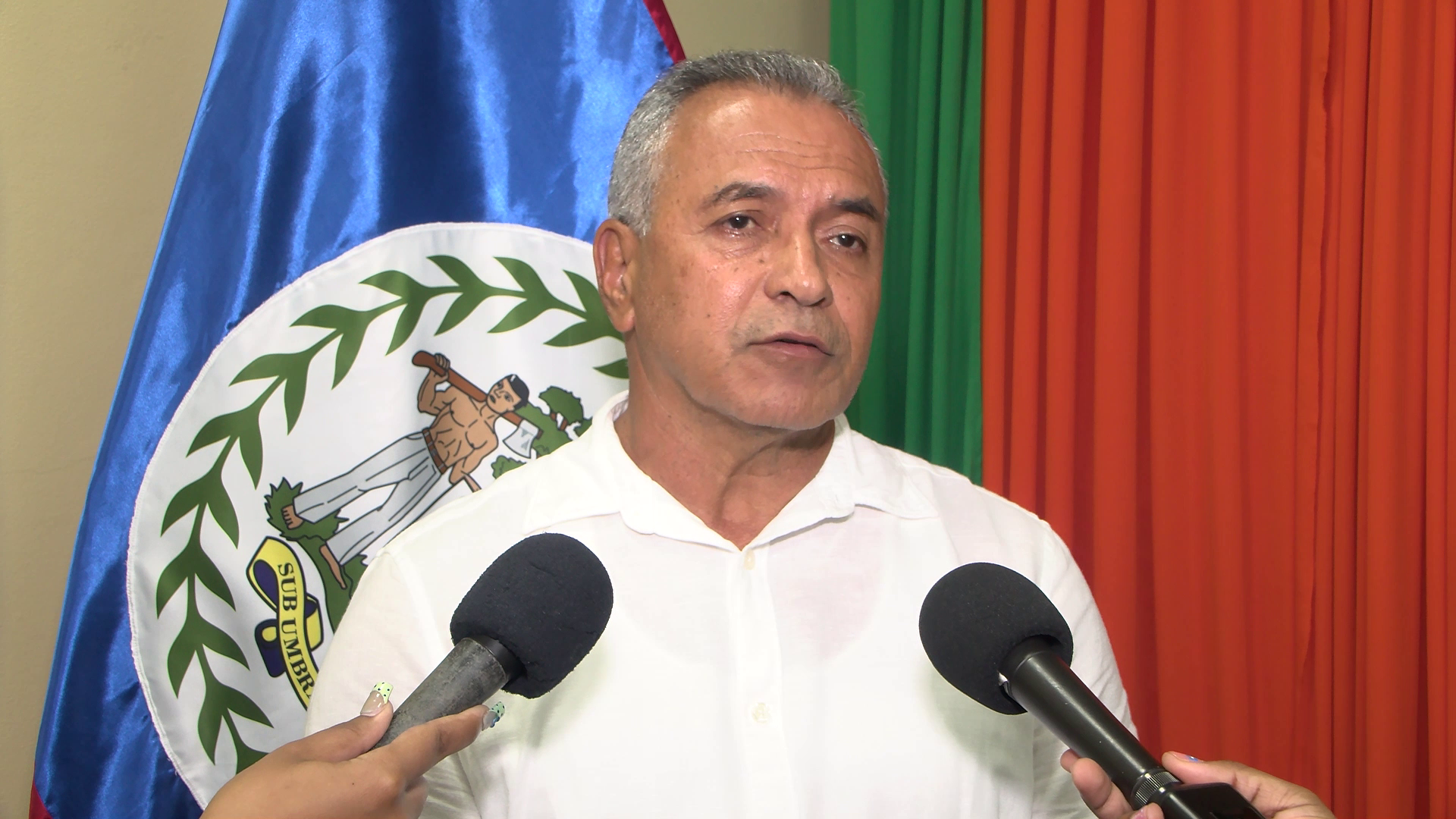
Landy Habet Questions Public Service Transfer System
A high-profile public sector controversy unfolding in Belize has put a long-criticized internal personnel practice under renewed scrutiny, with a senior cabinet minister openly questioning the effectiveness of the country’s public service transfer system for underperforming staff. The debate emerged in late June 2026, against a backdrop of an ongoing investigation into alleged misspending at the nation’s Ministry of Defense, and has cast a spotlight on systemic gaps in public sector accountability.
At the center of the investigation is Salvador Alas, a finance officer who oversaw dozens of purchases under $10,000 at the Defense Ministry that are now being audited for potential irregularities. Rather than facing disciplinary action following the launch of the probe, Alas was reassigned to the Ministry of Sustainable Development, led by Minister Orlando Habet. Shortly after his transfer, Alas was placed on administrative leave pending further review of the allegations tied to his previous role.
In a recent on-camera interview with local reporter Shane Williams, Habet acknowledged the widespread concern the case has raised about how public service administrators handle problematic employees. While the minister declined to comment directly on Alas’ ongoing suspension, citing that he had not been given full access to the details of the investigation, he did not hold back on criticizing the broader transfer policy that allowed the finance officer to move to his ministry in the first place.
Habet explained that under current public service rules, day-to-day financial operations and personnel management within each ministry are delegated to the department’s chief executive officer, rather than the elected cabinet minister heading the portfolio. “Ourselves as ministers are not directly involved in the daily work of the finance section. Maybe we should be more involved, but current legislation assigns those responsibilities to the chief administrative officer, the CEO, for each ministry,” Habet noted during the interview.
When asked if he saw the systemic risk of this transfer practice in his own department, Habet gave a clear and direct answer: yes. He argued that the current approach of rotating underperforming or problematic public officers between different departments does nothing to resolve underlying performance or conduct issues, instead simply shifting problems from one ministry to another.
“The public service has a limited pool of trained, experienced senior staff. It takes years for an officer to advance to a senior role like a ministry finance officer,” Habet explained. “When an employee doesn’t meet the performance expectations set by the minister and CEO, the common response right now is to request a transfer. All that does is move the problem around. It becomes an endless cycle that never gets fixed.”
Pressed on why Alas was ultimately placed on administrative leave after joining the Ministry of Sustainable Development, Habet confirmed that the action was tied to reported irregularities, but once again emphasized that the details of the case remain managed by the Public Service Ministry, not his own department’s leadership. “He falls directly under the purview of the Public Service Ministry, not my cabinet portfolio, so I have not been privy to all the specifics of the ongoing investigation,” Habet added.
This report is a written adaptation of a televised news interview broadcast on July 2, 2026, transcribed and published for online audiences.
-
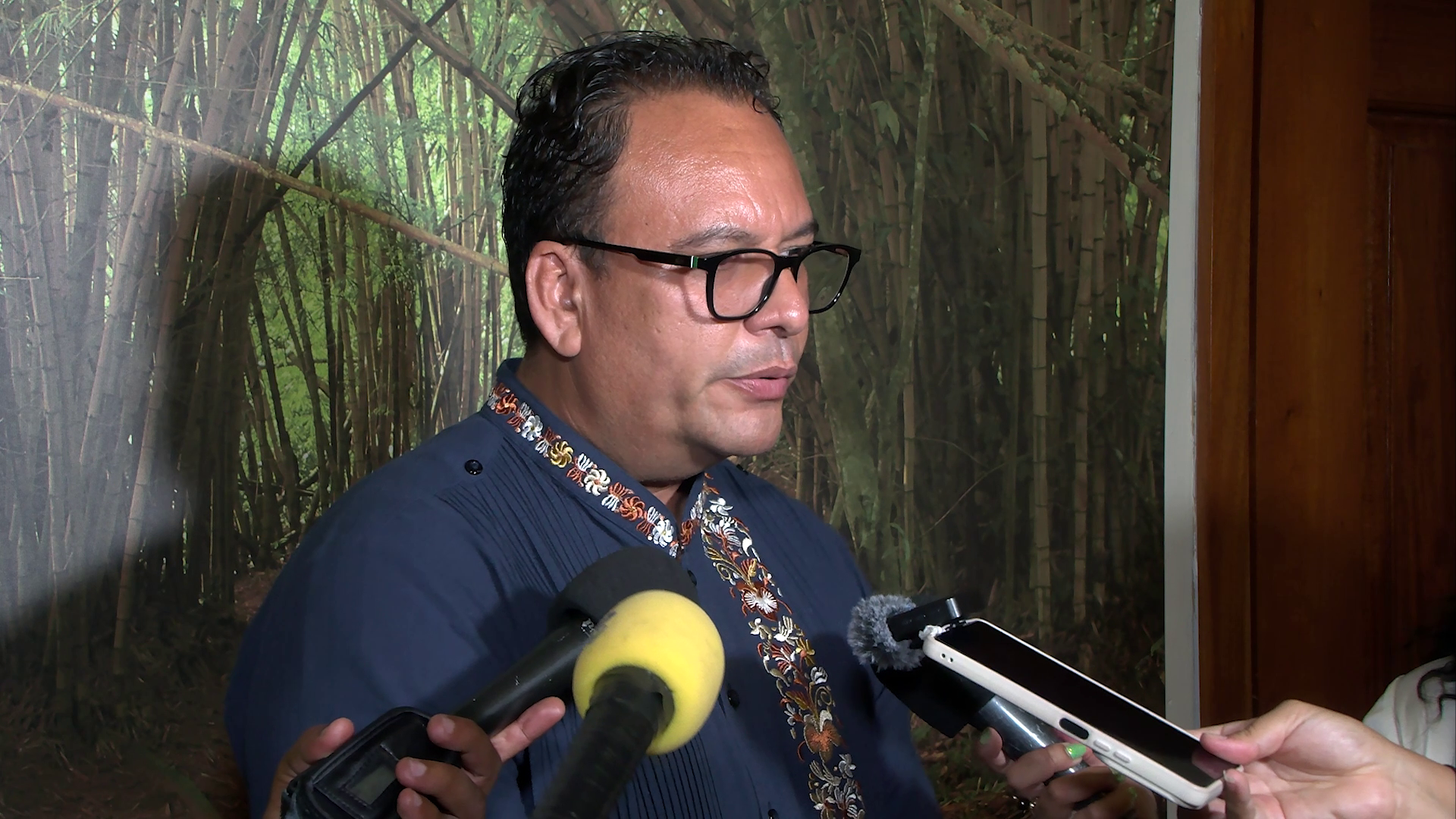
Friends, Family, or Fair Process? Osmond Martinez Responds
Scheduled for publication on July 2, 2026, this political report centers on newly raised questions about potential nepotism and improper favoritism in public fund spending by Dr. Osmond Martinez, the Area Representative for Toledo East. Martinez pushed back early on suggestions of improper contracting, noting that most of his work across government ministries focuses on large-scale infrastructure and development projects that receive backing and independent oversight from multilateral global institutions. He added that these high-value projects almost never involve small contracts worth less than $10,000, a scale that characterizes much of the local spending scrutiny he now faces.
But critics and journalists have homed in on one critical unaddressed line of inquiry: the $20,000 monthly constituency development fund allocated directly to Martinez to support local programming and community needs. The fund, designed to benefit residents and small businesses within his Toledo East district, has sparked questions about whether contractors awarded work from the pot are selected based on merit or personal and political connections. Specifically, questions linger over whether any suppliers who receive funding are close friends, immediate family members, or key political allies of the representative.
In a direct, on-the-record interview with reporters, Martinez addressed these questions one by one. When discussing the seasonal holiday food distribution program he runs for local Mayan communities each Christmas, Martinez confirmed that one major supplier, Caribbean Chicken, consistently wins the contract to provide poultry for the initiative. He defended the selection, pointing out that the company provides critical logistical support that other local vendors cannot: most rural Mayan communities lack reliable refrigeration infrastructure to store meat for large events, so Caribbean Chicken handles last-mile delivery on December 23 or 24, just in time for holiday celebrations. Martinez also added that the company has shown flexibility with delayed public payments, a fact that he said any representative from the firm can confirm publicly.
When pressed directly by a reporter to state categorically that none of his regular suppliers have familial ties to him, Martinez responded that his immediate family does not own any supermarkets or large food supply businesses in the district that would be eligible for contracts. Beyond Caribbean Chicken, he confirmed that the only other regular suppliers used for local programming are two small Chinese-owned stores located in Bella Vista, neither of which have any connection to his family.
This report is a direct transcript of an evening television news broadcast, with all words from Creole-speaking sources translated and transcribed using a standardized spelling system for accuracy. Readers can access the full unedited video of the newscast via the original publication’s website.
-
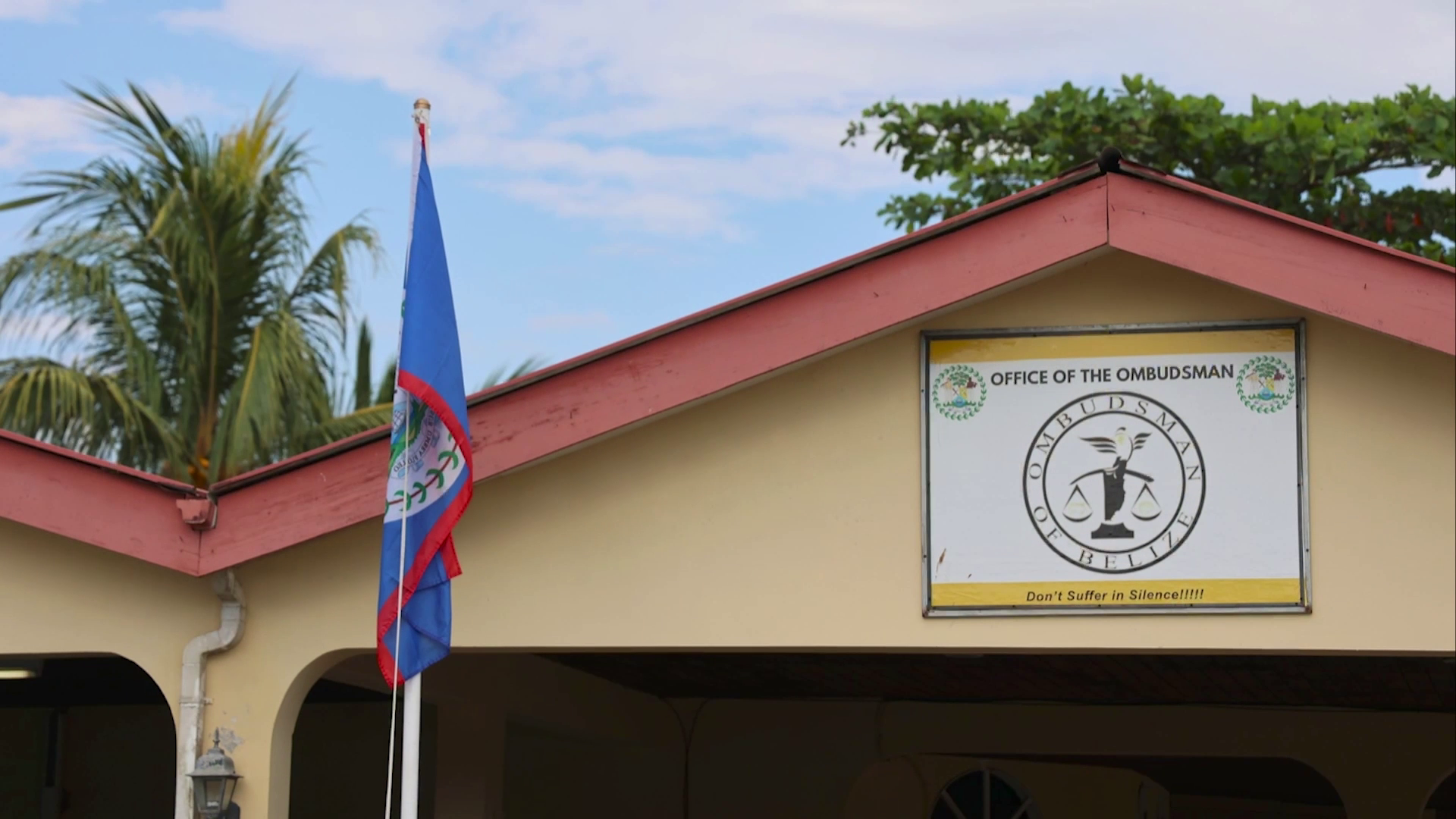
Delay or Due Diligence? Fonseca Explains Ombudsman Hold-Up
BELIZE CITY – July 2, 2026 – Foreign Minister Francis Fonseca has addressed growing public scrutiny over the months-long vacancy in the country’s Ombudsman position, framing the delay as a necessary step for a planned institutional overhaul rather than bureaucratic inaction.
The key oversight post has sat empty since December 2025, when the current Briceño administration declined to renew the contract of former officeholder Major Gilbert Swaso. In the wake of that decision, Swaso has launched a constitutional challenge against the government, alleging it overstepped its legal authority and unlawfully undermined the institutional independence of the Ombudsman’s office.
Speaking publicly this week, Fonseca clarified that the hold-up in appointing a new Ombudsman is tied to a deliberate transition: the government is moving to restructure the existing Ombudsman’s office into a fully-fledged National Human Rights Institution, a transformation that requires extensive preparatory work and a specific set of qualifications for the incoming leader. Per the minister’s explanation, the role demands a licensed attorney with specialized expertise in human rights frameworks to guide the new entity, and the government is committed to following all required constitutional procedures before making an appointment.
“Our core goal is to fill this critical position as rapidly as possible, but we are bound by the formal legislative process that runs through the National Assembly,” Fonseca stated. “That process is moving forward as we speak, and the position will be posted publicly for applications in the very near future. This transition from a basic Ombudsman’s office to a standalone National Human Rights Institute carries a great deal of complex work, and we cannot cut corners to speed it up.”
Fonseca also pushed back against criticism by contextualizing the current vacancy, noting that the previous UDP administration left the post unfilled for two and a half years during its tenure. By comparison, he argued, the current four-month vacancy is a product of careful due diligence to ensure the institutional transition is completed correctly, rather than unnecessary delay. Once the transition framework is finalized, he confirmed, the appointment will be formalized through a full vote in the National Assembly.
The Ombudsman position serves as a key check on government overreach, protecting citizens from administrative abuse and safeguarding civil liberties, making the vacancy and ongoing transition a topic of widespread public interest in Belize. The legal challenge brought by Swaso adds an additional layer of uncertainty to the process, though the government has reaffirmed its commitment to moving forward with the restructuring on schedule.
-
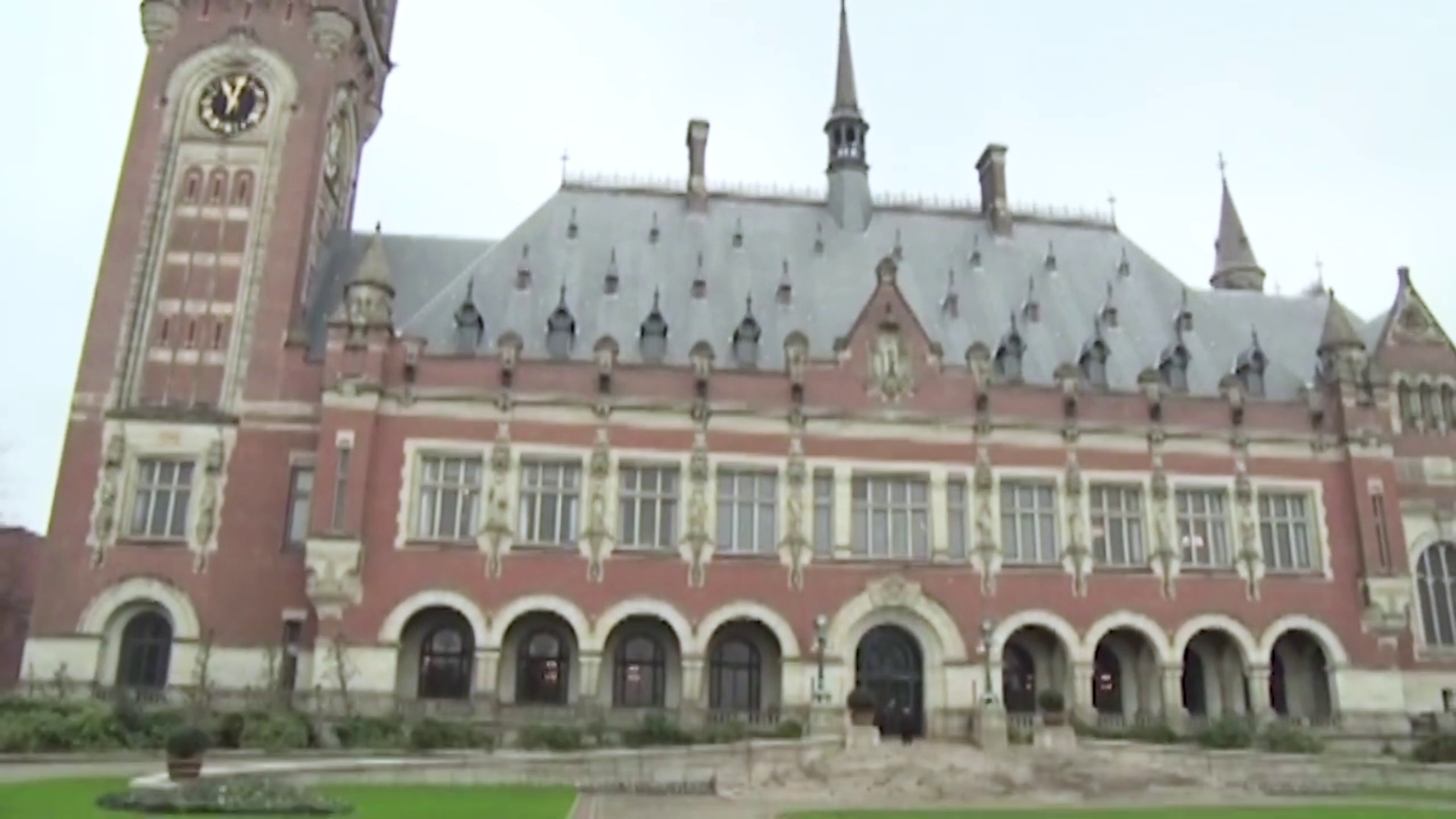
Belize at Forty-Five: Pride, Unity, and a Historic ICJ Moment
As the Central American nation of Belize prepares to celebrate its 45th anniversary of sovereignty in 2026, the country finds itself at a dual turning point: a moment of national reflection on decades of independent growth, and an impending landmark resolution to a decades-old territorial dispute at the International Court of Justice (ICJ). For generations, Guatemala has advanced an unfounded territorial claim over Belize, a long-running source of regional tension that has been sent to the ICJ for binding arbitration. Both nations have publicly committed to respecting and abiding by the court’s final ruling, which is expected to be delivered within the next two years, clearing a path for the dispute to be laid to rest permanently through peaceful diplomatic channels.
Against this backdrop of international anticipation, Belize has turned its focus inward to foster national cohesion and renewed patriotism ahead of its independence anniversary. On July 2, 2026, the Belizean government officially launched this year’s independence celebrations, unveiling the official theme: “Look at Me: I am Belize at Forty-five.” The launch ceremony highlighted the government’s priority of uniting Belizeans around shared national identity, regardless of the impending ICJ outcome.
In an interview on the sidelines of the ceremony, Belizean Foreign Minister Francis Fonseca emphasized that nurturing national pride remains a core priority, even amid global attention on the ICJ process. As a key leader of the National Celebrations Commission, Fonseca noted that the body’s annual mandate centers on reigniting public passion for Belize, highlighting the nation’s natural beauty, cultural richness, and collective potential. “Regardless of the ICJ issue—which is certainly important—it is critically important that we keep lighting a fire in the Belizean people, reminding them of the beauty of Belize, the greatness of Belize, and the importance of loving Belize, caring about Belize, and doing your part to support the growth and development of Belize,” Fonseca said.
Fonseca stressed that the impending ICJ ruling offers a unique opportunity to reinforce national unity, framing the peaceful arbitration process as a testament to Belize’s commitment to international law and diplomatic solutions. He reaffirmed that the government expects the court to reject Guatemala’s long-standing claim, bringing the decades-long dispute to a final, peaceful close. “Once and for all we will settle this unfounded claim,” Fonseca said. “In that light, in that context to remind our people that we, the people of Belize, we are the greatest strength of our country.”
This report is a transcribed excerpt from an evening television newscast, with Kriol-language dialogue adapted to a standardized spelling system for digital publication.
-

Are Belizean Students Safe After Venezuela’s Deadly Quakes?
On June 24, 2026, a pair of powerful earthquakes—registering magnitudes 7.2 and 7.5—struck Venezuela, leaving a devastating trail of destruction in their wake. The disaster has already claimed more than 2,000 lives, with thousands more suffering injuries and being forced to flee their damaged homes. Seismology and economic experts estimate the total damage from the twin quakes will fall between $4 billion and $11 billion, adding to the profound humanitarian crisis unfolding in the country.
In response to the tragedy, the Central American nation of Belize has moved quickly to extend a hand of support. Belizean Prime Minister John Briceño confirmed he has directly contacted Venezuelan government leadership to offer condolences and assistance. Working through the Caribbean Community (CARICOM), Belize has pledged both coordinated regional support and direct financial aid to fund the purchase of critical emergency supplies identified as necessary by Venezuelan authorities.
As rescue and recovery efforts continue, public concern has grown over the status of Belizean citizens residing in Venezuela, particularly the small cohort of Belizean students studying in the country. In an official statement, Belize’s Foreign Minister Francis Fonseca addressed these growing concerns, confirming that all five Belizean students currently in Venezuela have been accounted for and are unharmed.
“This is an unfathomable human tragedy, and we stand in solidarity with our brothers and sisters in Venezuela,” Fonseca shared. “Consular teams from Belize’s Ministry of Foreign Affairs, Ministry of Education, and our local ambassador Annie Lou Burns have maintained consistent contact with all five students. Given the widespread infrastructure damage and unstable conditions across the hardest-hit regions, the government has made the decision to evacuate the students back to Belize, where they will be reunited with their families in the coming days.”
This report is a transcribed transcript of an evening television news broadcast originally published online.
-
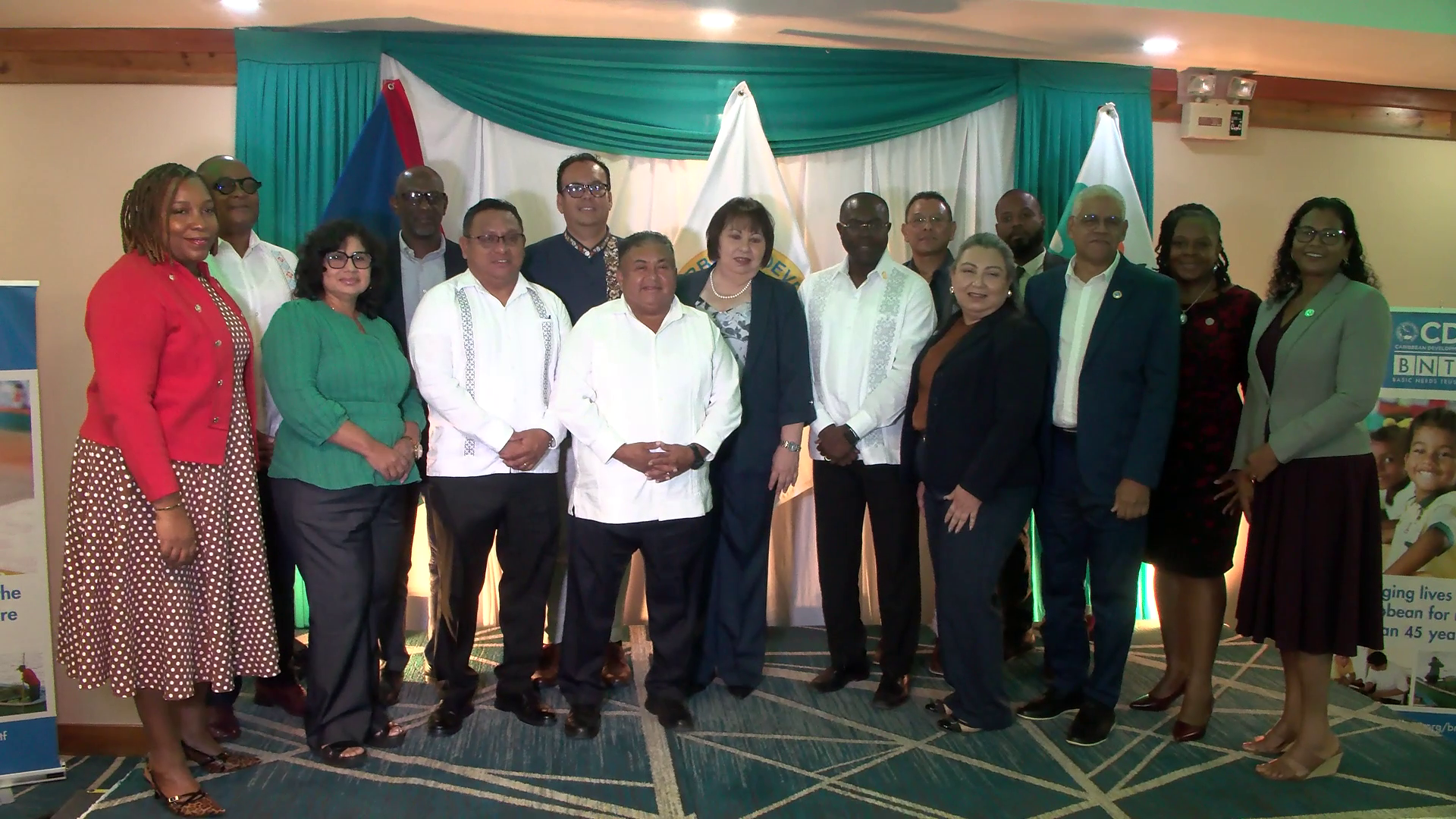
$5.2 Million U.S. Grant Set to Boost Community Development
On July 2, 2026, a landmark new $5.2 million U.S. development grant was officially launched to drive grassroots community improvement projects across Belize, marking the 11th funding cycle of the Basic Needs Trust Fund (BNTF), a core initiative managed by the Caribbean Development Bank (CDB). The investment will be administered through the Belize Social Investment Fund (BSIF), which has already finalized a list of targeted projects set to receive financing in the latest round of support.
Carlos Tun, Executive Director of BSIF, noted that the successful delivery of the 10th BNTF funding cycle laid the groundwork for securing this new tranche of support. All projects funded under BNTF 11 fall into two priority sectors: education and water infrastructure. In the education space, four projects have been earmarked for funding: a new preschool facility in Corozal, the construction of Saint Paul’s Anglican Primary School also located in Corozal, the expansion of Pete Lizarraga Preschool in San Estevan, and upgrades to Saint John Baptist School in Saint Joseph. For the water sector, two community projects will move forward: improving the water distribution network in Fire Burn, Orange Walk District, and building out the Otoxha water system in the Toledo District.
Dr. Issac Solomon, CDB Vice President of Operations, emphasized that the BNTF has long served as the bank’s flagship community impact program, centered explicitly on supporting the most vulnerable populations across the Caribbean region. Solomon explained that the program aligns directly with CDB’s core mandate of transforming lives by ensuring that national development efforts are both equitable and inclusive, leaving no community behind as regional economies progress.
Over its 25-year history of operations in Belize, the BNTF has injected more than $23 million U.S. in targeted development funding into local communities across the country. Unlike traditional large-scale infrastructure investments, program leaders frame the BNTF’s success not by the total dollar amount allocated or the number of facilities built, but by the tangible improvements it delivers to individual lives, the strength it builds within local communities, and the new economic and social opportunities it unlocks at the grassroots level. This announcement comes from a transcript of an evening television newscast, with original Kriol-language commentary adapted to a standardized spelling system for the online publication.
-
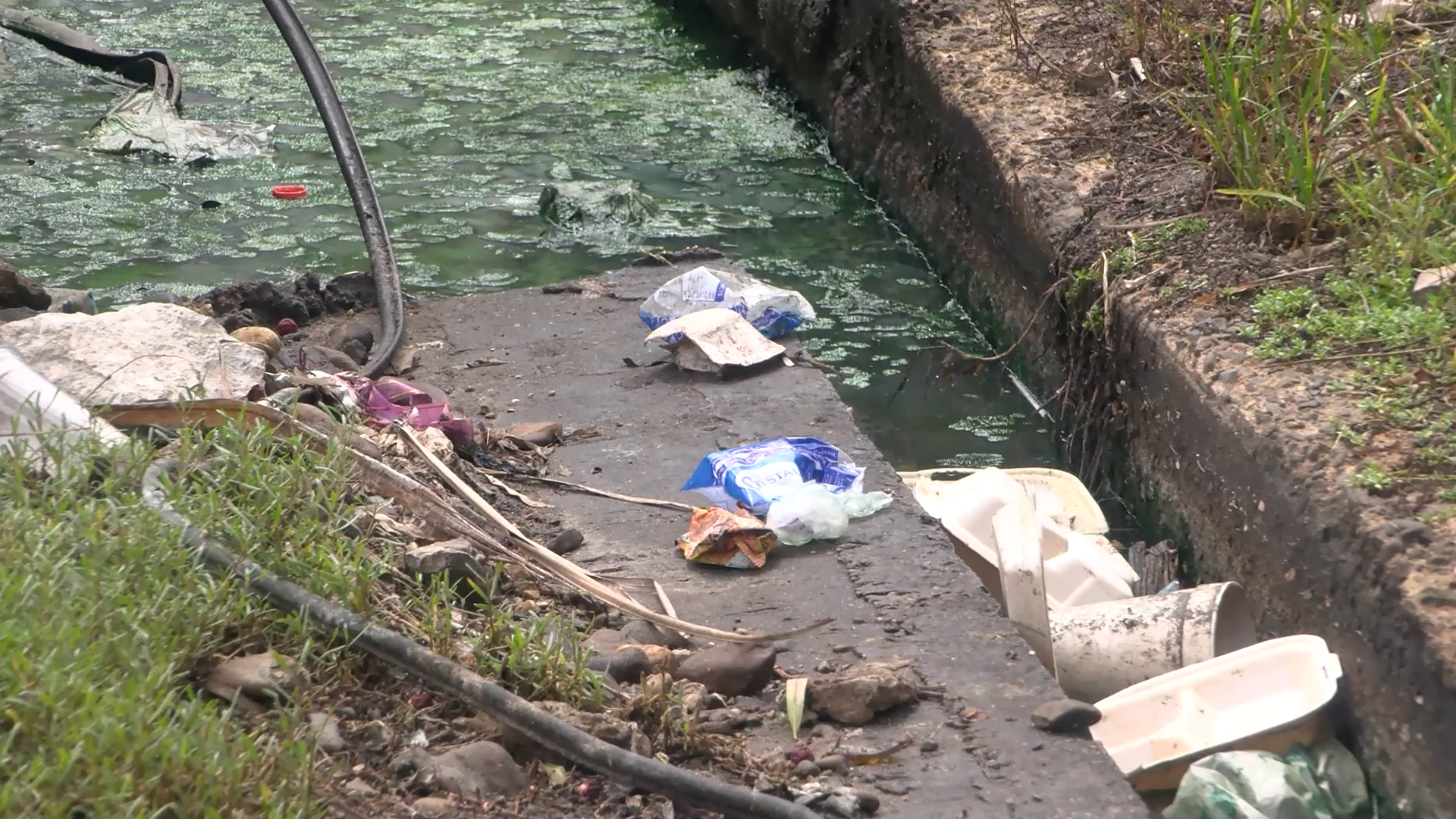
Calls Grow to Phase Out Plastic Water Pouches
As of July 2, 2026, a growing coalition of more than 40 organizations in Belize is pushing for a gradual three-year ban on the country’s ubiquitous 25-cent single-use plastic water pouches, a common consumer product that has become a major source of national plastic pollution. Advocates argue that these thin, disposable plastic sachets are rapidly clogging urban street drains, polluting inland rivers, and littering major highway corridors across the country, causing widespread harm to Belize’s natural ecosystems and waste management systems.
Orlando Habet, Belize’s Minister of Sustainable Development, has confirmed that the public and civil society concerns over the plastic pouch crisis are well-founded. Official national waste cleanup data collected across the country consistently ranks these water pouches among the most frequently recovered items of litter, backing up claims of their outsized environmental footprint.
In a public address outlining the government’s approach to the issue, Habet acknowledged that past policy attempts to transition to more eco-friendly alternatives have fallen short of expectations. Previous regulations required single-use plastic products to meet a 52% biodegradability standard, meaning products must break down naturally within 12 months. However, the rollout hit unforeseen roadblocks: policymakers failed to secure consistent supply chains for biodegradable materials, leaving the new standard unworkable for local producers and importers.
Belize relies heavily on imports of consumer goods from trading partners across North and Central America, Habet explained, making regional collaboration a critical component of any successful transition. If neighboring nations do not implement matching regulations to incentivize biodegradable product manufacturing, supply will remain scarce in Belize, as there is no pressure on regional producers to shift their production lines. While Belize could develop its own domestic biodegradable manufacturing sector using local raw materials such as bagasse, dried plant sucker fibers, and bamboo pulp, Habet noted that building this new industry will require time and investment, and products will remain costly until a sufficient local and export market is established to scale production.
The minister also emphasized that policymakers must address the socioeconomic realities of the ban before moving forward. Low-income Belizean consumers depend on the inexpensive water pouches for affordable access to drinking water, and small local entrepreneurs rely on the sale of the products for their livelihoods. Finding low-cost accessible alternatives is therefore a non-negotiable prerequisite to implementing the phase-out. Right now, the Belizean government is actively exploring viable biodegradable alternatives and working to secure buy-in and support from regional trading partners to make a smooth, equitable transition away from single-use plastic water pouches possible.
-
Development vs. Conservation in Caye Caulker
Nestled off the coast of Belize, the laid-back island of Caye Caulker has long built its reputation as a low-key, tourism-friendly destination where pedestrians roam freely instead of congested traffic. But a proposed infrastructure project has now split local and national leadership, opening up a fierce debate over how to grow the island without destroying the natural ecosystems that make it a popular attraction.
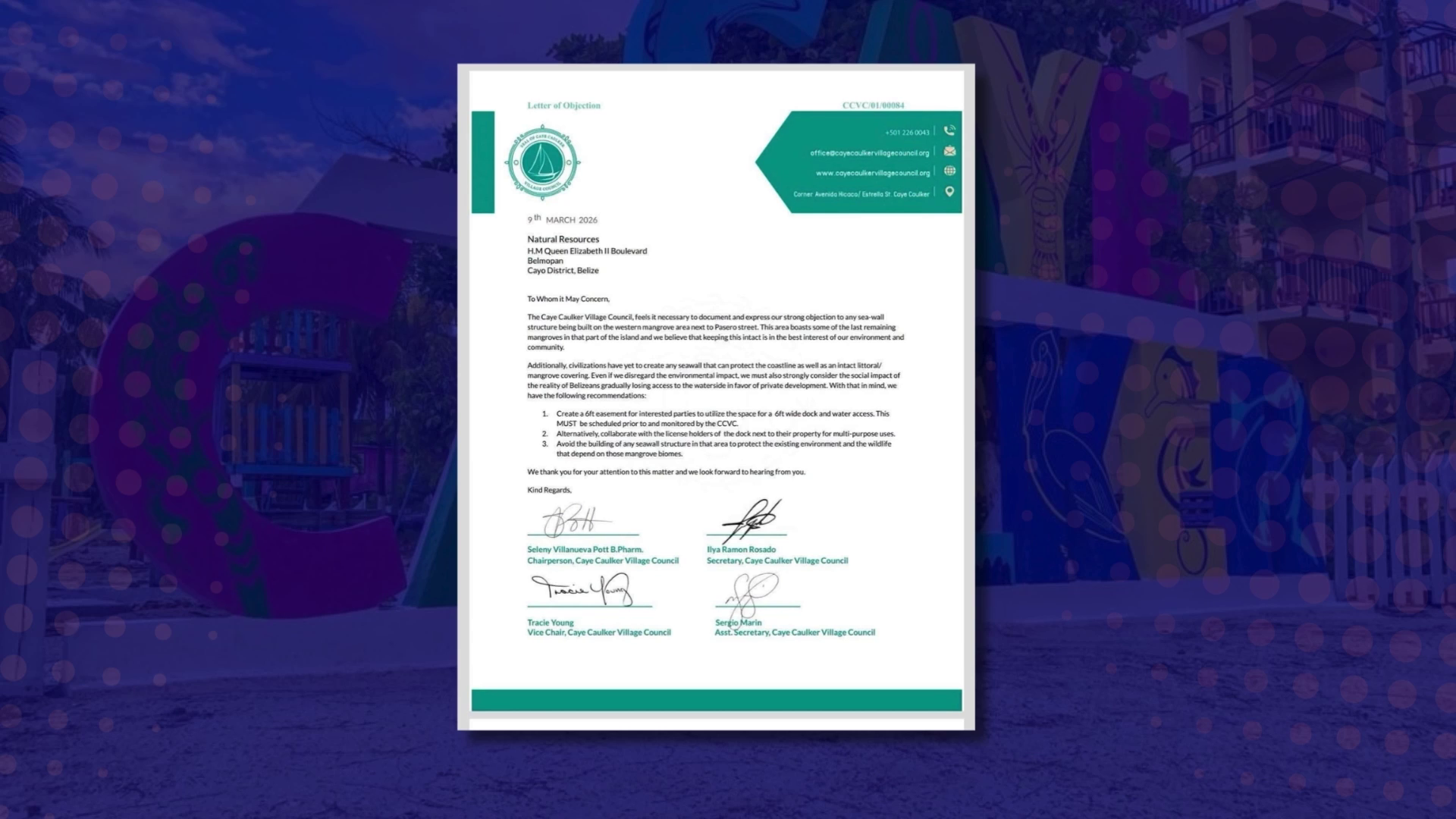
At the center of the dispute is a plan for seawall construction and dredging work in the western mangrove zone, a critical wetland area that acts as Caye Caulker’s natural first line of defense against coastal erosion and dangerous storm surges. The Caye Caulker Village Council has issued urgent warnings about the project’s potential risks, outlining its concerns in an official letter sent to Belize’s Department of Environment (DOE). In the correspondence, the council stresses that the construction work could cause irreversible damage to the island’s mangrove forests, erode the natural protection the ecosystems provide, and block public access to the island’s waterfront areas that are vital to both locals and visitors.
The letter was also copied to Andre Perez, area representative for Belize Rural South, who has already publicly thrown his support behind the project and approved its progression. But the nation’s top sustainable development official says he has yet to receive the correspondence and will launch a full review to find a middle ground between progress and protection.
“I haven’t seen the letter. It hasn’t come to me. If it came and went to the Department of Environment directly I haven’t been informed, so maybe it’s something recent,” explained Orlando Habet, Belize’s Minister of Sustainable Development, in an on-camera interview. “But I will be looking into it, discussing it with the Department of Environment to see if they have received the letter, then how we can respond.”
Habet noted that any infrastructure project along Caye Caulker’s coast requires a balanced look at both potential benefits and drawbacks. “Just from the concerns of the community, if the seawall is there one, you have to see what positivity there is to it. If it avoids water from coming into the community during high storms and high tides. And then also looking at the negative side to it, because sometimes you build these walls and they’re not built [correctly] then it causes erosion on one side and the other. So but since I haven’t seen it I will have to address it to the DOE.”
The core question at the heart of this dispute is one that many small Caribbean tourism-dependent islands grapple with: How can communities grow and develop without eroding the unique natural and cultural character that draws visitors in the first place. As local resident Britney Gordon put it: “How do we find a balance between development and maintaining the part of the island that attracts tourists to it?”
For Caye Caulker, that balance is particularly critical. Unlike the busier, more developed neighboring island of San Pedro, Caye Caulker has retained a quiet, walkable identity that has become its biggest selling point. Habet emphasized that this unique character is worth protecting. “Especially Caye Caulker, I think that [the] council has also tried to see how they could maintain some type of structure within the community itself. And because it’s very touristic, we all know that if you go to San Pedro, it’s a lot more hectic. If you go to Caye Caulker, it’s a lot calmer. You can walk the streets and everything else. So you don’t want to see all those vehicles and golf carts where people are already accustomed to walk. So I think that there has to be a balance.”
Habet added that moving forward, relevant government bodies will collaborate with local municipal leaders to enforce clear building guidelines that preserve the island’s character. “My personal view is that I like to walk, and so I would prefer that it’s not congested as what’s now become San Pedro town [in] terms of the buildings. I think that the Ministry of Infrastructure Development and Housing, which has a dedicated desk for the building codes, will be working along with the municipality to see how they can structure in some organization within it.”
This report is a transcript of a televised evening news broadcast, with Kriol-language dialogue transcribed using a standardized spelling system.