标签: Belize

伯利兹

  • Pact Celebrates Women Leaders in Conservation with Art Showcase

    Pact Celebrates Women Leaders in Conservation with Art Showcase

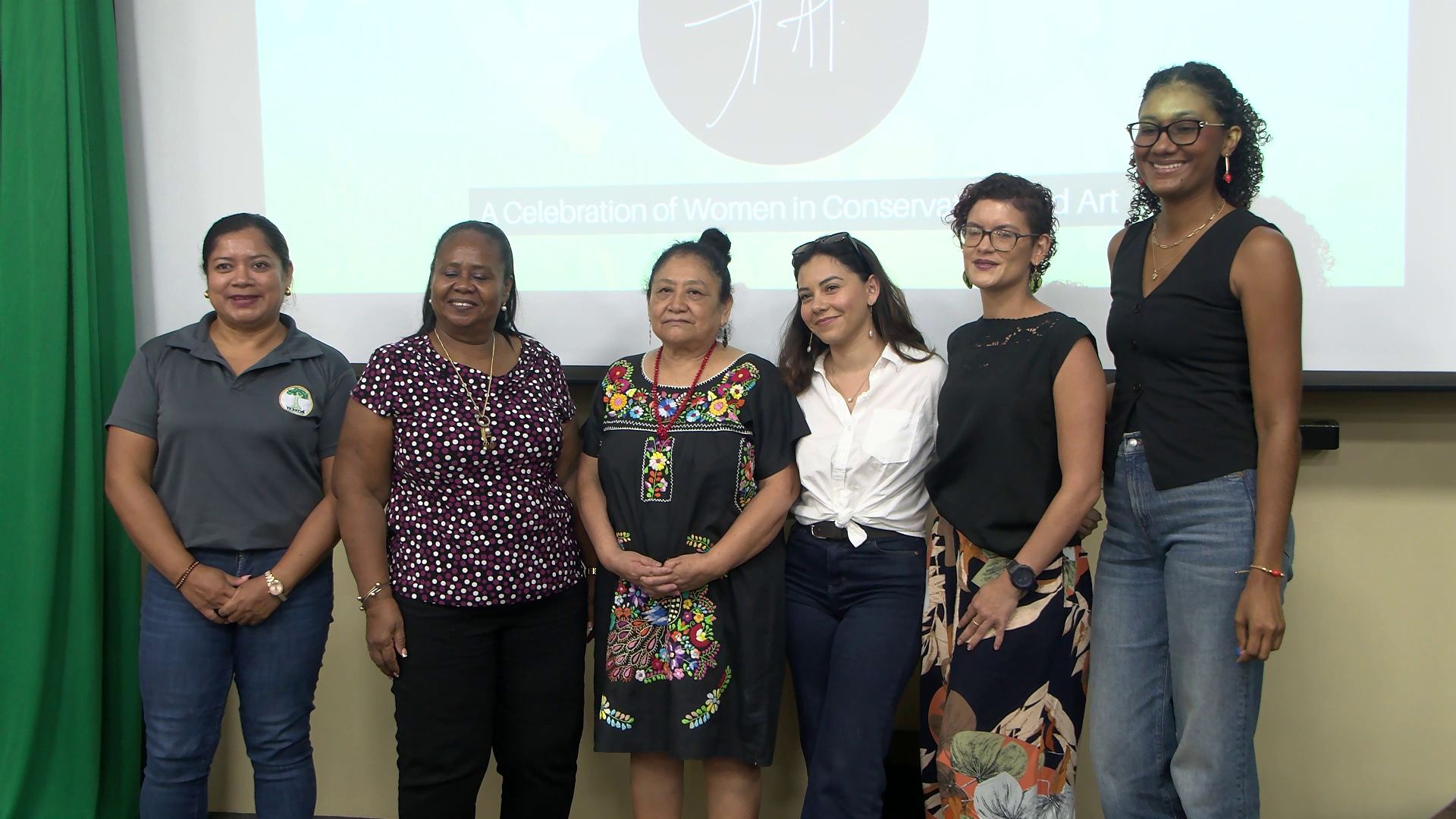
    As the Protected Areas Conservation Trust (PACT) of Belize enters its fourth decade of protecting the country’s biodiverse natural landscapes, the organization is centering the long-overlooked contributions of women to local conservation through a unique, month-long anniversary celebration that merges environmental advocacy, community storytelling, and local artistic craft.

    Titled “Rooted and Rising,” the signature event of PACT’s anniversary calendar was born from a collaborative partnership between the trust and three of Belize’s most talented female artists and creative entrepreneurs. The project pairs each creator with a trailblazing female conservation leader, tasking artists to translate the decades of work, personal journeys, and lasting impact of these environmental champions into one-of-a-kind, custom art pieces.

    For generations, women have formed the quiet backbone of Belize’s conservation movement, often leading community-led initiatives that balance local livelihoods with ecosystem protection. This showcase brings their stories out of the background and into public view. PACT Executive Director Abil Castañeda explained the core vision behind the cross-sector collaboration, noting that the project was designed to honor the lifetime of dedication these women have poured into protecting Belize’s natural heritage. “We took their life, their careers and their profession in conservation, and asked some of our brightest minds in creative arts to develop products that commemorate that life, to commemorate that dedication that they have shown over decades,” Castañeda shared.

    Three standout conservation leaders were featured in the showcase: Jessie Young of the Women’s Conservation Group at the Community Baboon Sanctuary, Maria Garcia of the Itzamna Society, and Christina Garcia of the Ya’axche Conservation Trust. Young detailed the extraordinary progress her community-led group has achieved in protecting Belize’s black howler monkey population: when the sanctuary launched in 1985, only 800 monkeys remained in the area. Today, thanks to decades of consistent on-the-ground work led by local women, that population has surged to more than 6,000. Young added that managing a community-based conservation organization comes with unique complexities, but as women born and raised in the region, the team brings inherent insight into local needs and the resilience to see long-term conservation goals through. “We believe as women we have the strength that it takes to manage anything, and so we stepped in, and the landowners gave us permission to take over the management,” Young said.

    The three participating artists — Zyania Alonzo, Aesha Garel, and Landee Longsworth — each poured hours of detailed work into pieces that reflect their paired conservationist’s mission. Alonzo, who collaborated with Maria Garcia, created a handcrafted tote bag that draws direct inspiration from forest ecosystems. “I wanted to do something that represents the forest and its intricacy, so the body of the bag represents the root system that is in the forest. And then I also wanted to add the handles from the forest as well, which is made from supa seeds,” Alonzo explained, noting that the printing process for the bag’s body alone takes roughly 14 hours, with hand-braided tassels and hand-finished satin lining adding to the piece’s one-of-a-kind craftsmanship.

    Belize’s Minister of Sustainable Development Orlando Habet attended the opening of the showcase, and emphasized that the event marks a growing national recognition of women’s irreplaceable role in conservation. Today, more women than ever hold leadership, management, and technical roles across Belize’s entire network of protected areas, and the initiative also opens new pathways for local artisans to contribute to the country’s growing orange economy — the sector that encompasses cultural, creative, and heritage-based economic activity. Habet called for broader cross-government participation to support the growth of the orange economy, noting that it centers people, culture, history, and untapped creative potential that drives both economic and environmental progress.

    The showcase concluded with a public pop-up marketplace that gave visitors the chance to view and purchase the custom works. To continue supporting the featured conservation work, half of all proceeds from art sales will be donated directly to the participating conservation organizations to fund their ongoing environmental initiatives across the country.

  • Girls Hit the Court for Basketball, Mentorship, and Fun

    Girls Hit the Court for Basketball, Mentorship, and Fun

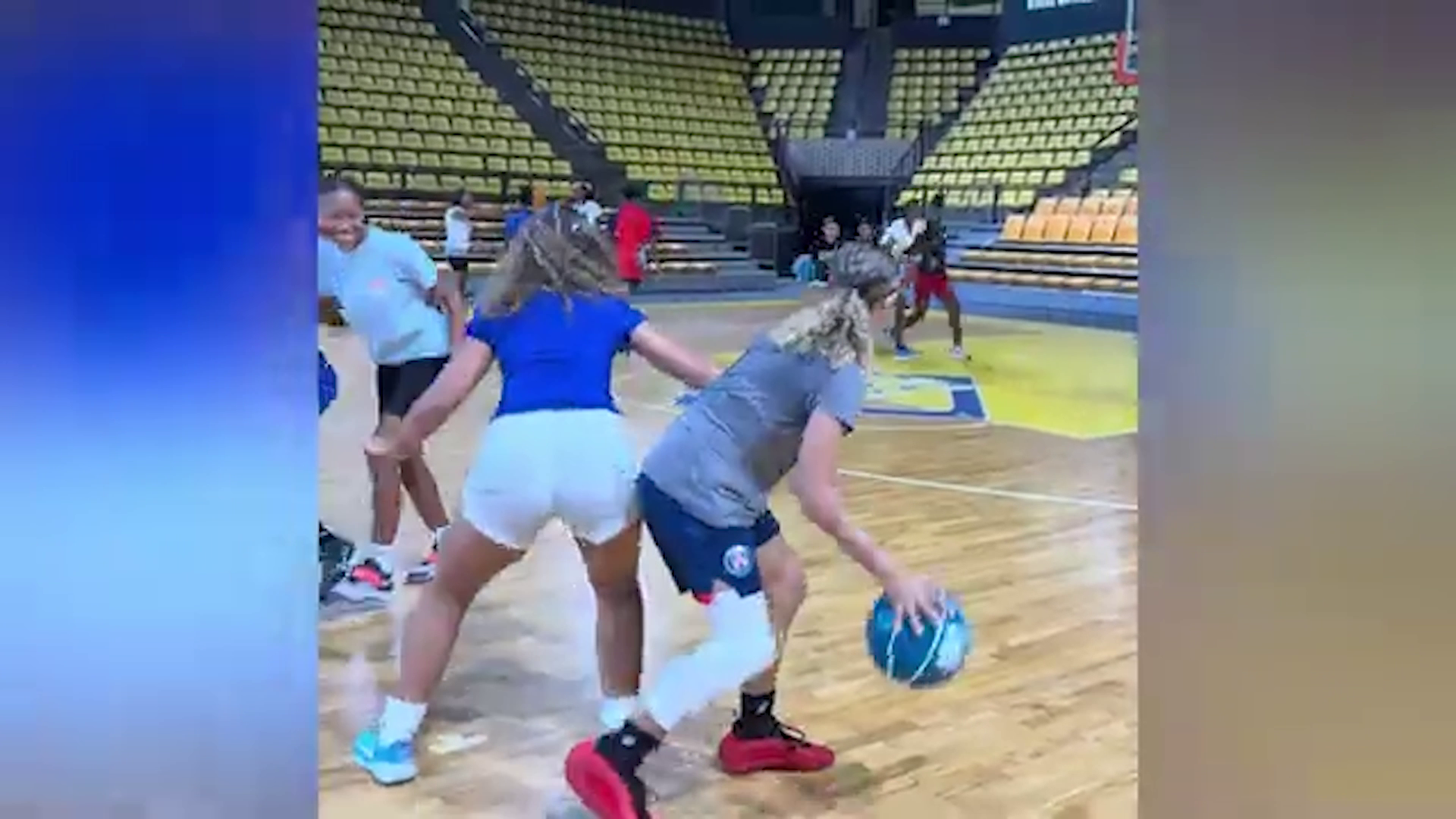
    As summer hits Belize, a one-of-a-kind sports initiative is creating more than just skilled basketball players—it’s building a supportive sisterhood for females of all ages. Now entering its third year, the three-day Ballin’ Like Her Basketball Camp kicked off earlier this week in Cayo before relocating to The Hub in Belize City, where it will wrap up its 2026 programming on July 3. Open to everyone from preschool-aged girls to current college students, the camp blends on-court skill development with intentional mentorship, confidence-building, and community connection.

    Unlike generic youth sports camps, Ballin’ Like Her centers young women’s unique needs by bringing in current and former NCAA Division I athletes as instructors and mentors. This setup gives camp participants the rare chance to learn directly from women who have excelled at the highest levels of collegiate basketball, while creating space for them to form lasting friendships with peers who share their love of the game.

    Cheyenne Givens, the founder of Ballin’ Like Her, explained that the initiative’s core mission goes far beyond improving jump shots and defensive technique. “We’re using the sport of basketball, and we’re specifically focusing on young females, providing a space for them, a community for them to enjoy basketball, learn about basketball, make friends,” Givens said. “We’re just making an impact on their lives in any way that we can, whether that’s they wanna learn more from us in terms of basketball or they wanna make friends, whichever one. We’re here. We wanna let them know that we care about them and we care about their futures.”

    Becky Obimna, one of the camp’s facilitators, echoed that sentiment, noting that the summer timing makes the camp a welcoming escape for young women looking for meaningful summer activity. “We’re here to build community. At the end of the day, we want them to have fun. We also know it’s summer, so at the end of the day, it’s like, come enjoy basketball,” Obimna said. “We’re here to support you. We’re here to have fun. We wanna be able to teach you some life skills as well, because at the end of the day, this is what we’re here to do. We’re all here to build community. So, I’m grateful to be a part of this experience and we would love for girls to just share the news and just show up.”

    Daily programming runs from 9 a.m. to 3 p.m. at The Hub, and organizers are still welcoming late registrations and drop-in participants. Facilitator Lovely Sonnier shared that interested girls can connect with the camp team through multiple channels, including the camp’s Instagram page or by reaching out to organizer Miss Chanelle. She added that organizers are counting on camp participants to help spread the word to friends who might want to join. “We also want them to reach out to their friends. Spread the word. Spread the word. As we spread the word to them, we want them to spread the word for us as well,” Sonnier said.

    Looking ahead, the Ballin’ Like Her team has plans to grow the initiative in the coming years, with talks of expanding camp programming to other regions across Belize to reach even more young women.

  • If Plastic Pouches are Banned, What Will Replace It?

    If Plastic Pouches are Banned, What Will Replace It?

    As a broad coalition of environmental and community groups pushes for a gradual three-year national ban on single-use plastic pouches, Belize’s top sustainability official has outlined the significant regulatory and economic barriers that must be overcome before the policy can move forward. Sustainable Development Minister Orlando Habet acknowledged growing public and organizational pressure to eliminate the ubiquitous single-use plastic items, which are a major contributor to marine and terrestrial plastic pollution across the Caribbean nation. But in recent comments, he made clear that policymakers are still grappling with unresolved challenges that have derailed previous efforts to transition away from conventional plastic packaging.

    Back when Belize first implemented formal biodegradability standards requiring plastic products to contain at least 52% biodegradable material, regulators moved faster than regional supply chains could support, Habet explained. The policy was crafted without first verifying whether alternative biodegradable inputs would be readily accessible for local and regional manufacturers, leaving the market unable to meet the new requirements. Today, the core obstacle remains a regional supply gap, he noted: without neighboring nations adopting similar restrictions on single-use plastics, there is little incentive for regional manufacturing industries to scale up production of biodegradable alternatives, keeping supplies scarce and prices high in Belize.

    Long-term, Habet said Belize could build a domestic biodegradable packaging industry using locally sourced, renewable raw materials such as bagasse (the fibrous byproduct of sugarcane processing), bamboo pulp, and plantain suckers. But developing this homegrown sector would require years of investment, infrastructure building, and market development to create a viable, affordable supply that can meet current demand for low-cost packaging. Minister Habet also echoed a concern widely shared by Belizean residents and small business owners: millions of consumers currently rely on low-cost single-use plastic pouches for affordable, portable drinking water, and many small entrepreneurs build their businesses around these low-cost packaging options. A premature ban without affordable, widely available alternatives would disproportionately harm low-income households and small business operators, he argued.

    The coalition of more than 40 organizations backing the ban has put forward a phased roadmap for implementation: the restriction would first take effect in all government buildings, then expand to public and private schools across the country, before moving to a full nationwide ban within three years. So far, the Belize Department of the Environment (DOE) has adopted a cautious approach, noting that it is still in the process of consulting with 36 major plastic importing companies to understand industry perspectives and potential impacts. Department officials have emphasized that the question of banning single-use plastic pouches is not a simple binary yes-or-no decision; rather, it is a complex policy process that requires broad stakeholder consultation and careful preparation to avoid unintended negative consequences for consumers and businesses.

  • Belizean Students in Venezuela to Return Home

    Belizean Students in Venezuela to Return Home

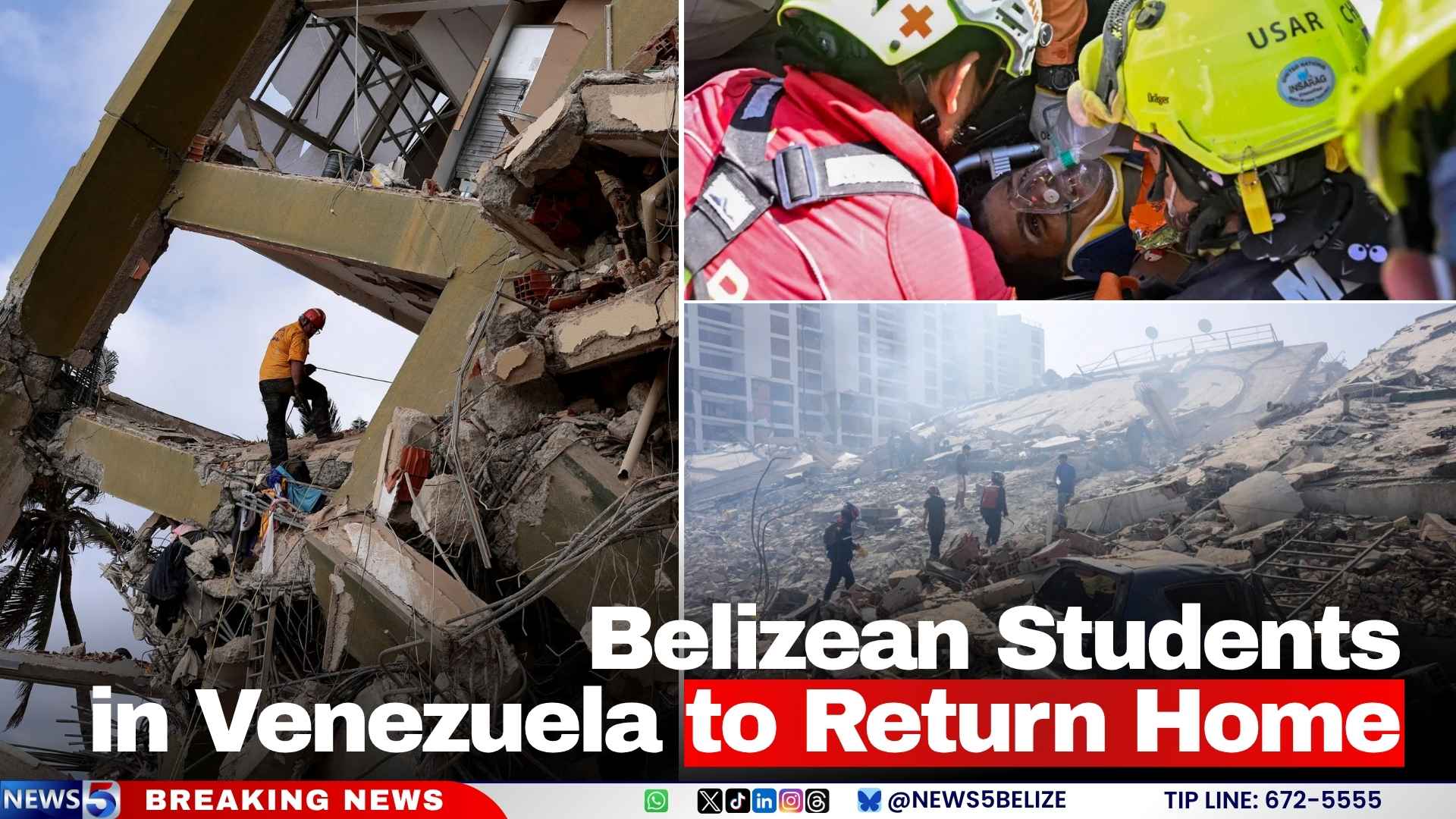
    In the wake of catastrophic back-to-back earthquakes that have left Venezuela reeling from widespread destruction and human loss, the government of Belize has announced plans to repatriate all of its citizens studying in the South American nation. Belize’s Foreign Affairs Minister Francis Fonseca confirmed the evacuation order in an official statement delivered Wednesday, noting that all five Belizean students currently enrolled in Venezuelan educational institutions have been confirmed unharmed, but will return to their home country due to the continued hazardous and unstable conditions across the affected regions.

    “This is a profound human tragedy,” Fonseca shared in his remarks. “Our hearts go out to the Venezuelan people who are enduring this unimaginable disaster. We stand in solidarity with our brothers and sisters there, and we are actively coordinating with the Caribbean Community (CARICOM) to organize and deliver much-needed relief assistance to support response and recovery efforts.”

    Fonseca explained that Belize’s ambassador to Venezuela, Annie Lou Burns, has maintained constant communication with the students alongside teams from Belize’s Ministries of Foreign Affairs and Education to monitor their situation closely. “We have received consistent updates that all of our students are safe and accounted for,” he said. “Nevertheless, given the extremely difficult living conditions across Venezuela right now, we have made the decision that evacuating them back to Belize is the best course of action to ensure their ongoing safety and well-being. We expect them to arrive home in the very near future.”

    As of the latest official update from the Venezuelan government, the confirmed death toll from the earthquakes has climbed to at least 2,295. More than 11,000 people have been reported injured, and an estimated 50,000 people remain unaccounted for in the aftermath of the quakes. While search and rescue operations are still ongoing across the hardest-hit areas, multiple independent observers have raised concerns about the accuracy of the official death count. Forensic investigators, opposition political figures, and United Nations officials have all warned that the actual number of fatalities is likely significantly higher than the figure published by Venezuelan authorities, as rescue teams continue to pull bodies from collapsed buildings and debris fields.

  • The Belize-Guatemala ICJ Ruling Nears to ‘Settle the Unfounded Claim’

    The Belize-Guatemala ICJ Ruling Nears to ‘Settle the Unfounded Claim’

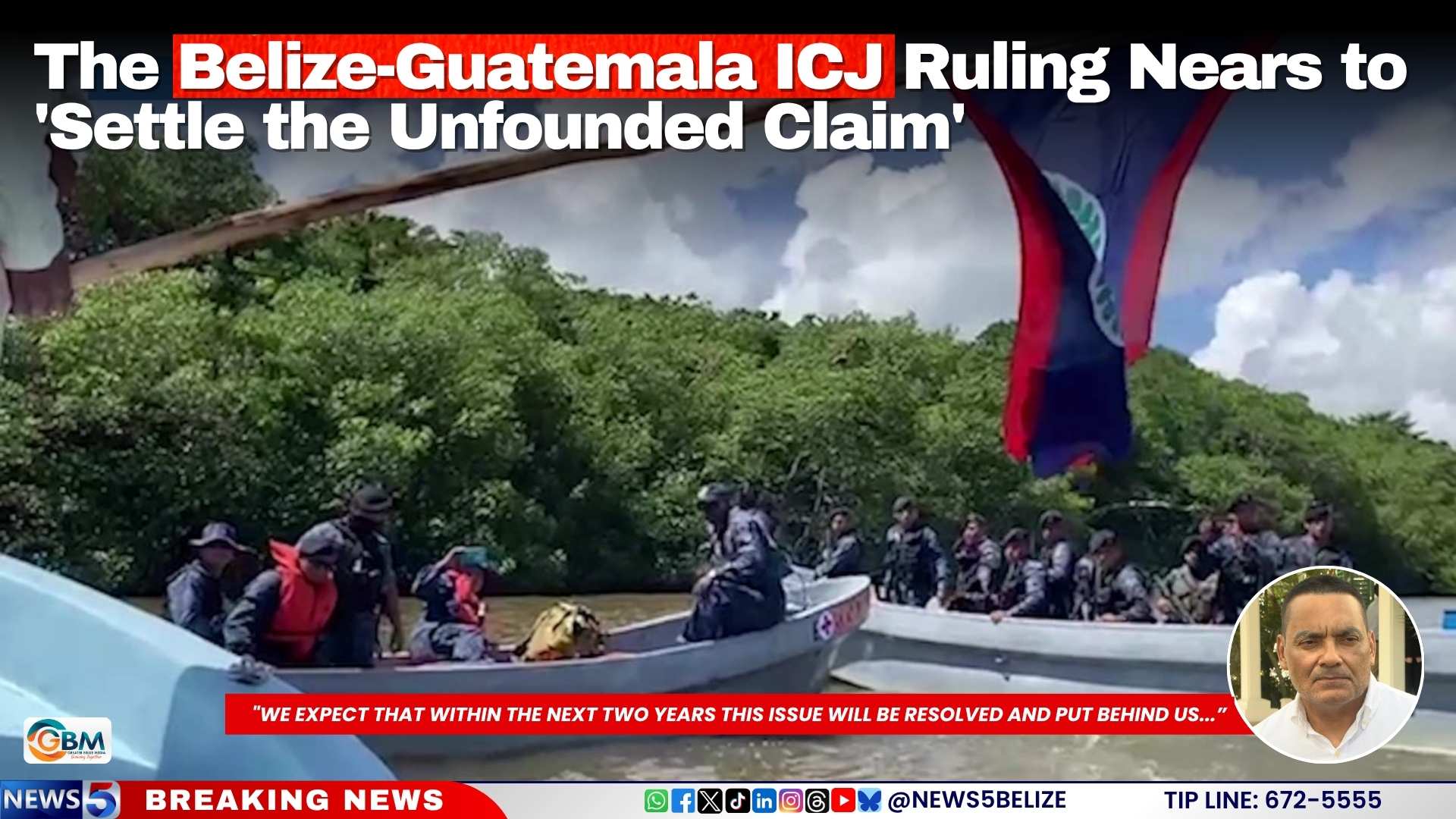
    As Central America stands on the cusp of ending one of its longest-running territorial disagreements, Belize is calling for national unity ahead of an upcoming binding judgment from the International Court of Justice (ICJ) that will finally settle Guatemala’s long-contested territorial claim over Belizean territory.

    The decades-long dispute between the two neighboring Central American nations is now approaching a historic, peaceful conclusion, according to Belize’s top diplomat. Foreign Affairs Minister Francis Fonseca emphasized that national solidarity is critical in the period leading up to the ICJ’s final ruling, particularly as Belize prepares to mark 45 years of independence in 2026.

    “In the next two years, we expect this decades-long issue to be permanently resolved and laid to rest through a peaceful, diplomatic process,” Fonseca stated. “Once and for all, we will settle this unfounded claim.”

    Just days before Fonseca’s remarks, both Belize and Guatemala took a key step toward cementing their commitment to a peaceful outcome. During the Organization of American States (OAS) General Assembly held in Panama, the two governments signed a joint declaration that reaffirmed their pledge to respect and implement the ICJ’s final decision. Both nations agreed the court’s ruling will be final and legally binding, and formally requested that the OAS continue supporting ongoing confidence-building initiatives between the two countries until the judgment is publicly delivered.

    While the ICJ’s upcoming decision will stand as one of the most defining milestones in the modern history of both Belize and Guatemala, Fonseca stressed that the unity and resilience of Belize’s people remain the nation’s most valuable asset as it approaches this turning point. “Our people are the greatest strength of our country,” he added, urging continued national cohesion through the final stages of the diplomatic process.

  • Russia Launches Massive Overnight Attack on Kyiv, Killing More Than 20

    Russia Launches Massive Overnight Attack on Kyiv, Killing More Than 20

    In a large-scale overnight assault that ranks among the most violent attacks on Ukraine’s capital in recent months, Russian forces have killed at least 25 civilians and left dozens more wounded, Ukrainian authorities confirmed early Thursday.

    Ukraine’s Air Force reported that the assault was a coordinated combined strike that saw nearly 500 Iranian-designed Shahed drones and more than 70 ballistic and cruise missiles launched across multiple regions of Ukraine, with Kyiv bearing the brunt of the aggression from three separate directions. While Ukrainian air defense teams successfully intercepted the vast majority of incoming projectiles, 33 enemy weapons managed to reach their targets, almost exclusively hitting civilian residential neighborhoods across the capital.

    One local resident, Iryna Moskaeva, shared her harrowing experience of escaping her damaged apartment building, saying that powerful explosions shattered all the glass in her unit and initially trapped her and her young children inside before they could find a route out to safety.

    Emergency response teams confirmed that strikes hit dozens of locations across Kyiv, including multiple multi-story apartment blocks, a working ambulance station, and other pieces of critical civilian infrastructure. As of Thursday morning, search and rescue operations are still ongoing, with first responders working carefully through piles of rubble to pull out any survivors, and authorities have warned that additional casualties are likely to be found as the work progresses.

    Photos and witness accounts from the attack show thousands of Kyiv residents sheltered overnight in deep underground metro stations, as air raid sirens wailed continuously across the city for more than six hours. Many families brought only the essentials with them as they rushed to safety, after being woken by the first explosions across the capital.

    Ukrainian President Volodymyr Zelensky released an official statement shortly after the attack, condemning what he called a deliberate, targeted act of terror against ordinary Ukrainian civilians. He added that entire apartment buildings had been completely leveled by the strikes, and repeated his urgent call for Western military allies to accelerate and expand deliveries of advanced air defense systems to help Ukraine intercept more incoming Russian attacks before they hit populated areas.

    In a statement released by Russia’s Ministry of Defense, officials claimed the strikes were a retaliatory action in response to recent cross-border attacks on Russian territory, and asserted that all targets hit were military or energy-related infrastructure sites. However, on-the-ground reporting and official Ukrainian data confirms that 100% of the projectiles that hit targets in Kyiv struck civilian locations, with ordinary residents bearing the full cost of the destruction.

    Local emergency management officials have not yet finalized the death toll, and say casualty numbers are expected to climb as rescue teams continue clearing debris from damaged and destroyed buildings across the city.

  • Can Art Help Save Belize’s Protected Areas?

    Can Art Help Save Belize’s Protected Areas?

    For decades, unsung women conservationists have worked quietly behind the scenes to safeguard Belize’s rich forest ecosystems and vulnerable wildlife populations. Now, a pioneering new initiative is pulling these dedicated leaders into the public spotlight – not through policy debates or grassroots protests, but through the power of creative art.

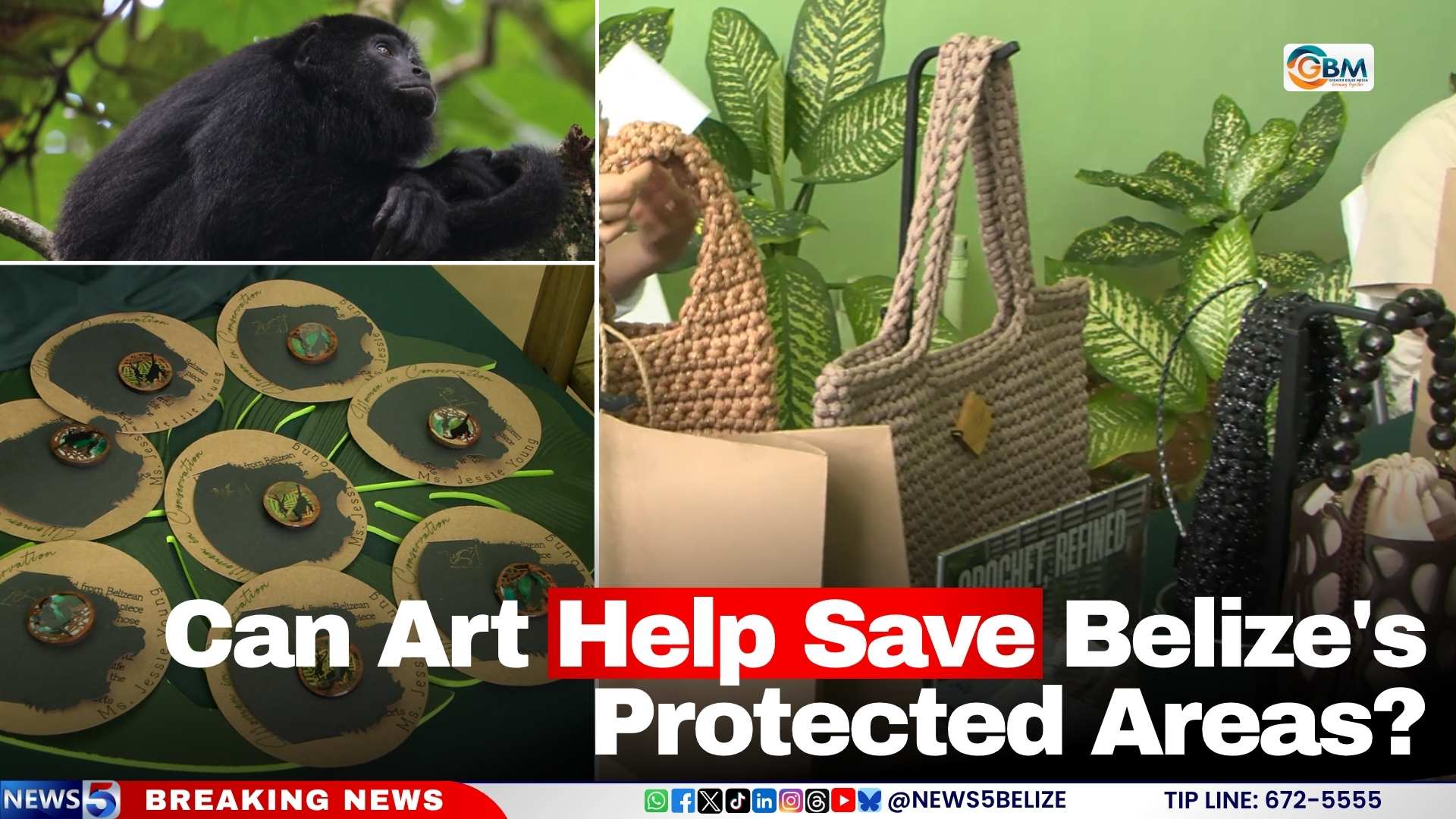
    To mark its 30th year of conservation action across Belize, the Protected Areas Conservation Trust (PACT) has launched a one-of-a-kind anniversary project called “Rooted and Rising.” The innovative exhibition pairs three long-serving female conservation leaders with three of Belize’s most talented emerging women artists, creating a space to celebrate the human effort behind the country’s decades of environmental progress that often goes unrecognized.

    Abil Castañeda, executive director of PACT, explained that the project takes generations of on-the-ground conservation work and translates it into permanent, tangible works of art that tell the story of these women’s impact. “We centered their lives, their decades-long careers and their unwavering commitment to conservation, then turned to some of our nation’s most brilliant creative talents to ask: how can we create pieces that honor this legacy, and memorialize the dedication these women have shown over decades?” Castañeda said in an interview about the initiative.

    One of the conservation leaders honored in the exhibition is Jessie Young, a core member of the Community Baboon Sanctuary’s Women’s Conservation Group. Under the leadership of Young and her colleagues, the group has overseen a dramatic recovery of Belize’s black howler monkey population: growing from just 800 individuals in 1985, when the sanctuary was founded, to more than 6,000 today. Young reflected on the challenges of building and sustaining a community-led conservation organization over decades, noting “It’s never easy to manage a community-based organisation… but we have managed to persevere. We believe as women we have the strength that it takes to manage anything.”

    For the exhibition, each artist draws direct inspiration from the conservationist they are paired with, turning their work and values into creative pieces. Artist Zyania Alonzo, who collaborated with conservationist Maria Garcia, created a handcrafted leather bag designed to echo the complex layers and biodiversity of Belize’s rainforests. “I wanted to do something that represents the forest and its intricacy,” Alonzo explained of her work.

    Beyond honoring the legacy of these women, the project also provides direct, ongoing support for future conservation work. After the exhibition closed its run, organizers hosted a pop-up marketplace where all artworks are available for purchase, with 50% of every sale going straight to the conservation groups represented in the show.

    A full feature introducing all three participating artists and the conservation leaders they collaborated with will air during tonight’s 6 p.m. broadcast of News 5 Live, giving audiences a deeper look at the intersection of art, activism and gender in Belize’s conservation movement.

  • Habet Says Seawall Concerns in Caye Caulker Will Be Reviewed

    Habet Says Seawall Concerns in Caye Caulker Will Be Reviewed

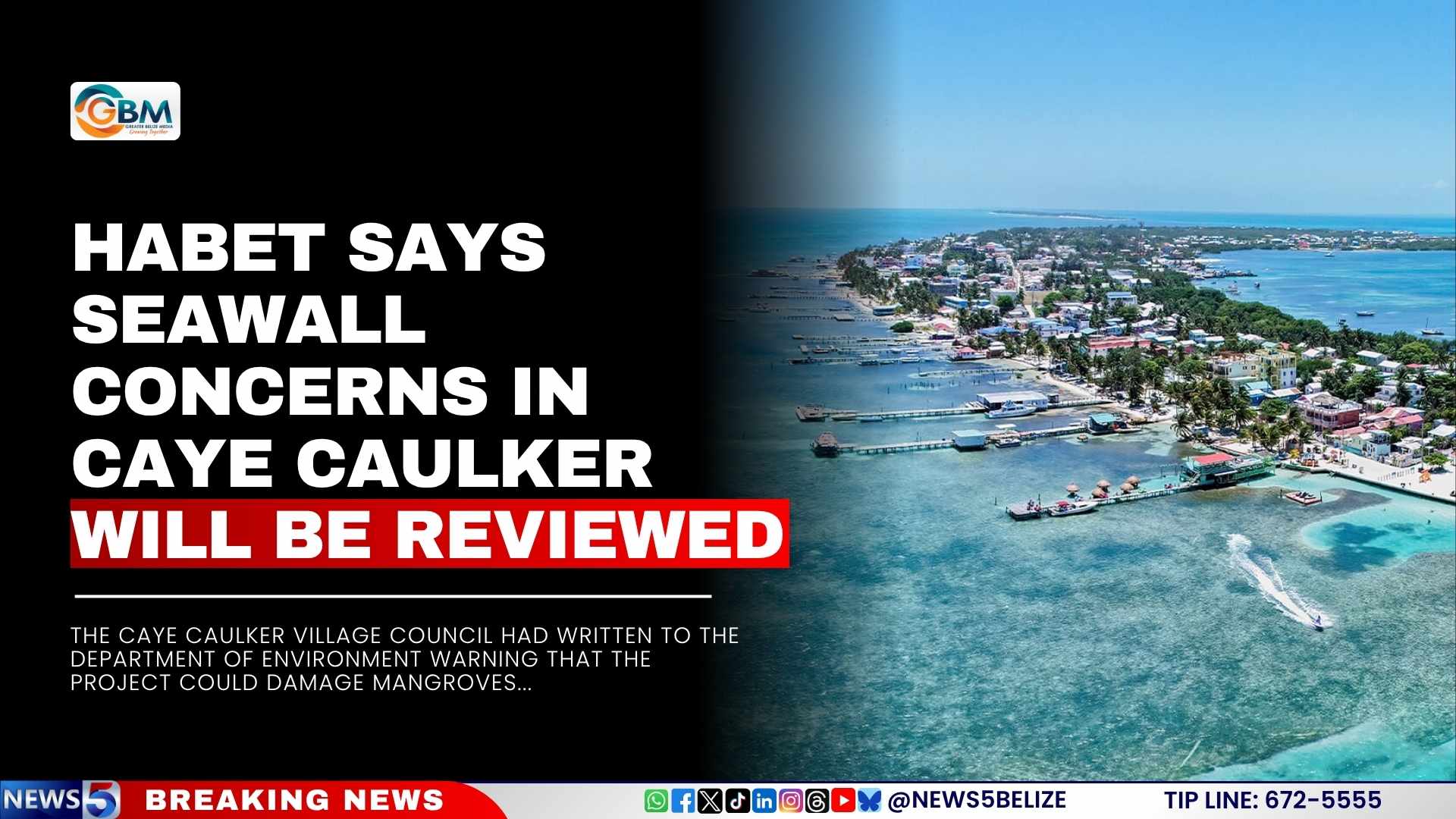
    On July 2, 2026, Belize’s Ministry of Sustainable Development announced it would launch a joint review of a controversial proposed seawall and dredging project targeting the western mangrove ecosystem of Caye Caulker, responding to widespread community pushback over the development’s potential environmental and economic impacts.

    The Caye Caulker Village Council, the governing body for the small island community, formally submitted a letter of concern to Belize’s Department of Environment, flagging two core risks of the planned construction: irreversible damage to the island’s critical mangrove habitats, and permanent restrictions on public access to Caye Caulker’s waterfront. In the correspondence, the council highlighted that mangroves do not just support local biodiversity – they act as a natural coastal defense, mitigating shoreline erosion and buffering the island against deadly storm surges that threaten Caribbean coastal communities during hurricane season. The council also warned that unregulated development in this sensitive zone would erode the natural landscape that draws millions of tourist dollars to the island annually, threatening Caye Caulker’s core economic driver.

    Orlando Habet, Minister of Sustainable Development, confirmed that the ministry has committed to a full, transparent assessment of the project, noting he has not yet received the formal letter outlining community concerns but will initiate review immediately upon formal submission. Habet emphasized that the review will be conducted in close partnership with the Department of Environment, with evaluators weighing both potential benefits of the proposed infrastructure against the documented risks.

    “Even based on the community concerns that have already been raised, we have to approach this with an open mind: we look at what potential benefits the seawall could deliver, and we also take an honest look at the potential downsides,” Habet explained. He added that poorly sited coastal infrastructure often creates unintended harm, noting that unplanned seawall construction frequently exacerbates erosion on adjacent stretches of shoreline rather than solving the problem it aims to address.

    Habet stressed that any final approval for the project must strike a careful balance between legitimate development needs and rigorous environmental protection – a balance that is particularly critical for small, sensitive coastal communities like Caye Caulker. He also underscored the value of preserving Caye Caulker’s distinctive identity as a laid-back, pedestrian-focused tourist destination, contrasting the island with the more developed, vehicle-dense nearby San Pedro Town. “I think that there has to be a balance… you don’t want to see all those vehicles and golf carts where people are already accustomed to walk,” Habet said. For now, the project remains under formal review as environmental authorities work to address community concerns and reach a science-backed decision.

  • Man Rescued Alive from Earthquake Rubble After Eight Days in Venezuela

    Man Rescued Alive from Earthquake Rubble After Eight Days in Venezuela

    Eight days after a pair of powerful earthquakes tore through Venezuela, leaving widespread destruction and thousands dead, international and local rescue teams have achieved what many are calling a modern miracle: pulling a 43-year-old man alive from 30 feet of collapsed building debris.

    Hernán Alberto Gil Flores, a working security guard, was recovered on Thursday from the crumpled remains of a coastal shopping mall’s parking structure in La Guaira State. The successful rescue capped off a grueling, 70-hour collaborative operation that brought together emergency response crews from Venezuela and multiple partner nations, who deployed cutting-edge specialized locating technology to narrow in on his position before beginning a dangerous, careful tunneling effort through unstable rubble.

    Throughout the entire multi-day extraction effort, first responders maintained constant contact with Gil Flores, and sustained his life by delivering a steady supply of clean water, nutritional support, and critical medication through a narrow flexible hose. When crews finally pulled him into the open, the trapped man remained fully conscious and registered stable vital signs, prompting an immediate transfer to a nearby medical facility for evaluation and care.

    For Gil Flores’ family, the outcome defied all expectations. His wife, who had spent days grieving and preparing for the worst after losing contact with him immediately after the quake, described the rescue as nothing short of a divine miracle.

    Disaster response experts emphasize that surviving more than a full week trapped beneath earthquake debris is an extremely uncommon outcome. Standard disaster statistics show that the probability of locating trapped survivors drops dramatically after the first 72 hours following a major seismic event, making an 8-day survival story all the more remarkable.

    The extraordinary rescue comes as the entire nation of Venezuela continues to grapple with the aftermath of the back-to-back earthquakes that struck last week. As of the latest official update, at least 2,295 people have been confirmed killed in the disaster, and government officials have warned that the final death toll is expected to rise considerably as search and recovery teams work through the remaining rubble across affected regions.

  • KHMH Introduces Patient Flow Officers to Improve Emergency Care

    KHMH Introduces Patient Flow Officers to Improve Emergency Care

    In a groundbreaking shift to address longstanding challenges in emergency care delivery, Belize’s Karl Heusner Memorial Hospital Authority (KHMH) has announced the launch of a dedicated Patient Flow Officer program for its Accident and Emergency Department, set to roll out in July 2026.

    This initiative marks a historic first for the public hospital: for the first time in its history, specialized full-time staff will be assigned exclusively to manage and streamline patient movement through every stage of the emergency care journey. Sponsored by local insurance firm RF&G, the program targets one of the most common pain points in acute care settings: extended patient waiting times that have been linked to worse health outcomes and staff burnout.

    The newly introduced Patient Flow Officers will take end-to-end responsibility for coordinating patient progress from the moment a patient arrives at the department through triage assessment, acute treatment, and either hospital admission to an inpatient ward or final discharge. Beyond basic coordination, these officers will collaborate directly with clinical teams, including doctors, nurses, laboratory technicians and administrative staff, to continuously monitor bottlenecks in patient movement, enhance cross-team communication, and resolve emerging delays before they disrupt care delivery.

    Hospital leadership projects that the program will deliver widespread benefits across the entire emergency department ecosystem. Beyond cutting waiting times for incoming patients, officials anticipate faster bed transfers between the emergency department and inpatient wards, quicker turnaround for critical laboratory and imaging results, more robust and proactive discharge planning, and a more sustainable, efficient working environment for both care teams and patients.

    KHMH Chief Executive Officer Sharine Reyes emphasized the clinical urgency of the reform, noting that prolonged waiting periods in emergency care are not just an inconvenience—they directly and negatively impact patient health outcomes. “Our top priority is ensuring every patient receives timely, high-quality care when they need it most,” Reyes explained. “This new role lets us proactively guide patients through the emergency department process as safely and efficiently as possible, addressing gaps that have slowed care for far too long.”