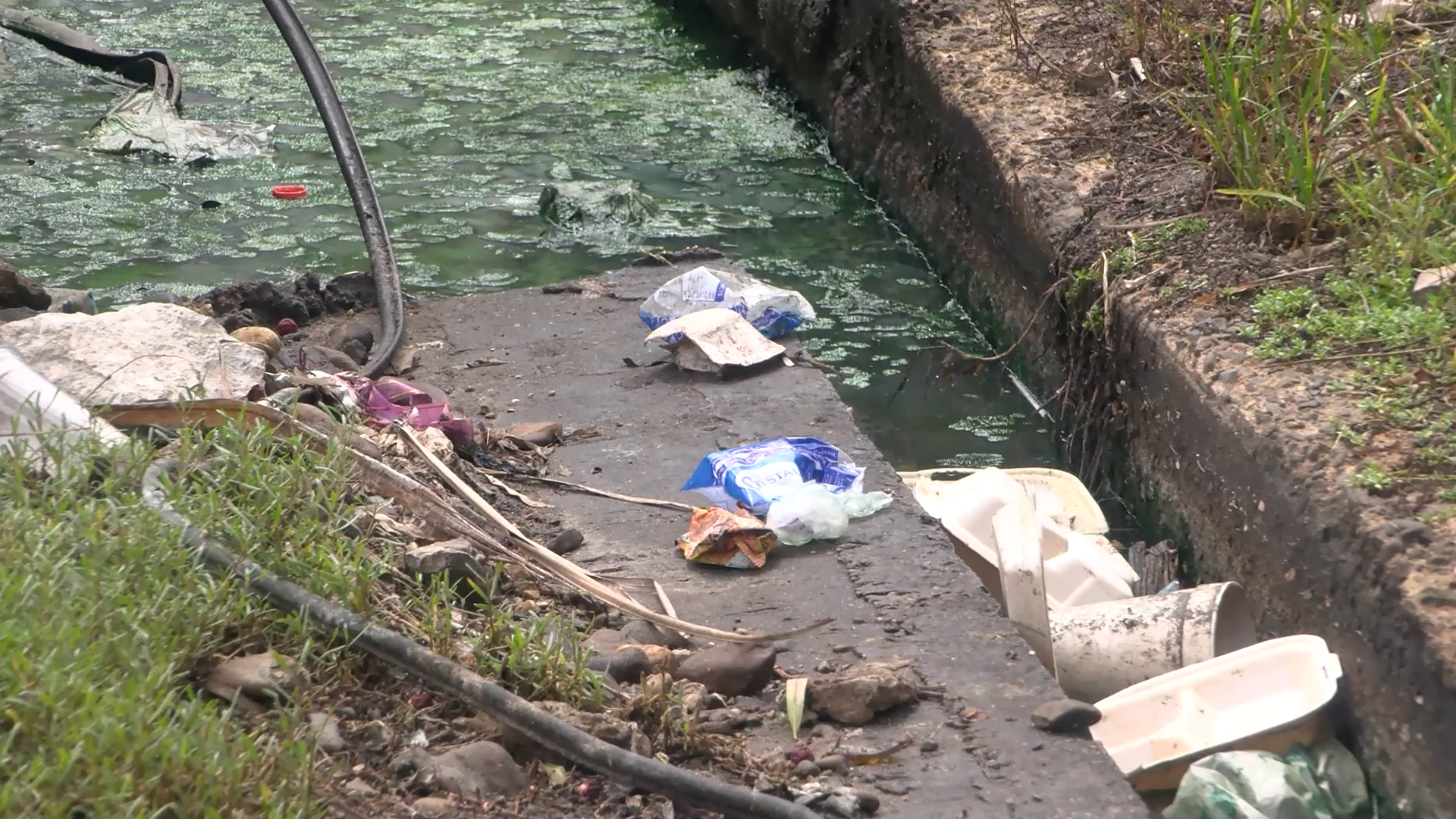
As of July 2, 2026, a growing coalition of more than 40 organizations in Belize is pushing for a gradual three-year ban on the country’s ubiquitous 25-cent single-use plastic water pouches, a common consumer product that has become a major source of national plastic pollution. Advocates argue that these thin, disposable plastic sachets are rapidly clogging urban street drains, polluting inland rivers, and littering major highway corridors across the country, causing widespread harm to Belize’s natural ecosystems and waste management systems.
Orlando Habet, Belize’s Minister of Sustainable Development, has confirmed that the public and civil society concerns over the plastic pouch crisis are well-founded. Official national waste cleanup data collected across the country consistently ranks these water pouches among the most frequently recovered items of litter, backing up claims of their outsized environmental footprint.
In a public address outlining the government’s approach to the issue, Habet acknowledged that past policy attempts to transition to more eco-friendly alternatives have fallen short of expectations. Previous regulations required single-use plastic products to meet a 52% biodegradability standard, meaning products must break down naturally within 12 months. However, the rollout hit unforeseen roadblocks: policymakers failed to secure consistent supply chains for biodegradable materials, leaving the new standard unworkable for local producers and importers.
Belize relies heavily on imports of consumer goods from trading partners across North and Central America, Habet explained, making regional collaboration a critical component of any successful transition. If neighboring nations do not implement matching regulations to incentivize biodegradable product manufacturing, supply will remain scarce in Belize, as there is no pressure on regional producers to shift their production lines. While Belize could develop its own domestic biodegradable manufacturing sector using local raw materials such as bagasse, dried plant sucker fibers, and bamboo pulp, Habet noted that building this new industry will require time and investment, and products will remain costly until a sufficient local and export market is established to scale production.
The minister also emphasized that policymakers must address the socioeconomic realities of the ban before moving forward. Low-income Belizean consumers depend on the inexpensive water pouches for affordable access to drinking water, and small local entrepreneurs rely on the sale of the products for their livelihoods. Finding low-cost accessible alternatives is therefore a non-negotiable prerequisite to implementing the phase-out. Right now, the Belizean government is actively exploring viable biodegradable alternatives and working to secure buy-in and support from regional trading partners to make a smooth, equitable transition away from single-use plastic water pouches possible.