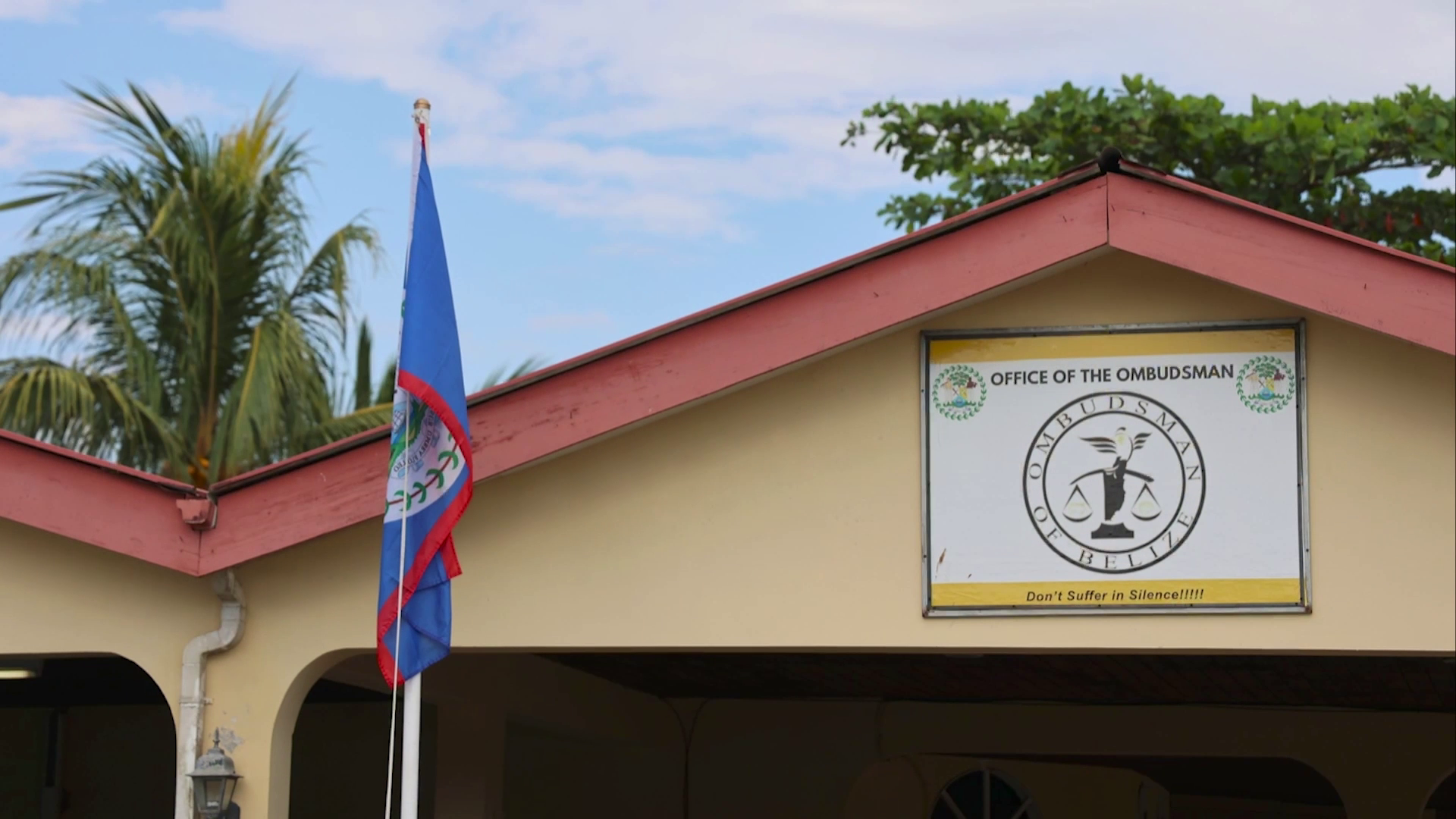
BELIZE CITY – July 2, 2026 – Foreign Minister Francis Fonseca has addressed growing public scrutiny over the months-long vacancy in the country’s Ombudsman position, framing the delay as a necessary step for a planned institutional overhaul rather than bureaucratic inaction.
The key oversight post has sat empty since December 2025, when the current Briceño administration declined to renew the contract of former officeholder Major Gilbert Swaso. In the wake of that decision, Swaso has launched a constitutional challenge against the government, alleging it overstepped its legal authority and unlawfully undermined the institutional independence of the Ombudsman’s office.
Speaking publicly this week, Fonseca clarified that the hold-up in appointing a new Ombudsman is tied to a deliberate transition: the government is moving to restructure the existing Ombudsman’s office into a fully-fledged National Human Rights Institution, a transformation that requires extensive preparatory work and a specific set of qualifications for the incoming leader. Per the minister’s explanation, the role demands a licensed attorney with specialized expertise in human rights frameworks to guide the new entity, and the government is committed to following all required constitutional procedures before making an appointment.
“Our core goal is to fill this critical position as rapidly as possible, but we are bound by the formal legislative process that runs through the National Assembly,” Fonseca stated. “That process is moving forward as we speak, and the position will be posted publicly for applications in the very near future. This transition from a basic Ombudsman’s office to a standalone National Human Rights Institute carries a great deal of complex work, and we cannot cut corners to speed it up.”
Fonseca also pushed back against criticism by contextualizing the current vacancy, noting that the previous UDP administration left the post unfilled for two and a half years during its tenure. By comparison, he argued, the current four-month vacancy is a product of careful due diligence to ensure the institutional transition is completed correctly, rather than unnecessary delay. Once the transition framework is finalized, he confirmed, the appointment will be formalized through a full vote in the National Assembly.
The Ombudsman position serves as a key check on government overreach, protecting citizens from administrative abuse and safeguarding civil liberties, making the vacancy and ongoing transition a topic of widespread public interest in Belize. The legal challenge brought by Swaso adds an additional layer of uncertainty to the process, though the government has reaffirmed its commitment to moving forward with the restructuring on schedule.