标签: Belize

伯利兹

  • Unanimous Caucus Vote Questioned After Perez’s Absence

    Unanimous Caucus Vote Questioned After Perez’s Absence

    A significant political controversy has erupted within Belize’s ruling People’s United Party as Northern Caucus members face internal discord regarding their purported unanimous endorsement of the contentious BTL-Speednet acquisition deal. The situation intensified when Belize Rural South Area Representative André Perez revealed he had neither attended the crucial meeting nor been informed about the caucus’s plan to publicly support the telecommunications merger.

    The development emerges amid nationwide debates surrounding the proposed acquisition, which has generated substantial political tension and public concern. Perez stated he received notification merely two days prior about a Northern Caucus meeting featuring a presentation on the topic, but due to short notice, was unable to attend. He emphasized that he had no prior knowledge that the meeting would culminate in a formal declaration of support for the controversial deal.

    The purported unanimous endorsement has drawn sharp criticism from within party ranks, notably from Cayo South Representative Julius Espat, who condemned the move as inappropriate political interference that undermines both public protests and official regulatory reviews. Perez maintained a measured stance, acknowledging that public consultations regarding the acquisition ‘could have been done better’ while noting that the Public Utilities Commission minister has since intervened to temporarily halt proceedings for further evaluation.

    This internal conflict highlights growing tensions within the ruling party regarding appropriate procedures for addressing major national infrastructure decisions and raises questions about transparency in political caucus operations during sensitive policy deliberations.
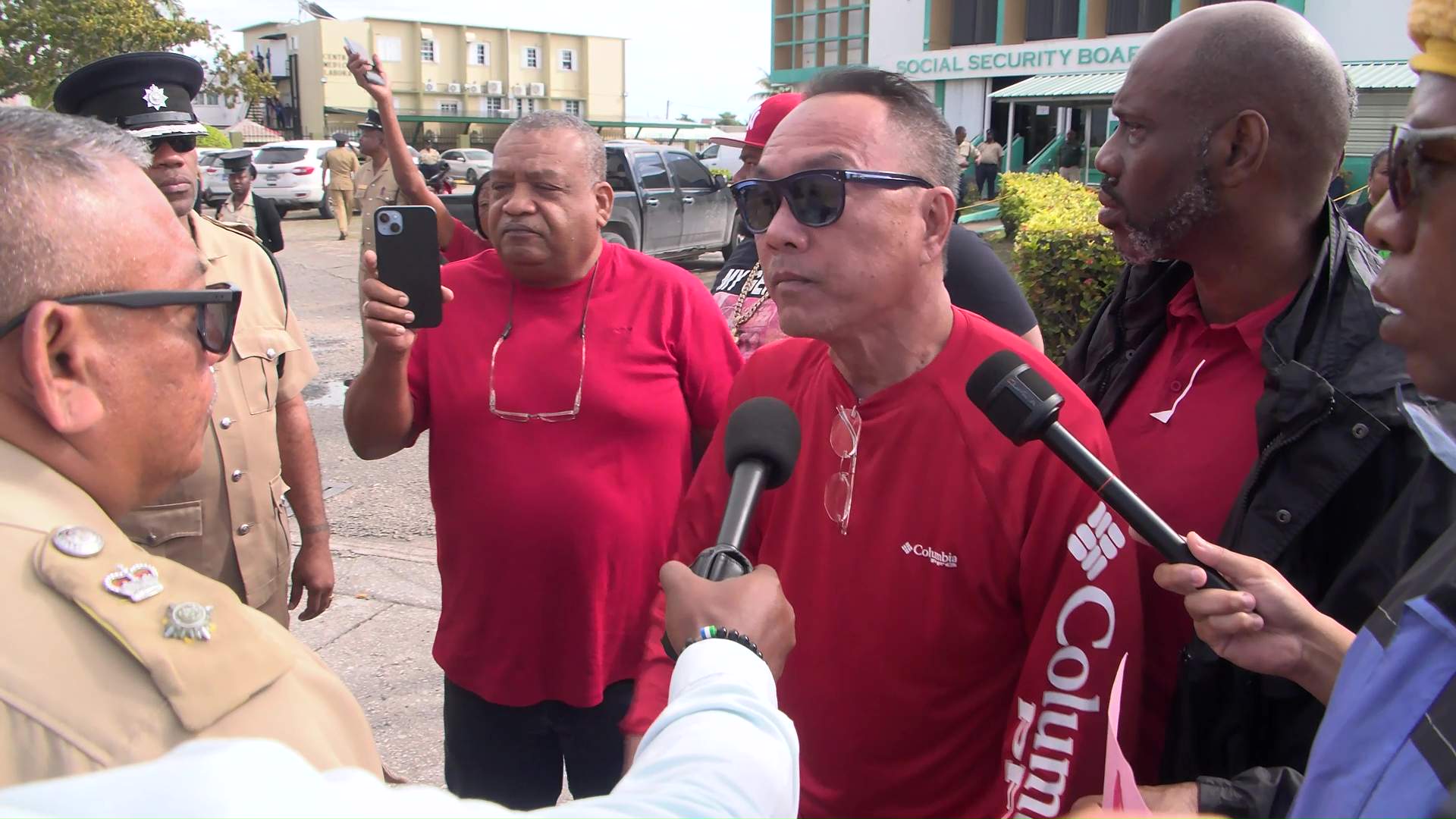

  • Lee Mark Chang Defends UDP Protest Amid Police Warning

    Lee Mark Chang Defends UDP Protest Amid Police Warning

    A significant constitutional confrontation is escalating in Belize as Mesopotamia Area Representative Lee Mark Chang defiantly challenges police warnings regarding last week’s UDP-organized protest. The political stalemate emerges amid ongoing tensions within the opposition party regarding the Northern Caucus’ unexpected endorsement of the BTL-Speednet agreement.

    Chang, in a passionate defense of democratic principles, declared his readiness to assume full financial and legal responsibility for any bonds required by authorities. He characterized the police warnings as unconstitutional intimidation tactics against citizens exercising their fundamental rights. “If they want to continue sending threats,” Chang stated, “then we’ll probably have to take them to court.”

    The parliamentarian emphasized that the demonstration was conducted peacefully and within constitutional boundaries, arguing that authorities were attempting to suppress legitimate dissent. He recounted preliminary discussions with police officials where he asserted that constitutional rights cannot be arbitrarily suspended by those in power.

    Chang’s stance highlights growing concerns about governmental overreach and the preservation of democratic freedoms in Belize. The lawmaker framed the issue as a fundamental test of citizenship rights versus state power, warning that police actions could deter ordinary citizens from engaging in lawful protest.

    As the political standoff continues, Chang has vowed to pursue judicial intervention if authorities persist in what he characterizes as the suppression of constitutional rights. The developing situation raises critical questions about the boundaries of protest rights and governmental authority in Belize’s democracy.

  • Belize Moves to Build Modern Competition Framework

    Belize Moves to Build Modern Competition Framework

    In a landmark move to address long-standing market concentration concerns, Belize has initiated its first comprehensive effort to establish a modern competition framework. The Central American nation, which has historically operated without robust antitrust legislation, is now confronting issues of market dominance particularly evident in telecommunications and utilities sectors.

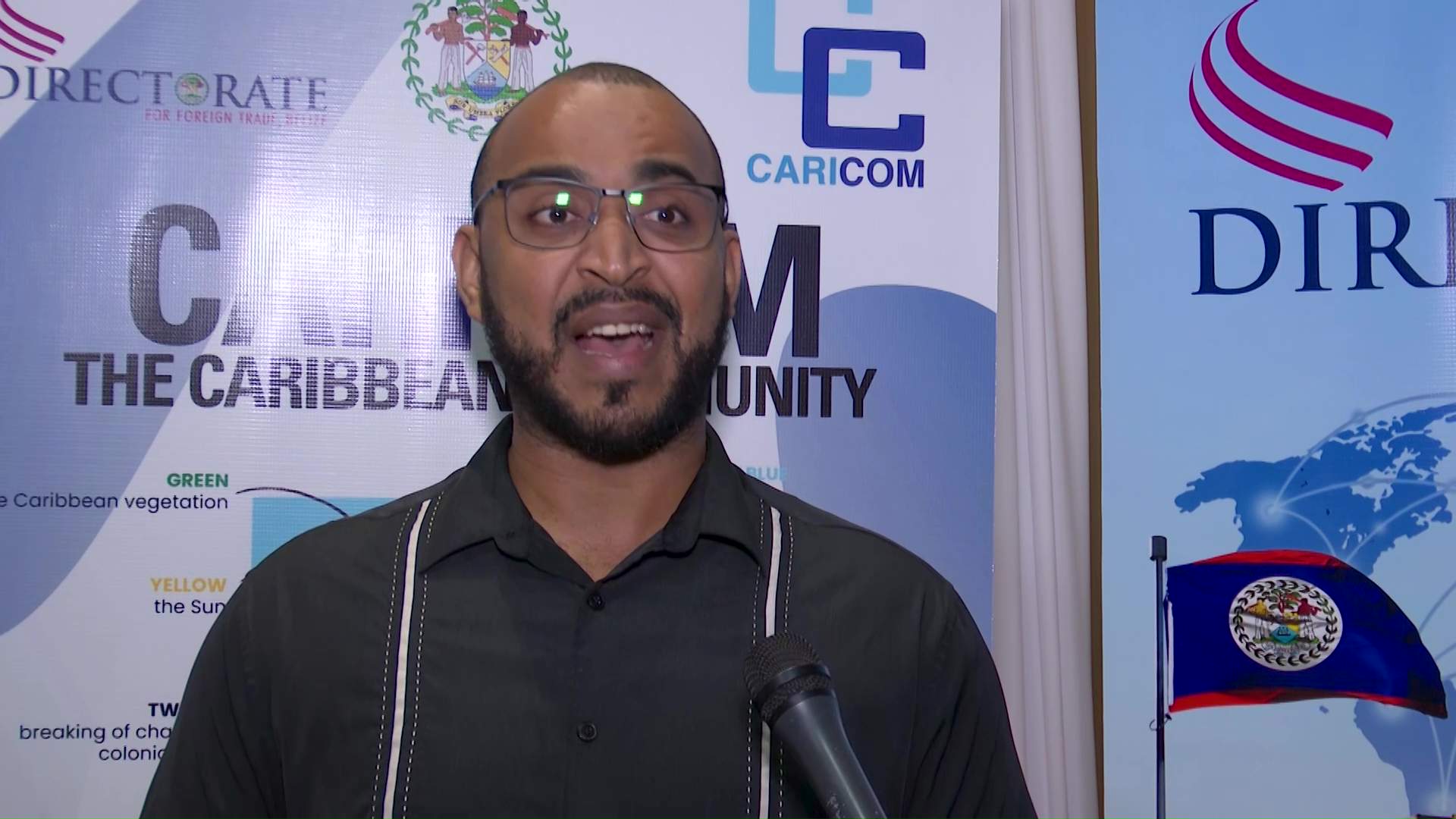
    This week, Belmopan hosts a pivotal capacity-building workshop gathering Belizean officials alongside regional and international experts. The collaborative session aims to develop regulatory mechanisms to prevent anti-competitive practices and establish equitable market conditions for businesses and consumers alike.

    Leading the initiative is David Miller, Executive Director of Jamaica’s Fair Trading Commission, who brings extensive regional experience in competition policy. Miller emphasized the critical nature of regulatory oversight in small economies where natural monopolies frequently emerge. “Competition law builds the framework within which competition can flourish,” Miller stated. “Regulators must understand competition rules and implement structures that ensure market participants operate fairly.”

    Miller highlighted telecommunications as particularly vital, noting its evolution into an essential service comparable to electricity and water. “We require telecom services to live, operate, and conduct business. Oversight becomes crucial to prevent market failures,” he explained. While acknowledging he wasn’t familiar with Belize’s specific economic circumstances, Miller pointed to typical anti-competitive behaviors observed across similar jurisdictions.

    The reform initiative reflects Belize’s recognition that effective competition policy serves dual purposes: protecting consumer interests while strengthening regulatory institutions. This development follows years of mounting concerns about concentrated market power in key industries, signaling a new chapter in Belize’s economic governance approach.

  • Belize Takes Major Step Toward Modern Competition Oversight

    Belize Takes Major Step Toward Modern Competition Oversight

    Belize has initiated a landmark legislative endeavor to establish its inaugural national competition law, marking a transformative shift in its economic governance. This strategic move aims to dismantle market monopolies, enhance regulatory oversight, and foster equitable commercial practices across vital industries.

    The Ministry of Foreign Trade is spearheading this initiative with a comprehensive two-month stakeholder consultation period, inviting input from diverse economic sectors to collaboratively design the regulatory architecture. Concurrently, government officials and regional policy experts are convening in Belmopan to formulate the legal framework’s foundational principles.

    Berisford Codd, Senior Trade Economist at the Ministry of Foreign Trade, emphasized the legislation’s dual purpose: “This ensures we implement laws and regulations to create fair markets, preventing dominant businesses from exploiting their position. Consumers will gain access to improved pricing, greater choice, and businesses will be incentivized to innovate beyond what monopolistic environments permit.”

    The development positions Belize to finally synchronize with its Caribbean Community Single Market and Economy (CSME) counterparts, virtually all of whom already maintain competition frameworks. Codd specifically referenced post-COVID price gouging incidents as demonstrating the urgent need for such regulatory mechanisms, noting that a competition authority would provide essential tools to monitor markets and ensure optimal functioning for both consumers and legitimate businesses.

    This legislative advancement represents Belize’s commitment to modernizing its economic infrastructure while integrating more fully with regional trade agreements and protection mechanisms.

  • Competition Push Accelerates as UDP Flags Weak Oversight

    Competition Push Accelerates as UDP Flags Weak Oversight

    Belize is intensifying efforts to establish its inaugural national competition framework, initiating a comprehensive two-month public consultation period to develop legislation aimed at consumer protection and curbing monopolistic practices across dominant industries. This legislative advancement unfolds amid mounting criticism from the opposition United Democratic Party (UDP), which contends that the nation’s current regulatory environment remains critically inadequate.

    The UDP has raised substantial concerns regarding oversight deficiencies that allegedly impede the government’s ability to obtain essential operational data from key telecommunications provider Belize Telemedia Limited (BTL). According to opposition leadership, these regulatory shortcomings have created significant obstacles in conducting proper scrutiny of major corporate transactions and acquisitions.

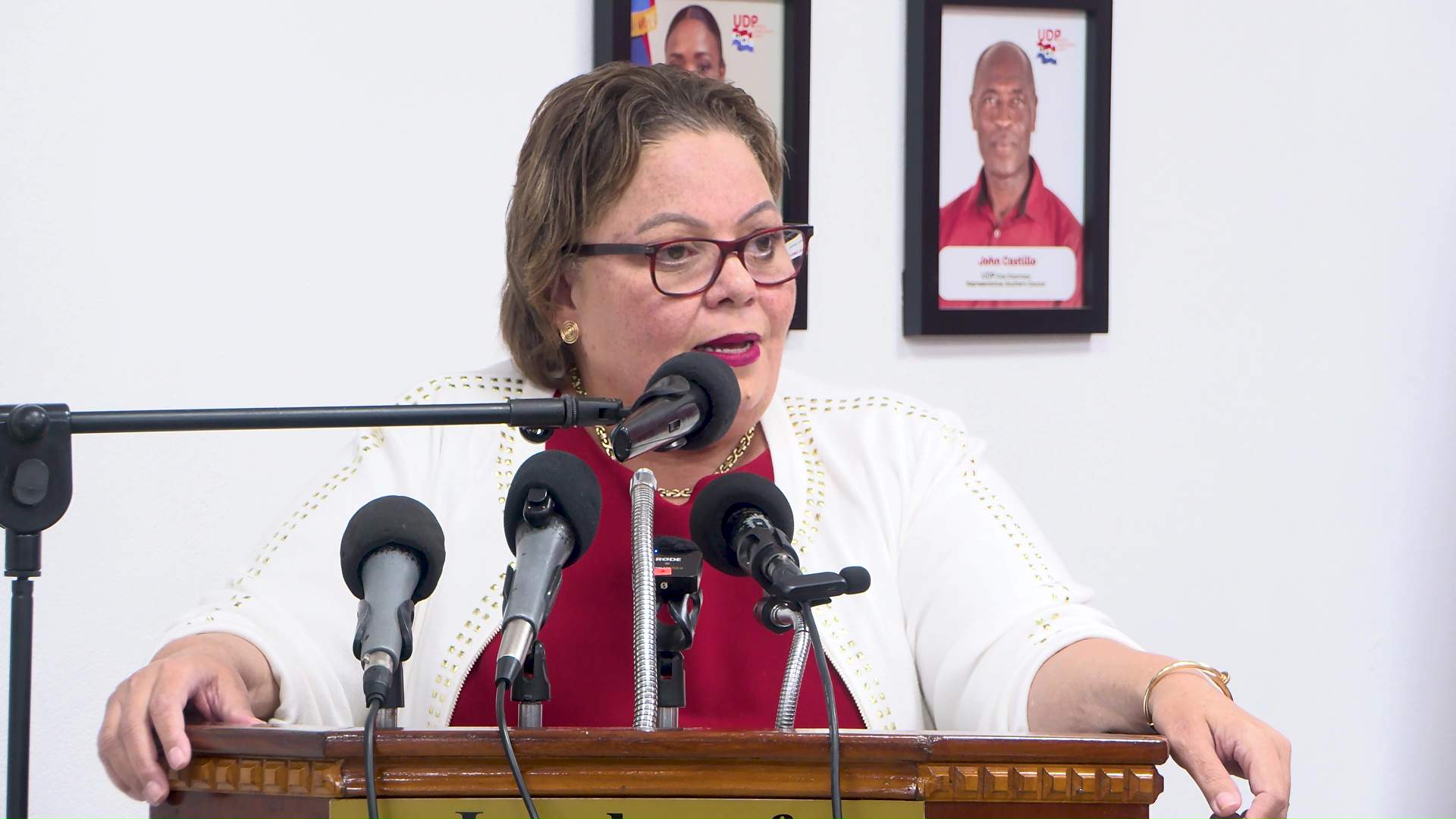
    UDP Leader Tracy Panton provided specific allegations following meetings with BTL leadership, stating that company representatives presented merely a superficial ten-slide PowerPoint presentation lacking substantive data during discussions. Panton characterized the information disclosure process as reactive rather than transparent, noting that BTL only releases additional information “when the temperature gets too hot in the room.”

    The opposition leader emphasized that such inadequate disclosure practices fail to meet proper standards for conducting public affairs. Panton has called for independent evaluation mechanisms and insists that strengthening Belize’s regulatory framework must precede approval of any significant corporate deals or acquisitions. This position establishes a clear political confrontation regarding the pace and substance of Belize’s economic reform initiatives.

  • UDP Pressures Regulators Amid Oversight Concerns

    UDP Pressures Regulators Amid Oversight Concerns

    The United Democratic Party (UDP) has escalated its campaign against Belize’s regulatory authorities, alleging systemic failures in consumer protection and market oversight. UDP Leader Tracy Panton has publicly challenged both telecommunications provider BTL and the Public Utilities Commission (PUC) regarding a significant proposed acquisition that she claims threatens market competition.

    In a recent statement, Panton articulated four fundamental responsibilities that she asserts the PUC has neglected: protecting consumers, preserving fair competition, preventing monopolistic practices, and curbing abuse of market power. The opposition leader characterized government-appointed regulators as ‘silent referees’ in what she describes as a critical test of Belize’s regulatory framework.

    The political confrontation emerges against the backdrop of a potentially transformative acquisition within Belize’s telecommunications sector. While specific details of the proposed transaction remain undisclosed, Panton’s remarks suggest it involves substantial market consolidation that could disadvantage consumers and undermine competitive balance.

    Panton has mobilized public sentiment by directly appealing to Belizean citizens to join the UDP in demanding regulatory accountability. This call to action represents a strategic shift from parliamentary criticism to public engagement, indicating the opposition’s assessment of the acquisition’s significance to national economic interests.

    The developing situation highlights growing tensions between political oversight and regulatory independence in Belize’s governance structure, with potential implications for future foreign investment and market regulation in the Caribbean nation.

  • NTUCB Not Demanding Lizarraga’s Resignation

    NTUCB Not Demanding Lizarraga’s Resignation

    BELIZE CITY – In a nuanced approach to corporate governance concerns, the National Trade Union Congress of Belize (NTUCB) has adopted a measured position regarding Markhelm Lizarraga’s involvement in Belize Telemedia Limited (BTL) acquisition negotiations. While opposition groups demand stricter oversight and resignation calls, the nation’s primary labor federation has strategically declined to join demands for Lizarraga’s resignation, instead advocating for his recusal from the specific negotiation process.

    NTUCB President Ella Waight clarified the organization’s stance in a recent statement, emphasizing fiscal pragmatism. “The NTUCB on a whole has not asked for his resignation,” Waight asserted. “We have never said that the NTUCB has declared he should resign. There are different persons, different unions under the NTUCB that would have expressed that view individually.”

    The union’s position stems from practical financial considerations rather than full endorsement of Lizarraga’s leadership. Waight highlighted potential costs associated with executive resignation, noting that “the gentleman is not making a little bit of money as we all know. We have to be concerned about that. We do not want any more additional costs on the taxpayer of this country.”

    Instead, the NTUCB has specifically expressed lack of confidence in Lizarraga leading the acquisition initiative and formally requested his removal from these particular negotiations. This distinction allows the union to maintain pressure for ethical governance while avoiding potential financial repercussions for taxpayers.

    The development occurs alongside Centaur’s announcement that it “brings the discussions to a close at this time” with BTL, indicating significant ongoing corporate developments within Belize’s telecommunications sector. The NTUCB’s carefully calibrated position reflects the complex balance between accountability concerns and economic practicalities in the nation’s business landscape.

  • Belmopan City Hall Clears Trade License Confusion

    Belmopan City Hall Clears Trade License Confusion

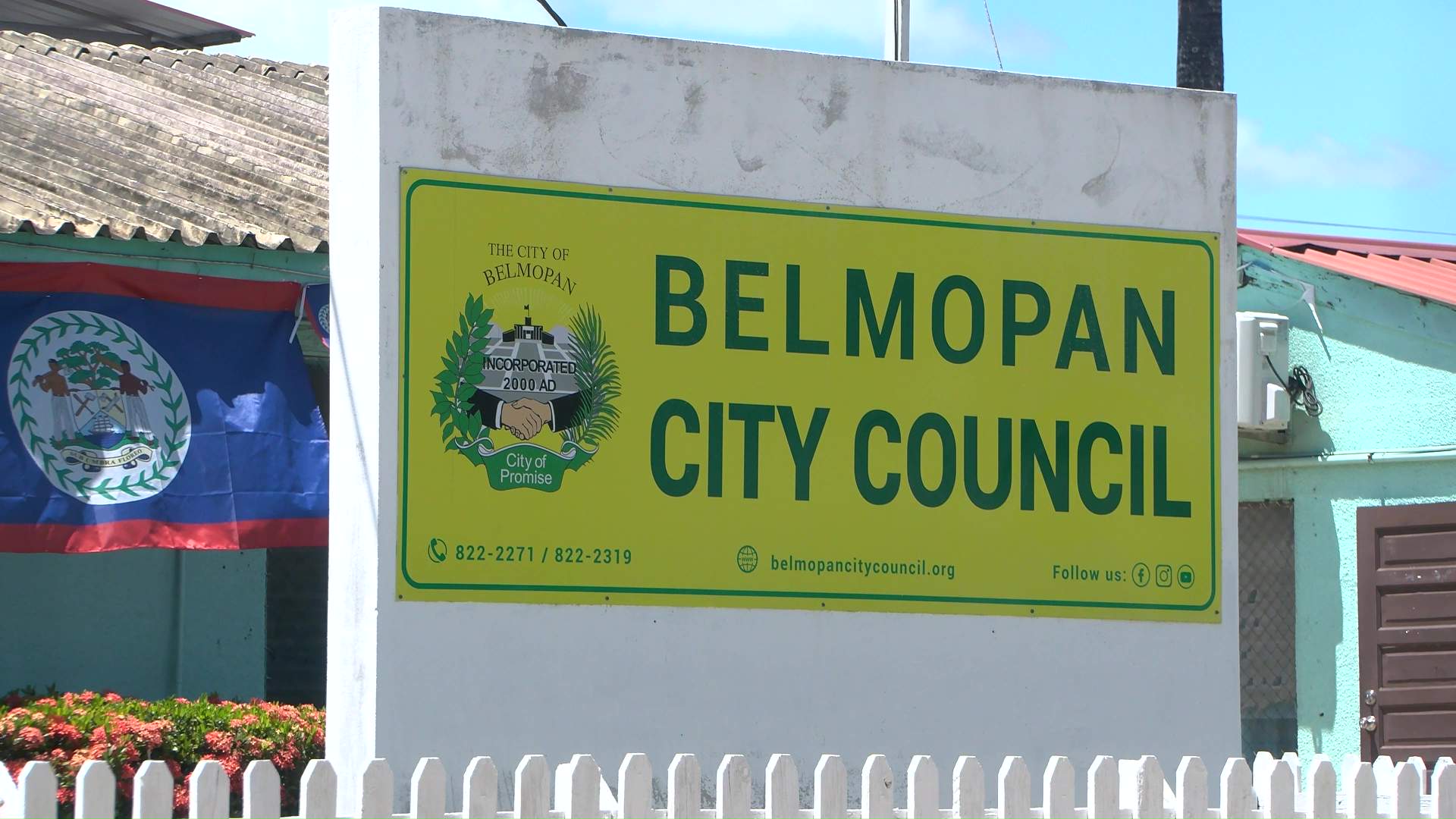
    Belmopan City authorities have moved to address mounting confusion regarding recent trade license fee increases, with Mayor Pablo Cawich providing crucial clarifications on the implementation timeline and financial adjustments.

    In an official statement released February 11, 2026, Mayor Cawich explained that the recently issued fee notices containing increased amounts were calculated based on municipal reassessments. However, following intervention from central government authorities and the Ministry of Local Government, the city council has recalibrated its approach to ensure compliance with the newly legislated ten percent cap on fee adjustments.

    The discrepancy emerged from differing interpretations between municipal authorities and the Trade Board regarding the applicability of the new legal framework. While the Trade Board initially believed the ten percent limitation didn’t apply during the transition period, subsequent discussions have resulted in a revised understanding and approach.

    Mayor Cawich confirmed that updated correspondence will be distributed to all business license holders, regardless of whether they were affected by the recalculations. For those businesses that already made payments exceeding the corrected amounts, the municipality will apply these as credits toward future licensing periods or other municipal fees, eliminating the need for refund processing.

    This proactive communication strategy aims to restore confidence among the business community while demonstrating the city’s commitment to transparent governance and regulatory compliance during the implementation phase of new legislation.

  • City Hall Soothes License Concerns, Justifies Garbage Changes

    City Hall Soothes License Concerns, Justifies Garbage Changes

    Belmopan Mayor Pablo Cawich has moved to alleviate growing concerns among local business owners regarding two separate municipal fee adjustments: pending trade license changes and recalculated garbage collection rates.

    Addressing confusion over the new trade license regime, Mayor Cawich assured business owners that any overpayments made during the transition period would be either credited or reassigned once updated official notices are distributed. This clarification comes amid reports of businesses receiving conflicting billing statements.

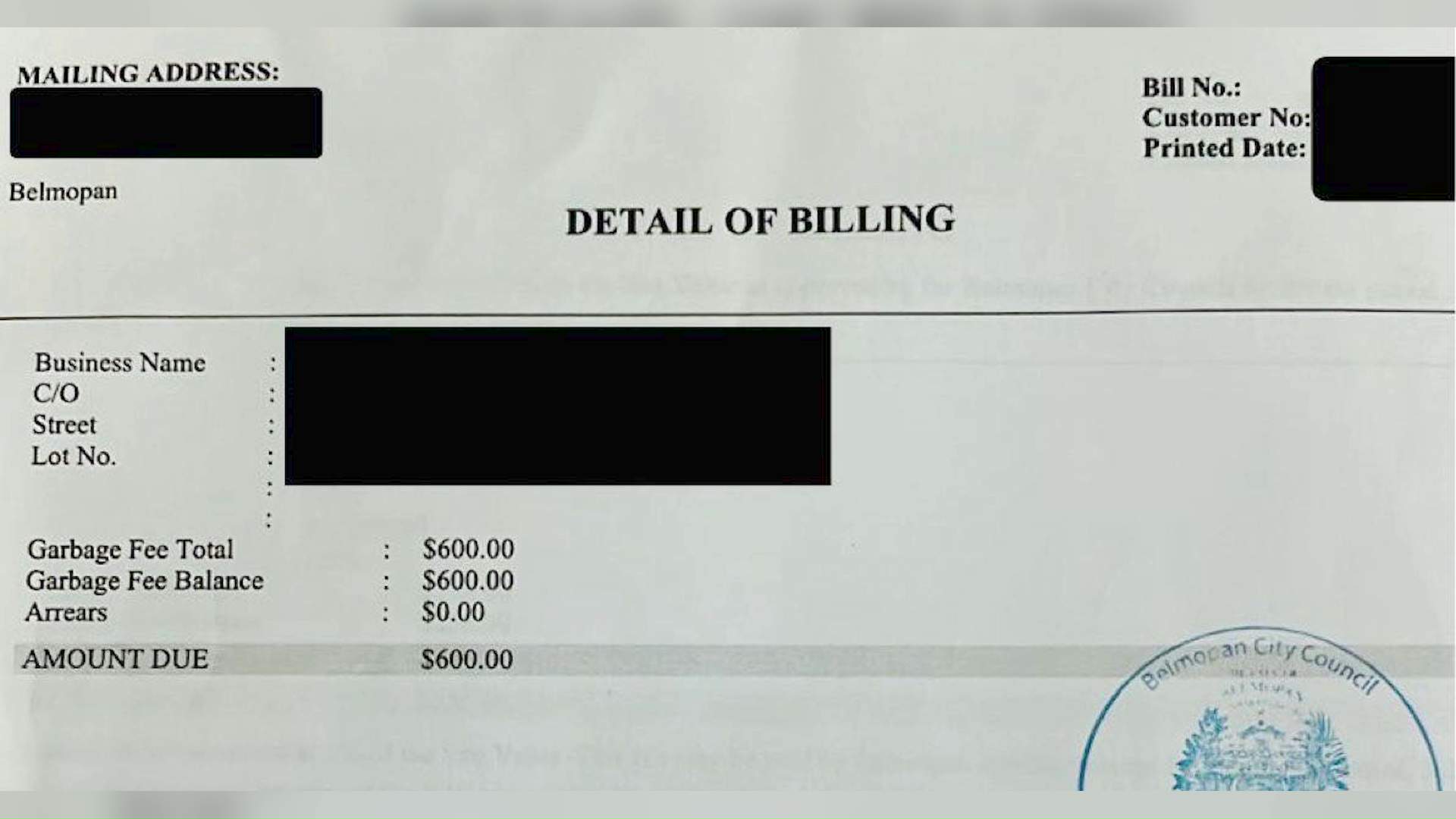
    Simultaneously, City Hall is implementing revised garbage fee structures based on comprehensive reassessments of commercial operations. Mayor Cawich emphasized these adjustments are not arbitrary increases but reflect updated evaluations of two key factors: business square footage and waste generation patterns.

    “The commercial garbage rate schedule relies significantly on square footage,” Cawich explained. “When a business undergoes reassessment and its square footage increases, corresponding adjustments to garbage fees become necessary.”

    The mayor further detailed that business categorization plays an equally important role, noting that different enterprise types generate varying waste volumes regardless of physical size. This dual-factor approach aims to create a more equitable fee system based on actual service requirements rather than flat rates.

    Cawich acknowledged that most increases result from previous garbage fees not matching what should have been charged according to the updated assessment criteria. The municipal government maintains these corrections ensure fair cost distribution for waste management services across Belmopan’s business community.

  • Climate Change Centre’s $50 Million Intervention in Sugar Industry

    Climate Change Centre’s $50 Million Intervention in Sugar Industry

    BELIZE CITY – A transformative $50 million climate resilience initiative is now underway to safeguard Northern Belize’s critically important sugar industry against escalating climate threats. The comprehensive intervention comes as prolonged droughts and increasingly erratic rainfall patterns devastate cane farming operations, threatening both livelihoods and national economic stability.

    Dr. Colin Young, Executive Director of the CARICOM Climate Change Center, outlined the strategic components of this groundbreaking project during a recent briefing. “The effects of climate change are having a devastating impact on this industry, which serves as a lifeblood of the Belizean economy,” Young emphasized. “Our investment through the Green Climate Fund represents a comprehensive approach to building long-term resilience.”

    The multifaceted program includes the introduction of climate-resistant sugarcane varieties, advanced land management techniques, and direct grants to support approximately 5,000 farming families. The initiative also focuses on capacity building and providing essential seed cane for replanting operations across affected regions.

    Dr. Osmond Martinez, Belize’s Minister of State for Economic Transformation, highlighted the significance of the grant-based financing. “This demonstrates Belize’s growing capacity to mobilize critical climate finance,” Martinez stated. “The funding will enable field rejuvenation, transition toward mechanized systems, and implementation of modern irrigation infrastructure to move beyond traditional harvesting methods.”

    With climate projections indicating increasingly dry conditions and unpredictable precipitation patterns, officials describe the investment as essential preparation for future environmental challenges. The program aims to construct robust systems that can minimize economic shocks to Belize’s agricultural sector while ensuring the long-term viability of sugar production in the region.