标签: Belize

伯利兹

  • The Gamboa Question

    The Gamboa Question

    A growing political controversy has taken hold in Belize’s public service sector, after the country’s Ministry of Transport put forward a recommendation to release serving Police Corporal Jhawn Gamboa from the Belize Police Department so he can take up a senior role within the transport ministry. The debate has centered on allegations of nepotism, with critics questioning whether Gamboa’s selection for the position was rooted in professional qualification or improper familial influence.

    At the heart of the dispute is a formal recommendation letter signed by Chester Williams, Chief Executive Officer of the Ministry of Transport. Critics have pointed to the personal connection between Gamboa’s family and Williams, raising questions about whether the hiring process deviated from standard merit-based protocols to benefit the young police officer.

    Gamboa’s father, Superintendent Aaron Gamboa, a senior ranking officer in the Belize Police Department, has forcefully pushed back against all claims of preferential treatment for his son. In his defense of the appointment, the superintendent laid out a detailed record of Jhawn Gamboa’s professional and academic qualifications to prove he earned the position through his own capabilities.

    According to Superintendent Gamboa, Jhawn Gamboa has compiled an impressive record of achievement throughout his training and early career. He completed his mandatory police recruit training and graduated at the top of his class, earning the prestigious Recruit Baton of Honour. Academically, he holds both an associate degree in English and a completed bachelor’s degree, and has also undergone formal military training to expand his professional skill set. Most notably, Superintendent Gamboa confirmed that his son scored 96 percent during the official interview for the senior ministry position, a result that he says speaks to his son’s readiness for the role.

    The senior officer stressed that every step of Jhawn Gamboa’s career so far has been driven by performance, not personal connections. He also addressed the specific allegations surrounding CEO Chester Williams’ influence, pointing out that Williams served for years as Commissioner of Police, and never promoted Jhawn Gamboa during his tenure. Instead, Superintendent Gamboa explained, Jhawn Gamboa earned his promotion to the rank of corporal under current Commissioner Dr. Richard Rosado, only after passing all required promotional examinations in full compliance with department policy.


  • Cabinet Secretary Linked to Company Paid by Ministry of Defence

    Cabinet Secretary Linked to Company Paid by Ministry of Defence

    A growing procurement scandal within Belize’s Ministry of Defence has pulled another high-ranking government official into public scrutiny, just weeks after initial questions emerged about the department’s questionable contracting practices.

    As of July 17, 2026, local independent outlet News Five has verified that Stuart Leslie, the country’s sitting Cabinet Secretary, holds a director position at RSL Group Limited – a private firm that collected more than $85,000 in payments from the Ministry of Defence (MOD) across May and June of this year. The company is one of dozens of entities named in a cache of leaked procurement documents that are now at the center of a growing probe into the MOD’s spending practices.

    The most alarming detail unearthed by News Five’s investigation centers on a pattern of intentional invoice splitting designed to evade official procurement oversight. Belize’s public procurement rules require competitive bidding for any contract valued above $10,000, but documents show RSL Group received seven identical payments of $6,941 all issued on June 4, a structure that deliberately keeps each transaction below the mandatory bidding threshold. On top of these seven payments, a separate pending payout to the firm exceeds $49,000, bringing the total committed amount to well over $100,000.

    Sales orders obtained by the outlet confirm that RSL Group’s contracted work for the Belize Defence Force consisted solely of supplying a variety of food seasonings – a basic, low-value good that critics say should have been sourced through standard, transparent competitive processes.

    When reached for comment on the allegations, Leslie did not deny his formal connection to RSL Group. He pushed back against claims of wrongdoing, however, emphasizing that he plays no role in the company’s daily business operations. The Cabinet Secretary also rejected all assertions that he leveraged his senior government position to sway the MOD’s contract awarding process in the firm’s favor.

    Per Leslie’s account, RSL Group initially participated in the open public procurement process for the seasoning supply contract but was not selected. He claims the MOD later reached out to the company directly to request the goods, after the originally awarded contractor was unable to fulfill the order. Leslie added that RSL Group is a fully legitimate family-owned business, and that he has had personal ties to the owning family for multiple decades.

  • Judgement Reserved in Wilbert Banks Murder Trial

    Judgement Reserved in Wilbert Banks Murder Trial

    Five years after the fatal shooting of Belize City bicycle technician Wilbert Banks, the criminal trial of the man accused of masterminding his killing has entered its final stage, with the judge delaying the verdict to the end of the month.

    Krismar Espinosa, 36, stands charged with orchestrating the 2021 murder that left Banks dead from multiple gunshot wounds. Following days of witness testimony and closing arguments from both legal teams, Supreme Court Justice Nigel Pilgrim announced he would reserve his ruling until July 31, giving time for careful review of all evidence presented in court.

    The prosecution’s case is anchored by the testimony of a key witness: Banks’ former girlfriend, who was Espinosa’s romantic partner at the time of the killing. Citing credible threats to her personal safety and that of her young child, the witness was granted permission to deliver her testimony remotely via video link. She told the court that Espinosa pressured her to lure Banks to the Lake Garden neighborhood, threatening to kill her and her son if she refused to comply with the plan.

    Per the witness’s account, she contacted Banks under the pretense of requesting a ride to the nearby town of Ladyville. When the pair arrived at the prearranged location in Lake Garden, Espinosa emerged from hiding and opened fire directly into the vehicle Banks was driving. Though Banks managed to speed away from the attack to escape, he ultimately crashed his vehicle a short time later. A post-mortem examination conducted after his death confirmed that he died from a total of seven gunshot wounds inflicted during the attack.

    Investigators first connected Espinosa to the crime after recovering the witness’s cell phone in close proximity to the crash and attack site. Law enforcement later traced the device’s ownership to the shared residence of Espinosa and the witness in Lords Bank. The witness fully cooperated with authorities throughout the investigation and has not faced any charges connected to Banks’ killing, while Espinosa was taken into custody and formally charged with murder.

    Breaking with the common practice of defendants declining to testify, Espinosa took the witness stand in his own defense to deny any role in the killing. He told the court that he was at his own home at the time of the shooting, maintaining his complete innocence in the case. After both the prosecution and defense delivered their final closing arguments summarizing their positions, Justice Pilgrim adjourned the trial and scheduled the delivery of the final verdict for two weeks after the hearing, on July 31.

  • Attorney General Responds to Ombudsman Vacancy Legal Challenge

    Attorney General Responds to Ombudsman Vacancy Legal Challenge

    In July 2026, three interconnected legal challenges are unfolding across Belize, putting the country’s democratic accountability institutions and constitutional governance frameworks under unprecedented public scrutiny.

    The first and highest-profile dispute centers on former Ombudsman Gilbert Swaso, a retired military major, who has brought the Government of Belize before the courts over the non-renewal of his contract in December 2025. Swaso alleges that the government declined to extend his tenure in retaliation for a Freedom of Information ruling he issued that went against state interests. He further claims that the government’s decision violated the constitutional protections that guarantee the independence of his former office, a critical check on executive overreach. Following a recent case management conference, the Supreme Court has established binding filing deadlines for both parties, with a full trial scheduled to begin on November 20, 2026. The government is required to submit its formal response affidavit by the end of this week.

    Attorney General Anthony Sylvestre pushed back against public criticism of the government’s position in the case, emphasizing that the rule of law applies equally to all constitutional office holders. “Every single office holder, whether it be the Prime Minister, whether it be the Ombudsman, whether it be a judge, must comply with the dictates of the law in exercising their functions,” Sylvestre stated, framing the court process as a core component of Belize’s democratic system rather than an attack on independent oversight. Swaso, for his part, has framed the lawsuit as a fundamental defense of the Ombudsman office’s integrity and ability to uphold government transparency.

    A second separate legal challenge has been filed by prominent social activist Jeremy Enriquez, who is taking the government to task over the months-long vacancy in the Ombudsman’s office left after Swaso’s departure. Enriquez argues that the government’s failure to appoint a permanent successor has blocked Belizeans’ access to critical accountability pathways, leaving multiple Freedom of Information appeals – including two of his own – tied up in limbo with no official to adjudicate them. He contends that the prolonged vacancy has effectively weakened one of the nation’s most important anti-corruption and transparency institutions.

    Sylvestre confirmed that the government is already moving forward with the appointment process, which falls under the purview of the bipartisan Ombudsman Reports Committee of the National Assembly, with a public vacancy notice already posted. The posting, developed in partnership with a three-year European Union-funded project to establish Belize’s new National Institute of Human Rights, prioritizes candidates with specialized experience in human rights and oversight work. Sylvestre noted that the government remains committed to appointing a candidate who can advance the institutional development of the ombudsman’s office and the new human rights body.

    In a third separate legal matter also involving Enriquez, the Caribbean Court of Justice (CCJ) has recently cleared procedural hurdles to allow his constitutional challenge against Belize’s outdated electoral redistricting to move forward. Filed in February 2025, Enriquez’s suit argues that current electoral boundary divisions are outdated and violate Belizeans’ constitutional right to equal representation. Sylvestre explained that Enriquez won two out of three interlocutory appeals he brought before the CCJ, clearing the way for the case to return to the Belize Court of Appeal for further proceedings. As of July 2026, more than a year after the initial filing, the court has not yet addressed the core substantive question of whether the existing boundaries violate Belize’s constitution.

  • PM Briceño Moves to Overhaul Military Ration Purchases

    PM Briceño Moves to Overhaul Military Ration Purchases

    In a sweeping policy shift aimed at addressing longstanding public and internal scrutiny over the nutritional quality of food provided to Belize’s national security personnel, Prime Minister John Briceño has announced a complete overhaul of the country’s military ration procurement process. The change comes on the heels of troubling health outcomes linked to low-quality, sodium-heavy canned and packaged rations sourced through local suppliers, which have been tied to multiple serious health incidents among service members.

    During discussions held Monday with senior leadership from the Belize Defense Force (BDF) and the Belize Coast Guard, Briceño outlined that the government will bypass existing local supply chains to purchase nutritionally standardized Meals Ready-to-Eat (MREs) directly from a United States-based manufacturer. The prime minister noted that current rations relied heavily on processed canned goods with extremely high sodium content, which has contributed to widespread hypertension among coast guard personnel. Most alarmingly, the poor diet has already led to one service member death and two to three strokes in recent months.

    “We cannot ask our soldiers to deploy on dangerous jungle missions and expect them to sustain themselves on low-quality processed potted meat,” Briceño stated, emphasizing that the health of frontline security personnel is a non-negotiable government priority. The new direct-to-manufacturer MREs are scientifically formulated to provide 1,500 nutritionally balanced calories per package, specifically designed to meet the intense physical demands of deployed service members. Administrative leadership has already completed initial contact with the U.S. manufacturer, and the first shipment of custom BDF-branded MREs is currently en route to Belize. The custom branding is intended both to secure the supply chain and ensure all rations are distributed exclusively to BDF and Coast Guard personnel.

    The announcement comes amid swirling public debate about the state of military meal provisions, fueled by recent viral claims that BDF soldiers now enjoy a luxury menu including lobster, shrimp, and baby back ribs following initial upgrades to the feeding program. BDF Commander Brigadier General Anthony Velasquez moved quickly to clarify these circulating rumors, acknowledging that significant improvements have been made in both ration spending and food quality over the past six years, but confirming that luxury items remain far outside the regular military menu.

    Velasquez noted that while outdated public perceptions of inadequate military feeding have persisted, the force has made remarkable progress in upgrading service members’ diets over the past half-decade. “It is true that spending on rations has increased significantly, and the quality of what we serve has improved drastically from where we were six years ago,” he explained. “That said, claims that our soldiers eat steak and lobster every day are completely unfounded.” After 32 years of service in the BDF, Velasquez added that shrimp is only served on rare occasions, lobster is almost unheard of in regular rations, and he has never even been served baby back ribs during his tenure. While he confirmed that the force continues to identify gaps and work toward further improvement, he called the luxury menu claims overhyped speculation fueled by misread procurement documents.

    The overhaul marks the most significant change to Belize’s military procurement process in recent years, and comes as public scrutiny of government military contracting continues to grow. The Briceño administration has framed the shift as a tangible commitment to protecting the well-being of the country’s security personnel, who play a critical role in maintaining border security and public safety across Belize.

  • Delayed Audits: Are Current Spending Abuses Going Undetected?

    Delayed Audits: Are Current Spending Abuses Going Undetected?

    Nearly a decade behind on its mandatory financial reviews, the Office of the Auditor General is facing growing public scrutiny over a crippling backlog that has left current government spending irregularities potentially undetected for years, sparking urgent questions about governmental accountability and transparency.

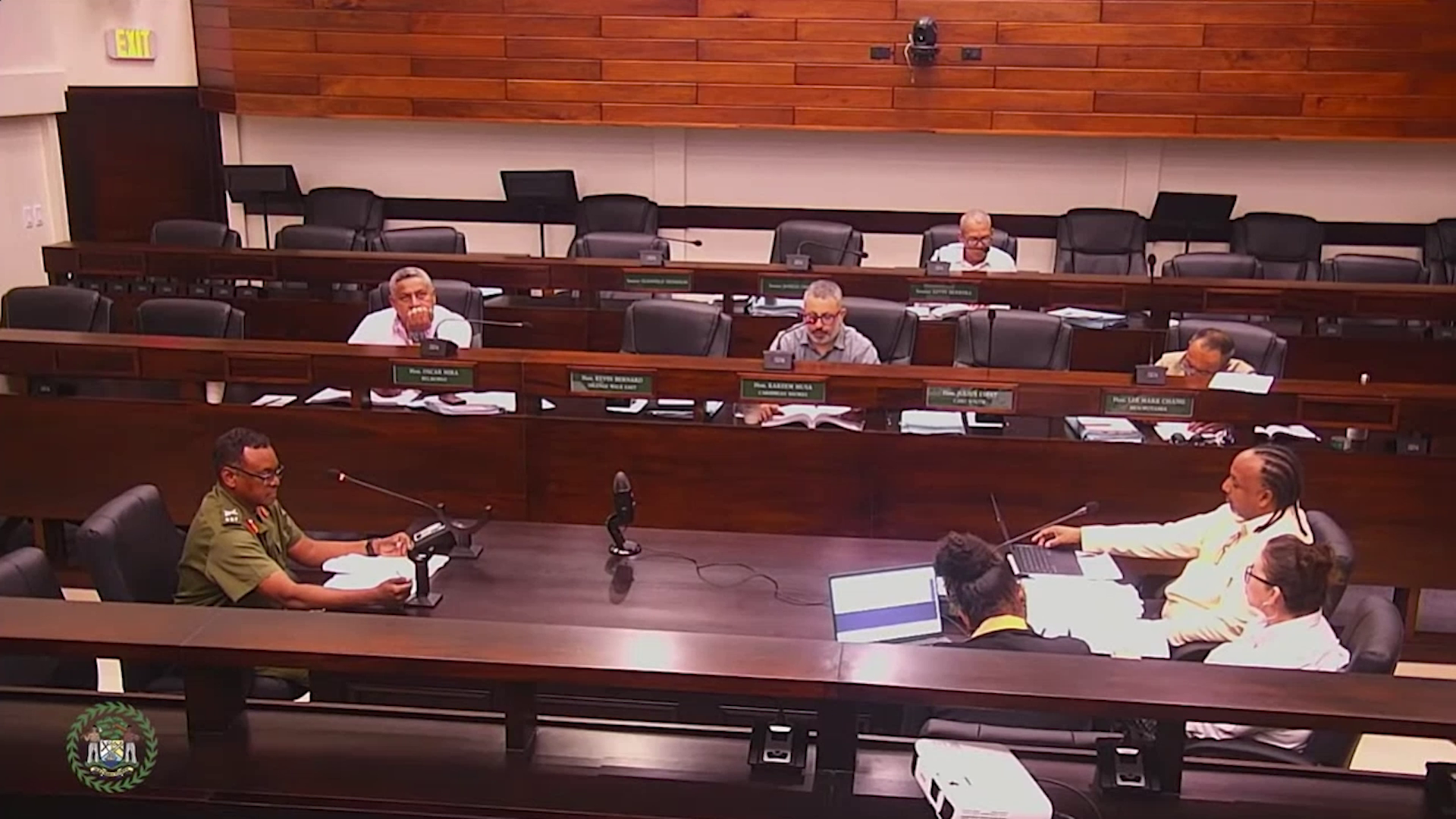
    As of 2026, the most recent financial audit reviewed by national lawmakers covers government spending from 2017 — a nine-year gap between expenditure and independent oversight that has left advocacy groups and citizens questioning how the public can hold elected officials and public administrators responsible for misuse of funds. In an interview discussing the growing crisis, Godwin Haylock, chairman of the Joint Public Accounts Committee (JPAC), addressed widespread concerns about the backlog and its impact on policy reform.

    Haylock emphasized that even delayed audits hold long-term value for improving government financial management. Even when reviews of older spending like the 2017 records cannot undo past misconduct, he argued, identifying systemic flaws in existing policies can prevent the same irregularities from recurring in current and future spending. He pointed to the high-profile ongoing controversy over government contracts awarded to the Mira family as an example of ongoing issues that have roots in long-standing policy gaps, noting that problematic contracting practices have persisted for years rather than emerging overnight. For Haylock, the core priority is examining outdated or flawed policies that enable these abuses and implementing targeted fixes to close loopholes.

    When pressed on whether more timely, up-to-date audits should be integrated into JPAC’s ongoing oversight work, Haylock acknowledged that both current and retrospective reviews are critical to meaningful accountability. He stated that he supports bringing all completed audit reports, both old and new, to the National Assembly for tabling and subsequent JPAC scrutiny. However, he stressed that the committee has no control over the order in which reports are delivered to the legislature: audits are processed in sequential order starting from the oldest backlogged entries, meaning the earliest the body could reach current spending reviews is no less than two years from now.

    To put the scale of the backlog in perspective: the country is currently reviewing 2017 finances in 2026, resulting in a nine-year gap between spending activity and independent oversight. Haylock did offer one small update on progress, noting that audit reports for 2018 and 2019 have been finalized and are scheduled to be tabled in the National Assembly in the near future, marking a small step forward in clearing the massive backlog.

    This report is a transcript of a televised evening newscast, with all Kriol-language remarks transcribed using a standardized spelling system for accuracy.

  • New 20-Megawatt Power Unit May End Threat of Load Shedding

    New 20-Megawatt Power Unit May End Threat of Load Shedding

    As Belize Electricity Limited (BEL) navigates persistent uncertainty over consistent power imports from Mexico’s Federal Electricity Commission (CFE), the regional utility is moving forward with an emergency generation project that could eliminate the threat of mandatory load shedding for local communities. The new 20-megawatt facility, which is currently being installed across the country, has faced minor shipping delays tied to global logistics disruptions and geopolitical unrest, but once operational, it is expected to cover domestic capacity gaps that have forced occasional rolling blackouts over recent weeks.

  • SSB Moves to Expand Stake in Hydro Belize

    SSB Moves to Expand Stake in Hydro Belize

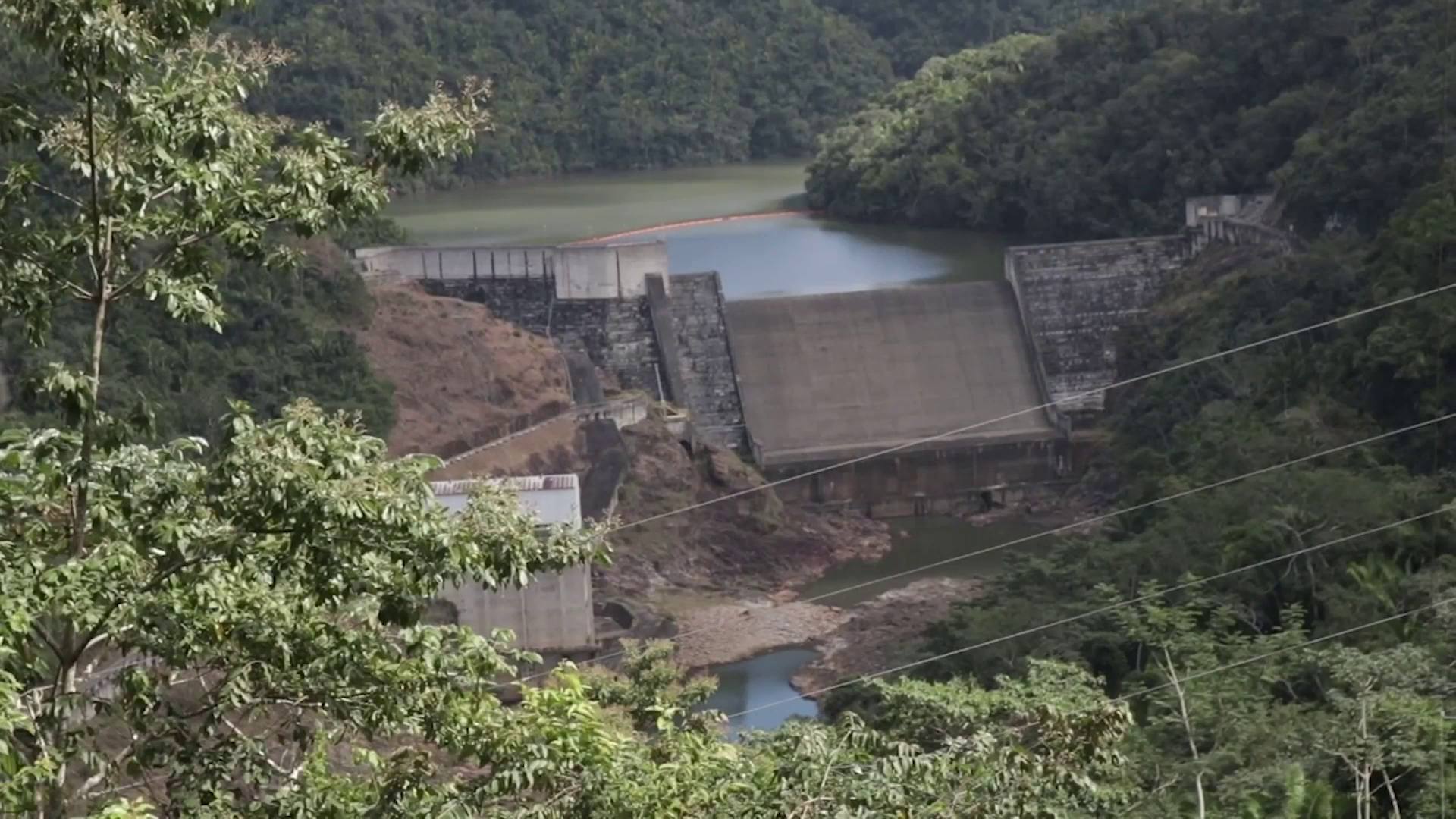
    On July 16, 2026, Belize’s Social Security Board (SSB) has announced plans to grow its existing investment in Hydro Belize Limited through a proposed $20 million share purchase, a move that has sparked both support from top government officials and public scrutiny over governance and financial strategy.

    Prime Minister of Belize has framed the planned stake expansion as a strategic, forward-thinking decision that stands to deliver long-term benefits to SSB contributors, while reinforcing the long-term stability of the national social security fund. However, the proposed transaction has not escaped criticism, with independent observers and stakeholders raising pointed questions about the deal’s transparency, underlying financial risk, and the growing concentration of SSB’s investment portfolio in a single domestic energy asset.

    To clarify details of the ongoing corporate transition and the investment outlook, local reporters reached out to Hydro Belize Board Chair Lynn Young for comment. Young, who led the company’s interim board ahead of the share purchase plan, confirmed that corporate transition activities are progressing according to schedule. “It’s going very smoothly,” Young explained in an interview. “Now we have the new shareholders on board. SSB has given notice of who their directors will be as well. At the next annual general meeting, both the large controlling shareholder and smaller minority shareholders will have the opportunity to vote on the full board slate, so that process is moving forward as planned.”

    Young noted that day-to-day operations of the utility have remained fully uninterrupted through the ownership transition. “At the management level, things run as per normal,” she said. “The company is run by a very competent set of all Belizeans actually and they just continue to run as normal and doing a good job actually.”

    When asked to assess the merits of SSB’s planned additional investment, Young emphasized that the final investment decision rests entirely with SSB’s own leadership and investment committee, on which she does not hold a seat. That said, she offered a bullish assessment of the company from her perspective as board chair. “From my opinion, it is a good investment. I think Hydro Belize Limited is one of the best-run companies in this country, and I think the assets are really solid assets. They have a proven track record and they do a good job. So I think it is a very good investment,” Young said, adding that SSB’s decision to commit additional capital indicates the board shares that positive outlook.

    Following requests for comment from reporters, SSB issued a formal statement defending its investment process, pushing back against claims of inadequate transparency. The board confirmed that every investment proposal brought before it undergoes rigorous multi-stage due diligence, including independent reviews of financial projections, legal compliance, corporate governance structures, and potential downside risk. SSB also noted that all major investment plans are subject to advance public disclosure, with processes designed explicitly to protect the interests of the contributors whose savings make up the fund.

    This report is a transcribed excerpt from a televised evening news broadcast, with all Creole language statements rendered using a standardized spelling system for published distribution.

  • Load Shedding Sparks Strategic Power Meeting

    Load Shedding Sparks Strategic Power Meeting

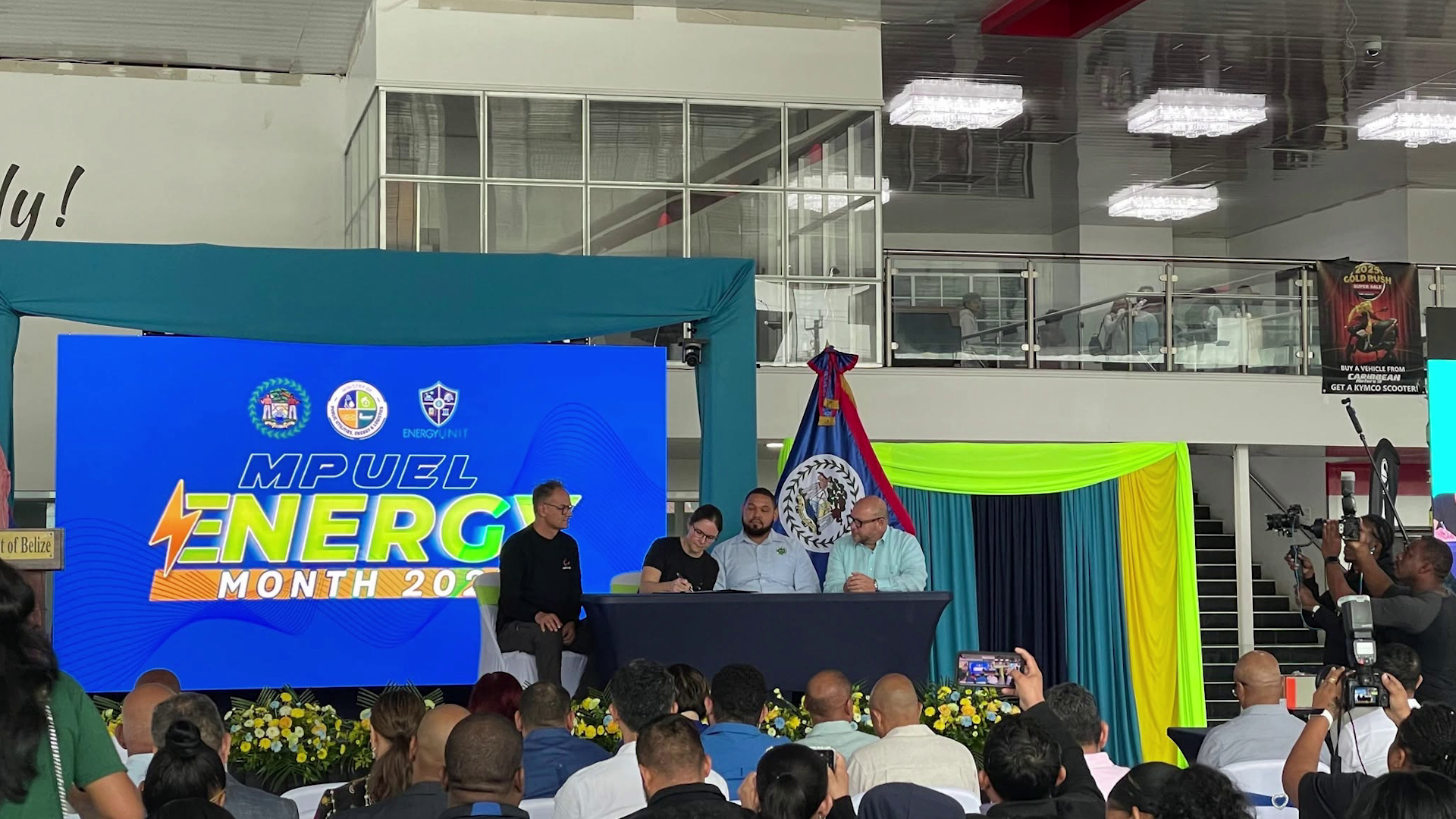
    Facing repeated, disruptive power outages and rapidly rising consumer and commercial electricity demand across the country, the government of Belize has brought all key energy stakeholders together for an unprecedented collaborative summit to map out a sustainable path forward for the nation’s energy sector. The meeting, convened July 16 2026 by the Ministry of Public Utilities, Energy and Logistics, gathered representatives from Belize Electricity Limited (BEL, the country’s main power distributor), the Public Utilities Commission (PUC, the sector’s regulatory body), and all local independent power producers (IPPs) to address the ongoing load shedding crisis that has plagued communities in recent months. Minister of Public Utilities and Energy Michel Chebat emphasized that this cross-stakeholder gathering was the first of its kind in Belize’s history, marking a shift from reactive crisis management to proactive, long-term strategic energy planning.

    Speaking after the closed-door meeting, Chebat outlined the core objectives that guided the discussion. The summit focused on aligning all parties around three key priorities: projecting Belize’s total power generation needs across short, medium, and long-term timelines, strengthening collaborative partnerships between the public sector and local energy producers, and ultimately eliminating the periodic rolling blackouts that have disrupted daily life and economic activity across the country.

    “This was the first time ever that every major player in Belize’s energy ecosystem – the policy-setting ministry, the distributor, the regulator, and our local independent producers – sat down at the same table to talk through our shared challenges and shared goals,” Chebat explained. “We came into this meeting to lay out BEL’s projected needs over coming years, and to open a transparent conversation about each IPP’s existing capacity and willingness to expand operations to meet growing demand. This wasn’t just a talk shop: we created space to share the specific challenges that independent producers are facing, and clearly laid out the government’s long-term energy expansion and independence plans. The biggest priority, of course, is closing the existing supply gap and doing everything in our power to bring the current cycle of load shedding to an end.”

    Chebat also highlighted the key pain point raised by independent power producers during the discussion: many local producers have held back from expanding generation capacity because they lack formal guarantees that they will be able to sell their output at a rate that delivers a reasonable return on their capital investment. The landmark meeting opened a direct channel to address these concerns, laying the groundwork for targeted policy adjustments that can unlock greater local investment in power generation. The government’s overarching strategic goal, Chebat noted, is to grow Belize’s energy independence by leveraging local production capacity, rather than relying on costly imported energy to meet domestic demand. This first-of-its-kind convening has already established a new ongoing working relationship between all stakeholders, moving the country closer to a reliable, stable power grid that can support sustained economic growth.

  • Affordable Power Remains Rural Electrification Challenge

    Affordable Power Remains Rural Electrification Challenge

    As 2026 reaches its midpoint, Belize is closing in on a major policy win for rural energy access, though the core challenge of delivering affordable power still hangs over the nation’s multi-region electrification push. The small Central American nation’s northern corridor is on the cusp of full rural electrification, with the remote Fireburn Village set to become the final northern community to gain grid access, government officials confirmed this week.

    Located in northern Belize, Fireburn Village’s power infrastructure is now complete: an off-grid solar system, installed by local firm Solar Energy Solutions Belize Ltd, is waiting for final activation to bring the community its first consistent access to electricity. Once Fireburn is connected, every village in northern Belize that has requested access to power will be fully served, marking a historic milestone for the government’s rural electrification program.

    Despite this progress in the north, work is far from over. Attention is now shifting to southern Belize, where eight remote communities remain completely off the national power grid, waiting for connection. Minister of Public Utilities and Energy Michel Chebat explained that the biggest ongoing barrier to scaling the program across the south is maintaining affordability while expanding access, a key priority for the government’s energy policy.

    “Our overarching target is to bring down the overall cost of energy for all rural residents, so hitting that accessible price point has consistently been our biggest challenge,” Chebat said in an address confirming the Fireburn project. “But we are making real, tangible progress across the country.”

    To serve the remote, spread-out communities of southern Belize, the government is turning to localized microgrid infrastructure. These smaller, decentralized energy networks can operate independently of the main national grid or connect alongside it, creating a reliable power supply even in hard-to-reach terrain that would be prohibitively expensive to connect via traditional transmission lines. Chebat confirmed that development is already underway on these southern microgrids, with the first projects on track to be inaugurated as early as September 2026.

    This report is a transcribed excerpt from an evening television newscast focused on Belize’s energy and infrastructure progress.