标签: Belize

伯利兹

  • Stuart Leslie Named in Widening Defense Procurement Scandal

    Stuart Leslie Named in Widening Defense Procurement Scandal

    In an ongoing investigation into questionable contracting practices at Belize’s Ministry of Defense, a new high-profile name has been linked to suspicious payments, deepening public concern over potential corruption and improper influence in government procurement. Leaked internal documents obtained exclusively by News Five connect Cabinet Secretary Stuart Leslie to RSL Group Limited, a vendor that collected more than $85,000 in taxpayer funds from the defense ministry between May and June 2026, with an additional $49,000 payment still pending.

    The leaked records reveal the same troubling pattern of fragmented invoicing that has marked other questionable transactions in the scandal: all payments processed were kept just under the $10,000 threshold, a common tactic to avoid heightened oversight requirements. Most notably, seven identical payments of exactly $6,941 were disbursed to RSL Group on a single day, June 4, 2026. When the nature of RSL’s services was called into question, a leaked sales order confirms the company only supplied a range of food seasonings to the Belize Defence Force.

    When contacted by News Five, Leslie acknowledged his position as a director of RSL Group but sought to distance himself from the firm’s dealings with the defense ministry. He claimed he plays no role in the company’s daily operations, and denied ever contacting Ministry of Defense officials to secure the contract. Leslie insisted the company participated in a formal, legitimate bidding process that initially rejected RSL’s bid, and claimed it was the defense ministry that reached out to reverse that decision and request the company’s services. He added that RSL is a fully legitimate business owned by a family he has close personal ties to.

    Leslie is far from the only senior government figure tied to the expanding scandal. A growing roster of current and former officials, including multiple cabinet members, have denied any improper involvement in awarding defense ministry contracts to companies connected to their family members, close associates, or political constituents.

    Prime Minister John Briceño, when questioned earlier this month about ties between other politically connected individuals and the questioned contracts, claimed he had no knowledge of any improper activity. “Just like how I did not know what the Mira family was getting and what Florencio and all of them were doing, I do not know,” Briceño stated in a phone interview on July 9.

    The scandal’s central figure, former acting Defense Minister Florencio Marin Jr., has been placed on administrative leave pending the outcome of a full government audit. Days before stepping back from his post, Marin called for patience, saying, “I am prepared to speak but please let’s have the audit finished first. Right now it is ongoing.”

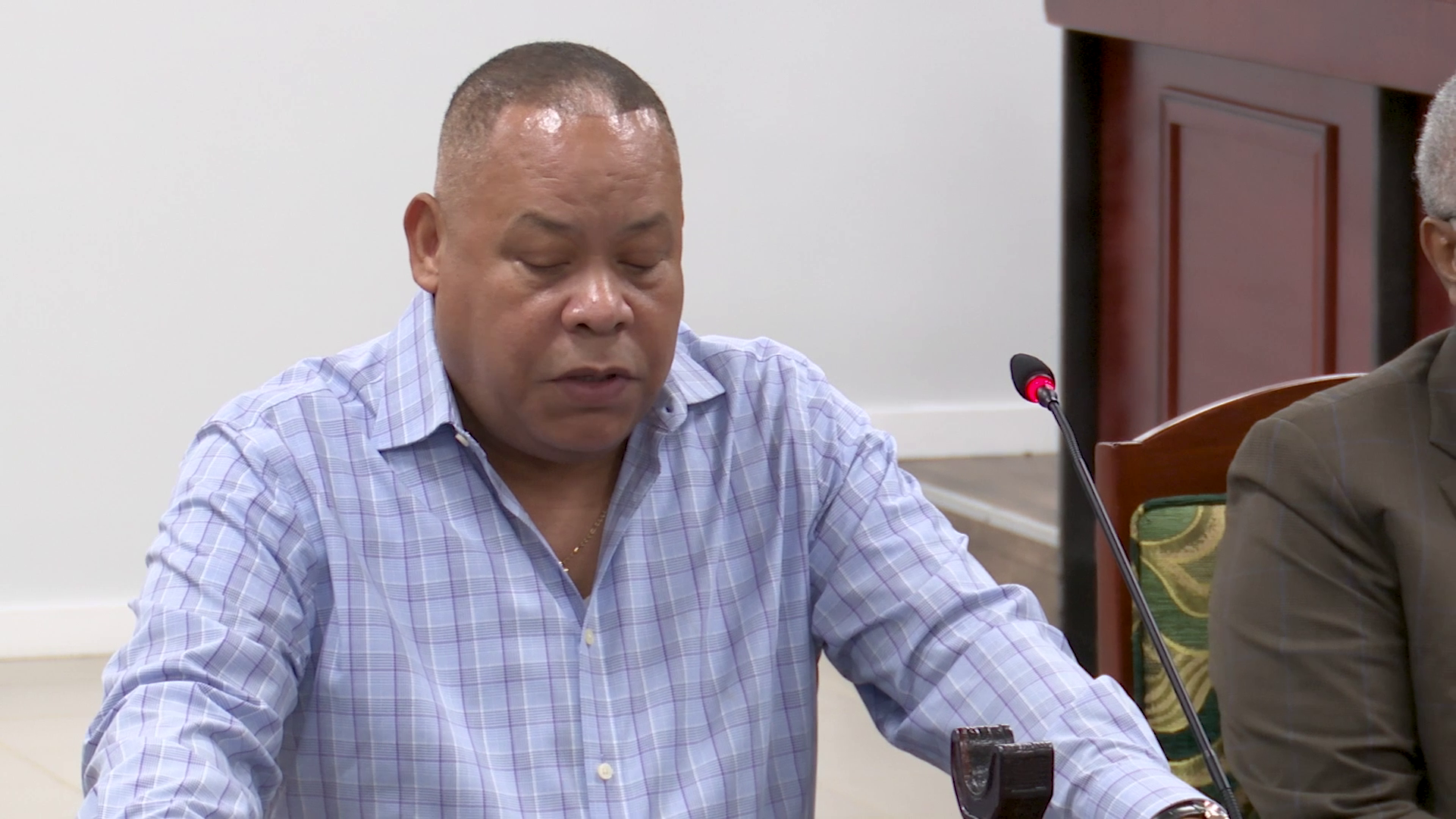
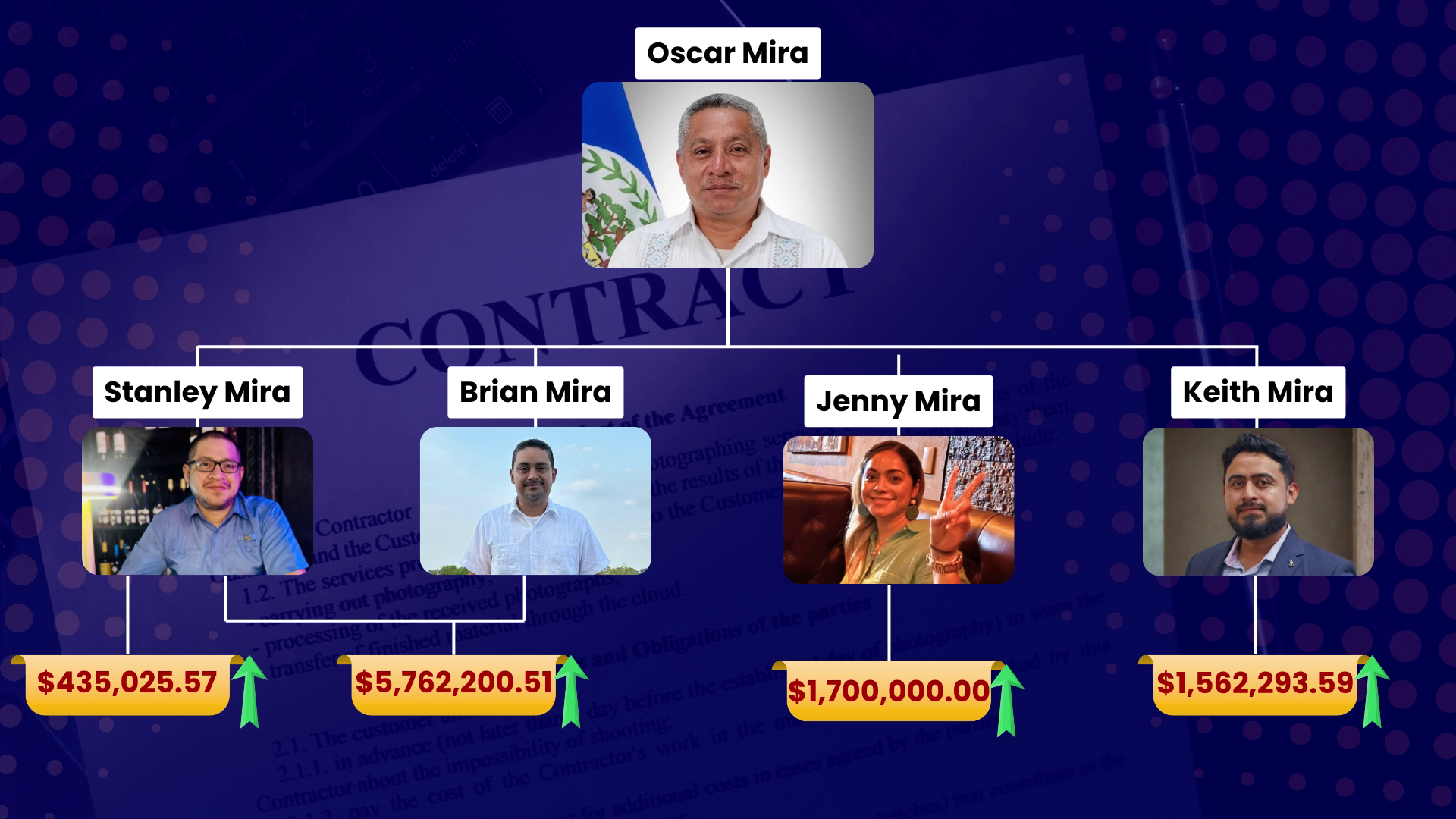
    Other high-ranking officials have echoed the uniform denial of wrongdoing. Former Defense Minister Oscar Mira, whose siblings received multiple defense ministry supply contracts, has denied any role in securing those awards: “I am confident that I did not involve anything from me. I did not, I was not the one you know.” Minister of State Ramon “Monchi” Cervantes similarly rejected any claims that his familial ties to the owners of J&J Imports helped the company secure defense contracts, telling reporters, “No, not at all, I had nothing to do with it.” Even Ministry of Defense CEO Francis Usher, whose wife’s cousin owns contracting firm Meat Master, insisted all processes were above board. “They went through the evaluation process like everyone else,” Usher said, noting the independent evaluation committee can confirm his lack of improper influence.

    While all officials named have denied wrongdoing, the leaked Smart Stream documents reveal a geographic pattern that has intensified calls for a full independent investigation. Eight of the companies and individuals named in the leaked records are based in northern Belize, with six registered in Orange Walk Town – the same municipality that makes up Prime Minister Briceño’s electoral constituency. RSL Group, the entity tied to Leslie, is among the Orange Walk-based firms, along with Javier Briceno and Addy Ku, Meat Master, J&J Imports, and Enrique Javier Requena. Two additional vendors linked to the scandal are based in Corozal Northeast, the electoral constituency held by Florencio Marin Jr. The concentration of awarded contracts in politically aligned northern constituencies has left observers questioning whether procurement decisions were driven by political connections rather than open competition and public interest. As the audit of defense spending continues, public pressure mounts for full transparency to answer lingering questions about who benefited from the controversial spending.

  • Chebat Calls for Serious Probe Into Spending Scandal

    Chebat Calls for Serious Probe Into Spending Scandal

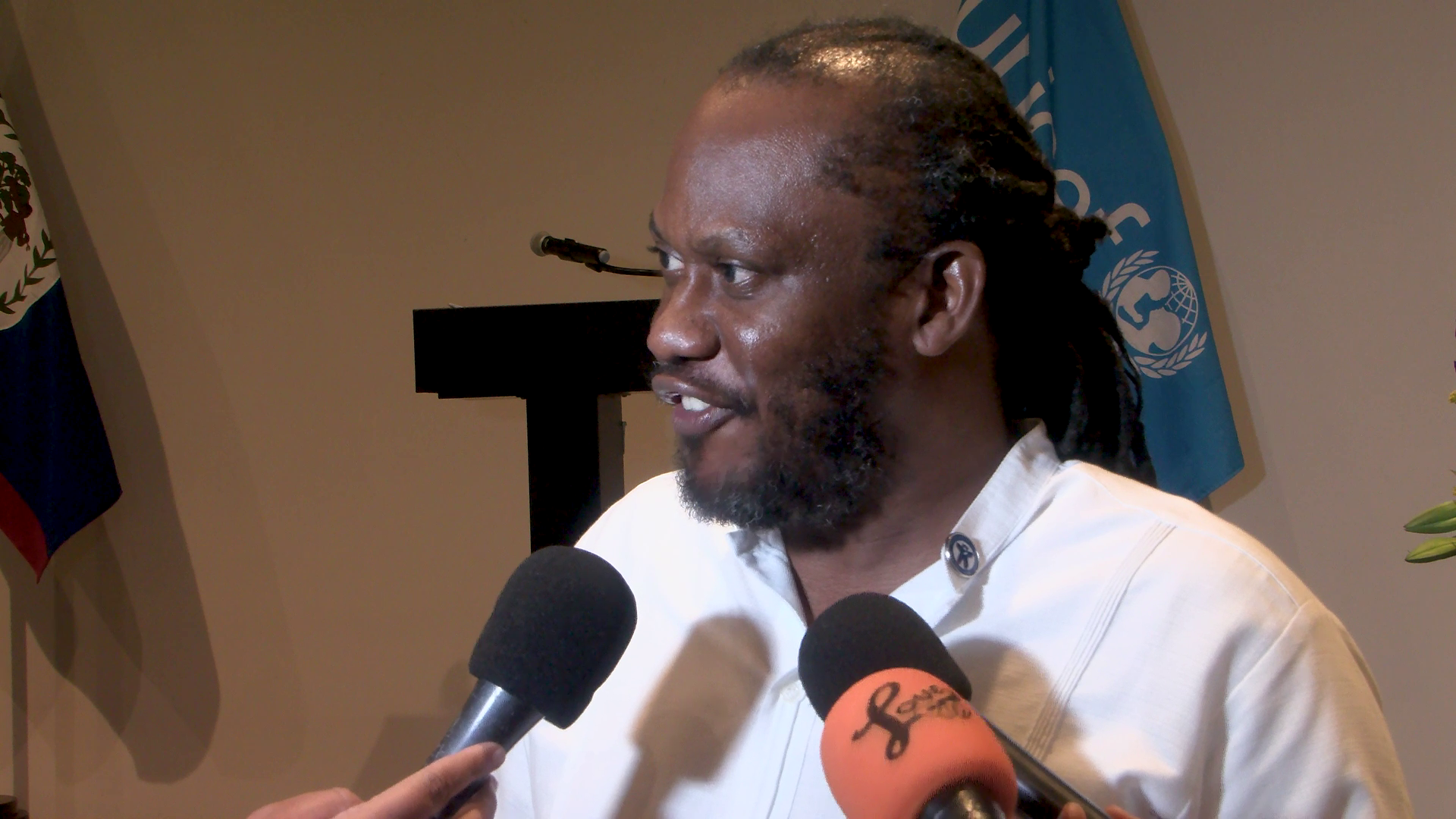
    As the controversial Mira Millions public spending scandal shakes Belize’s political landscape, the country’s government has moved forward with promises to overhaul oversight of taxpayer-funded expenditures. Public Utilities, Logistics and Energy Minister Michel Chebat is pushing for a full, rigorous investigation into the allegations at the heart of the controversy, arguing that any misuse of public money demands uncompromising transparency and public accountability.

    In an official statement following the emergence of the scandal, Chebat emphasized that the serious claims levied in the case cannot be overlooked, and that the entire government, including the Prime Minister and cabinet, recognizes the urgency of addressing the issue head-on. The minister outlined a series of reform measures designed to strengthen systemic checks and balances across all public spending processes. These include mandatory training in ethical procurement protocols for all senior government officials, as well as a comprehensive review of Belize’s existing procurement legislation to close loopholes that have enabled potential abuse.

    Chebat explained that current frameworks allow the government to make purchases of any size, but accountability and transparency measures have not kept pace to flag potential misconduct at any spending threshold. Even transactions below the existing reporting limit of $10,000 can be sites of corrupt practice, he noted, making broad systemic reforms far more critical than adjusting spending thresholds alone.

    Chebat pushed back against framing that the scandal should overshadow the administration’s broader policy achievements, highlighting the government’s significant progress in expanding access to education, increasing affordable housing stock, and improving public healthcare services across the country. He expressed full confidence in the investigation and reform process the government has launched, saying the Belizean public will ultimately see the commitment to accountability the administration is demonstrating.

    The move to reform procurement processes follows an announcement earlier this month from Prime Minister Briceño, who revealed that cabinet is working to establish a new Central Procurement Unit in collaboration with the Inter-American Development Bank. This centralized body is intended to standardize procurement practices and enhance oversight across all government departments.

    As Belize prepares for upcoming municipal elections, however, political observers are closely watching how the Mira Millions controversy will play out on the campaign trail. The ongoing scandal and investigation hang over the administration, leaving open the question of whether the allegations will become a defining campaign issue that influences voter sentiment when citizens head to the polls.

  • Did BEL Pay the Price for Protecting Consumers?

    Did BEL Pay the Price for Protecting Consumers?

    Date: July 17, 2026

    Belize’s primary energy provider, Belize Electricity Limited (BEL), is confronting significant financial strain after a deliberate decision to protect households from soaring electricity prices in the years following the COVID-19 pandemic. The company has reported a net loss exceeding $23 million for the 2025 fiscal year, a shortfall that leadership traces directly to the cumulative impact of ongoing global energy market disruptions.

    In comments on the company’s crisis, BEL Executive Chairman Lynn Young explained that the utility made a coordinated choice with Belize’s Public Utilities Commission (PUC) and national government to pause rate adjustment requests during the post-pandemic economic recovery. At the time, leadership expected international energy prices, spurred by inflation tied to the Ukraine conflict, to fall back to pre-crisis levels once geopolitical tensions stabilized, allowing the company to recoup uncollected costs later.

    That prediction never came to fruition. A cascade of successive global shocks – including political instability in Venezuela, regional security incidents, and the outbreak of conflict in the Middle East – kept fuel and energy prices far higher than BEL projected. By the time the company was forced to request a rate adjustment to recover expenses, Young confirmed, accumulated unrecovered costs had ballooned to between $60 million and $65 million, per initial PUC calculations. Ongoing operational challenges connected to Mexico’s state-owned power utility CFE have further squeezed BEL’s bottom line, adding to the company’s financial pressure.

    Beyond its massive operational losses, BEL is also facing parallel legal pressure from unresolved severance claims brought by former employees, which create additional financial uncertainty for the already strained utility. The dispute is currently working its way through Belize’s judicial system, and government officials have emphasized that the courts will ultimately resolve the legitimacy of the workers’ claims.

    Despite the mounting challenges, Belize’s Minister of Public Utilities, Logistics & Energy Michel Chebat has reaffirmed the government’s confidence in BEL, framing the utility as a foundational institution critical to the country’s long-term development. Chebat noted that while the company is navigating unprecedented headwinds today, investments in BEL remain strategically important for Belize, and he projected that the utility will return to strong performance in coming years, delivering returns that offset current losses. He added that regardless of the court’s ruling on the severance claims, the government will respect any judicial determination and uphold the legal rights of all parties involved.

  • Police Promotion Controversy Reaches Security Services Commission

    Police Promotion Controversy Reaches Security Services Commission

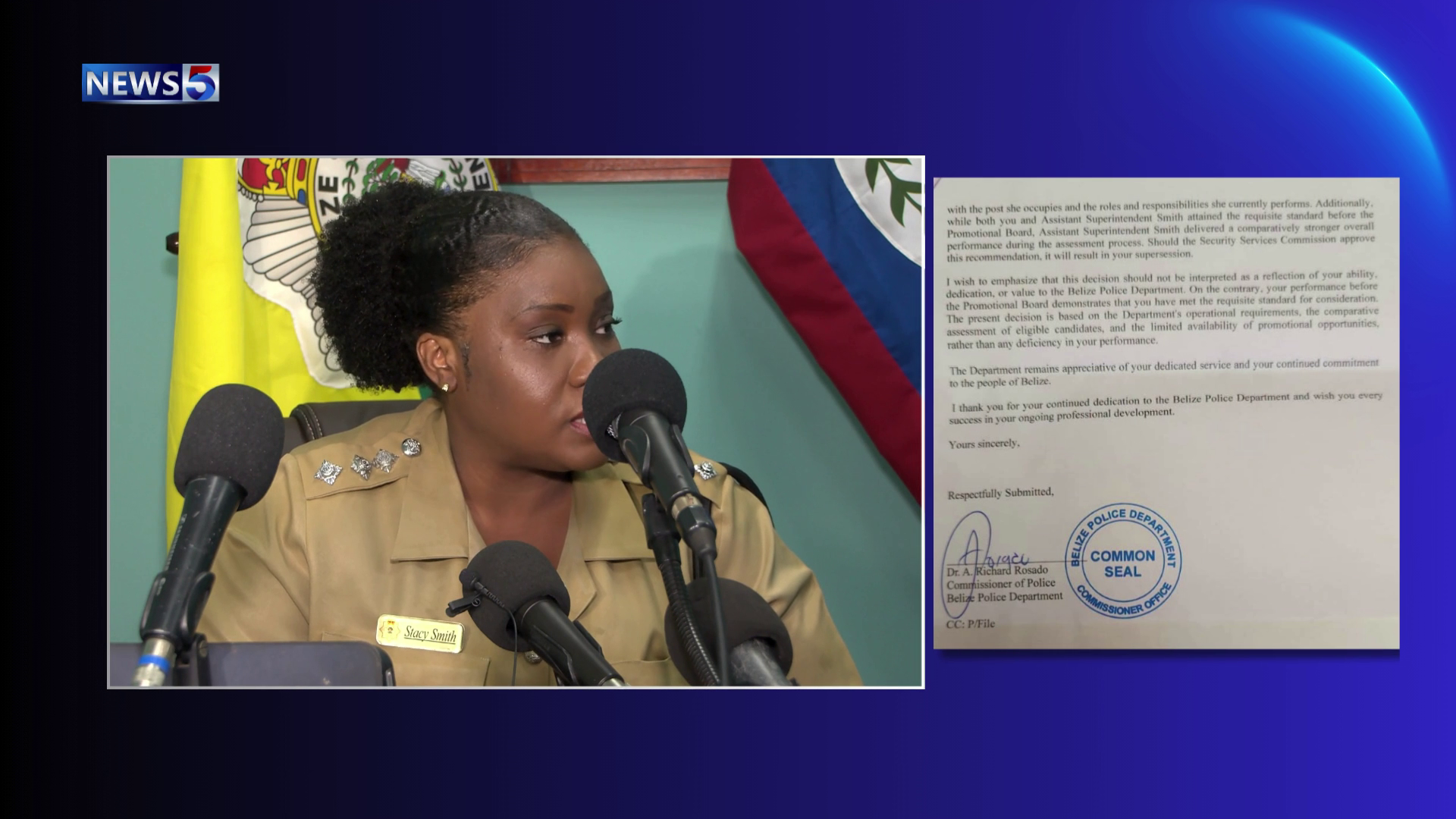
    Tensions are escalating within the Belize Police Department after a controversial round of promotion recommendations from top leadership has sparked widespread questions about fairness and transparency in internal advancement processes. Dated July 17, 2026, the controversy centers on form letters circulated by Commissioner of Police Dr. Richard Rosado to multiple Assistant Superintendents, who had already passed the department’s Promotional Board evaluation but were informed they would not move up to the rank of Superintendent.

    In the correspondence, Rosado explicitly acknowledges that the passed officers have met all required professional standards, demonstrating the competence, expertise, and level of professionalism expected for senior leadership roles within the department. Despite this confirmation of their qualifications, the letter states that only a small group of candidates will proceed with promotions, justifying the move with claims of limited open positions and the organizational restructuring the department is currently undergoing.

    The most contentious line of the letter, which has fueled public and internal outcry, names Assistant Superintendent Stacy Smith as the sole candidate selected for promotion to Superintendent. It explains Smith was chosen because she has already been performing responsibilities beyond her current official rank and earned a higher overall assessment score during the evaluation process. The correspondence goes on to confirm that if the Security Services Commission — the governing body with final authority over the appointment — approves Smith’s promotion, she will supersede the more senior qualified officers who received the rejection letters.

    The rapid pace of Smith’s career advancement has also drawn scrutiny from serving officers. Internal sources note that Smith only earned promotion to the rank of Inspector in June 2022, meaning she is on track to secure two senior promotions in just four years. Many members of the department view this progression as unusually fast, deepening suspicions that the promotion criteria are not applied equally to all officers.

    At present, the final decision on the disputed promotion rests with the independent Security Services Commission, which holds the legal authority to approve, reject, or revise any recommendation put forward by the Police Commissioner. The circulating letters have already created significant internal unease across the department, with rank-and-file and senior officers alike openly questioning whether the Belize Police Department’s promotion system can deliver fair, consistent, and transparent outcomes for all serving personnel.

  • Jhawn Gamboa’s Recommendation Sparks Nepotism Claims

    Jhawn Gamboa’s Recommendation Sparks Nepotism Claims

    A public debate over ethical hiring practices in government has erupted in Belize after a sitting police corporal was tapped for a vacant senior role at the Ministry of Transport, triggering widespread accusations of nepotism tied to familial and professional connections.

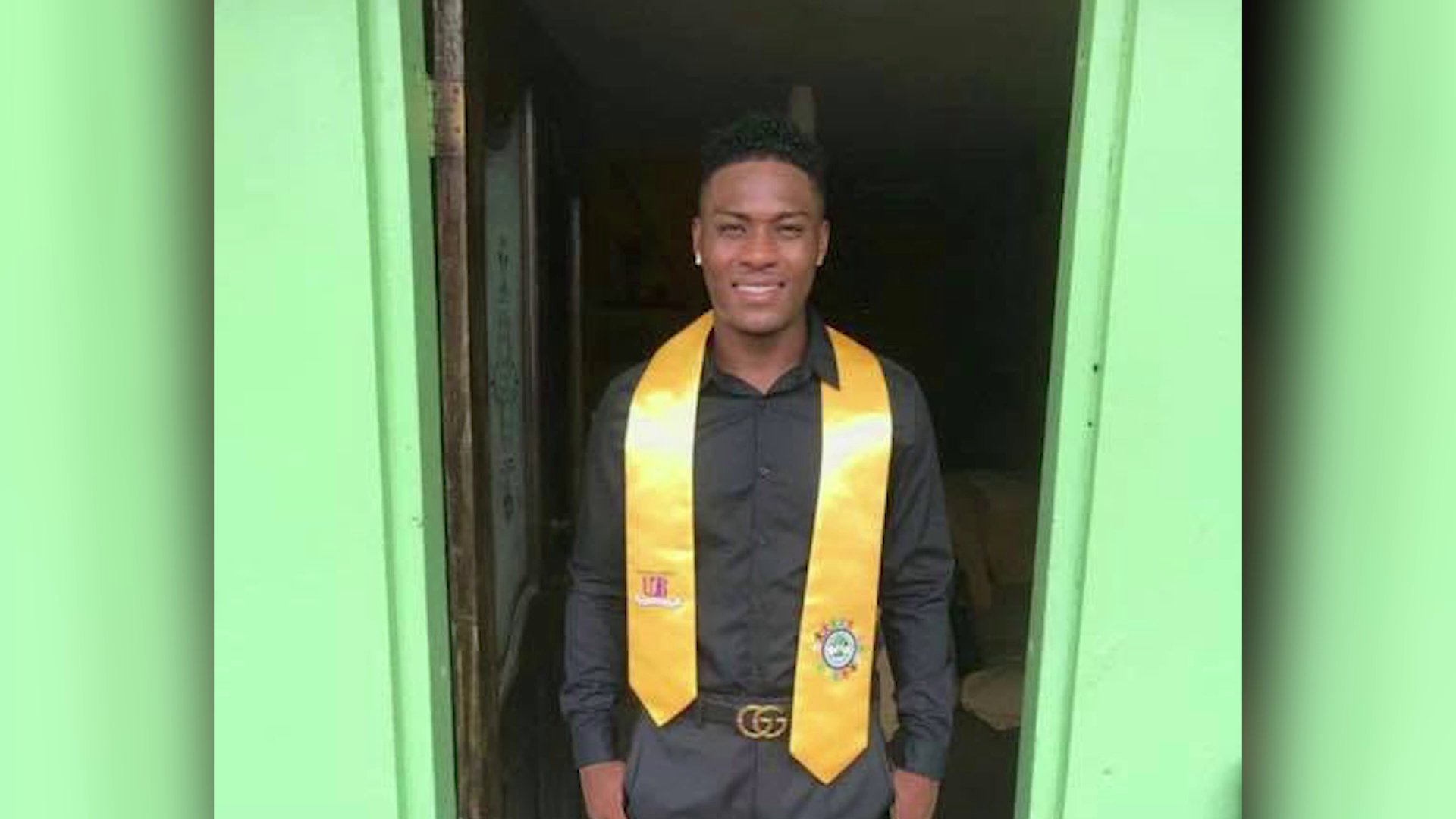
    The controversy centers on Jhawn Gamboa, a Police Corporal who has been formally recommended for the open senior government position. In a move that formalized Gamboa’s consideration, Transport Ministry CEO Chester Williams signed an official letter approving Gamboa’s release from his current police duties to pursue the new post. Almost immediately after the recommendation became public, claims emerged that the opportunity was secured not through merit, but through Gamboa’s family ties to senior officials.

    Jhawn’s father, Superintendent Aaron Gamboa, a high-ranking officer in the country’s police force, has pushed back hard against the nepotism allegations, defending his son’s qualifications and insisting the recommendation is a product of hard work and competitive selection, not favoritism.

    In a phone interview, Superintendent Gamboa outlined his son’s credentials to back up his claim of merit-based selection. He explained that Jhawn completed mandatory recruit training, earned both an associate degree in English and a bachelor’s degree, and graduated as a recruit baton of honor, outperforming three to four officer cadets to take first place in theoretical training and excelling in practical assessments as well. Beyond his police training, Jhawn also has formal military training, his father added, and passed all required selection steps including an interview, scoring 96 out of 100 to qualify for the position.

    When pressed on questions about the alleged personal connection between Transport CEO Williams and the Gamboa family, and widespread public perception that the recommendation stemmed from that tie, Superintendent Gamboa rejected the claim outright. He noted that if favoritism were at play, Jhawn would have received accelerated promotions much earlier. When Williams served as police commissioner, Gamboa explained, he never granted Jhawn any unearned rank or preferential promotion. All of Jhawn’s previous promotions, he emphasized, came under former commissioner Dr. Richard Rosado, earned exclusively through passing required promotional examinations.

    This report is adapted from a transcribed broadcast of a primetime evening newscast, with Kriol language phrases preserved per standard spelling conventions for regional dialect transcription.

  • Another Former Cop at Transport Ministry

    Another Former Cop at Transport Ministry

    In the tropical nation of Belize, the Ministry of Transport has found itself at the center of growing scrutiny over the appointment of former law enforcement officials to senior positions within the department. Just weeks after questions first emerged about one ex-police officer tapped for a high-ranking role, public and media attention has shifted to a second former police member already holding a key post at the ministry.

    That second official is Dervin Sambula, a retired Assistant Superintendent of Police who currently serves as the Ministry of Transport’s in-house legal counsel. Sambula became a well-known public figure earlier in 2026, when he took a leading role in high-stakes negotiations between the ministry and the Belize Bus Association, bringing his background in law enforcement and legal training to the table during tense talks.

    When reporters directly asked Ministry of Transport Chief Executive Officer Chester Williams on July 17, 2026 whether Sambula was Williams’ personal pick for the legal counsel role, the CEO quickly pushed back on any claims of favoritism, making clear he had no involvement in the hiring decision. Williams went on to highlight that Sambula brings a unique, valuable skill set to the ministry, drawing from decades of service in the Belize Police Department that culminated in his promotion to Assistant Superintendent. Before joining the transport ministry, Sambula also served as a legal advisor within the police force, combining his hands-on law enforcement experience with formal legal training that has strengthened the ministry’s work.

    “Of course, Mr. Sambula comes with a wealth of knowledge and experience, having served in the police department for many years, rose to the rank of Assistant Superintendent,” Williams told reporters. “He was the legal advisor at the police as well and his years of experience as police and his legal training is something that really compliments us at the ministry and the Department of Transport. We are grateful to have him as part of our staff. He is always active, out there with the officers. He is not a person that stays in the office. He is out there making sure he provides legal guidance as they perform their duties.”

    When pressed for details on why Sambula was selected for the role over other applicants, Williams reiterated the separation of hiring authority for legal positions across government agencies. “He applied, and let me make it clear, I did not choose him,” Williams explained. “Mr. Sambula was chosen by the Judicial and Legal Service Commission. He is a legal officer. It is not the CEO that decides who is a legal officer of any ministry. That goes to the JLSC after applying and they decide if they hire that person and where to put that person.”

    The conversation with reporters also touched on a separate hiring question: the appointment of Williams’ brother to a staff position at the ministry’s headquarters. Williams responded that the hiring occurred far in the past, noting that his brother applied for the opening, met all qualifications for the role of registering clerk, and that the position is a low-wage, entry-level post with no decision-making authority.

    Beyond clarifying the hiring process, Williams confirmed that Sambula has consistently exceeded performance expectations in his role as legal counsel, praising his proactive approach to supporting ministry staff in their daily duties. This report is adapted from a transcript of an original evening television news broadcast, originally published online on July 17, 2026.

  • Police WhatsApp Video Scandal Ends With Guilty Verdict

    Police WhatsApp Video Scandal Ends With Guilty Verdict

    After months of public scrutiny and a high-profile trial, two disgraced law enforcement officers have been found guilty of abusing their authority in a case that sparked widespread public outrage over privacy violations and police misconduct. On the afternoon of July 17, 2026, a nine-member jury delivered a unanimous guilty verdict for wilful oppression against Corporal Jason Shaw and Police Constable Leslie Martinez, both of whom have been suspended from the police force since the scandal broke.

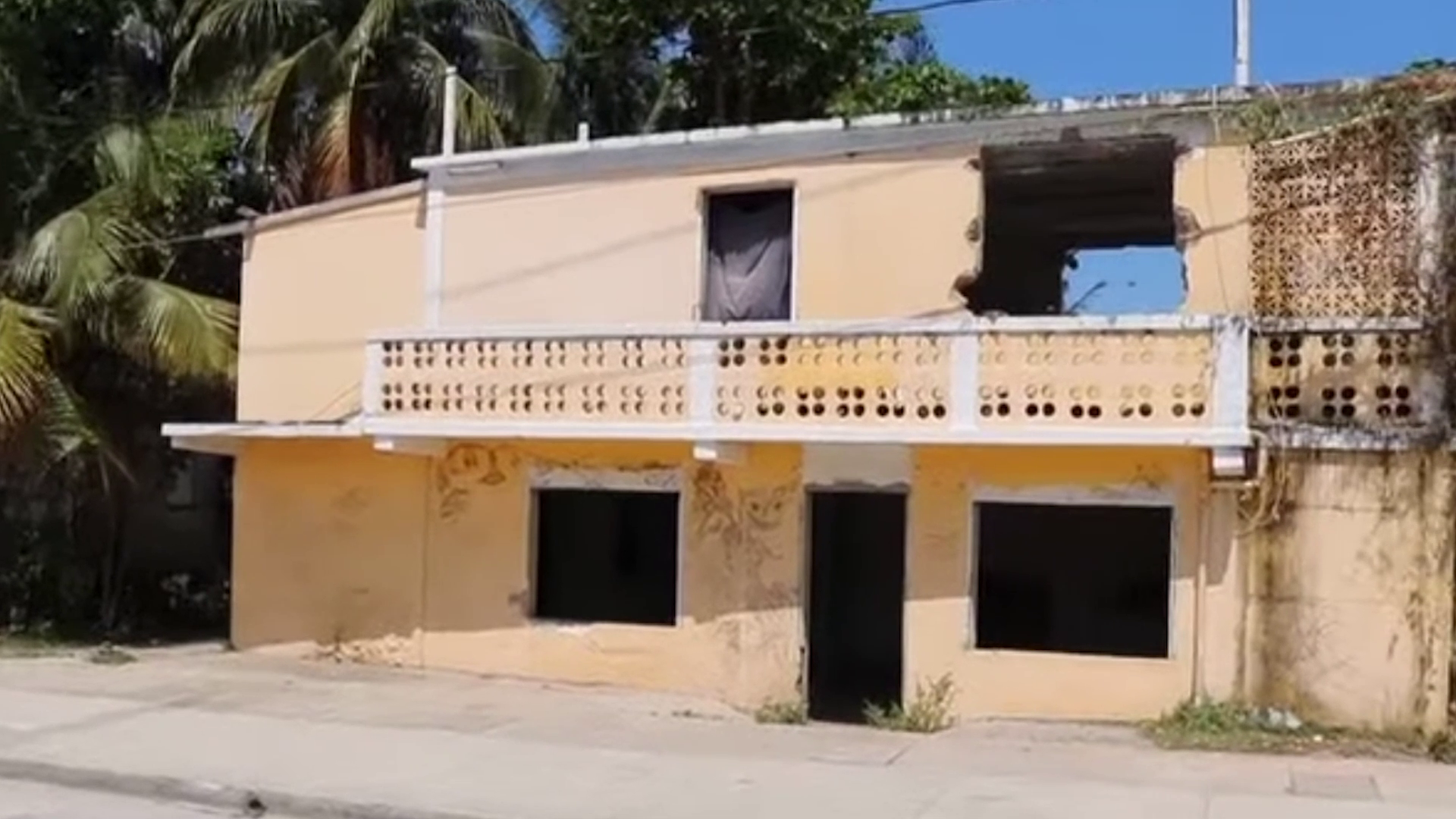
    The case dates back to April 5, 2020, at the height of global COVID-19 lockdowns, when the two officers encountered an anonymous couple sharing an intimate moment in an abandoned building. Rather than fulfilling their official duties, Shaw and Martinez made the decision to secretly record the private encounter, before uploading the footage to a private police WhatsApp chat they named the “Loyal Group”.

    What was initially contained within the closed chat quickly spiraled into a national public scandal. The video spread beyond the group’s member list, going viral across social media platforms and leaving the couple involved subjected to extreme public humiliation and long-term emotional harm. The widespread circulation of the illegally recorded video prompted a full internal police investigation, which ultimately led to the two officers being arrested and formally charged with criminal offences.

    Closing arguments for the trial framed the case in starkly different terms: defense counsel Leeroy Banner argued that the conviction was being pushed through by a narrative built on public anger, inappropriate content, and pressure on the justice system, rather than solid evidence of criminal wrongdoing. But the jury did not agree with this assessment. After just under two hours of closed-door deliberations, which began at 11:30 that same morning, the panel of five women and four men returned to the courtroom with their unanimous decision.

    The jury’s finding made clear that the officers’ actions extended far beyond unprofessional or inappropriate conduct. As sworn public servants entrusted with authority to protect communities, their choice to record and distribute the private video constituted deliberate wilful oppression, which inflicted irreversible harm on the couple whose privacy was violated. The conviction closes one of the most high-profile police misconduct cases in recent years, setting a clear precedent for public accountability for law enforcement officers who abuse their power.

  • Government Reviews Cybercrime Law After August Case Collapse

    Government Reviews Cybercrime Law After August Case Collapse

    In the wake of a high-profile collapsed cybercrime prosecution that ignited nationwide public outcry over free speech protections, the government of Belize has launched a targeted review of its 2020 Cybercrime Act, Attorney General Anthony Sylvestre has confirmed.

    The case that prompted this policy review centered on Belizean national Alberto August, who faced cybercrime charges stemming from a Facebook post that drew a formal complaint from Oscar Mira, Belize’s former Minister of Police. The prosecution ultimately collapsed, and the outcome pushed public debate about the overreach of cybercrime legislation, the boundaries of online political criticism, and the protection of free expression to the top of the national policy agenda.

    Sylvestre explained in an official statement that the review will not scrap the entire act, but will focus on specific provisions that have faced public scrutiny for their potential to criminalize defamation, a power the current government says it has no intention of enshrining in law. “Cyberbullying is a real, harmful issue that impacts communities across the country, and it remains critical for the state to regulate harmful online conduct,” Sylvestre noted. “What we are aiming to do is clarify the language of the law to ensure provisions cannot be misused to target legitimate critical speech as criminal defamation.”

    The Attorney General added that the government aims to bring forward proposed amendments to the law for a vote during the next sitting of Belize’s House of Representatives. He also clarified that the Ministry of the Attorney General played no role in advising authorities on the initial cybercrime charges brought against August, noting that independent criminal prosecutions fall outside of the ministry’s official mandate.

    The review comes after months of sustained public pressure following the collapse of the August case, with free speech advocates arguing that vague language in the current Cybercrime Act has created a tool that can be weaponized to silence political opponents online. While policymakers across the political spectrum agree that updated regulation of harmful cyber activity is necessary to protect public safety, there is broad consensus that the law must be refined to balance security needs with constitutional protections for free expression.

  • Belizean Talent Overlooked for High Court Bench?

    Belizean Talent Overlooked for High Court Bench?

    A growing public controversy has erupted in Belize surrounding potential appointments to the nation’s High Court bench, with local legal advocates claiming that qualified domestic judicial candidates have been unjustly sidelined in favor of two prospective foreign nominees.

    The Association of Defense Attorneys, a key body representing legal practitioners across the country, has raised sharp objections to the apparent direction of the appointment process. The group contends that a pool of experienced, highly credentialed Belizean candidates – including seasoned trial attorneys, sitting magistrates, and senior judicial administrators – meet all requirements for the open positions, yet have been ignored. Compounding this criticism, the association notes that no Belizean jurist currently holds a seat on the High Court’s criminal division, a gap that it argues undermines local representation in the nation’s judiciary. In addition to demanding that domestic candidates be prioritized, the organization has also called for a full restructuring of the Judicial and Legal Service Commission (JLSC), the independent body tasked with overseeing judicial appointments.

    Attorney General Anthony Sylvestre Jr. has moved to clarify the status of the process, emphasizing that no final decisions have been issued and that appointment proceedings remain ongoing. In an official press briefing, Sylvestre outlined the structured, constitutionally mandated process for judicial appointments in Belize, stressing the JLSC’s institutional independence from the executive branch and other government bodies.

    “The JLSC operates as a separate, autonomous entity,” Sylvestre explained. “It carries out the entire evaluation process independently: reviewing candidate applications, vetting professional credentials, conducting interviews, and ultimately putting forward recommendations for successful candidates.”

    Under the country’s appointment framework, once the JLSC delivers its recommendation, the proposal is forwarded to the Office of the Prime Minister, which is then required to seek formal input from the Leader of the Opposition, Tracy Panton. Sylvestre confirmed that as of the July 17, 2026 briefing, Panton has formally requested additional information on the candidates and the process, keeping the consultation phase active.

    When asked to confirm circulating reports that local candidate Sheiniza Smith had already been selected for one of the positions, Sylvestre rejected the claims outright. “No official decision has been made on any appointment at this stage,” he stated, adding that he could not confirm how unconfirmed reports of a finalized selection began circulating. He also noted that Panton herself had publicly expressed surprise over the premature leaks, pointing out that the required consultation with her office had not yet been completed.

    Pressed for a timeline for when the appointment process will conclude, Sylvestre explained that the opposition is guaranteed a reasonable window to review materials and provide feedback, a standard aligned with modern judicial governance norms. He reaffirmed that no appointments will be finalized until all required consultation steps are fully completed, ending speculation of an imminent announcement.

    This report is a transcribed excerpt from an evening television news broadcast, with all non-standard English and Kriol language statements rendered using a standardized spelling system for publication.

  • Defense Attorneys Call for Urgent Fee Review

    Defense Attorneys Call for Urgent Fee Review

    Belize’s core public access to justice infrastructure is facing an imminent crisis, as the nation’s Association of Defense Attorneys has announced a major work stoppage starting August 1 over long-unaddressed inadequate pay for court-appointed legal aid work.

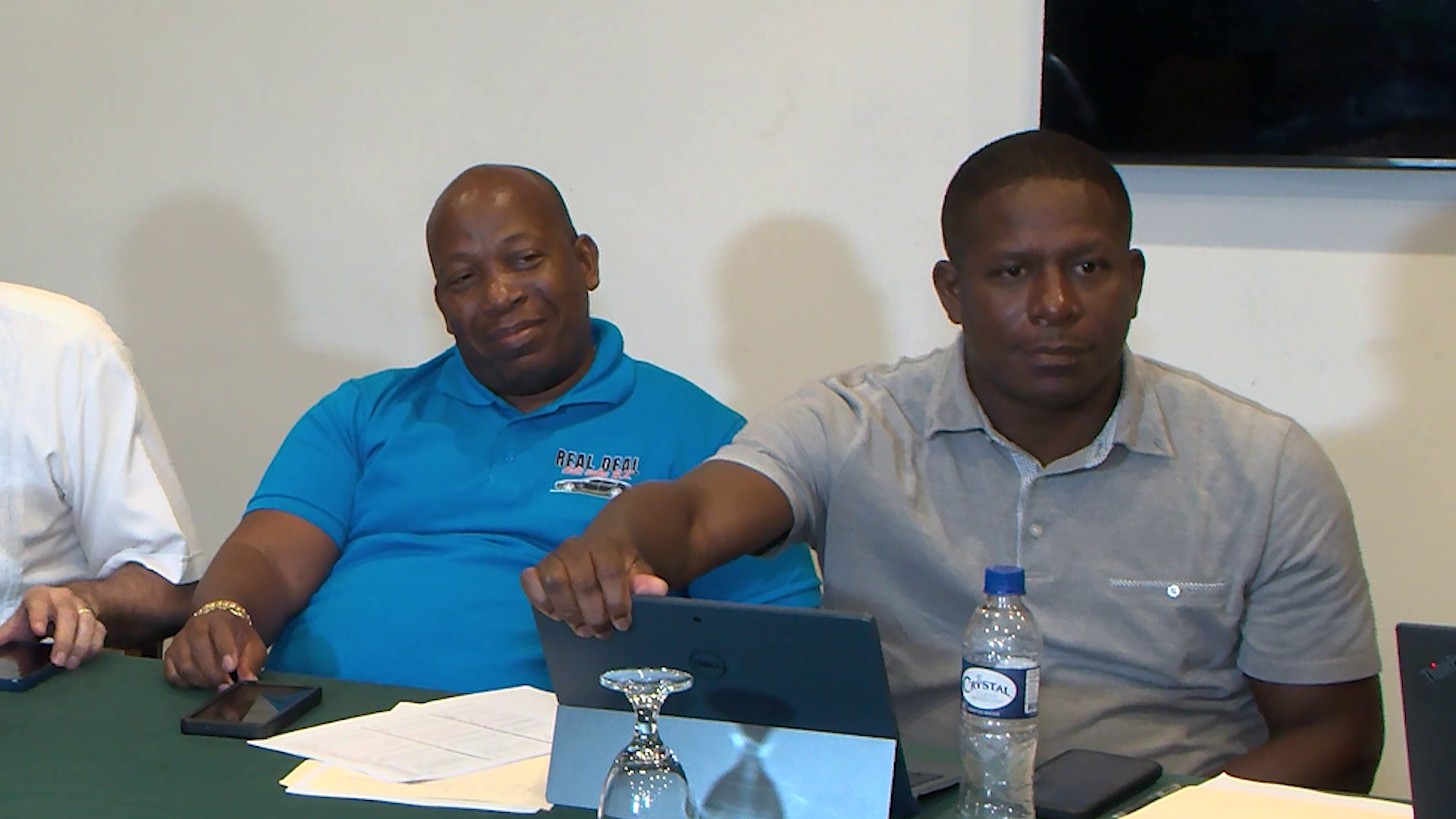
    The professional body, whose members handle roughly 95% of all state-assigned criminal defense cases through Belize’s legal aid system, confirmed Tuesday that it will not accept any new court assignments under the current outdated fee structure. While ongoing legal aid cases will continue to be represented without disruption to avoid jeopardizing existing defendants’ rights, attorneys say they can no longer take on new work that fails to compensate them fairly for the labor, expertise and ethical liability tied to defending accused individuals in court.

    Attorneys emphasized that the action is not an attempt to shut down Belize’s justice system, but rather a urgent push to force the government to honor a commitment made more than 12 months ago to raise the legal aid stipends. For years, attorneys have warned that the current fee schedule has not kept pace with rising costs of living, practice overheads, and the growing complexity of criminal cases, leaving many defense attorneys unable to sustain their legal aid work.

    The association has repeated its call for an immediate, comprehensive review of the national legal aid fee structure, warning that equal access to justice for low-income Belizeans depends on a properly resourced system that treats participating attorneys fairly. Without urgent government action, experts warn the upcoming stoppage could lead to massive backlogs in criminal courts, delayed trials, and potentially violated due process rights for hundreds of accused individuals who cannot afford to hire private defense counsel.