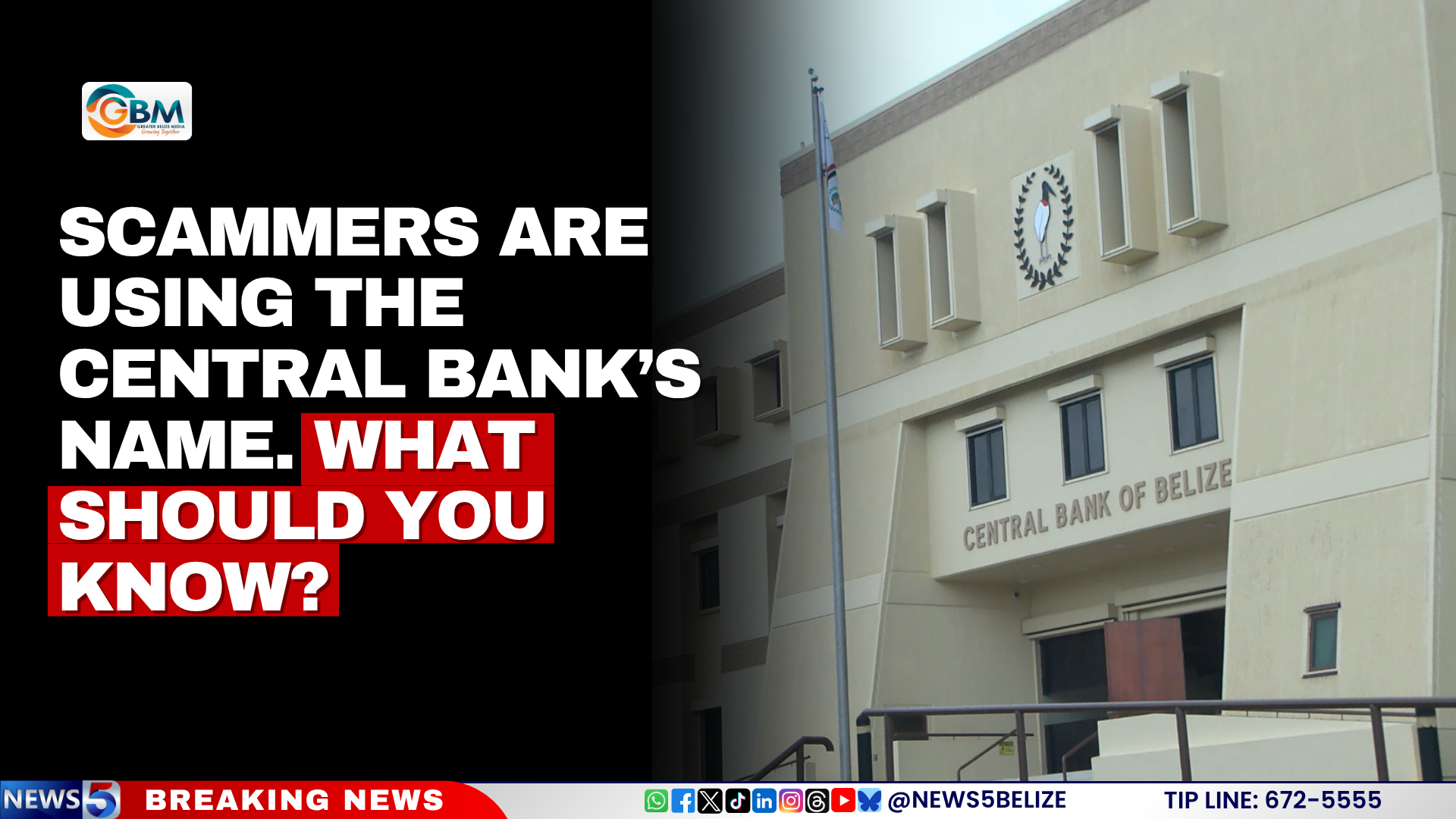
In an urgent public advisory issued on October 15, 2026, the Central Bank of Belize has sounded the alarm against a growing scam operation where fraudsters impersonate the bank’s official staff to steal sensitive personal and financial data from ordinary residents. The warning comes after the institution received multiple formal reports of suspicious unsolicited communications hosted through Google Meet.
Marcos Marin, head of the Central Bank of Belize’s Information Technology Department, detailed how the scheme operates, noting that scammers leverage the legitimate reputation of the central bank to build false trust with their targets. This deceptive operation relies on social engineering, a common fraudulent tactic that manipulates individuals into voluntarily handing over confidential information by exploiting their willingness to trust official institutions.
Marin emphasized that the fraudsters do not target the central bank itself; instead, they use the bank’s name, branding and official identity as a cover to trick members of the public. Common pieces of information targeted in this scam include sensitive credentials such as online banking passwords, debit and credit card PINs, and other personal identifying data that can be used for unauthorized financial access or identity theft.
In a clear statement clarifying the central bank’s official communication policy, Marin stressed that the institution would never reach out to the general public through unprompted calls or online meetings to request sensitive information. “We will never call any member of the public requesting any financial information, personal [details], PINs, passwords, etc.,” he confirmed.
One local Belizean resident who encountered the scam shared his experience with local outlet News 5, explaining that he received an incoming call that displayed the Central Bank of Belize’s official name and branding on his caller ID. He told reporters he immediately felt suspicious, questioning why the central bank would be reaching out to him directly. The call rang for roughly 20 seconds before cutting off automatically, with no one on the other end responding when he hesitated to pick up. After the call disconnected, he noticed an unfamiliar Gmail address linked to the call appeared on his device, a red flag that struck him as unusual. It was only after seeing the central bank’s official public warning that he confirmed the interaction was part of the fraudulent scheme.
For residents who may have already fallen victim to the scam and shared confidential information, Marin outlined three immediate steps to mitigate harm. First, victims should immediately change all compromised passwords and PINs if they are able to access their accounts. Second, they must contact their personal financial institution directly to flag the potential breach and request protective measures for their accounts. Third, they should closely monitor all transactions posted to their accounts over the coming weeks to spot and report any unauthorized or fraudulent activity as quickly as possible.
In closing, the Central Bank of Belize is calling on all members of the public to maintain constant vigilance against this and similar scams. The institution advises anyone who receives a suspicious unsolicited call or online meeting request claiming to be from the central bank to end the communication immediately, and to never share any confidential personal or financial information with unknown parties, regardless of what identity they claim to hold.