标签: Belize

伯利兹

  • Barbados Landslide Win, But Where Were Voters?

    Barbados Landslide Win, But Where Were Voters?

    In an unprecedented political achievement, Prime Minister Mia Mottley has secured her third consecutive comprehensive electoral victory in Barbados, with her Barbados Labour Party capturing all thirty parliamentary seats. This remarkable triumph solidifies Mottley’s position as one of the Caribbean’s most dominant political figures and represents a rare feat in global democratic politics.

    Despite the overwhelming margin of victory, the election was characterized by notably subdued voter participation across the island nation. Preliminary reports indicate mid-to-low turnout levels persisted throughout polling day, despite extensive civic engagement campaigns urging citizens to exercise their democratic rights. This apparent disconnect between electoral enthusiasm and the scale of the governing party’s success has emerged as a significant subplot to the historic outcome.

    In her post-election address, Prime Minister Mottley reflected on her administration’s challenging journey since initially assuming power in 2018. She acknowledged the unforeseen complications presented by the COVID-19 pandemic, which forced a strategic pivot from immediate growth initiatives to survival measures during the global health crisis. Mottley emphasized that only within the past thirty months has her government been able to transition toward its intended transformation agenda.

    The Prime Minister articulated her administration’s fundamental philosophy, stating: ‘We did not come simply to hold office. We have come to make Barbados better and to make your lives better.’ She reiterated the party’s longstanding commitment to poverty alleviation, social justice, and creating substantive opportunities for national development. Mottley framed her government’s mission as building strong families, communities, workers, and businesses toward the ultimate goal of forging a resilient nation.

    Political analysts are now examining the implications of both the electoral sweep and the participation patterns, questioning how a government achieves such dominance while apparently failing to energize substantial portions of the electorate. This dual reality presents both a powerful mandate and a governance challenge for Mottley’s third term administration.


  • The Art and Artists Bringing Caye Caulker’s Identity to Life

    The Art and Artists Bringing Caye Caulker’s Identity to Life

    On the picturesque island of Caye Caulker, Belize, two monumental art installations have transcended their function as tourist attractions to become profound symbols of community identity. The Caye Caulker sign and The Split sign, adorned with vibrant, culturally-rich artwork, stand as testaments to the island’s creative spirit and natural beauty, drawing both visitors and locals alike.

    The journey of these iconic pieces began in 2018 when the village commissioned the Caye Caulker sign for Lobster Fest celebrations. Armando ‘Rootsman’ Rivero, the artist behind this vivid underwater masterpiece, transformed the concept into a visual narrative of the island’s marine ecosystem. ‘They wanted the underwater theme,’ Rivero explains. ‘I combined animals like lizards with marine life—fish, sharks—to create a comprehensive representation of our environment.’

    Rivero’s artistic journey began after moving to the island at fifteen, quickly developing his oil painting techniques inspired by his surroundings. His work revitalized the original sign that had been painted by another local artist, Mr. Meegan, which had faded over time.

    Meanwhile, another artistic landmark emerged with The Split sign, created by Lilly Alamina, owner of Sea Dih Soul art studio and lifelong Caye Caulker resident. Alamina drew inspiration from the island’s famous sunsets, incorporating the vibrant reds, oranges, and yellows that characterize the social hub where her installation stands. ‘The Split is our premiere spot for socialization,’ Alamina notes. ‘We wanted to capture that energy and the beautiful sunsets you see there daily.’

    Both artists represent a thriving, collaborative art community that Caye Caulker Chairlady Seleny Villanueva-Pott describes as exceptionally talented. ‘These are both islanders,’ she emphasizes proudly. ‘We have very talented artists on the island.’

    The creative processes differed significantly between the two artists—Rivero works intuitively without sketching (‘I just go straight to the brush’), while Alamina spent four days completing her sign after collaborating with local business owners on the design.

    Beyond these prominent installations, the artistic expression continues across the island through murals and various artworks that these creators have contributed over years. Rivero offers advice to aspiring artists: ‘Look within and stay committed. Use challenges to benefit your inspiration.’

    These landmark signs now serve as more than photo opportunities—they embody the community’s personality, pride, and the creative vision that makes Caye Caulker uniquely Belizean.

  • Fuel Shortages, Blackouts: Belizean Students Struggle in Cuba

    Fuel Shortages, Blackouts: Belizean Students Struggle in Cuba

    A severe energy and fuel crisis in Cuba is creating unprecedented challenges for international medical students, particularly twenty-eight Belizean scholars pursuing their education on the island nation. The Caribbean country, historically a preferred destination for medical education among Belizeans, is experiencing its most severe infrastructure breakdown in years following the termination of its primary oil supply from the United States.

    The current electrical grid output stands at approximately fifty percent of national requirements, resulting in prolonged and unpredictable blackouts that extend beyond mere inconvenience. These systemic failures have triggered a cascade effect on essential services: water distribution systems have become unreliable, refrigeration capabilities for food and medicine have been compromised, and transportation networks are operating at significantly reduced capacity.

    Most critically for the student population, telecommunications infrastructure has become increasingly unstable, severing the vital lifeline between students and their families in Belize. Amilcar Umana, father of a medical student, reported growing communication gaps: “We had communicated with him yesterday during the day, but a message sent at night was neither seen nor responded to.”

    Despite the deteriorating conditions, Belizean authorities maintain close monitoring of the situation. Government representatives confirmed ongoing engagement through their Cuban Embassy, alongside coordinated efforts between the Ministry of Foreign Affairs and Ministry of Education. Official statements emphasize that while concerns are acknowledged, no unusual disruption to academic programs has been formally reported.

    Notably, twenty of the affected students are in their final year of medical training, having invested over four years in their Cuban education. This temporal investment intensifies the dilemma facing both students and policymakers regarding potential repatriation versus enduring the crisis.

    The Belizean government has stopped short of ordering evacuations but acknowledges contingency planning for potential repatriation if conditions worsen. Families remain caught between concern for their children’s welfare and the desire to see their significant educational investments reach completion.

  • Belize’s Farming Future Gets a Boost with New Agri-Processing Hub

    Belize’s Farming Future Gets a Boost with New Agri-Processing Hub

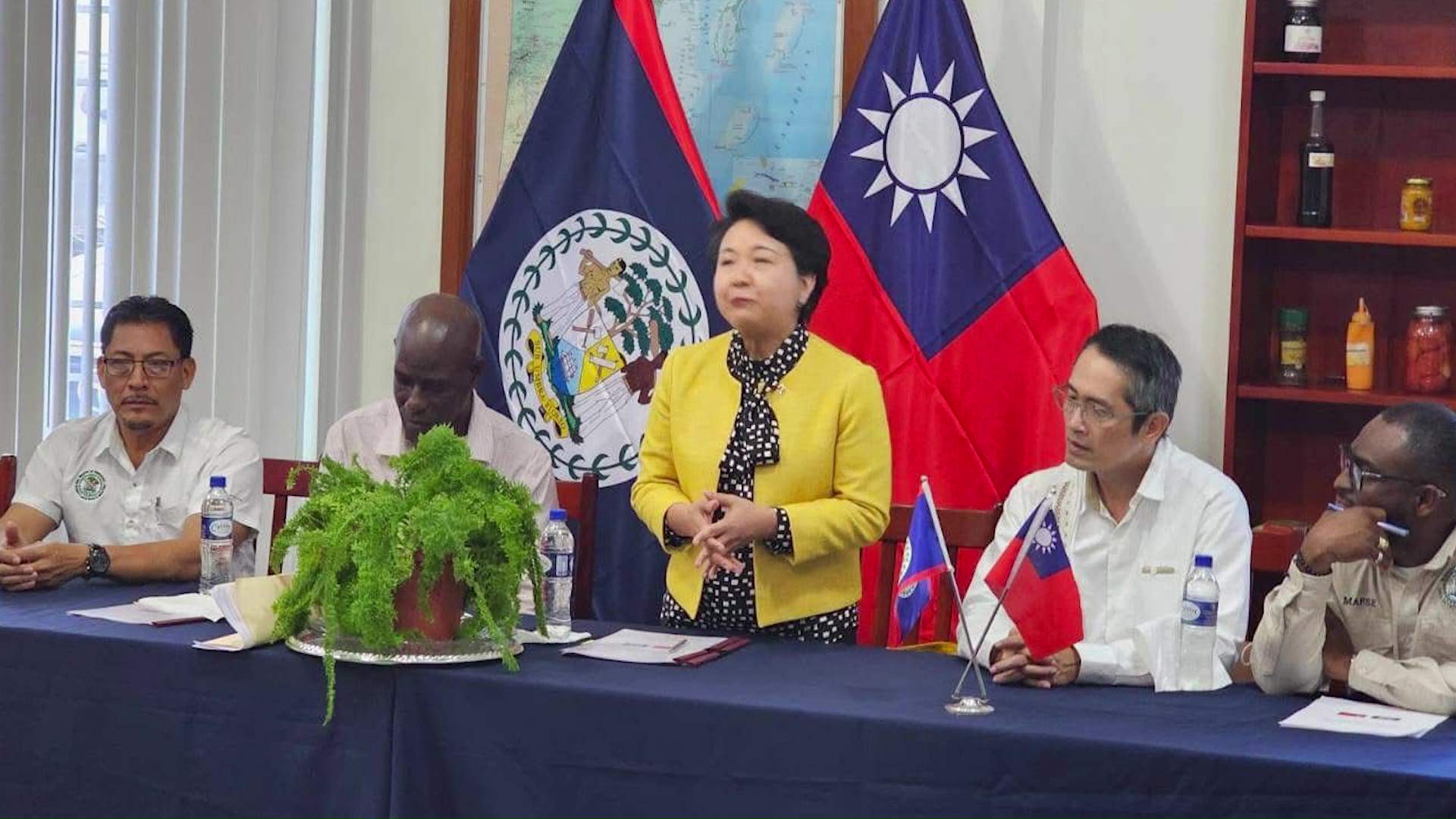
    Belize’s agricultural sector stands on the brink of a significant transformation following the establishment of a groundbreaking partnership between its Ministry of Agriculture and Taiwan. This four-year, multimillion-dollar collaboration centers on the creation of an advanced food processing and incubation facility designed to elevate local farming practices and economic outcomes.

    The strategic initiative, valued at $5 million USD, features substantial financial backing from Taiwan, which contributed approximately 90% ($4.5 million) of the total project cost, with Belize’s government providing the remaining $500,000. The facility will be established at Central Farm in the Cayo District, serving as a centralized hub for converting raw agricultural produce into value-added products.

    Minister of Agriculture, Food Security and New Growth Industries Rodwell Ferguson revealed that the project emerged from two years of diplomatic discussions between the nations. “They made contact with us and said they were successful in making sure that we get this facility,” Ferguson stated, emphasizing the significance of Taiwan’s technological contribution alongside its financial investment.

    The processing center will implement advanced agricultural innovation techniques developed through Taiwan’s decades of expertise in agro-processing. While farmers in the Cayo district are expected to benefit most directly due to proximity, Minister Ferguson confirmed that transportation systems will be established to move produce from across the country to the facility.

    Infrastructure preparation and equipment installation are scheduled for completion within the next two to three months, after which the center will begin operations. The project represents a strategic move toward strengthening Belize’s agricultural value chain, enhancing farmer livelihoods, and propelling the nation’s agri-industry into its next developmental phase through technological transfer and economic diversification.

  • B&B and DOE Respond to Trash Report Findings

    B&B and DOE Respond to Trash Report Findings

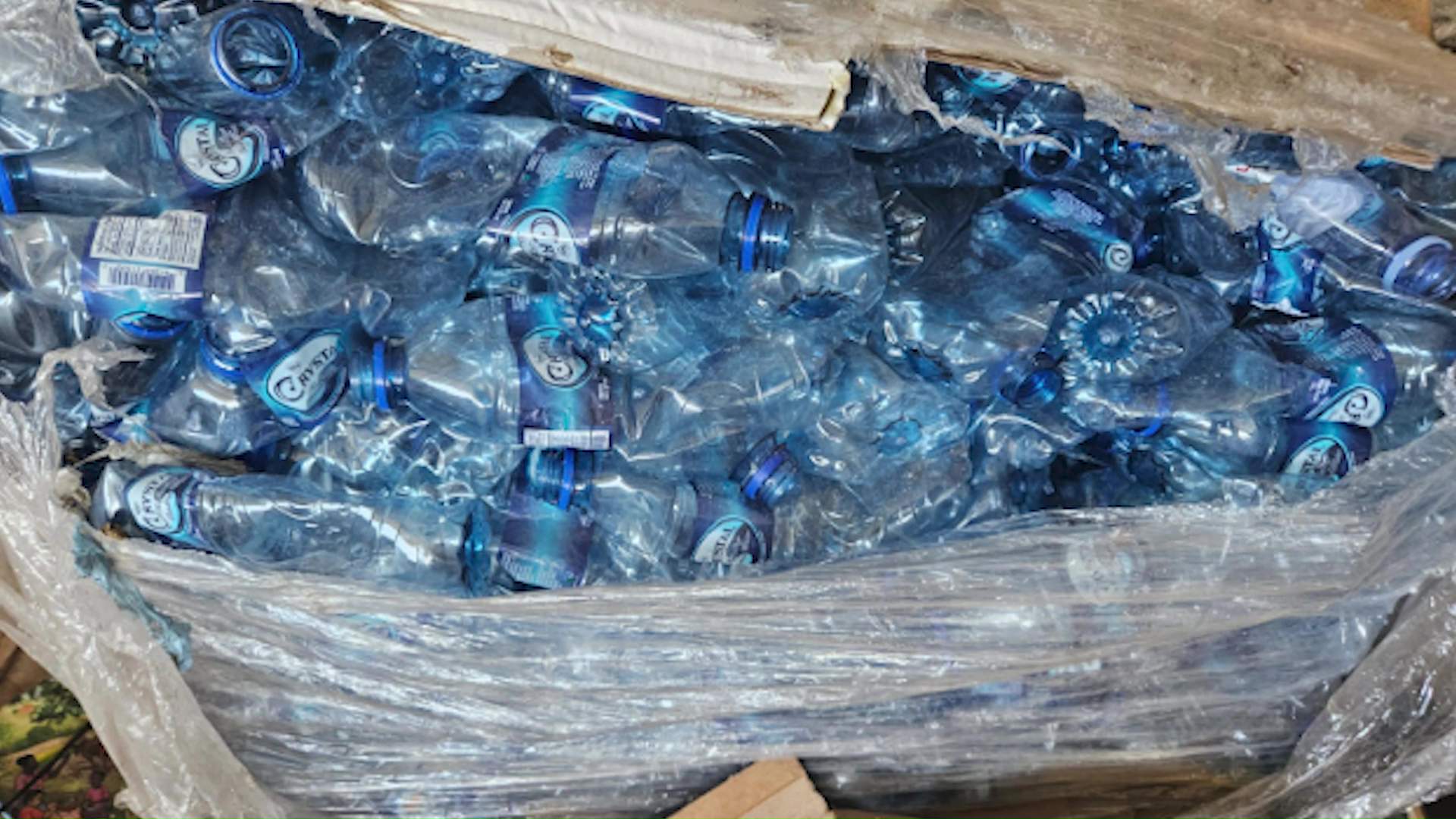
    A comprehensive environmental assessment has revealed that plastic waste continues to dominate Belize’s pollution landscape, accounting for sixty-seven percent of all documented debris nationwide. The 2025 Sea of Life TrashBlitz report, analyzing over fourteen thousand waste items, identifies single-use beverage bottles as the primary contaminant, with Bowen and Bowen products appearing most frequently throughout the study.

    Despite Belize’s groundbreaking 2022 legislation prohibiting various single-use plastics, straws, cups, and plates, plastic pollution remains an entrenched environmental challenge. The report demonstrates that prohibited materials persistently appear in drains, streets, and waterways, ultimately compromising marine ecosystems.

    Bowen and Bowen, the nation’s predominant beverage manufacturer, has implemented a returnable glass packaging system and maintains collection depots nationwide for recycling purposes. Company representatives emphasize that Belize leads the region in soft drinks distributed in returnable glass containers and maintains the highest plastic bottle return rates. The corporation offers consumer incentives for container returns while advocating for proper disposal practices.

    At the governmental level, Chief Environmental Officer Anthony Mai explains that permissible plastics must meet biodegradability standards requiring fifty percent organic base material composition and decomposition within 160 days under specific conditions. Conformity assessments conducted in 2023 involving ninety samples from thirty-five companies revealed that most imported and domestically produced plastics failed to meet these standards.

    The Department of Environment is contemplating a phased plastic elimination strategy targeting shopping bags and packaging materials. However, Sea of Life Executive Director Paulita Bennett-Martin questions the adequacy of current biodegradability requirements, noting that some biomaterials don’t effectively break down and emphasizing the need for comprehensive standards addressing post-disposal behavior.

    Mai acknowledges the complexity of balancing environmental protection with business viability, noting the absence of commercially viable alternatives to plastic water bottles. The department has engaged consultants to evaluate the plastic ban’s effectiveness and identify potential improvements.

    Recycling practices present additional concerns, as Bennett-Martin highlights uncertainties regarding plastic melting processes and their potential health impacts. Bowen and Bowen currently exports collected plastic bottles to Guatemala for recycling, underscoring the transnational nature of waste management solutions.

  • Yemeri Grove Celebrates Reliable New Water Supply

    Yemeri Grove Celebrates Reliable New Water Supply

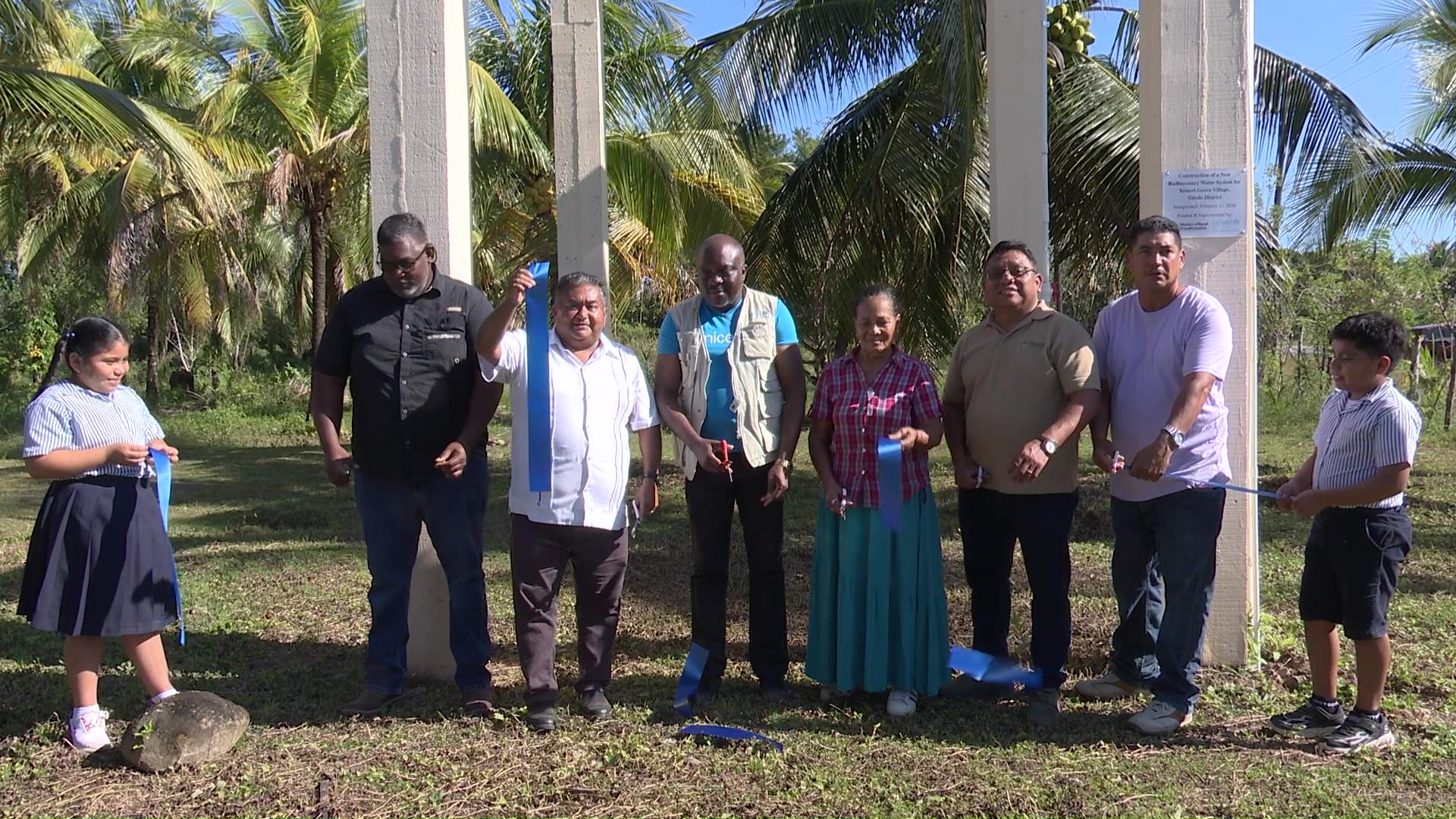
    The remote community of Yemeri Grove in Belize’s Toledo District has achieved a significant milestone in public infrastructure with the formal commissioning of a completely new water supply system. This transformative project, executed through a collaborative initiative between Belize’s Ministry of Rural Transformation and UNICEF, marks the end of the village’s long-standing dependency on shared water resources from neighboring Laguna.

    The newly implemented system represents a comprehensive upgrade featuring a dedicated production well, a modern elevated reservoir, and a high-capacity submersible pump. This engineered solution is designed to provide consistent, clean water access to over one hundred households, ensuring twenty-four-hour availability that was previously unreliable.

    During the inauguration ceremony, Oscar Requena, Minister of Rural Transformation and Community Development, highlighted the strategic importance of this development. “This achievement in Yemeri Grove represents the third such water tower system our ministry has constructed, following successful implementations in Tower Hill Orange Walk and Medina Bank. This infrastructure is crucial for serving our students, young children, and all Belizeans with reliable water access,” Minister Requena stated.

    The project addresses both immediate public health concerns and long-term community development goals. Herald Usher, Chairman of Yemeri Grove Village Council, expressed collective appreciation: “On behalf of our village council and water board, we profoundly appreciate this water system that significantly enhances our quality of life and community resilience.”

    This water independence initiative demonstrates Belize’s ongoing commitment to improving rural infrastructure and represents a model for sustainable community development through governmental and international partnership.

  • UNICEF Partnership Delivers Water Upgrade in San Jose

    UNICEF Partnership Delivers Water Upgrade in San Jose

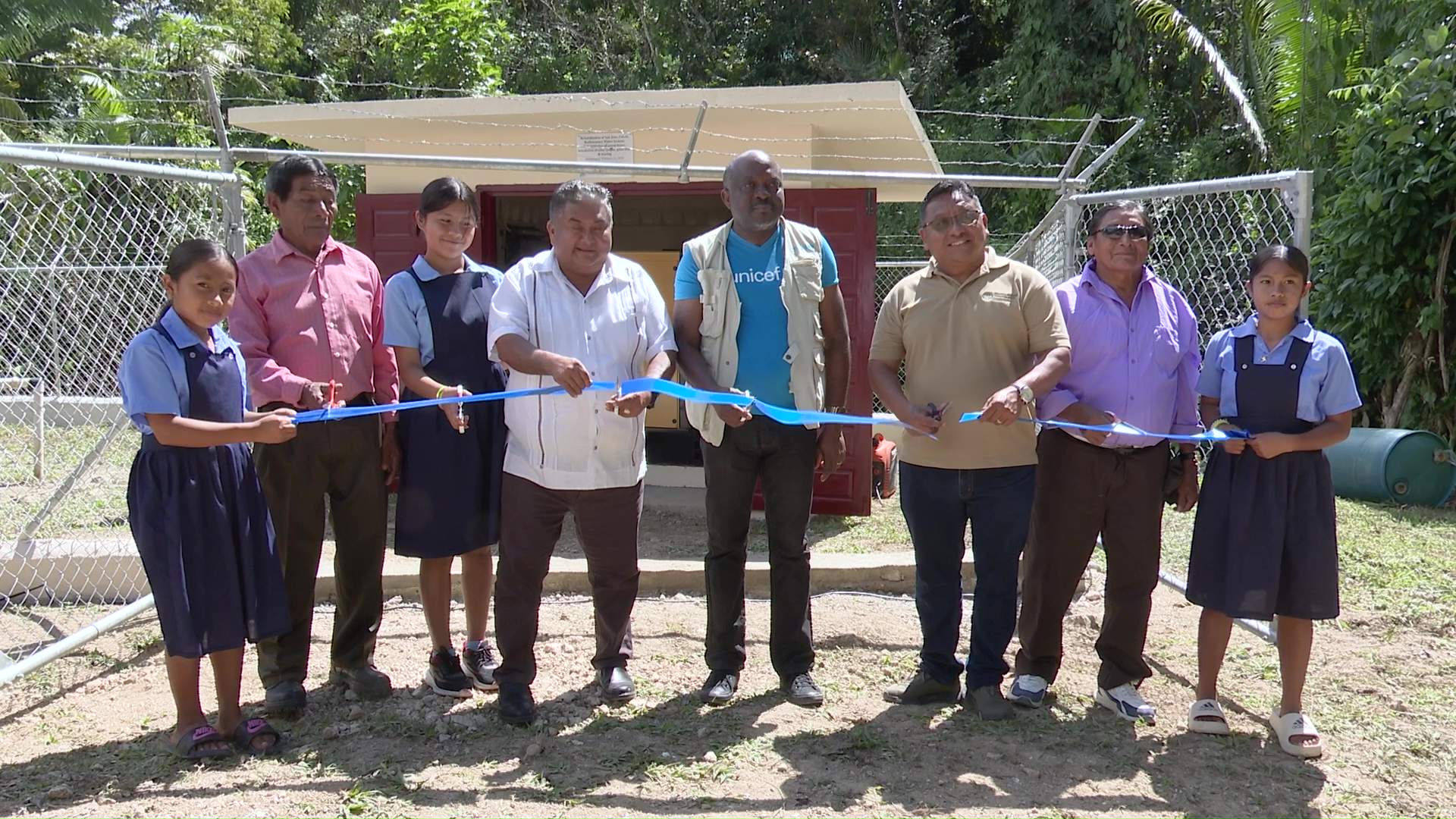
    Residents of San Jose in the Toledo District are now benefiting from a transformed water infrastructure system following the official inauguration of a major upgrade project. The initiative, a collaborative effort between Belize’s Ministry of Rural Transformation and UNICEF, represents a significant advancement in sustainable water management for rural communities.

    The newly implemented system transitions the village to an environmentally conscious, green-energy powered setup that substantially reduces operational expenses while ensuring consistent water distribution. A critical component of the upgrade includes the installation of a heavy-duty backup generator, providing essential resilience during power disruptions or extreme weather events that previously compromised water access.

    Dr. Olusa Oladeji, UNICEF Health and Nutrition Specialist, emphasized the project’s broader implications during the handover ceremony. “This initiative marks tangible progress in extending safe and reliable water services to children and families,” stated Dr. Oladeji. “Secure water access forms the foundation of health, educational continuity, and community resilience, particularly in rural settings where infrastructure challenges persist.”

    The official acknowledged the collaborative framework involving the Belizean government, local Village Water Board, Nanka community representatives, and the Village Council in bringing the project to fruition.

    Nikyra Cho, a local student, expressed community appreciation for the comprehensive improvements, which included new piping networks, water meters, solar electrification, protective fencing, and the emergency generator. “These enhancements have not merely restored but fundamentally strengthened our water infrastructure,” Cho noted. “Reliable clean water signifies life itself, and today our community stands empowered through this support—transcending mere construction to represent improved health outcomes, reduced hardships, and expanded opportunities for future generations.”

    The San Jose water system upgrade exemplifies ongoing efforts to address infrastructure disparities in rural Belize through innovative, sustainable solutions that prioritize long-term community welfare.

  • Farming That Works With Nature, Not Against It

    Farming That Works With Nature, Not Against It

    In a groundbreaking environmental initiative, Belize has launched an ambitious sustainable agriculture program through a unique coalition of conservation and agricultural organizations. The Nature Conservancy has forged strategic partnerships with multiple local entities to implement an Extension Strategy designed to revolutionize farming practices across the Central American nation.

    The comprehensive program is currently training Mennonite farming communities in advanced ecological techniques covering multiple sustainability domains. Participants receive expert instruction in habitat preservation, innovative land management, soil vitality enhancement, biodiversity conservation, water resource optimization, energy efficiency, community engagement strategies, and economic viability.

    Demonstration farms established in Shipyard and Spanish Lookout serve as living laboratories, showcasing practical methodologies for maintaining high agricultural productivity while simultaneously protecting fragile ecosystems. These model operations provide tangible examples of how modern farming can coexist harmoniously with environmental stewardship.

    Project coordinators emphasize the dual-purpose nature of the initiative: supporting agricultural livelihoods while ensuring farming practices align with the preservation of Belize’s precious natural resources. The program represents a significant shift from conventional agricultural approaches toward more ecologically integrated methods.

    The collaborative effort brings together diverse stakeholders including the Belize Livestock Producers Association, the Ministry of Agriculture, the University of Belize’s Central Farm Campus, and the Belize Maya Forest Trust. This multi-organizational approach ensures the program incorporates scientific research, policy support, practical farming knowledge, and conservation expertise.

  • The Power of Returning Your Bottles

    The Power of Returning Your Bottles

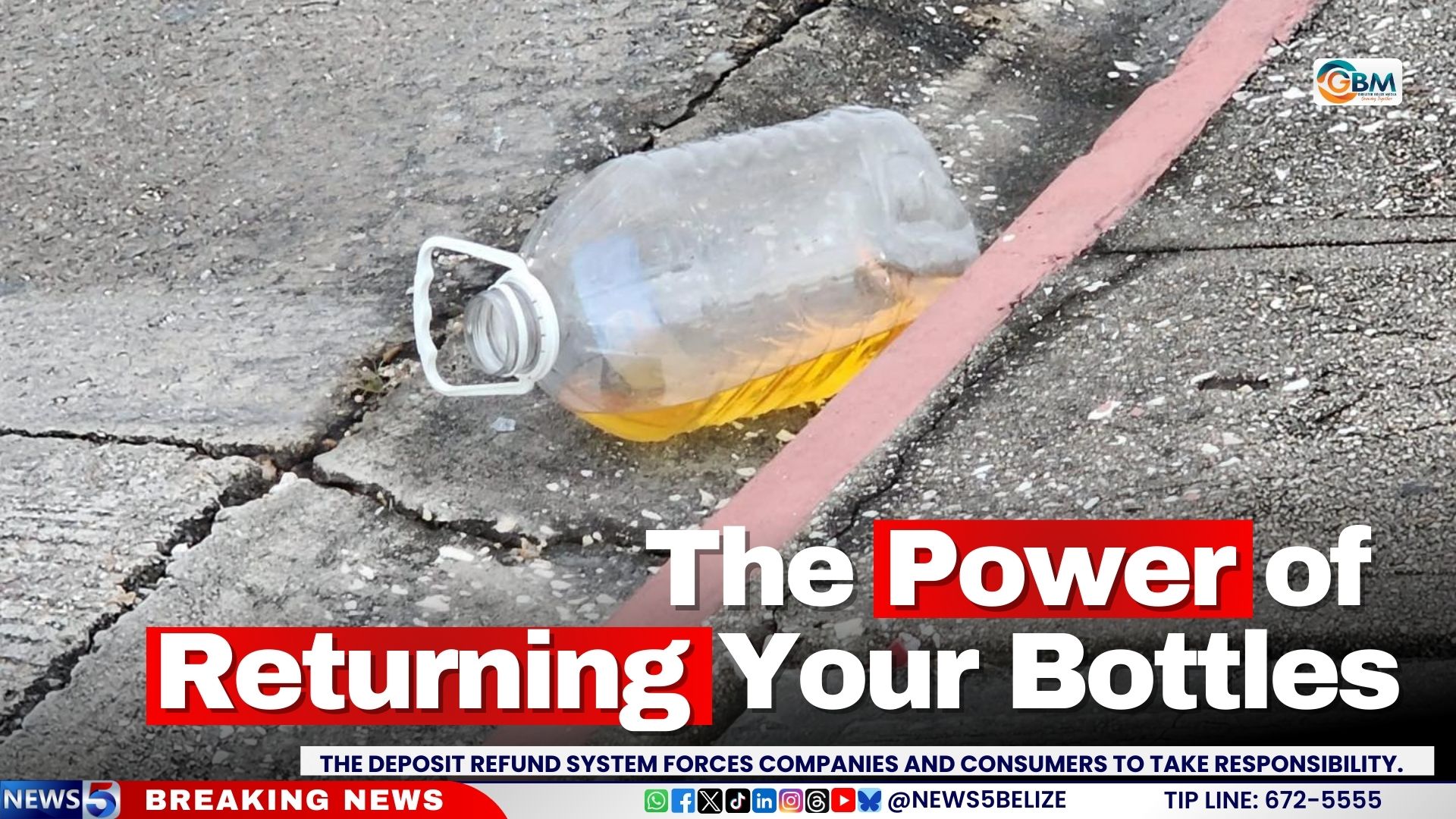
    Environmental authorities have identified container deposit legislation as one of their most effective weapons in combating the growing plastic pollution crisis. The Returnable Containers Act, which enables consumers to receive financial compensation for returning empty bottles, creates a powerful economic incentive for proper waste disposal.

    Despite the persistent environmental challenges posed by single-use plastics, this deposit refund mechanism compels both corporations and consumers to assume responsibility for their packaging waste. Anthony Mai, Chief Environmental Officer, emphasized that the program represents more than just corporate goodwill—it constitutes a legal requirement for companies to reclaim their containers.

    “Without this systematic approach, these containers would inevitably accumulate in our ecosystems, creating substantial public cleanup costs,” Mai stated. The legislation mandates producer responsibility, ensuring that manufacturers participate actively in the waste management cycle.

    The Department of Environment is currently evaluating potential expansions to the program, considering the inclusion of additional items such as lead-acid batteries and discarded tires. Simultaneously, the department has engaged consulting experts to conduct a comprehensive assessment of legal frameworks, stakeholder collaboration, compliance mechanisms, and enforcement protocols.

    This consultancy initiative, scheduled for completion in April 2026, will culminate in publicly released recommendations aimed at enhancing the program’s effectiveness and exploring alternatives to frequently littered products.

  • This is Why Enforcing the Plastic Ban in Belize Remains a Challenge

    This is Why Enforcing the Plastic Ban in Belize Remains a Challenge

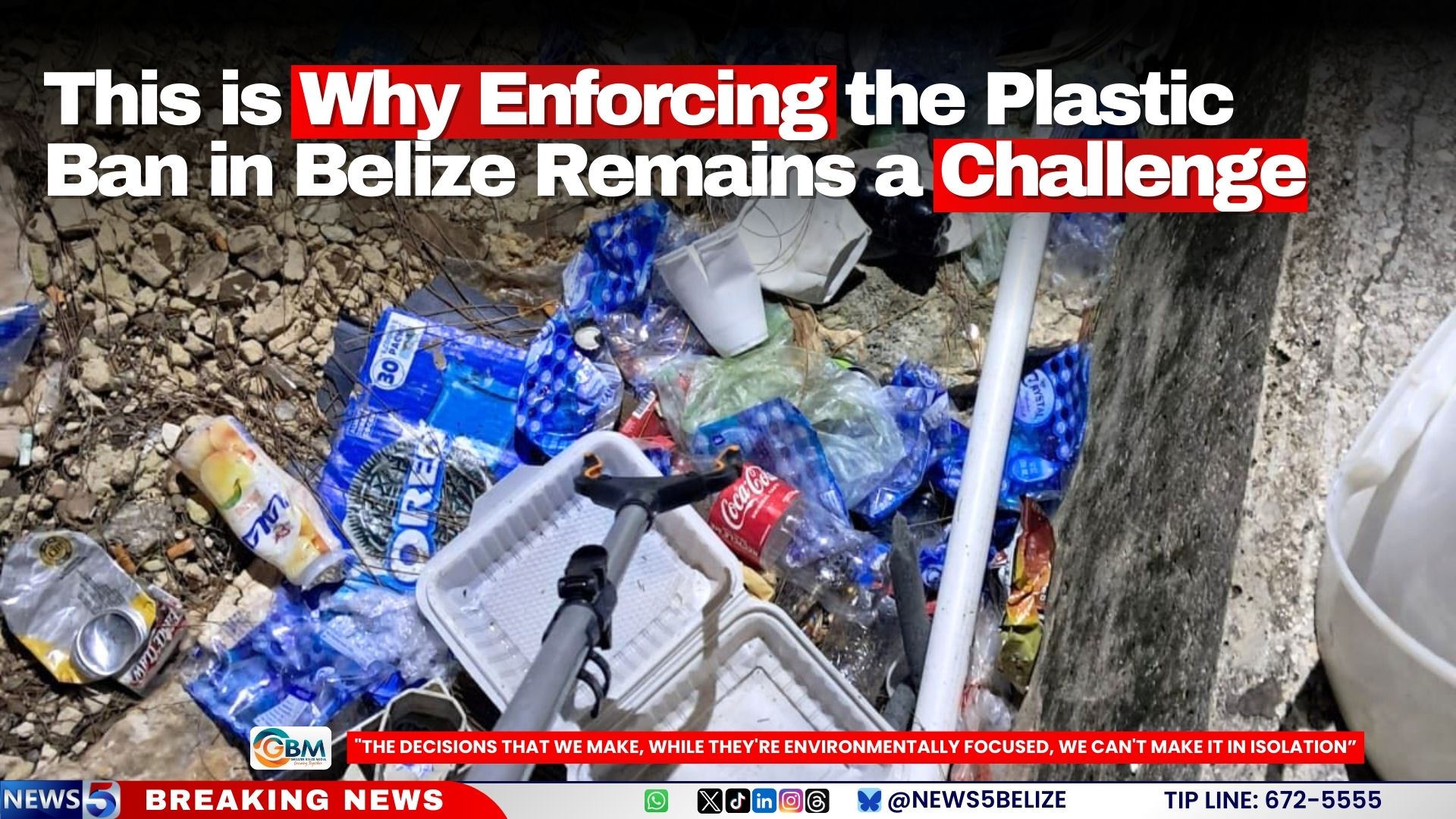
    BELIZE CITY – While global plastic pollution remains a pressing environmental concern, Belize has demonstrated notable progress through its Environmental Protection Pollution from Plastics Regulation implemented in 2020 and amended in 2022. According to Chief Environmental Officer Anthony Mai, the initiative has produced “a significant change” in the country’s approach to plastic waste management, though the journey toward full compliance continues to encounter substantial obstacles.

    Mai emphasized the pervasive nature of plastic in modern society, noting its presence “in every single aspect of life,” including clothing materials. The implementation phase has revealed that enforcement presents far greater challenges than legislative approval, with three primary hurdles emerging: illegal imports crossing border points, expensive laboratory testing requirements, and significant pressure from small businesses affected by the ban.

    A 2023 conformity assessment uncovered major compliance gaps when 90 samples from approximately 35 companies, importers, and manufacturers underwent certified laboratory testing. The majority failed to meet the mandatory 50% or more bio-based content requirement, resulting in product deregistration despite importer objections.

    Border control operations have led to the confiscation, charging, and destruction of substantial plastic quantities identified through monitoring at northern border points. Meanwhile, small businesses have expressed concerns about existing inventory investments in non-compliant products, creating tension between environmental objectives and economic realities.

    The Department of Environment has adopted a balanced approach, recognizing that overly aggressive prohibition could “seriously impact the productive sector of Belize.” Mai stressed that environmental decisions cannot be made in isolation from national economic considerations, requiring stakeholder collaboration to balance ecological initiatives with livelihood protection and national development priorities.