标签: Belize

伯利兹

  • Cuba Crisis: Father of Belizean Medical Student Speaks Out

    Cuba Crisis: Father of Belizean Medical Student Speaks Out

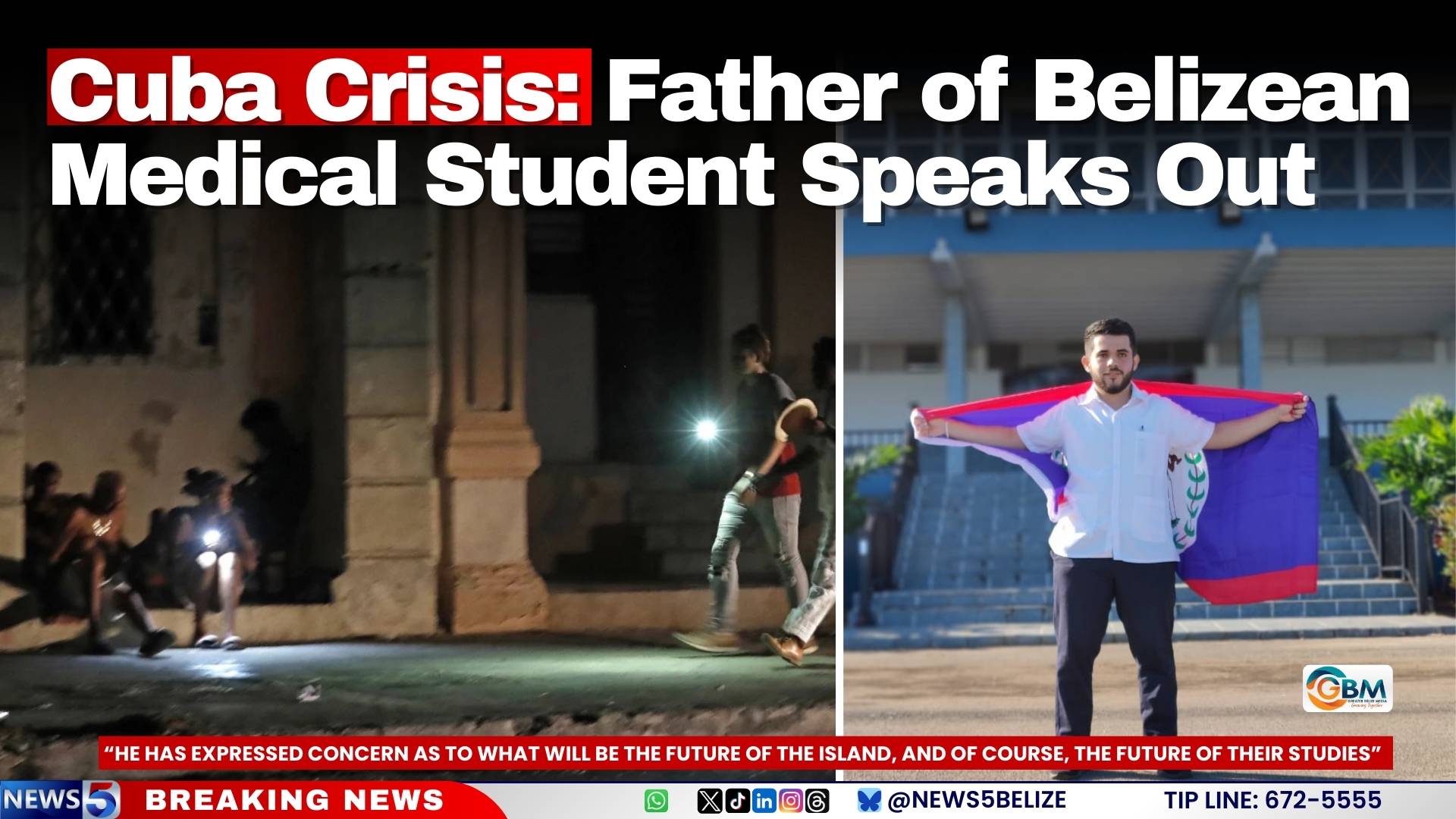
    A deepening energy crisis in Cuba is creating significant challenges for international medical students, including 28 Belizean nationals pursuing medical degrees on the island nation. The Caribbean country’s severe electricity shortages have resulted in prolonged and unpredictable blackouts that are disrupting both daily life and academic activities.

    The crisis stems from Cuba’s production of merely half its required electricity following the interruption of its primary oil supply. This energy deficit has created cascading effects on essential services including water distribution, food preservation, medical storage, transportation networks, and telecommunications infrastructure.

    For Belizean medical students, the situation has created particular academic and personal difficulties. Internet and phone service disruptions have hampered both remote learning capabilities and vital communication channels with families back home. Despite these challenges, Belizean officials report that academic programs continue without unusual interruption.

    Belize’s Minister of Foreign Affairs and Education Francis Fonseca confirmed that approximately 20 of the affected students are in their final year of medical training. The government maintains regular contact with students through Belize’s embassy in Cuba and remains optimistic about their ability to complete their studies.

    Family members in Belize have expressed growing concern as communication becomes increasingly sporadic. One father shared his son’s account of deteriorating conditions, noting more frequent and extended power and water interruptions. His son, who has completed four and a half years of a seven-year medical program, has expressed apprehension about both Cuba’s future and the continuity of his education.

    While concerned parents acknowledge the seriousness of the situation, they express confidence in their government’s ability to ensure student safety and arrange repatriation if necessary. The Belizean government continues to monitor the situation closely while evaluating potential contingency measures.
  • Pay Our Severance: “We Worked, Sweat, Toil”

    Pay Our Severance: “We Worked, Sweat, Toil”

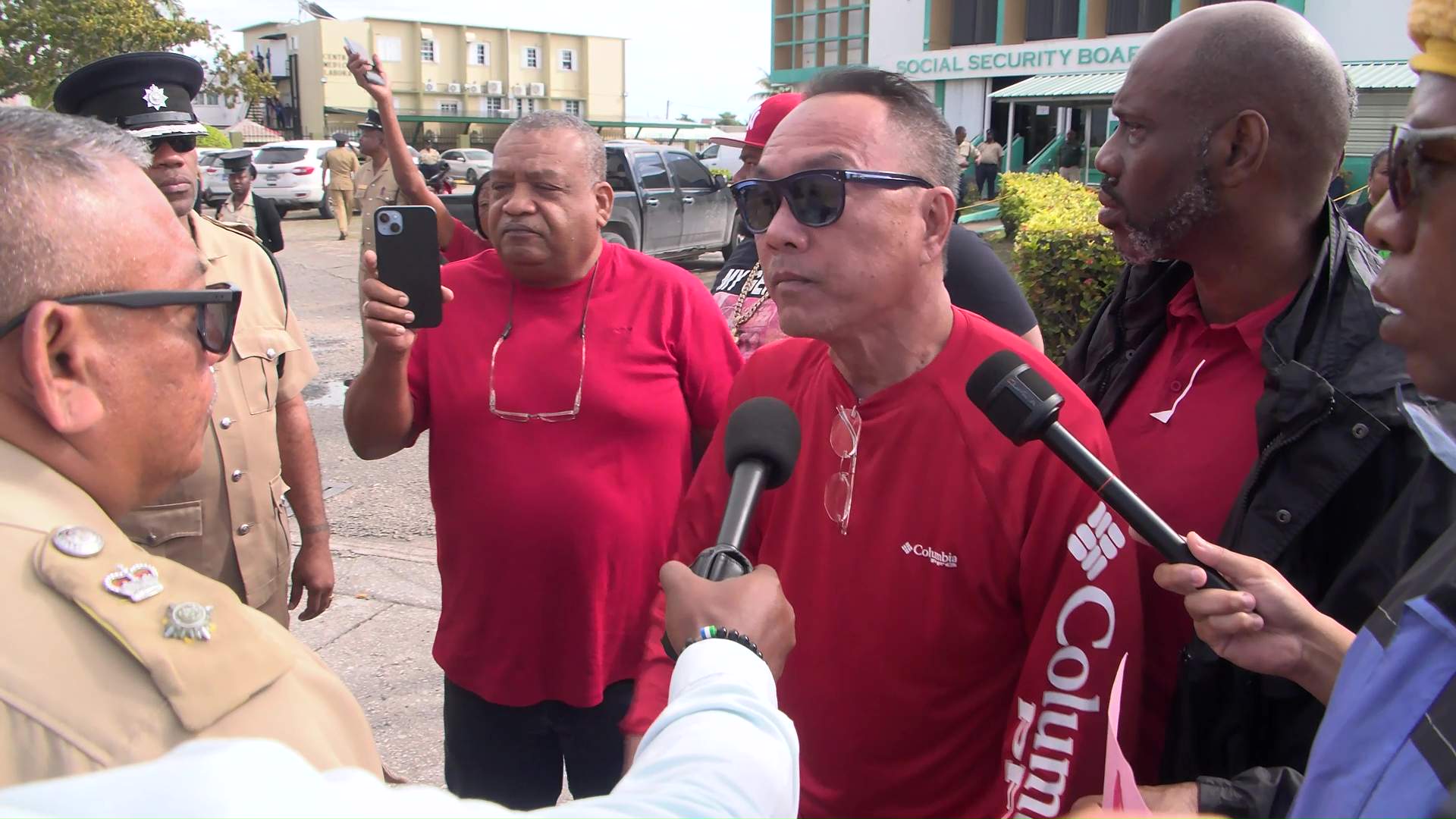
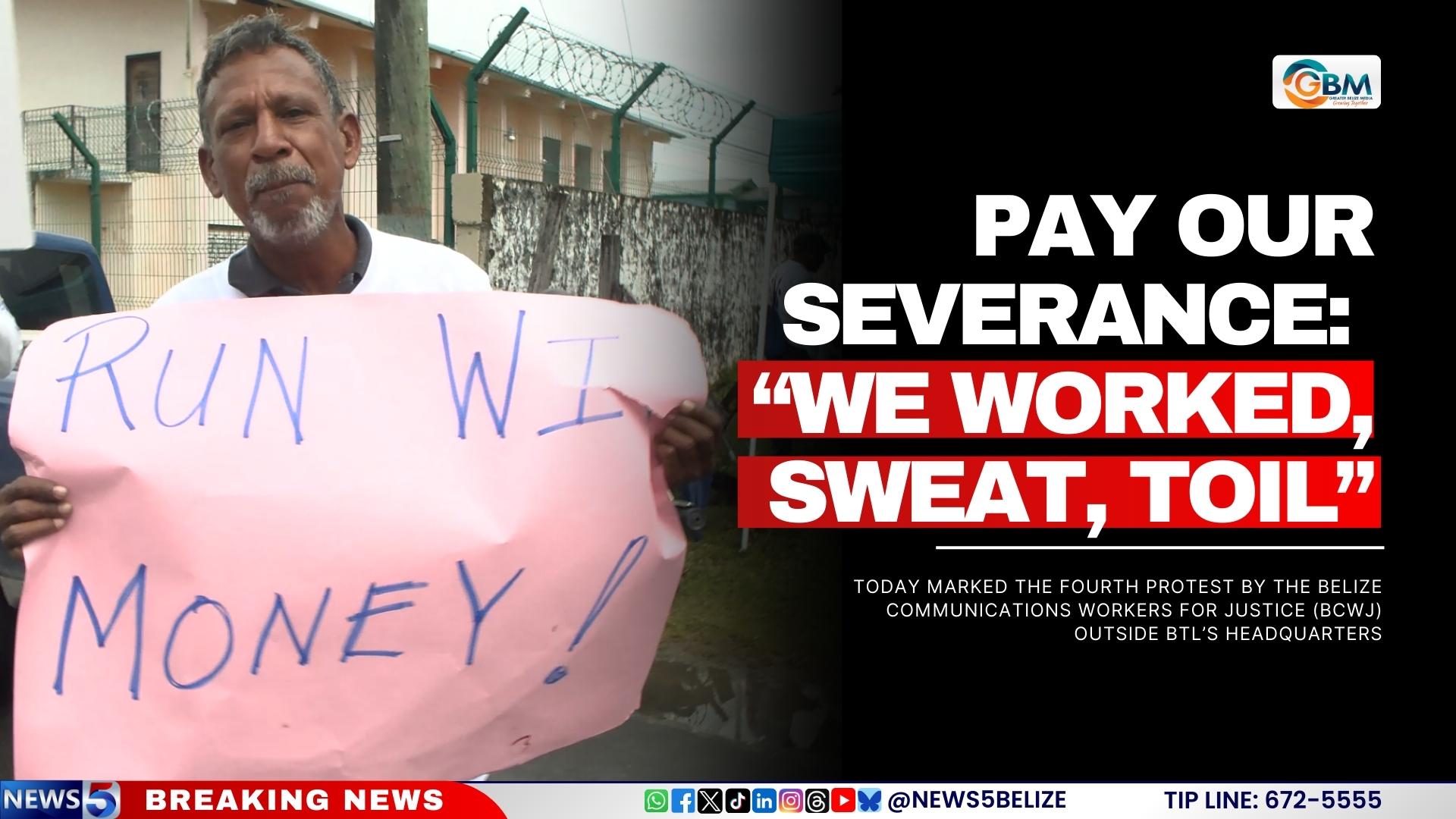
    Former long-serving employees of Belize Telemedia Limited (BTL) have intensified their demands for severance payments, citing deteriorating health conditions and years of dedicated service. The Belize Communications Workers for Justice (BCWJ) organized its fourth consecutive protest outside BTL’s corporate headquarters this week, highlighting what participants describe as urgent unmet financial obligations.

    Medical necessity has become a central theme in the growing dispute. Leticia Reyes, a 26-year veteran who transitioned from telephone operations to customer service, revealed her multiple health emergencies including gastric bypass surgery, two cardiac procedures, and two strokes that have impaired her speech and memory. ‘Many of us here face serious health challenges,’ Reyes stated. ‘We need the company to acknowledge our circumstances and release the severance we’ve earned.’

    Patricia Bradley, another former employee with 17.5 years of service across multiple departments, emphasized the personal sacrifices made by staff. ‘We invested years of sweat, toil, and tears building this company, often prioritizing work over family,’ Bradley recounted. While acknowledging BTL’s historical role as a valuable employer that provided growth opportunities, she maintained that severance payments represent a legal entitlement rather than a discretionary benefit.

    The telecommunications company issued an official response indicating that 98% of worker claims under the Caribbean Court of Justice ruling have been settled. However, BTL clarified that the CCJ mandate only covered claims within a six-year limitation period, excluding the BCWJ-represented workers whose claims extend beyond this temporal framework.

    Bradley, who now operates a caregiving business, noted that the severance funds would enable her to expand into food services, demonstrating how these payments represent both deserved compensation and future economic opportunity for former employees.

  • Holiday Declared in Barbados After Election Marked by Low Turnout

    Holiday Declared in Barbados After Election Marked by Low Turnout

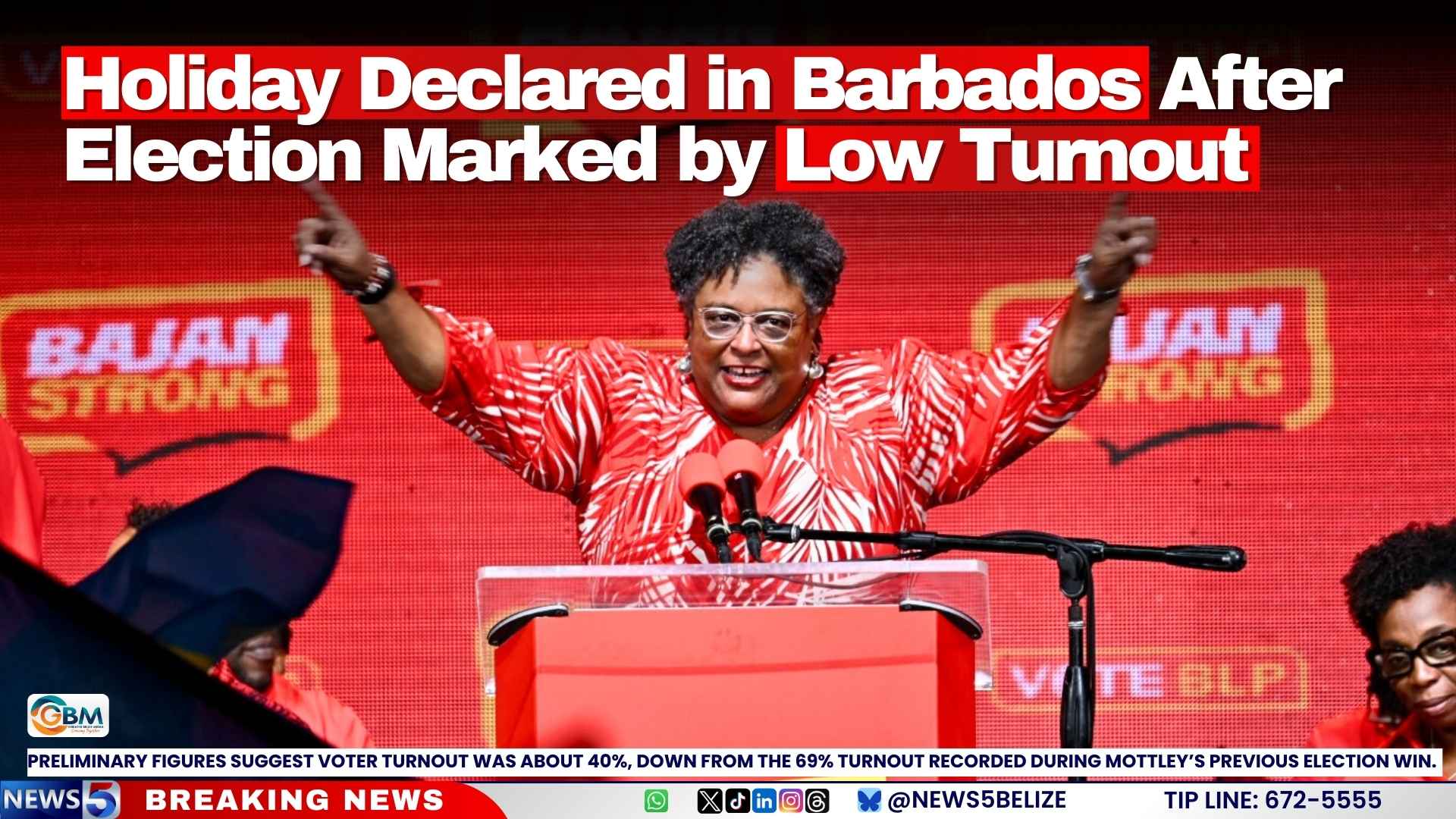
    Barbados Prime Minister Mia Mottley has proclaimed Friday, February 13th, 2026, as a national holiday following her party’s unprecedented electoral triumph. The Barbados Labour Party (BLP) achieved a historic third consecutive clean sweep, capturing all 30 parliamentary seats in the February 11th general election.

    Prime Minister Mottley comfortably retained her St. Michael North East constituency, while Democratic Labour Party leader Ralph Thorne suffered defeat in St. John at the hands of BLP candidate Charles Griffith. The electoral contest featured six political parties and multiple independent candidates, yet none managed to disrupt the BLP’s overwhelming dominance. Mottley is scheduled to be formally sworn into office on Monday to commence her new term.

    Preliminary data reveals a strikingly low voter participation rate of approximately 40%, representing a dramatic decline from the 69% turnout recorded during Mottley’s previous electoral victory. This participation level indicates that a majority of registered Barbadian voters abstained from participating in the democratic process, significantly reducing direct public involvement in determining the nation’s leadership.

    When contrasted with regional democratic exercises, Belize’s most recent general election demonstrated substantially higher civic engagement with 64% voter participation during the People’s United Party’s victory.

  • Running Water for Two Villages in Toledo

    Running Water for Two Villages in Toledo

    In a significant advancement for rural infrastructure, the Belizean Ministry of Rural Transformation, Community Development and Local Government, in collaboration with UNICEF, has inaugurated two major water supply projects in the Toledo District. These initiatives mark a transformative step in ensuring sustainable access to clean water for remote communities.

    The first project, unveiled Wednesday morning in San Jose Village, features a comprehensively upgraded water system engineered for long-term durability. The installation incorporates solar panel technology alongside a backup generator, creating a hybrid power solution that guarantees uninterrupted water service regardless of weather conditions or grid instability.

    A second inauguration ceremony held later that day in Yemeri Grove celebrated the activation of an entirely new water system. This development resolves a longstanding challenge where residents previously depended on a shared water supply with neighboring Laguna Village, often resulting in inadequate water access for both communities. The new infrastructure comprises a dedicated production well, an elevated reservoir, and a submersible pump, all integrated into a distribution network connected to Belize Electricity Limited’s power grid. This system now reliably serves 121 households in Yemeri Grove.

    The ceremonial events were attended by key stakeholders including Oscar Requena, Minister for Rural Transformation; Dr. Olusola Oladeji, Health and Nutrition Specialist at UNICEF; Valentino Shal, Chief Executive Officer of the Ministry; alongside local village leadership and community members who will directly benefit from these critical infrastructure improvements.

  • U.S. Says Venezuela Oil Deals Must Follow Its Laws

    U.S. Says Venezuela Oil Deals Must Follow Its Laws

    In a significant recalibration of foreign policy, the United States has authorized a new licensing mechanism permitting American corporations to provide goods, technologies, and services for oil and gas exploration and production activities in Venezuela. This strategic pivot, formalized by the U.S. Treasury Department, effectively modifies the long-standing sanctions regime that had severely constrained the South American nation’s energy sector.

    The license specifically enables support for Venezuela’s state-controlled petroleum entity, PDVSA, facilitating essential drilling operations, critical infrastructure repairs, and overall production enhancement. This move is designed to address the operational decay within Venezuela’s oil industry, which currently yields approximately one million barrels per day. U.S. analysts project a potential production surge of up to 20% following the implementation of this support.

    However, the authorization is bound by stringent legal and financial stipulations. It explicitly prohibits the formation of new joint ventures between international firms and the Venezuelan government. All permitted transactions are strictly confined to the maintenance and rehabilitation of pre-existing operations. Crucially, all contractual agreements must adhere to U.S. legislation, mandate dispute resolution within U.S. judicial courts, and require that any financial settlements involving sanctioned parties be processed through U.S.-administered funds.

    This policy adjustment occurs in the wake of broader geopolitical shifts, including the January 3rd apprehension of former President Nicolás Maduro by U.S. forces. The subsequent interim administration under Delcy Rodríguez has already cemented a substantial $2 billion crude oil supply agreement with the United States, signaling a reorientation of bilateral economic relations.

  • Voter Sentiment Shifts: Major Leaders Lose Ground in Dangriga

    Voter Sentiment Shifts: Major Leaders Lose Ground in Dangriga

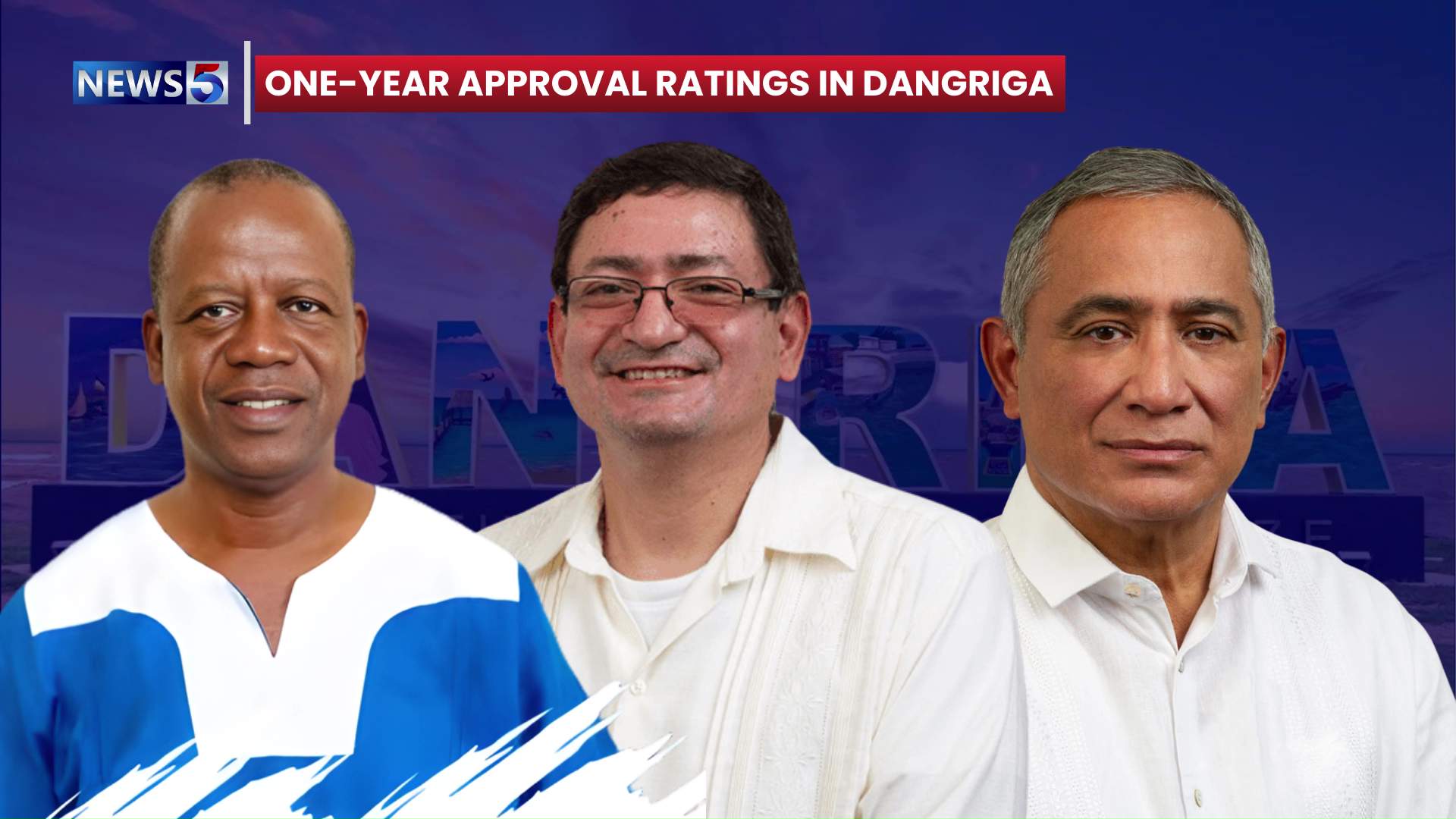
    A recent independent survey conducted in Dangriga, Belize’s cultural capital, has revealed significant erosion of public support for several prominent political figures. The comprehensive poll, administered by retired assistant professor Dr. Philip Castillo, indicates growing voter dissatisfaction with Area Representative Dr. Louis Zabaneh, Mayor Robert Mariano, and even Prime Minister John Briceño.

    Dr. Zabaneh, who secured overwhelming electoral victories with 61% support in 2020 and 76.5% in 2025, now faces a dramatic reversal with only 41% approval according to the latest findings. The research suggests constituents encounter challenges accessing their representative despite his claims of maintaining regular office hours and weekend community visits.

    Mayor Mariano demonstrates a concerning decline from his 63% support in 2024 to approximately 48.9% currently, with the next municipal elections scheduled for 2027. Residents cited inadequate infrastructure, inefficient garbage collection services, and persistent unemployment as primary concerns driving this dissatisfaction.

    Most strikingly, Prime Minister Briceño registers merely 20% approval among Dangriga voters, with over half explicitly disapproving of his performance. This baseline measurement provides the first empirical data regarding the Prime Minister’s standing in the region.

    Dr. Castillo emphasized that while these numbers reflect current sentiment, they represent a snapshot in time rather than predictive electoral data. All affected officials acknowledged the survey’s findings, with Representative Zabaneh noting the importance of such feedback for corrective action, and Mayor Mariano expressing commitment to addressing constituent concerns.

  • Opposition Challenges PUP on Constituency Funding

    Opposition Challenges PUP on Constituency Funding

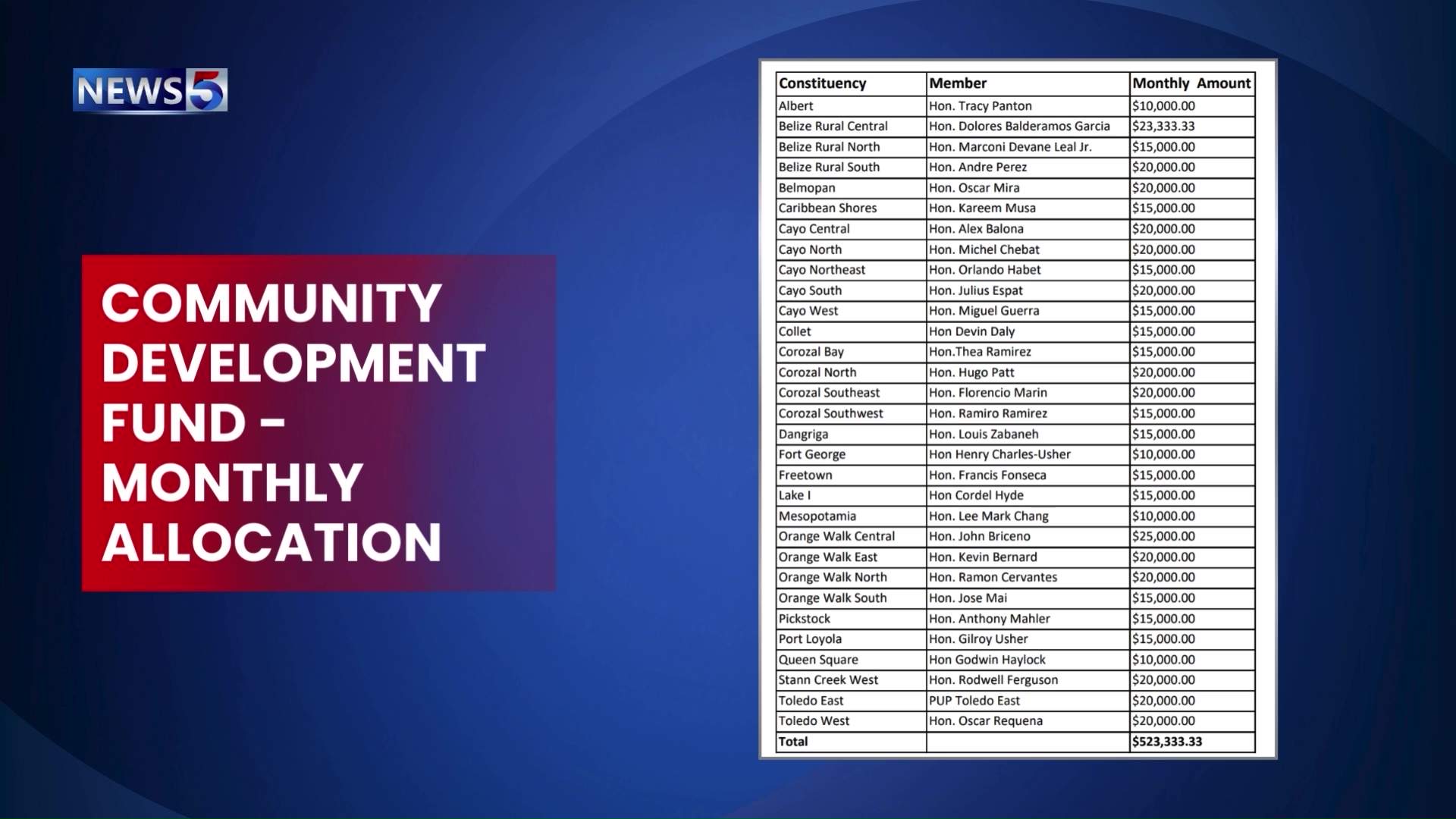
    A significant political controversy has emerged in Belize regarding the allocation and utilization of constituency development funds, sparking intense debate between government officials and opposition leadership. The dispute ignited following the leak of an official document revealing substantial disparities in monthly funding allocations across different constituencies, with some areas receiving over twenty thousand dollars while others were allotted just ten thousand dollars.

    Opposition Leader Tracy Taegar Panton has launched pointed criticism at the People’s United Party administration, arguing that funding distribution should be determined by community need rather than voter population numbers. The leaked documentation notably identified Orange Walk Central, represented by Prime Minister John Briceño, as receiving the highest monthly allocation of twenty-five thousand dollars despite not being among the nation’s largest constituencies.

    In response to mounting questions, Belize Rural South Area Representative André Perez provided detailed justification for the funding system. Representing the country’s third-largest constituency, Perez emphasized rigorous accountability measures, stating that every dollar is meticulously accounted for on a monthly basis through formal reporting to the cabinet secretary.

    Perez outlined the diverse applications of constituency funds, including financial assistance for seniors, educational support for students at various academic levels, home repair programs, medical travel assistance particularly for dialysis patients requiring regular treatment, and support for community sports and social events. The representative notably acknowledged that available funding often falls short of constituency needs, requiring supplemental support from private sources.

    A significant aspect of the debate centers on the relationship between political representation and financial dependency. Perez argued that formal government funding actually increases political independence by reducing representatives’ reliance on private donors who might expect preferential treatment or reciprocal commitments, thereby preserving the integrity of constituency assistance programs.

  • BTL–Speednet Deal Seen as Pivotal for PM Leadership

    BTL–Speednet Deal Seen as Pivotal for PM Leadership

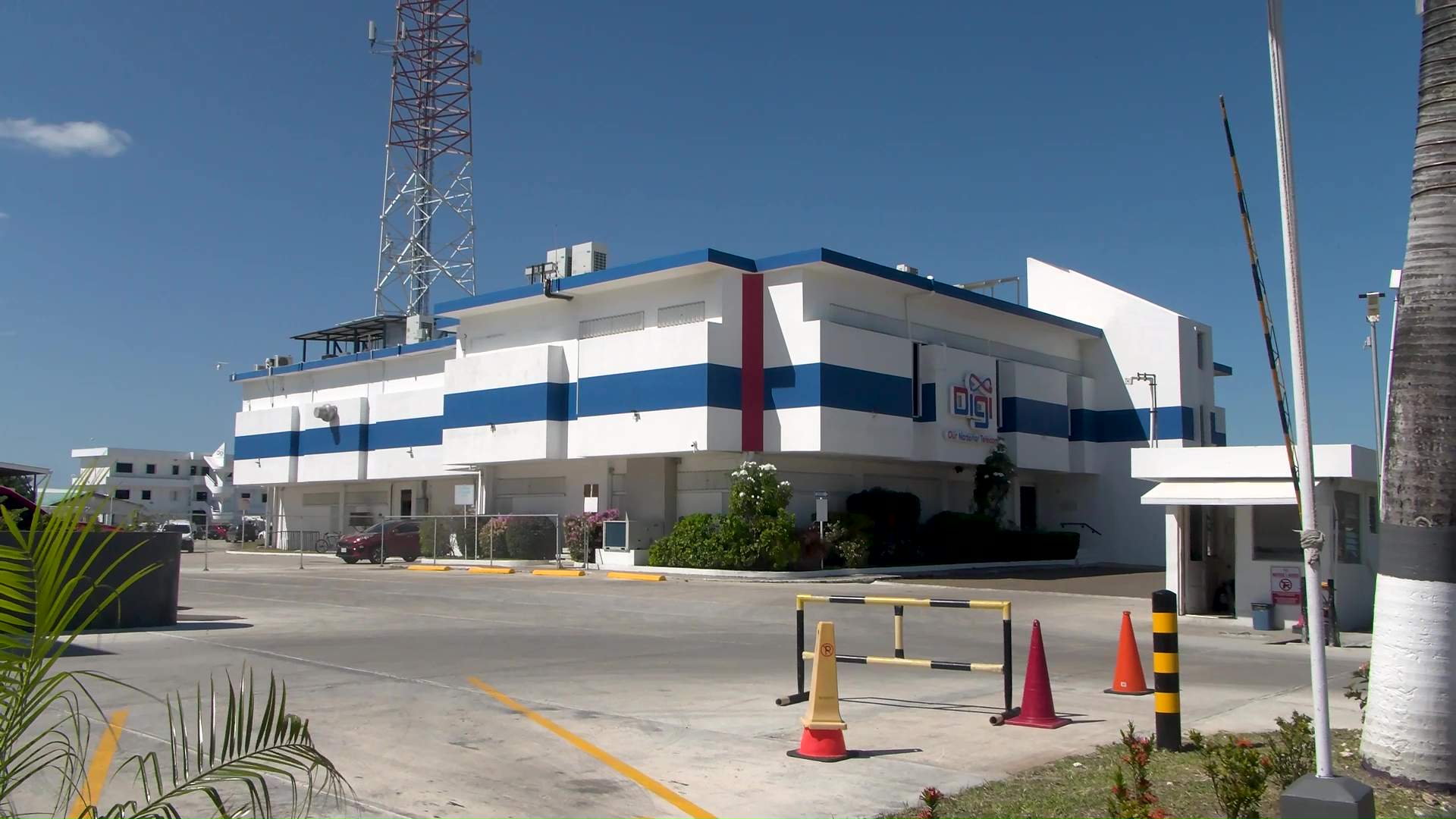
    A recent political analysis suggests the proposed acquisition of Speednet by Belize Telemedia Limited (BTL) may emerge as a defining test for Prime Minister John Briceño’s administration. According to polling data examined by Dr. Philip Castillo, a retired University of Belize assistant professor, the telecommunications merger carries significant political implications that could extend far beyond Orange Walk Central and potentially influence electoral outcomes in constituencies nationwide, including Dangriga.

    Dr. Castillo’s assessment indicates substantial opposition to the deal from multiple sectors, including the United Democratic Party (UDP), religious organizations through the Council of Churches, and various labor unions. The professor noted that unsolicited opinions gathered from Dangriga residents appear to mirror broader national concerns, suggesting the issue could represent a pivotal moment for the ruling People’s United Party’s political standing.

    Dangriga Area Representative Dr. Louis Zabaneh offered a contrasting perspective, acknowledging the deal has consumed political capital nationally but expressing confidence in his local standing. Zabaneh emphasized his commitment to consultation and transparent governance, suggesting his constituents recognize his approach to the matter despite broader concerns about the handling of the acquisition process.

    Both analysts concur that the ultimate political impact will depend less on national rhetoric and more on how voters across different constituencies perceive the government’s management of the telecommunications merger, making it a potentially decisive issue for the Briceño administration.

  • Unanimous Caucus Vote Questioned After Perez’s Absence

    Unanimous Caucus Vote Questioned After Perez’s Absence

    A significant political controversy has erupted within Belize’s ruling People’s United Party as Northern Caucus members face internal discord regarding their purported unanimous endorsement of the contentious BTL-Speednet acquisition deal. The situation intensified when Belize Rural South Area Representative André Perez revealed he had neither attended the crucial meeting nor been informed about the caucus’s plan to publicly support the telecommunications merger.

    The development emerges amid nationwide debates surrounding the proposed acquisition, which has generated substantial political tension and public concern. Perez stated he received notification merely two days prior about a Northern Caucus meeting featuring a presentation on the topic, but due to short notice, was unable to attend. He emphasized that he had no prior knowledge that the meeting would culminate in a formal declaration of support for the controversial deal.

    The purported unanimous endorsement has drawn sharp criticism from within party ranks, notably from Cayo South Representative Julius Espat, who condemned the move as inappropriate political interference that undermines both public protests and official regulatory reviews. Perez maintained a measured stance, acknowledging that public consultations regarding the acquisition ‘could have been done better’ while noting that the Public Utilities Commission minister has since intervened to temporarily halt proceedings for further evaluation.

    This internal conflict highlights growing tensions within the ruling party regarding appropriate procedures for addressing major national infrastructure decisions and raises questions about transparency in political caucus operations during sensitive policy deliberations.

  • Lee Mark Chang Defends UDP Protest Amid Police Warning

    Lee Mark Chang Defends UDP Protest Amid Police Warning

    A significant constitutional confrontation is escalating in Belize as Mesopotamia Area Representative Lee Mark Chang defiantly challenges police warnings regarding last week’s UDP-organized protest. The political stalemate emerges amid ongoing tensions within the opposition party regarding the Northern Caucus’ unexpected endorsement of the BTL-Speednet agreement.

    Chang, in a passionate defense of democratic principles, declared his readiness to assume full financial and legal responsibility for any bonds required by authorities. He characterized the police warnings as unconstitutional intimidation tactics against citizens exercising their fundamental rights. “If they want to continue sending threats,” Chang stated, “then we’ll probably have to take them to court.”

    The parliamentarian emphasized that the demonstration was conducted peacefully and within constitutional boundaries, arguing that authorities were attempting to suppress legitimate dissent. He recounted preliminary discussions with police officials where he asserted that constitutional rights cannot be arbitrarily suspended by those in power.

    Chang’s stance highlights growing concerns about governmental overreach and the preservation of democratic freedoms in Belize. The lawmaker framed the issue as a fundamental test of citizenship rights versus state power, warning that police actions could deter ordinary citizens from engaging in lawful protest.

    As the political standoff continues, Chang has vowed to pursue judicial intervention if authorities persist in what he characterizes as the suppression of constitutional rights. The developing situation raises critical questions about the boundaries of protest rights and governmental authority in Belize’s democracy.