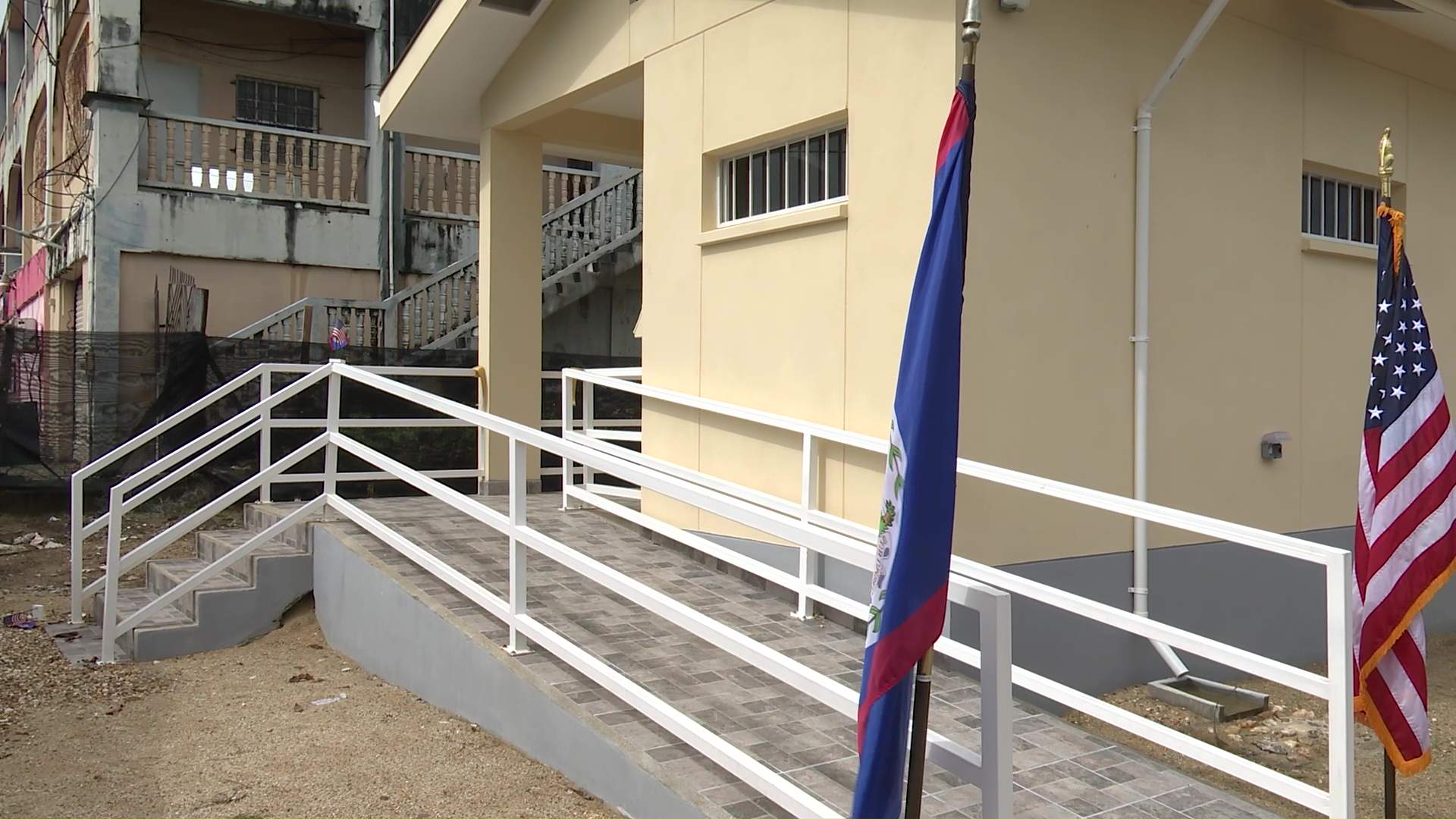
A recently signed two-year agreement between Belize and the United States has ignited widespread debate over transparency, sovereignty, and the future of bilateral relations. The pact, finalized on October 20, 2025, by Belize’s Foreign Minister Francis Fonseca, aims to enhance refugee protections and facilitate safe transfers of third-country nationals seeking asylum in the U.S. However, the exclusion of Guatemalans and the lack of public consultation have raised eyebrows. Critics, including the United Democratic Party (UDP), have questioned the secrecy surrounding the deal, emphasizing its potential impact on Belize’s immigration policies, border security, and taxpayer burden. Opposition Leader Tracy Taegar-Panton highlighted the absence of parliamentary debate and full disclosure, calling it a concerning trend under the Briceno administration. While Belize values its longstanding diplomatic ties with the U.S., the opaque nature of this agreement has fueled skepticism about its broader implications for national sovereignty and social infrastructure.
标签: Belize
伯利兹
-

Will the Government Publicize the Safe Third Country Agreements
In a significant development, Belize and the United States have recently signed a two-year agreement aimed at providing a safe haven for refugees deported from the U.S. The deal, which excludes Guatemalans, targets nationals from Central America and the Caribbean. However, the agreement has sparked widespread debate, with critics raising concerns about its implications for Belize’s population and economy, particularly amid ongoing inflation challenges. Foreign Affairs Minister Francis Fonseca addressed these issues in a recent interview, emphasizing the transparency and procedural rigor of the agreement’s implementation. Fonseca confirmed that the agreement has been shared with the Senate for ratification and will require amendments to Belize’s domestic legislation, including the Refugees Act. He also highlighted the need for finalized operational procedures between Belize and the U.S. before the agreement can take effect. Importantly, Fonseca assured that the process would be open and transparent, with a cap of no more than ten refugees transferred to Belize annually. The agreement’s focus on Central American and Caribbean nationals, excluding Guatemala, underscores Belize’s strategic approach to managing refugee inflows while safeguarding its national interests.
-

Calls Grow for Independent Budna Investigation
The United Democratic Party (UDP) is intensifying its call for an independent investigation into the controversial Joseph Budna case, which has sparked widespread concern over human rights violations in Belize. Opposition Leader Tracy Taegar-Panton has condemned the alleged beating, kidnapping, and subsequent handover of Budna to what she describes as ‘hostile territory,’ emphasizing that the issue transcends Budna’s personal history. Instead, she argues, it is about safeguarding the fundamental rights of Belizean citizens against potential government overreach. Taegar-Panton has accused the Briceno administration of deliberately avoiding accountability, suggesting that the government is relying on rising utility costs to divert public attention from the case. She has firmly stated that the UDP stands for the rule of law and insists that an independent probe is essential to uncover the truth. The opposition leader also clarified that her stance is not in defense of Budna’s alleged past actions but rather a broader call to protect citizens’ rights. As public pressure mounts, the question remains whether the government will heed these demands and initiate a formal investigation.
-

Faber Criticizes Secretive BEL Acquisition Plan
Opposition Senator Patrick Faber has launched a scathing critique of the Belizean government’s secretive plan to acquire Fortis Belize and its shares in Belize Electricity Limited (BEL). Faber accuses the Briceño administration of lacking transparency in its dealings with Fortis principals, particularly regarding the financial and procedural details of the agreement. The senator expressed frustration over the rushed legislative process, which he claims forces the Senate to evaluate, study, and pass the bill in a single sitting. Faber described this approach as ‘unconscionable,’ suggesting the government is attempting to push through a significant financial deal without proper scrutiny. The acquisition includes Fortis Belize Ltd., which owns three hydroelectric dams, at a reported cost of $110 million USD. Faber questioned whether the payment has already been made, citing discrepancies in the circulated documents, including one marked ‘executed’ with the prime minister’s signature. This move, according to Faber, represents an unnecessary and costly expansion of the government’s initial plan to repurchase BEL shares.
-

Belize Celebrates Landmark Volleyball Achievement
Belize’s Women’s Volleyball National Team has achieved a historic milestone by securing a bronze medal at the Central American Games, often referred to as the Olympics of the region. This marks the first time the team has advanced to the semi-finals and clinched a medal in the tournament, which is held every four years. The team’s triumphant return to Belize was celebrated at the Belize Olympic House, where News Five captured the emotional moments and insights from the players and their head coach. Lawrence Bennett, the team’s head coach, expressed immense pride in the players, highlighting their resilience despite injuries and illnesses during the competition. Team captain Nelissa Ramirez emphasized the team’s dedication, with rigorous training sessions twice daily. Shantel Arnold, a senior team member, shared her joy in concluding her 18-year national team career on a high note. Herdie Castillo reflected on the thrilling yet exhausting experience of representing Belize and competing against other nations. This achievement not only marks a significant moment for Belizean volleyball but also inspires future generations of athletes.
-

NGC Launches Calendar for November Celebrations
As November approaches, Belize is gearing up for a month-long celebration of Garifuna culture, with the National Garifuna Council (NGC) Belize City branch announcing a packed calendar of events. The festivities commence on October 25th with the Miss Garifuna Belize City Pageant, setting the stage for a series of cultural highlights. Key events include a panel discussion on November 11th, a tribute to T.V. Ramos on November 13th, and a vibrant music and food festival on November 18th. The grand finale will be the Yurumein reenactment on November 19th, marking the historic arrival of the Garifuna people in Belize. Raphael Martinez, President of NGC Belize City, shared details of the celebrations, emphasizing the significance of the reenactment and the community’s efforts to make this year’s events even more spectacular. The festivities will take place at the Belize Civic Center compound, featuring traditional Garifuna cuisine, music, and dance. Denise Casamiro, a member of NGC Belize City, also highlighted the upcoming pageant and cultural bash, inviting everyone to immerse themselves in Garifuna traditions.
-

New Eco-Economy Center Set for Belize City
Belize City is poised to become a hub for sustainable economic education with the establishment of the country’s first Center for Blue and Green Economy. Located at ITVET Belize City, the project is a collaborative effort between the Government of Belize and the Inter-American Development Bank (IDB), with an investment of nearly two million dollars. The initiative aims to transform an existing structure into a state-of-the-art training facility, equipping Belizeans with the skills needed for emerging job markets in sustainability and environmental management. The groundbreaking ceremony, held on October 23, 2025, marked the official start of this transformative project. Minister of Education Oscar Requena highlighted the center’s focus on preparing young people, particularly women, for careers in renewable energy, marine resource management, and sustainable construction. The facility will feature advanced laboratories, including a GIS lab and an engineering lab, and will be designed to meet green building certification standards. IDB Country Representative Karla Gonzalez emphasized the center’s role in addressing skill gaps and fostering innovation in education. This project is part of a broader government strategy to enhance technical and vocational training across Belize, contributing to national development and economic resilience.
-

Immigration Proposes Strategic Plan to Improve Services
The Ministry of Immigration in Belize has taken a significant step toward addressing long-standing issues with its services by unveiling a comprehensive strategic plan. On October 23, 2025, the ministry hosted a stakeholder consultation in Belize City to present the draft plan, which aims to streamline processes, improve transparency, and enhance overall service delivery. The initiative, nearly a year in the making, involved extensive internal discussions with staff across regions, from Toledo to San Pedro and the Banque border. The plan focuses on key areas such as improving human resource performance, addressing service deficiencies, strengthening enforcement, and refining the refugee support system. Tanya Santos, CEO of the Ministry of Immigration, emphasized the importance of stakeholder input, inviting feedback from public and private sector partners, international organizations, civil society, and other government agencies. The consultation marks a pivotal moment in the ministry’s efforts to modernize and optimize its operations, with the goal of resolving persistent challenges faced by users of immigration services.
-

Honduras President Underscores Unity at Travel Market 2025
The Central America Travel Market 2025, hosted in San Pedro Sula, Honduras, has become a focal point for regional tourism collaboration. The event’s second day featured dynamic business-to-business meetings and networking sessions, but the highlight was the unexpected visit of Honduras’ President, Xiomara Castro. Her presence not only highlighted national pride in hosting the event but also reinforced Honduras’ dedication to fostering tourism growth both domestically and across Central America. President Castro toured the exhibition floor, engaging with private sector representatives and regional stakeholders, including Belize’s Pro Tempore of FEDECATUR, Efren Perez. Vice Minister of Tourism Reizel Vilorio emphasized that the President’s participation symbolized unity and collective effort, showcasing Central America’s potential as a premier global travel destination. Vilorio noted that Castro’s visit underscored the government’s support for the private sector and its commitment to developing tourism products that benefit the entire region. The President expressed her admiration for the event’s scale and the collaborative spirit among participants, further solidifying the region’s reputation as a hub for innovative tourism initiatives.
-

Central America Targets Connectivity Fix to Boost Regional Tourism
Central America is taking significant steps to address its connectivity challenges, which have long hindered the growth of its tourism sector. Despite marketing itself as a unified, multi-destination region, the lack of seamless air and land routes continues to restrict travelers’ ability to move freely between countries. Efren Perez, Pro Tem President of the Federation of Central American Tourism Chambers and President of the Belize Tourism Industry Association, emphasized the importance of this issue during a recent regional meeting. Key organizations such as the Central American Tourism Agency and FEDECATUR are collaborating to develop solutions that improve cross-border access, revisit the CA-4 Agreement, and strengthen partnerships with regional airlines. Perez highlighted that these efforts are part of a broader strategy to make travel within the region more accessible, encourage longer stays, and elevate Central America’s position on the global tourism map. During the meeting, Perez also discussed the need for regional immigration reforms and the integration of the private sector into promotional strategies. He provided an example of how travelers moving from Honduras to Belize might not require a round-trip ticket if they are engaging in multi-destination travel, which is a key focus of the region’s tourism promotion. Perez stressed the importance of balancing border security with the need to maintain a smooth flow of tourists. The private sector is actively working with government agencies to propose solutions that enhance connectivity and improve the overall tourism experience. These initiatives are expected to be a central topic in ongoing regional discussions, with the goal of fostering a more integrated and attractive tourism market in Central America.