标签: Belize

伯利兹

  • 23-Year-Old Woman Dies in Early Morning Motorcycle Accident

    23-Year-Old Woman Dies in Early Morning Motorcycle Accident

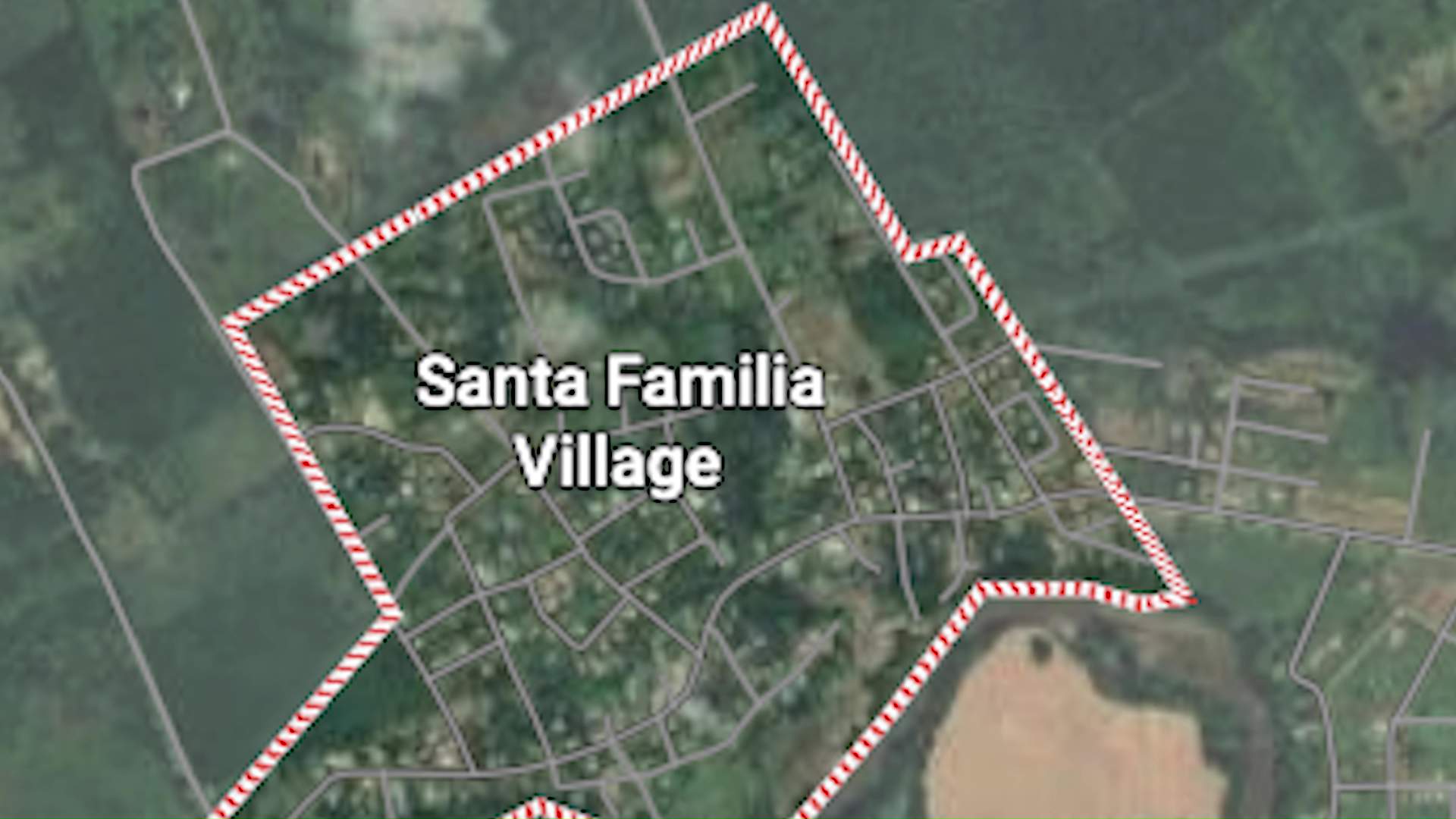
    Authorities in Cayo District are conducting a thorough investigation into a fatal motorcycle collision that resulted in the death of a young woman on Tuesday morning. The incident occurred approximately at 6:15 a.m. in Santa Familia Village, where emergency responders discovered 23-year-old Esmeralda Chi fatally injured beside her damaged Lifan motorcycle.

    According to official reports from the Belize Police Department, officers arrived at the scene after receiving alerts about a female body spotted in the area. ASP Stacy Smith, Staff Officer, confirmed that Chi was found unresponsive with significant facial injuries on her right side. The motorcycle displayed substantial front-end damage, indicating a severe impact.

    Critical details surrounding the accident remain undetermined, with investigators examining all potential contributing factors. Notably, preliminary findings suggest the victim was not wearing protective headgear at the time of the crash, as no helmet was discovered at the scene—a common correlation in fatal motorcycle incidents.

    The investigation continues as authorities work to reconstruct the events leading to this tragic loss. The community of Santa Familia mourns the premature passing of Esmeralda Chi, whose death highlights ongoing road safety concerns in the region. Police officials urge anyone with relevant information to come forward as they pursue all investigative avenues to determine the exact cause of this devastating accident.


  • BQ Pitts Jr. Cried After Seeing Video of Attack on His Mother

    BQ Pitts Jr. Cried After Seeing Video of Attack on His Mother

    A violent assault captured on video just before Christmas has ignited urgent conversations about public safety and mental healthcare systems. The incident, which occurred on December 24th, shows 69-year-old Barbara Austin being brutally punched to the ground by an individual reportedly suffering from mental illness, leaving her unconscious in a shocking display of violence.

    Ms. Austin’s son, Bernard Pitts Jr., described the traumatic moment he discovered his mother was the victim in the widely circulated footage. “Immediately I started to cry because I could not fathom imagining my mom who is sixty-nine years old taking a punch and being rendered unconscious,” Pitts revealed in an emotional interview. “It really took a lot out of me.”

    While medical reports indicate Austin is recovering satisfactorily with neurologist follow-ups, MRIs, and X-rays showing positive progress, her son emphasized the ongoing concern about potential long-term effects. The family continues to monitor her condition closely.

    Beyond the personal tragedy, Pitts articulated a broader societal concern, calling for improved mental health support systems. He suggested that enhanced care protocols from health ministries could prevent similar incidents, noting that society often marginalizes those struggling with mental health challenges without understanding their suffering or circumstances.

    The viral incident has resonated nationally, drawing attention to the intersection of public safety and mental healthcare infrastructure, particularly regarding community protection and support for vulnerable individuals.

  • Belizeans Encouraged to Begin Year Purposefully

    Belizeans Encouraged to Begin Year Purposefully

    As Belize prepares to enter 2026, prominent religious figures are calling for meaningful reflection and intentional resolutions. Archbishop Philip Wright and Father Scott Giuliani have both issued guidance emphasizing spiritual and personal development alongside traditional New Year’s commitments.

    Archbishop Wright, connecting the secular tradition of resolutions with religious observance, notes that January 1st coincides with the Feast of the Holy Name in Christian tradition. “The new year always brings with it the hope to turn a new leaf,” stated Wright. “This annual ritual betrays the fact that we recognize there is always room for improvement.” He suggests using this period for profound self-examination, encouraging citizens to ask fundamental questions about personal and national identity.

    Father Giuliani from Divine Mercy Church proposes a dual approach to New Year’s resolutions addressing both physical and spiritual wellbeing. He draws parallels between physical health concerns like diabetes and hypertension and the need for spiritual nourishment. His recommendations include increased scripture reading and more intentional Christian practice. Additionally, Giuliani emphasizes relationship repair as a critical resolution for 2026, urging believers to seek reconciliation with estranged family members or friends as a path toward peace.

    The combined messages from both leaders frame the new year as an opportunity for holistic renewal—addressing physical health, spiritual depth, and community harmony through purposeful action and reflection.

  • New Year Resolutions and Why They Don’t Last

    New Year Resolutions and Why They Don’t Last

    As the calendar prepares to turn to 2026, millions worldwide are drafting ambitious New Year’s resolutions despite overwhelming statistical evidence of their eventual abandonment. This annual phenomenon of setting—and subsequently discarding—personal improvement goals represents a fascinating intersection of psychology, behavior patterns, and cultural tradition.

    Clinical Psychologist Elicia Habet identifies the ‘fresh start effect’ as the primary psychological driver behind resolution-setting. “The transition between years creates cognitive distancing from past failures,” Habet explains. “People experience tremendous motivation as they anticipate January first, viewing it as an opportunity to reconstruct their identity and leave previous shortcomings behind.”

    Fitness objectives consistently rank among the most popular resolutions, though personal trainer Keith Jones observes predictable pitfalls. “Individuals frequently attempt radical overnight transformations without structured plans or accountability systems,” Jones notes. “When the initial enthusiasm diminishes and routine responsibilities resume, exercise regimens become the first casualty.”

    Dr. Denise Lenares-Solomon, a professional therapist, describes the subsequent psychological impact through the lens of ‘false hope syndrome.’ Ambitious targets—like immediately running four daily miles—create unsustainable pressure that ultimately generates shame and embarrassment when inevitably abandoned. This emotional response frequently damages future motivation.

    Financial resolutions similarly suffer from overambition, according to financial advisor Rumile Arana. “The key lies in incremental habit formation rather than drastic restriction,” Arana advises. “Consistently following a shopping list for three consecutive months builds more sustainable financial discipline than attempting complete budget overhaul in January.”

    Experts collectively emphasize that meaningful behavioral change requires progressive adaptation rather than revolutionary transformation. Setting modest, measurable objectives with built-in accountability mechanisms significantly increases the probability of long-term success beyond the initial New Year motivation surge.

  • SMART Method Turns New Year Goals Into Reality

    SMART Method Turns New Year Goals Into Reality

    As the calendar turns to a new year, millions worldwide engage in the time-honored tradition of setting resolutions, though many struggle with implementation. Life coach Lucien Fitzgerald presents a structured methodology to transform vague aspirations into tangible outcomes through the SMART framework—an acronym for Specific, Measurable, Attainable, Relevant, and Time-bound objectives.

    Fitzgerald emphasizes that conventional resolutions frequently fail due to lacking concrete parameters. “The reality is that resolutions often lack essential elements that make goals attainable,” he states. The SMART technique establishes a comprehensive architecture for personal and professional development by requiring precise definition of targets, quantifiable metrics, realistic assessment of capabilities, contextual relevance to one’s situation, and definitive deadlines.

    Illustrating the methodology, Fitzgerald cites a restaurant owner aiming to expand staffing: “Instead of vaguely wanting to ‘grow the team,’ specify hiring two additional staff members. Establish measurable criteria for these positions, assess whether expansion is financially attainable based on previous year’s performance, ensure the growth aligns with business objectives, and set a deadline—perhaps March or December 2026.”

    When asked where goal-setters typically falter, Fitzgerald identifies self-honesty as the primary hurdle: “They fall short in being realistic with themselves and eliminating the delusion that achievements must be grandiose to be commendable or celebratory.” The psychologist underscores that meaningful progress often stems from incremental, well-defined targets rather than ambitious but nebulous ambitions.

    This evidence-based approach provides a systematic alternative to the annual cycle of abandoned resolutions, offering a strategic pathway to personal improvement and professional development through structured planning and realistic self-assessment.

  • Saving Belize’s Scarlet Macaws: Into the Wild (Pt. 2)

    Saving Belize’s Scarlet Macaws: Into the Wild (Pt. 2)

    Deep within Belize’s Chiquibul rainforest, a dramatic conservation battle unfolds as endangered Scarlet Macaws face relentless poaching threats despite showing promising population recovery signs. According to Friends for Conservation and Development (FCD), Belize’s national Scarlet Macaw population now stands at approximately 300-350 birds, with current nesting season data revealing encouraging trends.

    The 2025 nesting season documented 23 active scarlet macaw nests with 70 eggs laid. Conservationists recorded a 60% hatching success rate, with 42 chicks successfully hatched, while 6 eggs were lost to predation and 16 failed to hatch. Six eggs remain under incubation as monitoring continues.

    However, these conservation achievements are undermined by sophisticated poaching networks operating across the Belize-Guatemala border. Guatemalan poachers undertake grueling 2-3 day journeys into Belizean territory, scaling 50-70 foot quamwood trees to extract chicks before they fledge. The birds’ vibrant red, blue, yellow, and green plumage, combined with their loud vocalizations and social nature, make them easily detectable targets.

    The illegal wildlife trade drives this poaching epidemic, with individual Scarlet Macaws commanding prices up to $15,000 USD on the black market. Traffickers supply both local collectors and international markets, with birds increasingly destined for Asian buyers who offer $50-100 per egg. This transnational crime network contributes to the global illegal wildlife trade, estimated at $23 billion annually.

    Conservation efforts face additional challenges as poachers constantly adapt their methods. While previous poaching involved shooting adult birds, current tactics focus on chick extraction and egg collection. Some buyers now prefer eggs for artificial incubation, creating new market demands.

    Despite these threats, collaborative conservation initiatives show promise. FCD continues its monitoring program under a renewed two-year license, with support from Belize’s Forest Department and Bulridge Company Limited. Regional organizations including Asociación Balam and WCS Guatemala are working to combat trafficking networks and raise enforcement capabilities across Central America.

    Belize’s Minister of Sustainable Development Orlando Habet emphasized government support for these conservation partnerships, noting knowledge exchange and wildlife rehabilitation programs are strengthening protection efforts. Yet conservationists warn that without sustained intervention and improved cross-border enforcement, the Scarlet Macaw’s recovery remains precarious in the face of organized poaching operations.

  • GOB Considering Ecotourism in Chiquibul

    GOB Considering Ecotourism in Chiquibul

    The Belizean government is currently evaluating multiple development proposals for implementing ecotourism initiatives within the ecologically sensitive Chiquibul Forest ecosystem. As the nation’s largest protected territory, this region serves as vital habitat for numerous endangered species, including the iconic scarlet macaw.

    According to Orlando Habet, Minister of Sustainable Development, several private companies and individuals have submitted proposals for conservation-focused tourism projects that align with Belize’s premium ecotourism vision. While most current interest centers on the Mountain Pine Ridge Reserve, some applications specifically target the Chiquibul region.

    Minister Habet emphasized the necessity of implementing strict environmental safeguards, noting that certain areas must remain completely off-limits to human activity. “We must protect the headwaters and wildlife populations,” Habet stated. “While controlled access to features like cave systems might be permissible, visitor numbers would require careful limitation and monitoring.”

    The proposed model involves implementing premium pricing for access to sensitive ecological zones, creating a high-value, low-impact tourism approach. This strategy mirrors existing managed tourism at the Caracol archaeological site within the national park boundaries.

    Friends for Conservation and Development (FCD), the organization that co-manages Chiquibul National Park, has expressed conditional support for sustainable development initiatives. However, the conservation group insists that all decisions must be grounded in scientific research and comprehensive planning to minimize ecological disruption.

    Stakeholders universally acknowledge that the Chiquibul presents both significant economic opportunities and substantial environmental risks, requiring meticulous balancing of conservation priorities with potential economic benefits.

  • Can Horse Racing in Belize Become an Industry?

    Can Horse Racing in Belize Become an Industry?

    In Belize, the centuries-old tradition of horse racing persists as a labor of love rather than a lucrative enterprise, with participants advocating for governmental intervention to elevate the sport into a sustainable economic sector. Despite historical roots dating back to the 1800s, the racing circuit remains modest, featuring only a handful of annual events that operate at a financial loss for most stakeholders.

    Veteran owner Harold Burns, who maintains a stable of fifteen horses including five active racers, illustrates the economic challenges facing participants. ‘Our expenditures consistently surpass our earnings,’ Burns revealed, citing substantial costs for transportation, specialized nutrition, veterinary services, and equipment that frequently exceed the total prize money offered. His filly Amira exemplifies the dedication within the community—having survived a near-catastrophic stable accident that nearly severed her front leg, the horse overcame surgical recovery to claim five first-place trophies beginning at age two.

    The current compensation structure further complicates profitability. Prize winnings are immediately distributed among crew members, leaving owners without meaningful financial returns. This economic model contrasts sharply with international racing operations where betting revenues sustain the sport.

    Industry advocates propose a strategic partnership with Belize’s tourism and sports ministries to develop racing into a job-creating industry. Potential growth could spawn feed mills, tack shops, and professional opportunities for trainers and jockeys. Local breeder Gilbert Canton emphasizes the necessity of adopting proven international frameworks, noting that systematic breeding programs—which carefully match pedigrees and performance traits—already demonstrate local capacity for quality horse production.

    Arthur Veyes, a part-time trainer, represents the passionate workforce sustaining the sport through voluntary dedication. ‘This transcends employment—it’s pure passion and love,’ Veyes stated, highlighting the careful conditioning required to prepare athletes while preventing injuries.

    The collective vision shared by Belize’s racing community involves transforming their cherished pastime into a formally recognized industry that balances cultural preservation with economic development, pending crucial investment and regulatory support.

  • Belize City Police Seize AR-15, Ammunition in Major Bust

    Belize City Police Seize AR-15, Ammunition in Major Bust

    In a significant year-end operation, Belize City law enforcement authorities have successfully intercepted an arsenal of illegal weapons, marking a substantial victory in the nation’s ongoing battle against organized crime. The operation, conducted on December 30, 2025, resulted in the recovery of an AR-15 assault rifle alongside more than 100 rounds of ammunition from a concealed mangrove location adjacent to Nutmeg Street in the Lake Independence district.

    Assistant Superintendent of Police Stacy Smith provided official confirmation that the seizure was the product of meticulously coordinated intelligence efforts involving Special Branch units and officers from Precinct Two of the Eastern Division. According to Smith’s statement, the confiscated items included not only the military-grade rifle but also 105 rounds of 5.56 mm ammunition, two high-capacity drum magazines, additional 7.45 mm rounds, and two tactical bulletproof vests.

    This operation represents the latest achievement in what has been a remarkably productive year for Belizean authorities in combating weapon trafficking. Official statistics released alongside this bust reveal that the Belize Police Department has seized 234 illegal firearms and 7,477 rounds of ammunition throughout 2025. The breakdown shows 123 were 9mm pistols, 14 were high-powered rifles, with the remainder consisting of .38 caliber firearms and shotguns. These efforts have led to 194 individuals facing charges related to weapons offenses.

    The comprehensive law enforcement campaign has extended beyond weapons interdiction. National drug enforcement operations have yielded the confiscation of 705,638 grams of cannabis, 41,784 grams of cocaine, and over 5,000 grams of crack cocaine. These substance seizures have resulted in criminal charges against 1,562 individuals for narcotics-related violations during the same period.

  • PNP Slams Briceño Administration Over Ombudsman Contract Decision

    PNP Slams Briceño Administration Over Ombudsman Contract Decision

    The Belizean political landscape has been roiled by controversy following the government’s decision not to renew the contract of Ombudsman Gilbert Swazo, drawing fierce condemnation from the opposition People’s National Party (PNP). The PNP has characterized the move as a direct assault on governmental transparency and independent oversight mechanisms.

    The dispute centers on a Christmas Eve notification delivered to Swazo indicating his tenure would conclude without extension. The timing has raised particular concern as it coincides with Swazo’s ongoing involvement in a significant Freedom of Information appeal case. The Ombudsman recently ruled that portions of the government’s legal fee records related to a redistricting case must be disclosed publicly under freedom of information legislation—a decision the current administration is actively challenging in court.

    In response to his non-renewal, Swazo expressed surprise but acknowledged the prerogative of the National Assembly in making such determinations. The PNP has vigorously defended Swazo’s record, highlighting his status as one of the most widely respected ombudsmen since Belize’s independence and noting his overwhelming public support as evidence of his effective service.

    Opposition Leader Tracy Panton joined the criticism, expressing disappointment that the matter was not brought before the National Assembly for proper deliberation and debate. The PNP has formally called upon the Briceño administration to reverse its decision and renew Swazo’s contract, asserting that such action would align with the nation’s best interests and preserve institutional integrity.