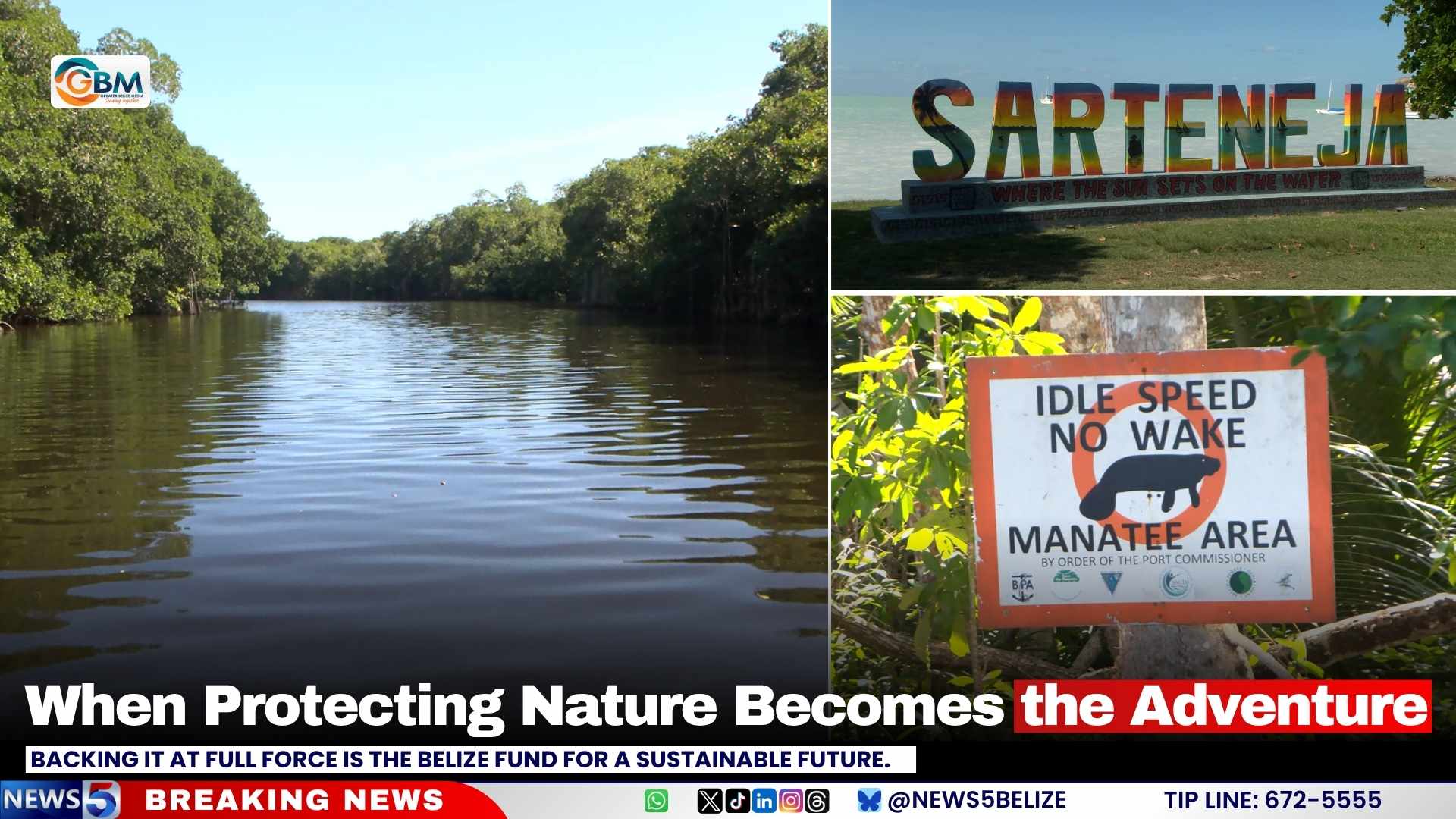
Belize, a country renowned for its pristine beaches and vibrant reefs, has long relied on tourism as a cornerstone of its economy. However, beneath the surface of its tourist attractions lies a critical force driving its success: conservation. The Sarteneja Alliance for Conservation and Development (SACD), supported by the Belize Fund for a Sustainable Future, is demonstrating that protecting the environment can also be an exhilarating adventure. This initiative is transforming the northern coastal village of Sarteneja, traditionally known for its fishing heritage, into a hub for eco-tourism. Through Corozal Bay EcoAdventures, local fishers, artisans, and families are discovering new ways to earn a living while safeguarding the marine ecosystems that sustain them. Diveana Samos, Business Manager of SACD, emphasizes that their mission is to promote conservation actions that benefit both biodiversity and the local community. The Corozal Bay Wildlife Sanctuary, spanning 178,000 acres, is home to manatees, dolphins, and Belize’s only bull shark nursery. SACD’s RioReef Expedition blends science and tourism, channeling proceeds into local conservation and community projects. Visitors experience firsthand how traditional fishing practices and modern conservation principles converge for sustainability. The initiative also supports water quality monitoring, bird surveys, and aerial manatee surveys, ensuring the protection of one of Belize’s highest manatee populations. The eco-tour highlights the interconnectedness of the ecosystem, from the mangroves that filter impurities to the seagrass beds that clean the waters. Historical sites like the Cerros Mayan Temple add a cultural dimension, linking environmental preservation with heritage. The journey concludes at the Bacalar Chico Marine Reserve, where visitors can snorkel the reef or explore Mayan ruins. SACD’s model proves that adventure and preservation can coexist, leaving a lasting message that nature, culture, and community are all part of one living story.