标签: Belize

伯利兹

  • Health Minister Clarifies Controversial Graduation Appearance

    Health Minister Clarifies Controversial Graduation Appearance

    Long-simmering questions over the status of offshore medical schools based in Belize have reemerged in public discourse, following a high-profile appearance by Minister of Health and Wellness Kevin Bernard at a joint commencement ceremony hosted in the beachside town of San Pedro this week. The event marked graduation for two institutions, Washington University of Health and Science and Columbus Central University School of Medicine, both of which cater almost entirely to an international student body, with most learners coming from North America and South Asia to complete partial in-person training alongside online coursework.

    For years, third-party regulators and educational watchdogs have raised repeated red flags about the accreditation standing of these offshore programs, casting doubt on the global recognition of their degrees. In a public statement addressing widespread speculation about his attendance, Bernard moved quickly to clear up misinterpretations of his presence at the ceremony, emphasizing that he participated solely as an invited guest rather than an official endorser of either school.

    Under Belize’s governing structure, the minister explained, oversight of higher education accreditation falls exclusively under the purview of the Ministry of Education, not his own health portfolio. Bernard added that he has received confirmation from both education ministry officials and institutional leadership that the programs have completed accreditation review processes in the United States. He also noted that data shared with him shows a high rate of successful placement for the schools’ graduates into U.S.-based medical residency programs, a key benchmark for international medical training programs.

    Notably, Patrick Faber, a senior Belizean political figure who serves as chair of the online medical school’s board of governors, has personally confirmed that the accreditation process is moving forward as required, Bernard said. The offshore institutions have not been without controversy, however: regulators in multiple source countries for their student bodies have previously issued public warnings about the programs. Most prominently, India’s National Medical Commission has issued formal advisories alerting aspiring Indian doctors to the unrecognized status of these Belize-based institutions, triggering ongoing regulatory scrutiny overseas.

    This report is adapted from a transcribed evening television news broadcast originally published online.
  • Portico Threatens Lawsuit Over Port of Belize Expansion

    Portico Threatens Lawsuit Over Port of Belize Expansion

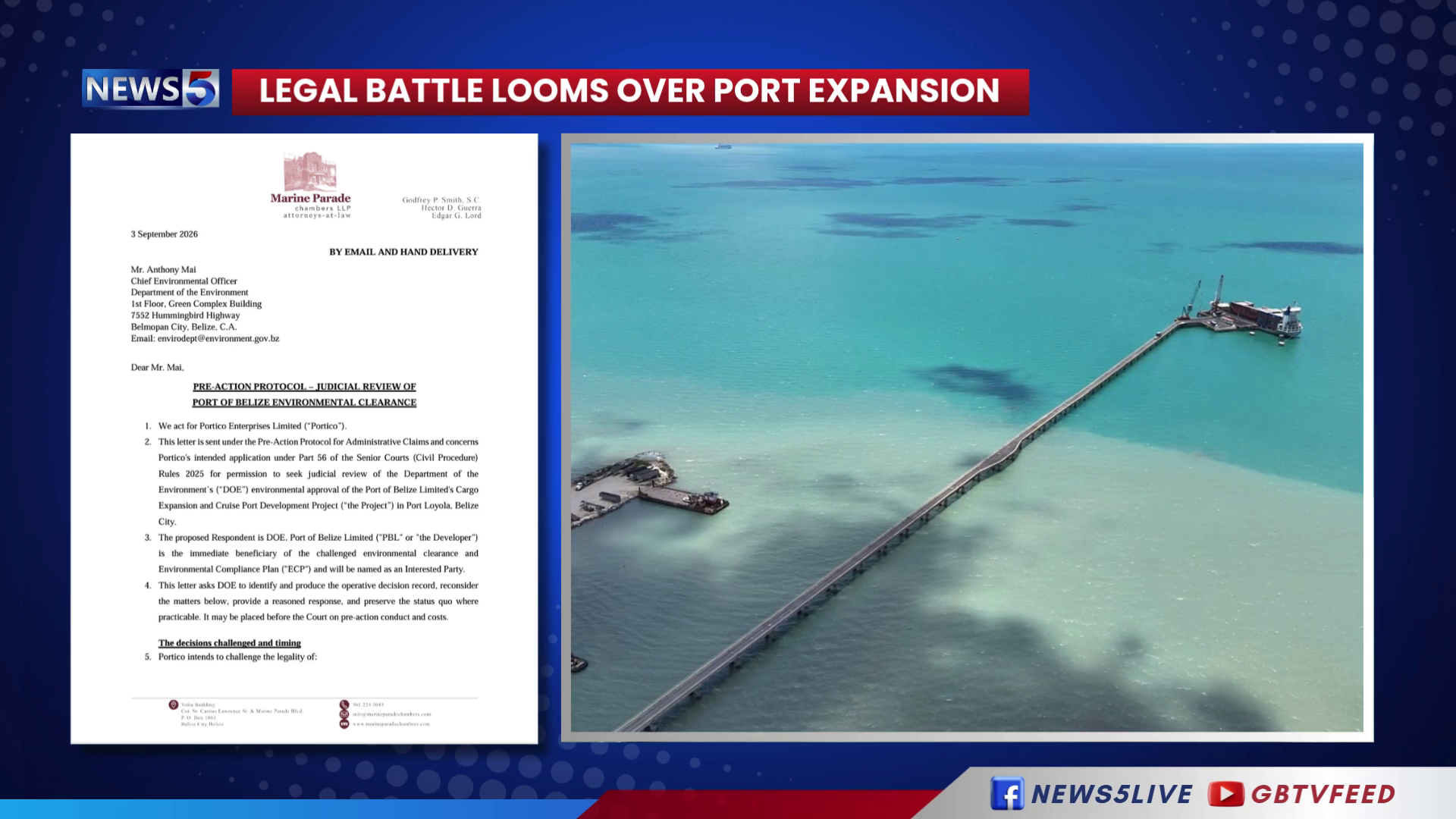
    A looming legal battle has emerged over a major infrastructure project on Belize’s coast, as private firm Portico Enterprises Limited has moved to block the Port of Belize Limited’s planned cargo and cruise terminal expansion in Port Loyola. The company has issued a formal pre-action letter dated September 3, 2026, demanding that Belize’s Department of the Environment reverse its greenlighting of the development and hand over the full internal documentation that informed its approval decision.

    At the heart of Portico’s challenge are sweeping allegations of gaps and oversights in the project’s mandatory environmental impact assessment. The firm argues that the assessment failed to thoroughly examine a range of high-stakes risks linked to the project, including the impacts of planned dredging work, management of contaminated sediment, shifts in coastal water quality, threats to public health, harm to local marine ecosystems, and potential damage to the UNESCO-listed Belize Barrier Reef Reserve System — one of the most critical protected marine habitats in the Caribbean. None of these allegations have been adjudicated in a court of law as of the date of this report.

    Beyond flaws in environmental assessment, Portico has raised questions about the integrity of the project’s public consultation process, claiming that outreach to local communities and stakeholders did not meet requirements for meaningful participation. The company also alleges that core environmental protection requirements were deliberately delayed for final approval, rather than being addressed before the clearance was granted. Additional points of contention include a reported cut to annual environmental monitoring fees for the project, as well as potential institutional conflicts of interest stemming from the government of Belize’s ownership stake in the Port of Belize.

    Portico is calling for an immediate halt to all major dredging, construction, and land reclamation work at the site while the dispute is resolved. The company has set a strict timeline for regulators: seven days to acknowledge receipt of the pre-action letter, and 14 additional days to issue a complete formal response to the demands. If the government does not meet these requirements or resolve the dispute to Portico’s satisfaction by September 22, the firm says it will file an application for judicial review with the courts, asking judges to invalidate the environmental clearance and issue a permanent injunction halting major work on the expansion.

  • Court of Appeal Rules 2020 States of Emergency Unconstitutional

    Court of Appeal Rules 2020 States of Emergency Unconstitutional

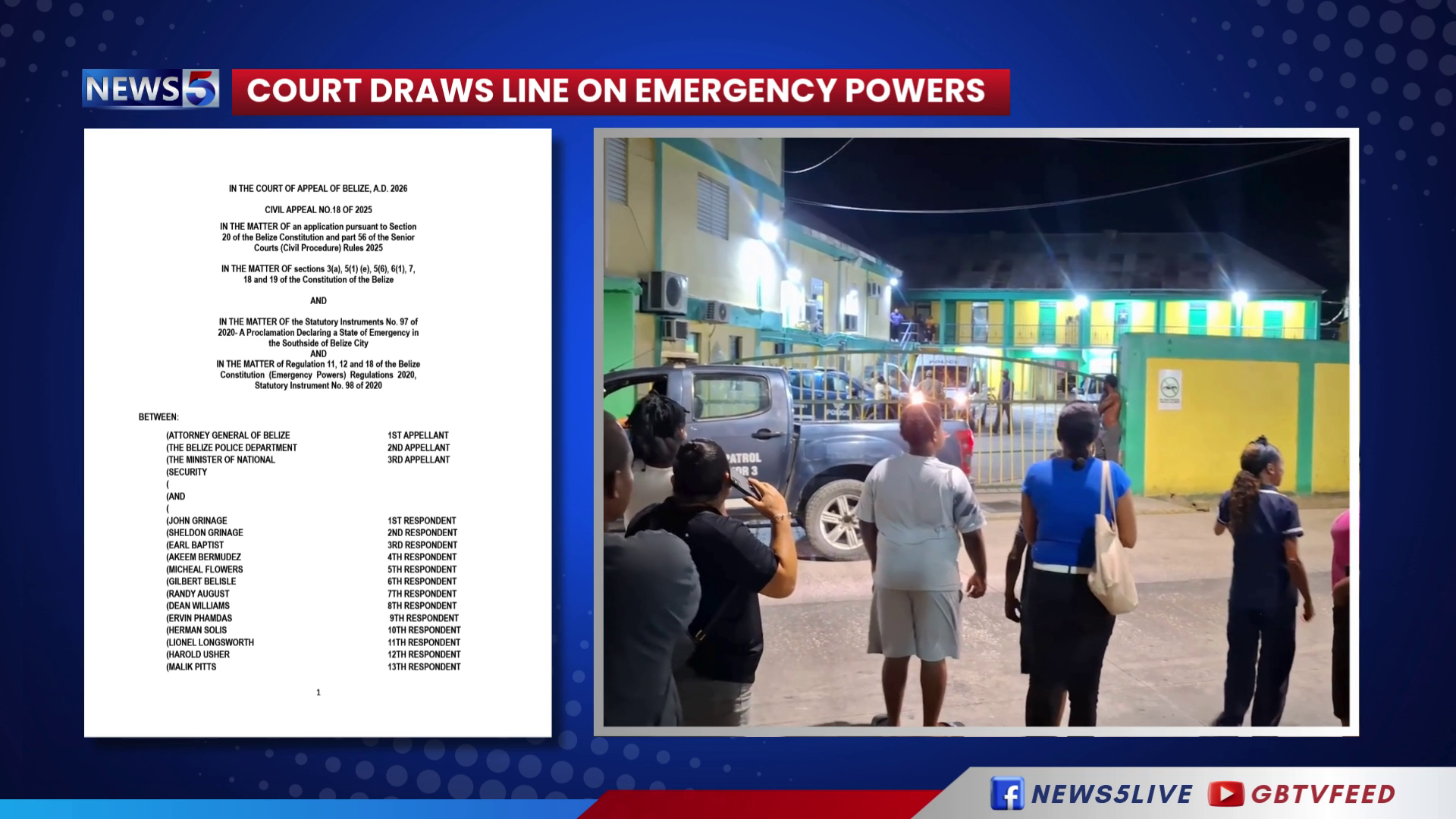
    In a landmark ruling handed down on September 3, 2026, the Court of Appeal of Belize has formally invalidated two states of emergency declared for Southside Belize City back in 2020, determining that the national government failed to meet the constitutional threshold of evidence required to justify implementing these extraordinary executive measures.

    The judicial panel laid out a clear legal precedent in its judgment: elevated levels of ordinary crime and violence, no matter how severe, do not automatically grant the executive branch the right to enact a state of emergency. For such extreme measures to pass constitutional muster, the government must prove that the threat at hand is so widespread and unmanageable that it cannot be addressed through the framework of the nation’s standard criminal justice system. After reviewing all evidence presented in the case, the judges concluded that the government did not meet this burden of proof for the 2020 declarations.

    Beyond striking down the emergency declarations themselves, the court also found that the hundreds of arrests and detentions carried out under the authority of these measures directly violated the fundamental constitutional rights of the people detained. The ruling documented multiple procedural failures: detainees were given only vague, non-specific justifications for their detention, frequently cited only as suspected “gang activities”, and authorities never established an independent tribunal to review the legality of each detention, a requirement under Belize’s constitution.

    As a remedy for the rights violations, the court ordered significant financial compensation for five petitioners who brought the case before the judiciary. Each of the claimants — Shane Harris, Laquan Shemar Flowers, Dejon Joseph, Dimetris Gordon and Nukie Barrow — will receive $15,000 in compensatory damages, alongside an additional $7,000 in vindicatory damages to address the harm caused by the unconstitutional detention.

    Legal observers note that this judgment carries far-reaching implications for governance and civil liberties in Belize. It explicitly reaffirms that states of emergency are intended only for the most extreme, exceptional circumstances, and cannot be repurposed as a routine tool for combating common crime. The ruling also strengthens foundational constitutional protections by clarifying that safeguards against arbitrary arrest and detention remain fully in effect even during periods of declared public emergency, cementing the principle that no emergency can override the fundamental rights enshrined in the nation’s constitution.

  • Cabinet Gives Bus Operators More Than They Requested

    Cabinet Gives Bus Operators More Than They Requested

    In a policy decision released on September 3, 2026, Belize’s Cabinet has greenlit an extended fuel subsidy program for the Belize Bus Association that exceeds the group’s original three-month funding request. Under the newly agreed framework, local bus operators will continue to receive a $2 per gallon subsidy on fuel until the beginning of the 2027/2028 fiscal year, a longer timeline than the association initially requested.

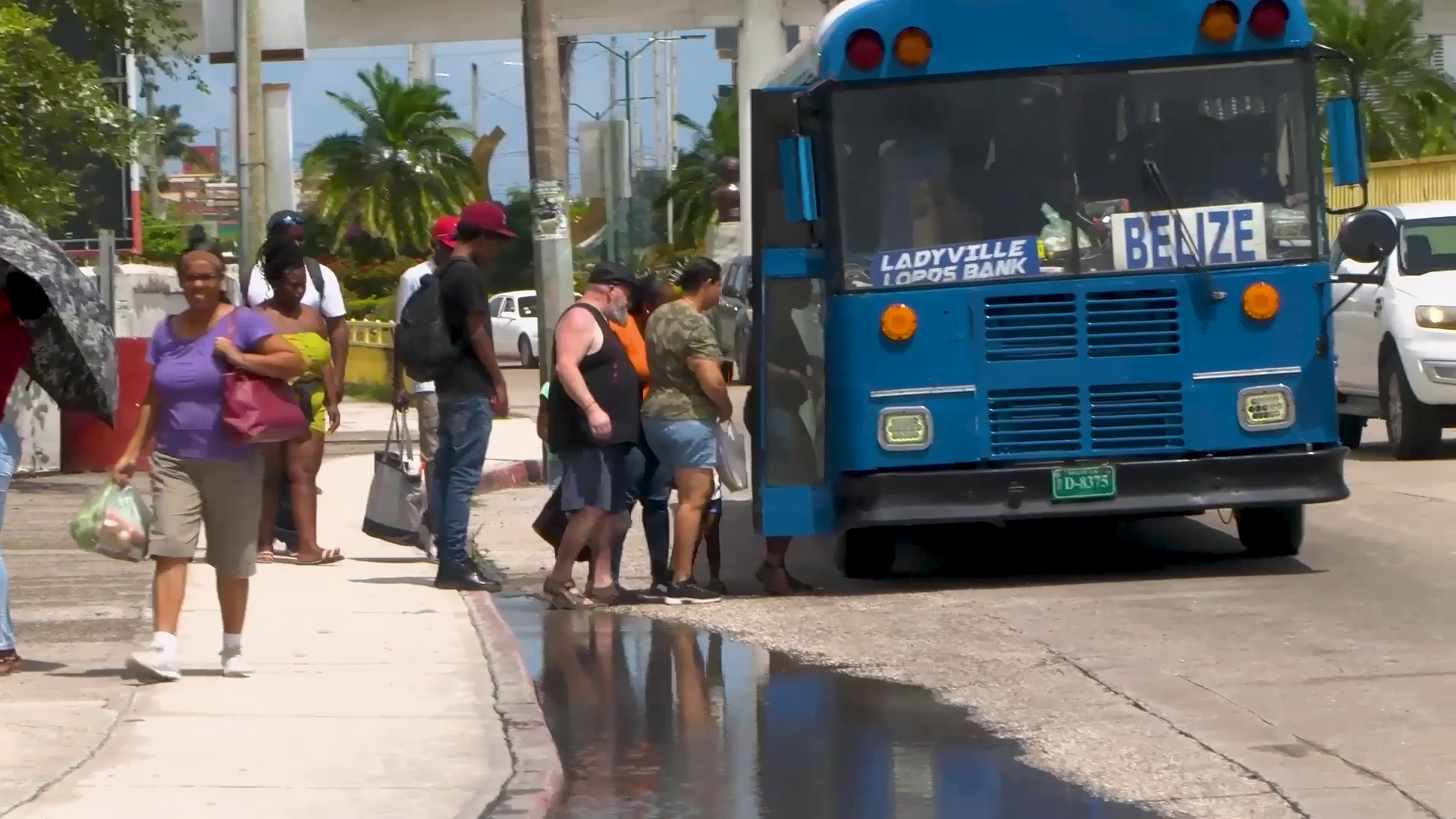
    Transport Minister Dr. Louis Zabaneh clarified that the extended approval required little additional policy drafting, as most core terms of the subsidy program were already established when the government rolled out the first round of support several months prior. While global and domestic fuel prices have softened somewhat – dropping from roughly $16 per gallon for diesel to near $15 – prices still remain at elevated levels that create financial strain for bus operators. This persistent upward pressure on operating costs was the primary driver behind Cabinet’s decision to extend support, Zabaneh explained.

    The extended program will keep the subsidy in place through March 2027 as long as diesel prices do not fall below the $12 per gallon threshold. To maintain transparency and keep government leadership updated, the Ministry of Transportation is required to submit a bi-monthly progress report detailing fuel price trends and subsidy disbursements to Cabinet. The per-gallon subsidy amount was adjusted downward from the initial $3 set in the first round of support, reflecting the $1 per gallon drop in market diesel prices that has occurred since the program launched.

    The subsidy program operates on a verifiable reimbursement model: every week, participating bus operators submit fuel purchase receipts, which are cross-checked via signed forms from partnered gas stations. Ministry staff then reconcile all purchases, calculate total eligible subsidies using a centralized tracking spreadsheet, and disburse funds to operators based on their actual fuel consumption. During the first three-month round of the program, total disbursements to all participating operators reached approximately $1.5 million. The ministry also maintains a comprehensive weekly database tracking each operator’s fuel use to ensure accountability and prevent improper disbursements.

    Alongside announcing the extended subsidy, Dr. Zabaneh issued a clear caution to bus operators: the government cannot continue to bear this financial burden indefinitely using public funds. He emphasized that the taxpayer dollars allocated to the program could otherwise be directed to other high-priority public services, including hospital pharmaceuticals and student scholarships, so the support should not be taken for granted. The government’s decision to continue the subsidy is rooted in a balancing act: it recognizes the financial challenges facing bus operators while prioritizing stable, affordable transit access for commuters who rely on public bus service to travel across the country.

    Zabaneh also warned that any future strike or service shutdown by bus operators would prompt the government to immediately reconsider its ongoing support and could lead to the full withdrawal of the subsidy program. If diesel prices fall to $12 per gallon or lower and operators still move forward with threats of shutting down service, the minister noted, it would be fully reasonable for the government and the Ministry of Transportation to take formal action against operators that fail to meet their obligation to provide service to commuters.

  • Belmopan Terminal Gets an Upgrade, Belize City Waits

    Belmopan Terminal Gets an Upgrade, Belize City Waits

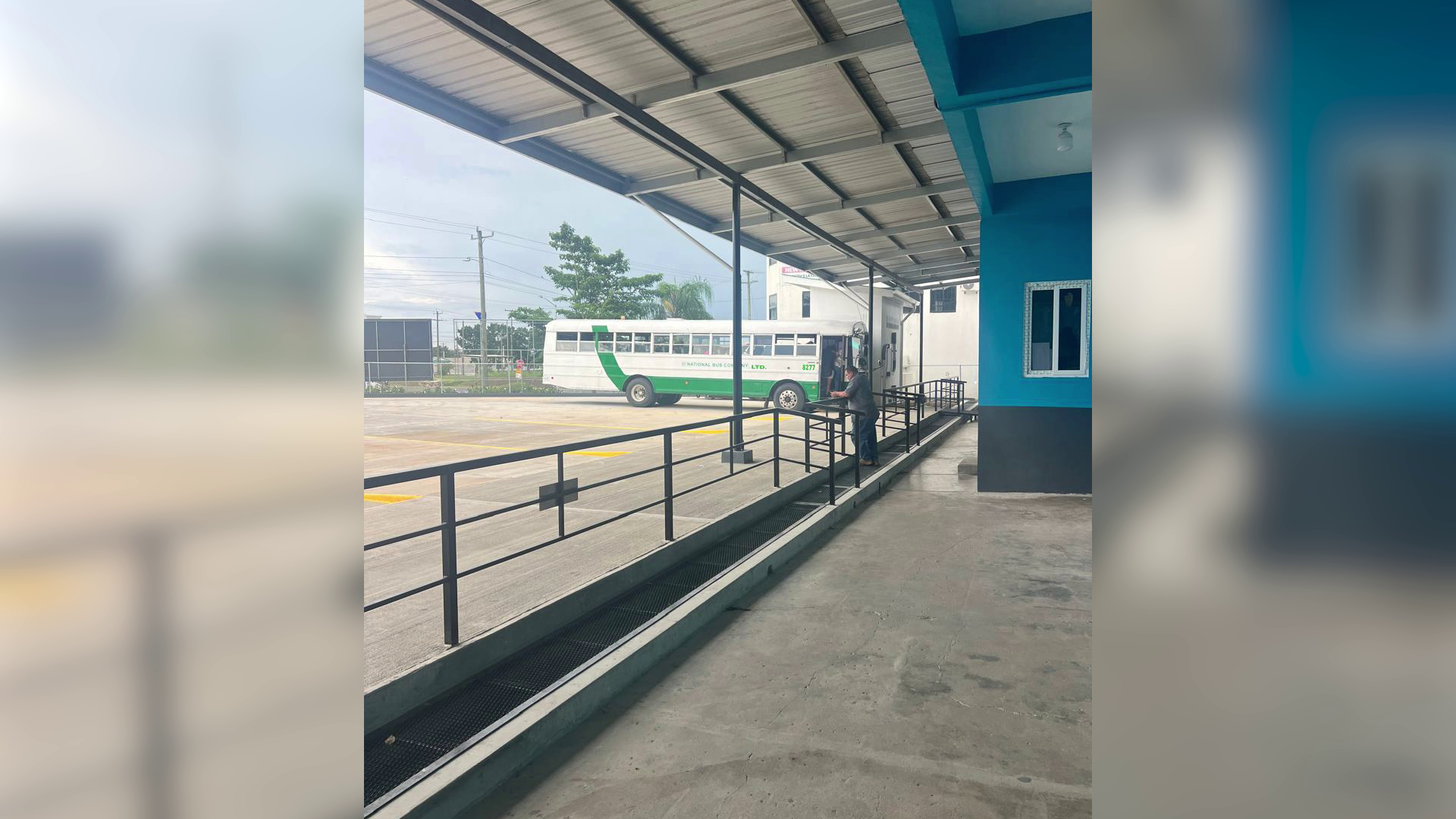
    On September 3, 2026, Belize’s Ministry of Transport officially unveiled completed renovation works for Belmopan’s central bus terminal, a project funded by a $2.5 million national cabinet allocation approved earlier this year. The long-overdue infrastructure overhaul has transformed what was once a poorly maintained, muddy transit hub into a modern, commuter-friendly facility.

    According to Transport Minister Dr. Louis Zabaneh, the most impactful changes include fully paved and marked bus parking bays—eliminating the longstanding issue of commuters having to navigate muddy puddles and uneven ground to reach their vehicles after rain. Inside the terminal, upgrades now include comfortable new passenger seating, dedicated air-conditioned booths for ticketing agents, fully renovated air-conditioned restrooms that are nearing final completion. All works are designed to elevate the daily travel experience for the thousands of commuters who pass through the terminal each week.

    While Belmopan’s upgrade is now complete, commuters across the country have raised questions about when Belize City, home to the nation’s busiest bus terminal, will receive similar infrastructure improvements. Zabaneh clarified the government’s phased approach to upgrading national transit infrastructure, noting that preliminary renovation work has already gotten underway on the ticketing section of the Belize City terminal, the first phase of upgrades for the site.

    Rather than carrying out a full, costly renovation of the existing outdated Belize City terminal, the government has announced plans to build an entirely new, state-of-the-art facility. Officials have already identified a seven-acre plot for the new terminal located on Chetumal Boulevard, in the Lake Independence neighborhood near the Eleanor Hall Building. Because the existing terminal will eventually be replaced, the government will not invest in repaving the current bus parking area, Zabaneh confirmed. He added that even with the planned new build, high-priority upgrades, including long-overdue renovations to the terminal’s unsanitary, poorly maintained restrooms, will be carried out at the existing site while construction of the new facility progresses.

  • Sugarcane Crisis Triggers Five-Million-Dollar Intervention

    Sugarcane Crisis Triggers Five-Million-Dollar Intervention

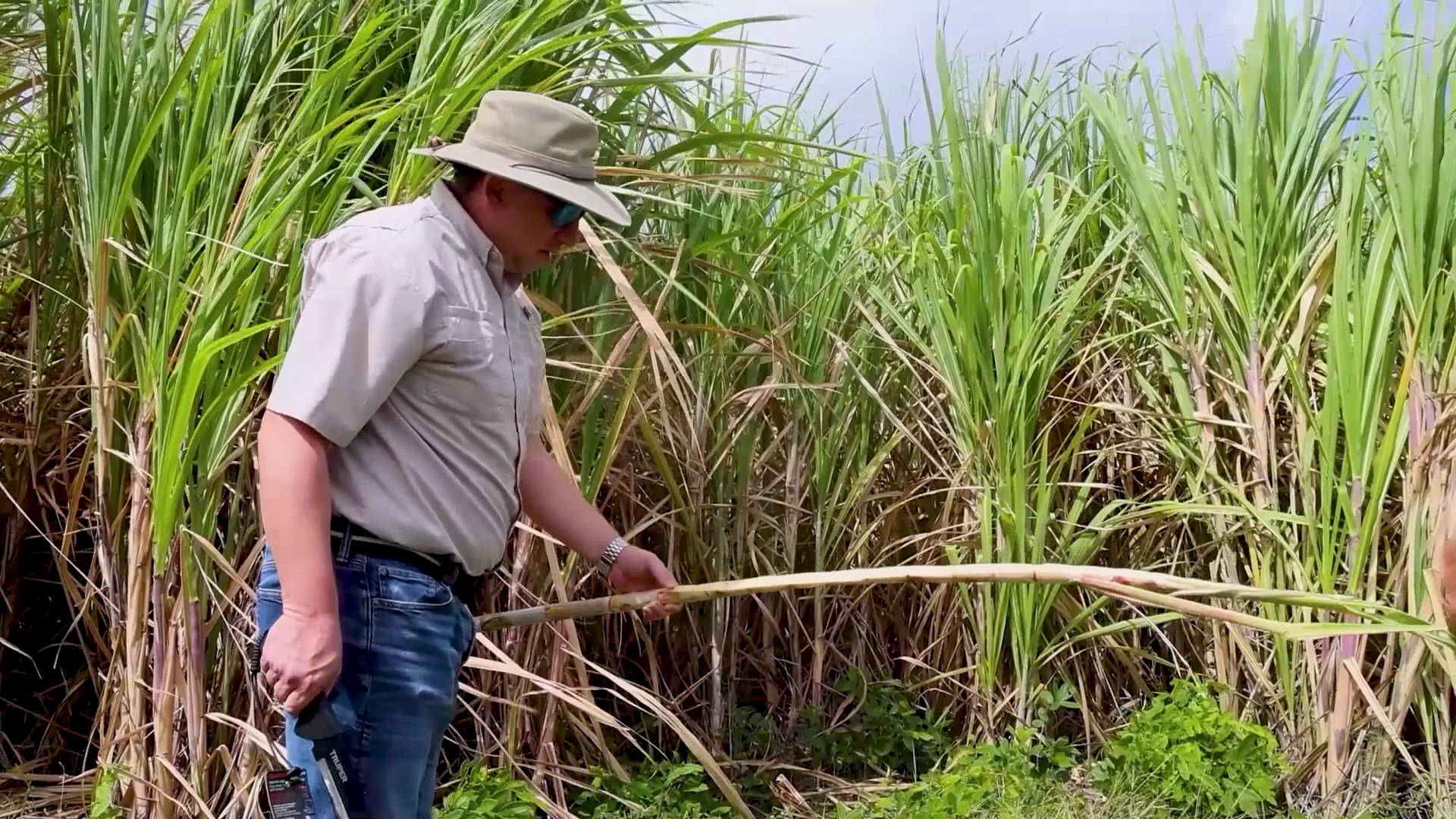
    By 2026, the Central American nation of Belize is facing an escalating agricultural crisis that threatens one of its most economically vital industries: sugarcane production. A widespread combined outbreak of invasive mealybugs and fungal Fusarium disease has already swept through the country’s key northern sugarcane belt, leaving more than $12 million in production losses in its wake and pushing the government to launch a urgent, multi-million dollar response.

    On September 3, Belize’s Cabinet announced it had approved a $5.2 million emergency fund to carry out large-scale pesticide and insecticide spraying across all 100,000 acres of commercial sugarcane fields in affected regions. Carlos Pol, Chief Executive Officer of Belize’s Ministry of Economic Transformation, explained that the intervention comes at a make-or-break moment for the industry. After recording steep drops in both sugarcane and refined sugar output in the previous growing season, Pol warned that failure to act quickly would lead to equal or even worse declines in the 2026 harvest.

    Under the funding framework, half of the approved allocation will be disbursed as an unconditional government grant to the national sugarcane growers’ association, while the remaining 50% will be repaid by the association over the course of four upcoming crop cycles. This emergency support is not the country’s only effort to address the crisis: it supplements three existing long-term agricultural resilience projects funded by international climate and development bodies.

    Already, Belize is implementing the $25 million U.S. dollar Climate Resilient Sustainable Agriculture Project (CRRESAP) backed by the World Bank, which allocates dedicated funding to pest and disease management. Complementing this initiative is a new $30 million U.S. dollar project supported by the Green Climate Fund, which focuses on long-term systemic solutions to agricultural threats, including the development and distribution of pest- and disease-resistant sugarcane cultivars and improved land management practices.

    For Belize, protecting the sugarcane industry is far more than an agricultural priority: it is a core economic necessity. Pol emphasized that the sugar sector contributes roughly 14% of the country’s total gross domestic product, meaning a prolonged outbreak would not only devastate the livelihoods of tens of thousands of smallholder and commercial sugar farmers, but also send ripples through Belize’s entire national economy. With yields and livelihoods hanging in the balance, agricultural authorities have now launched a race against time to contain the outbreak before it spreads and inflicts irreversible damage on the sector.

    This report is adapted from a transcribed evening television newscast originally published by local Belizean media.

  • Orange Walk Undergoing Transformation Through IDB Projects

    Orange Walk Undergoing Transformation Through IDB Projects

    The northern Belize district of Orange Walk is entering a new era of urban development, as a slate of large-scale public infrastructure projects funded by the Inter-American Development Bank (IDB) move forward to reshape the municipality’s core spaces.

    Three key initiatives make up the bulk of the transformation work: comprehensive upgrades to Orange Walk’s busy Main Street, a significant expansion of the town’s central public market, and the construction of a new multi-use river walk along the banks of the New River. According to Kevin Bernard, the elected Area Representative for Orange Walk East, the overarching goal of all these projects is to bring the town into line with modern standards, improving quality of life for long-term residents while creating more attractive public spaces for visiting tourists.

    Breaking down the scope of work, Bernard detailed that the Main Street upgrade will include full construction of new, accessible sidewalks and other pedestrian improvements. The river walk project, a portion of which falls within Bernard’s Orange Walk East constituency, will stretch along the New River waterfront behind the local school, transforming the underused riverside area into a public recreational space. Bernard confirmed that the IDB has already finalized contract awards for the river walk, with on-site construction set to begin as early as next week.

    Progress on the market expansion project has moved at a slower pace, however. While vendors who operate in the zone marked for expansion have already been temporarily relocated to the town’s barracks to accommodate construction, Bernard noted that unplanned final adjustments have pushed the start of work back, with construction now expected to begin sometime in 2026. As Bernard clarified, he is no longer a member of the municipal council and does not participate directly in the project’s steering committees, so his updates come from briefings shared by the town’s mayor. The market expansion is still progressing through final administrative and design adjustments, he added.

    Beyond Orange Walk, Bernard emphasized that the broader IDB development program is bringing much-needed infrastructure upgrades to multiple northern municipalities in Belize, including the neighboring districts of Corozal and the island community of San Pedro. The program’s core focus across all participating regions is upgrading aging public infrastructure and expanding accessible public spaces to support long-term economic and community growth.

  • Belize Awaits Answers in Kennedy Carillo Investigation

    Belize Awaits Answers in Kennedy Carillo Investigation

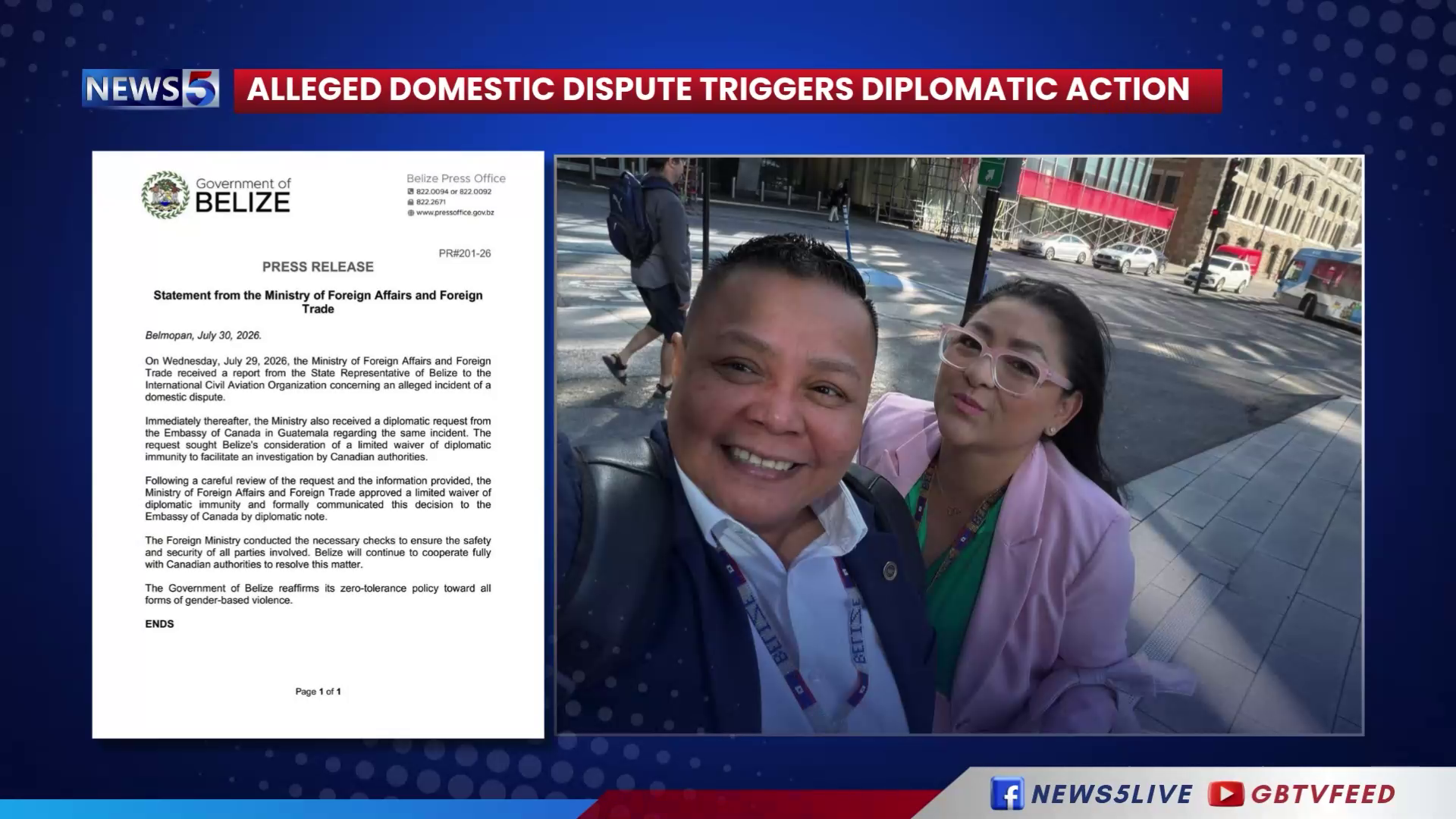
    Months after Belize took the unprecedented step of partially waiving diplomatic immunity for one of its senior diplomatic representatives posted to Canada, the Central American nation is still no closer to resolving the case, with no new information forthcoming from Canadian law enforcement.

    The case centers on Kennedy Carillo, who serves as Belize’s official representative to the International Civil Aviation Organization based in Canada. In late July, an allegation of domestic dispute involving Carillo emerged, prompting Belize’s government to take the rare action of lifting a portion of Carillo’s diplomatic immunity – a move designed to give Canadian authorities full legal space to conduct a formal investigation into the claims.

    As of September 3, 2026, however, no investigative update has been received from Toronto authorities, Belize’s Foreign Minister Francis Fonseca confirmed in a public statement. The Metropolitan Toronto Police Service is leading the inquiry into the allegation, but the department has not yet shared any findings or preliminary conclusions with Belize’s government.

    Fonseca emphasized that Belize’s leadership cannot map out its next steps in the case until the official investigative report is delivered and reviewed. “No update as yet. We are awaiting a further report from the authorities in Canada, in Toronto. I think the metropolitan police are doing an investigation. We’re awaiting that report. As soon as we receive it then we’ll be able to review it and discuss it and make whatever decisions are required,” Fonseca said.

    Beyond the ongoing investigative delay, Belize’s government has issued a clear statement of principle in connection to the case: it has confirmed that relevant safety protocols are already in place for all parties involved, that cross-border cooperation on the inquiry remains active, and that it will not tolerate gender-based violence under any circumstances, regardless of the perpetrator’s position.

    This report is adapted from a transcribed original evening television newscast originally published online.
  • Hard Drugs Usage Demand Coordinated National Response

    Hard Drugs Usage Demand Coordinated National Response

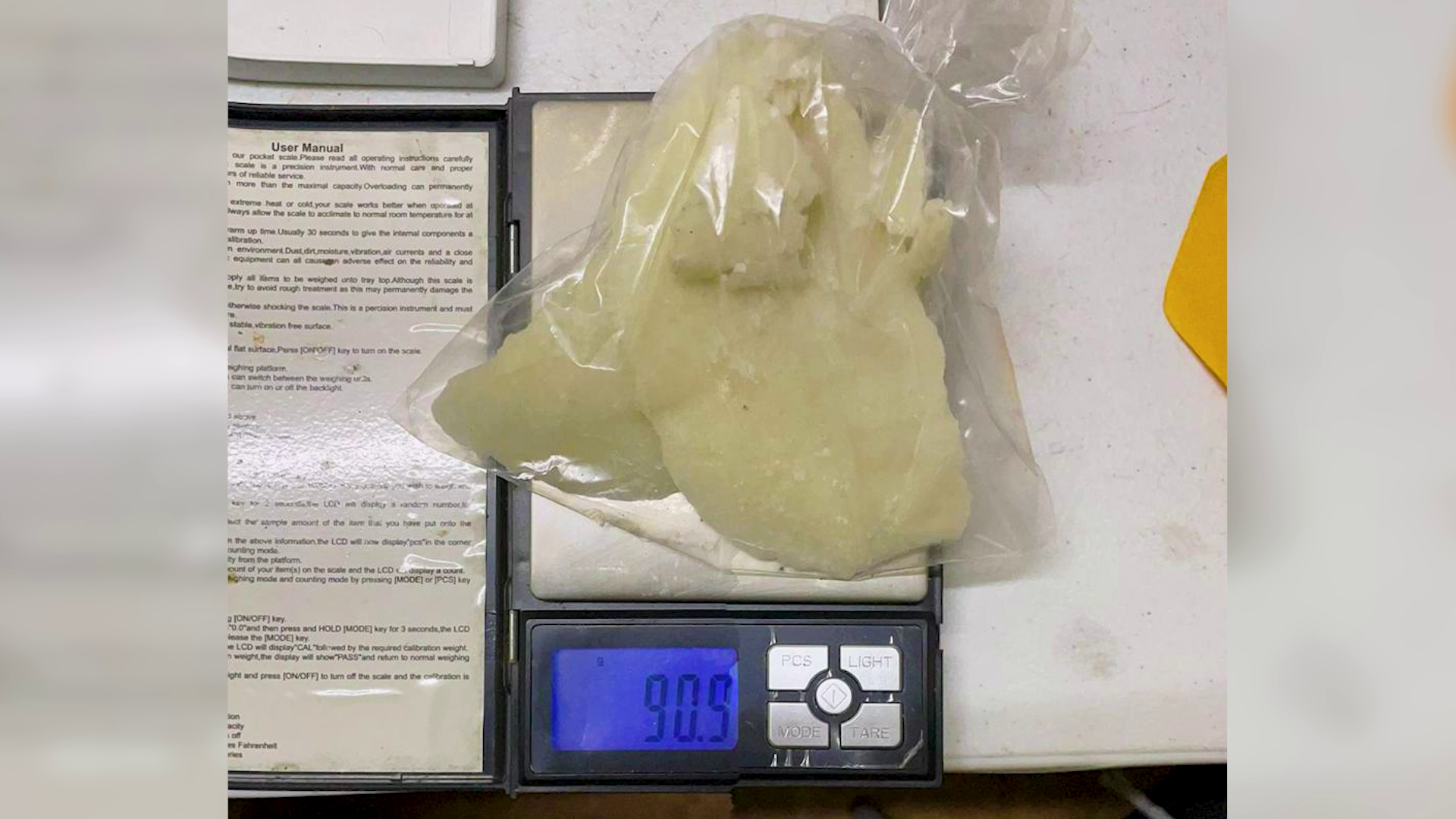
    As of September 3, 2026, Belize is facing a growing public health crisis: rising hard drug consumption among its young population has evolved far beyond a traditional law enforcement challenge, now placing severe strain on the country’s already stretched public health and mental health care systems. Recent drug seizure reports have confirmed an influx of controlled substances beyond marijuana, prompting senior health officials to push for a unified, multi-agency response that brings together health authorities, social service providers, law enforcement, and the country’s dedicated drug control body.

    In an interview following the latest seizure reports, Belize’s Minister of Health and Wellness Kevin Bernard outlined that addressing the hard drug epidemic cannot fall to a single government ministry. Instead, he argued for coordinated action across multiple stakeholders to tackle both the supply of hard drugs and the growing demand for addiction and mental health support among affected residents.

    When questioned by reporters on whether existing local facilities are equipped to handle rising demand for specialized drug rehabilitation services, Bernard confirmed that multiple state bodies already offer targeted support for people struggling with substance use disorder. The Palm View Center, the country’s primary residential mental health facility, already provides care for people facing substance abuse and co-occurring mental health challenges, alongside community outreach programs run by the National Drug Abuse Control Council (NDAC) and social support initiatives administered by the Ministry of Human Development. Law enforcement agencies also collaborate closely with these bodies to disrupt drug trafficking networks and connect users to care, Bernard added.

    To address gaps in existing capacity, Bernard revealed that the Belizean government has secured funding from the Inter-American Development Bank (IDB) to carry out a major expansion of the Palm View Center. The upgrade will increase the facility’s ability to admit and treat people living with severe substance abuse-related mental health conditions, expanding access to life-saving care for a growing population of vulnerable Belizeans. Still, the emerging crisis has raised public questions about whether the national support infrastructure can keep pace with rising rates of hard drug use and related mental health harms across the country.

    This report is adapted from a transcribed evening television newscast originally published online.
  • Sixty-Eight Belizean Med Students Secure Health Scholarships

    Sixty-Eight Belizean Med Students Secure Health Scholarships

    Belize is making a multi-million dollar investment in the future of its national health care system, launching a new scholarship program that will open doors for 68 local students training for critical roles in the country’s medical and health sectors. The $2.5 million initiative, a joint collaboration between Belize’s Ministry of Health and Wellness and Ministry of Education, with funding support from the Inter-American Development Bank, targets students pursuing degrees and specializations in high-need fields including general medicine, nursing, mental health care, and biomedical engineering.

    Health and Wellness Minister Kevin Bernard explained that this targeted scholarship program forms part of a broader $30 million national workforce training package approved by the Belizean government in April 2025, designed to strengthen the country’s health care capacity from the grassroots level. Unlike earlier programs that focused primarily on nursing training, the expanded initiative now covers a wider range of in-demand specialties to address gaps across the entire health system. Bernard noted that the current round of scholarships includes students studying biomedical engineering, a field critical to maintaining and advancing medical infrastructure, as well as professionals pursuing advanced specializations both within Belize and abroad. Currently, Belizean health care workers are receiving specialized training in countries including Taiwan, with others already completing their programs and returning from Cuba to serve local communities.

    “This investment does double duty: it lifts the heavy financial burden off students and their families, and it builds a consistent pipeline of skilled, local health care professionals ready to serve communities across every region of Belize,” Bernard emphasized. The scholarships cover a diverse range of training pathways, from nursing administration and undergraduate medical education to doctoral degrees in medicine and specialized biomedical engineering training, reflecting the government’s long-term commitment to growing the domestic health care workforce.

    For scholarship recipient Amani Morgan, the opportunity marks a life-changing milestone, rooted in family inspiration. “My mom is a nurse, and she has been my biggest inspiration going into this field,” Morgan shared. “When I got the news, I was so overwhelmed with gratitude I almost cried – this means so much to be able to follow in her footsteps without the same financial strain so many students face.”

    As a condition of receiving the award, all scholarship recipients are required to complete a term of service with the Ministry of Health following their graduation, ensuring the investment translates directly to improved care for Belizean communities. This requirement is designed to address ongoing workforce shortages by retaining trained local professionals within the country’s health system, rather than losing skilled workers to international opportunities.

    This report is adapted from a transcribed evening television newscast originally published online.