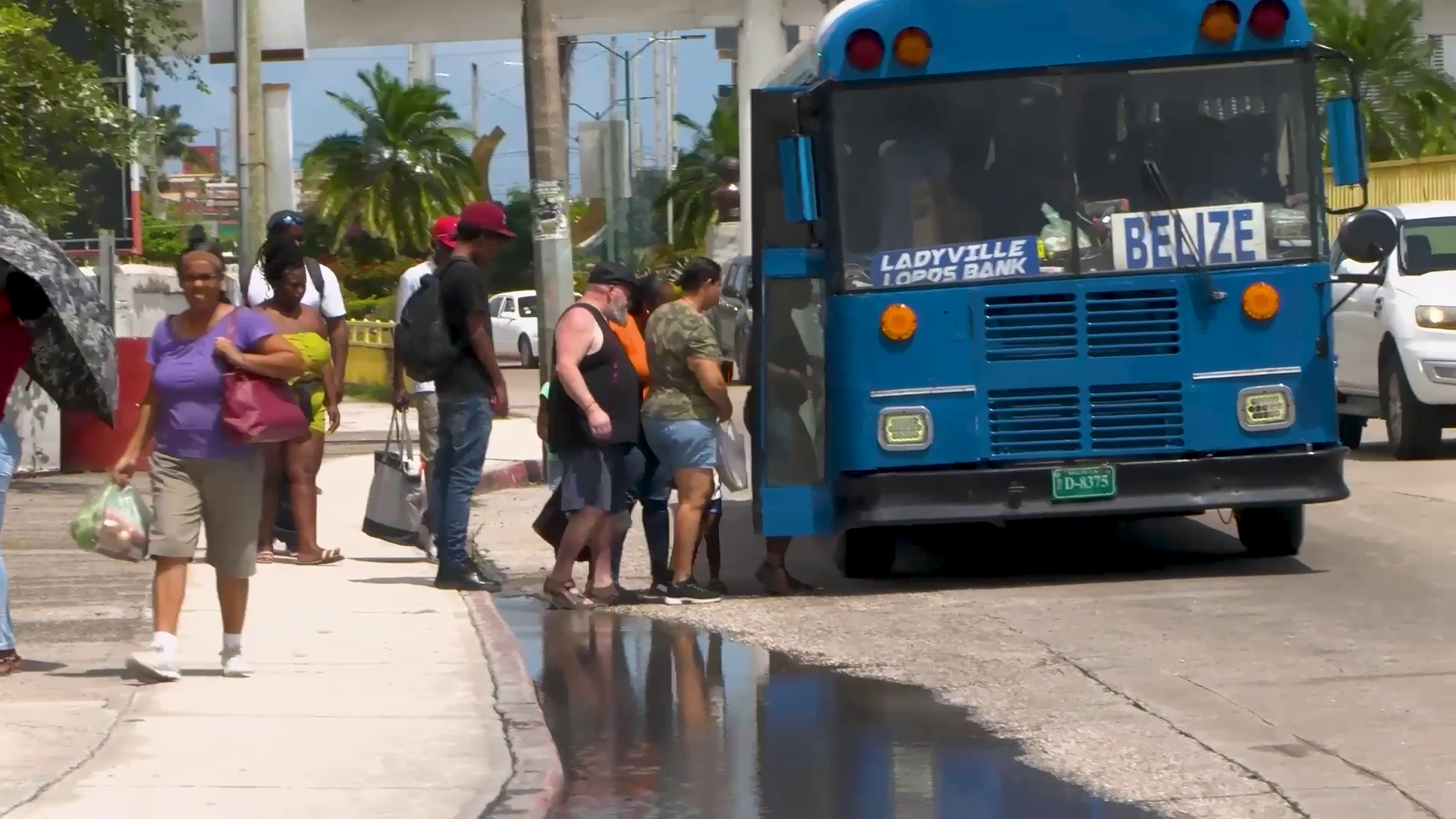
In a policy decision released on September 3, 2026, Belize’s Cabinet has greenlit an extended fuel subsidy program for the Belize Bus Association that exceeds the group’s original three-month funding request. Under the newly agreed framework, local bus operators will continue to receive a $2 per gallon subsidy on fuel until the beginning of the 2027/2028 fiscal year, a longer timeline than the association initially requested.
Transport Minister Dr. Louis Zabaneh clarified that the extended approval required little additional policy drafting, as most core terms of the subsidy program were already established when the government rolled out the first round of support several months prior. While global and domestic fuel prices have softened somewhat – dropping from roughly $16 per gallon for diesel to near $15 – prices still remain at elevated levels that create financial strain for bus operators. This persistent upward pressure on operating costs was the primary driver behind Cabinet’s decision to extend support, Zabaneh explained.
The extended program will keep the subsidy in place through March 2027 as long as diesel prices do not fall below the $12 per gallon threshold. To maintain transparency and keep government leadership updated, the Ministry of Transportation is required to submit a bi-monthly progress report detailing fuel price trends and subsidy disbursements to Cabinet. The per-gallon subsidy amount was adjusted downward from the initial $3 set in the first round of support, reflecting the $1 per gallon drop in market diesel prices that has occurred since the program launched.
The subsidy program operates on a verifiable reimbursement model: every week, participating bus operators submit fuel purchase receipts, which are cross-checked via signed forms from partnered gas stations. Ministry staff then reconcile all purchases, calculate total eligible subsidies using a centralized tracking spreadsheet, and disburse funds to operators based on their actual fuel consumption. During the first three-month round of the program, total disbursements to all participating operators reached approximately $1.5 million. The ministry also maintains a comprehensive weekly database tracking each operator’s fuel use to ensure accountability and prevent improper disbursements.
Alongside announcing the extended subsidy, Dr. Zabaneh issued a clear caution to bus operators: the government cannot continue to bear this financial burden indefinitely using public funds. He emphasized that the taxpayer dollars allocated to the program could otherwise be directed to other high-priority public services, including hospital pharmaceuticals and student scholarships, so the support should not be taken for granted. The government’s decision to continue the subsidy is rooted in a balancing act: it recognizes the financial challenges facing bus operators while prioritizing stable, affordable transit access for commuters who rely on public bus service to travel across the country.
Zabaneh also warned that any future strike or service shutdown by bus operators would prompt the government to immediately reconsider its ongoing support and could lead to the full withdrawal of the subsidy program. If diesel prices fall to $12 per gallon or lower and operators still move forward with threats of shutting down service, the minister noted, it would be fully reasonable for the government and the Ministry of Transportation to take formal action against operators that fail to meet their obligation to provide service to commuters.