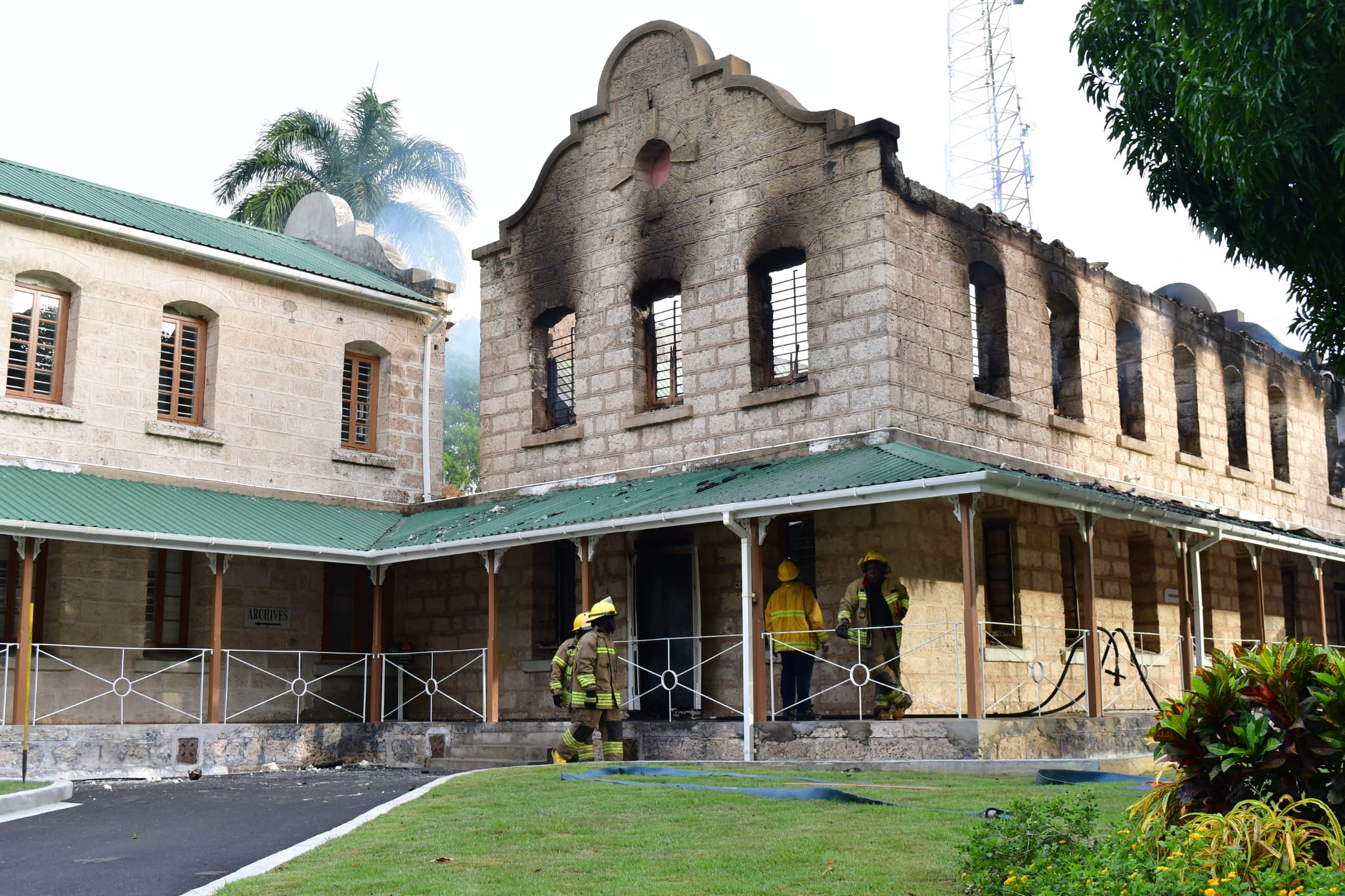
Nearly two years after a devastating lightning strike triggered a catastrophic fire at Barbados’ national Archives Department, ongoing recovery, structural repair and heritage protection work is still progressing, according to the island’s Minister of Pan African Affairs and Heritage Trevor Prescod. The destructive blaze broke out just minutes before midnight on June 18, 2024, ripping through a two-story building at the department’s Black Rock, St. Michael campus that held generations of irreplaceable historic national documents. In the immediate aftermath of the fire, chief archivist Ingrid Thompson confirmed that only a small fraction of the records stored in the damaged Block D could be saved from the destruction. Prescod recently spoke with local publication Barbados TODAY following an on-site inspection of the recovery work, where he received a full briefing from department leadership on the status of structural repairs, new specialized equipment installations, and safety protocols put in place to protect surviving archival collections. “It is clear that while we have restored the roof over the burned area, we have not yet completed interior finishing work on that section of the building,” Prescod explained. Beyond patching up fire-related damage, government authorities have prioritized hardening the entire archives facility against future natural and environmental hazards, rolling out new specialized protective infrastructure to mitigate risks to the remaining buildings and their holdings. “We are installing a wide range of specialized devices and safety equipment designed to reduce the threat of similar damage to the entire site,” Prescod noted. In response to growing public concern over the safety of surviving one-of-a-kind historical documents, Prescod moved to reassure residents that all valuable archival materials have already been relocated away from the high-risk damaged zone. “Right now, all surviving collections are secured in an alternative location away from the area where lightning struck and hit the building,” he said. “We are making consistent progress, and all materials remain protected.” Basic construction and technical supplies have been imported to support the ongoing work, Prescod confirmed, though he added that key technical installation processes are still ongoing and have not yet been finalized. When asked whether a full public report detailing the full scope of damage, a breakdown of lost versus salvaged items, and a formal damage assessment had been completed, Prescod said he could not provide a firm timeline for the document’s release. He did note, however, that work is ongoing to restore as many damaged records as possible, and that off-site preservation and large-scale digitization projects are underway in partnership with other local organizations. A selection of surviving records has already been transferred to the R.O.A.D (Restoring Our Atlantic Destiny) digitization initiative based on Harbour Road, where they will be digitized for long-term preservation and public access. In addition to fire recovery work, Prescod confirmed that structural maintenance and masonry repairs are ongoing across other sections of the broader archives campus, pushing back against recent rumors that construction of a completely new standalone facility had already begun. “We are carrying out targeted repairs across the existing site right now; masons are on-site doing that work,” he explained. He also revealed that maintenance teams are currently addressing a separate major structural issue on the site’s eastern perimeter, caused by invasive tree roots that have compromised the building’s outer wall. “Tree roots have grown through and penetrated the eastern wall of the archives building, which has created a major structural integrity issue,” Prescod said. Technical engineering teams are currently evaluating two potential solutions to fix the damage: constructing a new reinforced interior supporting wall, or demolishing and fully reconstructing the compromised section of the outer wall. Prescod emphasized that despite the range of complex operational and environmental challenges the department has faced since the fire, the dedicated teams leading recovery work remain fully committed to stabilizing the facility’s infrastructure, protecting the island’s priceless historical heritage, and completing all critical repairs to return the archives to full public functionality.
标签: Barbados
巴巴多斯
-

Ayub’s century leads Kingsmen to third win
In a thrilling Thursday night clash at Basseterre’s Warner Park, a sensational individual innings from Saim Ayub carried Jamaica Tallawahs to a hard-fought 11-run victory over hosts St Kitts & Nevis Patriots in the 2024 Republic Bank Caribbean Premier League. This knock marked the second century of this year’s tournament, cementing Ayub’s status as one of the competition’s breakout performers.
Jamaica Tallawahs won the pre-match toss and opted to set a target first, a decision that looked questionable at the very start of their innings. Pakistani paceman Naseem Shah delivered a dream opening for the home side, removing opener Keacy Carty with the very first delivery of the match, leaving Tallawahs 1-0 inside the first minute. The side recovered slightly through the powerplay, reaching 42 for 2 at the end of the six-over powerplay restriction, but wickets continued to tumble steadily as the innings progressed. By the ninth over, Tallawahs were in serious trouble at 63 for 4, with only Ayub offering consistent resistance against a disciplined Patriots bowling attack.
The left-hander refused to be bogged down by the falling wickets around him, hammering deliveries to every corner of the ground as captain Rovman Powell joined him in the middle. The pair put on a critical 72-run partnership for the fifth wicket, dragging the total from a underwhelming 63 to a competitive 135 before Powell was dismissed for 21 in the 17th over. Ayub eventually fell with six balls remaining in the innings, but his explosive 58-ball knock produced 102 runs, including 6 fours and 8 maximums. With support from Kemo Paul’s unbeaten 25 – the second-highest score of the entire Tallawahs innings – the side closed on a challenging 182 for 7 from their 20 overs. For Patriots, the bowling unit shared the wickets evenly: Wanindu Hasaranga finished with 2 wickets for 18 runs, Naseem Shah claimed 2 for 37, and Obed McCoy picked up 2 for 43.
Chasing 183 to claim their third win of the tournament, Patriots got off to a rocky start, losing key top-order batters Kyle Mayers (10), Johnson Charles (14), and Kevin Wickham (1) to finish the powerplay on 42 for 3. The home side fought back through middle-order contributions, with veteran all-rounder Andre Russell hitting a team-high 55 runs from 38 deliveries, including 4 fours and 3 sixes. Captain Jason Holder added a useful 34 runs, and Sri Lankan all-rounder Dasun Shanaka hit an unbeaten 35 from just 18 balls to keep the chase alive late into the innings. However, a consistent flow of wickets from the Tallawahs bowling attack prevented the hosts from building the match-winning partnership they needed. Patriots closed their innings on 171 for 6, falling 11 runs short of the target. For Tallawahs, Hunain Shah took 2 wickets for 23 runs, while Jediah Blades claimed 2 for 50.
The result pushes Jamaica Tallawahs up to fourth place in the 2024 CPL table with six points from three wins, keeping them firmly in contention for a playoff spot. Meanwhile, the defeat leaves St Kitts & Nevis Patriots rooted at the bottom of the seven-team standings with just two points from their campaign so far.
-
Ex-cop urges more chances for young offenders
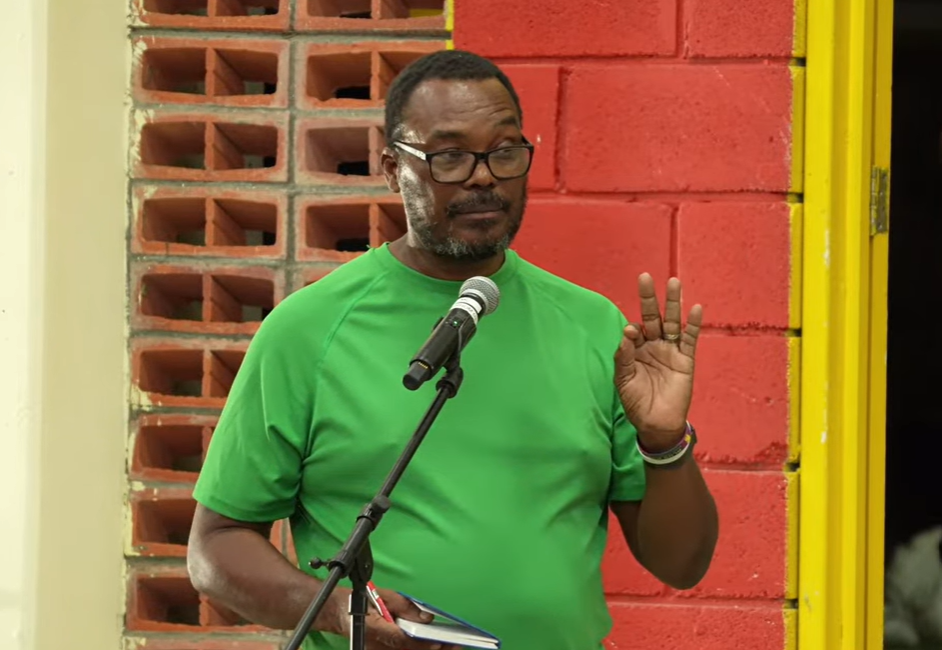
At Thursday evening’s St Andrew Ideas Forum, a 36-year veteran of law enforcement made a forceful case for expanding supervised rehabilitative programs for young people charged with low-level offences, warning that permanent criminal convictions create lifelong barriers to economic and personal advancement.
Jonathan Best, who retired after a decades-long career in policing, laid out a structured alternative model for handling minor youth offending that would keep young people out of prison and free of permanent criminal records. He used a common example of a young person involved in a first-time physical altercation to illustrate his proposal: instead of immediate conviction and sentencing, the young person would be released to supervised home custody with clear conduct requirements, and their court case would be adjourned for a 90-day probationary period.
During those three months, Best explained, the young person would be required to return to school or another learning program, or secure stable employment, with magistrates able to connect participants to pre-vetted job openings through court support staff. If the young person meets the requirements after the initial three-month period, the case would be extended for an additional three months. After a full year of consistent positive progress – no reoffending, steady enrollment in education or full-time work – the case could be dismissed entirely, leaving the young person with no permanent criminal conviction on their record.
Best emphasized that even minor, decades-old convictions continue to derail young people’s lives long after they have turned away from crime. He shared firsthand observations of young people who were fired from jobs after employers discovered old minor convictions on their police clearance certificates, and others who were blocked from employment and international travel entirely due to their criminal records. “For petty offences, people should be given multiple chances,” Best argued. “We talk about second chances, but we should be willing to give third, even fourth chances if that is what it takes. I know it sounds unusual coming from a former police officer, but locking young people out of opportunity for minor mistakes only pushes them deeper into a cycle of crime. We do not want a 16-year-old ending up involved in violent armed offending because we closed off every other path to them.”
In response to Best’s proposal, Attorney General Wilfred Abrahams clarified that the current government already follows a diversion-first philosophy for minor youth offending, and has rejected the practice of issuing permanent convictions for simple mistakes that would ruin young people’s life prospects. Abrahams noted that a range of existing social programs, including the Youth Advanced Corp, already work to divert at-risk young people away from the criminal justice system entirely, rather than pushing them into conviction and punishment. He confirmed that diversion programs would not be extended to serious violent offences, however – anyone caught with a firearm, or involved in a shooting, regardless of age, would face full criminal prosecution and penalties.
“This government is not seeking to stain anybody’s record and cripple them for life over something that is just a mistake,” Abrahams said. “Our policy is to divert people out of the traditional criminal justice system and into rehabilitative, corrective, nurturing environments that help them get back on track. We recognize that not every young person has the same stable family support that many of us took for granted growing up, so we need to meet them where they are.”
Abrahams added that the government is currently building new dedicated facilities to accommodate youth diversion programming, which is focused on intervening early with at-risk young people still in the school system, providing targeted support before they end up involved in crime or in conflict with the law.
-

Brittons Hill man admits all cannabis charges
In a sudden turn of proceedings at a local magistrates court, a 51-year-old man from Reece Road, Britttons Hill has reversed his initial partial guilty plea and admitted to all three cannabis-related offenses brought against him.
When the case was first called, magistrate Manila Renee read out the three charges against Winston St Alban Alleyne. The defendant initially only entered a guilty plea for simple possession of cannabis, maintaining not guilty pleas for two more severe charges: trafficking a quantifiable amount of the controlled substance and possessing cannabis with intent to supply. All three offenses are alleged to have occurred on a Thursday evening.
Prior to the change of plea, law enforcement officer Sergeant Kenmore Phillips had already confirmed he had no objections to granting bail to Alleyne, but no approved surety was present at the court when the hearing began. By the time Alleyne’s surety arrived at the courthouse, the defendant made an unexpected request: he asked for all charges to be read a second time to the court. After the charges were re-read, Alleyne changed all of his pleas to guilty.
Details of the arrest were presented to the court, outlining that uniformed police were conducting routine patrols along Fairchild Street in the Vincy Town district when they spotted Alleyne rolling a cigarette. Officers detected a strong, distinct odor of marijuana emanating from the area where Alleyne was standing, so they approached him to share their suspicions and request to search his person and belongings. Alleyne consented to the search without objection, and during a check of his haversack, law enforcement found a clear plastic bag holding the suspected cannabis.
Forensic testing confirmed the seized substance weighed 37.19 grams, with an estimated street value of $190. A review of Alleyne’s criminal history showed his most recent prior conviction dated back to 2010, for a similar cannabis-related offense.
In her sentencing decision, Magistrate Renee chose to convict, reprimand and discharge Alleyne on all three charges, including the possession, trafficking, and intent to supply counts. She explained her lenient decision in open court, noting “It was not a large amount, you did not waste the court’s time and your antecedents are very old. So you can go.”
-
Retailers feel import-cost pressure
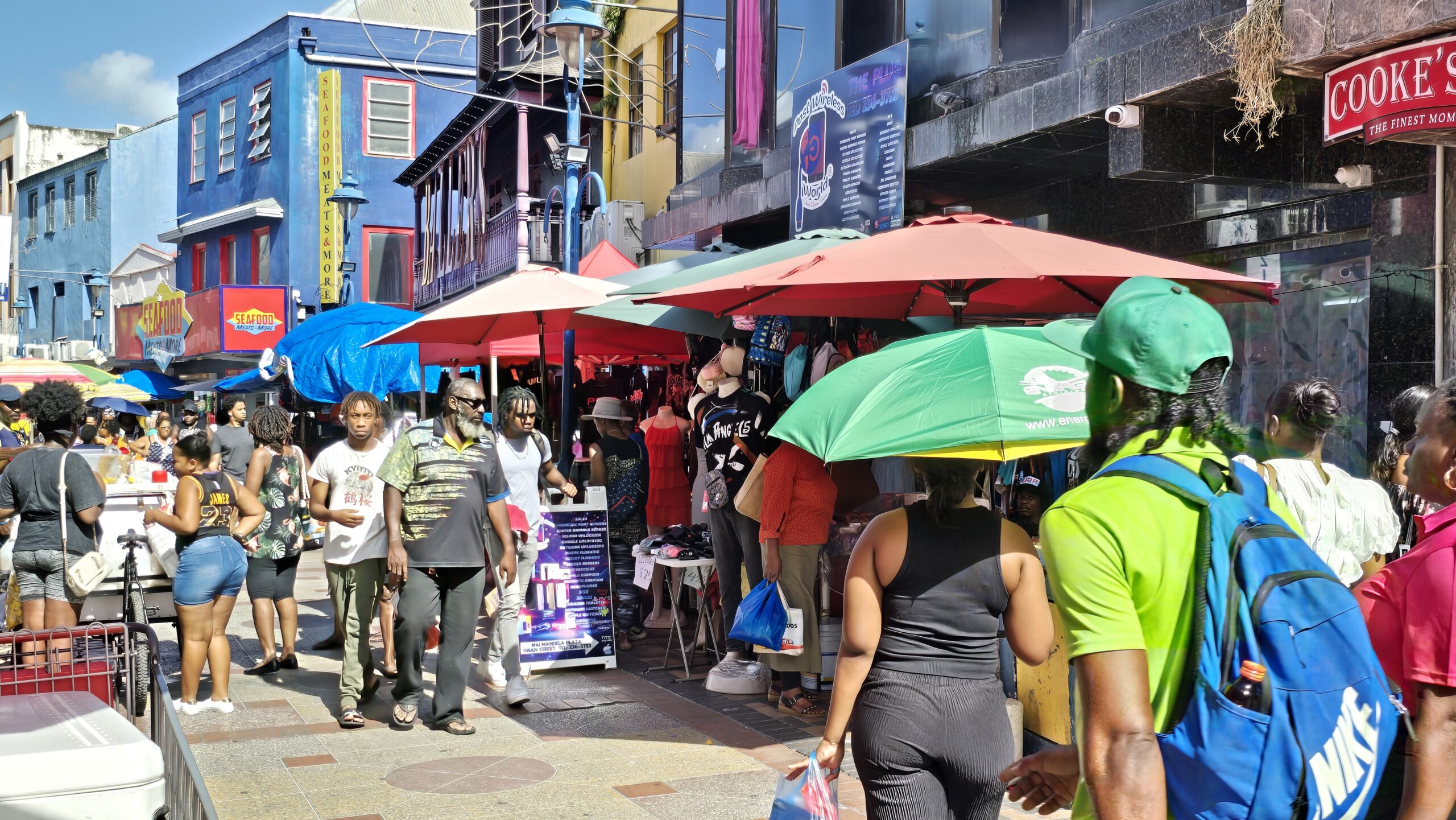
As families across Barbados gear up for the upcoming academic year, Bridgetown’s retail sector is facing mounting financial pressure that is forcing business owners to pass higher costs on to consumers, local outlet Barbados TODAY has confirmed. With the new school year set to kick off in just two weeks, charitable organizations have already recorded a sharp spike in requests for financial support to cover the cost of essential back-to-school supplies, a trend that underscores the growing strain on household budgets across the island.
Two local retail owners have opened up about the ongoing challenges of balancing competitive pricing with crippling import costs that have climbed steadily over the past half-decade. Tamasia Yearwood, who operates 28 Deluxe and 28 Fabway, and Keann Walters, head of Jireh Styles and Fashion, both explained that rising freight, customs clearance, and day-to-day operational expenses have left them with little choice but to adjust product prices to stay afloat.
Yearwood noted that import costs have risen gradually over the past five years, with total expenses fluctuating based on a range of factors including the origin of goods, the selected shipping provider, and the time of year. Beyond freight charges, she pointed to dramatic increases in customs brokerage and clearance fees across Barbados that have added thousands of dollars in annual overhead for small retailers.
“Shipping and customs clearance in Barbados have gone up tremendously across the board. Every service provider has raised their rates, and while we try to absorb as much of that increase as we can to keep prices affordable for shoppers, there comes a point when we have to pass some of that cost on,” Yearwood explained. She added that commercial rent in central Bridgetown remains notoriously high, and most leases do not cover utility costs, leaving business owners to cover thousands in extra expenses each month that must be factored into product pricing.
Yearwood also highlighted the trade-offs retailers face between cost and delivery speed. While sea freight is far more affordable than expedited shipping options, it can take up to two months for orders to arrive. During peak shopping seasons like back-to-school, businesses often have no choice but to pay a premium for faster shipping to keep shelves stocked, adding even more to total import costs.
Walters, who sources wholesale inventory from suppliers in Los Angeles, New York, and China, echoed these concerns, pointing to global oil price volatility as a core driver of rising supply chain costs that impact every stakeholder from manufacturers to end consumers.
“Once oil prices go up, every part of the supply chain feels that increase. Freight goes up, wholesale suppliers raise their prices, and by the time the product reaches us as small wholesale buyers, that cost increase has been passed all the way down the line,” Walters explained. She noted that while wholesale sticker prices can appear low, the total cost of getting goods into Barbados and ready for sale often pushes the final cost far higher than consumers expect. For example, a pair of tights purchased wholesale for $3 can end up retailing for $25 once all associated costs are factored in.
These additional overhead costs go far beyond freight and wholesale purchase prices, Walters explained. Local retailers are also responsible for covering customs duties, brokerage fees, commercial rent, staff wages, National Insurance contributions, bank processing fees, and utility bills, all of which have increased in recent years.
Walters also pushed back on common consumer comparisons between local retail prices and cheaper online listings, pointing out that most online shoppers do not purchase goods in bulk and are not responsible for the full suite of commercial import fees that local retailers pay. “Consumers see a $4.99 item online and wonder why we charge so much more, but they don’t account for the fact that we import in bulk, pay thousands in fees before the product even reaches our store, and cover all the ongoing costs of running a physical retail business,” she said. “We can be out thousands of dollars before we even sell a single item, and we have to recoup that cost through sales.”
Another growing challenge for local brick-and-mortar retailers is the rising popularity of personal online import shopping, Walters added. Current Barbados tax policy sets an effective total duty and VAT rate of over 100% for commercial clothing imports, which is far higher than rates in neighboring Caribbean countries. As more consumers learn to import their own goods directly from overseas suppliers, local retailers have lost a significant share of sales, even as peak seasons like back-to-school and Christmas continue to deliver strong demand for in-person shopping.
Yearwood also raised concerns about inconsistent and costly clearance processes for goods imported through the island’s airports, echoing complaints from dozens of other Bridgetown retailers interviewed by Barbados TODAY. Multiple business owners reported that import costs in Barbados are significantly higher than in other regional economies, creating an uneven playing field for local small businesses.
A comparison of regional tariff policies confirms these reports. According to Barbados’ official Electronic Trade System, clothing falls under tariff chapters 61 and 62, with a standard 17.5% VAT added on top of applicable customs duties. By comparison, Trinidad and Tobago charges a 20% customs duty on new clothing with a 12.5% VAT, The Bahamas applies a 20% duty and 7.5% VAT to standard taxable clothing imports, and Jamaica’s combined charges for most clothing remain lower than Barbados’ total effective rate.
-
Newton burial ground set for November opening
As Barbados prepares to mark its 60th anniversary of independence this November, one of the country’s most significant sites of historical memory is on track to open to the public, the island’s Minister of Pan African Affairs and Heritage Trevor Prescod has confirmed. The Newton Slave Burial Ground, the final resting place for an estimated 600 enslaved African people held at Barbados’ Newton Plantation, will launch its new memorial site in parallel with national independence celebrations, honoring the lives and legacy of those who died in chattel slavery.
In a recent update on construction progress, Prescod stressed that the core burial ground itself will remain entirely undisturbed, a deliberate choice to respect the dignity of the people interred there. All current development work is focused on upgrading peripheral features and adding visitor-focused infrastructure to the site. “The burial ground is the battleground, and there’s nothing much we can do about the battleground, but we just replace a number of features on the periphery of the burial ground itself, and we normally try to keep it well groomed,” Prescod explained.
At the heart of the new development is a distinctive egg-shaped dome structure that will house an interpretation center, designed to share the history of the burial ground and the people buried there with visitors. Most structural elements of the dome are already in place, including 12 imported support pillars, which were sourced from overseas after suitable materials could not be obtained locally in Barbados or neighboring countries. Prescod noted that the pillars carry intentional symbolic weight: each one stands as a representation of the enslaved people laid to rest on the plantation land. While contractors are still completing final fine-tuning work on the structure, Prescod said they have given formal assurances the project will meet its November completion deadline.
Beyond the central memorial dome, the site upgrade includes a range of new accessible features for visitors. A large, winding pedestrian boardwalk that loops from the entrance to the southern edge of the property is mostly complete, with Prescod confirming the pathway will be ready in time for the opening. The southern end of the site will also host an indigenous herbal garden reflecting Caribbean plant heritage and a naturally formed pond, while plans for a small outdoor gathering area are being adjusted to accommodate required land regrading work.
Modern geospatial survey technology deployed during the pre-construction phase has already yielded new insights into the scope of the historic site. Surveys confirmed the burial ground’s footprint extends further west than initial 20th century surveys recorded, and there is a high likelihood of additional unrecorded burials in that expanded area. The technology also identified a distinct section of the site holding a large concentration of historical artifacts. Despite these promising discoveries, Prescod confirmed that no large-scale archaeological excavation will take place ahead of the November opening, with future study deferred to a later date to prioritize the timely launch of the memorial.
As the project enters its final weeks, the project architect continues to conduct regular site inspections, and remaining finishing work including removal of temporary construction roofing is underway, putting the long-planned memorial on track to open as a centerpiece of Barbados’ 60th independence commemorations.
-
Barbados urged to revive spouge legacy
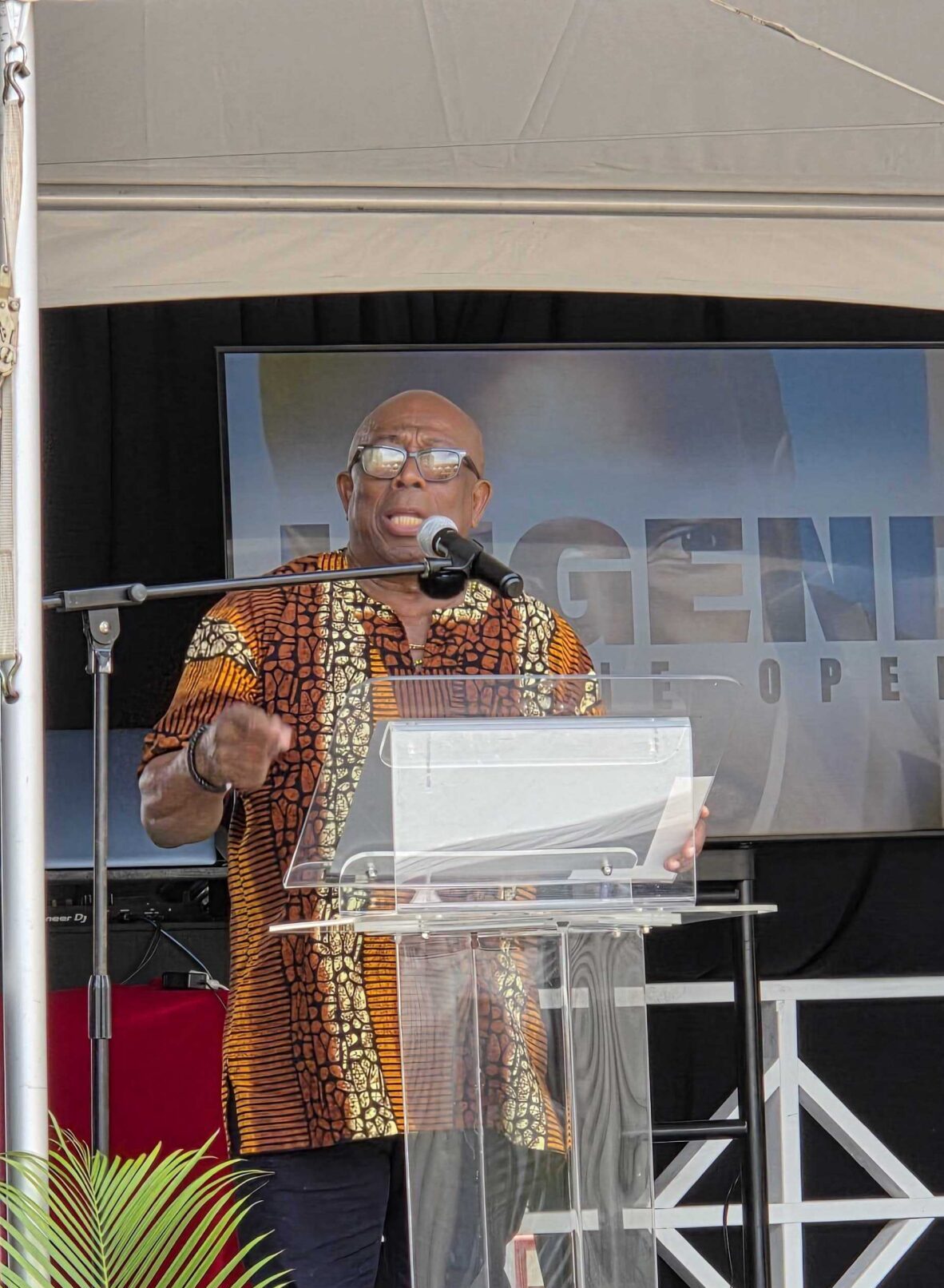
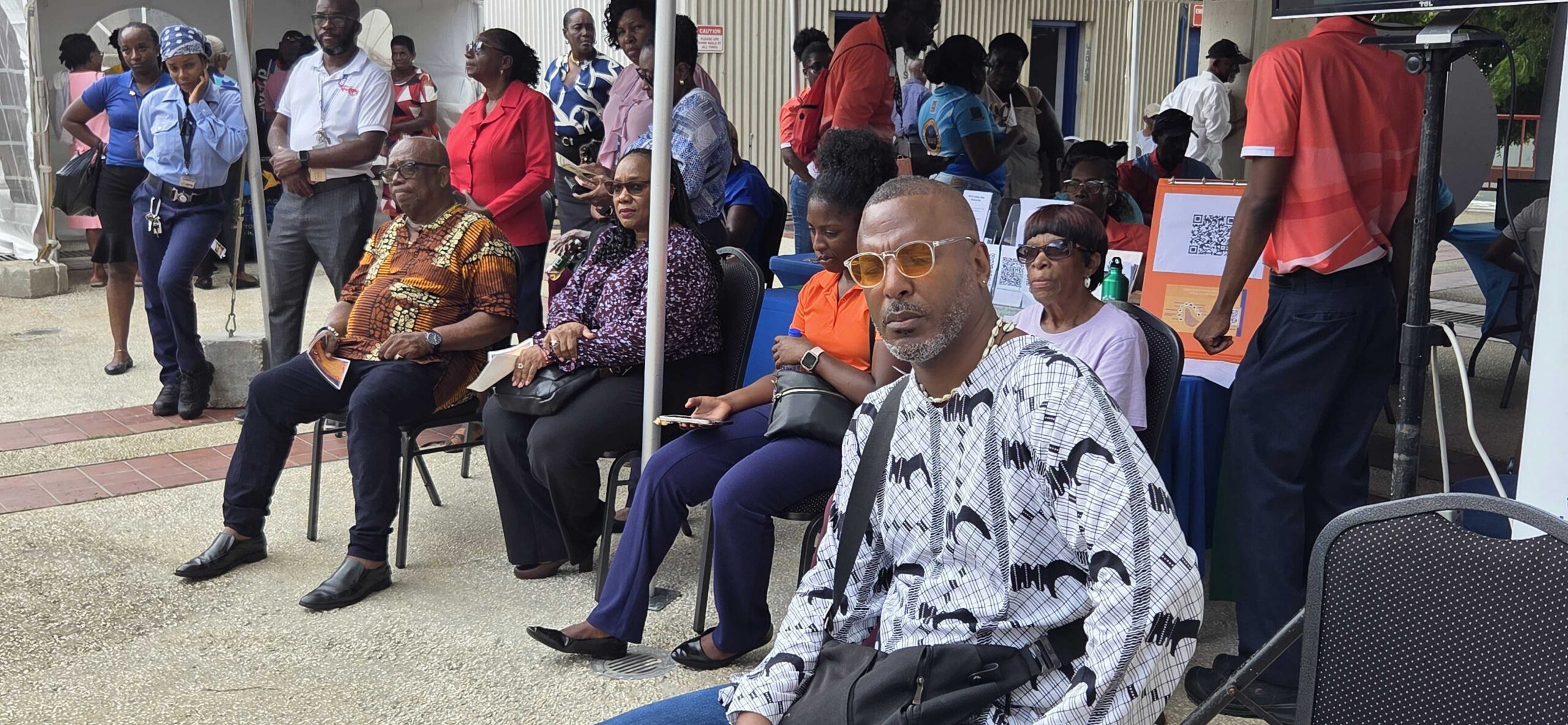
On the 89th anniversary of legendary musician Jackie Opel’s birth, a new tribute initiative launched in Bridgetown has reignited calls for a nationwide renewal of spouge, the iconic Barbadian music genre Opel pioneered half a century ago. Speaking at the official opening of *This One’s For Jackie* held at the Jackie Opel Amphitheatre, Barbados’ Heritage Minister Trevor Prescod has pushed for the country’s citizens to reclaim and rebuild this one-of-a-kind musical style, while expressing deep regret that the genre has not seen sustained development over the past 50 years. Prescod framed Opel as a revolutionary cultural figure who forged a distinct sense of national pride and identity for all Barbadians. As the minister explained, Opel’s greatest innovation was a masterful fusion of reggae and soca rhythms that produced a completely original sound, which quickly became woven into the cultural fabric of Barbadian society. “It is troubling that the music of that type – the only type that Barbados has produced in the 20th century – could not continue to be developed by our musicians,” Prescod noted. Drawing from personal memories of Opel’s career, Prescod recalled the musician’s electrifying stage charisma, which regularly outperformed even high-profile international acts. One standout memory he shared was a 1960s performance at the Globe Theatre alongside iconic American soul singer Percy Sledge, where crowd energy ran so high that audience members rushed from the back of the venue to the stage just to touch Opel. “He gave Bajans a sense of pride… that we were equally as capable as any black man anywhere in the world,” Prescod said. Beyond his national impact, Prescod highlighted Opel’s far-reaching influence across the Caribbean music scene. In the 1960s, Opel resided in Jamaica, where he collaborated with foundational reggae pioneers including Bob Marley, Peter Tosh, and the iconic ska collective the Skatalites. Drawing from his own early career experience working in inventory management at West Indies Records Limited (WIRL), the region’s prominent record-pressing plant, Prescod also shared personal recollections of Opel’s final weeks before his sudden death in 1970. Opel’s life was cut short by a fatal car crash on Bridgetown’s Bay Street, when he was mid-way through recording a new collection of tracks. “There are so many things that happened around that man’s life that I can only see him as extraordinary,” Prescod added. The tribute event was organized and hosted by the Barbados Postal Service, which spearheaded the initiative to reactivate the underused Jackie Opel Amphitheatre located on the grounds of the General Post Office. Paula Harper-Grant, the service’s marketing officer and emcee for the launch, shared that the project grew out of her own realization that she had once completely forgotten the public amphitheatre even existed. That moment of awareness led her to question whether the broader public had forgotten both the venue and the cultural trailblazer it was named for. Harper-Grant emphasized that Opel was not required to push the boundaries of Caribbean music or create a entirely new sound for his home country, but chose to do so out of his passion for cultural innovation. “We believe that Jackie deserves to be remembered, and we believe this space deserves to live,” Harper-Grant said. “We want another generation of Barbadians to walk into this amphitheatre, see that name, and ask who Jackie Opel was—and we want to be able to tell them.” The launch event featured a full program of live spoken word pieces and musical performances celebrating Opel’s legacy, with supporting partnerships from the Ministry of Labour, the Ministry of Agriculture, the Financial Literacy Bureau and the Barbados Department of Archives.
-

Residents renew call for Six Men’s, Shermans repairs
Residents of two coastal Barbadian communities, Six Men’s and Shermans in St. Peter, are once again raising urgent pleas to local authorities for long-delayed infrastructure repairs and hurricane recovery work, warning that unresolved hazards from crumbling roads to unaddressed coastal erosion have upended daily life for months.
-
Postal Service to revive Jackie Opel Amphitheatre
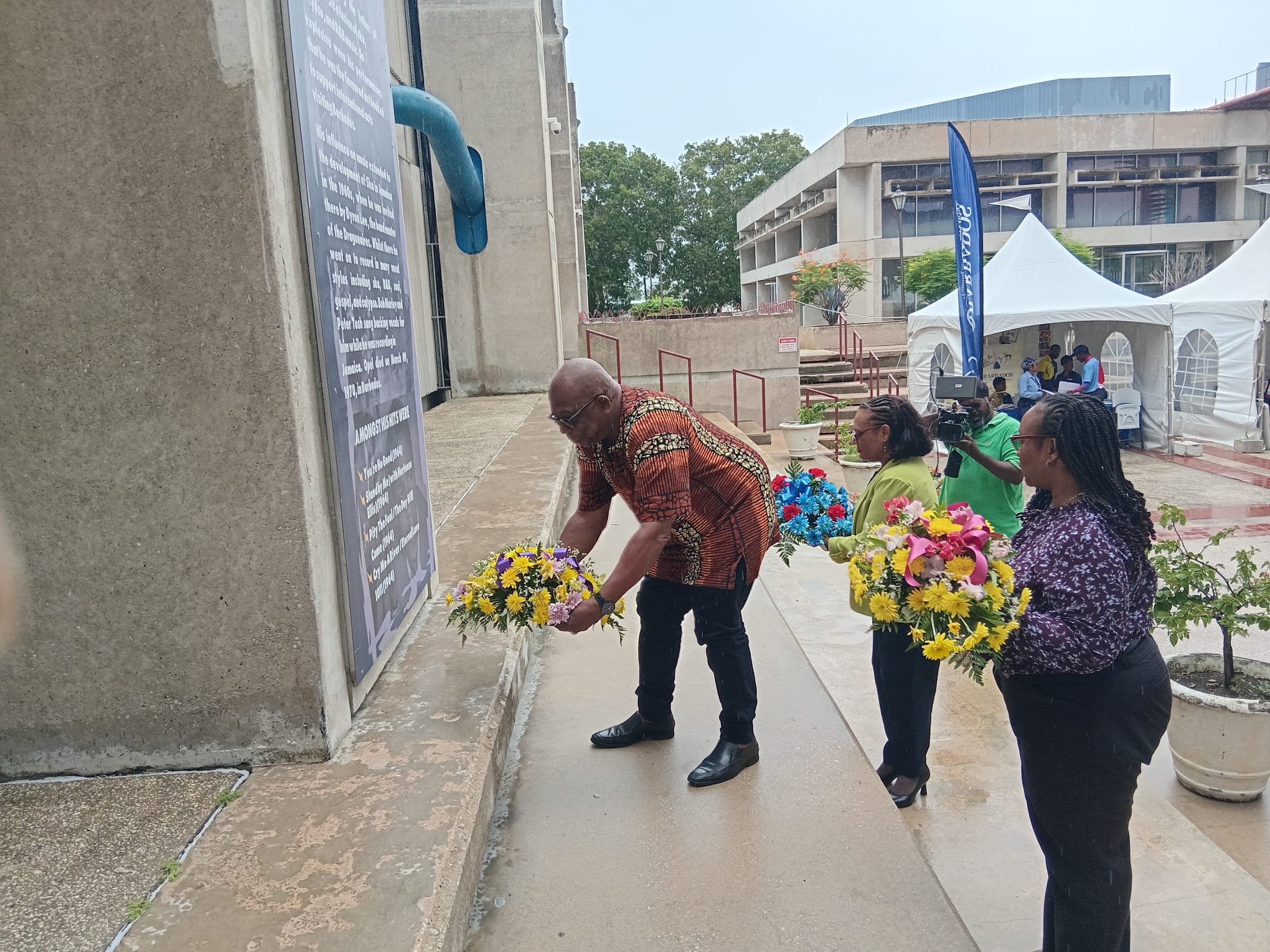
Decades of silence will soon end at the long-underutilised Jackie Opel Amphitheatre located within the General Post Office complex in Cheapside, Barbados. Postmaster General Joann Busby has announced a bold strategic plan to breathe new life into the forgotten public space, transforming it into a permanent hub for cultural expression, youth artistic performance, and community heritage celebration. The announcement was timed to coincide with what would have been the 89th birthday of Jackie Opel, the groundbreaking Barbadian musician who invented the iconic spouge genre, who died prematurely 56 years ago at just 32 years old.
“For far too long, this amphitheatre has stood largely empty and quiet,” Busby shared in her address marking the occasion. “Countless pedestrians pass it by without a second glance; some long-term residents have forgotten it exists, while many younger Barbadians never knew it was here at all. But public spaces like this were never meant to be static monuments locked away in history. They are meant to be living, breathing places where culture grows, meaningful community conversations take root, new artists are discovered, and Barbadians come together to share and write our national story.”
Under the new operational framework outlined by Busby, the amphitheatre will host a regular, year-round lineup of events tailored to creators of all ages and backgrounds. Emerging musicians will use the stage to debut new work, spoken word poets will share their original perspectives, school students will get their first taste of public performance, and local families will gather to experience authentic, homegrown Barbadian art. The Barbados Postal Service, which manages the site, has taken the lead on the revitalisation project, a move Busby said aligns with the institution’s broader public service mission.
Busby praised her team for their forward-thinking vision that turned an overlooked, underused asset into an opportunity to reconnect the nation to its cultural heritage. “Many people walked past this amphitheatre and only saw an empty, forgotten space, but the Barbados Postal Service saw a chance to properly honour one of our greatest national icons,” she explained. “Today, thanks to that vision, this space is already coming alive again with the sound of music, voices, laughter, and shared purpose. Preserving our national culture is not a responsibility that falls only to historians or museum curators. Culture belongs to every single Barbadian, and every public institution has a part to play in protecting and nurturing it.”
For Busby, the project is far more than a simple infrastructure upgrade. It is an investment in Barbados’ collective national identity and intergenerational legacy. She emphasized that artists are just as foundational to a nation’s strength as politicians, educators, medical professionals, and business leaders. “Art shapes how a country sees itself. Artists hold onto our stories, capture our struggles, celebrate our wins, and give voice to our collective hopes, and that is exactly what Jackie Opel did when he created spouge,” she noted.
Opel’s revolutionary approach to music saw him blend diverse existing genres – including calypso, ska, gospel, and rhythm and blues – to create something completely new, a unique sound that Barbadians could claim as their own. Though his life was cut short, his impact has endured: decades after his death, Opel is still taught in Barbadian schools, and contemporary musicians continue to draw inspiration from his innovative work. Busby used his legacy to challenge all Barbadians to think about the impact they can leave on their communities, noting that legacy building is not reserved for famous icons – it is open to everyone from parents and teachers to the postal workers who deliver mail across the island every day.
Busby made a formal commitment on behalf of the Barbados Postal Service that the amphitheatre will not be allowed to fall back into disuse in the future. The department’s long-term strategic plan calls for close partnerships with the national Division of Culture, local educators, artistic collectives, and grassroots community organisations to build a consistent public events calendar. “Jackie Opel answered the question of legacy through his creative work, and each of us has to answer that question through the lives we choose to live,” Busby said in closing. “Barbados does not grow stronger by accident. It grows stronger when every citizen chooses to teach, to create, to mentor, and to serve. History is written by all of us, each contributing a line, a paragraph, or a chapter. As we reawaken this remarkable space, may we all leave inspired not just to celebrate a great legend, but to build a lasting legacy of our own.”
-
Atlas, Blackspurs secure promotion after playoffs
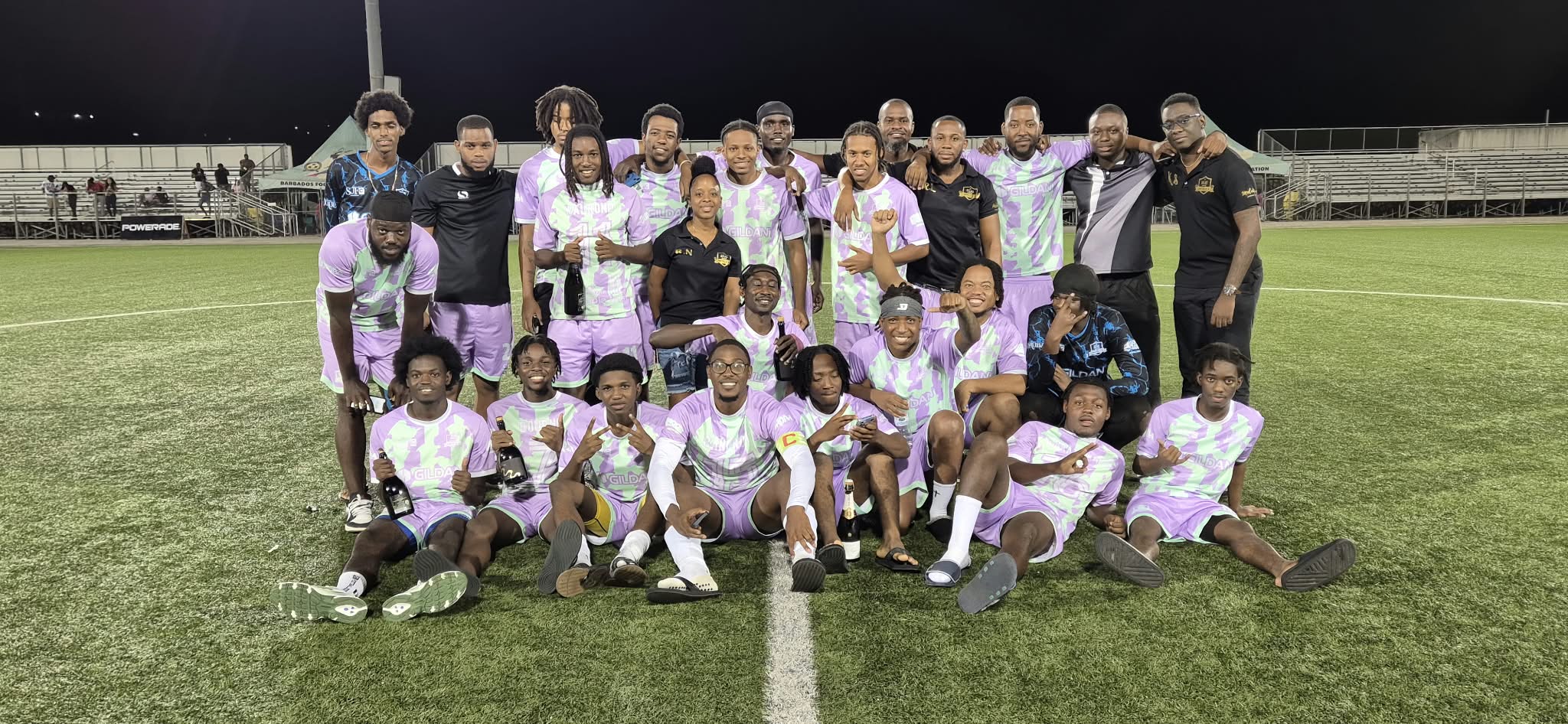
Two Barbadian football clubs, Atlas and Blackspurs, have officially earned their spots in the Barbados Football Association (BFA) Division One for the upcoming season, wrapping up a dominant run through the Division Two playoffs with a dramatic final clash Thursday night.
Hosted at the BFA Technical Centre in Wildey, the head-to-head playoff finale ended in a commanding 4-1 win for Atlas over Blackspurs, a result that did nothing to change promotion fate for both sides—both had already secured their place in the top division after finishing at the top of the playoff rankings. Atlas got off to a blistering start, with Joshua Bayne finding the back of the net just six minutes into the match to open the scoring. Four minutes later, Tyrell Waldron doubled the lead, putting Atlas firmly in control by the 10th minute. Shane Alleyne extended the advantage further in the 24th minute, putting Atlas up 3-0 before halftime.
Blackspurs managed to pull one back just before the break, with Bishon Richards cutting the deficit to two goals, sparking faint hopes of a second-half comeback. Those hopes were dashed just 15 minutes after the interval, however, when Ross Bourne scored the match’s final goal in the 60th minute to lock in the 4-1 scoreline for Atlas.
In the second playoff fixture of the night, Cave and L&R United played out a tight, goalless draw that did not shift the final promotion standings. Earlier in the week, Atlas delivered a crushing 7-0 defeat to Cave Hill, while L&R United and Blackspurs drew 1-1 in their earlier playoff matchup.
In a post-promotion interview, Kreg Stuart—who serves as both head coach and president of Atlas Football Club—called the promotion the payoff for months of intentional planning and preparation focused on developing young talent. “When I spoke to you during the Mavericks Under 19 tournament last year, I told you that we had a strong group of young players,” Stuart explained. “We had a team of 25 when we started the season and 14 of them were under the age of 19. We intentionally came into this season, wanting to focus on younger players and giving them opportunities.”
Stuart reflected on the team’s season trajectory, noting that after a strong opening round of fixtures, Atlas hit a minor slump in form before rolling off six consecutive wins to punch their ticket to the playoffs. He attributed the team’s success to an unusual commitment to consistent training, a challenge he acknowledged is common across Barbadian grassroots football. “They were willing to put in the work in terms of training and I know that’s something that we tend to have an issue with in Barbados, but I would say our players really put in the effort,” Stuart said. “We started our pre-season really in November, and we were willing to just keep practicing and they were always willing to learn. I think that having the young players really pushed us with their energy and enthusiasm for everything that we did.”
While the club is formally based in Hoyte’s Village, St James, Stuart highlighted that Atlas’ roster draws players from diverse communities across the entire island. Looking ahead, both Atlas and other top promoted sides are now gearing up for the upcoming Prime Minister’s Cup, which kicks off on September 7. Stuart made clear that the team has no intentions of simply participating—they plan to compete at the same high intensity that carried them through Division Two. “For sure, our intention is to compete. We don’t want to come and just make up a number. We want to make sure that we carry the same intensity that we had in Division Two,” he said. “After that it’s about next season, preparing and resting and going strong again in Division One.”