标签: Barbados

巴巴多斯

  • Grenada targets regional travellers with expanded tourism offering

    Grenada targets regional travellers with expanded tourism offering

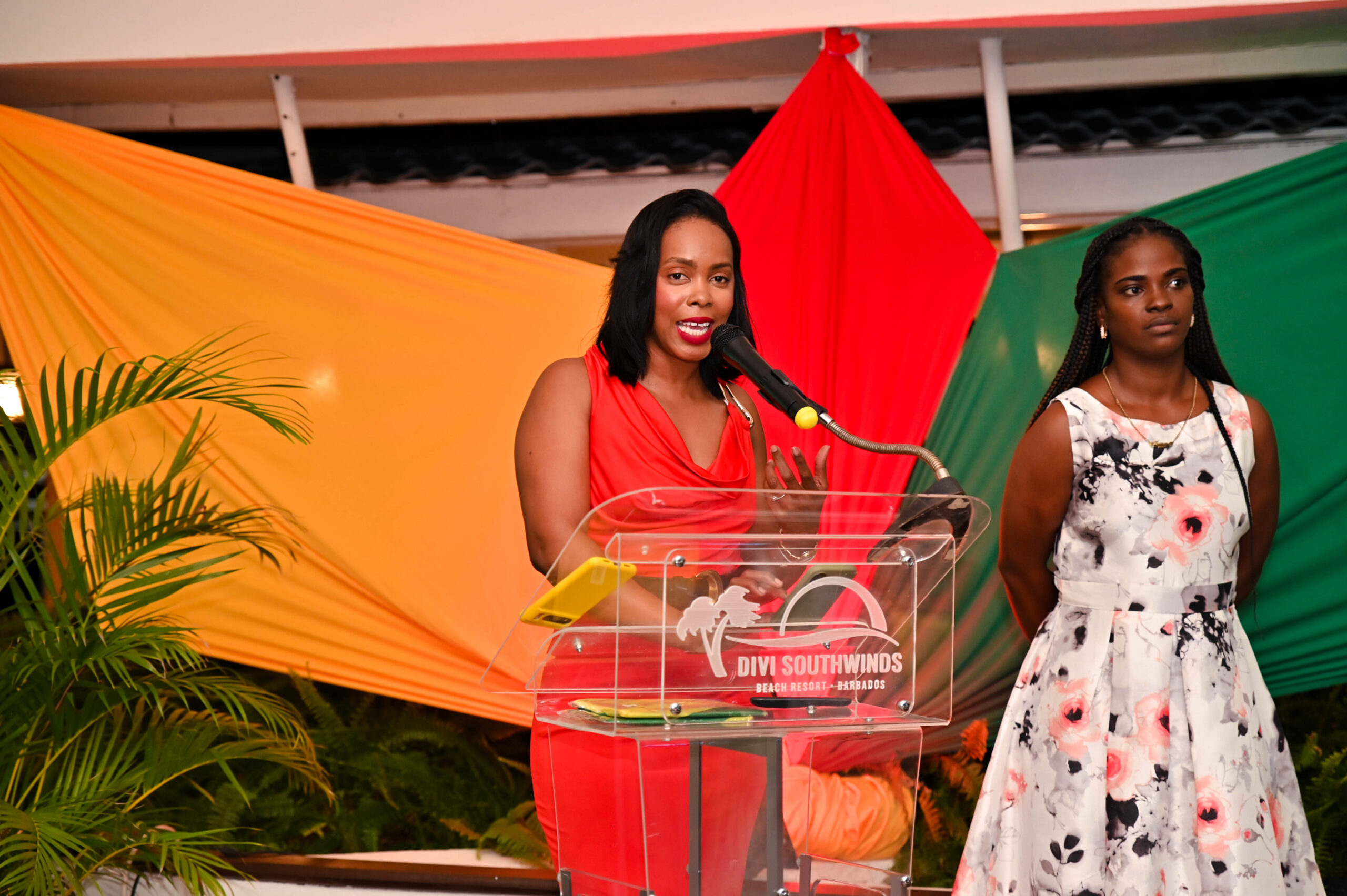
    The Caribbean tri-island nation of Grenada is embarking on a strategic repositioning of its tourism sector, shifting away from overreliance on its classic sun-and-coast appeal to draw more regional travelers with a broad, curated lineup of cultural, adventure, culinary, wellness and event offerings. Tourism officials laid out this new growth strategy this week during a media and travel industry dinner held at Divi Southwinds Hotel, where leaders highlighted the one-of-a-kind experiences that set the three-island destination apart from other Caribbean getaways.

    Samantha Thomas, Marketing Executive at the Grenada Tourism Authority, told attendees that the country’s deep roots in history and culture form the foundation of its unique appeal, alongside its well-earned title as the “wreck dive capital of the Caribbean.” Comprising the main island of Grenada, plus the smaller neighboring islands of Carriacou and Petite Martinique, the destination delivers what Thomas calls “a vacation within a vacation” — a layered experience that caters to every type of traveler, from thrill-seeking divers to slow-paced wellness seekers.

    Thomas put particular emphasis on Grenada’s fast-growing reputation as a top culinary tourism destination, noting the country is home to seven operational chocolate factories that offer immersive, farm-to-bar experiences for visitors, alongside a wide range of food-focused activities that highlight its native spices and local culinary traditions. She also showcased the country’s robust eco-tourism portfolio, which includes scenic rainforest nature trails, holistic wellness retreats, and one-of-a-kind marine attractions. Most notable among these is the world’s first ever underwater sculpture park, a bucket-list attraction that many travelers previously associated with far-flung destinations like Bali.

    “You don’t have to fly 19 hours to Bali to check that iconic experience off your list,” Thomas explained. “Our underwater sculpture park is just a short trip for regional travelers — literally half an hour by boat from the main island, and a much shorter flight from most Caribbean neighboring countries. It’s exactly the kind of unique, must-see experience that draws visitors from across the region.”

    Beyond signature attractions, Thomas also outlined the destination’s rapidly expanding events calendar, which now extends far beyond Grenada’s world-famous annual Spice Mas carnival. This year marked the first ever staging of Carriacou’s Lobster and Lambi Festival, and the country already hosts a popular annual Dive and Conservation Festival that combines recreational diving with marine conservation outreach. Later in 2024, the country will launch its inaugural Grenada Flower Festival, a new event inspired by the nation’s unprecedented success at the UK’s iconic Chelsea Flower Show, where Grenadian horticulturalists have claimed 19 gold medals over the years.

    “We’ve decided to turn that award-winning floral legacy into a full public festival that visitors can enjoy,” Thomas said, adding that the new event will be especially appealing to travelers interested in floral design, destination weddings, and group getaways like girls’ trips. She also highlighted the Grenada Diaspora Homecoming event, an initiative modeled after Barbados’ successful We Gatherin’ program that aims to reconnect Grenadians living overseas with their home country and encourage them to visit with friends and family.

    Charmaine Gibbs, a representative of local tourism group Insights Grenada, urged visitors to the main island to make time to travel to Carriacou, the smaller “sister island” that remains largely untouched by mass tourism and offers a quiet, authentic Caribbean experience. “No visit to Grenada is truly complete without experiencing the natural beauty and warm hospitality of Carriacou,” Gibbs said.

    Gibbs also emphasized that regional cooperation in tourism has grown more critical than ever in the post-pandemic travel landscape, arguing that Caribbean residents should take advantage of the world-class, unique experiences available right on their own doorsteps, rather than traveling long distances for bucket-list trips. “Now is the time to open our doors to each other across the region,” Gibbs said. “We can give fellow Caribbean islanders the chance to experience those once-in-a-lifetime trips that people often spend a whole lifetime saving to do — and we have all of it right here, within a short flight or boat ride from home.”
  • Police searching for missing St George man

    Police searching for missing St George man

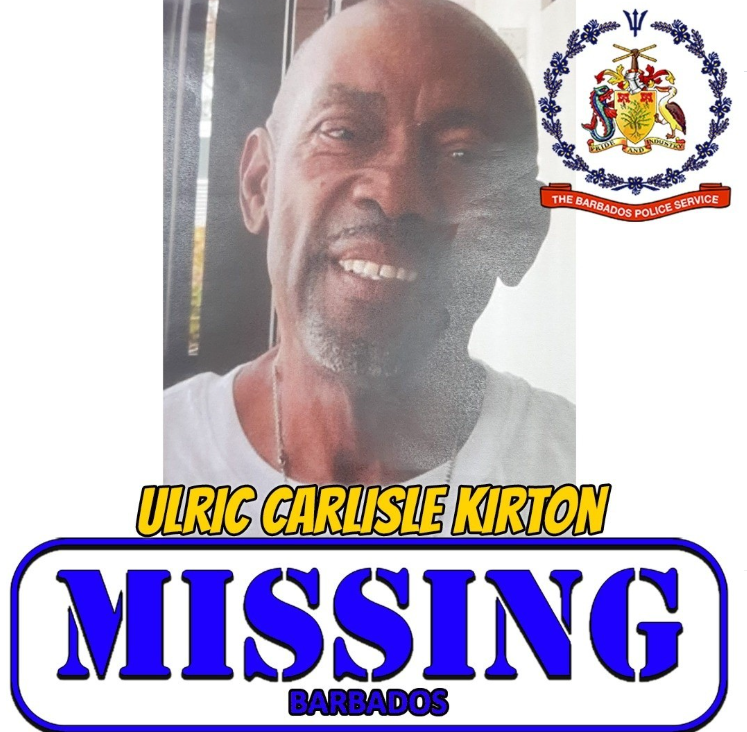
    Law enforcement officials in the country have issued an urgent public call for help in tracking down an elderly resident who has been missing for more than a week. 68-year-old Ulric Carlisle Kirton, a resident of Watts Village in St George, has not been seen or heard from by his family or local authorities since June 11, prompting police to open a missing person investigation and reach out to community members for tips.

    Authorities confirmed that Kirton lives with dementia, a cognitive condition that can impair a person’s ability to remember their location, navigate unfamiliar areas, or communicate personal information, putting him at heightened risk of harm while unaccounted for. To help community members identify him quickly, police have released a detailed physical description of the missing man.
    Kirton stands approximately 5 feet 4 inches tall, has a slim frame, brown skin, a completely bald head, and short gray hair on his face. When he was last observed by witnesses, he was wearing a black hat, a navy blue long-sleeve shirt, and a pair of black trousers.

    Police are urging anyone who has spotted a man matching this description anywhere in the country, whether recently or on the day Kirton went missing, to get in touch with authorities immediately. There are multiple channels for members of the public to submit information: contacts can be made directly to the District ‘B’ Police Station, the 24/7 police emergency line at 211, the anonymous Crime Stoppers tip line at 1-800-TIPS (8477), or any closest local police outpost to the caller’s location. Officials emphasize that even a small piece of information could be critical to bringing Kirton home safely.

  • Forum urges shift from aid to private investment

    Forum urges shift from aid to private investment

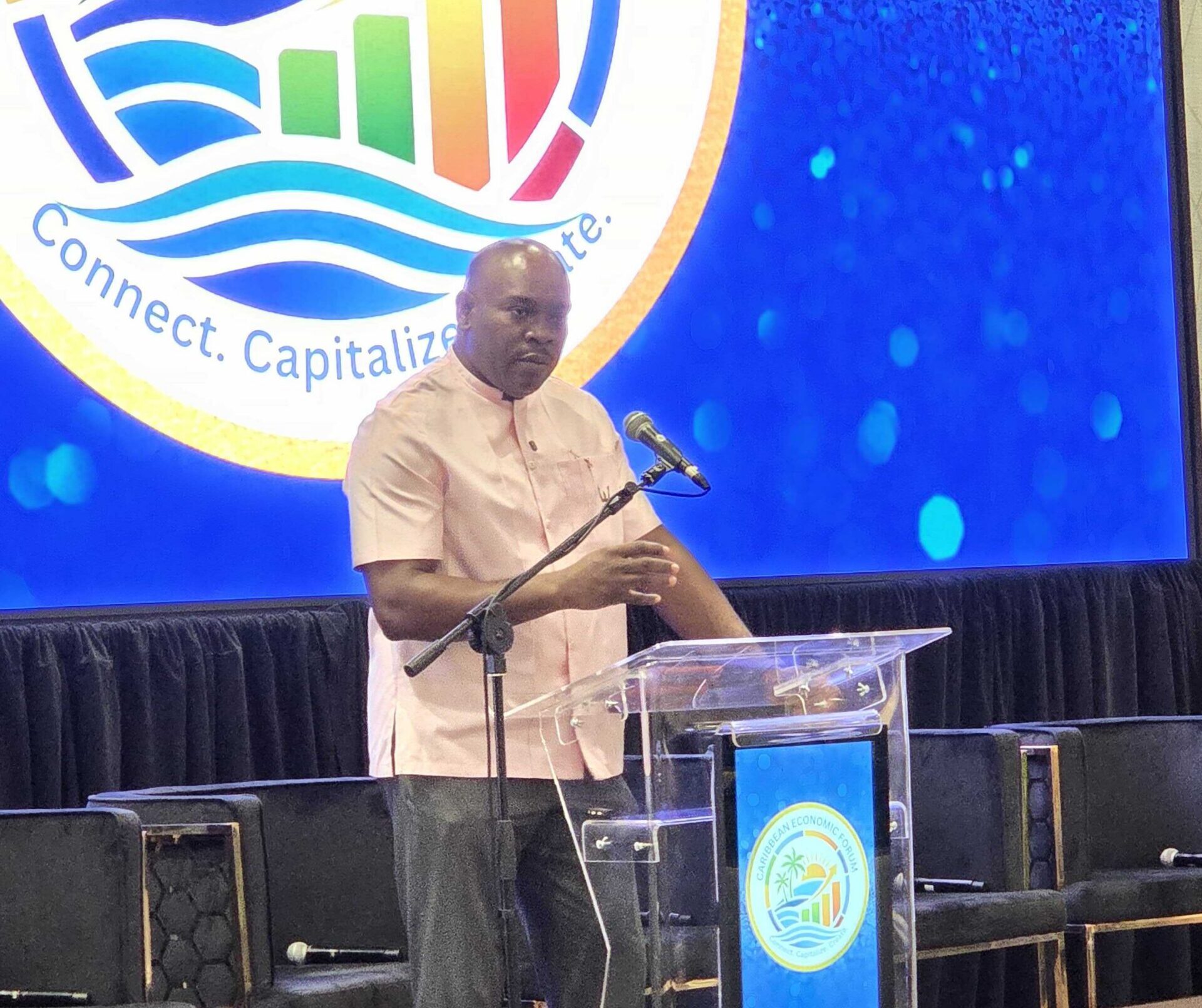
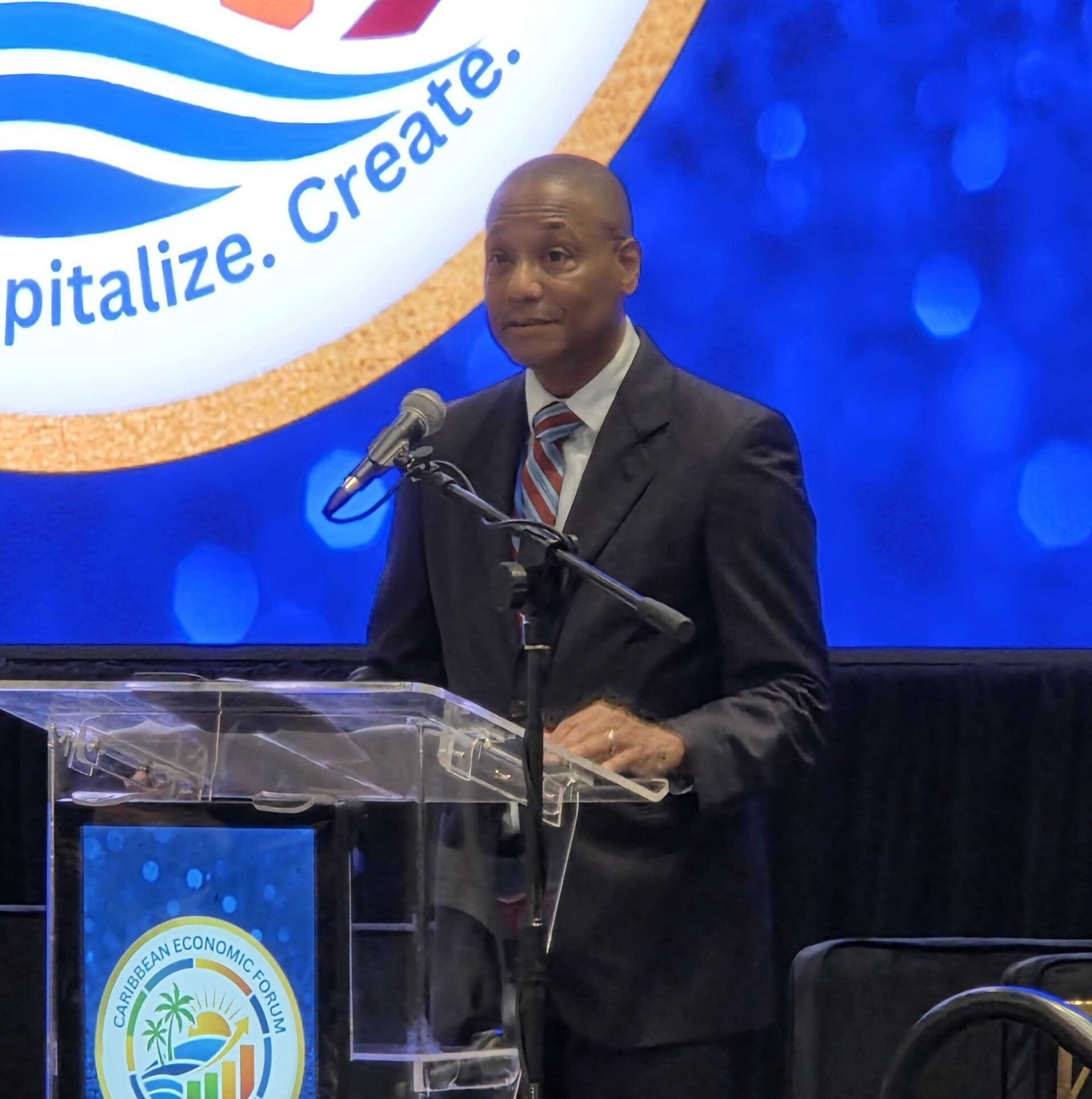
    On Thursday, a cross-sector coalition of Caribbean regional leaders and major global investors issued a clear call to action: Caribbean governments must break long-standing patterns of aid dependence and aggressively pivot toward mobilizing private sector capital to drive inclusive, sustained growth. Opening the high-stakes inaugural Caribbean Economic Forum (CEF) — a gathering that unites global investment firms, national government officials, and leading multilateral financial bodies — organizers laid out an ambitious core goal: to reframe the Caribbean from a patchwork of fragmented small markets into a cohesive, globally competitive, and investable asset class.

    Clinton White, founder of Counselor Global Solutions and co-convenor of the CEF, delivered the opening welcome remarks, drawing on his decades of experience working and living in the region during his tenure covering Caribbean economies for the now-disbanded U.S. Agency for International Development. White pointed to Barbados’ decades-long track record of economic resilience as a powerful case study for what small Caribbean states can accomplish when they embrace strategic economic transformation. “After gaining independence in 1966, this 166-square-mile island completely rewrote its economic story: it moved from a system almost entirely reliant on sugar exports to a diversified economy powered by tourism, international financial services, education, and a fast-growing innovation and sustainability sector,” White explained. “That transformation proves small states can deliver extraordinary outcomes when they set clear, ambitious goals.”

    White traced the origins of the forum back to a 2020 partnership he forged with CEF Executive Director Kiran Maharaj, USAID, and the Trinidad and Tobago Chamber of Industry and Commerce. The founding principle of that collaboration, he noted, is that no government can deliver large-scale economic transformation on its own. “We all acknowledge that development assistance still plays a critical role in the region, but we also recognize that aid alone will never be enough to tackle the full scale of the Caribbean’s opportunities and challenges,” White said in his address. “Aid can kickstart change, but only private investment can sustain it. Grants can build institutional capacity, but private capital builds entire industries, generates long-term jobs, and rewrites economic trajectories for entire communities.”

    White’s opening arguments drew heavily on data from the newly published *Caribbean Development Dynamics 2026* report from the Organisation for Economic Co-operation and Development (OECD), which frames the Caribbean as standing at a defining crossroads for development. The report confirms that nearly 80% of all current investment flowing into the Caribbean already comes from the private sector. With that in mind, White argued, the region’s top challenge is no longer convincing global investors of the Caribbean’s inherent value — it is removing structural barriers to channel existing investor interest into high-impact, transformative sectors that deliver broad-based growth. Key priority sectors he identified include renewable energy, climate-resilient sustainable tourism, the blue economy, digital transformation, and artificial intelligence innovation.

    “At the end of the day, this forum is not about us — it’s about the next generation of Caribbean people,” White emphasized. “Our goal is to build economies where young people don’t feel forced to leave their home islands to find opportunity. The choices we make in this room will determine whether the next generation inherits a region defined by vulnerability, or one defined by resilience, innovation, and shared prosperity for all.”

    Following White’s remarks, CEF co-founder Gregory Hill, who also serves as Managing Partner at ACERO Capital, took the stage to challenge attendees to set aside generic conference rhetoric and focus exclusively on tangible financial execution. Hill pushed back against the long-held international narrative that frames the Caribbean as a collection of isolated, economically vulnerable small states, instead positioning the region as one of the world’s most strategically important untapped investment frontiers.

    “Let me be completely blunt and clear from the start: this is not just another regional development conference,” Hill told assembled delegates. “We are not here to talk — we are here to work, we are here to collaborate, and we are here to deliver actual results. We did not gather just to discuss what development could look like; we are here to finance it. So bring your checkbooks.”

    Hill argued that the Caribbean economy can no longer afford endless cycles of diagnostic reports and policy discussions that never translate to on-the-ground action. He noted that the combined balance sheets of the global institutional investors and financial bodies represented at the forum total roughly $25 trillion — creating an unprecedented opportunity to close the long-standing gap between abundant global capital and the pipeline of viable, high-impact local projects across the Caribbean.

    Over the course of the forum, discussions will center on four core strategic pillars: accelerating the region’s energy transition, building climate-resilient infrastructure, advancing food security through agricultural modernization, and growing the Caribbean’s creative economy. To deliver scaled investment across these sectors, Hill argued, the region needs a modernized financial framework that leverages blended finance structures to reduce risk for private sector entities entering the market.

    Hill also called for a fundamental shift in how the success of multilateral development banks and development finance institutions operating in the Caribbean is measured. He proposed that these entities should be evaluated primarily by their ability to mobilize and deploy private capital into productive regional assets, rather than by the total volume of independent loans or grants they disburse.

    “Success will not be measured by how eloquent our speeches are today,” Hill said. “Success will only be measured by the formal mandates we sign, the partnerships we lock in, the projects that get actual funding, the businesses that expand, and the jobs that are created for Caribbean people. If we get this right, future generations will look back and see that this was the moment the Caribbean stopped viewing itself as a collection of independent, isolated, fractured economies — and started acting as a unified, investable asset class that delivers shared prosperity for all.”

  • PM hails Sir Emile Straker as a ‘national loss’

    PM hails Sir Emile Straker as a ‘national loss’

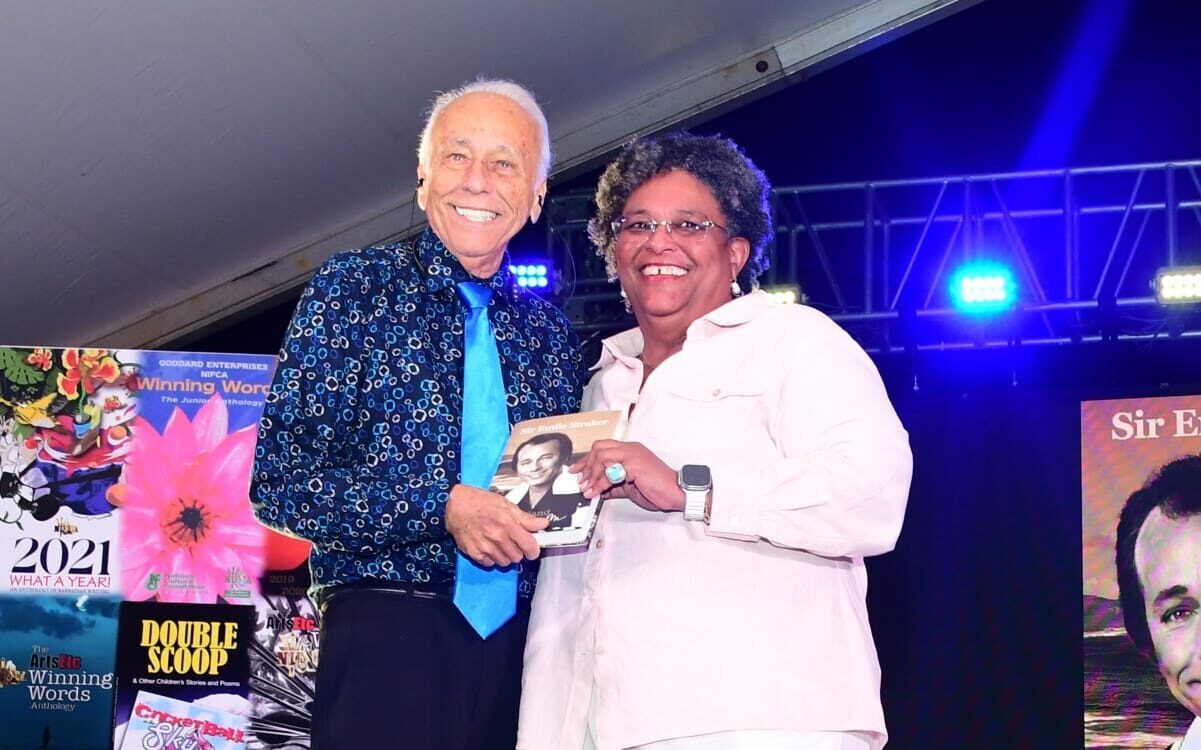
    Barbados is this week mourning the passing of one of its most influential cultural figures, Sir Charles Emile Straker, the pioneering musician whose six-decade career helped cement the island nation’s global cultural identity. In an official statement released Friday, Prime Minister Mia Amor Mottley labeled Straker’s death an irreplaceable “national loss”, offering a heartfelt tribute to the artist who shaped generations of Barbadian cultural expression. As co-founder, lead vocalist, and creative driving force of the internationally celebrated band The Merrymen, Straker leaves behind a legacy that stretches far beyond the Caribbean, tying the island’s story to audiences across the globe.

    Straker’s career spanned more than 60 years, during which he built a catalog of beloved tracks that remain inseparable from Barbadian daily life and national memory. Among his most iconic works are fan-favorites including *Beautiful Barbados*, *Nut Seller*, *You Sweeten Me*, *Sam Lord*, *Big Bamboo*, *Ring-Ting-Ting* and *Gary Sobers* — each a snapshot of Barbadian life, history, humor and landscape that has been passed down through generations. Mottley emphasized that Straker did more than create popular music: he built a living cultural archive that preserves the Barbadian experience for future generations.

    “His voice, songwriting, musicianship, and generosity of spirit helped tell Barbados’ story to the world,” Mottley wrote in the full tribute. As the lead singer, guitarist and co-founder of The Merrymen, Straker helped craft a sound that was unapologetically authentic to Barbados and the broader Caribbean: warm, playful, elegant, and rooted deeply in the rhythms and everyday experiences of the island’s people. Through his lyrics and melodies, he captured the unique cadence of Barbadian speech, the beauty of the island’s landscapes, the nation’s core history, and the quiet confidence of its people, Mottley noted. Rather than only providing entertainment, Straker gave his homeland a collective cultural memory, leaving a permanent record of what it means to be Barbadian.

    Beyond his cultural impact at home, Straker also served as one of Barbados’ earliest and most effective tourism ambassadors. Decades before the rise of modern destination marketing and social media promotion, Straker and The Merrymen brought Barbadian culture to audiences across the Caribbean, North America, Europe and beyond. The band performed in hotel venues, concert halls, and major international festivals, welcoming first-time visitors to the island, comforting diaspora communities living abroad, and inspiring countless international guests to fall in love with Barbados and return for future visits.

    Mottley highlighted that Straker’s life and work affirm a long-held truth: much of the Caribbean’s socio-cultural history is preserved in the lyrics of its native music, and Straker’s body of work stands as one of the most complete and beloved records of Barbadian life ever created. Over his career, Straker earned widespread recognition for his contributions to music, culture, and tourism. His many honors include the Barbados Service Star, the Pride of Barbados Award, the Barbados Centennial Honour, and a Commander of the Order of the British Empire for his services to the nation’s tourism and music industries. In 2019, he received one of Barbados’ highest national honors, being named a Knight of St. Andrew, in recognition of his role founding and developing The Merrymen and their distinct musical style. Mottley called the knighthood a fitting honor for a man whose work always carried the dignity, warmth, and unique character of Barbados.

    On behalf of the Government of Barbados and the island’s population, Mottley extended sincere condolences to Straker’s children Dean, Ray and Stacey-Jane, his grandchildren, extended family, friends, fellow musicians, former bandmates, and cultural collaborators, as well as the countless Barbadians and international admirers mourning his passing. She also remembered Straker’s late wife, Joyce Lady Straker, who shared his life’s journey and was herself part of Barbados’ national story.

    “May Sir Emile Straker rest in peace and rise in glory. His voice may be stilled, but his melodies will continue to play wherever Barbadians gather, wherever visitors remember Barbados, and wherever *Beautiful Barbados* is sung,” Mottley wrote in closing.

  • New BHTA chair urges private sector to move from ‘sidelines to table’

    New BHTA chair urges private sector to move from ‘sidelines to table’

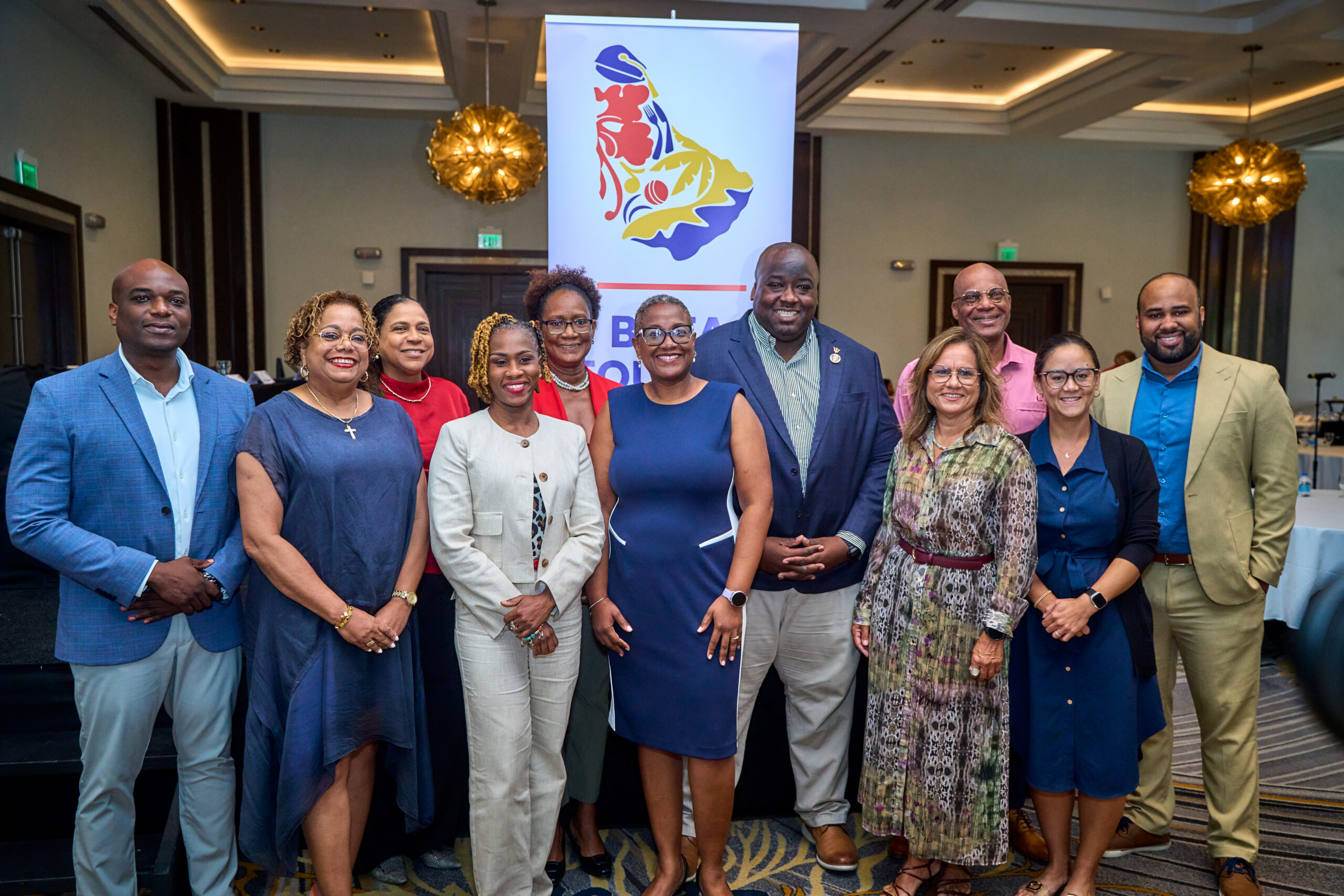
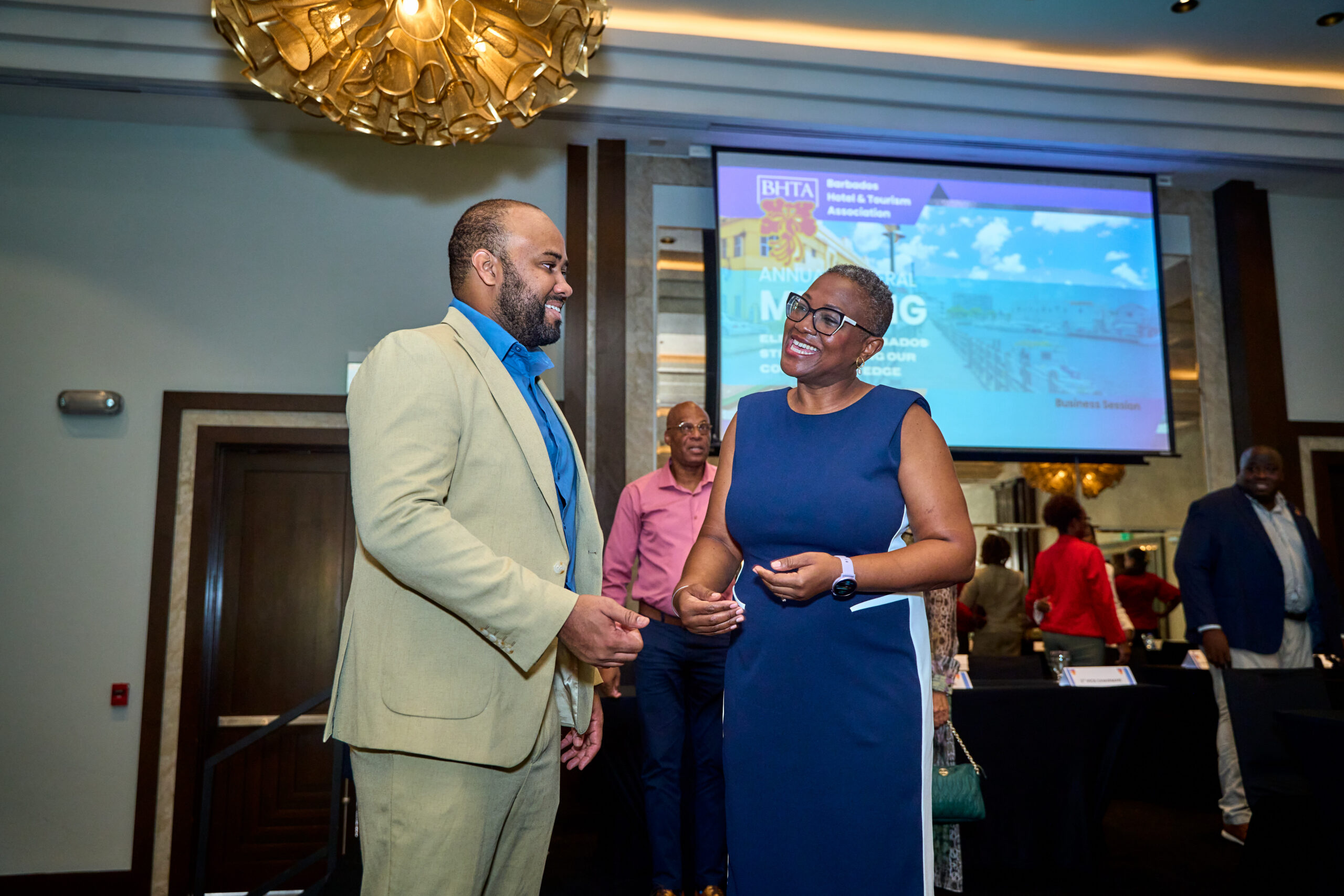
    Barbados’ tourism industry is currently hitting historic highs, but deep-seated disengagement among private sector stakeholders puts its long-term prosperity at severe risk, according to newly elected Barbados Hotel and Tourism Association (BHTA) Chair Kelly-Ann Payne. In her first address after winning the leadership post at the association’s annual general meeting, the veteran hospitality executive did not hold back in sounding the alarm over a growing culture of apathy that is eroding the industry’s institutional foundation.

  • Judicial data gaps undermine court efficiency, chief justice warns

    Judicial data gaps undermine court efficiency, chief justice warns

    As a regional workshop focused on standardizing case management procedures for Caribbean judicial bodies got underway this week, Chief Justice Leslie Haynes has delivered a stark warning: the absence of reliable, systematically collected judicial data is actively undermining regional efforts to cut through crippling case backlogs and boost overall court performance across the Caribbean. He is calling for immediate action to build formal, structured frameworks for gathering and analyzing court data to evidence-based justice reform.

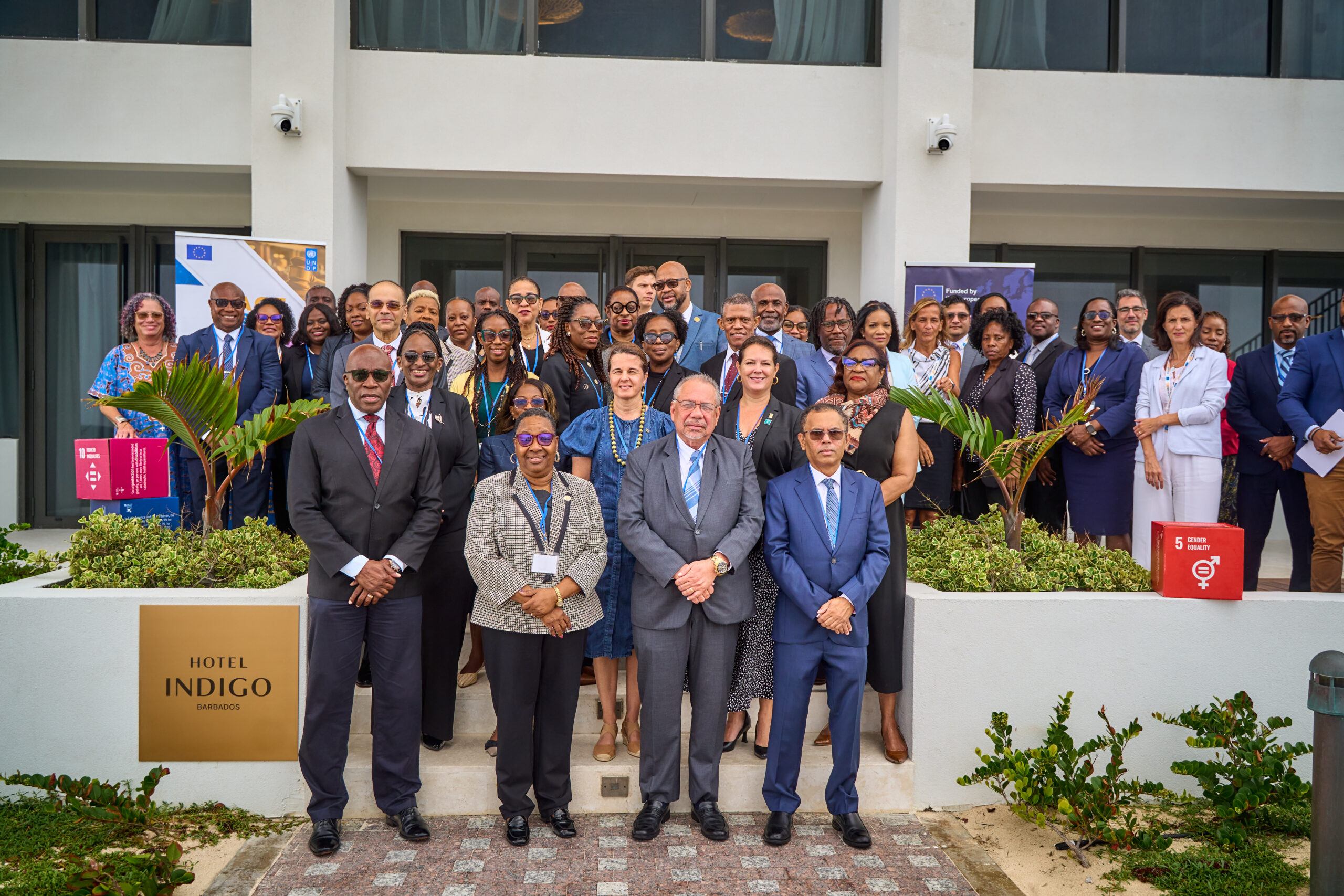
    Opening the two-day workshop on judicial case management standard operating procedures (SOPs) at Hotel Indigo on Thursday, Haynes emphasized that meaningful, lasting change to the region’s justice systems will remain out of reach without consistent, credible information to guide policy and operational decision-making. Currently, the region lacks any standardized, institutionalized framework for judicial data collection, he explained. Instead, data gathering tasks are most often delegated informally to overstretched legal assistants, judicial support staff and court clerks, with no clear, unified protocols in place to standardize collection or storage.

    Even in jurisdictions where some data is collected, Haynes noted, continuity of records is frequently broken when staff transition to new roles or leave their positions, leaving gaps that erase institutional knowledge. Without a formal data collection framework, Haynes argued, judicial leaders are forced to make critical reform decisions based on anecdotal observation rather than hard evidence. “There is a necessity for us to create a framework for the collection of this data because if we do not, we will be unable to make the necessary decisions that we ought to make, and our decisions will be based on anecdotal evidence,” Haynes told attendees.

    Haynes was careful to reframe judicial data not as a tool for disciplinary blame, but as a diagnostic instrument to pinpoint and resolve systemic inefficiencies across court operations. “We need data to understand where the bottlenecks exist, and having gathered the data, to resolve the issue,” he said. Beyond data infrastructure, the chief justice also pushed back on the common assumption that technology alone can solve the judiciary’s most pressing challenges. Organizational culture and institutional accountability, he argued, are equally critical to sustainable reform. He put it bluntly: “Culture eats technology for breakfast.” Meaningful change, he explained, requires a fundamental shift in institutional mindset that cannot be achieved through digital upgrades alone. Successful reform, he added, demands greater operational discipline, consistent accountability, respect for procedural timelines, a shared commitment to efficiency, and a widespread willingness to adapt to new processes across the judiciary.

    Haynes stressed that the regional workshop could not be more timely, noting that criminal justice systems across every Caribbean territory are facing growing, unsustainable pressures. The region can no longer be reduced to the outdated, romanticized image of a laid-back tropical paradise, he argued: shifting social and economic realities have brought new, complex security and public safety challenges that demand a modernized justice response. “The Caribbean region can no longer be described as an easy-going paradise where we drink coconut water in various mixtures,” he said. “That crime is now an everyday reality for us is reflected in the songs that we sing, the movies that we watch, the news reports that we listen to, and the day-to-day stories shared by our friends and neighbours.”

    Rising crime rates have driven a sharp increase in court caseloads, placing unprecedented demand on a justice sector already constrained by limited resources. Combined with evolving complex social issues and rising public expectations for faster, fairer justice, these pressures have made systemic reform an urgent priority, Haynes said. He highlighted that collaborative discussions across the two-day workshop will play a pivotal role in strengthening three core pillars of the regional criminal justice system: credibility, efficiency, and fairness. Improvements to these areas, he added, will in turn rebuild and strengthen public trust and confidence in how justice is administered across the Caribbean.

  • SEA opens all-male youth workshop amid concern over crime among boys

    SEA opens all-male youth workshop amid concern over crime among boys

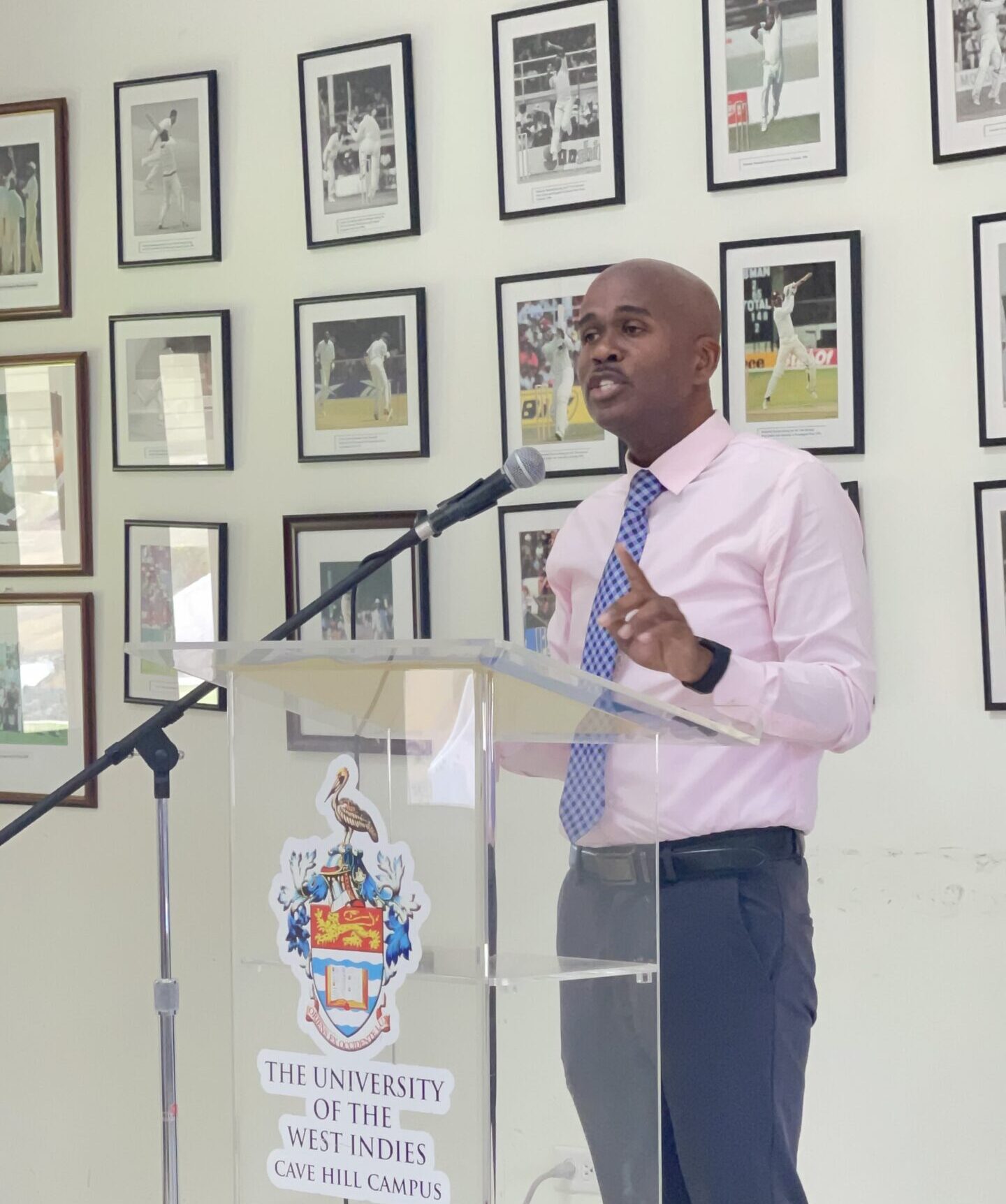
    Against a backdrop of growing concern over rising youth violence, increasing encounters with the justice system, and shifting social pressures reshaping adolescence for Barbadian boys, the Social Empowerment Agency (SEA) launched a targeted all-male workshop for 12 to 16-year-olds Thursday at the 3Ws Pavilion on the Cave Hill campus of the University of the West Indies.

    Titled *The Blueprint: Designing the Man You Want to Be*, the initiative brought together cross-sector experts ranging from local law enforcement and drug counselling specialists to healthcare providers, legal representatives, probation officers and educators. The collective goal is to arm at-risk young males with practical tools to navigate an increasingly complex and risky social landscape that looks far different than it did just a generation ago.

    SEA Deputy Chairman Carl Applewhaite explained that the workshop was intentionally designed to create a judgment-free, safe space where young men can feel seen, supported, and heard, aligned with the agency’s community-centered mission. Drawing a connection to local Barbadian culture, he noted that the agency’s acronym SEA sounds identical to the Bajan phrase “we see you” — a core promise from the prime minister that the social service body would remain rooted in local identity and priorities.

    Applewhaite emphasized that the challenges facing young Barbadians have shifted dramatically in recent years, requiring a new approach to intervention. “We are fighting a different fight in 2026 than we did years ago,” he said, pointing to escalating peer pressure, worsening mental health crises, a widespread scourge of violence, and a host of overlapping stressors that disproportionately harm young male adolescents. The workshop forms part of a broader systemic effort to address the root causes of youth delinquency, rather than just responding to its outcomes, with a key objective of dismantling automatic, survival-driven responses that often lead to violent behavior and criminal justice involvement.

    Roseann Richards, Director of SEA’s Social Care Delivery and Support Directorate, added that the workshop marked the conclusion of the agency’s five-part stakeholder workshop series, developed specifically in response to alarming local trends involving adolescent boys. She noted the timing of the event is particularly critical, as Barbados has recorded a steady increase in the number of boys under 18 coming into conflict with the law.

    Drawing on decades of experience working with local children and families, Richards voiced deep concern over growing disconnection among many young boys, noting a troubling pattern of disengagement from family, community social structures, formal education, and positive extracurricular activities such as sports and community groups. She also highlighted rising rates of harmful behavior among underage males, including underage smoking and drinking, and peer bullying. Richards urged participants to reject rigid, harmful stereotypes of masculinity that force young men to suppress their emotions, encouraging them to open up to trusted adults about feelings of happiness, sadness, and frustration rather than bottling up their experiences. She stressed that consistent access to positive role models and strong mentors is critical to guiding boys through a healthy transition to adulthood.

    Jakeem Sealy, a social worker in SEA’s Child Care Unit, reiterated that the initiative was tailored specifically to the unique, on-the-ground realities facing young male Barbadians. “We recognise and understand that in Barbados, as we are all aware, the crime rate among boys 18 and under is extremely high,” he explained. One core session of the workshop explores the well-documented link between childhood trauma and adverse behavioral outcomes later in life, helping young people connect their past experiences to their current actions. A central takeaway for participants is the message that emotional vulnerability is not a weakness for men: it is okay to cry, feel pain, express sorrow, and seek support, with dedicated safe spaces available in schools and communities for young men to share their experiences without judgment.

    Roger Husbands, founder and chairman of local support organization Drug Education Counselling Services (DECS), focused his contribution on teaching participants how to identify and resist unhealthy social influences. He explained that while some peer pressure can be positive, much of what pushes young men toward harmful behavior goes unrecognized, and the workshop helps boys clearly distinguish between positive and negative pathways. Husbands encouraged participants to trust their own judgment and take ownership of their paths, noting “You don’t have to follow the path, you can be your own lone wolf.”

    Presenter Paul “Ras Simba Akoma” Rock led a session focused on redefining masculinity and teaching practical emotional self-control. He challenged the common cultural narrative that frames violence as a core trait of manhood, explaining that true strength means having the capacity for violence but intentionally choosing non-violent responses. Rock emphasized the importance of teaching young men to recognize their personal emotional triggers, understand when their emotions are out of balance, and develop practical strategies to regulate their responses — a critical skill in a cultural environment that often normalizes and glorifies chaotic violence. “If we want to prepare boys to be men, we have to let them understand their own capacities to be violent and to control it in the midst of an environment that sort of encourages chaotic violence and representations of that violence,” he said.

    Unlike traditional intervention programs that rely on one-sided lectures, the workshop is structured around a collaborative “shoulder-to-shoulder” engagement model that encourages open discussion and participation. Core topics covered include the link between child maltreatment and brain development, digital safety, navigating peer pressure, rethinking harmful norms of masculinity, and improving mental health outcomes. Per SEA’s program outline, overarching goals include helping participants identify their personal emotional triggers, dismantle harmful stereotypes about manhood, resist negative peer and online influences, understand the long-term consequences of their choices, and build healthy habits for digital engagement. Ultimately, officials say the program seeks to empower adolescent boys to move beyond being passive followers of destructive social norms and grow into proactive, engaged young men who contribute positively to their families and communities across Barbados.

  • Tourism posts strong growth in 2025, driven by higher occupancy, revenue

    Tourism posts strong growth in 2025, driven by higher occupancy, revenue

    Barbados’ tourism sector closed out 2025 with robust, broad-based growth, fueled by swelling international visitor demand, climbing hospitality pricing, and targeted industry investment that reinforced the sector’s position as the island nation’s primary economic engine, according to the Barbados Hotel and Tourism Association (BHTA).

    In his annual general meeting address, BHTA CEO Senator Ryan Forde highlighted the industry’s remarkable resilience in the face of ongoing global economic volatility, noting that tourism has anchored 19 consecutive quarters of national economic expansion. A deep dive into 2025 performance metrics reveals consistent gains across all key industry indicators: hotel occupancy climbed from 63.8% in 2024 to 65.2% last year, while the average daily room rate (ADR) jumped 13.7% from $631.81 to $718.19. This combination of higher occupancy and stronger pricing pushed revenue per available room (RevPAR) – a critical benchmark for hospitality performance – up nearly 16% year-over-year, from $40.79 to $487.17.

    Targeted efforts to boost visitation during the traditional low summer shoulder season also delivered tangible results. Average occupancy between May and October hit 55.2%, a 2.9% improvement over 2024, with only September recording occupancy below the 50% threshold. “Tourism is built on the full visitor experience, not any single offering,” Forde said. “We will continue to lead the nation’s growth as we balance an unprecedented wave of new developments, property refurbishments, and experience upgrades, all while navigating ongoing global geopolitical tensions.”

    Beyond core performance gains, the BHTA rolled out several transformative industry initiatives in 2025. The flagship project is the new Bajan Harvest Hub, developed with funding from a competitive regional grant awarded through Compete Caribbean. Led by BHTA’s Greg Alleyne, the hub operates as a coordinated, climate-resilient, demand-driven supply network that connects local farmers and packing facilities directly to hospitality buyers via structured planning and digital tools, fundamentally strengthening linkages between the agriculture and tourism sectors.

    The association also completed a full rebranding and expansion of the BHTA Tourism Fund, a program first launched in the early 2000s. Under the leadership of project lead Sade Deane, the overhaul expanded the fund’s eligibility to cover all BHTA membership categories, resolving longstanding issues around brand alignment and low participation. In community outreach, the association launched the Adopt-A-School Futsal Tournament, spearheaded by Tessalee Moore and Rianna Taylor. The event brought industry stakeholders together in the slow period following the annual Crop Over festival, raising more than $30,000 to fund critical school supplies and infrastructure including water tanks, projectors, fans, and football nets.

    Membership growth also reflected the BHTA’s expanding influence, with 39 new organizations joining the association in 2025. Forde projected further membership expansion in 2026, driven by the upcoming opening of three major new hospitality properties: Hotel Indigo, Royalton Vessence Barbados, and the Blue Monkey Hotel and Beach Club. He credited the association’s aggressive advocacy work for both strong retention and new recruitment, noting that efforts have already secured partial policy wins in the national government budget. The budget reallocated oversight of the car rental industry to the Ministry of Tourism and International Transport, enabling the sector to access specialized support, while standalone restaurants secured enhanced concessional assistance to improve their global competitiveness. “I say partial because we are still working through the operational details of these changes with the Ministry of Finance,” Forde explained. “We are hopeful that the minister and his team can finalize the guidelines and launch implementation early this quarter.”

    Over the past year, the BHTA also prioritized aggressive international destination marketing, sending delegations to nine major global trade shows across the United Kingdom, the U.S., Canada, Europe, Latin America, and the Caribbean. A high-level delegation including Forde, representatives from Barbados Tourism Marketing Inc. (BTMI), and private sector operators attended the TEAMS Sports Tourism Conference in Ohio, where the team secured promising leads for destination-based sporting events across volleyball, wrestling, futsal, and cheerleading. Forde confirmed that Barbados has already won the bid to host the 2027 World Bridge tournament in September 2025, an event expected to draw between 2,500 and 4,000 international attendees.

    At the World Travel Market in London, U.K. travel operators reaffirmed Barbados’ position as a top destination in its market segment, praising the hundreds of millions of dollars in ongoing investment in property renovations and new hotel developments. In a major regional win, a joint bid by the BHTA, BTMI, and Barbados’ Ministry of Tourism secured hosting rights for the 2026 Caribbean Hospitality Industry Exchange Forum (CHIEF), CSHAE, and Taste of the Caribbean in November 2026, as well as Marketplace 45 in May 2027.

    The BHTA also saw explosive growth in its digital and public outreach in 2025: total social media impressions hit 3,749,067, a 210.1% year-over-year increase, while total follower count across Facebook, Instagram, and the newly launched professional LinkedIn page grew 30% to more than 14,000.

    Looking ahead to 2026 and beyond, Forde acknowledged that headwinds including rising oil prices, airline industry volatility, and geopolitical tensions have introduced some uncertainty for both consumer and business spending. But he emphasized that the sector’s collective approach positions it to continue growing. “External pressures build year after year, but the resilience of the Barbados economy is rooted in the strength of our people,” Forde said. “An individualistic ‘I’ or ‘me’ mindset cannot survive tough times in a dynamic industry like tourism. Instead, we rely on a collective ‘we’ and ‘us’ mindset, as we face challenges and seize opportunities together… The Decade of Change continues.”

  • Tourism growth continues with strong arrivals, industry transition

    Tourism growth continues with strong arrivals, industry transition

    Barbados’ tourism sector has cemented its robust post-pandemic rebound, with record-breaking visitor numbers and soaring hotel revenue outperforming many competing Caribbean destinations. However, this positive momentum is tempered by growing industry tensions, as outgoing and incoming leadership of the Barbados Hotel and Tourism Association (BHTA) warn of exploitative practices from major global online travel platforms that threaten the long-term profitability of local accommodation providers.

    Newly released industry data confirms that 2025 closed with 727,310 long-stay visitors and 817,950 cruise passenger arrivals, marking a steady climb back to pre-pandemic visitation levels. This upward trend has carried into the first quarter of 2026, with the island already logging 214,944 stayover guests and 473,960 cruise visitors through March. Global hotel industry analytics firm STR reports that while occupancy rates saw a small year-over-year dip between January and March 2026, average daily room rates (ADR) jumped 16.4%, pushing revenue per available room (RevPAR) up 12.5% overall. The strong results prove the island’s ability to command premium pricing in a crowded luxury travel market.

    The performance announcement coincided with the final address of outgoing BHTA chairman Javon Griffith, who will step down from the role on July 1 after 22 years working in Barbados’ hospitality industry. In his closing remarks, Griffith emphasized that tourism is far more than an economic driver for the island nation: it is a core reflection of Barbadian identity, he argued, showcasing local warmth, creativity, and resilience to global visitors. He credited the strong visitor numbers and revenue gains to the collective work of every BHTA member, noting that Barbados has positioned itself to compete on quality rather than cutthroat pricing – a strategy that is clearly paying off.

    Supporting this growth trajectory is an expanded airlift schedule for the upcoming 2026/27 winter travel season, which runs from October 2026 through April 2027. Across 20 partner airlines, Barbados will offer more than 1.1 million total seats across 8,264 incoming flights. The United Kingdom remains the largest long-haul source market, accounting for 32.3% of total capacity (358,732 seats) led by major carriers British Airways and Virgin Atlantic. The U.S. will contribute 192,402 seats, while Canada adds 110,316 seats, boosted by a new Air Canada route out of Halifax. Regionally, the Caribbean holds the largest overall share of seat capacity at 34.6% (383,608 seats), with interCaribbean Airways and Caribbean Airlines strengthening intra-regional connectivity. Emerging source markets are also gaining traction: Germany’s Condor has allocated 31,000 seats for the season, and Copa Airlines has expanded its Panama-Barbados corridor by 31.2% to tap into growing Latin American visitor demand.

    This expanded air access has paired with a wave of private sector reinvestment and new hotel development across the island. The Royalton Vessence Barbados, constructed on the site of the old Discovery Bay Hotel, opened a full month ahead of schedule and has already emerged as a major success story for the sector. Multiple other properties are advancing renovation and reopening plans: Turtle Beach Resort welcomed guests starting June 1, Tamarind Resort is scheduled to resume operations on August 1, and large-scale transformation projects are ongoing at Pendry Barbados, Hyatt Ziva Barbados, and Beaches Barbados. The entire Marriott Barbados Collection is on track to fully reopen by the end of summer 2026, adding 605 fully renovated rooms and suites to the island’s accommodation stock.

    Despite the overwhelmingly positive outlook, BHTA leadership is sounding the alarm over growing challenges from online travel distribution, specifically targeting global booking giant Booking.com. The association accuses the platform of leveraging its dominant market position to impose unsustainable commission rates and lopsided commercial terms on local hotels, with penalties including reduced visibility and lower search ranking for properties that refuse to comply. To push back against these practices, the BHTA has rolled out a four-part strategic response: it is urging all member properties to carefully audit any new contractual terms from the platform, accelerating investment in direct booking technology to reduce reliance on third-party intermediaries, building a unified regional coalition with other Caribbean tourism destinations including Grenada, and engaging the Barbadian government to review whether the platform’s practices violate local fair competition regulations.

    Griffith stressed that the BHTA’s stance is non-negotiable: “We will not stand by while the commercial foundations of this industry are quietly eroded by any single platform, however large, however globally indispensable it may appear. Commission structures must not become the mechanism by which a global technology company quietly extracts the profitability from the very businesses it purports to support.”

    In addition to the platform dispute, the BHTA is calling on Barbados’ Ministry of Finance and Barbados Revenue Authority to release immediate clear guidance on duty-free concession processes for local car rental operators, which are expecting new replacement vehicle fleets to arrive later this month.

    As Griffith prepares to hand over the leadership role – a position he held as the youngest chairman in BHTA history – he reflected on his decades in the industry, calling his tenure as BHTA chairman the greatest professional honor of his career. He passed the role to Kelly-Ann Payne, multi-property human resources director for the Marriott Barbados Collection, with a message of confidence: “The torch now passes to new leadership. And I pass it with immense pride, with complete confidence and with the absolute, unshakeable certainty that the greatest chapter in Barbados tourism has not yet been written. It is still ahead of us.”

  • Straughn urges investors to unlock Caribbean wealth, resilience

    Straughn urges investors to unlock Caribbean wealth, resilience

    Speaking at the opening session of the Caribbean Economic Forum on Thursday, Barbados Finance Minister Ryan Straughn issued a urgent call for stronger, unified collaboration to unlock regional domestic capital and draw high-value international investment, framing the push as a non-negotiable step to close the persistent gap in investment returns between the Caribbean and developed global markets and deliver shared, long-term prosperity for regional residents.

    Straughn outlined a stark, long-overlooked economic disparity shaping the region’s growth prospects: while Caribbean households maintain among the highest savings rates in the Americas, the investment returns generated from those savings regularly fall to less than half the levels that investors in North American and European markets routinely enjoy. To address this inequity, he argued that regional financial and governance institutions must overhaul their collaborative frameworks to more effectively aggregate and mobilize local savings, ensuring Caribbean citizens can access the same equitable financial rewards that investors in other advanced jurisdictions take for granted.

    “We have a duty to work alongside regional institutions to mobilize regional savings and direct them toward productive local investment, so that Caribbean people can earn returns equal or comparable to what their counterparts see elsewhere,” Straughn told attendees. “Given our region’s unique history of economic disenfranchisement, we would be failing every one of our citizens if we do not build this functional, inclusive mechanism for economic empowerment.”

    The finance minister emphasized that building broad economic resilience across the region cannot be separated from delivering direct, tangible benefits to ordinary working people. Creating a stable, transparent regulatory and policy ecosystem to attract reputable international financial partners, he explained, is not just a goal for policymakers—it is the foundation for unlocking untapped local talent and nurturing intergenerational prosperity.

    “Generating durable wealth that can be passed from one generation to the next is a core pillar of building long-term societal and economic resilience for all people,” he said. “Every policy decision we make must be deliberate and intentional, because the future of our citizens and the future of the entire Caribbean depends on us building that right ecosystem to attract the right partners to work alongside our communities.”

    Highlighting Barbados’s own progress in fiscal reform as a proof of concept for regional action, Straughn announced that the country has cut its national debt-to-GDP ratio dramatically in recent years, dropping from a peak of 178% to 93.3% by the end of March 2024. He noted that if not for widespread economic disruptions triggered by the COVID-19 pandemic, the ratio would have already fallen to 84%, a milestone that has created new fiscal space to develop safe, high-impact investment assets that blend private capital, multilateral development bank funding, and philanthropic resources.

    Turning to pressing regional challenges, Straughn zeroed in on the rapidly rising cost of climate-related reinsurance, a burden that he says is disproportionately siphoning much-needed capital out of the Caribbean. The region, which sits on the frontline of accelerating climate change impacts, has seen premiums surge in recent years as global insurance pools reallocate capacity to high-risk markets in places like Florida and California. Straughn urged global insurance industry leaders and private sector stakeholders to partner with the region to redirect a share of these annual premium payments into critical climate-resilient regional infrastructure, including renewable energy projects, water security systems, and upgraded transportation networks.

    “We feel climate change first-hand here on the frontline, but we also feel it directly on our national balance sheets, as insurance premiums climb higher year after year,” Straughn said. “Redirecting a portion of these premium flows into strategic investment will be critical to unlocking the capital we need to solve our most pressing challenges, from energy access to water security to transportation and beyond.”

    Innovation in sustainable industry remains a central pillar of Barbados’s national economic strategy, Straughn added, pointing to emerging projects across the country’s iconic rum sector and agricultural industry as proof of concept. He highlighted an innovative initiative led by Sargassum that converts invasive seaweed waste into low-carbon biofuel, a project designed to insulate the Barbadian and broader Caribbean economy from volatile global oil prices and disruptive geopolitical shocks that roil energy markets.

    Straughn closed by framing the Caribbean Economic Forum as a platform for tangible, deal-driven action rather than empty discussion, positioning the gathering as a key complement to the broader Bridgetown Initiative, which advocates for sweeping reform of the global international financial architecture to better support vulnerable developing nations.

    “This is not a talk shop,” Straughn said of the forum. “It is a space for us to stand together with a firm commitment to solving problems on behalf of the Caribbean people. Sharpen your pencils, and let’s get these deals done for the benefit of all our communities.”