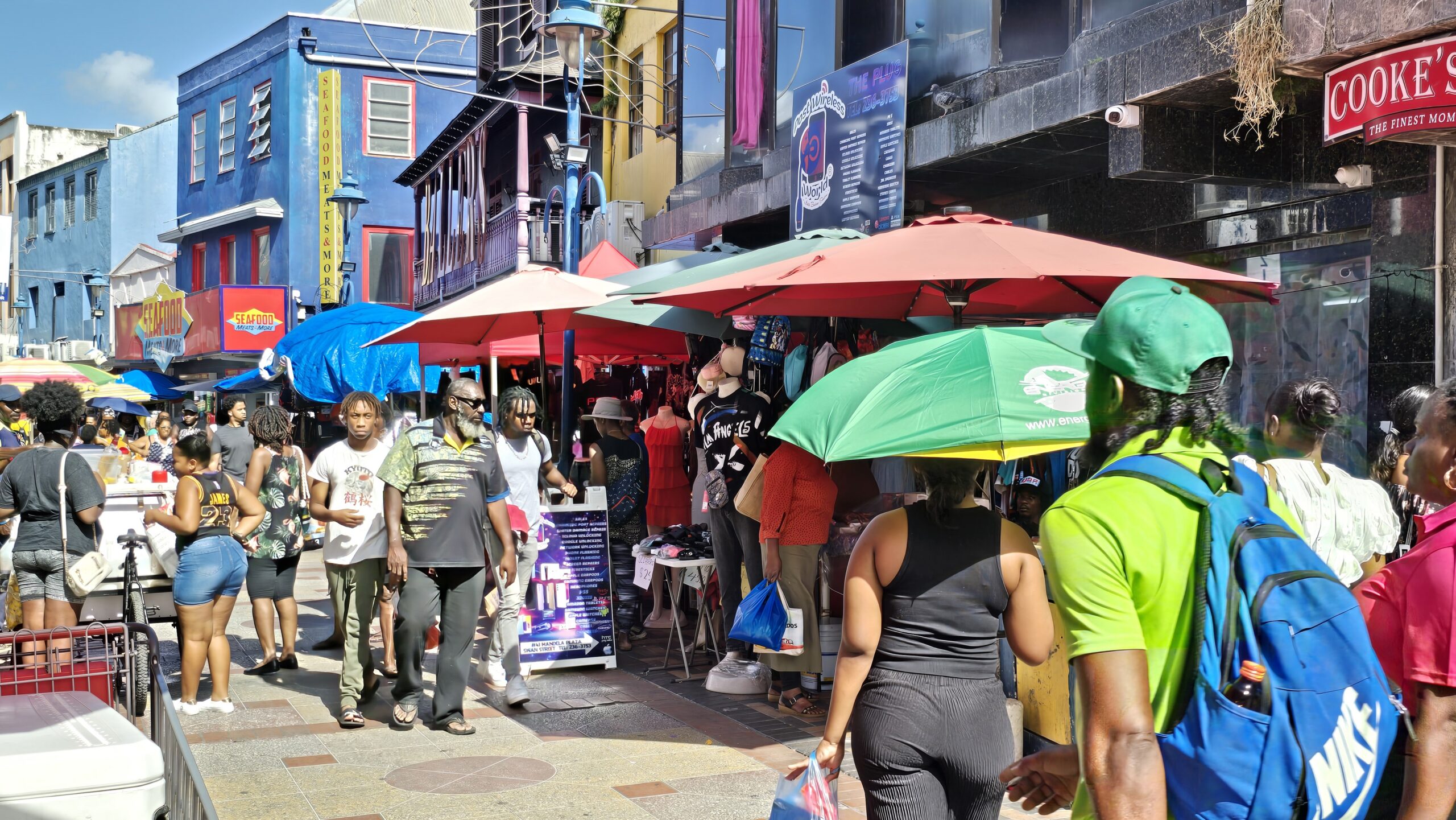
As families across Barbados gear up for the upcoming academic year, Bridgetown’s retail sector is facing mounting financial pressure that is forcing business owners to pass higher costs on to consumers, local outlet Barbados TODAY has confirmed. With the new school year set to kick off in just two weeks, charitable organizations have already recorded a sharp spike in requests for financial support to cover the cost of essential back-to-school supplies, a trend that underscores the growing strain on household budgets across the island.
Two local retail owners have opened up about the ongoing challenges of balancing competitive pricing with crippling import costs that have climbed steadily over the past half-decade. Tamasia Yearwood, who operates 28 Deluxe and 28 Fabway, and Keann Walters, head of Jireh Styles and Fashion, both explained that rising freight, customs clearance, and day-to-day operational expenses have left them with little choice but to adjust product prices to stay afloat.
Yearwood noted that import costs have risen gradually over the past five years, with total expenses fluctuating based on a range of factors including the origin of goods, the selected shipping provider, and the time of year. Beyond freight charges, she pointed to dramatic increases in customs brokerage and clearance fees across Barbados that have added thousands of dollars in annual overhead for small retailers.
“Shipping and customs clearance in Barbados have gone up tremendously across the board. Every service provider has raised their rates, and while we try to absorb as much of that increase as we can to keep prices affordable for shoppers, there comes a point when we have to pass some of that cost on,” Yearwood explained. She added that commercial rent in central Bridgetown remains notoriously high, and most leases do not cover utility costs, leaving business owners to cover thousands in extra expenses each month that must be factored into product pricing.
Yearwood also highlighted the trade-offs retailers face between cost and delivery speed. While sea freight is far more affordable than expedited shipping options, it can take up to two months for orders to arrive. During peak shopping seasons like back-to-school, businesses often have no choice but to pay a premium for faster shipping to keep shelves stocked, adding even more to total import costs.
Walters, who sources wholesale inventory from suppliers in Los Angeles, New York, and China, echoed these concerns, pointing to global oil price volatility as a core driver of rising supply chain costs that impact every stakeholder from manufacturers to end consumers.
“Once oil prices go up, every part of the supply chain feels that increase. Freight goes up, wholesale suppliers raise their prices, and by the time the product reaches us as small wholesale buyers, that cost increase has been passed all the way down the line,” Walters explained. She noted that while wholesale sticker prices can appear low, the total cost of getting goods into Barbados and ready for sale often pushes the final cost far higher than consumers expect. For example, a pair of tights purchased wholesale for $3 can end up retailing for $25 once all associated costs are factored in.
These additional overhead costs go far beyond freight and wholesale purchase prices, Walters explained. Local retailers are also responsible for covering customs duties, brokerage fees, commercial rent, staff wages, National Insurance contributions, bank processing fees, and utility bills, all of which have increased in recent years.
Walters also pushed back on common consumer comparisons between local retail prices and cheaper online listings, pointing out that most online shoppers do not purchase goods in bulk and are not responsible for the full suite of commercial import fees that local retailers pay. “Consumers see a $4.99 item online and wonder why we charge so much more, but they don’t account for the fact that we import in bulk, pay thousands in fees before the product even reaches our store, and cover all the ongoing costs of running a physical retail business,” she said. “We can be out thousands of dollars before we even sell a single item, and we have to recoup that cost through sales.”
Another growing challenge for local brick-and-mortar retailers is the rising popularity of personal online import shopping, Walters added. Current Barbados tax policy sets an effective total duty and VAT rate of over 100% for commercial clothing imports, which is far higher than rates in neighboring Caribbean countries. As more consumers learn to import their own goods directly from overseas suppliers, local retailers have lost a significant share of sales, even as peak seasons like back-to-school and Christmas continue to deliver strong demand for in-person shopping.
Yearwood also raised concerns about inconsistent and costly clearance processes for goods imported through the island’s airports, echoing complaints from dozens of other Bridgetown retailers interviewed by Barbados TODAY. Multiple business owners reported that import costs in Barbados are significantly higher than in other regional economies, creating an uneven playing field for local small businesses.
A comparison of regional tariff policies confirms these reports. According to Barbados’ official Electronic Trade System, clothing falls under tariff chapters 61 and 62, with a standard 17.5% VAT added on top of applicable customs duties. By comparison, Trinidad and Tobago charges a 20% customs duty on new clothing with a 12.5% VAT, The Bahamas applies a 20% duty and 7.5% VAT to standard taxable clothing imports, and Jamaica’s combined charges for most clothing remain lower than Barbados’ total effective rate.