标签: Barbados

巴巴多斯

  • Phillips calls for greater support for St Lucy farmers

    Phillips calls for greater support for St Lucy farmers

    In a comprehensive address to Parliament on Tuesday, Peter Phillips, Member of Parliament for St Lucy, issued a multi-faceted appeal for enhanced development in Barbados’ northern region. The parliamentarian positioned agricultural support as a national security priority, emphasizing that strengthening St Lucy’s farming sector—traditionally regarded as the island’s bread basket—is essential for Barbados’ food security strategy amid global supply chain disruptions caused by international conflicts.

    Phillips welcomed government progress on resolving chronic water issues through advanced mains-laying infrastructure but criticized inadequate road restoration following utility works. He simultaneously challenged the perceived inequity in national development projects, noting St Lucy’s exclusion from planned athletic track construction while other regions received investment.

    The MP’s most detailed proposals concerned Archers Bay, which he described as a neglected asset with untapped economic potential. Phillips highlighted how the area naturally attracts weekend crowds—including buses, church groups, and families—yet lacks basic amenities. He proposed installing hard courts and supporting infrastructure to transform the space from what he called ‘a pasture with painted spots’ into a vibrant recreational hub that would generate income for local vendors.

    Phillips warned that without immediate investment, declining visitor numbers could hurt local economies dependent on weekend traffic. He urged accelerated action, insisting resources are available and implementation shouldn’t ‘take forever.’

  • Ishmael outlines vision for a healthier nation, declares NCD war

    Ishmael outlines vision for a healthier nation, declares NCD war

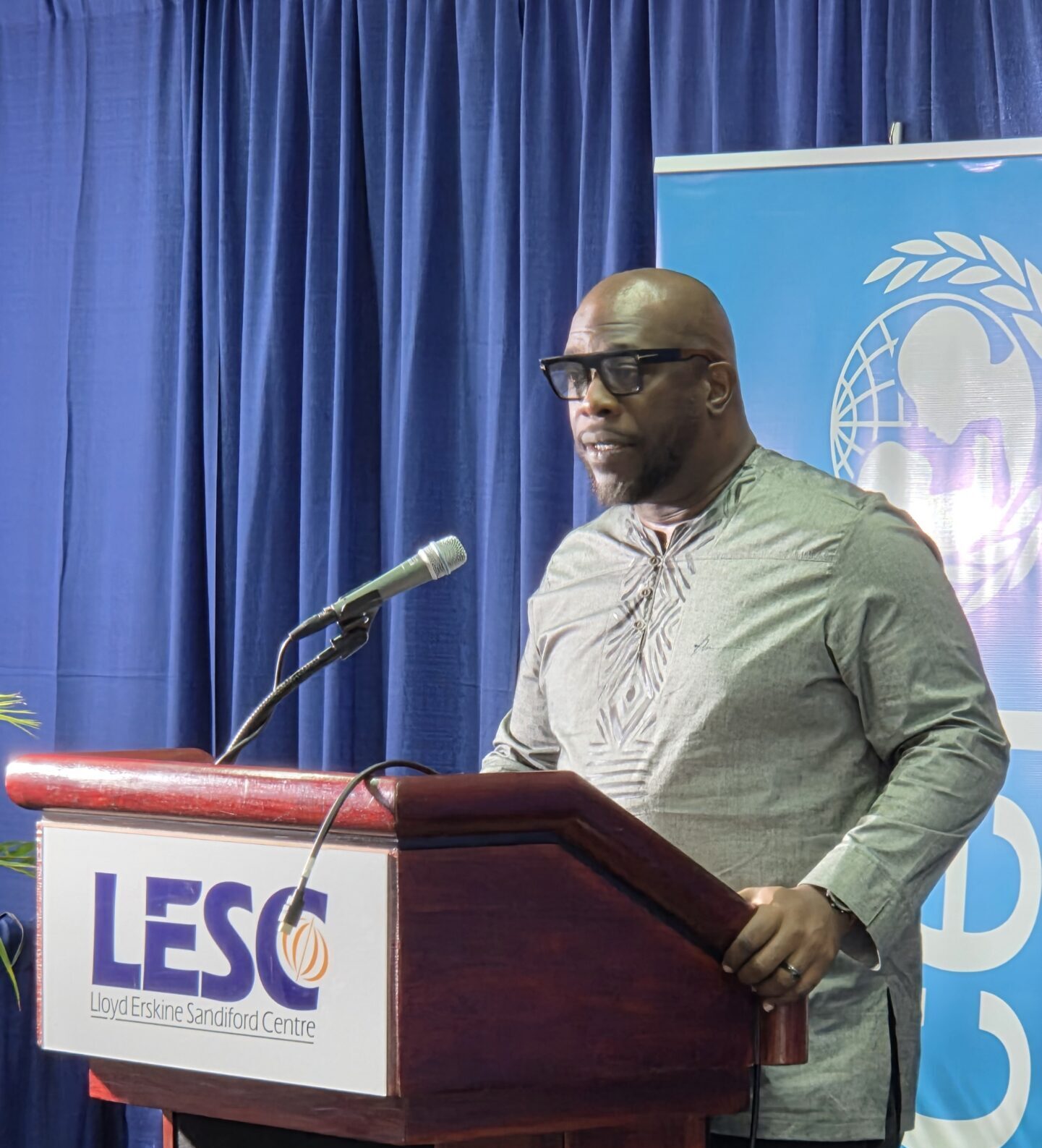
    Barbados is embarking on a radical transformation of its national healthcare system, with Minister of State Davidson Ishmael announcing a comprehensive strategic overhaul during the Budget debate. The government is allocating over $395 million to shift from a reactive, hospital-centric model to a proactive, community-based wellness approach, marking a significant reprioritization of public health infrastructure.

    A cornerstone of this initiative is the full implementation of a nationwide Health Information System, designed to eliminate longstanding inefficiencies. Minister Ishmael directly addressed the persistent issue of misplaced patient notes and canceled procedures, vowing to make physical record losses obsolete by 2026. This digital modernization will enable seamless patient data transfer across healthcare facilities, remote appointment management, and data-driven policy formulation through advanced analytics.

    Substantial capital investments include a monumental $400 million expansion of the Queen Elizabeth Hospital (QEH), increasing its capacity by 40% with dedicated burns and oncology units. Simultaneously, $185 million is earmarked for upgrading polyclinics into comprehensive Community Health Service hubs, bringing specialized care closer to residential areas.

    The minister declared a “frontal assault” on non-communicable diseases (NCDs), which account for approximately 83% of adult fatalities in Barbados. Citing these as largely preventable conditions linked to lifestyle factors, Ishmael revealed the staggering economic impact—$375 million to $825 million annually spent on NCD treatment. Reducing this burden would free hundreds of millions for reinvestment in education, agriculture, and infrastructure.

    Ishmael challenged citizens to increase physical activity, setting a national target of 10% reduction in inactivity by 2030. While praising budget allocations, he advocated for more aggressive policies making nutritious foods more affordable and accessible, pledging collaboration with the Ministry of Finance to expand the “healthy basket of goods” program.

    The minister also highlighted critical mental health services, revealing that Lifeline Barbados’ 24-hour hotline has fielded over 12,000 calls since inception. He issued a direct appeal to Barbadian men to abandon poor health-seeking behaviors and prioritize preventive screenings rather than waiting for critical health emergencies.

    Framing healthcare as the foundation of national prosperity, Ishmael concluded that “the health of a nation is the wealth of its nation,” positioning this comprehensive reform as essential for Barbados’ future development.

  • Barbadian surgeon offers specialist urology consultations at Bayview Hospital this March

    Barbadian surgeon offers specialist urology consultations at Bayview Hospital this March

    In a significant development for Barbados’ healthcare landscape, Bayview Hospital announces a specialized urology clinic from March 24-26, 2026, featuring London-based consultant Dr. Jonathan Noël. The distinguished Barbadian urological and robotic surgeon from Guy’s and St Thomas’ NHS Foundation Trust will offer comprehensive consultations addressing prostate health, kidney stones, and urinary conditions that frequently remain untreated.

    Dr. Noël’s homecoming represents more than mere medical consultation—it embodies a dedicated mission to bridge healthcare disparities. Having completed advanced training in the UK and United States following his education at the University of the West Indies, the surgeon brings specialized expertise particularly relevant to Caribbean patients. His extensive experience working with diaspora communities in South London provides unique insights into prostate health patterns affecting Caribbean and West African populations.

    The initiative addresses a critical health emergency: prostate cancer ranks as the predominant male cancer throughout the Caribbean, with alarming increases among men under 50. Dr. Noël emphasizes the clinic’s focus on reaching previously underserved populations, particularly those hesitant to initiate conversations about urological health. ‘Many patients delay discussions due to apprehension,’ he notes, ‘yet early engagement fundamentally transforms outcomes.’

    Beyond prostate screening, the clinic provides diagnostic services for kidney stones, hematuria, and urinary incontinence—including specialized attention for female patients. Dr. Noël advocates strongly for proactive intervention: ‘Addressing minor concerns promptly prevents them from evolving into complex medical challenges.’

    The three-day program offers PSA blood testing, results interpretation, and personalized management plans. Perhaps most significantly, it creates a judgment-free environment where patients can discuss sensitive health issues without time constraints—an opportunity rarely available in standard medical appointments.

    With Caribbean cancer rates escalating and diagnoses occurring at progressively younger ages, this initiative represents a timely intervention in regional healthcare. Appointments can be scheduled through Bayview Hospital’s patient care coordination team.

  • Govt to expose hidden company owners with new beneficial ownership register

    Govt to expose hidden company owners with new beneficial ownership register

    In a decisive move to enhance financial transparency, the Barbadian government has approved a comprehensive policy to establish a national beneficial ownership registry. Finance Minister Ryan Straughn announced this landmark initiative during his budget presentation, positioning Barbados at the forefront of global efforts against illicit financial activities.

    The registry will specifically target identifying the ultimate human beneficiaries behind corporate entities—those who exercise final control over company assets and profits, regardless of who appears on official documentation as legal owners. This distinction is crucial for piercing through complex corporate veils and shell company arrangements that obscure true ownership.

    Minister Straughn emphasized the critical importance of this transparency mechanism for combating money laundering, tax evasion, and terrorist financing. “Understanding who ultimately controls companies is fundamental to strengthening our regulatory framework and corporate governance standards,” he stated.

    The implementation will occur through a carefully structured three-phase approach. Initial efforts will focus on legislative reforms, including drafting appropriate sanctions, penalties, and provisions for information sharing with international authorities. Subsequently, the government will develop secure digital infrastructure to safeguard sensitive data against cyber threats and unauthorized access.

    A specialized business compliance unit will be established to assist micro, small, and medium-sized enterprises—numbering over 10,000—that lack corporate service providers. The government has set a target of May 2027 for full operationalization of the framework, which will enhance both domestic oversight and international cooperation capabilities.

  • Baby bonus: New grant for twins, triplets, more

    Baby bonus: New grant for twins, triplets, more

    The Barbadian government has unveiled two significant social welfare programs aimed at supporting child-rearing costs and long-term financial security for families. Finance Minister Ryan Straughn announced these initiatives during his budget presentation, marking a substantial investment in the nation’s youth.

    Effective April 1st, families with multiple births will receive monthly cash grants without means testing. The program provides $300 monthly for twins under age five and $600 monthly for triplets or higher-order multiples within the same age bracket. This direct financial assistance is designed to alleviate the substantial costs associated with raising multiple children simultaneously.

    Concurrently, the government is establishing the groundbreaking Barbados Republic Child Wealth Fund, fulfilling an election campaign promise. The fund will provide every child born in Barbados on or after November 30, 2021, with a $5,000 birthright investment. Minister Straughn revealed that $52.1 million has been allocated initially, with anticipated annual costs of $10-12 million based on current birth rates.

    The investment fund will be legally protected and managed by an independent government entity. Resources will be invested in diversified portfolios including real assets, bonds, equities, and other funds with individual beneficiary accounting. Eligibility extends to Barbadian citizens by birth, descendants of Barbadian public officials working abroad, and descendants of ordinarily resident Barbadians.

    Withdrawal conditions require maintaining connections to Barbados, including minimum ten-year residency before age 18 or special status for children of government workers born abroad. Proceeds are specifically designated for education or housing investments within Barbados.

    The enabling legislation is scheduled for introduction later this year, coinciding with significant national anniversaries including the fifth republic anniversary and sixtieth independence anniversary. This comprehensive approach represents one of the Caribbean’s most progressive child welfare initiatives, addressing both immediate financial pressures and long-term economic security.

  • Flyovers in the works to ease traffic congestion, says Straughn

    Flyovers in the works to ease traffic congestion, says Straughn

    In a substantial policy reversal, the Barbadian government has officially reinstated flyover construction as a central component of its national infrastructure agenda. The announcement, delivered by Finance Minister Ryan Straughn during Monday’s budget presentation, signals a return to a transportation strategy initially conceived nearly two decades ago.

    The administration revealed it has recommenced negotiations with the original contractor engaged prior to the 2008 general election to design and construct overpasses along the critically congested ABC Highway. Minister Straughn confirmed that Cabinet authorized this re-engagement last Thursday, noting that the company had already completed comprehensive design work for the proposed overpass network.

    This decision represents a revival of infrastructure planning first initiated under former Prime Minister Owen Arthur’s administration in 2006, which was subsequently abandoned following the 2008 governmental transition. Straughn sharply criticized this earlier termination, revealing that Barbados paid over $20 million in cancellation damages while failing to implement any alternative traffic management solutions.

    “Some might view this as good politics, but Bajans have paid a heavy price for it,” Straughn asserted. “Today, no alternative solution was put in place. The traffic is choking us everywhere we turn.”

    The comprehensive transportation strategy extends beyond flyover construction to include widening pivotal sections of the ABC Highway, particularly Highway 2A. Minister Straughn contextualized these measures within a historical pattern of inconsistent infrastructure planning, tracing current challenges to decisions made during the highway’s original development in the 1980s.

    Originally conceptualized under Prime Minister Tom Adams as a four-lane corridor connecting the airport to seaport while bypassing Bridgetown, governmental changes resulted in only two lanes being completed by 1989. “Poor decision making and lack of foresight continues to cost our citizens dearly,” Straughn remarked, suggesting Barbados would presently enjoy superior infrastructure had original specifications been maintained.

    Complementing these physical infrastructure projects, the government will launch a nationwide consultation on traffic congestion beginning next week. A series of town hall meetings will commence March 23 at Deighton Griffith Secondary School, with subsequent sessions scheduled for March 25 (Princess Margaret Secondary), March 30 (The St Michael School), and April 1 (Alexandra School). All sessions will convene at 6:30 p.m. with public participation encouraged.

    Minister Straughn positioned these efforts within his party’s legacy of infrastructure planning, while cautioning that delays have substantially increased project costs compared to previous decades. “Don’t forget the significant increase in associated cost of executing those works in today’s money compared to previous periods,” he emphasized.

    The minister concluded with a forward-looking statement: “I really hope we will solve the problem this time, so someone else in 20 years’ time would not be here to make the same point.”

  • Bajans told brace for global recession risk

    Bajans told brace for global recession risk

    Barbados Finance Minister Ryan Straughn has issued a stark warning that the world, including his island nation, faces imminent recession should oil prices escalate to the speculated $200 per barrel threshold. Delivering the national budget address in the House of Assembly, Straughn emphasized that temporary cost-of-living measures implemented by the government provide only limited protection against the coming energy crisis.

    The minister revealed that current economic projections indicate oil prices could skyrocket to between $150 and $200 per barrel if geopolitical tensions continue to intensify. “No matter how you look at it,” Straughn stated, “if any of these scenarios materialize, the world, which includes Barbados, will likely go into recession.”

    Straughn delivered a sobering assessment of the government’s fiscal limitations, declaring: “There’s no fiscal response the Government of Barbados could undertake on its own to absorb the impact if any of these scenarios played out. The mathematics just doesn’t work.” Instead, he called for a comprehensive societal response involving government, households, and private sector cooperation.

    The finance minister outlined specific conservation measures, urging citizens to carpool, combine errands into single trips, and utilize public transportation during peak hours. For electricity conservation, he recommended switching off unused lights and appliances, installing solar lighting where possible, and maintaining air conditioning units at 24-25 degrees Celsius.

    Businesses received directives to audit refrigeration and cooling systems, adopt solar solutions, and reduce energy consumption after operating hours. Straughn emphasized that companies reducing their energy footprint now would gain competitive advantages when prices eventually normalize.

    Highlighting the connection between energy costs and food prices, Straughn encouraged support for local agriculture and domestic food production. “Every dollar kept in the local food economy is a dollar that does not depend on imported fuel to reach our table,” he noted, revealing that Barbados spent $519 million on fuel imports even during the pandemic’s peak lockdowns.

    Despite the grim projections, the minister expressed confidence in national resilience, invoking his grandmother’s wisdom: “God helps those who help themselves.” He concluded that Barbados would overcome the challenges through collective action and shared commitment to energy conservation and local production.

  • New courts to fast-track gun cases, ease legal backlog

    New courts to fast-track gun cases, ease legal backlog

    In a significant move to combat firearm-related crimes and enhance public safety, the Barbadian government has announced the establishment of two specialized gun courts as part of its latest budgetary measures. Finance Minister Ryan Straughn revealed during Monday’s Budget address that these courts will operate on a dual-track system: one court will exclusively handle recent firearms offences, while the second will focus on clearing the substantial backlog of cases predating 2025.

    The specialized judicial approach aims to accelerate trial proceedings and strengthen deterrence against gun violence. Minister Straughn emphasized that “these dedicated gun courts would allow gun-related cases to be heard more quickly and reduce the backlog in the justice system,” acknowledging the Barbados Police Service’s effectiveness in apprehending offenders while recognizing the need for judicial efficiency.

    Complementing these judicial reforms, the government announced substantial fiscal incentives to boost security measures. Beginning next month, CCTV security surveillance systems and burglar alarms will be exempt from customs duties and value-added tax (VAT) on importation or installation. Additionally, from April 1, dashcams and GPS devices will receive duty- and VAT-free status for one year, encouraging widespread adoption among motorists.

    The finance minister urged insurance companies to provide benefits for policyholders who install dashcams, noting that the 2024 policy change ending police response to minor accidents has proven successful. He specified that devices should have a minimum of 30 gigabytes of storage to facilitate accident adjudication.

    Infrastructure improvements include plans for a new police station at Six Roads Civic Centre, representing the initial phase of upgrading accommodations for the Barbados Police Service. The comprehensive package of measures demonstrates the government’s multifaceted approach to addressing crime through judicial reform, technological adoption, and infrastructure enhancement.

  • Accessibility plan welcomed, but disabled council wants seat at the table

    Accessibility plan welcomed, but disabled council wants seat at the table

    Barbados has launched a comprehensive accessibility initiative through its 2026 Budget, marking a potential turning point in disability inclusion efforts. The government has allocated $600,000 for a pilot accessible corridor in Bridgetown, featuring infrastructure upgrades including sidewalk improvements, kerb ramps, and tactile paving to address long-standing mobility barriers.

    The Barbados Council for the Disabled (BCD) has welcomed this development as a significant advancement after advocating for similar improvements for over 15 years through its Fully Accessible Barbados (FAB) Programme. Operations Manager Roseanna Tudor characterized the initiative as ‘a positive shift’ that recognizes accessibility as a national development priority.

    However, the council emphasizes that successful implementation requires structured involvement of persons with disabilities throughout the process. The BCD is urging formal consultation to ensure infrastructure meets international accessibility standards and genuinely addresses community needs. ‘The lived experiences and technical expertise of persons with disabilities are essential,’ Tudor emphasized.

    The budget package includes complementary measures: a $100 monthly cost-of-living credit for Special Needs Grant recipients, a new legal framework for special needs trusts, and an adaptive aquatics program to expand recreational access. These developments coincide with the recent passage of the Rights of Persons with Disabilities Act, creating what the BCD describes as a ‘critical opportunity’ for tangible improvements.

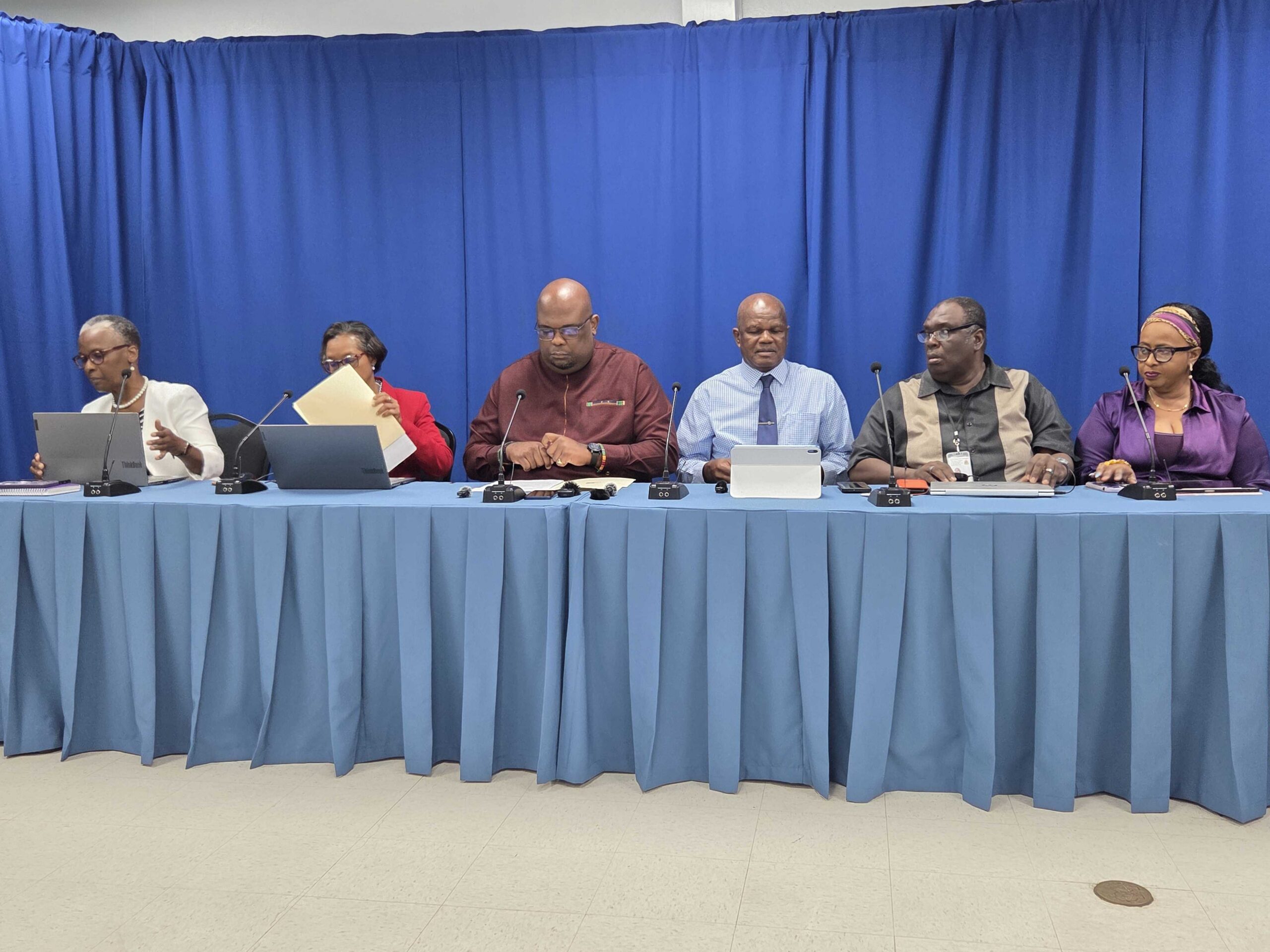
    International partners, including the UN Global Disability Fund, have highlighted the importance of civil society organizations in advancing disability reform in Barbados. The BCD has positioned itself as ready to collaborate with government entities to ensure the pilot project becomes the foundation for broader national transformation, ultimately making Barbados more accessible for all citizens.

  • QEH under strain as bed shortages grow amid rising emergency demand

    QEH under strain as bed shortages grow amid rising emergency demand

    The Queen Elizabeth Hospital (QEH) has issued an urgent appeal to families regarding patient discharges as the institution grapples with severe capacity constraints. Hospital administrators confirmed Tuesday that delayed patient pickups are creating critical bottlenecks, preventing the admission of emergency cases from overwhelmed treatment areas.

    Medical officials report that numerous patients who have been cleared for discharge remain hospitalized due to unresolved transportation or family coordination issues. This congestion directly impacts patient flow throughout the facility, coinciding with a substantial surge in emergency department visits. The A&E unit is experiencing unprecedented demand, with numerous critically ill patients requiring immediate intervention and hospitalization.

    The capacity crisis has resulted in extended wait times and operational delays across multiple departments. While QEH leadership did not specify precise causes for the increased patient volume, recent weeks have witnessed multiple trauma cases including gunshot wounds and stabbing injuries—conditions that typically require extensive medical resources and immediate care.

    Hospital teams are currently implementing coordinated efforts with families and caregivers to accelerate discharge procedures and create capacity for urgent cases. QEH administration emphasized that life-threatening conditions will continue to receive priority treatment, though patients with less critical ailments should anticipate service delays due to current resource constraints.

    For medical guidance, the public can contact the Patient Advice and Liaison Service (PALS) at 536-4800, available daily from 8:00 AM to midnight via standard calls or WhatsApp. The hospital additionally recommends utilizing the Winston Scott Polyclinic’s 24-hour facility or private healthcare providers for non-emergency medical needs.

    Health officials reiterate that timely patient collection remains essential for maintaining operational capacity and ensuring adequate bed availability for critically ill individuals requiring immediate medical attention.