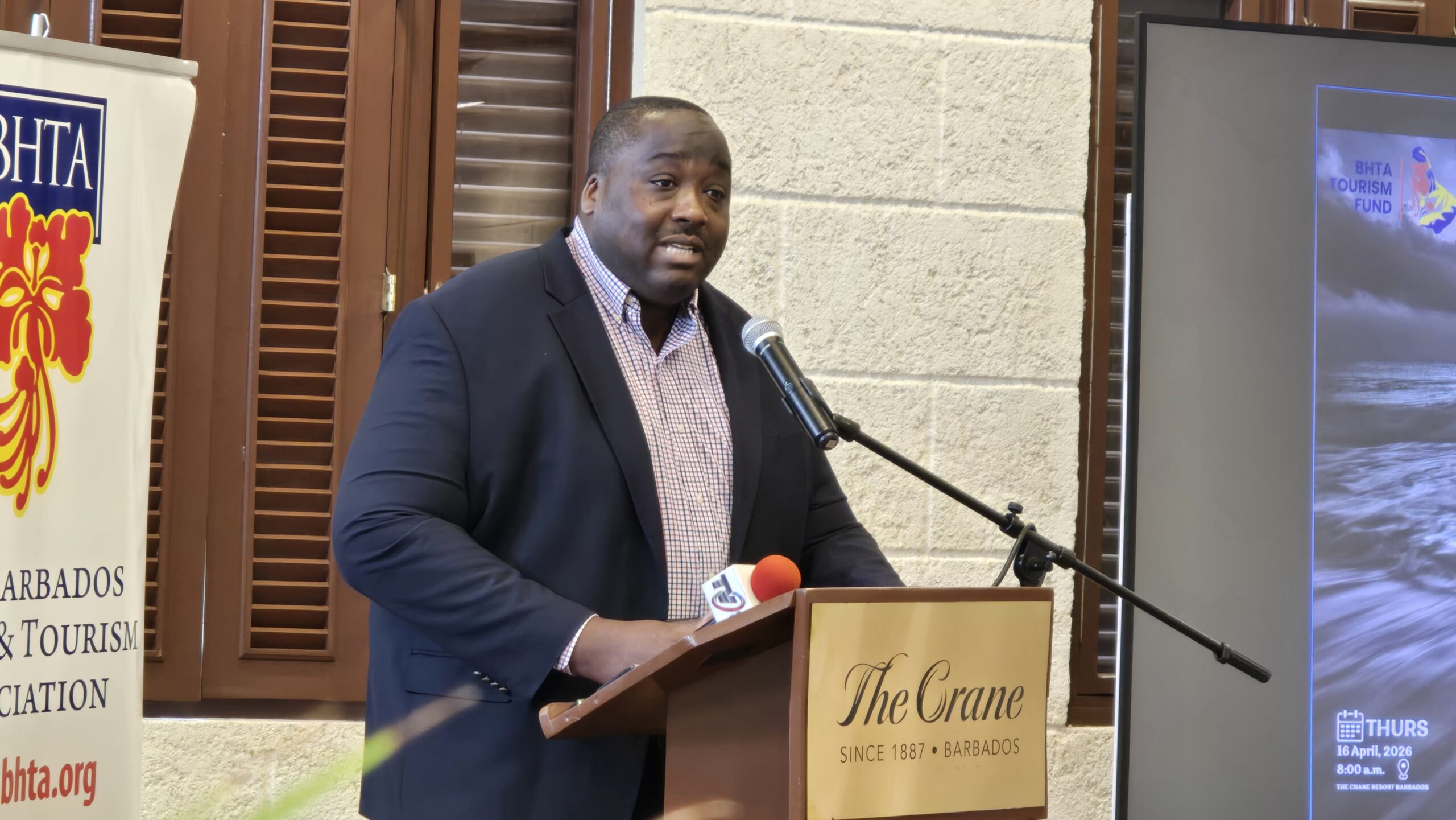
Barbados’ tourism and hospitality industry has made major strides in strengthening disaster and emergency preparedness, with nearly all member properties of the Barbados Hotel and Tourism Association (BHTA) now holding formal crisis management plans, according to new data shared at the association’s 2026 Emergency Management Workshop held at Crane Resort in St Philip.
Javon Griffith, chairman of the BHTA, opened the workshop by emphasizing that comprehensive crisis readiness is far more than a bureaucratic requirement — it is a core commitment to protecting guests, employees, and critical industry assets. The Caribbean island’s tourism sector, which serves as a backbone of the national economy, faces constant exposure to unforeseen hazards, from intense hurricanes and extreme weather events to public health threats, operational disruptions, and labor challenges. Griffith argued that when crisis hits, pre-planning, clear leadership, and structured processes matter far more than last-minute improvisation or panicked reactions.
New data presented by BHTA Tourism Liaison Officer Sade Deane quantified the sector’s progress. Currently, 93% of BHTA-member tourist accommodations and hotels maintain fully developed emergency management plans, with 80% of these documents updated annually to reflect changing risks and operational conditions. During peak hurricane season, BHTA members collectively account for up to 10,000 guests that require coordinated safety planning, making standardized preparedness a high-stakes priority.
Ninety percent of surveyed properties have formal evacuation protocols in place and maintain dedicated emergency committees trained to respond to different types of crises, most commonly hurricanes, wildfires, and flooding. Sixty-seven percent of properties conduct regular, rigorous emergency drills to ensure all staff understand their roles during a crisis, alongside ongoing training and tabletop simulation exercises for shelter operations. Most properties have pre-arranged agreements to use sister hotels as alternate shelters if on-site capacity is exceeded, with 89% of staff able to quickly direct guests to these nearby safe locations.
When hurricane forecasts predict severe storm activity, properties prioritize guest welfare by encouraging pre-storm evacuation off-island. To reduce risk for visitors who choose to or must remain on Barbados, hotels offer flexible booking policies including rescheduling and extended stays, and provide emergency support including stocked meals and essential supplies. Sixty-eight percent of BHTA members have formal mutual aid agreements with non-member accommodations to host displaced guests if local capacity is overwhelmed during a major event.
Deane outlined the range of standard protective and response measures deployed across the sector, including pre-storm preparation steps such as placing sandbags, clearing drainage systems, securing outdoor furniture and equipment, and stocking up on non-perishable food, water, and critical backup infrastructure including water tanks and power generators. For communication, properties maintain multi-layered systems that work even if traditional cell and internet networks go down, combining social media updates, WhatsApp groups, mobile calls, internal radio systems and island-wide VHF radio coverage to maintain connectivity during crises.
Despite the notable progress captured in the new data, Griffith stressed that emergency management must evolve beyond simply having a written plan stored on a shelf. He argued that for true resilience, crisis preparedness must be embedded into the daily organizational culture of every hospitality business, understood by senior leadership, embraced by frontline teams, and continuously strengthened through regular planning, training, rehearsals, and post-incident reviews.
Griffith added that true resilience depends as much on people as it does on infrastructure and formal systems. Emergency preparedness, he noted, is not the sole responsibility of a single department — it requires buy-in and participation across every level of an organization, and across the entire tourism industry. As the leading economic sector in Barbados, the tourism industry holds a collective responsibility as stewards of local jobs, representatives of the island’s national hospitality brand, and guardians of the visitor experience. The preparations, response actions, and recovery efforts the sector undertakes have impacts that stretch far beyond individual hotel businesses, affecting the entire island’s reputation and economic health.
The 2026 workshop was designed to address both the operational and human elements of emergency management, covering not just infrastructure and protocol planning, but also how to prepare staff for crisis, support workers during disruptions, maintain fair workplace practices under extreme pressure, and support teams and organizations to recover fully after a crisis passes.