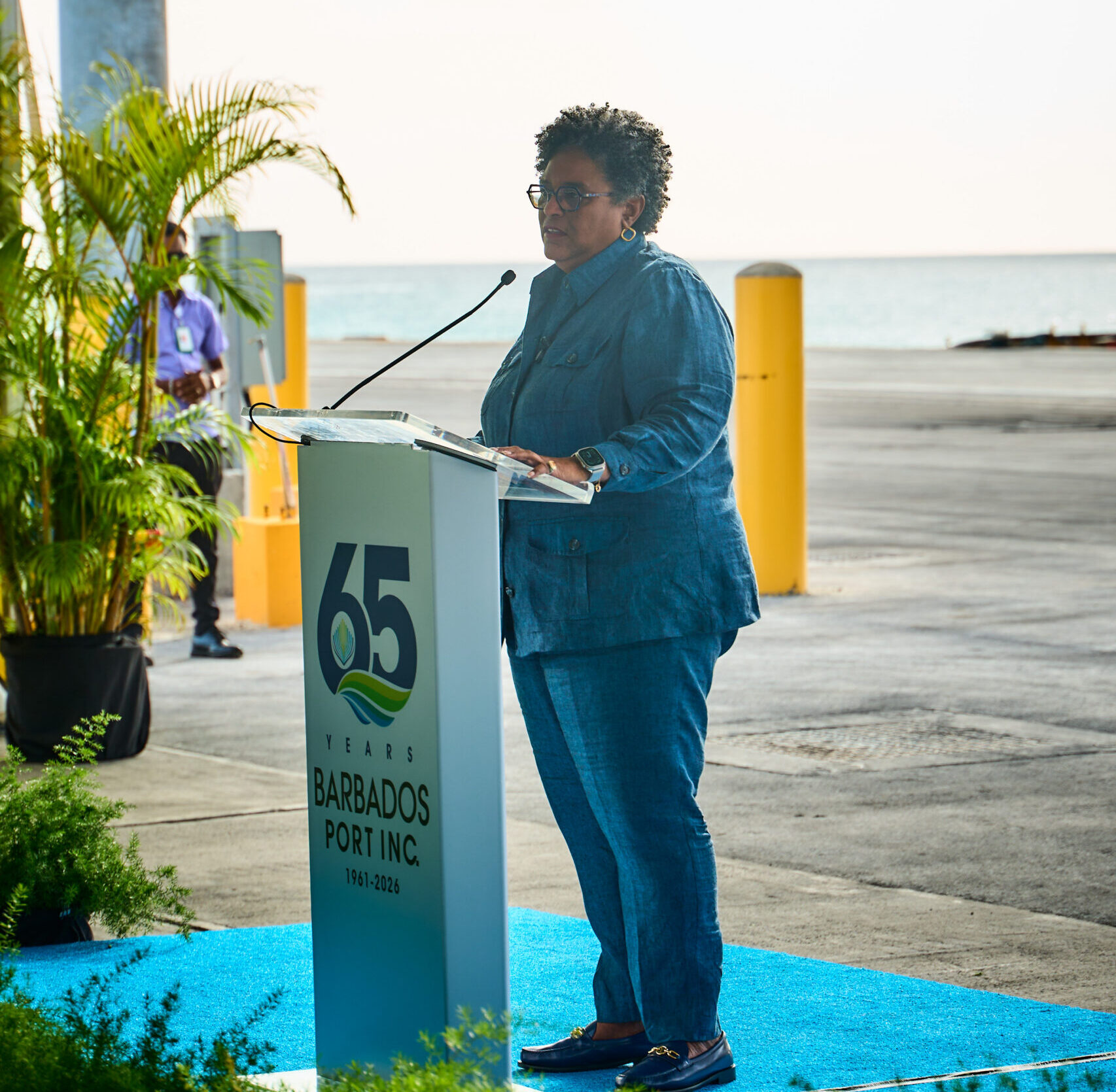
At the official commissioning ceremony for Bridgetown Port’s newly completed Berth 6, Barbadian Prime Minister Mia Mottley has delivered a clear directive to port authorities: break through bottlenecks and accelerate long-delayed key expansion projects, warning that further hold-ups to critical cruise and national security infrastructure are incompatible with the island nation’s goal of becoming the Caribbean’s top cruise destination. The multi-component expansion package includes three high-priority initiatives: a new finger-style cruise pier, a purpose-built central container examination facility, and a waterfront hotel development tied to an upcoming Caribbean cricket legends franchise. Mottley emphasized that even with ongoing legal proceedings surrounding parts of the project, Barbados cannot afford to put its cruise sector growth on indefinite hold. “Earlier this year, I convened meetings with the port’s chairman, executive leadership and the responsible minister to make sure that construction of the new finger cruise pier is moved to the top of the immediate priority list,” Mottley stated during her address. She noted that while outstanding litigation related to the development still requires resolution, the nation’s rising standing as one of the most important cruise ports in the Americas leaves no room for slow, incremental progress that holds back economic growth. Beyond positioning the country as a premier cruise stop, Mottley outlined that the new cruise pier and accompanying aggregate facility will generate consistent new revenue streams for the port, including through passenger head taxes and a range of additional commercial income opportunities. Of equal importance, the prime minister stressed, is the planned central container examination facility, a core asset for strengthening the nation’s border and national security frameworks. “This government has not held back on investment in cutting-edge scanners and expanded scanning capacity at Bridgetown Port, and we will continue to prioritize these security investments,” she said, adding that rapid completion of the dedicated examination facility is central to the government’s ongoing work to upgrade port security protocols. In a major milestone for project financing, Mottley revealed that the Ministry of Finance has already formally approved a $70 million loan to support the port expansion initiative, and she expressed confidence that remaining financing arrangements will be finalized quickly to clear the way for construction to move forward. She also offered public praise for the port’s board and management team for pursuing cost-effective development strategies, noting that this focus on fiscal responsibility aligns with the government’s expectations for all state-linked infrastructure projects. “This level of cost efficiency is exactly what I expect to remain a core part of how Bridgetown Port operates moving forward,” she added. Turning to one of the most ambitious mixed-use elements of the redevelopment plan, Mottley laid out details for a new waterfront hotel located adjacent to Kensington Oval, a project she framed as the starting point for a region-wide Caribbean cricket legends tourism brand. Currently, the targeted waterfront parcel is occupied by government procurement offices and other state operational facilities, but Mottley confirmed that relocation discussions are already at an advanced stage to clear the site for redevelopment. Comparing the proposed development to successful upscale waterfront projects in St. Lucia and multiple European destinations, Mottley described the land around Kensington Oval — which she called the third most iconic cricket ground globally — as a once-in-a-generation opportunity not just for Barbados, but for the entire Caribbean region. The overarching concept centers on a “Legends of the Caribbean” brand, with a network of hotels across the region honoring the historic legacy of legendary West Indies cricketers. “I have no doubt that the former West Indies players who brought so much glory to our region, but earned so little during their era of dominance, would be thrilled to know that their legacy, image and excellence can finally be rewarded through this project,” Mottley said. She confirmed the proposed Legends Hotel will occupy a prominent, iconic plot directly adjacent to Kensington Oval, laying the groundwork for the regional brand expansion.
标签: Barbados
巴巴多斯
-
Officials urge calm as Barbados reinforces Ebola monitoring, travel screening systems
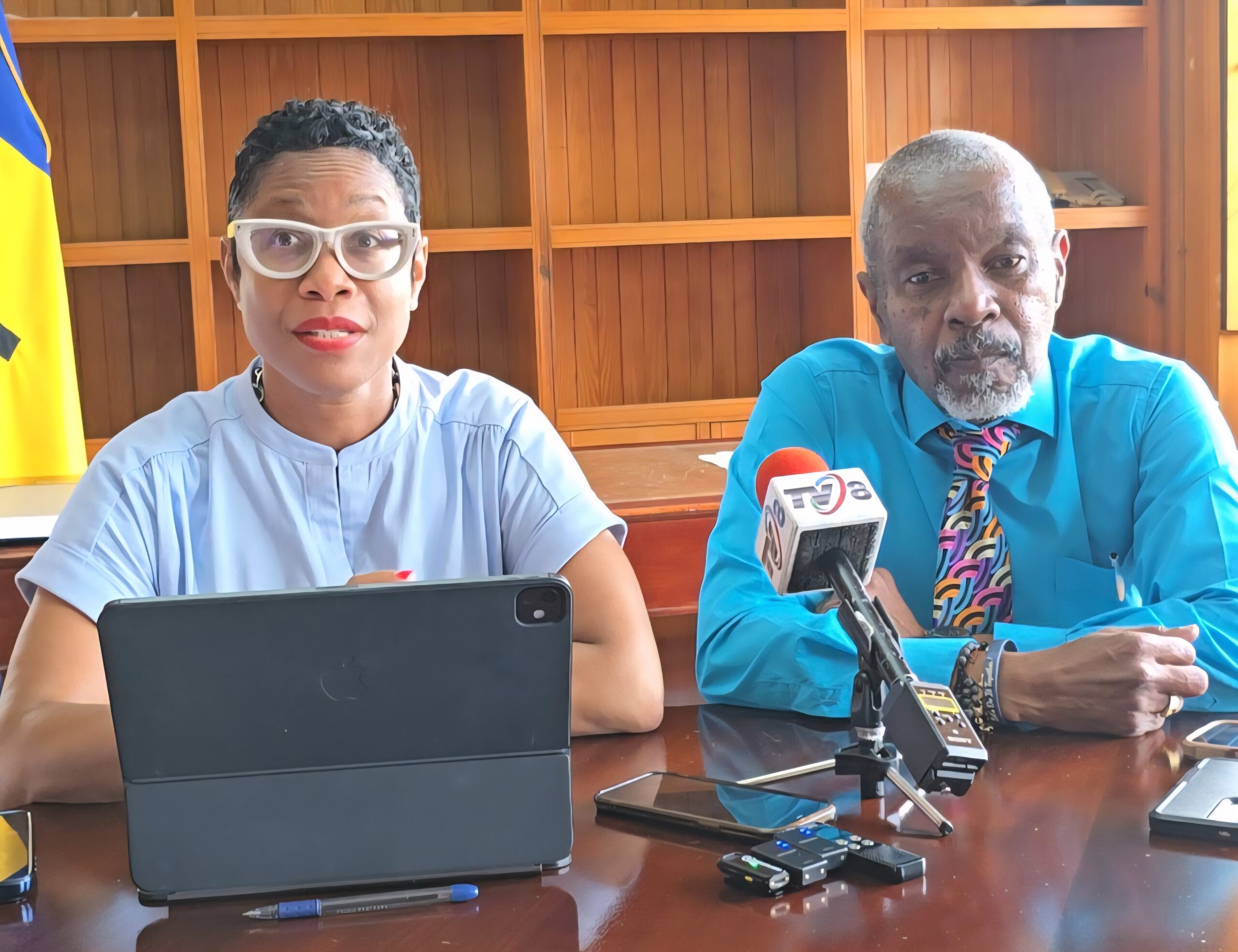
After the World Health Organization (WHO) labeled the ongoing Ebola outbreak in the Democratic Republic of Congo and Uganda a Public Health Emergency of International Concern, public anxiety across the Caribbean island nation of Barbados has grown steadily. In response, the country’s Ministry of Health and Wellness has moved quickly to reassure residents that the probability of the virus reaching Barbadian shores remains minimal, while emphasizing that robust response systems are already fully operational to address any potential suspected cases.
-
Govt explores Bridgetown harbour relocation amid storm damage, capacity concerns
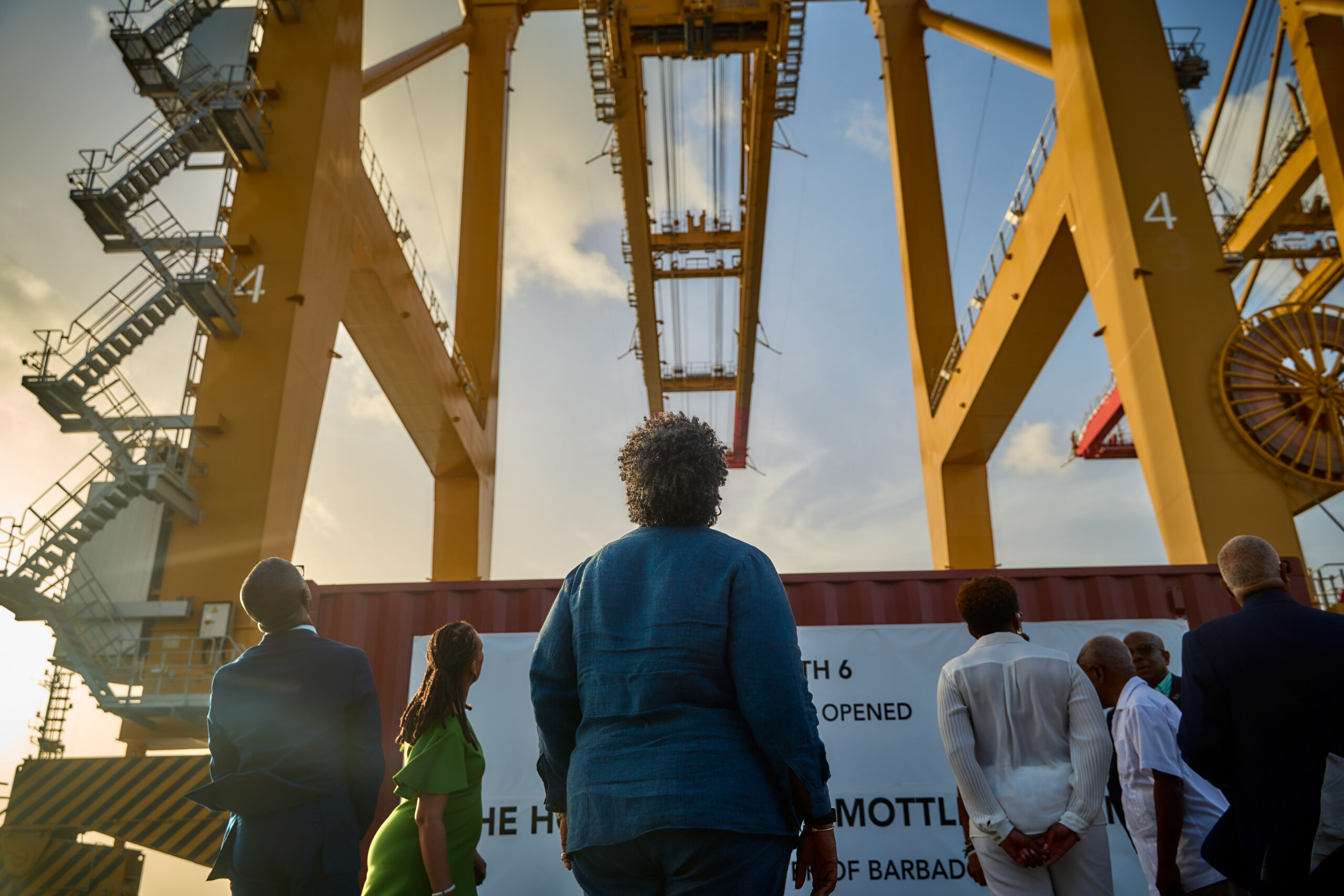
Barbados Prime Minister Mia Mottley has announced that the national government is conducting formal assessments of plans to relocate the Bridgetown Fisheries Harbour, a move prompted by severe storm damage and long-standing overcrowding that have laid bare critical structural and geographic limitations at the facility’s current site. Mottley made the announcement Thursday during the official launch ceremony for the newly completed Berth 6 at the Port of Bridgetown, where she detailed both the pressing challenges facing the existing fishing harbour and the long-term development options the administration is evaluating.
The destruction caused by Hurricane Beryl served as a critical wake-up call, exposing deep vulnerabilities at the already overcapacity site, which sustained extensive structural damage when the storm made landfall. “We saw those vulnerabilities laid bare with Hurricane Beryl, when our already congested fishing harbour suffered major damage,” Mottley stated. While most repair work has been finished to restore partial operations, the prime minister confirmed that any significant expansion at the current location is impossible. A steep underwater drop-off immediately adjacent to the existing harbour would drive expansion costs to levels that are completely unfeasible for the government, she explained.
In response to this barrier, the administration has quietly launched an evaluation of potential relocation sites and is drafting plans for a purpose-built new fish market alongside the new harbour facility. “The government has been working steadily, and will continue to advance work, on environmental impact assessments for the relocation of the Bridgetown fishing harbour, including plans to reclaim additional coastal land to accommodate both the new harbour and a new Bridgetown fish market,” Mottley said. According to her timeline, all required technical studies and geographic modelling will be finalized by the end of this year to determine if the proposed location—north of the Barbados Coast Guard station—is suitable for construction.
If approved, the new site is designed to deliver multi-purpose economic value beyond the fishing industry. Mottley outlined that the development’s core infrastructure could support not just a new fishing harbour, but also an aggregate handling facility, and offer enough extra space to accommodate both local fishing fleets and recreational pleasure craft.
Mottley also noted that Barbados’ unique coastal geography creates unusual hurdles for harbour development, setting it apart from many other Caribbean nations. Unlike neighboring territories that benefit from abundant natural inlets and sheltered bays, Barbados has a largely straight, uninterrupted coastline that severely limits available sites for sheltered vessel mooring. “That linear coastline means we have very limited options when it comes to finding safe, sheltered water for our vessels,” she explained.
While the prime minister acknowledged that the full relocation and construction project will require a substantial public investment, she emphasized that preserving and growing the domestic fishing industry is non-negotiable for Barbados’ economy and social identity. “Can you imagine Barbados without a fishing industry? Can you imagine Barbados without fishermen?” she asked. She also highlighted the sector’s untapped export potential, pointing to the island’s already thriving tuna export market, where long-line fishermen regularly ship local product to buyers across North America.
-

NISSS responds to April payment concerns, fixes bank deposit issues
Barbados’ national social security authority has announced that its targeted cost-of-living relief program reached nearly 2,000 additional eligible households in its second monthly disbursement round, marking progress in expanding access to financial aid for residents struggling with rising everyday expenses. The National Insurance and Social Security Service (NISSS) confirmed that 56,259 qualifying Barbadians received their second Cost of Living Cash Credit (COLCC) payment in May, a net increase of 1,959 recipients compared to the initial April disbursement. In total, $5.6259 million was allocated from the government’s Consolidated Fund for this second round of aid.
According to the NISSS’s official breakdown, more than 62% of May payments – 34,945 disbursements – were issued as direct transfers to beneficiaries’ bank accounts, while the remaining 21,314 payments were sent as paper cheques via postal mail. The largest share of recipients consists of National Insurance pensioners with annual incomes below $50,000, followed by welfare clients registered through the Social Empowerment Agency, public sector pensioners, and Barbadian residents without existing pension or regular income support.
Agency officials attribute the month-over-month growth in recipients to three key adjustments: the addition of welfare beneficiaries newly identified by the Social Empowerment Agency, expanded access to 2025 income year data shared by the Barbados Revenue Authority, and the continued open registration process for eligible residents. NISSS Chief Executive Kim Tudor emphasized that the expanding reach of the program reflects the government’s commitment to ensuring no qualifying resident is left without the support they are legally entitled to. “We will continue to collaborate with our cross-agency partners to identify and reach out to all eligible people who have not yet been enrolled in the program,” Tudor stated in an official media release.
Tudor also addressed widespread reports of delayed direct deposit payments that impacted some recipients during the first April disbursement, noting that the NISSS had worked directly with domestic banking partners to implement targeted fixes for the May payment cycle. “We heard the concerns of residents who faced delays accessing their April deposits,” Tudor said. “We took intentional steps in collaboration with our banking partners to resolve these issues for May, and we will continue to closely monitor payment delivery to prevent future disruptions.” The NISSS has urged any beneficiary who continues to experience issues accessing their funds to contact their banking provider or the dedicated COLCC support desk for assistance.
First launched as a government anti-inflation initiative, the COLCC program provides $100 in monthly cash support to eligible Barbadian seniors, people with disabilities, and low-income welfare recipients for a 12-month period. Funded entirely through the national Consolidated Fund and administered by the NISSS on behalf of the Ministry of Finance, the initiative is scheduled to run through March 31, 2027. As of the May disbursement, 1,835 new residents have registered for the program since its launch, and registration remains open for all eligible Barbadians who have not yet submitted their applications.
-
Two charged over Oistins Bay Garden slaying remanded
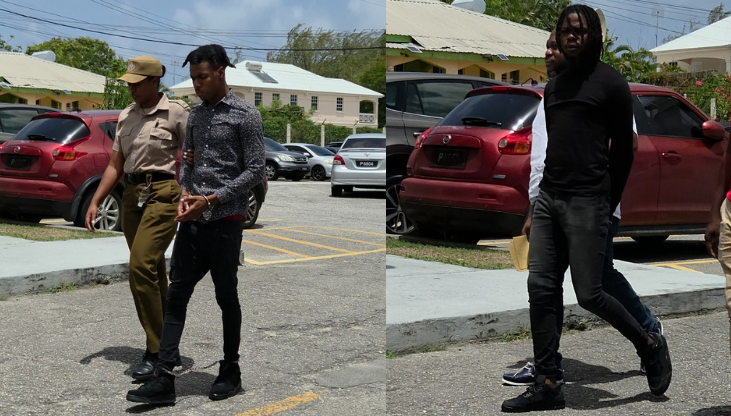
A deadly shooting that rocked the popular Oistins Bay Garden area left one person dead and multiple others injured, and two men accused in connection with the violence have been ordered held in custody following their initial court appearance.
Eighteen-year-old Jaheim Canute Collins, a resident of Inch Marlow, Silver Sands, and 29-year-old Shane Anthony Burke — who previously went by the name Shane Anthony Greene and resides in Ashby Land, Lodge Road — appeared before acting Magistrate Gayle Scott at the Oistins Magistrates’ Court this week. The pair face a string of serious criminal charges stemming from the April 6 shooting that claimed the life of Raul Clarke, and under local court procedure, they were not required to enter formal pleas to the murder charge during this initial hearing.
Beyond the murder count, the two men are also accused of intentional unlawful wounding against Roger Belcon and Krystal Blagrove, with the charges specifying the alleged intent to maim, disfigure or permanently disable the two victims. Additional accusations include reckless conduct that put three other bystanders — Reco Scantlebury, Akeem Carter and Jakeri Kinch — at immediate risk of death or severe bodily harm, possession and use of a firearm without a valid legal license, and colluding with other unnamed individuals to carry out violent acts that endangered everyone present at the bay garden during the incident.
From the defendant’s dock both before and after the full list of charges was read aloud in court, each of the accused repeatedly maintained their innocence and stated they had no connection to the shooting. Burke told the court directly, “My name get call on a murder charge and I ain’t murder nobody.” Following Burke’s statement, Collins pushed back against the allegations as well, saying, “Police see me and put a murder charge on me. I ain’t know nothing about this.”
After hearing the charges and the accused’s statements, acting Magistrate Scott explained that all charges before the court are indictable offenses, which fall outside the routine trial jurisdiction of the lower magistrates’ court. Under local law, lower courts lack the authority to grant bail in murder cases or offenses involving unlicensed firearms. Scott ruled that the pair would be held in official custody until their next scheduled hearing on June 25, noting that the men’s legal representation could file a separate bail application directly with the High Court if they wish to seek release ahead of trial.
-

Ellerton win key game as Premier League season winds down
On a tense Wednesday night at the Wildey Technical Centre, the penultimate round of the Barbados Football Association Premier League delivered a dramatic result that reshaped the final league table standings, as Ellerton claimed a thrilling 2-1 victory over Brittons Hill United to climb temporarily into third place.
Fresh off an upset blowout win against Paradise just seven days prior, the St George-based outfit continued its strong late-season form by taking down another top-three contender in what proved to be a tightly contested match from kickoff to full time. The deadlock was finally broken in the 62nd minute, when Marco St Hill found the back of the net to put Ellerton ahead, giving his side the momentum heading into the final quarter of play. However, Brittons Hill responded quickly, with T’shane Lorde notching an equalizer just 11 minutes later to level the scoreline, setting up a tense final stretch that would decide three crucial league points.
As the clock ticked down toward full time, Ellerton captain Shakille Belle stepped up to convert an 88th-minute penalty, slotting the ball home to secure what would prove to be a game-winning goal for his side.
With both Ellerton and Brittons Hill having now completed their full 18-match regular season schedules, the table offers a clear snapshot of where things stand heading into the final day of competition. Defending runners-up Brittons Hill currently sit second in the overall standings with 35 points, trailing already-crowned champions Weymouth Wales. Weymouth Wales locked in its fifth consecutive league title last week, holding a five-point lead over second place at 40 points with one remaining fixture left to play.
After the Wednesday win, Ellerton climbed to 34 points in third place, but its final position for the season remains far from settled. Thursday’s concluding fixture between fourth-placed Kickstart Rush and fifth-placed Paradise will decide where all three sides end the campaign. Both teams currently enter the match on 33 points, with Kickstart Rush holding a narrow one-goal advantage in goal difference (38 to Paradise’s 37), while Ellerton only has a goal difference of 15. Even a share of the points between the two sides would see both jump above Ellerton in the standings, dropping the St George club to at least fourth.
A win for either Kickstart Rush or Paradise would push the victor to 36 points, which would not only bump Ellerton down but also knock current second-placed Brittons Hill to third. In that scenario, the loser of the Thursday showdown would take fifth place, while Ellerton would slot into fourth.
The season will wrap up with a 9 p.m. nightcap on Thursday that sees newly crowned champions Weymouth Wales face off against Eyre’s Meatshop Pride of Gall Hill. A win for Weymouth Wales would extend their already dominant lead at the top of the table, while a shock upset victory for Gall Hill would lift the Christ Church-based side into sixth place, jumping ahead of UWI Blackbirds. Both sides currently enter the final match level on 19 points.
-
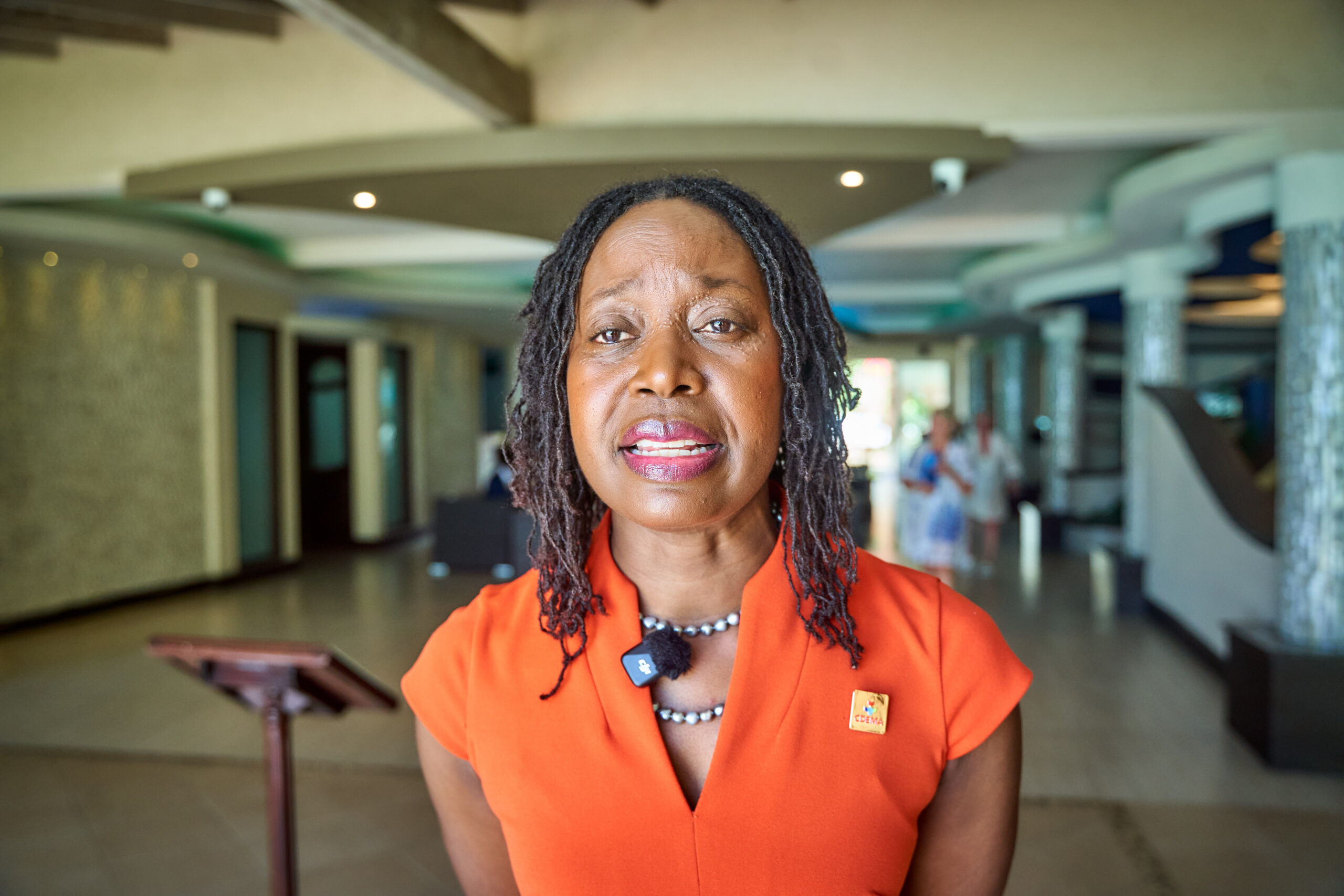
CDEMA targets communication gaps ahead of hurricane season
As the 2026 Atlantic hurricane season approaches, set to officially begin on June 1, the Caribbean’s top disaster management body has outlined sweeping upgrades to regional response frameworks, shaped directly by hard-won lessons from last year’s Hurricane Melissa. The Caribbean Disaster Emergency Management Agency (CDEMA) used its annual pre-season regional press conference to emphasize that closing critical coordination gaps and reinforcing fragile communication systems will be the cornerstone of this year’s disaster preparedness push, with officials confirming the first 14 days after a storm strike remain the highest-risk window for life-threatening response failures.
CDEMA Executive Director Elizabeth Riley explained that a full post-event review of the 2025 Hurricane Melissa response, completed in March 2026, identified a series of operational weak points spanning cross-border coordination, logistics management, emergency communications, rapid damage assessment, relief distribution, and the handover process from immediate emergency response to long-term recovery. While Riley emphasized that the region’s core coordination mechanisms held up well during the critical early activation phase of the Regional Response Mechanism during Melissa, she noted that consistent operational bottlenecks emerged during the transition between response and recovery, concentrated in the first two weeks after a disaster makes landfall.
“Our after-action review confirmed that the most significant operational constraints consistently arise within that initial 14-day window, particularly as we shift from urgent life-saving response to early recovery planning,” Riley said. The storm also underscored the critical value of pre-positioning emergency supplies at strategic regional hubs, including the shared CDEMA-World Food Program logistics facility in Barbados, while highlighting the urgent need to strengthen cross-border transportation arrangements and streamline regional supply chain coordination, she added.
Riley also highlighted the underrecognized but indispensable role that private sector entities play during large-scale emergency responses, particularly in providing last-mile transport and warehousing capacity that government and regional bodies often lack. One of the most pressing priorities to emerge from the post-Melissa review, she said, is the need for more reliable, regionally harmonized emergency communication systems and resilient information management infrastructure. While digital and telecommunications systems performed as designed during Melissa’s response, siloed information sharing between different agencies and sectors created unnecessary coordination delays and confusion.
“Our shared goal is to build a more integrated regional data system and standardized cross-sector information sharing protocols that will enable faster, more accurate decision-making when disasters strike, and we are working closely with our partner organizations to deliver that,” Riley added.
In a major update ahead of the season, Riley confirmed that multiple specialized regional response teams are already fully trained and on standby, following months of large-scale training exercises across Caribbean island nations. As of the press conference, 168 personnel have been pre-vetted and are ready for rapid deployment through the CARICOM Disaster Relief Unit, while 60 trained specialists are available to support urban search and rescue operations in storm-damaged urban areas. A further 38 experts are prepared to join rapid needs assessment teams immediately after a strike, 12 personnel are trained to backstop the CARICOM Operational Support Team, more than 100 medical professionals are ready to deploy to field medical facilities, and more than 75 power grid technicians from regional energy association CARILEC are available to support critical power restoration efforts. The roster also includes trained emergency telecommunications staff and dedicated mental health and psychosocial support teams to assist affected communities in the aftermath of a storm.
Riley noted that these numbers are expected to grow in the coming weeks as additional training and orientation sessions wrap up, adding that expanding the regional roster of trained technical specialists was a key lesson from 2024 regional response efforts, when demand for skilled personnel outstripped available supply.
“At CDEMA, everything we do centers on people: protecting the safety of our families, the security of our communities, the stability of livelihoods, and the long-term resilience of our member states,” Riley said. “Every plan we develop, every preparedness exercise we run, and every partnership we build is oriented toward one core mission: saving lives and reducing economic and human loss when hazards strike.”
-

CDEMA warns region to be on guard despite prediction of less active season
Even as leading climate agencies forecast a below-average 2026 Atlantic hurricane season, Caribbean disaster management officials are sounding a clear call to action: regional nations cannot let their guard down against a wide range of climate hazards that threaten communities year-round. The warning came from Elizabeth Riley, Executive Director of the Caribbean Disaster Emergency Management Agency (CDEMA), delivered during the agency’s annual pre-season regional press conference held ahead of the official start of the hurricane season on June 1.
While the Atlantic hurricane season is formally defined as running from June 1 to November 30, Riley emphasized that Caribbean countries face multiple climate threats beyond this six-month window, meaning preparedness efforts cannot be limited to this narrow timeframe. Entering the 2026 season, the region has built up substantial capacity through past disaster experiences, refined emergency response protocols, and strengthened cross-regional and international partnerships, but Riley cautioned that shifting climate patterns remain inherently unpredictable and capable of causing severe disruption.
Released on May 27, the latest seasonal outlook from the Caribbean Institute for Meteorology and Hydrology (CIMH) projects the 2026 season will produce approximately 12 named storms, five hurricanes, and two major hurricanes—putting it on track to be less active than the severe seasons the region has seen in recent years. The U.S. National Hurricane Center (NHC) echoed this projection, forecasting an eight to 14 range for named storms, three to six hurricanes, and one to three major hurricanes, classifying the season as below normal. Both outlooks cite ongoing El Niño conditions as the primary factor expected to suppress tropical cyclone formation and intensification across the Atlantic this year.
Despite the muted overall forecast, Riley outlined multiple overlapping threats that demand urgent preparedness. Warmer than average sea surface temperatures around the northern Caribbean, she explained, can still supercharge storm systems to produce extreme rainfall, even for weaker tropical cyclones. This abundant precipitation translates to elevated risks of severe flooding and flash floods across much of the Caribbean, putting low-lying and coastal communities at particular risk.
Beyond storm-related flooding, the region is already grappling with persistent drought across several CDEMA member states, and conditions are expected to either hold steady or expand in scope by the end of 2026. While seasonal rainfall from tropical systems may temporarily ease localized water shortages, Riley noted that long-term drought pressures will remain a key concern for public water supplies and agricultural production through the rest of the year.
A growing underrecognized threat is also taking center place this year: extreme heat. The CIMH outlook predicts unusually intense heat across the Caribbean during August and September, with more frequent heat waves and warmer than average temperatures through both day and night. These conditions will drive higher rates of heat-related illness and heat stress for vulnerable populations, a hazard Riley said the region has only recently begun to prioritize for emergency preparedness after years of rising heat risks linked to climate change.
Riley closed her remarks by reinforcing the core lesson the Caribbean learned from Hurricane Melissa last year: even a season projected to be mild can turn devastating if a single major storm makes landfall. “It only takes one hurricane hitting a populated area of the Caribbean to create a catastrophic disaster, regardless of how many total storms are predicted,” she said. “That is why thorough, year-round preparedness is non-negotiable every single season, no matter what the forecasts say.”
-

West Indies coach confident of winning fifth-straight ODI home series
For nearly three years, the West Indies men’s One-Day International side has built an unrivaled record of dominance on home soil, and head coach Daren Sammy is adamant that winning momentum will hold firm when the team kicks off a three-match ODI series against Sri Lanka next week.
The Caribbean side heads into the contest carrying a four-series winning streak in home ODIs, with their most recent home defeat dating back to August 2023 at the hands of India. In the years following that loss, the team has put together a string of impressive results: they secured a 2-1 victory over England in both December 2023 and 2024, swept Bangladesh 3-0 in 2024, and notched a historic 2-1 win over Pakistan late last year.
This upcoming series marks West Indies’ first ODI action of 2026. The side last appeared in the 50-over format during a late 2025 tour of New Zealand, where they suffered a lopsided 3-0 defeat at the hands of the hosts. Regardless of that away setback, Sammy remains optimistic that the team’s strong home form will hold when the opening match gets underway at Jamaica’s ground on June 3.
“In ODI cricket we’ve made home a fortress for us, and to see the guys coming in and putting in the work I’m happy with what I’m seeing in the camp,” the head coach told reporters ahead of the series opener.
Sammy went on to break down the key strengths that have powered West Indies’ home success in recent years. The team’s spinners have consistently delivered critical wickets in the middle overs of matches, while the pace attack led by Jayden Seales, Alzarri Joseph and Shamar Joseph has put opposing batters under immediate pressure by taking early wickets. Most importantly, Sammy noted, the West Indies batting unit has adapted perfectly to home conditions, consistently putting up big totals. “Every series I think we’ve had one or two hundreds and we have to continue that,” he added.
While Sammy acknowledged that Sri Lanka is familiar with the warm, humid Caribbean conditions that mirror its own home venues, he framed the series as a test of two key matchups: how well West Indies handles Sri Lanka’s spin attack, and how effectively his own fast bowlers can get on top of the visitors’ batting line early in innings. Ending his press briefing, the coach reaffirmed his confidence, saying: “I’m looking forward to the series where we will continue our dominance at home.”
-

BAM: Sponsorship critical for smaller bands
As one of Barbados’ most iconic summer cultural celebrations continues its steady expansion and transformation, industry leaders are calling on the country’s private sector to expand their support beyond the most well-known masquerade groups to uplift emerging smaller collectives. The call to action was delivered by Anthony Layne, vice-president of the Barbados Association of Masqueraders (BAM), during Thursday’s official launch event for the Flow Grand Kadooment, which is powered by local media outlet TV 8.
Layne emphasized that corporate sponsorship and investment in the festival must not be concentrated exclusively among the largest, most high-profile masquerade bands, which have long dominated industry support. “We ask you to continue supporting our bands, not only the large recognizable names, but also the smaller and emerging bands that contribute just as meaningfully to the richness, creativity and diversity of this festival,” Layne said during his remarks.
He went on to highlight that the vast majority of smaller masquerade groups are led and operated by a new generation of young entrepreneurs, independent costume designers, skilled artisans and local creatives. These cultural workers share deep passion for the traditional art of masquerade and are dedicated to building long-term, sustainable businesses within Barbados’ fast-growing cultural economy.
According to Layne, consistent sponsorship remains an indispensable lifeline for small bands, which struggle to absorb the steep rising costs associated with crafting intricate costumes and staging large-scale festival presentations. “Your sponsorship and investment can make the difference between an idea remaining a dream or becoming a successful part of the Crop Over experience,” he explained. “Sponsorship is vital because it helps to offset the true cost of costumes, materials, labour and production. Without that support, participation can become financially difficult for many Barbadians.”
Central to BAM’s broader mission, Layne added, is expanding access to masquerade participation, making the tradition affordable and accessible for ordinary Barbadians. “We must continue working together to make masquerade more accessible and affordable to the average Barbadian because Crop Over belongs to all of us,” he stressed.
Beyond its role as a beloved cultural celebration, Layne noted that the annual Crop Over festival generates far-reaching economic benefits that ripple across multiple sectors of the Barbadian economy. “The festival is more than feathers, music and celebration. It is an important part of our national identity and a major contributor to economic activity across several sectors from entertainment and tourism to fashion, food, transportation and small business development,” he said.
In positive news for the 2026 Crop Over season, Layne shared that the festival is seeing a notable resurgence in masquerade band participation, a trend he called an encouraging indicator of the tradition’s enduring popularity. “The renewed interest and participation this year are encouraging signs that mas continues to thrive and evolve,” he said, adding that the overall growth in the number of participating bands reflects the “passion, resilience and creativity” of bandleaders, designers, artisans and masqueraders across the island.
Layne also celebrated the return of two fan-favorite events, Cohobblopot and Party Monarch, to the official 2026 Crop Over calendar, noting that their re-inclusion amplifies the excitement and cultural depth of the entire festival season. “These events have long been important parts of the festival experience and their return adds to the energy, entertainment and cultural richness that Barbadians and visitors alike look forward to every season,” he added.