标签: Barbados

巴巴多斯

  • When independence feels distant: A conversation across generations

    When independence feels distant: A conversation across generations

    As November arrives annually, Barbados immerses itself in the customary blue and yellow hues of Independence celebrations. Schoolchildren diligently rehearse for ceremonial programs, communities engage in neighborhood cleanups, and the island prepares for time-honored events including parades and fairs. Despite these recognizable markers of national observance, a subtle but significant cultural shift is occurring beneath the surface of traditional festivities.

    Across WhatsApp conversations, social media platforms, and workplace discussions, a growing consensus emerges: younger generations increasingly perceive Independence Day differently than their elders. While Barbados’ youth demonstrate national pride through participation in school events, wearing national colors, and sharing celebratory photos, the emotional resonance of independence has substantially diminished for many. The day increasingly functions as a holiday respite rather than a profound moment of national reflection.

    Older generations express palpable frustration, recalling seasons filled with electric anticipation and deep-rooted patriotic connection. This emotional disconnect prompts critical examination of why contemporary youth experience independence celebrations differently. Three fundamental factors contribute to this generational divergence.

    Firstly, modern youth encounter Barbados through a distinctly different historical lens. While independence represented struggle, sacrifice, and self-determination triumph for earlier generations, today’s youth inhabit an already-independent nation. Self-rule constitutes academic curriculum rather than lived experience, diminishing the emotional charge associated with the original independence movement.

    Secondly, Barbados’ youth navigate increasingly globalized identities. Constant exposure to international media, culture, and entertainment creates a worldview extending far beyond the island’s physical boundaries. National celebrations now compete with globally relevant content that frequently resonates more strongly with daily experiences and interests.

    Thirdly, systemic challenges profoundly impact youthful perspectives. Young citizens often bear the brunt of socioeconomic pressures, navigate sometimes outdated educational systems, and observe disparities between national rhetoric and practical reality. When institutional frameworks feel challenging to navigate, symbolic holidays may fail to evoke transformative national pride.

    This phenomenon doesn’t represent youth rejection of independence but rather highlights inadequate points of entry into its significance. Without compelling narratives, engaging traditions, or meaningful seasonal presence, Independence Day risks becoming culturally static while other celebrations like Christmas continue evolving and expanding.

    Addressing this disconnect requires understanding youth emotional economies: commitment to authenticity, investment in relevance, support for creativity, and engagement with energetic initiatives that foster belonging. Educational reform presents particularly promising opportunities through experiential learning—heritage site adoption, oral history collection, and community solution projects that transform youth from national spectators to active contributors.

    Existing traditions maintain cultural importance, but parallel innovation must address why independence resonates differently across generations. As Barbados approaches another Independence Day, the most patriotic action may involve opening empathetic dialogue without judgment—understanding rather than blaming, strengthening meaning rather than defending tradition, and cultivating connection rather than enforcing pride. Through thoughtful adaptation, Barbados can ensure its independence celebrations continue reflecting both national heritage and evolving identity for future generations.
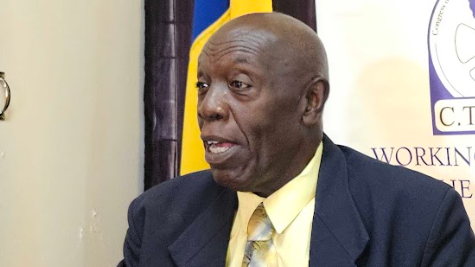
  • CTUSAB: Bus fare hikes may follow govt divestment

    CTUSAB: Bus fare hikes may follow govt divestment

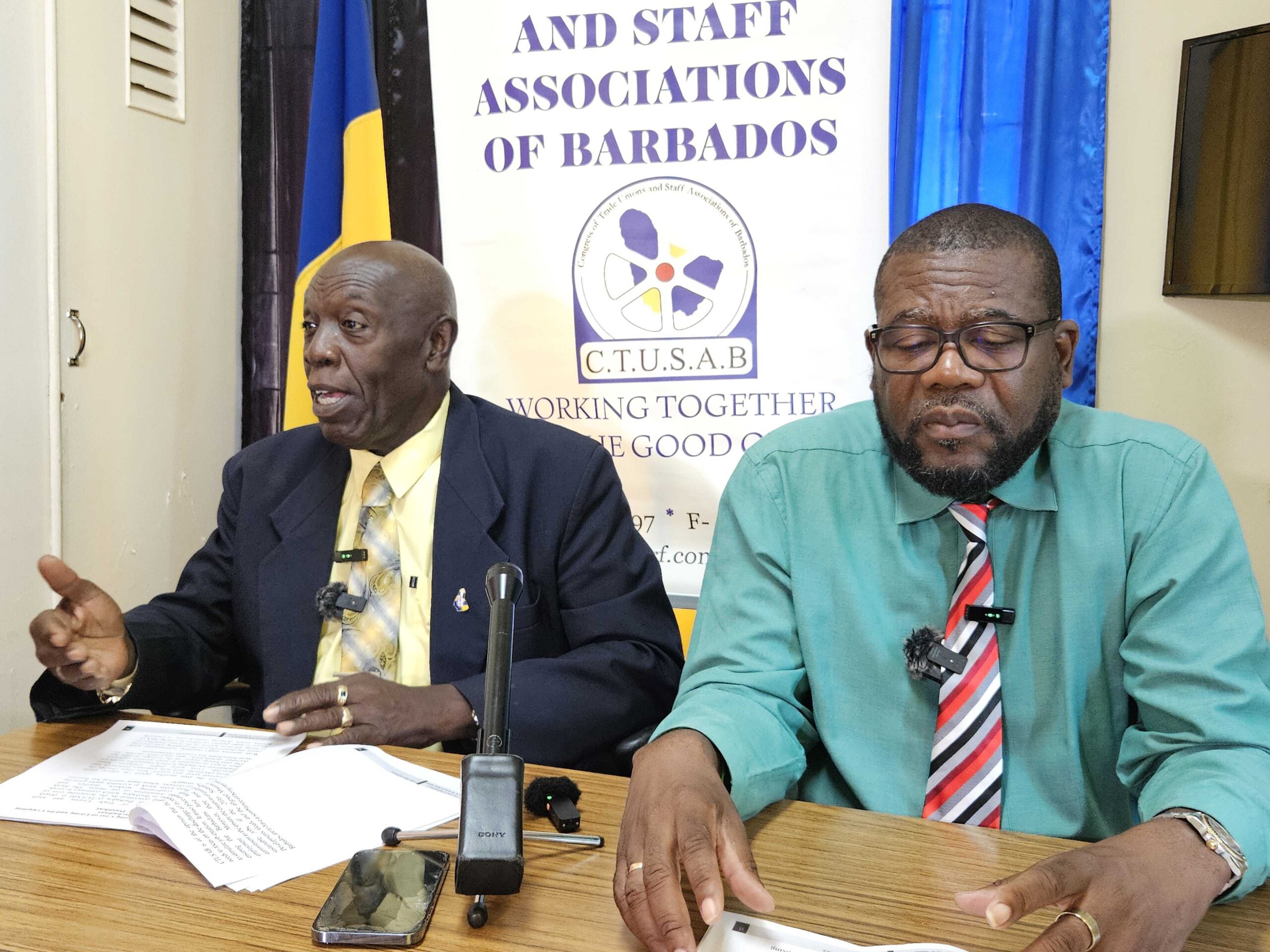
    A major labor organization in Barbados has launched forceful opposition to the government’s initiative to privatize the national public transportation system, cautioning that the move threatens both affordability and reliability for commuters. The Congress of Trade Unions and Staff Associations of Barbados (CTUSAB) articulated its position during a press briefing on Thursday, with General Secretary Dennis DePeiza asserting that accessible public transit constitutes a fundamental state responsibility rather than a commercial enterprise.

    DePeiza highlighted that the proposed transition to a new Barbados Mass Transit Authority, confirmed via an official Ministry of Transport and Works document, would result in the termination of all current Transport Board employees. While these workers would receive priority status to become owner-operators with access to low-interest financing, the union leader expressed deep concerns about the broader implications.

    The restructuring plan, sanctioned by the Cabinet and detailed in a memorandum signed by Permanent Secretary Jehu Wiltshire, signifies a fundamental shift in how transportation services are managed and delivered. DePeiza countered that Barbados already suffers from an over-reliance on private minibuses and route taxis—numbering over 500 compared to fewer than 100 public buses—which primarily operate on profitable routes without reliable schedules.

    He warned that further privatization would prioritize profit motives over public service, potentially leading to unregulated fare increases, particularly damaging for low-income households in an era of rising global fuel and shipping costs. DePeiza emphasized that many Barbadians are already financially strained and could face severe difficulties in commuting to work or school if fares rise from the current $3.50.

    Insisting that public transport should remain subsidized as an essential public service—similar to healthcare and education—DePeiza recalled past inadequacies, including the absence of evening services after 6 p.m. He urged the government to reconsider its position, framing the issue as a matter of social equity and functional infrastructure for a 24-hour economy, rather than an opportunity for privatization.

  • Man stabbed along Fairchild Street

    Man stabbed along Fairchild Street

    A violent afternoon assault on Fairchild Street in St. Michael has left one man hospitalized with multiple stab wounds, according to local law enforcement authorities. The attack transpired at approximately 2:45 p.m. on Thursday when an unidentified assailant, brandishing a knife, approached the victim as he was walking along the roadway.

    The perpetrator launched a sudden and brutal attack, stabbing the victim multiple times about his body before fleeing the scene. Bystanders provided immediate assistance, transporting the injured man via private vehicle to the Queen Elizabeth Hospital where he currently remains under medical supervision.

    Barbados Police Service has confirmed that criminal investigations are actively underway to apprehend the suspect responsible for this daylight violence. Detectives are pursuing multiple lines of inquiry and examining potential motives behind the apparently targeted attack.

    Law enforcement officials have issued a public appeal for information regarding this disturbing incident. Authorities are urging anyone with relevant information, including potential witnesses or individuals with digital footage from the vicinity, to come forward immediately. Confidential tips can be provided through multiple channels: the Crime Stoppers Hotline at 1-800-8477, the Police Emergency number at 211, or directly through the Central Police Station at 430-7676 or 430-7630.

    This incident marks another concerning episode of public violence in Barbados, raising questions about community safety and law enforcement responses to such criminal activities. The investigation continues as authorities work to establish the circumstances leading to this brutal assault.

  • President-designate urges revival of Cadet Corps strength at Combermere ceremony

    President-designate urges revival of Cadet Corps strength at Combermere ceremony

    In a stirring address at Combermere School’s Independence Parade, retired Lieutenant Colonel Jeffrey Bostic—the President-designate of Barbados—issued a powerful call to revitalize the institution’s distinguished tradition in uniformed groups. The future head of state, who is poised to assume office as the nation’s second president on Independence Day, served as reviewing officer for Thursday’s ceremonial proceedings.

    The parade featured precise demonstrations from the No 3 Cadet Corps Company’s armed and unarmed detachments alongside the Combermere School Girl Guides. The meticulously orchestrated event commenced with the conducting sergeant major assuming command before units marched onto the parade square for formal inspection. Distinguished attendees included Principal Robin Douglas, Board Chairman Captain the Reverend Al Walcott, and military officials.

    Reflecting on his formative years at Combermere, Bostic emotionally recounted his deep connections to the institution. “I don’t have to tell you that it’s a pleasure for me to be here. It really is,” he told assembled students and faculty. The President-designate challenged current pupils to reclaim the school’s historical dominance in cadet activities, noting that Combermere once filled the entire parade square with uniformed contingents.

    With resolute determination, Bostic declared: “We shall not retreat from rebuilding. Neither will we surrender Cadet supremacy or Scouting supremacy or Guide supremacy to any other school.” He specifically urged students to actively participate rather than observe from sidelines during future ceremonies.

    The statesman also encouraged deeper engagement with Barbados’ pre-Independence history, emphasizing national progress since 1966 while acknowledging ongoing development challenges. He called for heightened patriotism, respect, and active participation in school life among the youth demographic.

    The ceremony included significant promotions within the Cadet Corps following recommendations from commanding officers and approval from the Barbados Cadet Corps Promotions Committee. Cadets Adams, Alleyne, Bourne, Watts, and Reid H. advanced to lance corporal, while Corporal Holder ascended to sergeant and Sergeant Williams achieved staff sergeant rank—each promotion met with enthusiastic applause from attendees.

    Deputy Principal Timothy Barrett concluded proceedings with formal gratitude, particularly acknowledging the reviewing officer: “We extend our sincerest and deepest gratitude to you, sir, for honouring us with your presence… a Combermere boy who has risen and will soon assume the position of the head of state of the Republic of Barbados.” Barrett additionally commended the cadets’ discipline, staff support, and parental involvement in the significant national event.

  • Cave Hill adds another major moot court win with Beijing victory

    Cave Hill adds another major moot court win with Beijing victory

    The University of the West Indies Cave Hill Faculty of Law has secured another landmark victory on the global stage, capturing the championship title at the 2025 International Space Law Moot Court Competition hosted by China University of Political Science and Law (CUPL) in Beijing.

    During the November 21-23 biennial event, which specialized in complex matters of international space law, the Barbadian delegation demonstrated exceptional legal prowess under the guidance of Interim Dean Dr. Antonius R. Hippolyte. The competition structure featured dual teams from both institutions, with UWI Cave Hill’s second team comprising Brianna Hardy and Charlie Adhar advancing through multiple rigorous rounds to reach the championship match.

    The final arbitration panel was presided over by Professor Guoyu Wang, Dean of the Academy of Air, Space Policy and Law at Beijing Institute of Technology and author of the competition’s factual scenario. Hardy and Adhar emerged as overall winners, with Hardy additionally receiving the Best Oralist award. Their colleagues Carina Blache and Ayodele Jones from Team 1 secured the prize for Best Written Arguments for the Applicant.

    Professor Wang commended the Caribbean delegates for their high-caliber advocacy skills and encouraged continued participation in international moot competitions. This achievement marks the second major international moot victory for Cave Hill in 2025, following their triumph as Best Academic Institution at the XV Annual Caribbean Court of Justice International Law Moot in Trinidad and Tobago last March.

    Campus Principal Professor Clive Landis celebrated the unprecedented success, describing the achievement as “out of this world” and emphasizing the institution’s growing global influence in legal education. The back-to-back victories demonstrate the exceptional quality of Cave Hill’s LLB program and its ability to prepare students for excellence in international legal advocacy.

    The faculty’s global engagement extends beyond competitive successes through strategic partnerships with institutions including Leuphana University and the University of Dayton School of Law, offering advanced postgraduate programs and cross-border learning opportunities that position Cave Hill as a hub for international legal thought leadership.

  • Hope farm institute set for early 2026 handover

    Hope farm institute set for early 2026 handover

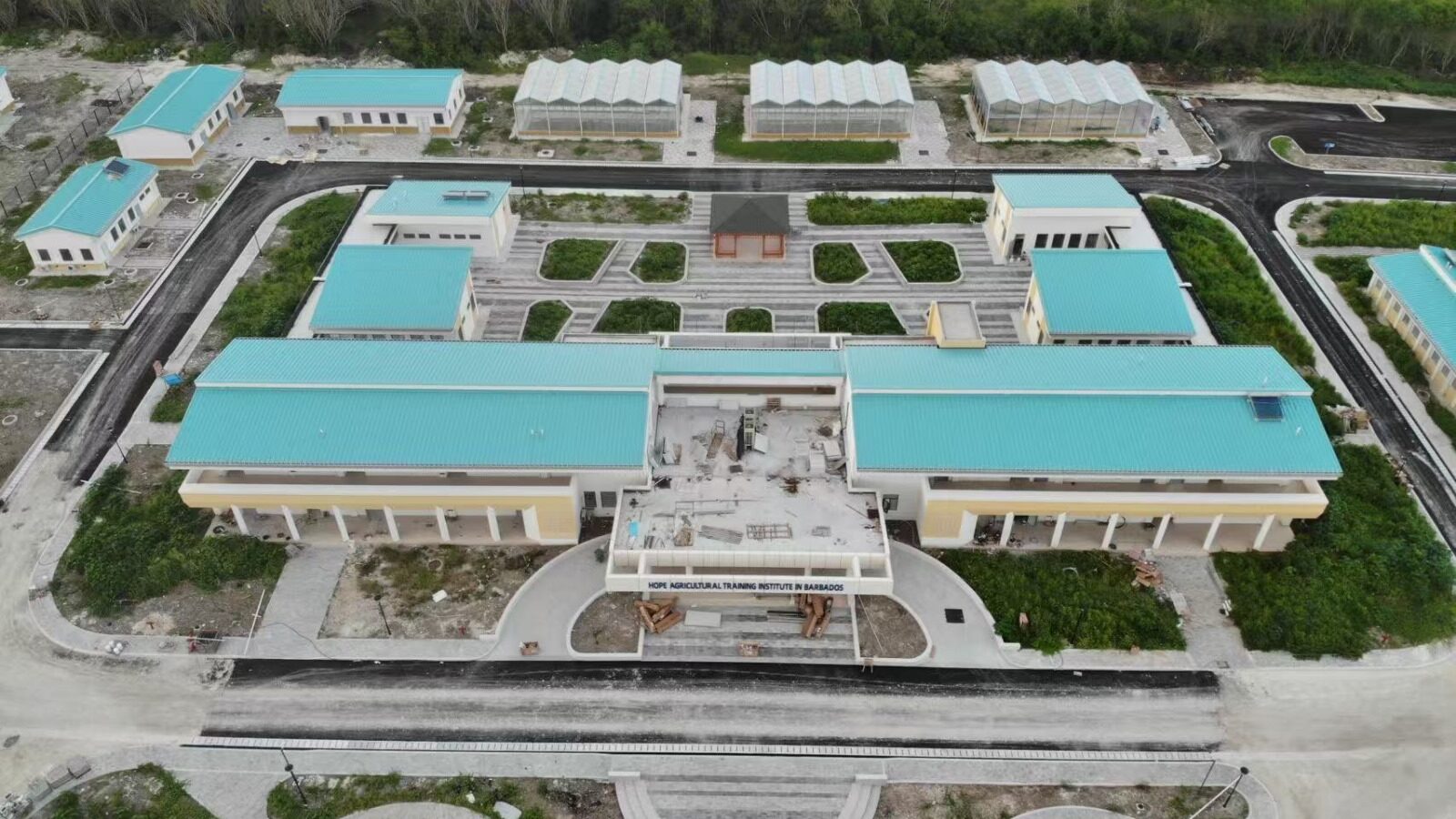
    The Hope Agriculture Training Institute (HATI), a multimillion-dollar educational facility in St Lucy, Barbados, is approaching its final construction phase with 98% completion achieved. Chinese contractors confirm the China-funded project remains on schedule for handover to Barbados’ Ministry of Educational Transformation by early 2026, despite recent weather-related setbacks affecting final paving and fencing works.\n\nDuring a site inspection at Hope estate, project officials from Shanghai Construction Group (SCG) and supervision firm SIPPR Engineering Group provided detailed progress updates. Wu Weizhong, SCG project manager, acknowledged that heavy rainfall had temporarily delayed asphalt paving and fencing operations, but emphasized the contractor’s proactive engagement with local suppliers to maintain timelines.\n\nFollowing construction completion, the facility will undergo comprehensive technical commissioning once water and electricity connections are established. \”We need to run the entire project to ensure all equipment and facilities operate smoothly,\” Wu explained, highlighting the rigorous testing phase ahead.\n\nThe project represents a significant bilateral cooperation effort between China and Barbados, with managers crediting the Ministry of Educational Transformation and Chinese embassy support for effective problem-solving. \”We believe solutions always outnumber problems,\” Wu stated, reflecting the collaborative approach.\n\nDesigned as an educational revolution in agricultural training, HATI will consolidate tertiary agricultural programs currently dispersed across multiple Barbadian institutions. The 57,000-square-foot complex will serve 300 students and 60 faculty members through three specialized zones: livestock facilities, academic/administrative buildings, and residential accommodations.\n\nNotable features include seven livestock sheds, three greenhouses, demonstration classrooms, repair workshops, and climate-resilient design elements. The facility incorporates ISO 9001 quality management standards and specifically addresses Caribbean environmental challenges through salt-spray corrosion resistance, hurricane resilience, and rainwater collection systems.\n\nDesign modifications implemented during construction include expanded elevator dimensions, 13 underground water storage tanks, and conversion to natural gas generators. The institute will feature full accessibility compliance with disability-friendly infrastructure throughout all facilities.\n\nBarbadian Minister of Training and Tertiary Education Sandra Husbands has previously characterized the project as \”a tremendous investment\” and \”a gift to the people of Barbados by the Chinese,\\” recognizing its potential impact on agricultural education and food security initiatives.

  • Constitutional reforms risk undermining independence – unions

    Constitutional reforms risk undermining independence – unions

    The Congress of Trade Unions and Staff Associations of Barbados (CTUSAB) has issued a stern critique of the government’s proposed constitutional amendments, expressing grave concerns about the legislative process and potential implications for institutional independence. CTUSAB General Secretary Dennis DePeiza has demanded comprehensive national consultation before Parliament proceeds with the constitutional reforms introduced by Prime Minister Mia Mottley on Tuesday.

    The proposed Constitution (Amendment) Bill contains several significant provisions, including authorization for lawmakers to elect a Speaker from outside the House of Assembly, adjustments to constituency boundaries, and permission for government ministers to address the Senate directly during legislative debates. While acknowledging the potential merit of an independent Speaker concept, DePeiza emphasized that apparent benefits alone cannot justify constitutional changes without thorough public examination.

    DePeiza characterized the current approach as concerning within Barbados’ Westminster system of governance, describing the reforms as ‘overnight changes’ implemented without adequate public ventilation and feedback mechanisms. He specifically objected to the provision allowing ministers to advocate for measures in the Senate, arguing this could improperly influence a body designed for objective deliberation.

    The trade union leader further criticized the proposal that would maintain the Prime Minister’s authority to appoint an external Speaker, asserting this arrangement fundamentally contradicts the principle of independence. Instead, DePeiza advocated for presidential authority in appointing an independent Speaker, emphasizing that such decisions must reflect national interest commitments and impartial governance standards as Barbados transitions to its new presidency.

  • Barbadians’ own ‘thanksgiving’ at Independence

    Barbadians’ own ‘thanksgiving’ at Independence

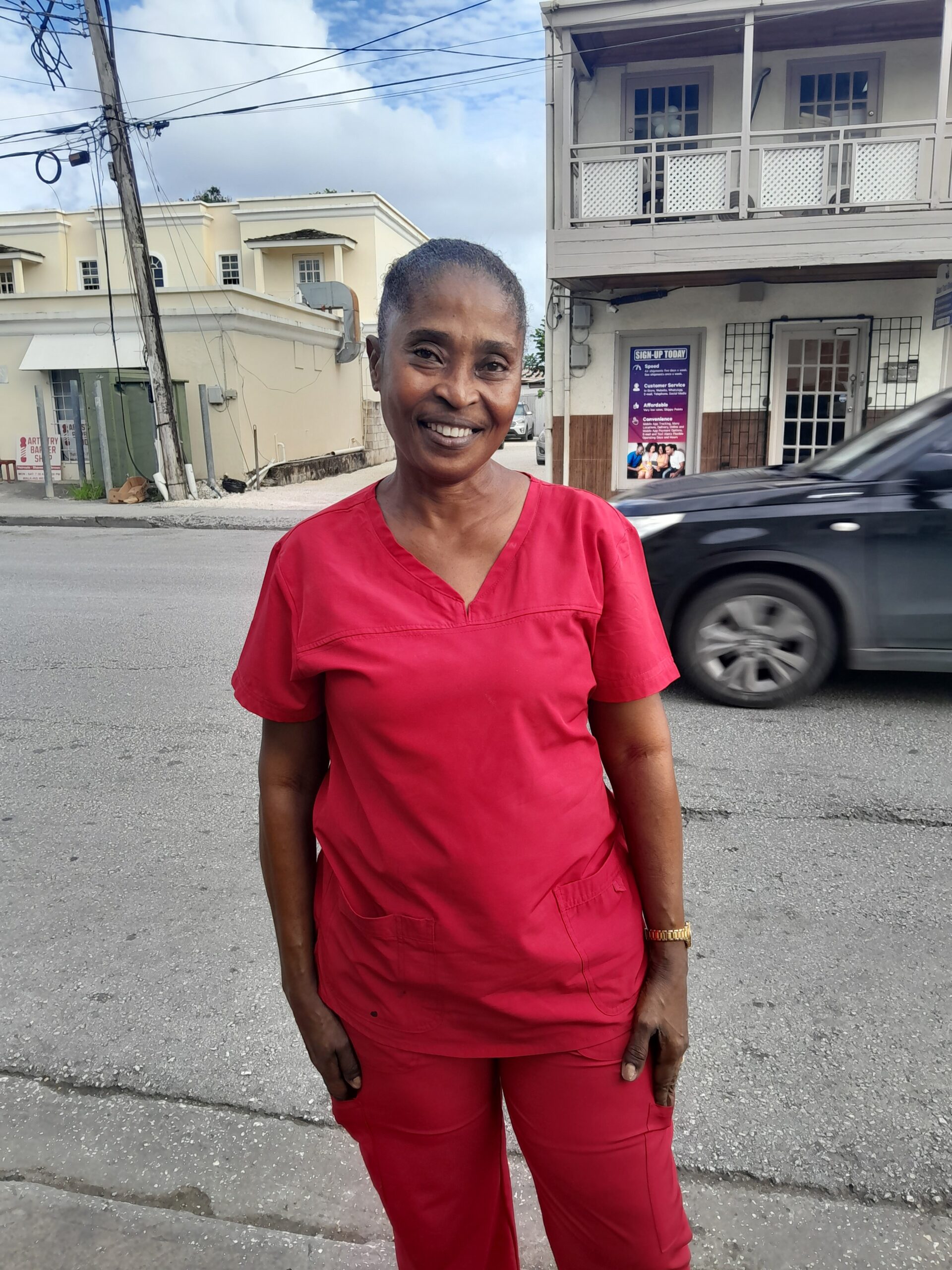
    As Barbados approaches its 59th Independence anniversary, citizens across Bridgetown are engaging in profound reflection on gratitude despite facing economic pressures and personal hardships. The collective sentiment reveals a remarkable resilience rooted in faith, community, and appreciation for life’s fundamental blessings.

    Amid supermarket price surges and recovery from Hurricane Melissa’s near-miss, residents consistently emphasize thankfulness for divine protection and daily sustenance. Allison Jack articulated this duality: “We have much to thank God for despite current expenses. Being spared from the hurricane while living to offer praise remains paramount.”

    The interviews uncover a pattern of gratitude centered on three core themes: spiritual strength, occupational provision, and human connection. Ronald Webster simply appreciates “the Lord’s gift of breath and strength,” while Jermain Jones values gainful employment that sustains his family. Yvette embodies the community spirit, stating her life’s purpose involves being “a blessing to others through helping people.”

    Health and longevity emerge as recurring motifs, with Tonya Peters and Sandra Jordan specifically thankful for wellbeing and survival. Samuel Yearwood acknowledges gratitude for “good health and pleasant days,” while Justin notes his improving circumstances after difficult periods.

    This tapestry of voices demonstrates how Barbadians maintain perspective during challenging times—finding meaning in protection, provision, community bonds, and the foundational gift of life itself. The national character shows remarkable depth through this unifying practice of thankfulness as independence celebrations approach.

  • UN agencies donate resources to Arthur Smith Primary

    UN agencies donate resources to Arthur Smith Primary

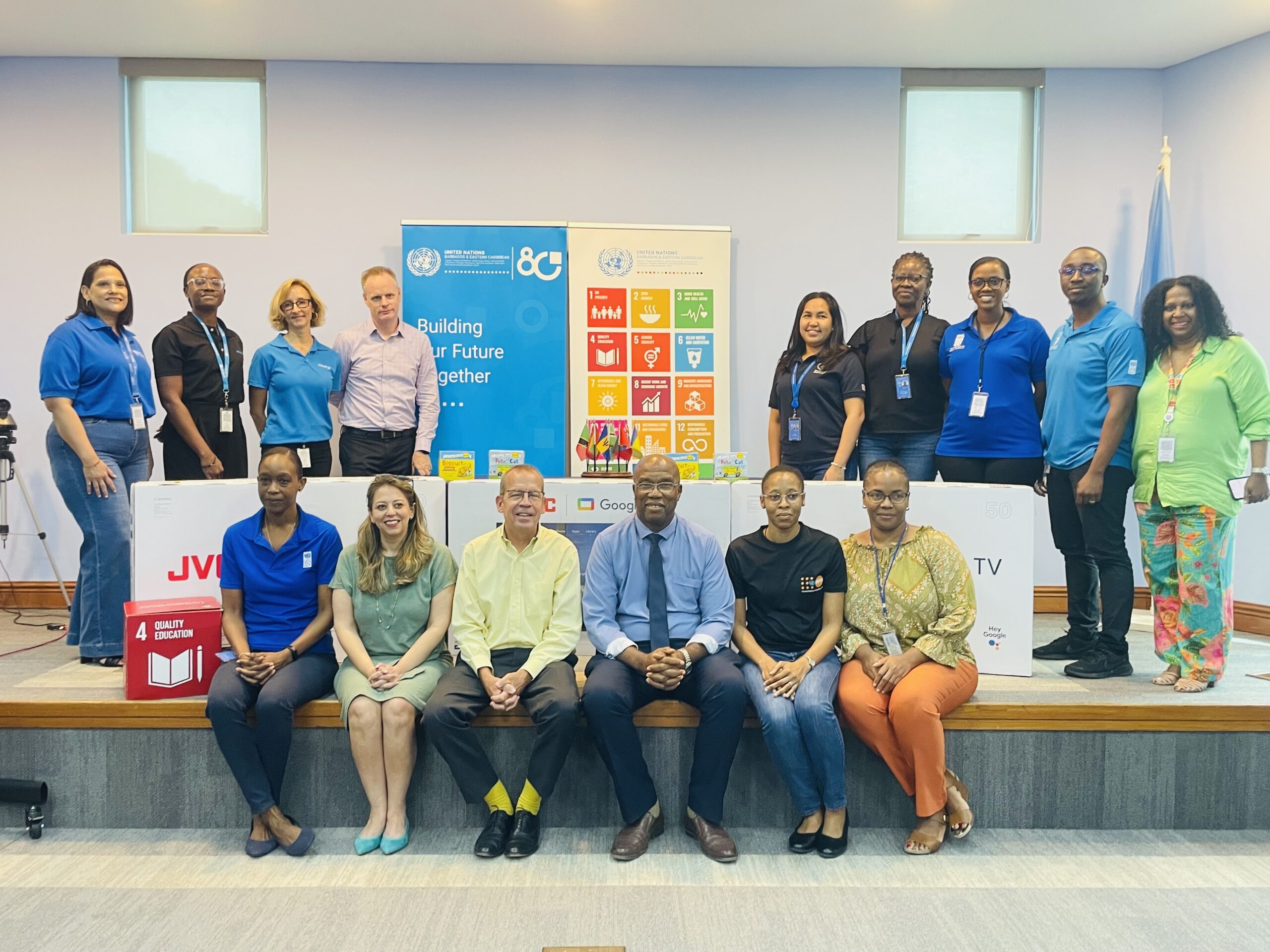
    In a significant demonstration of institutional solidarity, multiple United Nations agencies operating from UN House have delivered substantial educational resources to Arthur Smith Primary School, their neighboring educational institution. This philanthropic initiative comes as the Caribbean region confronts the severe aftermath of Hurricane Melissa in Jamaica.

    The comprehensive donation package includes multiple television sets with mobile stands, educational literature, painting supplies, and materials for facility refurbishment. These resources are specifically designated for the renovation of one entire academic block within the school premises.

    United Nations Resident Coordinator Simon Springett articulated the profound rationale behind this collaboration, stating, “Our relationship extends beyond mere proximity. You are educating our future leaders, many of whom we anticipate will become professionals within our UN building in the coming years.” Springett further emphasized the agencies’ commitment to ongoing educational engagement, highlighting the diverse expertise available within UN House and the willingness of staff to mentor students and stimulate intellectual curiosity.

    The UN official also called attention to the educational emergency in Jamaica, where thousands of children currently lack access to schooling due to hurricane-related devastation.

    Principal John Quinton of Arthur Smith Primary expressed profound gratitude for the sustained partnership, describing UN House as “a tower of strength and support to the school.” He detailed the remarkable technological transformation the school has undergone through previous UNDP assistance, noting that from a single television serving nearly 400 students, the institution now enjoys significantly enhanced multimedia capabilities.

    The school’s internet infrastructure, upgraded through UNDP support, now enables teachers to utilize digital educational tools throughout the campus. Principal Quinton also emphasized the institution’s commitment to regional solidarity, echoing the Caribbean principle that “when one hurts, everyone hurts,” as the school prepares to support Jamaican relief efforts.

    Marquita Sugrim, Communications Consultant at the Food and Agriculture Organization, reinforced the deep institutional bond, stating, “Arthur Smith is our extended family.” She highlighted the school’s participation in UN events and performances, while noting that the current donation represents only the initial phase of support, with additional resources anticipated in the near future.

  • Weymouth Wales set sights on PM Cup glory in $100 000 showdown

    Weymouth Wales set sights on PM Cup glory in $100 000 showdown

    Weymouth Wales and Kickstart Rush are poised for an epic confrontation in the Prime Minister’s Cup final, with both teams vying for the prestigious championship and the substantial $100,000 prize. The decisive match is scheduled for Monday, December 1st at the iconic Kensington Oval, marking a historic moment for Welsh football as they make their inaugural appearance in the tournament’s final stage.

    Under the strategic guidance of coach Asquith Howell, Weymouth Wales enters the final with unwavering determination to conclude their remarkable season triumphantly. The team’s journey to the championship match has been dominant, finishing Group F undefeated before delivering commanding performances against L&R United, Notre Dame (5-2), and a decisive 4-0 semifinal victory over Paradise FC.

    Howell emphasized the team’s collective strength, noting, “Wales’ depth is exceptionally robust with 22 players capable of starting positions. We maintain our strategic approach without adjustments, as every player understands their role in achieving victory for team Wales.” The squad faces one significant concern with striker Shaquille Stewart awaiting MRI results, an situation that has intensified the team’s motivation to secure the title in his honor.

    Kickstart Rush approaches the final with equal conviction, having redeemed last year’s semifinal exit by advancing to this year’s championship match. Captain Sekani Mayers expressed the team’s elevated confidence levels: “Our players have earned this opportunity through rigorous training regimens and unwavering dedication. We’ve strategically blended youthful enthusiasm with veteran experience to create an optimal competitive balance.”

    Manager Chad Bynoe confirmed the return of key player Renaldo Gilkes, who missed the semifinal victory against Wotton, providing additional leadership for the final encounter. Kickstart’s path to the final included topping Group D before securing victories against Greens United, a narrow 2-1 quarterfinal win over Deacons, and their semifinal triumph.

    The anticipated final represents not only athletic excellence but significant financial implications for the winning club, particularly with the holiday season approaching. Both teams have demonstrated exceptional form throughout the tournament, setting the stage for what promises to be a memorable conclusion to Barbados’ premier football competition.