标签: Barbados

巴巴多斯

  • Charles F Broome stamp authority with 6-0 win in NSC/BICO Football

    Charles F Broome stamp authority with 6-0 win in NSC/BICO Football

    The National Sports Council/BICO Primary School Football Competition delivered a full day of thrilling, lopsided and tightly contested matches across multiple zones across the country, with Charles F Broome Primary turning in the most eye-catching performance of all tournament play on the day. Competing in the Reginald Haynes/Victor Gaskin Clarke Zone hosted at Blenheim playing field, Charles F Broome utterly dominated their matchup against St Patrick’s Roman Catholic Primary, cruising to an overwhelming 6-0 shutout victory that stood as the widest margin of win across all matches.

    Elsewhere in the same zone, another shutout was recorded as St Giles Primary earned a solid 3-0 victory over Wilkie Cumberbatch Primary. Two closely fought matches ended in narrow one-goal wins: St Cyprian’s Primary clinched a last-minute 1-0 edge against St Paul’s Primary, while Luther Thorne Memorial Primary also pulled off a 1-0 win against George Lamming Primary.

    Moving to the Dane Alleyne Zone, play continued with high-scoring action. St Stephen’s Primary put on a clinical attacking display to secure a comfortable 4-1 win over St Matthew’s Primary, while St Alban’s Primary and Sharon Primary treated spectators to an end-to-end thriller, with St Alban’s coming out on top 4-2 after a full 60 minutes of play.

    At the Passage Road venue for the Keith Grell Griffith Zone, results brought a mix of shutouts, draws and close finishes. Wesley Hall Primary upset Trinity Academy with a 2-0 defeat, while St Mary’s Primary dominated Lawrence T Gay Memorial to win 4-0. In a tightly matched contest between two evenly matched sides, Grazettes Primary and Deacons Primary ended their game in a 1-1 all draw. The final match of the zone saw Eden Lodge Primary fend off a late push from Westbury Primary to claim a 2-1 victory.

    Over at King George V Park, Hilda Skeene Primary maintained their strong run of form in the Adrian Donovan/Michael Foster Zone. The side secured an automatic 3-0 default victory after Bayleys Primary was forced to forfeit the matchup, meaning Hilda Skeene claimed three points without stepping onto the field for full play. Other results in the zone included Blackman & Gollop Primary securing a 2-0 shutout against Gordon Walters Primary, St Catherine’s Primary taking a 3-1 win over St Marks Primary, and Reynold Weekes Primary squeezing past St Philip Primary by a narrow 2-1 scoreline.

  • Flood aid for farmers from November deluge

    Flood aid for farmers from November deluge

    Six months after an unseasonal flash flood devastated agricultural communities across multiple farming districts in Barbados, the country’s Ministry of Agriculture has finalized a multi-layered support programme to help impacted growers rebuild their operations and recoup crippling losses, Agriculture Minister Dr. Shantal Munro-Knight confirmed Wednesday.

    The rare November 10 flood was far from a minor weather event: it claimed the life of one local man, submerged dozens of residential properties under toxic water, mud and debris, and wiped out standing crops and entire livestock herds across vast swathes of the island’s farmland. In a candid press briefing, Dr. Munro-Knight issued a public apology to farmers who had yet to receive official support in the months following the disaster, acknowledging the government’s delayed response.

    “I want to say publicly, right now, let me apologise to all those farmers that we haven’t gotten back to, that we haven’t been responsive enough to. Lots of things have happened, but that is no excuse,” the minister told reporters. She added that ministry teams have completed island-wide damage assessments, though impacted growers were still submitting loss claims as recently as earlier this month to account for unrecorded damage.

    As the first wave of support, the minister confirmed that flood-impacted farmers will be the top priority group to receive free fertiliser through the government’s existing agricultural input programme, with outreach to all eligible growers scheduled to roll out throughout the month of June. Beyond immediate input support, the disaster has underscored the urgent need for broad, systemic upgrades to Barbados’ agricultural sector to address increasing climate volatility, Dr. Munro-Knight said.

    Beyond emergency relief, the government is integrating long-term climate resilience into its recovery framework through the Barbados Agricultural Development and Marketing Corporation (BADMC) crop escalation plan. The initiative will not only focus on restoring production but also upgrade critical rural road infrastructure, expand access to precision agricultural technology, and increase adoption of climate-controlled shade houses and greenhouses to mitigate future flood damage. Previous investments in infrastructure such as the national onion dryer are already part of this strategy, designed to address ongoing challenges from intensified seasonal rainfall that is only expected to continue in coming years.

    Chief Agricultural Officer Paul Lucas detailed additional components of the support package, including a flexible voucher system for the most severely impacted producers. Unlike one-size-fits-all aid, the vouchers allow growers to purchase the inputs most critical to their unique operations, from seeds and planting stock to irrigation equipment, putting recovery decision-making directly in the hands of farmers. The ministry is also finalizing targeted support for livestock producers, with a proposed restocking programme for small ruminant (sheep and goat) farmers that would provide two breeding ewes and one ram to help eligible producers rebuild their herds from scratch. Poultry farmers who lost entire flocks in the flood will also be able to access vouchers for starter feed and other critical inputs to restart production.

    Lucas noted that many resilient farmers have already begun rebuilding their operations independently, without waiting for government assistance. The ministry’s programme is designed to complement and support these existing efforts, with additional financial support allocated for the producers who suffered the worst losses. Officials are currently mapping individual need assessments to match farmers with appropriate levels of aid, and are proposing a free fertiliser allocation of two bags per acre for all impacted crop farmers as part of the recovery push.

    In closing, Lucas paid tribute to flood-impacted producers, saying: “We want to salute those farmers who have endured some of the worst experiences, and we hope that they could understand that it is a process, and sometimes we have to go through certain mechanisms and frameworks in order to provide this service.”

  • Half connected to smart grid as BL&P targets faster outage response

    Half connected to smart grid as BL&P targets faster outage response

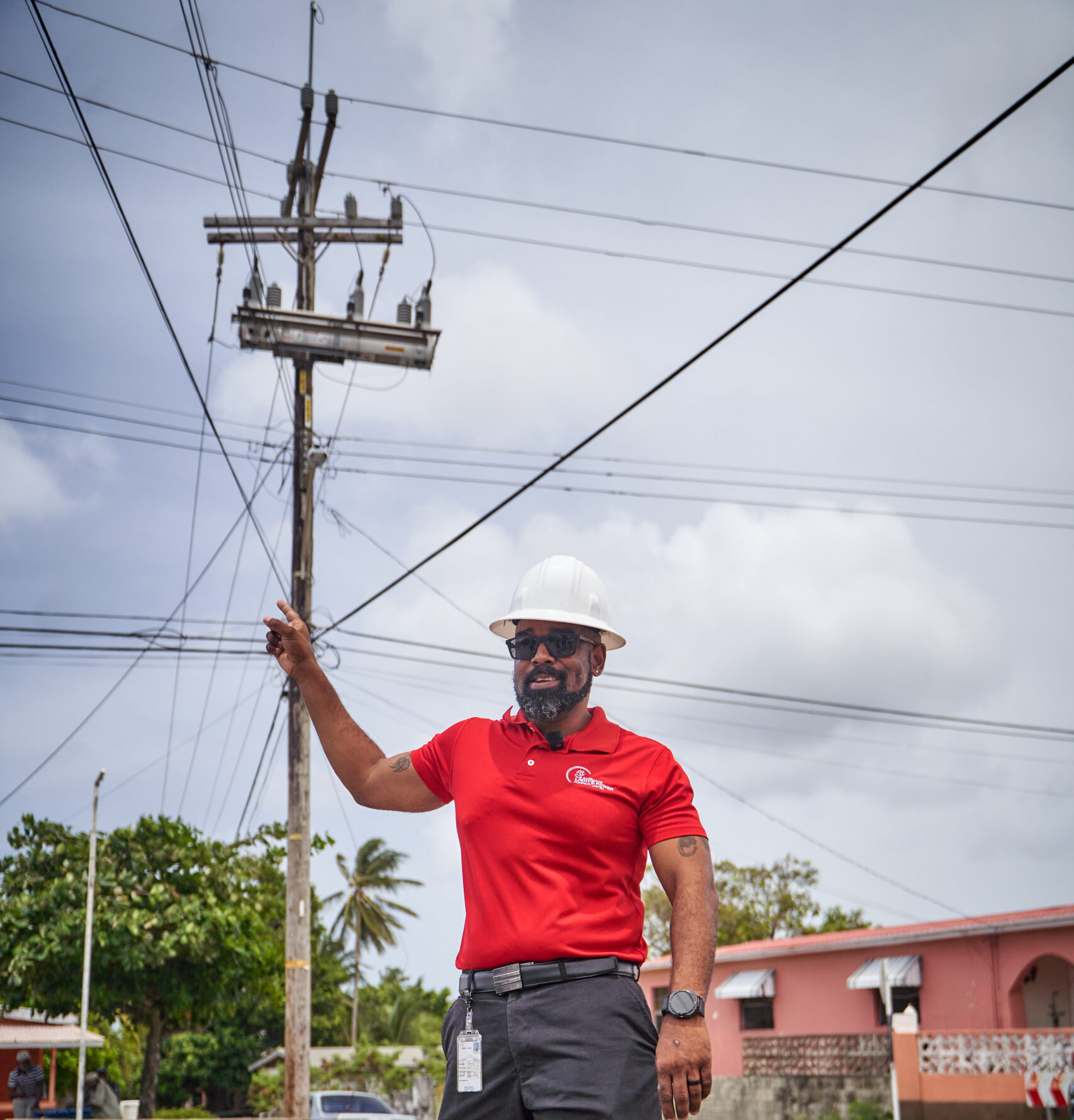
    Barbados Light and Power Company (BL&P) announced Wednesday that 50 percent of its customer base is now linked to an upgraded automated electricity grid, a transformative update that company officials project will slash power outage durations and drastically boost service reliability across the island nation. In some cases, the smart system can resolve unplanned faults in under two minutes, company representatives confirmed during a press briefing held at BL&P’s Garrison headquarters.

    The milestone marks a key progress update for BL&P’s multi-million-dollar grid modernization initiative, which first launched back in 2016. David Haynes, BL&P’s operations technology administrator, framed the achievement as a groundbreaking milestone not just for the Barbadian utility, but for energy providers across the entire Caribbean region. “This is a very unique milestone, especially not only for Barbados Light and Power, but for utilities in the Caribbean, having more than half of our grid modernized to a point where we can respond to faults in some instances in less than two minutes,” Haynes stated.

    Prior to the rollout of automated grid technology, restoring power after an outage required a time-intensive, manual process. Utility crews had to travel to the affected site, conduct on-foot investigations to locate the fault, manually isolate the problematic section of the grid, and only then begin restoring service. Depending on the size and location of the outage, this process could take a minimum of 60 minutes to complete. Haynes explained that the modernized system has cut that timeline dramatically, with most outages resolved in 15 minutes or less, and many cleared far faster.

    The upgrade replaces outdated manual disconnect systems with intelligent automated switches fitted with custom-built algorithms. These tools can automatically detect and isolate grid faults in less than 30 seconds, while immediately restoring power to all customers connected to unaffected sections of the line. In many minor fault events, Haynes added, customers may not even notice a temporary interruption to their service. The technology also equips grid control room operators to pinpoint the exact location of faults remotely, eliminating the need for crews to patrol entire circuit lengths to identify problems before starting repairs.

    A key additional benefit of the new system is its ability to quickly resolve common transient outages caused by tree and vegetation contact with overhead power lines, a persistent issue for many Caribbean utilities. The automated switches detect these temporary faults and restore service in a matter of seconds, avoiding extended disruptions for customers.

    Director of transmission and distribution Dr. Nneka Archer emphasized that the $5 million modernization investment has prioritized underserved rural communities, rather than concentrating upgrades solely on densely populated urban centers or high-traffic tourism districts. “Most of the time people think when we make investments into modernisation, we go into the town areas, we go on the west coast. We started in the rural feeders,” Archer explained, noting that these rural areas often rely on longer distribution lines that serve large customer bases, making upgrades especially impactful.

    BL&P first rolled out the automated grid technology to customers in 2019, and has since expanded access to more than 70,000 customers across all of Barbados’ parishes. To date, the company has installed 61 automated switches at a total cost of roughly $5 million. When the full modernization project is completed, 81 percent of BL&P customers will be connected to the automated grid. The remaining 19 percent of customers are connected to underground networks or smaller feeders that require specialized, alternative grid modernization solutions, Archer added.

  • Monkey raids on farms persist as ministry seeks regional, AI solutions

    Monkey raids on farms persist as ministry seeks regional, AI solutions

    Barbados’ agricultural sector is grappling with an escalating crisis of rampant monkey raids on commercial and small-scale farms, pushing the country’s Ministry of Agriculture to pursue cross-regional knowledge sharing and cutting-edge artificial intelligence interventions to curb mounting farmer losses. Agriculture Minister Dr. Shantal Munro-Knight openly admitted Wednesday during a press briefing at the ministry’s Graeme Hall headquarters that there is no silver bullet for this decades-long problem, which has plagued local farming alongside persistent praedial crop larceny for generations.

    Calling both issues systemic challenges that have undermined agricultural productivity for decades, the minister emphasized that neither monkey-related crop destruction nor crop theft can be resolved with a single, quick intervention. To build a context-appropriate solution, Dr. Munro-Knight has spent recent months researching mitigation strategies used across neighboring Caribbean and South American nations, including on official visits to Guyana and Suriname. She found that monkey crop raids are a shared struggle across the region: no country has yet developed a one-size-fits-all definitive solution, with territories testing a range of differing approaches to manage the problem.

    Currently, the Barbados Ministry of Agriculture is evaluating a suite of technology-driven mitigation tools, with artificial intelligence at the core of its exploratory work. Existing AI-powered options already deployed in other regions include AI-integrated drone monitoring, smart perimeter fencing that sends real-time alerts of intruding primates, and non-lethal deterrent systems that fire low-impact pellet sprays to scare monkeys away without causing harm. The minister stressed that cost accessibility is a non-negotiable factor during the evaluation process, noting that any effective solution must be affordable for working farmers to deliver real benefit.

    To advance this work, the ministry will convene a closed expert stakeholder meeting in the second week of June, bringing together internal ministry teams, external agricultural partners, environmental experts and other relevant stakeholders to review existing mitigation measures and hash out new potential solutions that address both monkey damage and praedial larceny simultaneously.

    Dr. Munro-Knight also addressed widespread public debate surrounding monkey culling, noting that while the government has already increased the financial bounty for approved culling operations, Barbados remains committed to balancing crop protection goals with humane wildlife management. She added that even with expanded culling, the current approach cannot address the scale of the primate population that is driving widespread crop damage across the island.

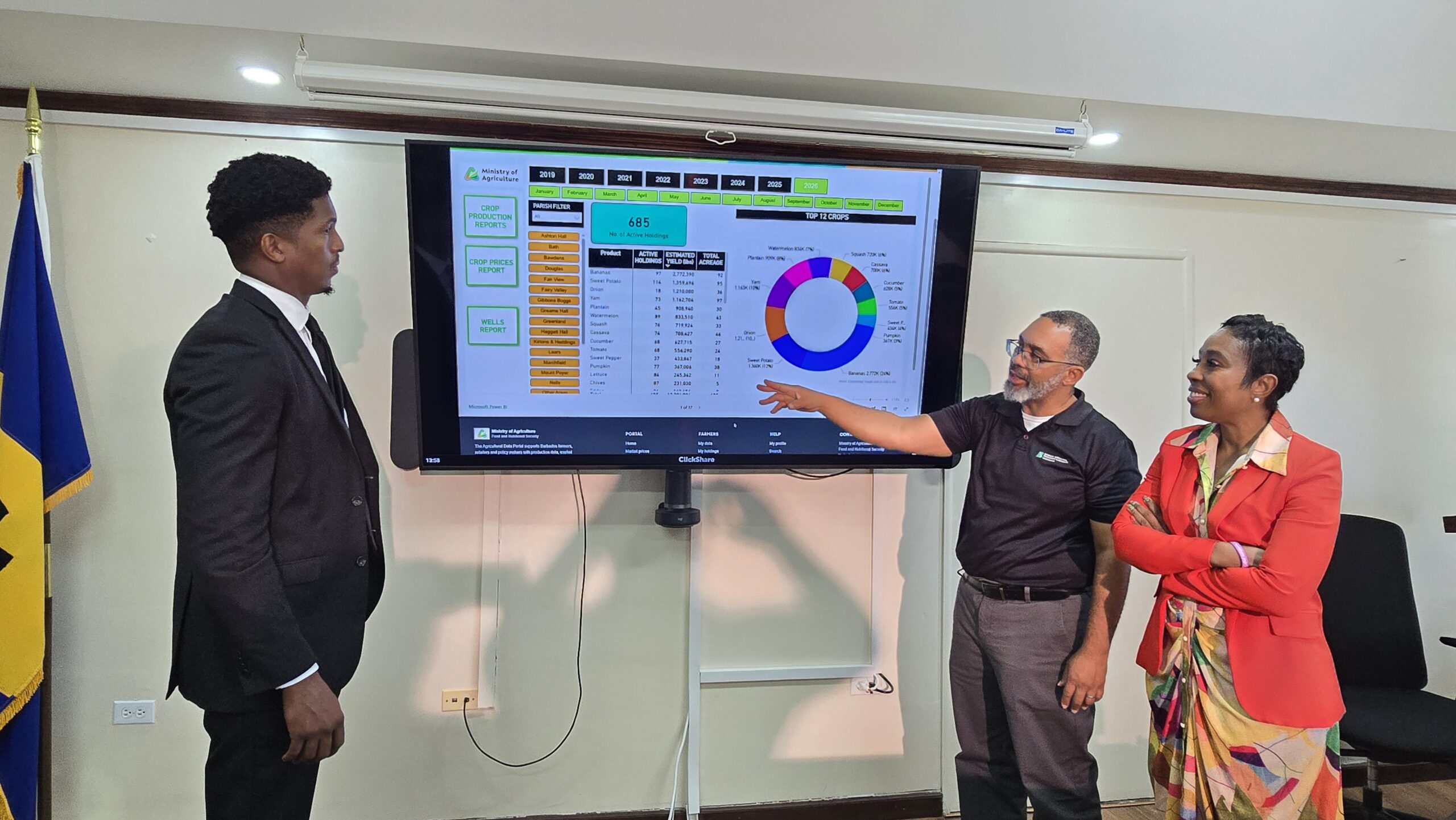
    In a step to build better data for evidence-based policy, the ministry launched a new agricultural data collection platform on Wednesday in partnership with the state-owned Barbados Agricultural Development and Marketing Corporation (BADMC). Right now, officials lack the comprehensive data needed to accurately calculate the total economic loss that monkey raids inflict on the local agricultural sector each year. The new platform is designed to fix this gap by enabling systematic, comprehensive data collection in collaboration with local farming communities, giving officials clear figures to guide future strategy and resource allocation.

    Monkey raids often leave crops damaged beyond recovery, forcing many local farmers to absorb significant, uncompensated financial losses year after year. Closing out her remarks, Dr. Munro-Knight underlined that solving the crisis cannot fall to the Ministry of Agriculture alone. Long-term sustainable solutions will require coordinated cross-agency collaboration with the Ministry of Environment, local academic institutions, and international development partners to deliver results that work for both farmers and wildlife.

  • Veteran education official pushes for more student talent platforms

    Veteran education official pushes for more student talent platforms

    As Barbados deepens its international cultural and educational collaboration networks, a seasoned senior education leader is making a final push to reshape how the country approaches student success, arguing that young people with talents outside traditional academics deserve the same resources and support to thrive as their academically gifted peers.

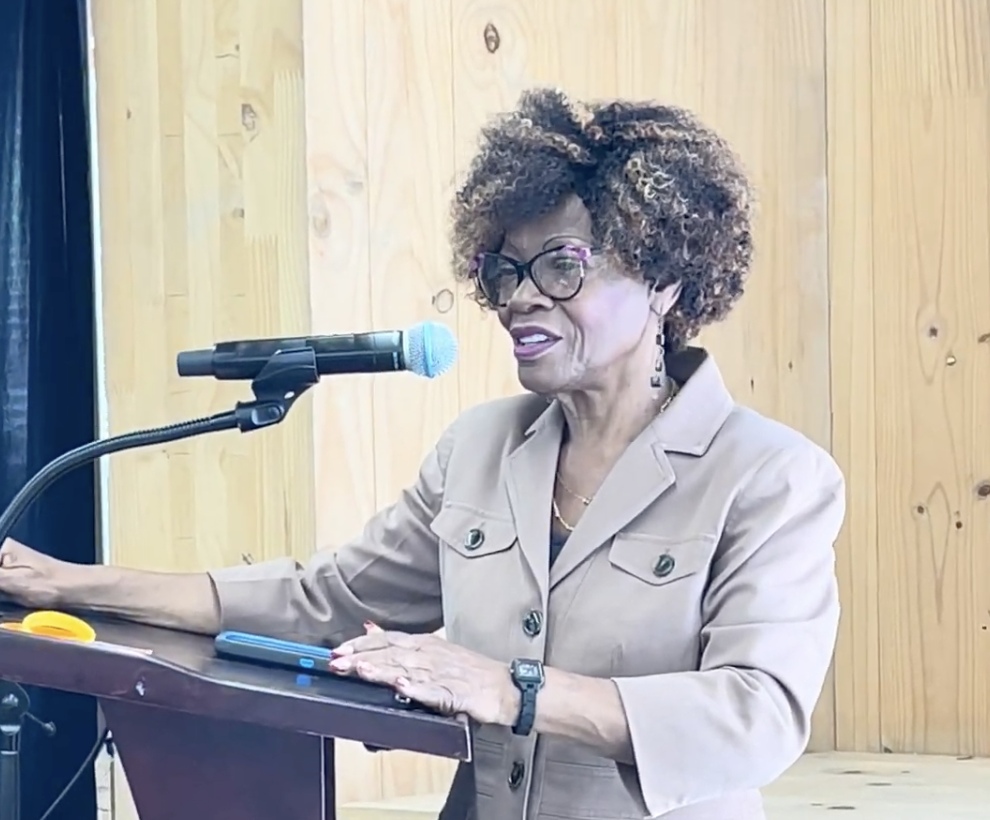
    Idamay Denny, a former deputy chief education officer who led the Barbadian government’s flagship education reform initiative and currently serves as a strategic policy advisor for the Ministry of Education Transformation, shared her vision Wednesday during a cultural exchange showcase at the Oceana Innovation Hub. The event brought together students from New York’s Performing Arts Technology High School (PATHS) and two local Barbadian secondary schools, St Leonard’s Boys’ School and Coleridge and Parry School, for cross-cultural collaborative performances and skill-sharing.

    Denny, who is set to officially retire from her government post this Friday, told attendees that the energy and creativity on display at the showcase reinforced her longstanding argument for overhauling education investment priorities. “What I saw here this morning reinforces what I tell the people in the ministry about investing in our students in terms of transformation,” she said. “We have to give you things that when you wake up in the morning, you want to get to school, and activities like what we saw here this morning are those kinds of activities.”

    The showcase itself is a core component of a formal partnership between the Ministry of Education Transformation and the non-profit initiative I WILL GRADUATE, which hosted the PATHS student band on the island for a week of cultural exploration and collaborative learning with local young people. A reciprocal trip for Barbadian students to visit New York is already planned for the coming months.

    A central pillar of Denny’s advocacy is challenging the outdated perception that creative fields like music and the arts are secondary extracurriculars rather than viable long-term career pathways. She emphasized that today, creative industries represent one of the most reliable routes to sustainable, well-paying employment for young people — a far cry from the norm when she was a student.

    “Once upon a time when I was a girl going to school, nobody thought that music was going to be the thing that was going to carry you somewhere in life. We saw that as a little extra thing by the side. But nowadays, music is one of the biggest pathways to sustainable employment,” she explained.

    Denny pointed to standout performances from PATHS students during the showcase to illustrate how the creative industries are evolving and opening doors for underrepresented groups. Highlighting a young female trumpet player who took the stage, she noted that the historically male-dominated professional music space is becoming far more inclusive. “Once upon a time then we saw bands… All men. But can you see from her that we can have some real good women playing in these bands. I will not be surprised if God allows me to live another 10 years to turn on my TV one day and see her playing in a band. She’s that good. Her heart is in it.”

    She also reserved praise for a young PATHS vocalist, telling the audience she has the raw talent to become a global entertainment star. “When I saw you, I thought I would see you in one of those shows X Factor, The Voice… all of those things where people go and their whole career gets made in that moment while they’re there performing. I could see you on one of those shows winning and then becoming a big-time star.”

    Across all her remarks, Denny stressed that schools must expand their definition of success to recognize and nurture skills beyond core academic subjects. “Yes, we want you to go to school and we want you to do well academically, but we don’t want you to think that academics is all. There are other things. You have other talents and we want to provide the mechanisms; we want to provide the infrastructure for you to do well with all those talents that you have,” she said.

    Even as she prepares to leave her formal government role, Denny made clear she has no plans to step away from advancing arts-integrated education and international exchange. “This is only the beginning,” she said. “As I said, I am leaving this job… But I won’t be gone from this because I want to see this develop.”

    She added that centering non-academic talent has been a core goal of her work shaping the ministry’s ongoing education transformation agenda. “We know that we have children who are not the best academically… We know there are children who have other talents. We know there are children who want to do other things. Why don’t we put the infrastructure in place to help those children do those things?”

    The exchange also offered a powerful example of how creative collaboration builds soft skills like leadership that traditional classroom learning often struggles to foster, Denny noted. During the event, a student from St Leonard’s Boys’ led a workshop teaching visiting PATHS students how to play the traditional Barbadian steel pan — an experience Denny called a clear display of emerging leadership.

    “That was leadership. We want children to develop leadership skills. It doesn’t only come from learning English and History and Science; it comes from this sort of activity too,” she said. “When I saw the boys from St Leonard’s standing beside their counterparts from PATHS, guiding them into how to play the scale on the steel pans, I saw leadership in action. These children are bright, brilliant children, but we don’t feel so. So we have to expand what we call brilliance.”

    Closing her remarks, Denny thanked the PATHS delegation for selecting Barbados as the host for the exchange initiative and reaffirmed her commitment to supporting the growing partnership, including the upcoming reciprocal student trip to New York. “I am going to spend some time helping to develop this collaboration,” she said.

  • Youth cricket programme poised to unearth cricketing talent

    Youth cricket programme poised to unearth cricketing talent

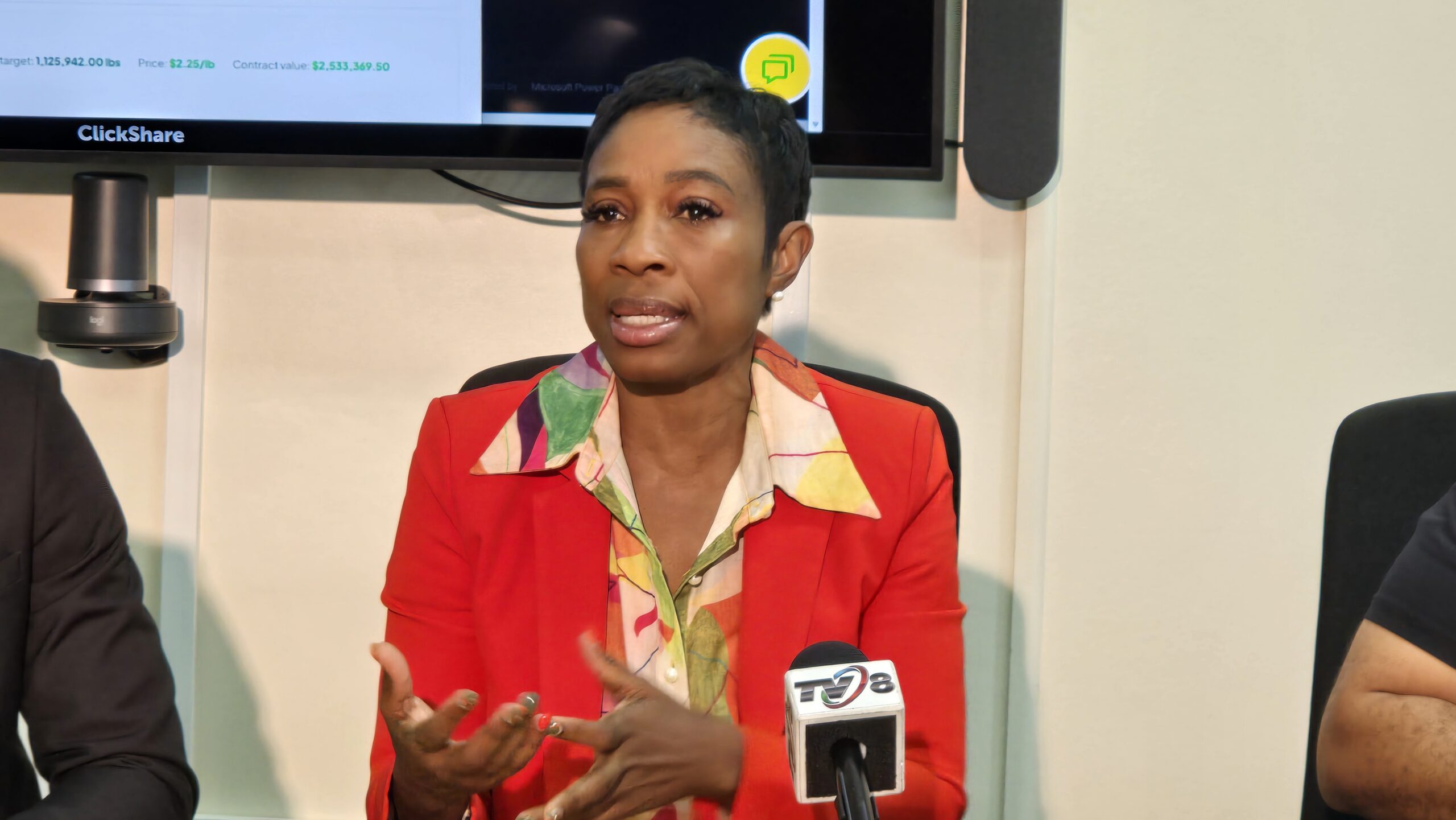
    Barbados has launched an ambitious grassroots cricket initiative designed to cultivate the next wave of elite cricketers for the nation and the wider West Indies region, with more primary schools signed up than initially targeted. The Republic Bank Five Fun Cricket Programme, officially launched Wednesday at the Sir Garfield Sobers Gymnasium, is focused on introducing children aged 7 to 12 to the sport and building a deep pipeline of young talent.

    Wendell Coppin, Operations and Development Manager at the Barbados Cricket Association (BCA), framed the program as a critical training ground for emerging cricketing skill. He announced that organizers have already exceeded the original 48-school target set by Cricket West Indies (CWI), with a minimum of 60 primary schools across the island now set to take part in the softball-focused initiative. The launch included a live skills demonstration from students of Bayleys Primary, one of the participating institutions.

    “It’s a softball programme within the schools and so far, again with the help of the National Sports Council, we are targeting 60 primary schools across the island,” Coppin explained. “With the help of the National Sports Council, the Barbados Cricket Association and our coaching staff, we expect that every single child in the next three years would have seen a Five for Fun programme, used a Five for Fun bat and would have held a Five for Fun ball, as a result of the support from our sponsors Republic Bank.”

    The program is structured to deliver widespread engagement and competitive growth for young participants. Inter-school matches will be held across local zones, leading up to a one-day national festival that brings together all zonal winning teams. Each competing team will field five players: three boys and two girls, ensuring inclusive participation across genders.

    Coppin emphasized that the initiative is intended to keep the talent pipeline flowing for Barbados and West Indies cricket. “We hope that the conveyor belt of cricketers within Barbados and certainly West Indies will continue, as a result of the help from the BCA, the National Sports Council, and indeed our partners at Republic Bank,” he said.

    BCA Chief Executive Officer Paul Skinner described the cross-sector collaborative effort as both timely and essential for rebuilding mass participation in cricket across Barbados. He added that the program goes far beyond just teaching athletic skills, positioning cricket as a tool for positive youth development.

    “Cricket must not only be seen as just a game, but as a vehicle that can encourage and create positive behavioural change in young people,” Skinner said. “The Republic Bank Five for Fun Cricket programme will give children the opportunity to be explorative and expressive while building core qualities of leadership, patience, teamwork, dealing with adversity, confidence, time management, commitment, responsibility, and so much more. It is truly a well rounded programme and it’s a skills development initiative that I think will go far here in Barbados.”

    For title sponsor Republic Bank (Barbados) Ltd, the initiative aligns with the firm’s long-standing commitment to youth investment and community building. Carlene Seudat, Managing Director and CEO of the bank, called the launch a proud and milestone moment for the company.

    She noted that the program has already delivered proven results in Saint Lucia, where it launched in 2021, and expressed confidence that Barbados — with its deep, celebrated cricketing heritage — would embrace the initiative with equal passion. “We’re especially proud to partner with the BCA, CWI, the Ministry of Education and the Ministry of Sport through the National Sports Council to bring this initiative to life,” Seudat said. “Having already seen the success of Five for Fun in Saint Lucia since 2021, we are confident that Barbados will embrace it with the same energy, passion, and excellence that defines its rich cricketing legacy.”

    Beyond athletic and personal development, the program offers tangible financial benefits for all participants. Seudat announced that every child taking part will receive a Republic Bank Right Start savings account with an opening deposit of $50, to encourage early financial literacy. Additional cash incentives will reward top-performing teams, with the winning squad eligible for up to $200 per student, reinforcing values of teamwork, dedication and excellence through friendly competition.

  • New investment opportunities between Barbados, Guyana in the works

    New investment opportunities between Barbados, Guyana in the works

    Against the backdrop of 60 years of independence for both Caribbean nations, Barbados and Guyana have taken two landmark steps to deepen regional cooperation and integration, rolling out a simplified cross-border travel regime and unveiling plans for a people-centric joint investment fund.

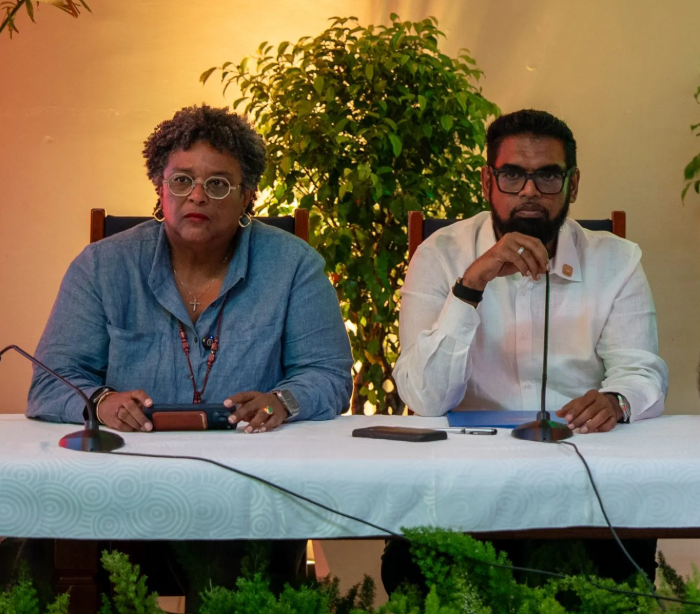
    The flurry of activity began on Monday, when the two governments formally introduced a new travel arrangement that eliminates the requirement for passports for travel between the two countries. Under the new rule, eligible citizens of Barbados and Guyana can now cross the border using only a valid national identification card, with the full system launch scheduled for July 1 to give airlines and relevant stakeholders sufficient time to update their processes and adapt to the new regulation. The day after the announcement, during a press conference held as part of Guyana’s Diamond Jubilee independence celebrations at the Guyana National Stadium in Providence, Prime Minister Mia Mottley of Barbados made history as the first Barbadian citizen to enter Guyana using a digital national ID under the new framework.

    Following the travel reform, the two leaders used the Tuesday press conference to announce a new initiative that goes beyond people movement: the proposed Trident Arrow Investment Fund. This innovative fund is designed to open up direct investment opportunities in major national and regional infrastructure and development projects to ordinary citizens of both countries. Unlike traditional large-scale investment vehicles that primarily attract institutional investors, the Trident Arrow fund will allow everyday people to become direct stakeholders in cross-border development, while also earning competitive returns on their contributions.

    Barbados Prime Minister Mia Mottley framed the dual announcements as a tangible, people-first advancement in Caribbean regional integration. “This initiative represents another significant step forward in regional cooperation, south-south collaboration, and people-centred governance,” Mottley said. “As our two nations mark 60 years of Independence, it is fitting that we take this step together. This is the kind of practical integration that Caribbean people can feel in their daily lives.” Mottley also shared her vision for scaling these reforms, expressing hope that the ID-based travel arrangement will eventually be expanded to other Caribbean countries as regional cooperation efforts continue to progress.

    Guyanese President Dr Irfaan Ali echoed this sentiment, framing the growing partnership as a core part of a broader vision for a fully connected, united Caribbean community. “As Guyana and Barbados celebrate 60 years of Independence, this initiative symbolises not only the enduring friendship between our nations, but also our shared vision for a more connected, accessible, and united Caribbean community,” Ali noted.

    Public reaction to the new travel rule in Bridgetown, Barbados’ capital, has been largely positive, with many residents describing the reform as a long-overdue change that removes a major barrier to cross-border movement. Some residents, however, pointed out that high airfare costs between the two countries still remain a significant obstacle for many casual travelers. Economist Professor Don Marshall, speaking to local outlet Barbados TODAY, framed the travel reform as more than just a convenience: he argued it will act as a powerful catalyst for deeper regional integration and increased cross-border investment, unlocking new commercial opportunities for businesses and workers across both nations.

    Additional details about the structure and implementation timeline of the Trident Arrow Investment Fund, as well as further logistical information for the new ID-based travel system, are expected to be released to the public in the coming weeks, ahead of the full July 1 rollout of the travel arrangement. The dual announcements mark a clear deepening of already growing ties between the two countries, which have steadily expanded cooperation in recent years across trade, tourism, public health, labor mobility, and cross-border investment.

  • Shirley Chisholm Primary on a roll in netball tournament

    Shirley Chisholm Primary on a roll in netball tournament

    The National Sports Council’s Pedialyte Sport Primary School Netball competition continued to unfold at the Dover playing field in Christ Church on Wednesday, with defending champions Shirley Chisholm Primary maintaining their flawless unbeaten streak through two matches on matchday.

    Competing in the competitive Carolyn Sinclair/Marion Johnson-Hurley Zone, the Vauxhall-based side delivered two dominant performances to extend their winning run. First, Shirley Chisholm Primary secured a solid 9-3 victory over St Christopher Primary, before following up that win with a 7-3 defeat of St Lawrence Primary.

    St Lawrence Primary quickly shook off their second-half slump against the defending champions to claim a comfortable win in their second outing of the day, outpacing Arthur Smith Primary to notch a 7-1 victory that gets their campaign back on track.

    Christ Church Girls’ Primary also enjoyed a strong day of results, putting together two wins and one draw across their three matches. The side opened with an 8-1 rout of St Christopher Primary, then earned a tight 2-1 win over Bay Primary, before settling for a 2-2 draw against St Paul’s Primary.

    Arthur Smith Primary experienced mixed fortunes across their two matches on Wednesday. The team kicked off their day with a clear 4-1 win over St Gabriel’s Primary, but could not carry that momentum into their second game, falling 5-2 to Bay Primary.

    St Gabriel’s Primary also had an up-and-down day of netball action. After falling to Arthur Smith, the squad fought to a 3-3 draw with St Paul’s Primary, before pulling off a narrow 2-1 upset win over Bay Primary to close out their matchday.

  • Wanted man now in police custody

    Wanted man now in police custody

    A man who had been flagged by police as a wanted suspect connected to severe criminal allegations is no longer at large, after turning himself in to authorities over the weekend. Shane Anthony Greene became the target of an official police wanted notice distributed to the public on Saturday, as law enforcement launched a push to locate and question him in relation to a series of serious criminal matters. The situation took a swift turn the very next day, when Greene presented himself at the Oistins Police Station. He was not alone during the surrender: a practicing attorney-at-law accompanied him to the station to support his voluntary handover to police. As of the latest updates, the suspect remains in police custody and is actively cooperating with investigators, who are continuing their work to untangle the details of the criminal case he is linked to.

  • Teen girl missing after leaving QEH

    Teen girl missing after leaving QEH

    Law enforcement authorities in Barbados are intensifying efforts to locate a missing 14-year-old teen, Tia Gittens, who vanished more than a week after walking out of the Queen Elizabeth Hospital against medical protocol. Gittens, who is currently under the legal care of the island’s Child Care Board, has not been spotted by friends, family or officials since May 22. According to official descriptions released by the police, the missing teenager stands approximately 5 feet 4 inches tall, has a slim build and a brown complexion. The last confirmed sighting of Gittens found she was dressed in casual loungewear: a pair of loose-fitting long grey sweatpants, a solid black sweater, and simple house slippers. With no significant leads developed in the case so far, local police have issued a wide-ranging public appeal for community assistance to help bring the teen home safely. Any member of the public who has encountered Gittens since May 22, or holds any information that could hint at her current location, is urged to reach out to law enforcement immediately. Tips can be submitted to the Central Police Station directly, the 24/7 police emergency hotline at 211, the anonymous Crime Stoppers tip line at 1-800-8477, or any local police district office closest to the informant. Investigators have emphasized that even small, seemingly insignificant pieces of information could prove critical to resolving the case quickly.