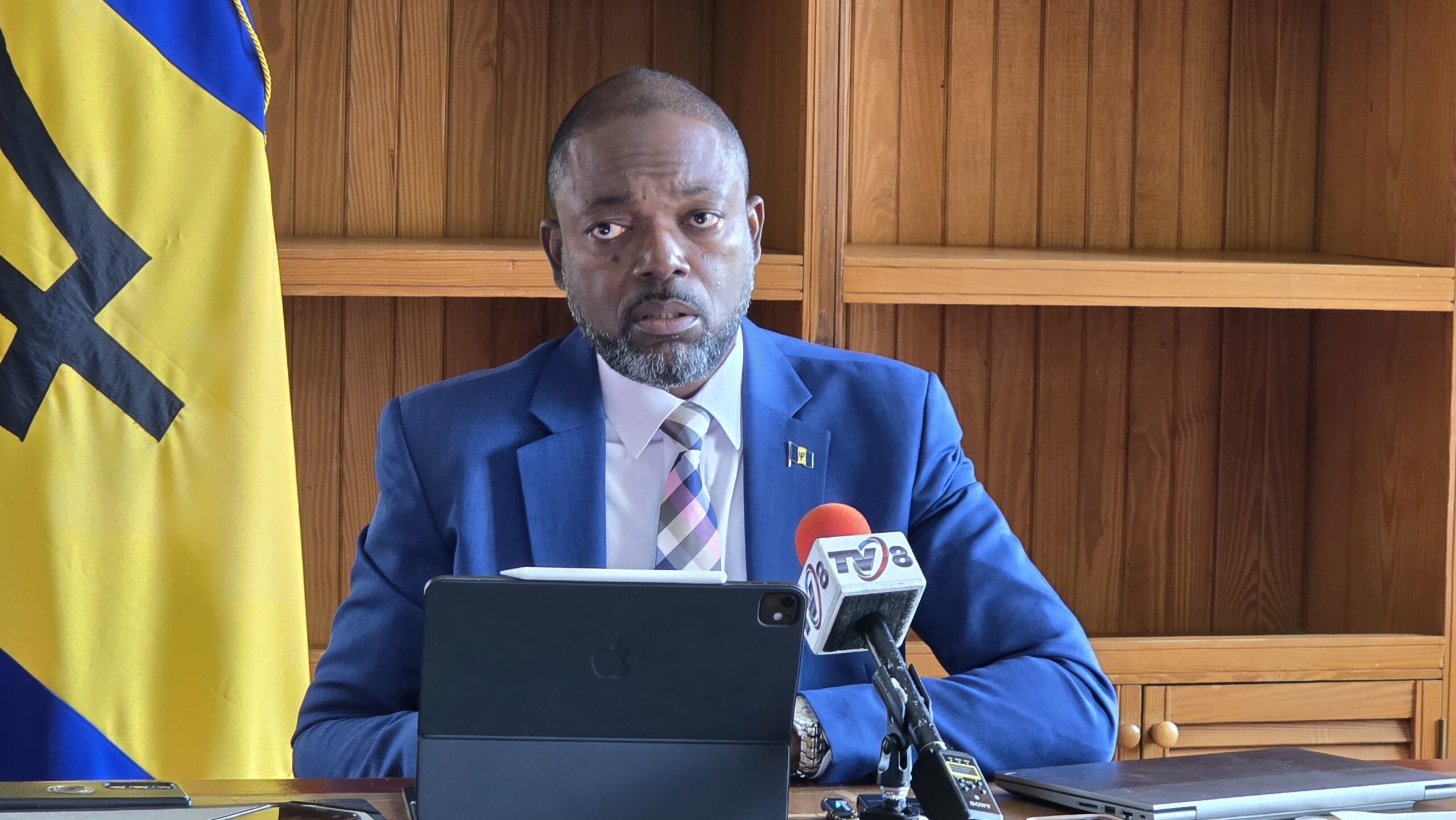
A new $5 million government grant initiative tailored for faith-based organizations is set to open its first application round in early June, Third Sector Minister Colin Jordan has confirmed, following formal approval from the Barbadian Cabinet. First pledged as part of the Barbados Labour Party’s election manifesto, the program centers on empowering faith-based groups to launch youth-focused projects that drive inclusive social development and deeper community engagement across the island.
Jordan laid out the program’s broad priorities during a post-Cabinet media briefing, noting that supported projects will span a range of critical areas affecting young Barbadians. These include public health and wellness outreach, youth crime prevention, targeted youth engagement activities, life skills training, and expanded access to employment, poverty reduction support, educational opportunities, anti-discrimination initiatives, disability integration, food security, and environmental action. All funded projects are designed to boost young people’s active participation in national social and economic life, with faith-based groups recognized as key long-standing partners in youth development across Barbados.
To ensure transparency and accountability for public funds, the program has clear eligibility requirements outlined by Jordan. Only registered faith-based organizations and their affiliated institutions – including churches, mosques, synagogues, temples, and faith-linked charities – are eligible to apply. Organizations must be registered as charities, not-for-profit companies, or third-sector entities with the Ministry of Labour, Social Security and the Third Sector, maintain a permanent physical presence in Barbados, and have a minimum three years of formal registration history to demonstrate operational longevity. Jordan added that the framework is intentionally flexible, however: a dedicated oversight committee will have the authority to grant exceptions to the three-year rule for promising emerging groups.
All funded activities must be based in Barbados and serve the island’s youth, in line with the program’s public funding mandate. For joint applications submitted by multiple collaborating organizations, a formal memorandum of understanding is required to clearly outline each group’s roles and responsibilities, a measure put in place to uphold strict accountability standards.
Eligible project types include structured training sessions, skills workshops, academic seminars, stakeholder conferences, and broader institutional capacity-building initiatives. Individual scholarships, private sponsorships, and standalone one-off public events do not qualify for funding. A key requirement for all approved projects is non-discrimination: programs must be open to all young participants regardless of religious identity, though targeted programming for specific demographic groups (such as initiatives focused exclusively on young men or young women) is permitted when justified by project goals.
The government plans to roll out four open funding calls annually, with the first call for proposals scheduled to launch at the start of June. Jordan emphasized that the rapid rollout of the program reflects its priority status for the new administration, which took office in February. Administrative structures are already in place, and the government will soon launch public advertising to invite applications, with dedicated support available to help less experienced organizations draft strong formal proposals, as many small community groups lack prior experience with competitive grant applications.
A seven-member evaluation and monitoring committee will oversee the entire application, assessment, and post-funding monitoring process. Chaired by the Permanent Secretary for Religious Affairs, the committee includes representatives from community development, social work, youth advocacy, and the faith-based sector itself. Applications will be evaluated based on six core criteria: the applicant’s operational capacity, project relevance to national youth needs, expected effectiveness, long-term sustainability, potential for scaling impact, and budget realism. Following approval, funded organizations will be required to submit both mid-term and final progress reports, with the committee overseeing all reporting and payment scheduling.
Jordan concluded that beyond supporting direct youth development, the program is designed to strengthen the institutional capacity of faith-based organizations, helping these trusted community groups expand the impactful local work they have carried out for decades.