标签: Barbados

巴巴多斯

  • New initiative aims to turn disability rights into livelihoods

    New initiative aims to turn disability rights into livelihoods

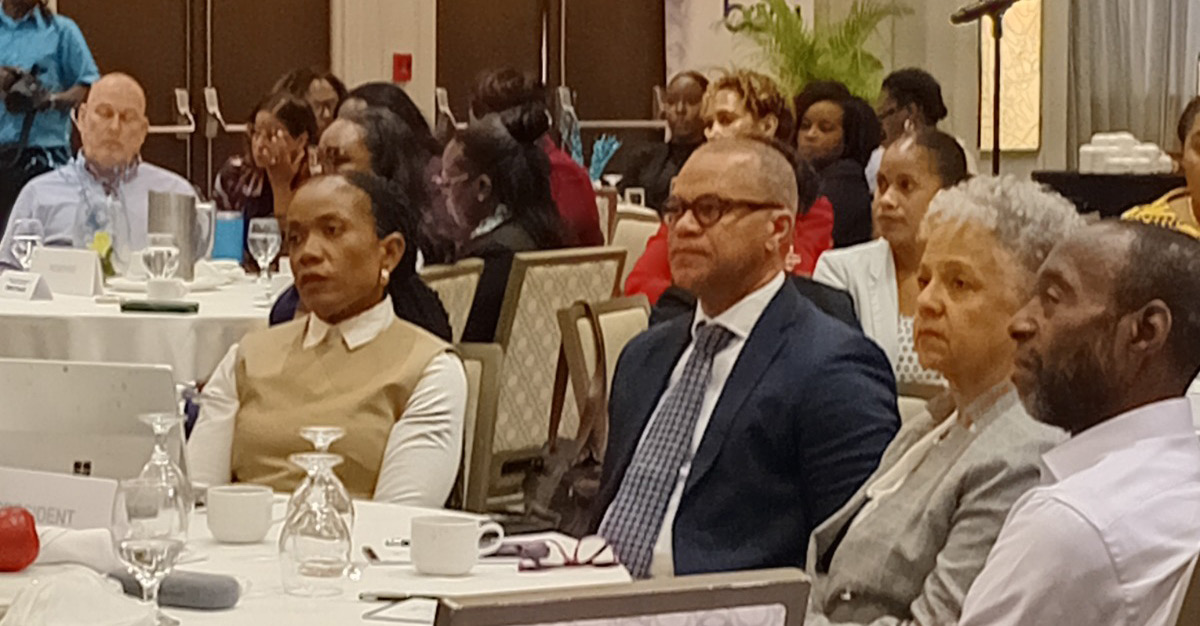
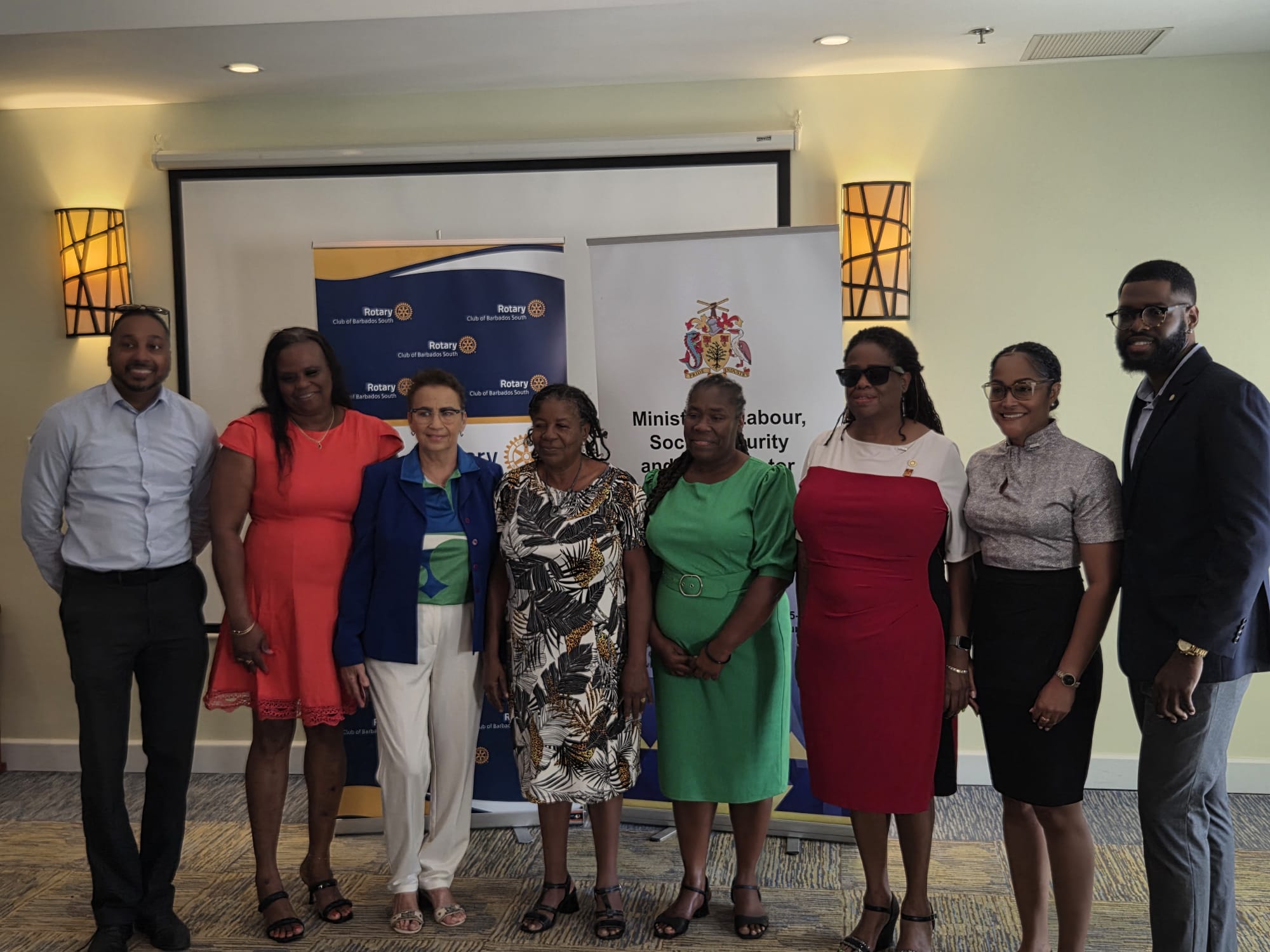
    Barbados has launched a groundbreaking national program designed to convert disability rights legislation into tangible economic opportunities for its citizens with disabilities. The ‘AccessAbility: Pathways to Independence’ initiative, unveiled Thursday at the Marriott hotel in Hastings, represents a powerful collaboration between the Rotary Club of Barbados South, the Barbados Council for the Disabled (BCD), and the Ministry of Labour.

    This comprehensive program marks a significant shift from theoretical policy to practical implementation during the Month of the Disabled. The initiative directly responds to the Rights of Persons with Disabilities Act passed last year and builds upon provisions in the current year’s national budget.

    At its core, the program focuses on equipping participants with immediately applicable income-generating skills across multiple domains. The curriculum encompasses digital literacy, financial management, and innovative approaches to ‘accessible agriculture,’ ensuring diverse pathways to economic participation.

    Shem Scantlebury, Projects Director for BCD, articulated the program’s foundational philosophy: ‘The scale of challenges facing the disabled community requires collective action. While individual efforts have limitations, intentional collaboration unlocks unprecedented potential. This initiative moves beyond symbolism to practical skill development and confidence building.’

    Jacklyn Broomes, President of the Rotary Club of Barbados South, detailed the ‘Breaking Barriers’ themed curriculum, emphasizing its real-world applicability. ‘True progress is measured by lived experience rather than policy alone. We’re constructing a learning environment grounded in practical application that generates both confidence and genuine opportunity,’ Broomes stated. The program includes a ‘train-the-trainer’ component scheduled for Saturday to ensure sustainable knowledge transfer within the community.

    BCD President Patricia Padmore-Blackman praised the partnership for creating ‘bridges rather than just programs,’ noting that sensitivity training for Rotarians would enhance the organization’s service capacity. She invoked Helen Keller’s wisdom: ‘Alone, we can do so little; together, we can do so much.’

    The initiative aligns with the government’s Mission Barbados framework, according to Faye Prescod, Permanent Secretary of the Ministry of Labour, Social Security and the Third Sector. Prescod emphasized that ‘real progress occurs when policy translates into action, and true inclusion requires barrier removal rather than mere opportunity provision.’

    The program’s launch coincides with government funding for a new Third Sector Commission in the upcoming fiscal year, designed to further support NGOs and civil society organizations. The AccessAbility program will deploy over the coming weeks utilizing subject-matter experts and Rotarian mentors to create measurable outcomes for participants.

  • McIntyre, Simmons set track ablaze at BSSAC

    McIntyre, Simmons set track ablaze at BSSAC

    The opening day of the Frank Blackman and Sada Williams Zone at the Barbados Secondary Schools Athletic Championships (BSSAC) was electrified by historic performances from two CARIFTA Games-bound athletes. Laila McIntyre and Ashlyn Simmons each shattered long-standing records in their respective middle-distance events, signaling their formidable form ahead of regional competition.

    In the Under-17 girls’ 1500m, first-year competitor Laila McIntyre executed a dominant race strategy, establishing an early lead with a pace that proved insurmountable for her rivals. She surged across the finish line to clock an unprecedented 4:45.15, eclipsing the previous BSSAC record of 4:45.68 set by Janelle Inniss back in 1994—a mark that had stood unchallenged for 32 years. Inniss, a Parkinson Memorial alumna, had capitalized on her 1994 victory to claim CARIFTA gold in both the 800m and 1500m events that same year.

    Following her record-shattering run, an elated McIntyre shared her exhilaration with media, noting her personal best had been approximately 15 seconds slower entering the competition. The multi-talented athlete, who has also medaled in CARIFTA triathlon and swimming, expressed particular pride in achieving this goal a year ahead of schedule. This triumph serves as a significant confidence booster as she prepares for her specialty event, the 3000m. McIntyre is poised to make her CARIFTA Games debut this year, representing Barbados alongside her brother, Luke McIntyre, in both the 1500m and 3000m distances.

    Not to be outdone, Ashlyn Simmons delivered a spectacular performance in the Under-20 girls’ 1500m. The experienced competitor demolished the previous record of 4:46.73, established by Sonia Gaskin in 2012, by posting an extraordinary time of 4:40.66. Simmons, who is concluding her final year in the division, revealed her determined mindset going into the race: to run each lap aggressively, accelerate on the final circuit, and finish with maximum power.

    The accomplished athlete described the satisfaction of leaving her mark on BSSAC history during her final appearance. As a three-time CARIFTA medalist—including gold in the Under-17 1500m and silver in the 800m in 2023, plus bronze in the Under-20 4x400m relay last year—Simmons now sets her sights on achieving new personal bests and adding to her medal collection in the upcoming regional games.

  • Exclusive: Two Mile Hill fire survivor recalls bravery, loss

    Exclusive: Two Mile Hill fire survivor recalls bravery, loss

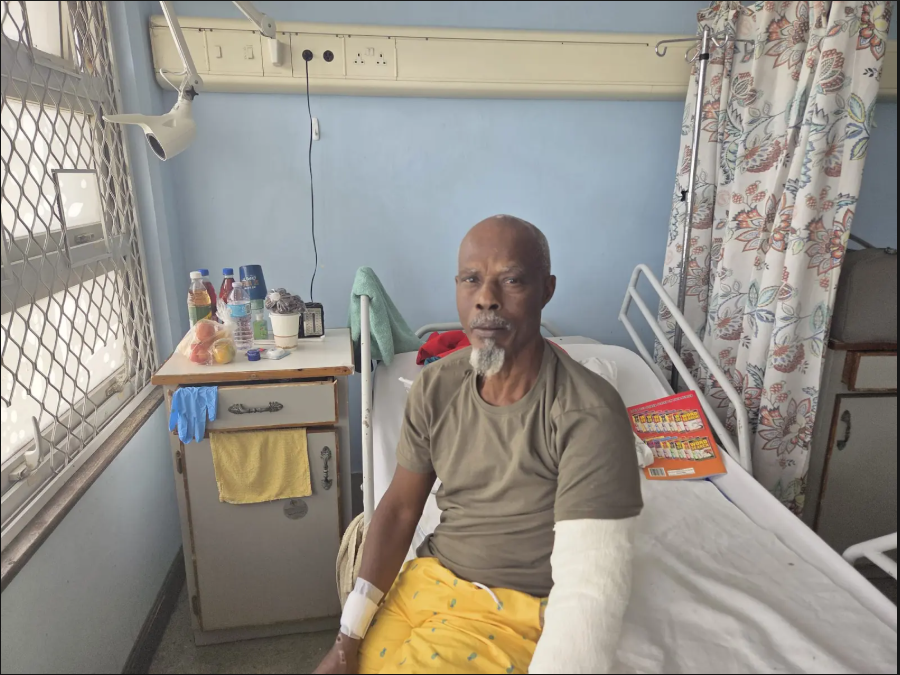
    In the aftermath of a devastating house fire that occurred on Wednesday, March 4, Anderson Browne embodies the complex intersection of human courage and profound grief. The Two Mile Hill incident, which unfolded around midday, permanently altered Browne’s life while claiming that of 98-year-old Noel Marshall, his childhood friend and community pillar.

    During an exclusive interview with Barbados TODAY, Browne—accompanied by his supportive wife Julia—displayed both the physical scars from his rescue attempt and the emotional turmoil of his experience. His testimony oscillated between gratitude for survival and anguish over loss. ‘Right now, from my heart, I feel good and bad,’ Browne reflected, his eyes revealing recent trauma. ‘Good in a way to see how the Lord still brought me through alive, and bad because the gentleman didn’t make it.’

    The catastrophe began during a routine afternoon while Browne watched T20 World Cup cricket and prepared a meal for his elderly neighbor using a microwave. The tranquility shattered when Julia’s screams alerted him to the fully engulfed residence next door. Disregarding his own chronic hip condition, Browne rushed barefoot toward the inferno without even grabbing his keys.

    Demonstrating extraordinary strength, he tore the entire front door from its hinges and plunged into the smoke-filled structure, calling desperately for his friend. Through oppressive heat and blinding smoke, Browne located Marshall trapped within the interior. In an act of selfless protection, he used his own body as a shield against falling embers and intense heat to reach the nonagenarian.

    Despite successfully extracting Marshall through the back door and a fence to safety, the elderly man sustained burns covering 50% of his body and succumbed to his injuries days later in hospital. When questioned about his motivation for risking his life, Browne offered a simple explanation rooted in four decades of friendship: ‘I must get this gentleman out of here… even if it caused me to be in danger.’

    Beyond his heroic actions, Browne is an accomplished artist who earned gold and silver medals in NIFCA competitions during the 1980s as a sculptor and painter. Yet he values his community’s recognition above any formal accolades. While nationally hailed as a hero, Browne carries lingering regret, hoping his experience will prompt improved care for Barbados’ elderly population.

    ‘Anytime you got a person like Mr. Marshall, you should always stick close to them and don’t ever leave them out,’ Browne urged, emphasizing the importance of supporting senior citizens. As he continues recovering from his burns, Browne’s spirit remains fortified by faith and marital support—a testament that while fire can destroy homes, it cannot obliterate four decades of friendship.

  • ‘Expose students to creative industry career choices’ – teacher

    ‘Expose students to creative industry career choices’ – teacher

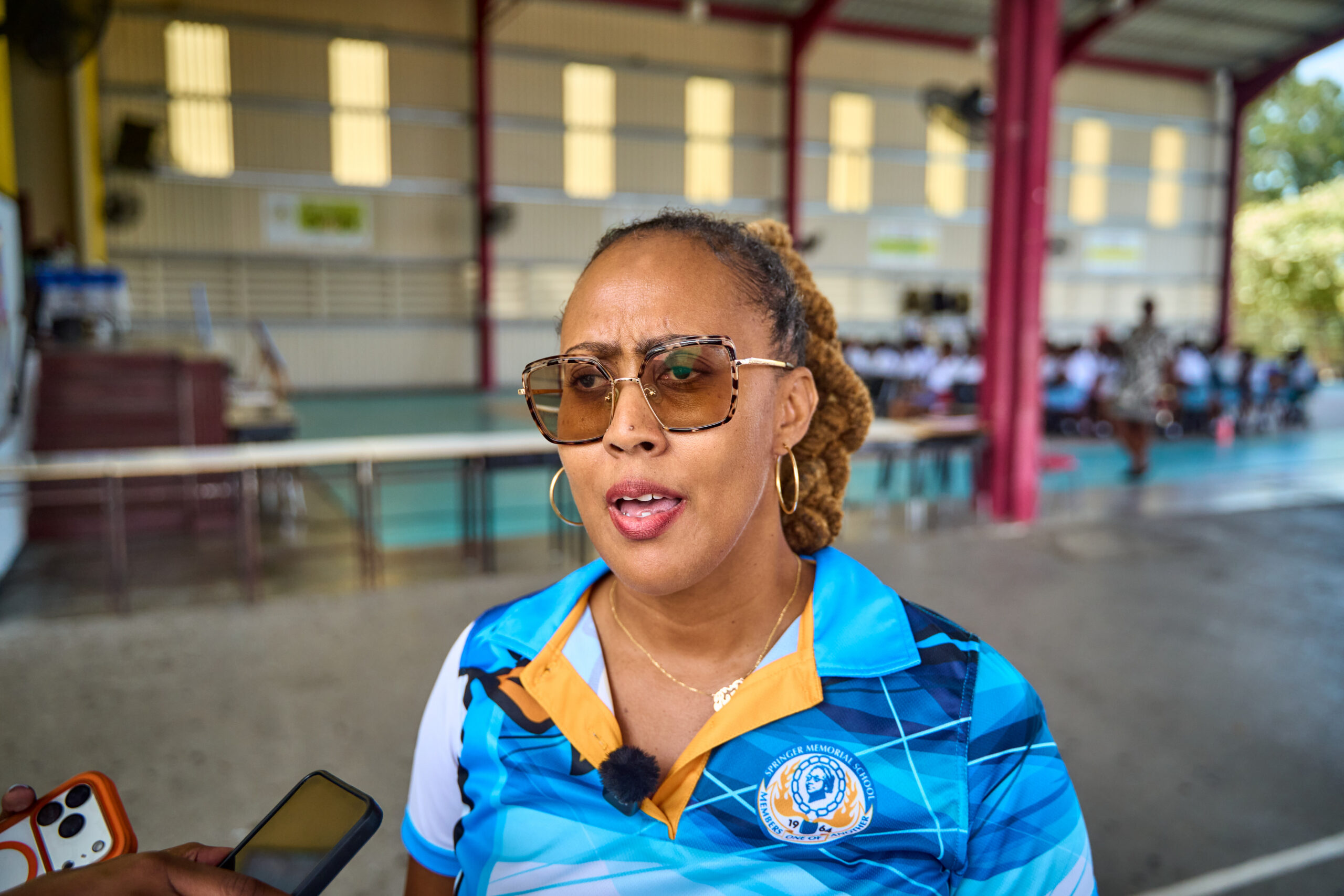
    A pressing call for enhanced educational focus on creative career pathways has emerged in Barbados as secondary schools confront dwindling enrollment in arts programs. The urgency was highlighted during a groundbreaking student-organized art exhibition at Springer Memorial School, serving as both a public showcase and a formal academic assessment.

    Renee Taylor, a graduate teacher at the institution, articulated the crisis while observing her sixth-form students’ innovative response to the challenge. Their project, mandated by the Caribbean Advanced Proficiency Examination (CAPE) curriculum, required conceptualizing and implementing a practical, income-generating initiative within the performing arts discipline.

    “This exhibition represents the culmination of their Unit One SBA requirements,” Taylor explained. “These students identified a pressing issue within creative education, developed an event-based solution, and implemented it with professional standards, including revenue generation components as specified in the syllabus.”

    The student team selected a particularly relevant challenge: reversing the post-pandemic decline in creative arts enrollment. Their research revealed concerning trends across visual arts, music, fashion, and culinary programs. Through peer surveys, they uncovered pervasive misconceptions about creative careers, including perceptions of financial instability, lack of prestige, and limited professional viability.

    Taylor noted additional systemic barriers: “Limited exposure to arts programming at earlier educational levels created a foundational gap. Many students had minimal experience with drama or dance programs, which affected their perception of local career opportunities.”

    The exposition strategically countered these perceptions by assembling accomplished creative professionals and institutional representatives. Notable participants included acclaimed artist and alumna Sheena Rose, whose career demonstrates local artistic viability. The event also featured delegates from the National Cultural Foundation and the Barbados Museum, providing students with both academic and professional pathway guidance.

    “We brought practitioners and alumni who actually sustain careers in the arts,” Taylor emphasized. “They provided firsthand accounts of navigating the creative economy successfully within Barbados.”

    The educator stressed that while school programs introduce artistic fundamentals, students require more robust transition support toward sustainable careers. “The critical question becomes: after beginning studies in school, what options exist for advanced education and professional development?”

    Taylor concluded that strategic awareness-building and engagement initiatives could fundamentally reshape perceptions of creative fields, potentially unlocking significant economic potential within Barbados’ orange economy sector.

  • ICAB: Timely implementation key to Barbadians reaping benefits of Budget

    ICAB: Timely implementation key to Barbadians reaping benefits of Budget

    The Institute of Chartered Accountants of Barbados (ICAB) has issued comprehensive guidance to help citizens navigate the practical implications of the recently announced 2026 Budget measures. In a detailed release following their weekly ‘Talking Business with ICAB’ radio program, CEO Lisa Padmore emphasized that while budget summaries are widely accessible, many households require clearer interpretation of how these fiscal policies will affect their daily lives.

    ICAB’s analysis underscores a crucial caveat: the success of these economic interventions hinges entirely on execution efficiency. The organization stressed that policy announcements merely signal governmental intent, whereas actual impact depends on the rapid deployment of supporting regulations, administrative protocols, system modernizations, and public education campaigns. Businesses require operational clarity for planning purposes, taxpayers need precise filing instructions, financial institutions demand updated compliance frameworks, and households rely on predictable implementation timelines.

    Key budget components analyzed include government’s short-term strategy to buffer electricity cost fluctuations driven by global fuel volatility. While consumers should still anticipate increased utility bills, the measure aims to decelerate the rate of hikes. Similarly, maintained VAT caps and excise tax controls on fuel function as protective mechanisms against soaring oil prices, though they don’t reduce pump prices outright.

    Regarding food inflation, ICAB explained that revised customs duty calculations—applying charges to goods’ value or capped freight amounts—eliminate a potential price driver but don’t ensure lower retail costs. Tax adjustments featuring elevated tax credits and marginal income tax rate reductions could bolster disposable income for low-to-middle income earners.

    Social support measures received particular attention, including temporary monthly payments for seniors below specific income thresholds (covering pensionless individuals), targeted grants for families with multiple births addressing the unique financial pressures of raising twins or triplets, and the Barbados Republic Child Wealth Fund providing $5,000 investments for children born since November 2021 as a long-term wealth-building initiative.

    ICAB committed to ongoing monitoring of regulatory developments and providing neutral, professional guidance as implementation details emerge.

  • Goddard-McCarthy selected by IOC to cover Youth Olympics

    Goddard-McCarthy selected by IOC to cover Youth Olympics

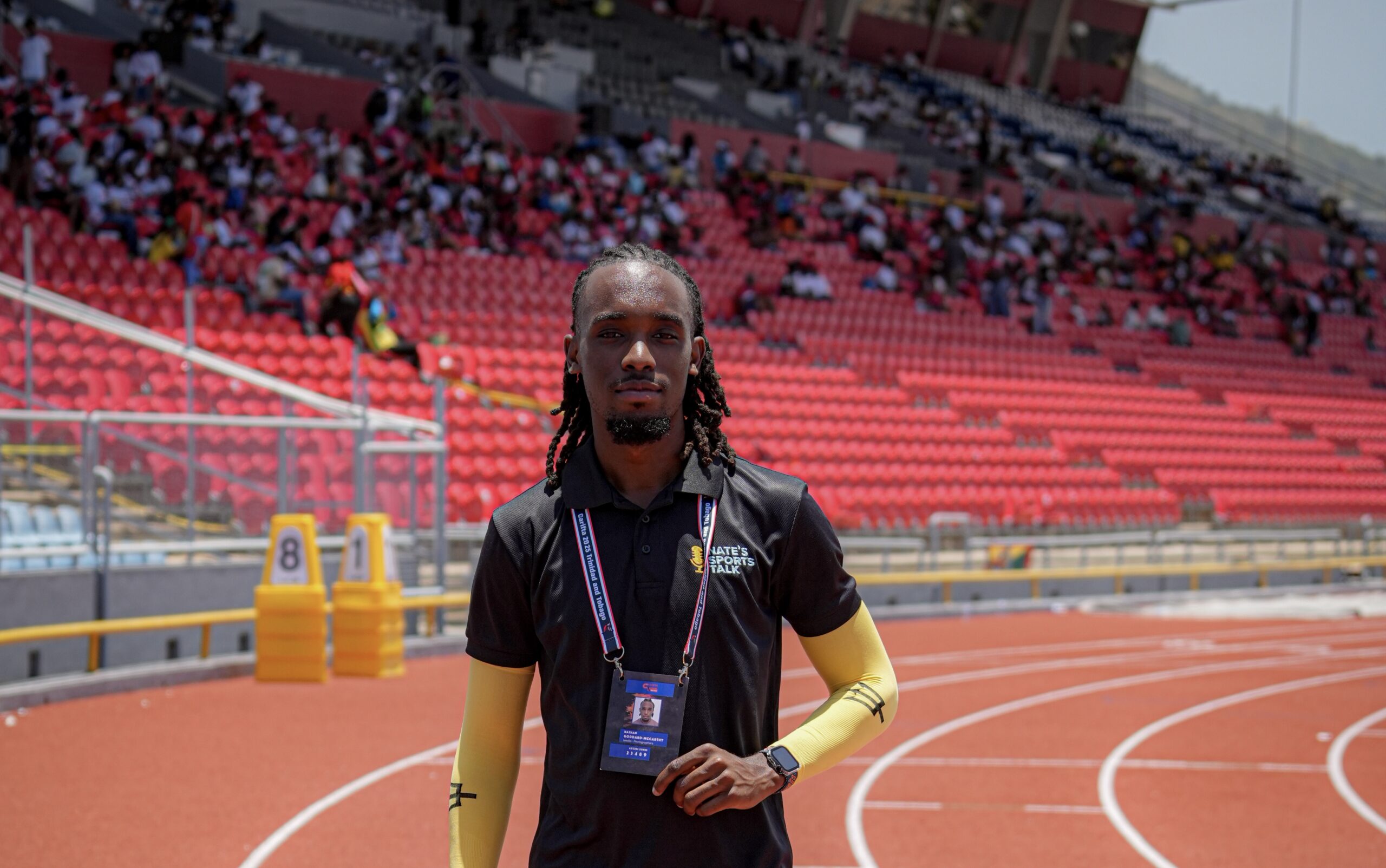
    Nathan Goddard-McCarthy, a 23-year-old sports journalist from Barbados, has achieved international recognition by securing a coveted spot in the International Olympic Committee’s Young Reporters Programme. He stands among only 15 young media professionals globally chosen for this prestigious initiative from an initial pool of 271 applicants aged 18-24 worldwide.

    The programme will see Goddard-McCarthy covering the upcoming World Youth Olympics in Dakar, Senegal, scheduled from October 31 to November 13. His selection marks a significant milestone as he becomes the sole Caribbean representative in this year’s cohort, particularly notable given Barbados’ population of approximately 280,000 people.

    Goddard-McCarthy, a former athlete and Combermere School alumnus, has built a substantial following through his digital platform ‘Natesportstalk’ on Instagram. What began as a spontaneous passion project during a beach outing with his camera has evolved into a respected hub for Caribbean sports journalism, particularly focused on track and field coverage.

    The application process required candidates to submit comprehensive portfolios including written articles, photography, and videography samples, along with essays detailing their career aspirations and vision for impacting the media landscape. The programme offers specialized training in photography, broadcasting, and journalism techniques.

    Reflecting on his achievement, Goddard-McCarthy described the moment as “surreal,” emphasizing the honor of representing both Barbados and the wider Caribbean region. His primary objective for the Dakar Olympics involves showcasing Caribbean athletic talent and demonstrating that smaller nations can achieve global sporting prominence.

    The young journalist follows in the footsteps of fellow Barbadian Anmar Goodridge-Boyce, who participated in the same programme in 2018. Goddard-McCarthy attributes his success to resilience and patience, having pursued Sports Education at the University of the West Indies while exploring various sports-related disciplines before finding his calling in sports media.

    Looking beyond the Olympics, Goddard-McCarthy plans to expand into podcast production, aiming to document stories of Barbadian athletes both past and present. He acknowledges the support of his family, girlfriend, and mentors Terry Finisterre and Taahir Bulbulia, along with his growing audience who have supported his digital journey.

  • Barbados to have flyovers by 2028

    Barbados to have flyovers by 2028

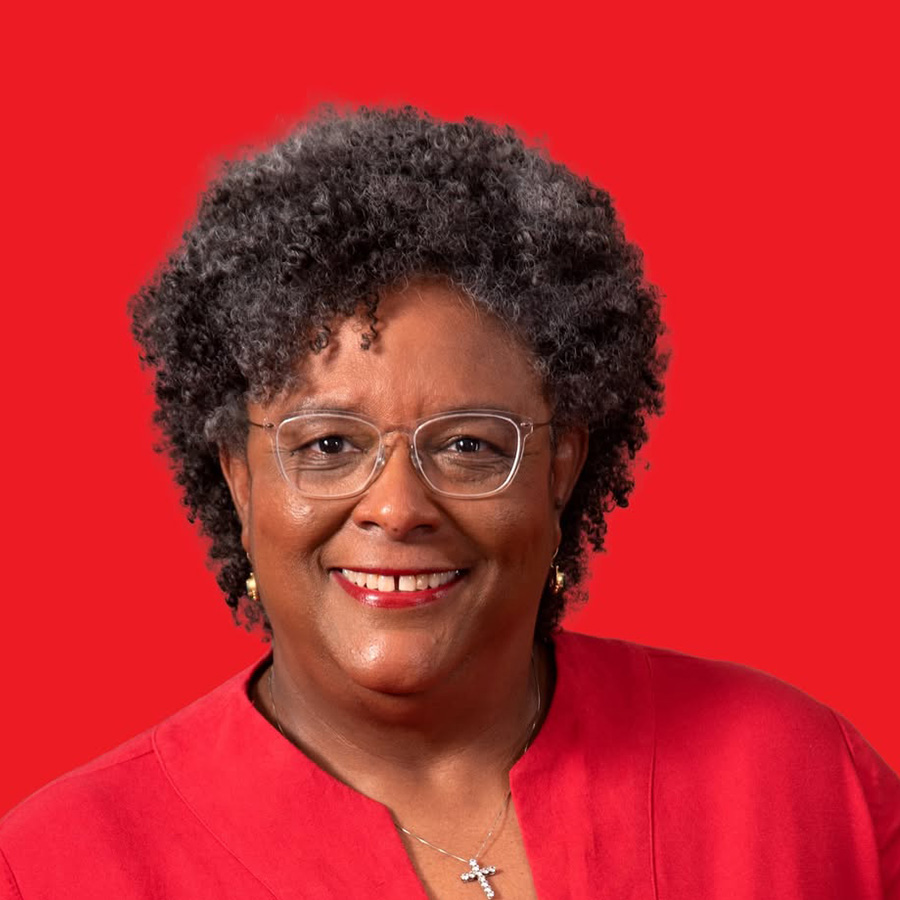
    Barbadian Prime Minister Mia Mottley has declared an aggressive infrastructure modernization initiative, confirming that long-delayed flyover construction will begin within this calendar year with an 18-month completion target. The announcement, delivered during a parliamentary session, positions the transportation network overhaul as a critical national priority directly tied to economic productivity.

    Mottley characterized traffic congestion as a severe economic impediment, stating, “Excessive time spent navigating roadways directly undermines efficient time utilization and national economic performance.” The planned overpasses represent infrastructure the Prime Minister believes should have been constructed two decades ago.

    This transportation strategy expands upon earlier indications from Finance Minister Ryan Straughn, who recently identified flyovers as components of a comprehensive traffic management framework. While economic analysts have questioned the government’s capacity to execute these ambitious projects amid global economic uncertainty, Mottley’s administration appears committed to their implementation.

    The infrastructure initiative extends beyond flyover construction to include significant highway expansions. Mottley specifically referenced plans to address chronic congestion along Highway 2 from Graeme Hall to Newton, with potential solutions including road widening or additional overpasses, particularly targeting the problematic Kooyman junction at Kendal Hill.

    The government is pursuing a multi-faceted transportation approach that includes expanded park-and-ride facilities. A new facility near Waterford will serve high-traffic destinations including the Botanical Gardens, National Stadium, CARIFESTA House, and Geriatric Hospital. Similar transportation hubs are planned for Graeme Hall, Oistins, and western coastal regions.

    Concurrently, the administration continues to explore alternative transportation solutions. Mottley reaffirmed commitment to water taxi systems, encouraging private sector collaboration in developing jetty infrastructure along southern and western coastlines. Looking toward future possibilities, the Prime Minister noted that reduced global tunneling costs might make underground transportation between key corridors like Holetown-Bridgetown and Oistins-Bridgetown feasible within the next decade.

  • AG urges crackdown on farm theft as cane farmers suffer

    AG urges crackdown on farm theft as cane farmers suffer

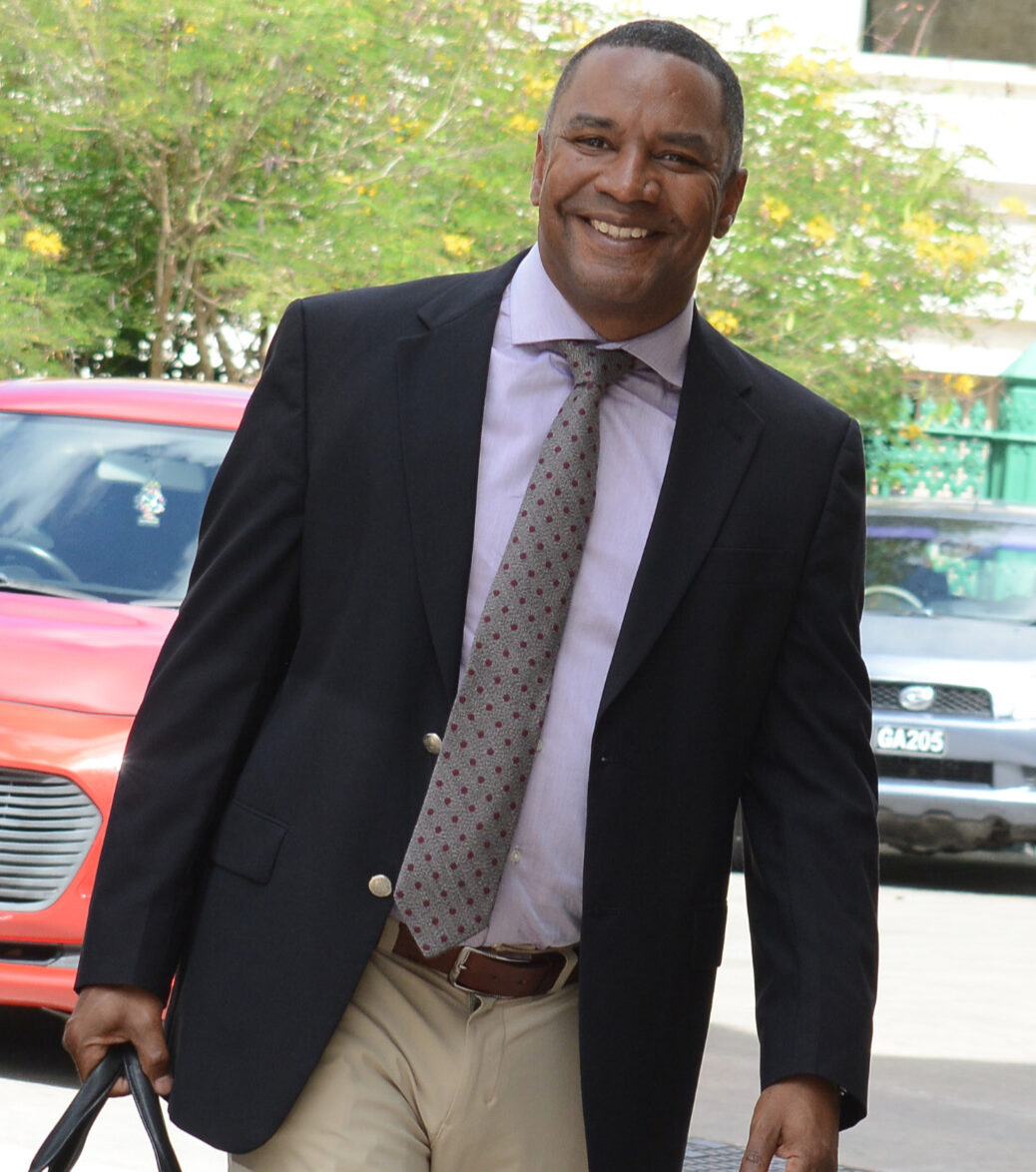
    Barbados Attorney General Wilfred Abrahams has issued a stark warning that systemic agricultural theft, legally termed praedial larceny, is escalating into a national crisis that jeopardizes food security and undermines law enforcement. During Wednesday’s Budget debate in the House of Assembly, Abrahams demanded immediate and serious action against what he described as organized rural crime rather than minor pilfering.

    Abrahams challenged the perception of praedial larceny as a pretty-sounding, victimless crime, stating bluntly: “Praedial larceny is thieving.” He emphasized that the romanticization of this offense through euphemistic language masks its devastating impact on farmers and agricultural sustainability.

    The Attorney General revealed he recently forwarded a detailed complaint from a sugarcane farmer to Prime Minister Mia Mottley, Agriculture Minister Indar Weir, and Justice Minister Dale Marshall. The complaint documented organized theft operations occurring daily at the Bussa Roundabout, where individuals openly sell “trays piled high with cane neatly packaged” in what appears to be coordinated criminal activity.

    While acknowledging economic disparities, Abrahams presented a compelling moral dilemma: “If one poor Black man robs somebody else systematically, day in, day out… and that person closes down their business so that 100 poor Black people don’t have a job, who has won?”

    Abrahams warned that unchecked agricultural theft creates a dangerous precedent that erodes respect for property laws generally. “You don’t go and rape acres of somebody’s cane field… because it doesn’t stop there,” he stated, noting that such crimes often expand beyond crops to other goods.

    The Attorney General connected the issue directly to national security concerns, arguing that failure to prosecute praedial larceny discourages agricultural investment precisely when Barbados needs greater food self-sufficiency. “When we are trying to get people to grow our crops, become food secure, we cannot be disincentivising farmers by not prosecuting people for praedial larceny,” he concluded.

  • Caddle defends budget focus amid criticism

    Caddle defends budget focus amid criticism

    Barbados’ Minister of Economic Affairs and Planning, Marsha Caddle, has firmly rebutted assertions that the nation’s 2026 Budget lacks a coherent growth or transformation agenda. Speaking at a post-Budget forum held at the Hilton Barbados Resort, the Minister addressed critiques head-on, clarifying the budget’s intended role within a larger, multifaceted economic framework.

    Minister Caddle articulated that the annual budget should not be misconstrued as the sole vessel for the government’s entire transformational strategy. Instead, she emphasized its synergistic relationship with established programs like the Barbados Economic Recovery and Transformation (BERT) plan. These overarching frameworks, she contended, collectively articulate the strategic direction and intent of the Government of Barbados in collaboration with its partners.

    Highlighting the evolution to ‘BERT 3.0’ following the conclusion of the International Monetary Fund’s (IMF) Extended Facility, Caddle pinpointed the program’s first pillar—enhancing productivity and competitiveness—as a paramount priority for her ministry and the business community. This pillar is structured around three inclusive workstreams: boosting economy-wide productivity, developing robust export engines, and fortifying institutional capacity to accelerate reforms. In a practical move acknowledging the link between infrastructure and efficiency, the Minister revealed she has initiated discussions with the Transport Minister to address productivity hurdles related to transportation.

    Addressing concerns over the prevalence of short-term measures, Caddle attributed this focus to prevailing global economic uncertainties, notably exacerbated by military conflicts in the Middle East. While some budgetary proposals extend into the subsequent year, the strategy was deliberately crafted to navigate immediate challenges, leading the Minister to characterize the fiscal plan as unequivocally “one for such a time as this.”

  • ‘Passing grade’: Panel okays Budget, presses for stronger execution

    ‘Passing grade’: Panel okays Budget, presses for stronger execution

    A high-level advisory panel comprising both government and private sector leadership has offered measured endorsement of Barbados’s 2026 budgetary framework, acknowledging its potential while emphasizing critical demands for operational efficiency and fiscal transparency.

    The diverse committee, which included Minister of Economic Affairs and Planning Marsha Caddle, Barbados Private Sector Association President James Clarke, Institute of Chartered Accountants of Barbados CEO Lisa Padmore, and PwC’s East Caribbean Tax Engagement Leader Sophia Weekes, reached consensus during a Wednesday forum at the Hilton Barbados Resort. The central conclusion was that successful implementation hinges upon unprecedented collaboration across all sectors of Barbadian society.

    Mr. Clarke, in his concluding remarks, urged stakeholders to proactively engage with the new initiatives. He advocated for a swift and decisive response to the opportunities presented, stating, “The budget contains numerous initiatives. Understanding how to capitalize on them urgently is paramount. This must be coupled with an unwavering commitment to enhancing efficiency and productivity across the board.”

    Minister Caddle framed the dialogue as the inaugural step in a renewed partnership with the commercial sector, extending beyond mere budget execution to broader economic expansion. She expressed confidence in existing frameworks, noting, “Between the revitalized competitiveness committee and the new strategic unit, I am assured we possess the necessary mechanisms to address our challenges and deliver on these objectives.”

    Echoing the collaborative theme, PwC’s Sophia Weekes highlighted the gravity of the nation’s challenges, asserting that success is contingent on a unified effort from all organizations and citizens to meet established targets. She specifically called for rapid implementation and the publication of unambiguous guidelines for businesses seeking to access proposed concessions.

    Adding a crucial layer of fiscal oversight, Lisa Padmore underscored that accountability is non-negotiable, particularly given the anticipated rise in public expenditure. She advocated for the establishment of mission boards with a transformative mandate, stating these entities are essential for providing rigorous oversight and ensuring value-based spending throughout the implementation process.