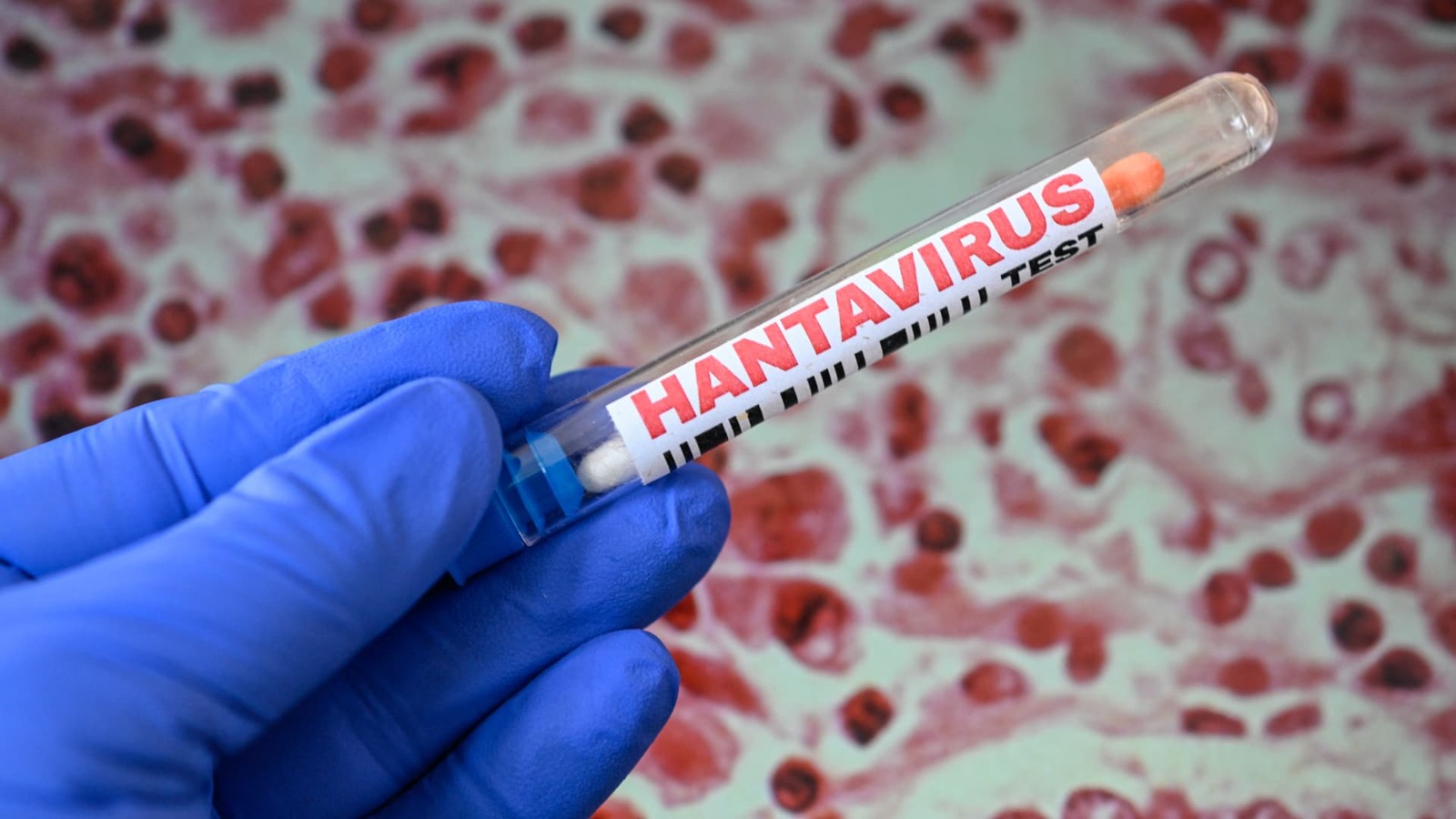
As a growing body of scientific research investigates whether shifting climate patterns are accelerating the geographic spread of hantavirus – a life-threatening pathogen transmitted primarily through rodents – a leading Caribbean-based biosecurity expert is urging regional communities to boost surveillance, preparedness, and diagnostic capacity to mitigate emerging risks.
Dr. Kirk Douglas, director of the Centre for Biosecurity Studies at The University of the West Indies’ Cave Hill campus in Barbados, says that while the approaching El Niño event, a climate pattern linked to elevated global temperatures, does not guarantee an imminent hantavirus outbreak in the region, it serves as a critical early warning signal. This signal, he argues, should prompt governments and public health authorities to roll out proactive measures including expanded rodent population monitoring and functional early warning systems where resources allow.
Global public health data already reflects worrying shifts in hantavirus transmission. Globally, the virus has caused three confirmed fatalities among 13 documented cases to date, and in Argentina – where a high-profile outbreak linked to the MV Hondius cruise ship drew international attention in recent weeks – annual confirmed cases have more than doubled over the last 12 months. Scientists are currently working to unpack the specific climate and ecological drivers that are allowing the pathogen to take hold in regions where it was previously rare or undetected.
Douglas emphasized that the spread of hantavirus and other emerging pathogens into new geographic ranges is not an act of nature, but a consequence of unregulated human activity that disrupts natural ecosystems. “Outbreaks like this remind us that human health is not separate from ecological or environmental health,” he explained. When humans clear forests for resource extraction, reduce biodiversity by oversimplifying natural ecosystems, mismanage solid waste, expand urban development into untouched animal habitats, intensify agricultural production without proper environmental safeguards, and ignore clear climate warning signs, they create far more opportunities for dangerous pathogens to jump across species barriers to humans, he argued.
Crucially, Douglas stressed that this does not mean nature itself is the enemy. “The problem is unmanaged contact, ecological disruption, and weak preparedness, which all boils down to human behaviour. We need a more respectful, intelligent relationship with the natural world, one that recognises public health, climate resilience, biodiversity, agriculture, tourism, waste management and urban planning, as all part of the same interconnected system.”
Hantavirus itself is an ancient pathogen, Douglas noted, but the risk it poses to communities today is a distinctly modern challenge tied to human disruption of natural systems. “The health of people, animals and ecosystems…we can no longer govern them separately,” he said. “We have to have transdisciplinary approaches to the way we tackle diseases; and I believe that human behaviour is by far the most critical factor that we need to target.”
Beyond ecosystem disruption and climate-driven spread, Douglas also warned that widespread misdiagnosis poses a major underaddressed risk to Barbados and the broader Caribbean. Many common regional viral diseases present nearly identical early symptoms: hantavirus, dengue, Zika, chikungunya, and Oropouche virus all cause acute febrile illness that can be hard to distinguish without targeted testing. In many cases, he explained, clinicians default to a diagnosis of dengue – the most common of these pathogens – without conducting confirmatory laboratory testing, simply because it is faster and more convenient. This practice not only hides the true scope of circulating pathogens in the region, but can also delay life-saving treatment for less common diseases like hantavirus.
To address this gap, Douglas called on clinicians to systematically ask patients about potential exposure risks, including recent travel, contact with rodent populations, activities like cleaning enclosed rarely used spaces, farming, or camping that can increase the chance of encountering the virus. For clinical laboratories, he recommended updating testing protocols to account for exposure history, geographic location, seasonal patterns, and clinical severity, rather than automatically testing only for the most common endemic disease. Drawing on his own doctoral research, which documented cases of co-infection between dengue and hantavirus, Douglas noted that the landscape of circulating pathogens in the Caribbean is shifting rapidly. New pathogens are emerging or being detected every few years, he explained, and many of these may have been present in the region for decades without detection due to lack of targeted testing.
“Having multiple diagnostics and referral pathways will be very, very important” to address the changing threat landscape, Douglas concluded.