标签: Barbados

巴巴多斯

  • No cases here of severe diarrhoea bug, say authorities

    No cases here of severe diarrhoea bug, say authorities

    A widespread parasitic disease outbreak across the United States has triggered heightened monitoring from Barbados’s agricultural and public health agencies, as the Caribbean nation works to block the pathogen from crossing its borders. On Tuesday, the U.S. Centers for Disease Control and Prevention (CDC) published an update confirming that at least 1,645 people across 34 states have been diagnosed with cyclosporiasis, an intestinal illness linked to severe “explosive” diarrhea, with 141 patients requiring hospital care so far.

    Cyclospora, the single-cell parasite that causes the infection, spreads exclusively through food or water contaminated with the pathogen, and there is no documented evidence of person-to-person transmission. Historically, most major cyclosporiasis outbreaks in the U.S. have been traced back to contaminated fresh produce, including raspberries, basil, cilantro, mixed fruit blends, snow peas, snap peas, lettuce, and pre-packaged salad mixes. The source of the ongoing 2024 outbreak has not yet been identified by U.S. public health officials.

    Barbados, which imports a portion of its fresh produce from the U.S., has moved quickly to put layered monitoring protocols in place, with officials from both the Ministry of Health and Ministry of Agriculture moving to reassure the public that risks are being mitigated. In a Thursday statement, Barbados’s Chief Medical Officer Dr. Kenneth George confirmed the health ministry is tracking the outbreak’s evolution closely, noting the parasite is most often carried by unprocessed fresh fruit and uncooked vegetables. He also issued targeted food safety guidance timed to the upcoming Crop Over Festival, a major national event expected to draw large crowds and a surge in street food vending.

    Dr. George outlined key evidence-based prevention steps for the public and food vendors: thoroughly washing all fresh fruits and vegetables before preparation or service, maintaining strict hygiene standards in all food handling areas, storing raw and cooked foods separately to avoid cross-contamination, washing hands thoroughly before touching any food, keeping hot prepared foods at a minimum temperature of 140°F (60°C) or higher, and storing cold perishables at 40°F (4°C) or lower. He added that all active food vendors are required to hold a valid Food Handling Certificate and adhere to consistent good handling practices, and directed vendors with additional questions to contact their local polyclinic’s Environmental Health Department.

    The chief medical officer also confirmed that as of the latest update, no confirmed or suspected cyclosporiasis cases have been reported in Barbados, and the Caribbean Public Health Agency (CARPHA) has not recorded any cases across the broader Caribbean region. For most healthy people, cyclosporiasis is a self-limiting illness, with acute symptoms including watery diarrhea, abdominal cramping, and vomiting that typically resolve within five to seven days. The infection can also be effectively treated with antibiotics in more severe cases.

    Deputy Chief Agricultural Officer Michael James confirmed the joint surveillance effort between the two government agencies, outlining the distinct responsibilities of each body. The Ministry of Agriculture focuses on pre-import screening of fresh produce to check for plant pests, verify that produce meets the country’s strict safety standards, confirm no prohibited or harmful pesticides have been used, and track the origin of all imported produce to identify potential high-risk shipments from outbreak-affected U.S. regions. All parasitic testing for human health risks falls under the purview of the Ministry of Health, James added.

    James noted that a large share of the lettuce consumed in Barbados is now grown domestically, and good local agricultural practices minimize the risk of contamination on domestic harvests. As of the latest check, domestic producers have not reported any unusual increases in pest activity that would raise concern. He explained that contamination most often occurs during the harvesting and handling process, when poor hygiene among farm workers or use of contaminated irrigation water can introduce the parasite to picked produce.

    U.S. health officials have echoed the basic prevention guidance shared by Barbadian authorities, reminding the public to wash hands frequently and thoroughly clean all fresh produce before consumption to reduce infection risk.


  • Deitz praises WI Women’s series sweep

    Deitz praises WI Women’s series sweep

    The West Indies Women’s cricket team has etched its name in the history books after delivering a dominant performance to seal a flawless 3-0 One Day International series sweep over Ireland, an outcome that has drawn widespread praise from head coach Shane Deitz for the squad’s grit, skill and milestone achievements across the tour.

    The series was not only a team triumph but also a showcase of individual excellence that cemented two West Indies stars’ places in cricket record books. Captain Hayley Matthews became the first player in West Indies women’s cricket history to notching back-to-back ODI centuries, while former skipper Stafanie Taylor entered a truly global elite club: she is now the first female cricketer from the Caribbean, and only the fifth woman worldwide, to cross the 10,000-run threshold across all formats of international cricket.

    In a post-series press statement, Deitz confirmed that the side had hit every pre-tour goal they set, extending full congratulations to his players for putting together a consistent string of high-quality cricket across all three matches. Addressing the squad’s improved batting output, which had been a persistent pain point for the team in recent ODI outings, Deitz highlighted the standout contributions from multiple players across the order.

    “We came into this series focused on getting our batters to step up and deliver big, match-winning innings,” Deitz explained. “Hayley got two centuries, Stafanie got two, young Rashada Grimmond notched a terrific 90, and we got solid contributions up and down the order. That’s exactly what we’ve been working toward, after our batting struggles in recent ODI play.”

    Deitz was equally complimentary of the team’s bowling unit, which adapted well to new roles and lineup changes throughout the series. “We focused on consistency, forcing Ireland’s batters to have to play our best balls more often, and the bowlers executed that plan perfectly,” he said. “We had new opening bowlers stepping into unfamiliar roles, and every player stepped up and fought hard from the first ball to the last. This result is especially satisfying coming off the back of a long World Cup campaign where we fell short of our goals in the semi-final. To bounce back the way we did here is a really big credit to this group.”

    Speaking specifically of Taylor’s landmark 10,000-run achievement, Deitz said he expects the veteran all-rounder has plenty of big runs left in her career. “10,000 international runs is an incredible milestone, and in the three years I’ve been with this team, I’ve never seen Stafanie in better form,” he noted. “She hit a brilliant century against Australia in St. Kitts just a few months back, then followed that up with two more here. She’s just getting better and better – I honestly think she’s got at least another 5,000 runs left in her. She’s a legend of both West Indies and world cricket, and we’re so lucky to have her in this squad, not just for her skill but for what she brings off the field too. She deserves every bit of this success.”

    Following the conclusion of the Ireland tour, the squad will return to their home region of the Caribbean to compete in the upcoming Women’s Caribbean Premier League (WCPL), before heading out on their next international assignment: a tour of Zimbabwe. Deitz says he is hopeful the team can carry this winning form into their upcoming fixtures.

    For her part, Taylor attributed her recent run of excellent form to years of unseen hard work to regain full fitness, and said she was proud to hit the milestone even though she does not track her own statistics. “I do feel really proud,” Taylor shared. “Over the last year or so, I’ve worked incredibly hard to get my body back to full fitness, so I could score runs to help this team. I don’t really keep track of my stats, so actually reaching 10,000 runs feels even more special – I’m really proud of that.”

    Taylor also emphasized that the team’s clean sweep and the six qualification points it brings are far more important than her personal milestone, as the side works toward securing automatic qualification for the next Women’s ODI World Cup. “Coming into this series, we knew how important it was to get all six points on the board for our World Cup qualification push,” she explained. “We’ve got more series coming later this year, but our goal is automatic qualification, and this is a huge step toward that. I’m so proud of what this team has accomplished here.”

  • Youth advocates join global ‘Kick Big Soda Out’ movement during FIFA World Cup

    Youth advocates join global ‘Kick Big Soda Out’ movement during FIFA World Cup

    On July 11, a diverse coalition of young activists, medical students, and members of the Barbados Childhood Obesity Prevention Coalition joined a worldwide movement challenging the long-standing practice of large sugary drink manufacturers sponsoring the world’s most high-profile sporting events. For the Caribbean island nation, this fight is far from an abstract global campaign: official data shows nearly 42 percent of Barbadian children currently live with overweight or obesity, making the public health harms of targeted sugary beverage marketing visible every day in local clinics, schoolyards, and neighborhood communities across the country.

    As the centerpiece of their local activation, youth leaders from the Heart & Stroke Foundation of Barbados’ Childhood Obesity Prevention Programme organized a symbolic 5-a-side futsal tournament at The Oasis Football Turf, designed to bring public attention to the global Kick Big Soda Out campaign and escalate ongoing advocacy to restrict marketing for unhealthy food and drinks on school grounds. As of the event date, more than 706,000 people across the globe have signed the campaign’s petition, and 104 global and local organizations have formally pledged their support.

    The tournament featured two competing teams drawn from leading regional medical education institutions: Ross University School of Medicine and the University of the West Indies, Cave Hill Campus, Faculty of Medical Sciences. Rather than sporting logos from corporate beverage sponsors, players wore custom jerseys emblazoned with direct, unflinching messages highlighting the interconnected harms of overconsuming sugar-sweetened drinks: “Excess Sugar,” “Blood Sugar Spike,” and “Plastic Pollution,” tying public health outcomes to the growing environmental crisis caused by single-use beverage containers.

    Throughout the day, activists engaged with spectators through informative placards, fact-based educational outreach, and open discussion, sharing key data on rising childhood obesity rates, excessive sugar intake among young people, and the growing public health burden of non-communicable diseases (NCDs) across Barbados. The event centered a critical public question that challenges long-standing norms in global sports: should products proven to contribute to chronic poor health be promoted to billions of fans through the world’s most beloved athletic events?

    Activists also emphasized the urgent need to shield children and adolescents from predatory marketing of unhealthy beverages, urging attendees to add their names to the Kick Big Soda Out campaign, which demands that major international sporting governing bodies end all sponsorship and marketing partnerships with unhealthy food and beverage companies. One local advocate noted that corporate soda sponsorship has become so normalized in global sports that it is often accepted as an unchangeable part of athletic culture, but argued that the product has no legitimate place in health-focused athletic spaces. “Big Soda directly undermines public health, and nothing matters more than our health,” they said.

    Team captains from both competing squads echoed this call for healthier, more responsible sports sponsorship ecosystems. The captain of the UWI Cave Hill team pointed out that global soccer draws an audience of billions, making it one of the most powerful platforms for public messaging in the world. “Advocacy succeeds when it engages the general public, and bringing ordinary sports fans into the movement for healthier habits is the most effective way to challenge Big Soda’s influence,” he said.

    The Kick Big Soda Out campaign continues to pressure leading global sporting bodies, including FIFA and the International Olympic Committee, to prioritize partnerships that support public health and wellbeing, instead of tying their brands to companies whose products drive the global obesity and NCD crisis. Beyond Barbados, youth-led activation events are also being held across five countries: Brazil, Colombia, South Africa, and Trinidad and Tobago, building a growing global movement to decouple sports from harmful sugary drink marketing.

  • Police recruits urged to uphold integrity amid modernisation

    Police recruits urged to uphold integrity amid modernisation

    At a landmark passing-out ceremony for the 150th recruit course at Barbados’ Regional Police Training Centre, newly minted Barbados Police Service officers received a clear, unifying message from the country’s top law enforcement and criminal justice leaders: even as sweeping technological and legislative changes redefine modern policing, integrity and public trust must remain the foundation of every officer’s duty. The event marked a historic first for newly appointed Police Commissioner Sonia Boyce, who took part in her first passing-out parade as the service’s top leader, sharing the stage with Minister of Criminal Justice Michael Lashley. Opening the formal addresses, Lashley outlined the government’s ongoing multi-pronged investments to modernize the island’s national justice system, from a completely revised firearms regulatory framework to active programs targeting persistent court backlogs and overhauling outdated case management processes. The minister highlighted that the police force itself is integrating a range of cutting-edge technological upgrades, including end-to-end digital policing platforms, data-driven intelligence-led patrol strategies, and significantly expanded forensic analysis capabilities. But he was quick to stress that technology, for all its value, can never deliver effective, long-term public safety on its own. “The greatest asset of any police organisation remains its people. Every interaction you have with a member of the public will either strengthen or weaken public confidence,” Lashley told the graduating cohort. Reminding the new officers of the significant legal and social authority they now wield, he added a timeless lesson on professional ethics: “Integrity is not demonstrated only when people are watching. Integrity is revealed by the decisions you make when no one is watching.” Drawing on his decades of experience as a criminal defence lawyer before entering government, Lashley offered practical, targeted guidance for the recruits’ upcoming investigative and courtroom duties. He stressed that rigorous adherence to procedural standards — including documenting suspect interviews word-for-word, maintaining an unbroken chain of custody for all evidence, and upholding the fundamental human rights of individuals in custody — is non-negotiable. He also urged new officers to honor and accurately log every suspect request for rest, meals, and access to legal counsel, and emphasized that preparedness, confidence, and professional demeanor in court directly shape public perception of the entire police service. Echoing Lashley’s focus on public trust, Commissioner Boyce — who also holds the role of the police force’s training director — formally welcomed the graduates to a service that is actively evolving to confront the complex, evolving threats of the 21st century. She noted that criminal activity on the island has shifted far beyond traditional property crimes like burglary, with transnational threats such as cybercrime, human trafficking, financial fraud, and harmful misinformation now ranking among the force’s top priorities. While highlighting key modernization initiatives, from widespread adoption of body-worn cameras to cloud-based digital records management, Boyce echoed the minister’s stance that policing is, at its core, a human-centered profession. “Technology can help you find a suspect, but it cannot comfort a victim. Machines can assist, but only character can inspire public trust,” she told the new officers. She added that the measure of an effective police force no longer rests solely on arrest numbers; instead, success is defined by how safe citizens feel in their daily lives and how consistently and fairly the law is applied to all members of society. During her address, Boyce also paid public tribute to Regional Police Training Centre Commandant Rodney Archer, thanking him for more than 40 years of dedicated service shaping generations of Barbadian police officers through the centre’s training programs. Turning her remarks to the graduating cohort, Boyce urged officers to embrace discipline and pursue excellence from their very first patrol, warning that their professional character will face tests during moments of public tension and personal frustration. “The uniform gives you authority, but your behaviour gives you legitimacy. Be the kind of officer who listens attentively, acts fairly, and stands courageously. Let your service be guided not by fear of discipline, but by a deep sense of duty and compassion,” she said.

  • Croney eyes CAC Games as crucial test ahead of World Cup qualifiers

    Croney eyes CAC Games as crucial test ahead of World Cup qualifiers

    As the countdown begins to two major international sporting tournaments, Barbados’ senior national netball captain Damisha Croney has framed July’s 2024 Central American and Caribbean (CAC) Games in the Dominican Republic as an irreplaceable testing ground for her squad, with a pivotal World Cup qualifying round looming just months later.

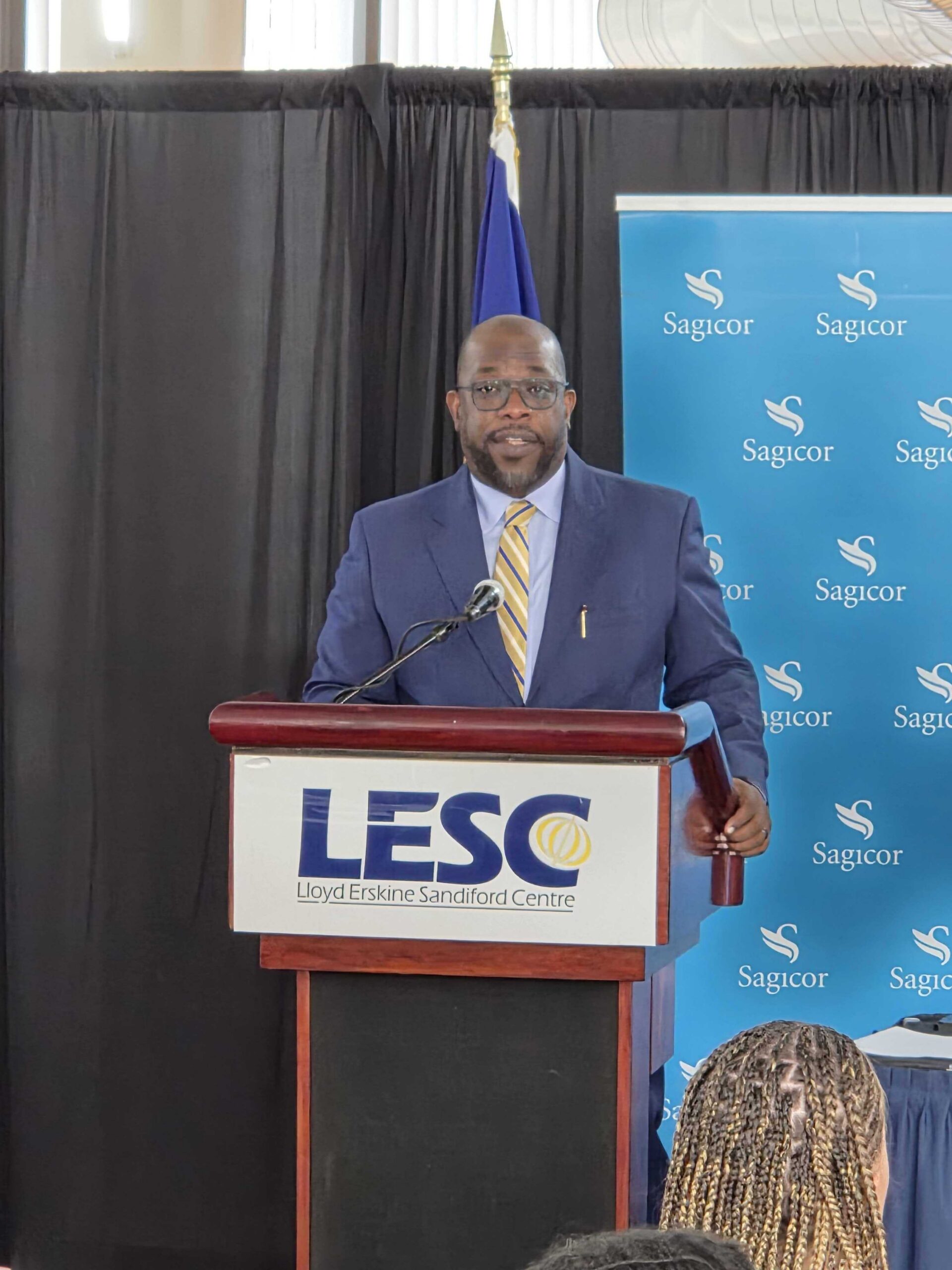
    Scheduled to run from July 24 to 28 in the Dominican capital, this year’s CAC Games arrive a mere three months before Barbados plays host to the Americas Netball Regional Qualifiers for the 2027 Netball World Cup. That tight timeline has elevated the regional competition from a standalone regional event to a critical preparation milestone for the national side, Croney explained during an official squad announcement event Sunday at the Lloyd Erskine Sandiford Centre, where rosters for both the CAC Games and upcoming Commonwealth Games were unveiled to the public.

    The captain made clear that the team has set ambitious targets for the Dominican Republic tournament: not only is the squad aiming to secure a podium finish, but it is also focused on climbing the global rankings to reverse a current standing that the group has openly described as unsatisfactory. “We’re not content with where we sit right now internationally,” Croney noted, framing the CAC Games as a key developmental step toward reclaiming a top spot in global netball.

    A major strength of this year’s selected CAC Games roster, Croney emphasized, is its intentional balance of veteran leadership and emerging young talent. The squad blends seasoned veterans like Shonette Azore Bruce, who has spent more than a decade competing at the international level and brings a deep well of tactical and on-court knowledge, with exciting new prospects who have recently graduated from Barbados’ successful Under-21 program. Among those rising young stars are Trinity Gibson, Azaria Alleyne, and Kijana Myisha Johnson, who are expected to bring fresh energy and competitive edge to the side. “With that mix of youth and experience, we’re confident we can deliver strong results,” Croney said.

    Croney also pointed to a unique competitive advantage heading into the tournament: several top-ranked regional rivals, including Jamaica and Trinidad and Tobago, have opted to split their senior player pools between the concurrent CAC Games and 2024 Commonwealth Games, stretching their resources thin across two major events. That split, she argued, creates a valuable opening for Barbados to secure high-profile wins and climb the global rankings, with the long-term goal of breaking back into the sport’s global top 12.

    Climbing the rankings is no easy feat, Croney acknowledged: “It’s far easier to drop places than it is to gain them. But the current setup gives us a far better chance to put on a strong showing, compete for a medal, and make up ground. We’re just grateful to get this amount of high-level match play ahead of the qualifiers.”

    For the team, the CAC Games also serve a critical preparatory purpose beyond rankings and medals: it gives the mixed roster time to build on-court chemistry and test combinations in competitive match conditions, a necessity just months out from the home qualifying tournament in October. “Getting this match work is non-negotiable for us as we build toward the qualifiers,” Croney added. “This is the perfect stepping stone to get us ready to compete at home later this year.”

    The full 12-player roster named to represent Barbados at the 2024 CAC Games is: Trinity Gibson, Salisha Auguste, Brianna Holder, Jada Smith, Akeena Stoute, Faye Agard, Damisha Croney, Stephian Shepherd, Azaria Alleyne, Trishan Deane, Kijana Johnson, and Shonette Azore-Bruce.

  • Community resilience key to disaster preparedness, says home affairs minister

    Community resilience key to disaster preparedness, says home affairs minister

    As climate change amplifies the frequency and severity of extreme weather events across the Caribbean, Barbados’ top home affairs official has issued a urgent call to reimagine regional disaster planning, arguing that local communities must be placed at the core of all preparedness and response strategies. On Wednesday, Minister of Home Affairs Gregory Nicholls used the opening of the Community Resilience Regional Conference, hosted at the Lloyd Erskine Sandiford Conference Centre in Bridgetown, to challenge regional disaster management leaders to abandon overreliance on top-down emergency frameworks and embrace community-led action as the foundation of climate resilience.

    Addressing a room of delegates from across the Caribbean region, Nicholls made the case that local, grassroots preparedness is the most effective defense against the growing volatility of environmental shocks and systemic economic risks that disproportionately impact small island developing states like those in the Caribbean. He explained that when communities take ownership of their own disaster preparedness and develop locally tailored adaptive strategies, the fiscal, social, and environmental costs of extreme events drop sharply. This localized approach, he noted, also ensures that critical economic activities and public services can continue operating with minimal disruption even after a crisis hits.

    Nicholls emphasized that empowering ordinary residents to lead resilience efforts is far more than a reactive emergency measure—it is a core strategic imperative for national development that strengthens both long-term economic stability and social cohesion across the country. Pushing back against the long-held conventional view of disaster response that frames national governments and uniformed emergency services as the primary first responders, Nicholls pointed out that local residents are always the first on the scene when disaster strikes.

    “When disaster strikes, the first responders are rarely the ones in uniform. The true first responders are the people sitting right next to you: your neighbours, your friends, and yourselves,” Nicholls said. He acknowledged that formal government disaster management frameworks remain a necessary part of any national response strategy, but argued that the true foundation of disaster survival lies in pre-existing community solidarity and connection.

    “Social cohesion is our greatest asset. Knowing the people on your street, checking on our seniors, our vulnerable persons, and sharing our local knowledge are the vital threads that hold our community together when the unexpected happens,” he added.

    Instead of continuing to rely solely on centralized, top-down directives from national capitals, Nicholls outlined a new holistic resilience strategy built from the ground up around community-driven action. He identified two core pillars for this approach: strong, locally rooted practical leadership, and sustained investment in local volunteer disaster response groups, which are uniquely positioned to implement preparedness measures on the ground. Clear, accessible communication and robust local information networks are equally critical, he said, particularly for reaching vulnerable residents who may need extra support during a crisis and for countering harmful misinformation that can spread rapidly in the immediate aftermath of a disaster.

    Nicholls also stressed that individual action plays a key role in collective resilience: every resident must take personal responsibility for preparing for disasters by assembling emergency supply kits and developing coordinated family emergency plans. To make this localized model work, he added, it must be supported by deep cross-sector partnerships between local communities, private businesses, civic organizations, and formal emergency services, which ensure that critical resources are distributed quickly and efficiently to where they are needed most.

    In closing, Nicholls called for greater flexibility in national disaster response policies, urging regional and national authorities to trust organic, locally led resilience initiatives that are tailored to the unique needs of each community. “We must move forward together as a cohesive unit, ensuring that community resilience is not just a concept on paper but it comes to life in our collective actions,” Nicholls urged. He challenged conference delegates and members of the public across Barbados and the wider Caribbean to take immediate, practical small steps to strengthen resilience in their own neighborhoods: reviewing personal emergency plans, exchanging contact information with nearby neighbors, and volunteering with local disaster response groups to map local resources and mark evacuation routes.

    “Our strength originates from individuals, but the power of the individual is the community. By looking out for one another and planning together, we ensure that no matter what challenges come our way, our communities will stand firm, support each other, and rebuild together,” he said.

  • BIM@60 invites Barbadians to choose the soundtrack of the nation’s first 60 years

    BIM@60 invites Barbadians to choose the soundtrack of the nation’s first 60 years

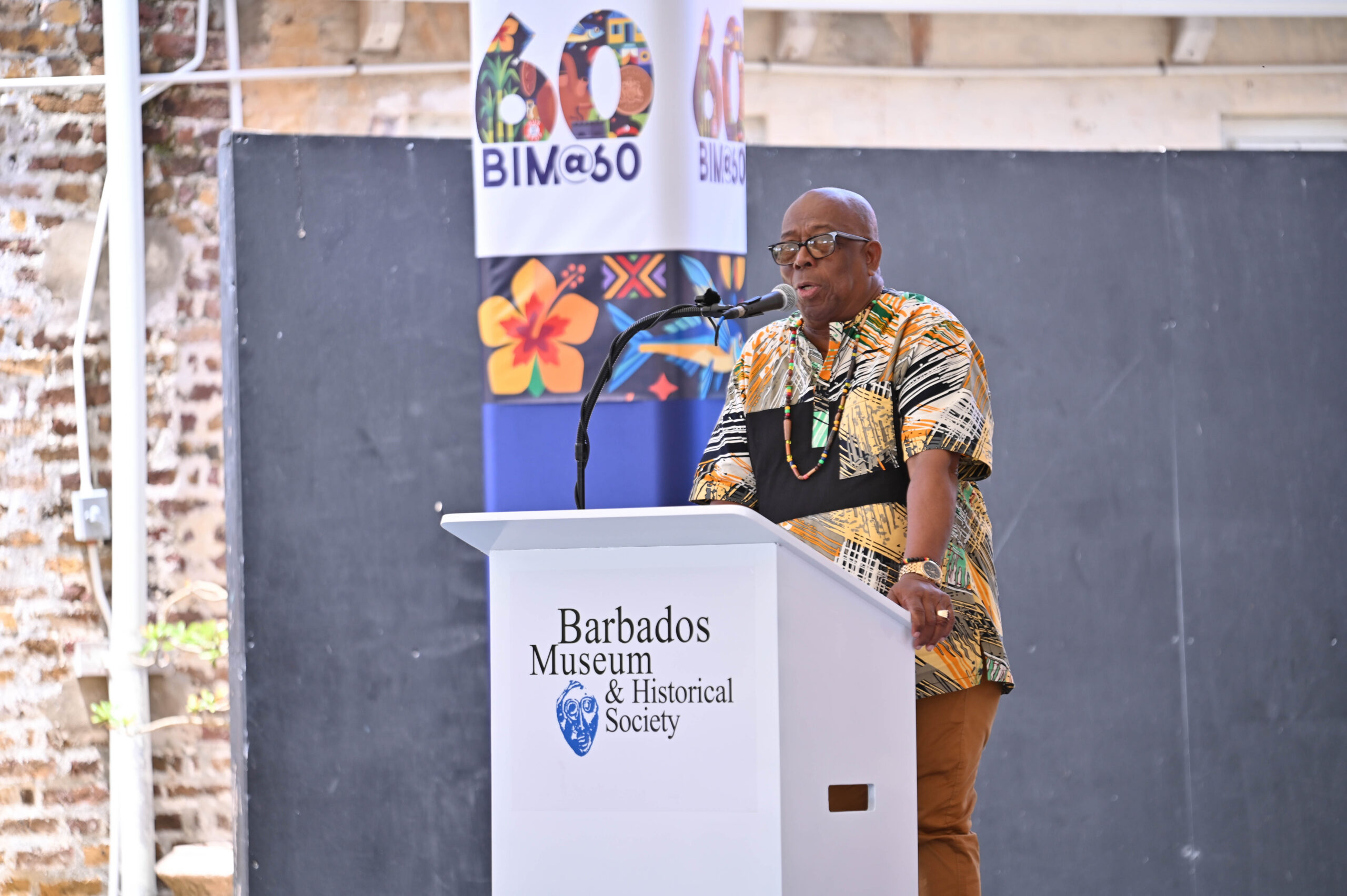
    As Barbados marks 60 years of independence and five years as a republic, a groundbreaking public initiative is inviting Barbadians at home and across the global diaspora to help codify the nation’s cultural history through song. Launched Wednesday at the Barbados Museum & Historical Society, the BIM@60 campaign is a collaborative project between the museum and the National Cultural Foundation (NCF), designed to crowdsource the 60 tracks that best capture the country’s six decades of independent nationhood.

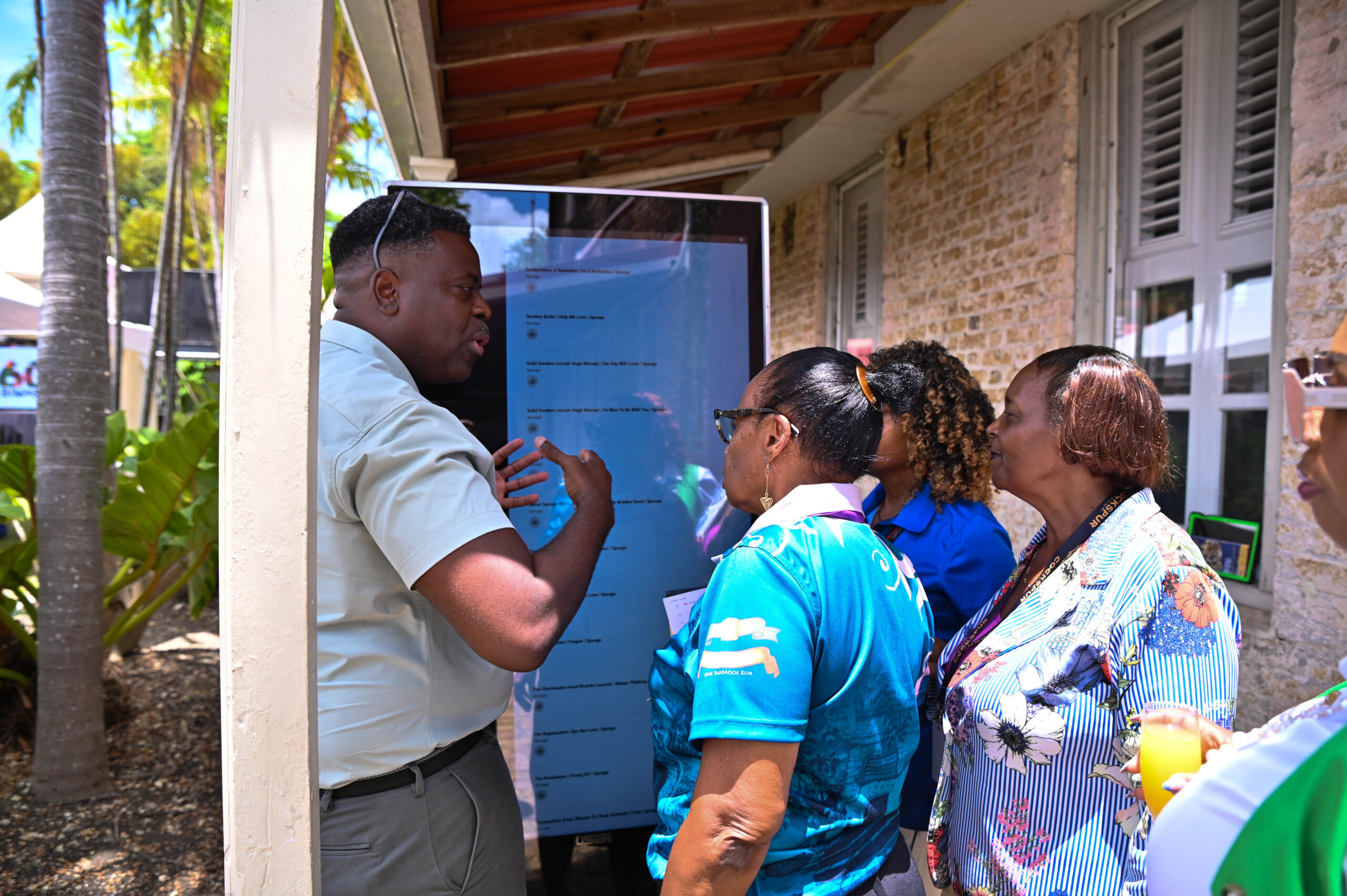
    From a pre-vetted shortlist of more than 200 songs that have shaped Barbadian cultural identity since 1966, members of the public can cast their votes online via the campaign’s digital platforms or at in-person interactive kiosks installed across the island. The initiative is far more than a public vote, however: when voting closes, the final selection will form the foundation of a lasting public legacy, including a permanent publicly accessible digital archive, themed curated playlists, a full-length documentary exploring the stories behind the selected tracks, new museum exhibitions, and educational resources for schools across the country and diaspora communities.

    Alissandra Cummins, director of the Barbados Museum & Historical Society, framed the project as a key step in the institution’s ongoing evolution ahead of its 2033 centenary, aligned with a broader vision to make heritage more accessible and community-centered. “Heritage cannot be confined to buildings or display cases,” Cummins said at the launch event. “Heritage lives in people. It lives in communities, traditions, creativity, language, memory, and shared experiences.”

    She explained that the museum is reimagining its role to become more open, connected and relevant to all segments of Barbadian society, merging traditional collection preservation with public dialogue and community participation. “Our stories, our museum,” she emphasized. “They remind us that the museum does not belong to a single generation, a single profession, or a single community. It belongs equally to the child visiting for the first time, the researcher exploring our archives, the artist finding inspiration, the family tracing its history, the Barbadians living overseas, and the visitor discovering our island for the very first time.”

    Cummins also used the launch to announce that the museum will launch a major capital fundraising campaign in August, which she described as “an investment in the stories we preserve, the knowledge we share, and the legacy we leave for future generations.”

    Kevin Farmer, deputy director of the Barbados Museum & Historical Society, noted that music has long functioned as a living historical record for Barbados, and remains one of the most potent expressions of national identity. “It reminds us that music is more than entertainment. It is evidence and testimony. It is history. It tells the story of a nation. It tells the story of people,” he said.

    Farmer extended an open invitation to all Barbadians worldwide, regardless of genre preference, to participate by selecting the tracks that have left a permanent mark on their personal and collective memory. “Whether they are gospel, soca, calypso, jazz, R&B, rock or hip-hop, that is the heart of BIM at 60,” he said. “We’re simply asking for you to share with us how the last 60 years are in a way inscribed on and in your memory.”

    He highlighted the deep historical roots of Barbadian musical heritage, noting that a traditional Barbadian slave song – one of the oldest documented enslaved musical works in the Caribbean region – has already been inscribed on UNESCO’s Memory of the World Register through cross-border collaboration. Addressing questions about why a historical museum would lead a music-focused project, Farmer argued that preserving living heritage is just as critical as conserving traditional artefacts and documents.

    “When you think of us, it is not simply about objects and pages, but it is about music. It’s about that which keeps us alive,” he said. “We’re trying in a very small way to capture it and immortalize it within 60 years of independence and the fifth anniversary as a republic.” He also called on the public to contribute informal musical memorabilia – such as handwritten lyric scribbles on napkins, brochures or beach scraps – noting that these ephemeral items hold as much historical value as the finished songs themselves.

    Carol Roberts, chief executive of the NCF, said the campaign offers an unprecedented opportunity for Barbadians to collectively define the nation’s musical identity. “BIM@60 is a project that asks a deceptively simple question: ‘What does Barbados sound like?’” Roberts said. “Our music is the most complete record we have of who we are – our humor, our struggles, our faith, our resilience, our passion, our hope, and our joy.”

    Roberts stressed that while the museum’s expert panel has already curated the shortlist of more than 200 culturally significant tracks, the public will have full control over the final 60-song selection. “This will not be an archive built behind closed doors,” she said. “From that curated list, it is you, me, the people of Barbados at home and across the diaspora, who will vote to choose the final top 60. Sixty songs for 60 years.”

    Outlining the campaign’s long-term legacy, Roberts added that the resulting resources will make Barbadian musical history accessible to future generations across the globe. “This will allow a child in a classroom in St Lucy or St Philip, Toronto… to trace the journey of their Barbadian music and understand that it belongs to them,” she said. The NCF will support the initiative by providing publicly accessible recordings, coordinating with artists and rights holders, and promoting the campaign across its national marketing and programming platforms. Roberts emphasized that the project is ultimately a tribute to Barbadian creative workers: “To our artists, composers, arrangers and producers, this project is, above all, for you. It says that your work is not in vain. It is heritage. It is history.”

    Trevor Prescod, Minister in the Prime Minister’s Office with responsibility for Pan-African Affairs and Heritage, noted that the campaign aligns with a critical moment in Barbados’ national history. Quoting Frantz Fanon, he said: “Each generation must discover its historic mission. You either honor it or betray it. I think staff of the museum, the NCF, and the Ministry… have all discovered our historic mission.”

    Prescod added that music has long documented the Barbadian experience, and should be leveraged to strengthen national identity while guiding future generations. “Over the years, the story of Barbados has been told in the lyrics of our fathers,” he said. “For generations, Barbadian artists, musicians, composers and cultural practitioners have given voice to our experiences, our aspirations, our struggles and our triumphs.” He also called for increased investment in Barbados’ cultural industries, arguing that music should be recognized both as a core cultural asset and a high-potential economic sector capable of generating wealth for local creators. Prescod urged continued support for local musicians and called for expanded international promotion of Barbadian creative talent.

    The launch event concluded with live performances from local artists Dale and Blood, who showcased a selection of new tracks alongside their most beloved earlier hits. Now that voting is open, organizers expect the final 60-song list to stand as a permanent, community-defined record of the music that has shaped Barbadian national life since independence, preserving these stories for generations to come.

  • Darts team named for two regional championships

    Darts team named for two regional championships

    Barbados is set to send a 17-strong competitive darts squad to two major regional tournaments hosted in the Bahamas, running from July 24 to August 2. The dual events—the Caribbean Darts Championships and the Championship Darts Latin America and Caribbean—will give the island nation’s emerging darts talent a high-profile platform to test their skills against top competitors from across the region.

    As team manager Dave Gittens shared in a press statement, darts has long flown under the radar as one of Barbados’ most underrated competitive sports, often described as the island’s best-kept sporting secret. But this tournament run marks a turning point for the local darts community: Gittens and the squad are on a mission to shift public perception of the sport and carve out a bigger space for darts in Barbados’ national sporting landscape.

    Confidence runs high among the team’s leadership, with Gittens noting the squad has what it takes to claim championship titles at the events. The entire group has been in rigorous training since March, honing their technique and building cohesion ahead of the cross-border competition. For Gittens, the final step ahead of kickoff is simple: letting each player embrace the pressure of the international stage and deliver the performances they’ve worked months to prepare for.

    The full roster of athletes representing Barbados includes Dakiya Walcott, Dave Gittens, Sheldon Jordan, Felicia Walrond, Wendy Barrow, Roger Edwards, Elouise Martin, Kai Greene, Nicolas Murrell, Lydia Gill, Hartley Henry, Mark Griffith, Cyndi Marshall, Clyde Murrell, Anthony Forde, Donnie Inniss, Kisanka Watts, Colin Mora and Joshua Walrond.

  • Prescod wants more Bajan books in primary schools

    Prescod wants more Bajan books in primary schools

    At a launch event held Wednesday at the Barbados Museum for the national BIM@60 initiative, Trevor Prescod, Minister in the Prime Minister’s Office with oversight for Pan African Affairs, has laid out a urgent push to embed locally written Barbadian books into primary and pre-primary education curricula, arguing that culturally rooted storytelling can drive major gains in literacy while nurturing stronger personal connections to language for young learners.

    Prescod emphasized that the island nation must step up support for its homegrown writing community, especially creators focused on developing content for child audiences. He noted that integrating more local texts into secondary and post-secondary education systems faces significant barriers, most notably rigid, exam-mandated reading lists that leave little room for new, local works. To bypass these hurdles, he argued the shift toward culturally relevant reading should start long before students reach higher education levels.

    “So I said let us do it in the primary schools or even in the pre-primary stages,” Prescod stated. The minister stressed his vision for young Barbadians to grow up engaging with stories that reflect their own lived environments, rather than relying on colonial-era foreign characters and narratives that bear no connection to their daily lives. “I don’t want… Flopsy Bunny or any of these characters like that. I want something that is Barbadian. And if you go a little above that, could be Caribbean, but don’t bring anything to me that is influenced by the colonial experience,” he added.

    Following his public call to action, Prescod revealed that local authors have already submitted dozens of locally produced children’s books to him. He plans to present this collection to his ministry as part of a broader advocacy push to secure annual multi-million-dollar government investments to distribute these indigenous texts to primary schools across the country. “I want you… to help me work to persuade the people at the highest level to at least spend some millions every year putting those books within the primary school, and I would bet you that the children have a better understanding, especially of literature and English language in general, just having some of their own material,” Prescod said.

    The push for local children’s literature comes amid ongoing concerns over literacy rates among students who took this year’s Barbados Secondary Schools’ Entrance Examination. In response to these concerns, National Cultural Foundation-supported author Shakirah Bourne has already launched the Bajan Anansi school tour, an initiative designed to foster a love of reading among young people by centering Barbadian cultural narratives.

    Beyond education, BIM@60 is a collaborative campaign organized by the Barbados Museum & Historical Society in partnership with the National Cultural Foundation. The initiative invites public participation to select the 60 most influential songs that have shaped Barbadian national identity in the six decades since the country gained independence. Prescod used the campaign launch to highlight the island’s long legacy of musical excellence, noting that many Barbadian performers have earned global acclaim, demonstrating the massive untapped and existing potential of the country’s cultural industries.

    “We now have excellence in calypso… We also have the regional and global success of Alison Hinds, Edwin Yearwood, Rupee, Lil Rick and other internationally acclaimed musicians, producers and arrangers,” he said. Recalling the unprecedented global impact of Barbadian megastar Rihanna, Prescod shared a personal anecdote: hearing airplane passengers sing one of her hit songs during an international flight drove home just how far Barbadian creative talent resonates across the world. “I recognised how powerful the voice of artists are. But I also recognised how often Barbadian artists and the talent were resonating,” he noted.

    Prescod called on local musicians and cultural practitioners to partner closely with the government and National Cultural Foundation to expand the country’s creative industries over the next 40 years, as Barbados works toward its 100th anniversary of independence. “When we stop at this point, I say 60 years, when we want to go out to 100 years… we should be able to make a difference in the next 40 years ahead as a result of giving all the support to the artists that we can,” he said.

    He added that culture can serve as a powerful tool to address ongoing social and educational challenges, stating: “culture can be the instrument that we can use in order to help bring them back on track. I strongly believe that.” Prescod also emphasized that established, senior artists carry a responsibility to mentor the next generation of Barbadian creatives, noting that both the National Cultural Foundation and his office are committed to supporting these mentorship efforts. “The senior musicians, the artists, they must work with them. National Cultural Foundation will do so. The ministry will do so,” he said.

    In closing, Prescod extended an invitation to all Barbadians to take part in upcoming national Emancipation celebrations, confirming that the Office of Pan African Affairs and Heritage will continue rolling out programming focused on strengthening national identity and building greater public appreciation for Barbados’ unique history and cultural heritage.

  • Govt weighs transfer pricing reforms to ease cost of living

    Govt weighs transfer pricing reforms to ease cost of living

    Barbados’ Senior Minister Kerrie Symmonds has outlined a sweeping two-pronged government strategy to tackle the island nation’s persistent high cost of living, targeting both opaque corporate pricing practices and wasteful household consumption habits that officials blame for inflating everyday expenses for citizens.

    At the core of the government’s regulatory proposal is a planned crackdown on transfer pricing practices among major supermarket chains, a mechanism where integrated corporate groups set prices for goods and services exchanged between their own subsidiary entities. Symmonds, who also holds the portfolio of Minister of Energy, Business Development and Commerce, explained that many local supermarket chains control every stage of the supply chain — from raw product procurement and importation to wholesale distribution and final retail sale — through separate entities under the same parent company. This structure allows for incremental markups to be added at every step of the process, which Symmonds says often includes hidden “padding” that gets passed directly to consumers in the form of higher shelf prices.

    Right now, the island nation has not put in place clear rules to address this long-standing business structure, Symmonds confirmed. Cabinet members are currently evaluating targeted fiscal and regulatory reforms that would mandate full transparency for intra-group transactions, requiring related entities to adhere to arm’s-length pricing standards identical to those used between independent, unrelated companies. “There is in the minds of several members of the Cabinet a desire, a need, not just a desire, for us to have a fiscal intervention, and part of the consideration that we are now considering is this thing called transfer pricing,” Symmonds stated during the public event.

    He added: “What we must, at some soon stage, deal with is the way in which we can make those intercompany or intracompany transactions more transparent… Let us ensure that there are arm’s length transactions treated in the same way as we would if they were unrelated companies, and that there’s no padding taking place in terms of the cost. We have to have that conversation in Barbados because that is one of the ways in which not only we educate our public, but that we protect our public.”

    Alongside regulatory reform for supermarket pricing, the government is rolling out a national conservation push designed to insulate consumers from volatile global commodity price shocks. Symmonds pointed out that widespread wasteful household habits — including leaving lights, electronics and water taps running when not in use — drive unnecessary collective increases in energy and water consumption, pushing up utility costs for households across the country.

    But the strategy goes far beyond changing individual behavior: the government plans to strengthen enforcement of existing building codes to mandate more energy-efficient infrastructure. Symmonds highlighted simple measures like mandatory motion-activated lighting in public and commercial buildings as an example of a low-cost change that could cut widespread energy waste across the island.

    “How do we enforce basic building codes now, which will see for example, in a new hotel, or frankly, in an existing structure like this [with] motion-activated lighting. So that when we all leave in here, all these lights should automatically be able to go off, rather than stay on for the whole day in a room where nobody is, and that is what we do across Barbados, let us be very frank. And if we’re going to talk about seriously protecting consumers, the question of our conservation is critical,” he said.

    The minister also confirmed the government is laying the groundwork for a full national transition away from gasoline and diesel-powered internal combustion engine vehicles to electric options within the next decade. If senior leaders have their way, the shift will be well underway within five years, Symmonds noted. Currently, many consumers opt for fossil fuel vehicles even when comparable electric or hybrid models are available at similar or lower purchase prices with far lower long-term maintenance costs. The government will launch a public education campaign to reset consumer thinking and encourage adoption of lower-cost electric vehicles, which will reduce household transportation costs over time and cut reliance on volatile global fuel markets.