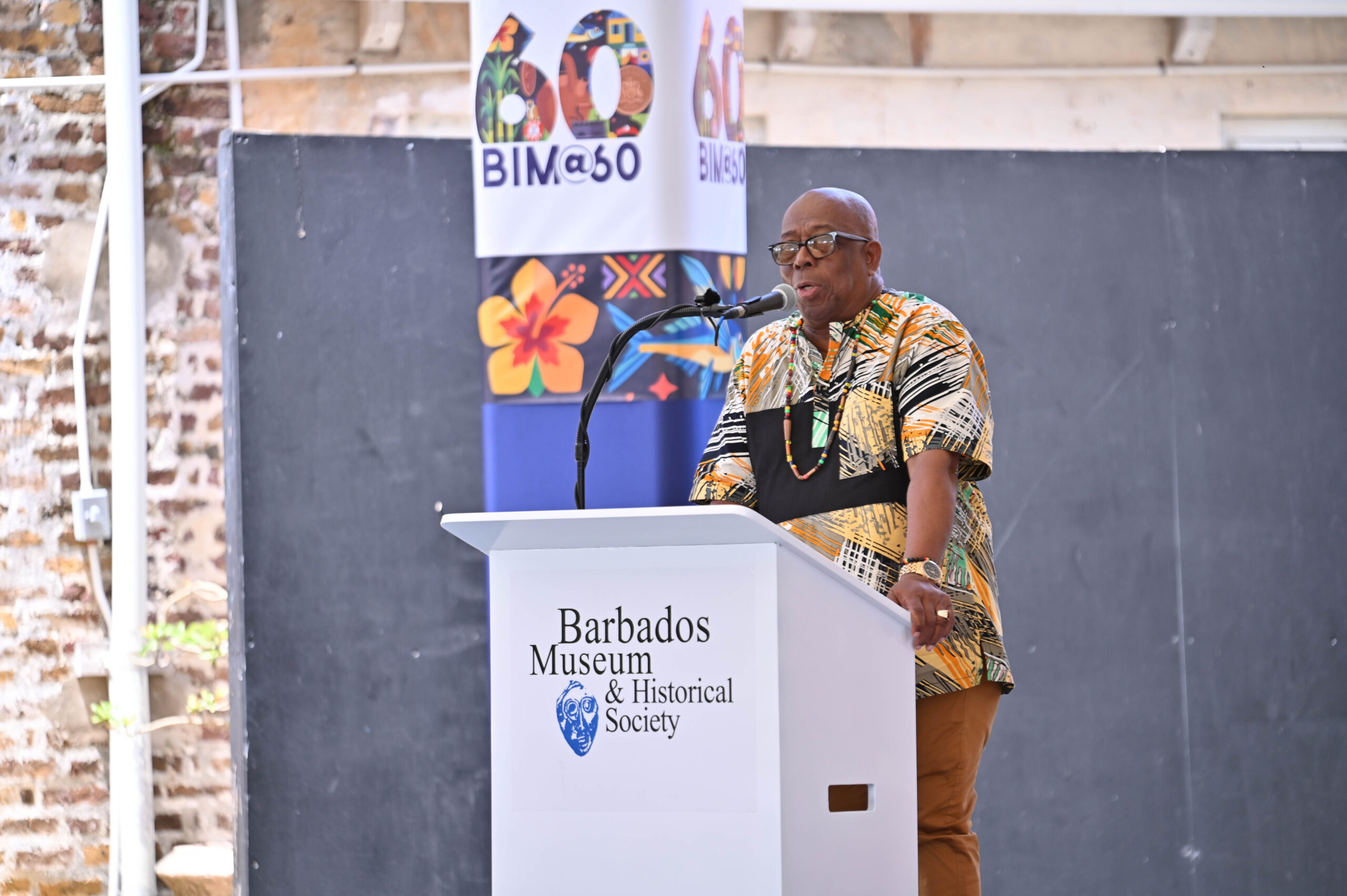
At a launch event held Wednesday at the Barbados Museum for the national BIM@60 initiative, Trevor Prescod, Minister in the Prime Minister’s Office with oversight for Pan African Affairs, has laid out a urgent push to embed locally written Barbadian books into primary and pre-primary education curricula, arguing that culturally rooted storytelling can drive major gains in literacy while nurturing stronger personal connections to language for young learners.
Prescod emphasized that the island nation must step up support for its homegrown writing community, especially creators focused on developing content for child audiences. He noted that integrating more local texts into secondary and post-secondary education systems faces significant barriers, most notably rigid, exam-mandated reading lists that leave little room for new, local works. To bypass these hurdles, he argued the shift toward culturally relevant reading should start long before students reach higher education levels.
“So I said let us do it in the primary schools or even in the pre-primary stages,” Prescod stated. The minister stressed his vision for young Barbadians to grow up engaging with stories that reflect their own lived environments, rather than relying on colonial-era foreign characters and narratives that bear no connection to their daily lives. “I don’t want… Flopsy Bunny or any of these characters like that. I want something that is Barbadian. And if you go a little above that, could be Caribbean, but don’t bring anything to me that is influenced by the colonial experience,” he added.
Following his public call to action, Prescod revealed that local authors have already submitted dozens of locally produced children’s books to him. He plans to present this collection to his ministry as part of a broader advocacy push to secure annual multi-million-dollar government investments to distribute these indigenous texts to primary schools across the country. “I want you… to help me work to persuade the people at the highest level to at least spend some millions every year putting those books within the primary school, and I would bet you that the children have a better understanding, especially of literature and English language in general, just having some of their own material,” Prescod said.
The push for local children’s literature comes amid ongoing concerns over literacy rates among students who took this year’s Barbados Secondary Schools’ Entrance Examination. In response to these concerns, National Cultural Foundation-supported author Shakirah Bourne has already launched the Bajan Anansi school tour, an initiative designed to foster a love of reading among young people by centering Barbadian cultural narratives.
Beyond education, BIM@60 is a collaborative campaign organized by the Barbados Museum & Historical Society in partnership with the National Cultural Foundation. The initiative invites public participation to select the 60 most influential songs that have shaped Barbadian national identity in the six decades since the country gained independence. Prescod used the campaign launch to highlight the island’s long legacy of musical excellence, noting that many Barbadian performers have earned global acclaim, demonstrating the massive untapped and existing potential of the country’s cultural industries.
“We now have excellence in calypso… We also have the regional and global success of Alison Hinds, Edwin Yearwood, Rupee, Lil Rick and other internationally acclaimed musicians, producers and arrangers,” he said. Recalling the unprecedented global impact of Barbadian megastar Rihanna, Prescod shared a personal anecdote: hearing airplane passengers sing one of her hit songs during an international flight drove home just how far Barbadian creative talent resonates across the world. “I recognised how powerful the voice of artists are. But I also recognised how often Barbadian artists and the talent were resonating,” he noted.
Prescod called on local musicians and cultural practitioners to partner closely with the government and National Cultural Foundation to expand the country’s creative industries over the next 40 years, as Barbados works toward its 100th anniversary of independence. “When we stop at this point, I say 60 years, when we want to go out to 100 years… we should be able to make a difference in the next 40 years ahead as a result of giving all the support to the artists that we can,” he said.
He added that culture can serve as a powerful tool to address ongoing social and educational challenges, stating: “culture can be the instrument that we can use in order to help bring them back on track. I strongly believe that.” Prescod also emphasized that established, senior artists carry a responsibility to mentor the next generation of Barbadian creatives, noting that both the National Cultural Foundation and his office are committed to supporting these mentorship efforts. “The senior musicians, the artists, they must work with them. National Cultural Foundation will do so. The ministry will do so,” he said.
In closing, Prescod extended an invitation to all Barbadians to take part in upcoming national Emancipation celebrations, confirming that the Office of Pan African Affairs and Heritage will continue rolling out programming focused on strengthening national identity and building greater public appreciation for Barbados’ unique history and cultural heritage.