标签: Barbados

巴巴多斯

  • Loss-and-damage fund may come to fishing industry’s aid

    Loss-and-damage fund may come to fishing industry’s aid

    As the Caribbean fishing sector slowly rebuilds from the catastrophic damage wrought by Hurricane Beryl two years ago, a landmark United Nations climate fund is preparing to deliver targeted new grant funding to support recovery efforts across the region.

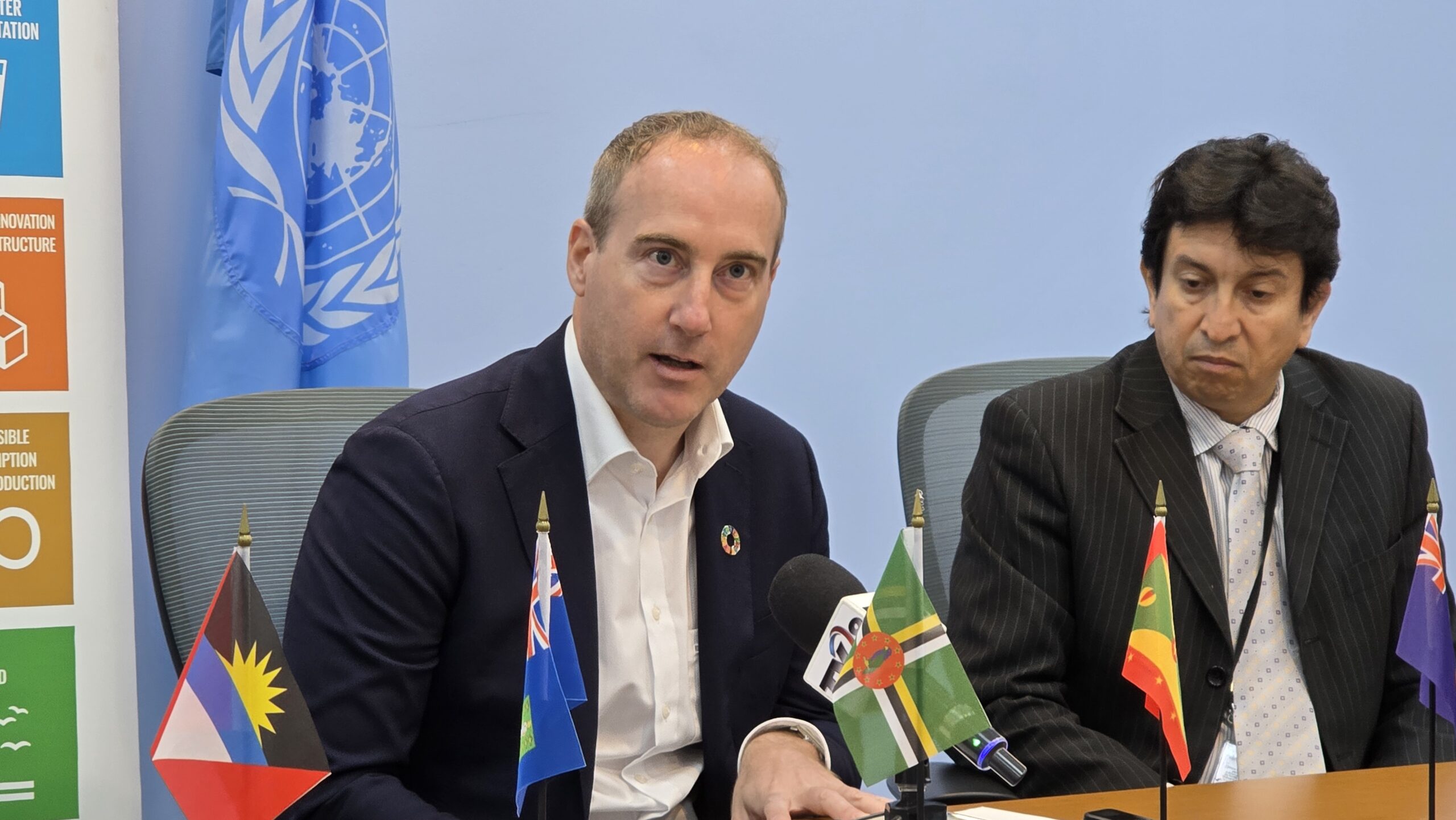
    The Fund for Responding to Loss and Damage (FRLD), created under the UN Framework Convention on Climate Change, was designed specifically to support climate-vulnerable nations grappling with the irreversible impacts of climate-driven extreme weather. Now, the fund’s executive director Ibrahima Cheikh Diong is on the ground in Barbados, the small island nation that led global advocacy to establish the financing mechanism, to collect government funding requests ahead of the 2026 Atlantic hurricane season, which kicks off next month.

    Barbados has emerged as a global leader in pushing for equitable climate finance, with Prime Minister Mia Mottley becoming one of the most prominent voices in international climate negotiations and a key architect of the fund’s operational framework, the Barbados Implementation Modalities (BIM). On Tuesday, Diong held talks with Deputy Prime Minister Santia Bradshaw to outline the fund’s planned support, a day before he revisited the Bridgetown Fisheries Complex – the facility that bore the worst of Hurricane Beryl’s damage, losing dozens of fishing vessels and sustaining major structural harm.

    Earlier this year, the FRLD rolled out a $250 million early intervention grant package under the BIM framework, a milestone for developing nations that bear the brunt of climate change despite contributing the least to global emissions. For Diong, the return trip to Barbados carries deep personal and symbolic meaning: he was on the island in the thick of Hurricane Beryl in 2024, and witnessed firsthand the storm’s destruction and the Barbadian people’s resilience during the initial rebuilding phase.

    “I was in Barbados in the middle of Hurricane Beryl. I had a chance to go on the ground and see the damage caused by the hurricane, the resilience of the people of Barbados and the work the government has been doing in rebuilding. So, coming back here, I would like to go back and visit on the ground and see what has happened since the last time I was here,” Diong said.

    He added that the visit is also an opportunity to update the Barbadian government on the fund’s progress, acknowledging that Mottley has been the mechanism’s most vocal global champion. “It was here in Barbados a year ago that we launched the Barbados Implementation Modalities (BIM). It is very symbolic to come back and brief the government on progress we have made so far. The whole purpose of the meeting is really to update [Deputy Prime Minister Bradshaw] on the progress we made; and looking ahead, where do we stand on the fund, and hopefully get some support from the government in continuing to advocate for this fund.”

    To date, the FRLD has secured $820 million in converted pledges from donor nations around the world, with $440 million already transferred and ready for disbursement. A year ago, the fund’s board approved the $250 million early intervention program, which provides 100% grant funding rather than loans to avoid adding to indebted developing nations’ debt burdens – a response to repeated calls from vulnerable countries that cannot afford to take on new borrowing to recover from climate disasters.

    Per the BIM agreement reached in Barbados, at least 50% of all early intervention funding is earmarked for Small Island Developing States (SIDS) and Least Developed Countries (LDCs) – a group that includes Barbados. Initial allocations to eligible countries will range from $5 million to $20 million, with individual nations setting their own funding priorities based on their specific recovery and resilience needs.

    Diong is currently facilitating a two-day workshop for CARICOM member states to help governments prepare their funding requests, and reminded regional representatives that June 15 is the firm deadline for submission, with no extensions planned unless the FRLD board votes to approve one. After requests are submitted, the FRLD board will meet in late July to finalize allocations before forwarding recommendations to the fund’s trustee, the World Bank, for disbursement.

    “It’s up to the countries, based on their needs, how much they would like to come to FRLD for funding, or other funds as well; ultimately, knowing that when you put that US$5m to US$20m it will be enough to meet their demands. So, we are looking at the gaps we are filling in, and making sure that what we provide can be put to use very quickly, so we can respond,” Diong explained.

    Hurricane Beryl made history as the earliest-forming Category 5 hurricane ever recorded in the Atlantic, hitting Barbados as a Category 3 storm in 2024 when it passed roughly 150 kilometers south of the island. While the storm only caused moderate damage to general public infrastructure and did not spark a full-scale humanitarian crisis, it completely destroyed most of Barbados’ fishing fleet, which is only now slowly recovering. Total economic losses from the storm reached $193 million, equal to 0.15% of Barbados’ total GDP. 58% of that total came from physical damage, 36% from ongoing economic losses, and 5% from unplanned recovery costs. Four key sectors – tourism, fisheries, agriculture, and environmental infrastructure – accounted for 84% of all storm-related impacts. Beryl’s unprecedented early formation and disproportionate impact on Barbados underscores the growing volatility of global climate patterns, which continues to amplify the climate vulnerability of Caribbean SIDS that face existential risk from rising seas and intensifying extreme weather.

  • New BTMI board appointed amid tourism growth push

    New BTMI board appointed amid tourism growth push

    The Caribbean island nation of Barbados has announced a major leadership reshuffle at its national tourism authority, tapping seasoned business executive Peter Harris to take the helm of Barbados Tourism Marketing Inc. (BTMI) as the country works to bolster its competitive position in the fast-shifting global travel landscape. Harris will succeed outgoing chair Shelly Williams, with industry veteran Gayle Talma stepping into the newly vacant role of deputy chair for the two-year appointment term.

    The changes were made public Tuesday in an official statement released by Barbados’ Minister of Tourism and International Transport, Ian Gooding-Edghill, who framed the board restructuring as a strategic move to assemble a cross-functional team with the diverse skill set required to navigate modern tourism industry challenges. In addition to the top two leadership appointments, the refreshed 13-member board includes a roster of seasoned professionals from across the sector: Sheldene Matthews-Mottley, Andrea Brome, Carol Roberts-Reifer, Ronnie Carrington, Jo-ann Roett, Patricia Affonso-Dass, Kevyn Yearwood, Nicholas Parker, Paul Collymore, Senator Ryan Forde, Cicely Callender, and Francine Blackman, who serves as Permanent Secretary in the Ministry of Tourism and International Transport.

    Gooding-Edghill emphasized that the new board’s core mandate centers on rolling out Barbados’ updated tourism marketing framework, building consistent global brand recognition for the island as a top travel destination, and delivering steady year-over-year growth in international visitor arrivals. The minister stressed that urgent, focused work is needed to speed up the implementation of the island’s long-term tourism growth strategy, particularly against a backdrop of ongoing global geopolitical volatility that creates uncertainty for international travel flows.

    Barbados’ tourism sector has posted solid, resilient performance in recent years, but Gooding-Edghill noted that ongoing proactive planning is critical to prepare for unforeseen external shifts that could disrupt the industry. As the backbone of the country’s economy and social fabric, tourism revenue drives critical public services and livelihoods across the island, making sustained growth a top national priority, he added. Beyond brand building and visitor growth, the board will oversee two key strategic pillars that are central to the government’s expansion plans: the continued expansion of the island’s airlift access initiative, and targeted efforts to grow visitor numbers from high-potential emerging markets, alongside the island’s established traditional source markets.

    “Our successful airlift strategy will continue to be one of the key pillars central to our tourism growth strategy, along with our further stimulation of emerging markets to add to our existing source markets, to generate increased arrivals to Barbados,” Gooding-Edghill said in the statement. He closed by extending official gratitude to outgoing chair Shelly Williams, recognizing her contributions to Barbados’ tourism development during her tenure leading the BTMI board.

  • Fishing disrupted as ice shortage cripples City complex

    Fishing disrupted as ice shortage cripples City complex

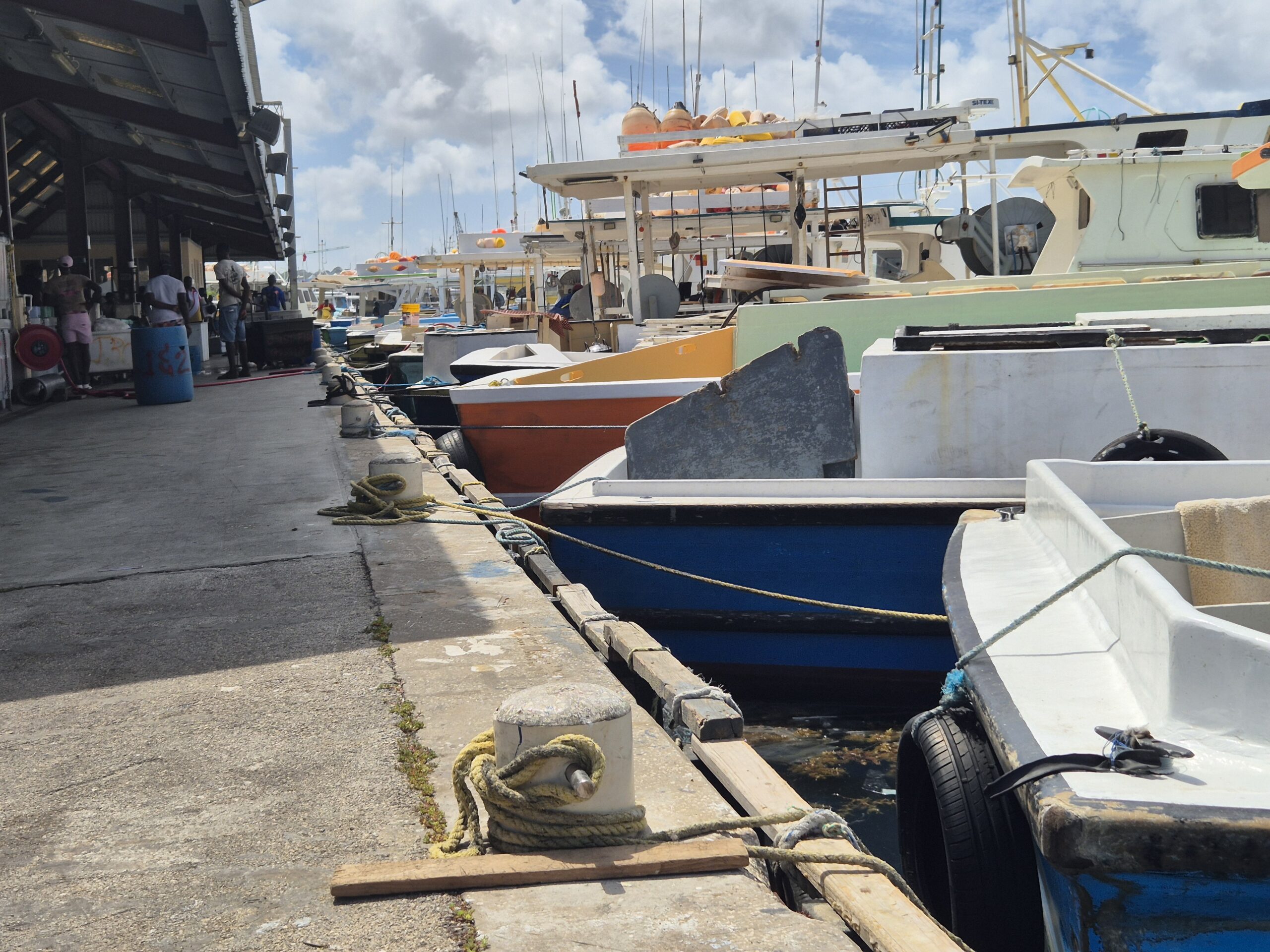
    At the Bridgetown Fisheries Complex, one of Barbados’ core hubs for the local fishing industry, a deepening crisis has brought daily operations to a near-standstill. Rows of idle fishing vessels line the docks, their crews trapped on shore by a persistent and worsening shortage of ice caused by breakdowns in the facility’s decades-old cooling infrastructure. As of Tuesday, the entire flotilla remained moored, with fishermen saying the ongoing malfunction has devastated their incomes, restricted fishing trips, and pushed some operators to travel hundreds of miles overseas just to secure the critical supply.

    For months, recurring failures of the complex’s ice machines have left fishing crews increasingly frustrated, with dozens gathering along the waterfront this week to air their grievances to local media. Veteran fisherman Wade Gittens, who has worked in Barbados’ fishing industry for more than 30 years, called the current crisis an existential blow to a sector that was already struggling to stay afloat.

    “Right now, there are roughly 70 to 75 boats tied up here, not going anywhere because there is no ice,” Gittens explained during an urgent on-site press briefing. “If a boat is lucky enough to get ice one week and spends two weeks at sea, once that trip is over, it has to stay back here for at least a month and a half, unless they can source ice all the way in St George.”

    Gittens added that a growing number of local fishing vessels are now forced to make long, costly trips to neighboring islands like Grenada just to stock up on ice before returning to Barbadian waters to fish. He called for immediate infrastructure changes, saying, “It is past time we had at least two or three working machines to keep the boats supplied.”

    Wayne Rose, another experienced longline captain, echoed Gittens’ concerns, noting the ice shortage problem has plagued the complex for years but has reached a breaking point in recent weeks. “Now boats have to leave here, go all the way to Grenada for ice, then come back to fish. That adds extra cost and extra travel time that most of us can’t absorb,” Rose said, adding the shortage has directly cut the number of fishing trips local operators can complete each month. He also linked the slowdown to the rising cost of fish across Barbados, explaining, “That’s why fish prices are so high right now. Not enough boats are going out, supply is low, so prices go up.”

    Other fishermen described the situation as untenable. Roger Cox pointed to a publicly posted ice delivery schedule hanging at the complex, noting the document is now effectively useless, since most of the vessels listed are either stuck at the dock or overseas searching for ice. He called the ongoing chaos “more than ridiculous.”

    Desperation has even pushed some crews to reuse old ice that has already been in contact with stored fish. Near one dock, a group of fishermen were seen shoveling through chunks of used ice, discarding pieces heavily soaked with fish blood while setting aside cleaner chunks to be washed and repurposed. One angler acknowledged the unsafe practice is far from ideal, but has become a necessary evil amid the shortage. “It’s not really recommended… that’s what the ice machines are for, to give us fresh ice for the catch,” he said, looking despondent. “There’s not much we can do. We have to do what we have to do to get by.”

    The impact of the crisis extends beyond fishermen to local fish vendors, who are already feeling the strain of limited supply and rising costs. Ikema Sobers, a vendor scaling flying fish at the complex, said the problem has dragged on through multiple changes in government leadership, and everyone in the supply chain is suffering. “Ministers come and ministers go… all of us are feeling this,” she said, echoing the calls for urgent action and answers from authorities.

    Growing public frustration prompted Barbados’ Deputy Prime Minister and Fisheries Minister Santia Bradshaw to visit the complex this week to address the crisis. Bradshaw acknowledged that aging equipment and repeated compressor failures are the root cause of the ongoing shortage. “It is quite unfortunate that these machines were allowed to deteriorate to this point,” she said, adding that the long-term solution requires both upgrading the existing ice machine compressors and completing broader infrastructure renovations across the entire facility.

    Bradshaw explained that one compressor has already been sent for repairs, but a second machine—more than 30 years old—developed new problems after workers detected unusual noises and oil leakage earlier this month. While the government has laid out long-term plans to upgrade the entire fisheries complex, Bradshaw said immediate temporary measures have been put in place to address the ice shortage: starting Tuesday afternoon, private firm Wolverine Company began delivering emergency ice supplies to local fishermen, and the government will offer targeted rebates to affected operators, consistent with past support for the industry. Additional ice will also be sourced from the Millie Ifill market in Weston, St James, to boost overall supply.

    Even with these emergency measures in place, local fishermen say they continue to bear the brunt of the crisis, with mounting daily costs pushing many to the breaking point. “Every day you leave home to come here, you have costs—bus fare, gas for your car—and then you get here and have to turn around and go home with nothing,” Gittens told reporters. “I honestly think this industry is dying, because we are getting no meaningful help at all.”

  • CARICOM weighs migration overhaul

    CARICOM weighs migration overhaul

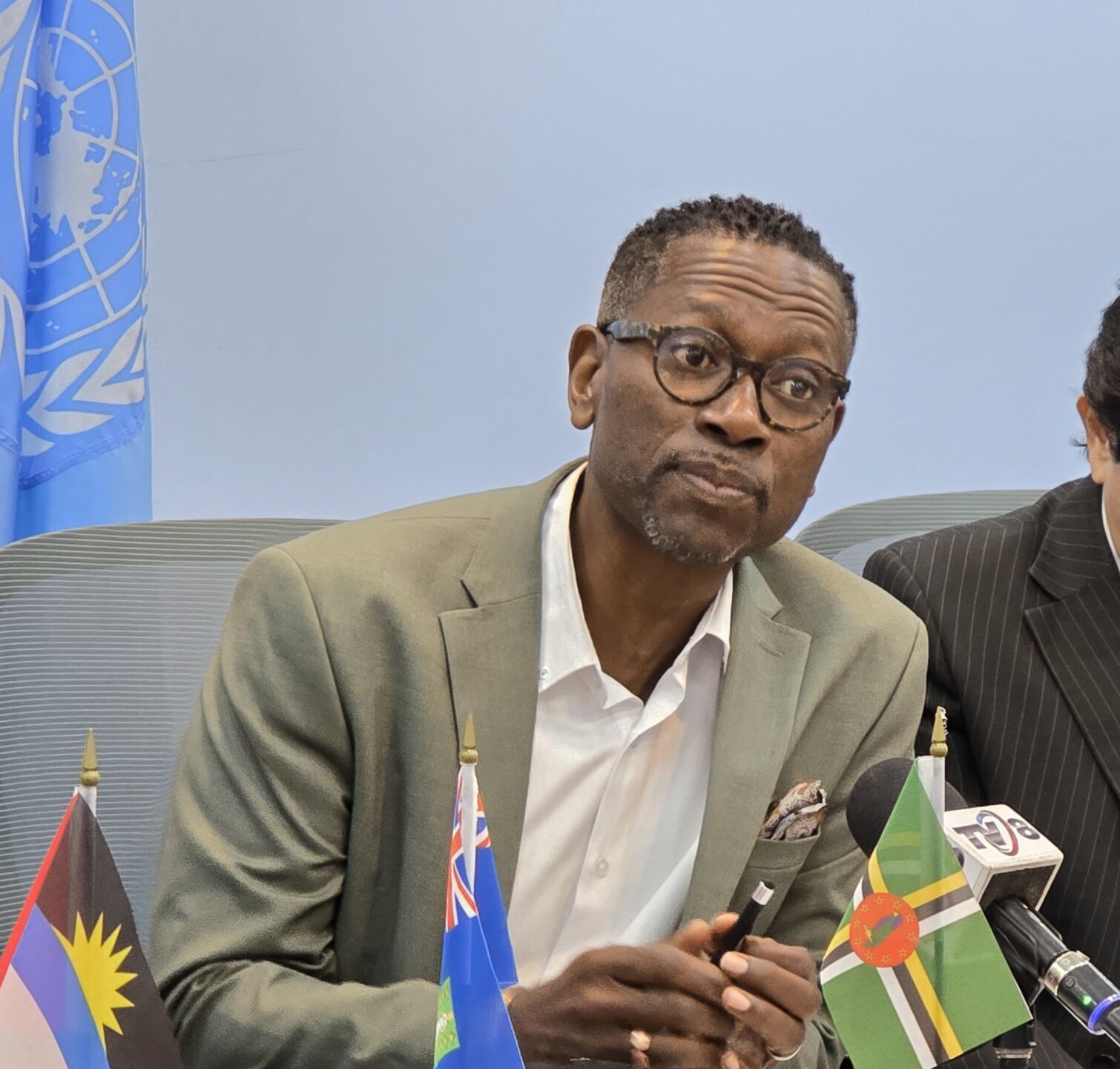
    Against a backdrop of contracting populations and widening gaps in available labor, Caribbean nations are positioning an overhaul of migration frameworks as a core strategy to safeguard long-term economic stability, a top United Nations migration official for the region confirmed this Tuesday. Patrice Quesada, regional coordinator for the International Organization for Migration (IOM) in the Caribbean, explained that member states of the Caribbean Community (CARICOM) are actively developing a unified regional migration policy focused on three interconnected challenges: improving labor mobility across borders, reversing the damage of demographic decline, and supporting communities displaced by climate change impacts.

    The policy review comes as the UN prepared to launch its 2025 report on socio-economic and demographic trends across the Eastern Caribbean. Quesada emphasized that shrinking and aging populations are a shared crisis across every Caribbean nation, with resulting labor shortages placing unmanageable strain on sectors critical to regional GDP. “Most countries across the region are seeing deep stress in key economic sectors, from construction and public health to the tourism industry that forms the backbone of many local economies,” he noted in an interview.

    Beyond addressing immediate labor gaps, Quesada explained that the updated policy will be tailored to align with the unique development priorities of individual member states. What began as a narrow policy discussion has evolved into a foundational development strategy, with migration framed as a tool to strengthen key sectors and advance shared goals. For example, targeted migration schemes can bring skilled workers into the agricultural sector to boost production and shore up regional food security, he added.

    The UN’s role in this process is to provide technical support and coordination to member states as they advance the policy framework, Quesada said, noting that both migration shifts and demographic decline are now widely recognized as defining mega-trends shaping the future of the Caribbean. “Migration is now fully integrated into regional cooperation frameworks, acknowledged alongside demographic decline as one of the most impactful trends reshaping the region,” he stated.

    As a model for other nations to follow, Quesada highlighted Saint Lucia’s upcoming launch of a national migration policy. The Saint Lucia process was developed through a whole-of-government, whole-of-society approach that centers the country’s specific needs, serving as a pilot that other Caribbean nations can adapt to their own contexts. This flexible model is particularly important because while the region shares broad demographic and climate challenges, each nation faces unique local circumstances that require customized solutions.

    Even as the regional framework takes shape, Quesada noted that member states are still engaged in active consultation to resolve key open questions about implementation. Policymakers are grappling with core issues: how to integrate incoming migrant workers into local communities successfully, how to design systems that deliver mutual benefits for both migrants and host nations, and how to replace irregular migration channels with formal, regulated pathways that bring tax contributions to public coffers while protecting migrants from exploitation.

    Climate change is also woven into the design of the new regional policy, as the second most impactful mega-trend driving migration across the Caribbean. While slow-onset sea level rise remains a long-term threat, Quesada explained that the most immediate climate-related displacement stems from frequent extreme weather events, including powerful hurricanes and prolonged droughts that are growing more common with rising global temperatures.

    “More acutely than slow sea level rise, the Caribbean faces repeated displacement tied to extreme weather: we have seen it with hurricanes for decades, and now we are watching drought conditions become more severe and widespread across the region, with impacts that will only grow in coming storm seasons,” Quesada said. He pointed to two high-profile examples of climate-driven outward migration: the large-scale outflow of residents from Dominica after Hurricane Maria devastated the island in 2017, and the ongoing struggle of Barbuda to repopulate and fully recover after a string of catastrophic hurricanes destroyed much of its infrastructure.

    Addressing climate migration requires more than just short-term humanitarian disaster response, Quesada stressed. The UN already works closely with the Caribbean Disaster Emergency Management Agency (CDEMA) to maintain cross-border protocols for temporary evacuation during major hurricanes, allowing people to move safely between islands during crises. But long-term strategy is equally critical: policymakers need to invest in recovery and resilience that gives local residents the choice to stay in their home communities rather than being forced to migrate permanently.

    Quesada concluded by calling for expanded long-term regional dialogue focused on climate resilience, sustainable urban development, and upgrading vulnerable infrastructure. The impact of climate change on coastal zones and urban centers, where most critical public and private infrastructure is located, creates hidden mobility pressures that have not yet been fully addressed. This climate-driven shift in population mobility requires targeted, proactive planning that integrates climate action into migration policy from the start, he said.

  • Home affairs minister wary of heightened fire risk amid dry spell

    Home affairs minister wary of heightened fire risk amid dry spell

    Barbados is facing a growing fire crisis fueled by an extended period of dry weather, with the island’s Minister of Home Affairs Gregory Nicholls sounding the alarm over escalating threats to residential communities and key national infrastructure.

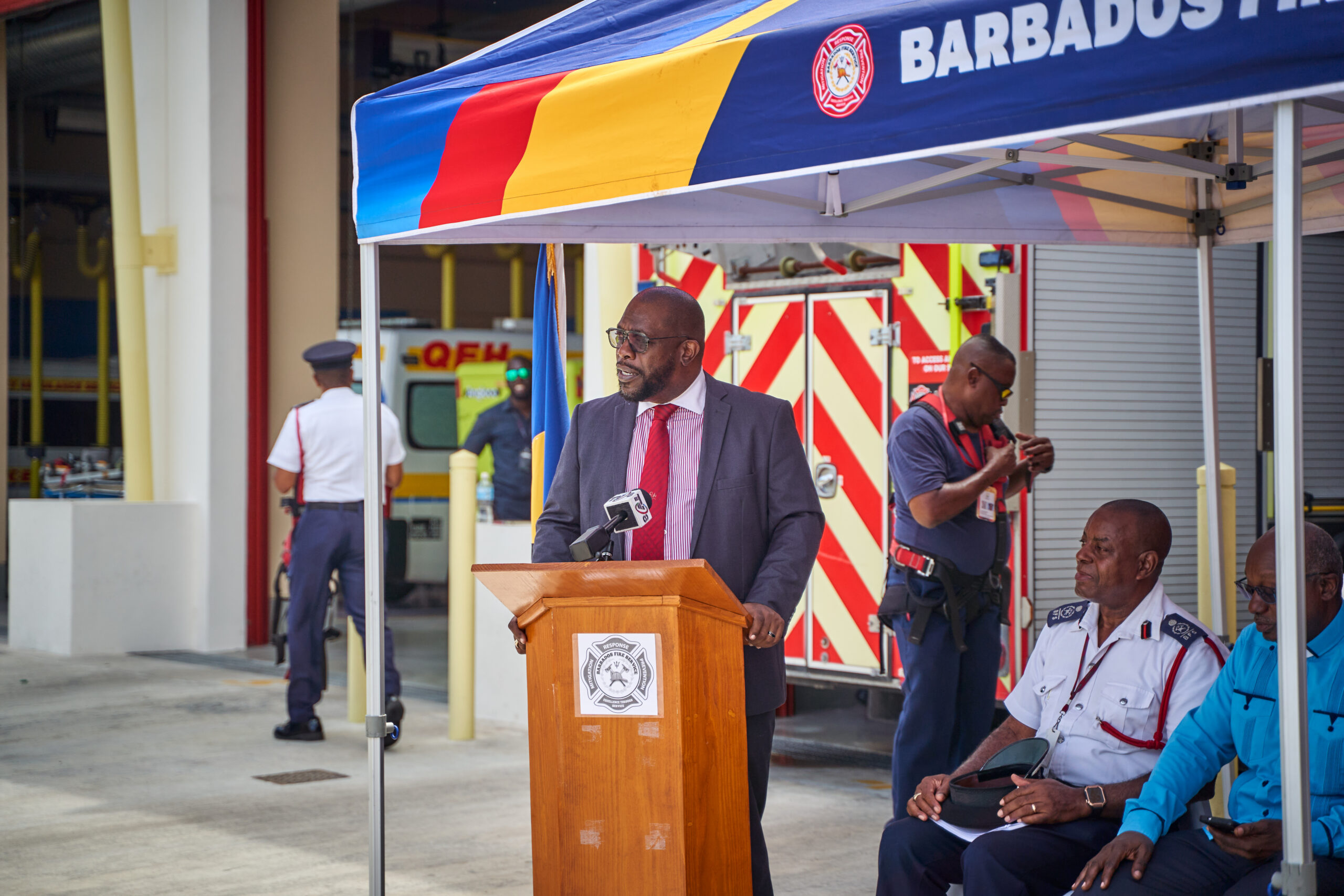
    Speaking at an official ceremony to commission a cutting-edge 45-meter aerial ladder for the Barbados Fire Service at the service’s Pine headquarters, Nicholls emphasized that the ongoing unseasonal dry spell has created unprecedented challenges for emergency responders. “The dry spell that we’re having is very concerning,” Nicholls stated. He noted that vast expanses of overgrown brush across the island, which would normally pose minimal risk, have become highly flammable fuel sources during this extended dry season, creating additional hurdles for fire containment efforts. Public outreach, education and pre-emptive preparedness, he added, will be critical to reducing the frequency and severity of future fire incidents.

    The new aerial ladder unit marks a significant upgrade to the island’s emergency response infrastructure, designed specifically to boost the fire service’s capacity to tackle blazes and carry out complex rescue operations in high-rise structures, a growing need as Barbados’ urban landscape evolves.

    During his remarks, Nicholls also recognized the extreme strain that the recent surge in fire activity has placed on the island’s firefighting personnel, pointing out that crews have been called to respond to multiple large-scale incidents across the country over the past several weeks. He confirmed that he maintains regular communication with Chief Fire Officer Errol Maynard and other senior command staff to monitor ongoing firefighting efforts as teams work to contain multiple concurrent blazes. “I speak regularly with the fire chief and the officers and it is a concern,” Nicholls shared in an interview with Barbados TODAY.

    Nicholls highlighted one particularly high-stakes blaze that broke out in St Philip on Sunday as an example of the growing risk. That fire was deemed especially worrying due to its close proximity to both residential neighborhoods and critical infrastructure installations. After firefighters worked through the early hours of the morning to fully contain the St Philip blaze, crews were immediately dispatched to a second outbreak in Benthams, located in the northern parish of St Lucy, requiring additional fire trucks to be called in to support the northern response team. “Fresh off of being able to control that yesterday morning when I spoke with them earlier again after working tirelessly throughout the early morning hours, they were heading to Benthams and requesting for more tenders to come out and assist the fire crew in the northern part of Barbados,” Nicholls explained.

    With dry conditions forecast to persist across the island in the coming weeks, Nicholls is urging all Barbadians to adopt heightened safety precautions to prevent new ignitions and reduce the risk of fires spreading out of control. In recent weeks, the Barbados Fire Service has responded to dozens of bushfire callouts as the persistent drought continues to create tinder-dry conditions across the country.

  • Black Rock man denies having gun, ammo, grenade

    Black Rock man denies having gun, ammo, grenade

    A resident of St. Michael has entered a formal plea of not guilty to three separate weapons-related charges, and his legal case is scheduled to resume at the High Court before the end of this month.

    During the official arraignment hearing held at the No. 3 Supreme Court, 37-year-old Sheraldon Omar William Cadogan, who lists his residential address as Hinkson Gap in the Black Rock neighborhood of St. Michael, formally denied all allegations against him. Prosecutors claim that on July 11, 2024, Cadogan was in illegal possession of three unlicensed items: a .32 Magnum calibre revolver, three live rounds of matching ammunition, and a flash bang grenade, a type of diversionary explosive device commonly used by law enforcement and military personnel.

    Under Barbados’ legal framework, individuals are required to hold a valid, government-issued permit to lawfully possess any of these regulated items, and the charges against Cadogan stem from his alleged failure to obtain the necessary authorization.

    Acting Senior State Counsel Anastacia McMeo-Boyce has been appointed to lead the prosecution on behalf of the state. For the defendant’s side, court-appointed counsel Shadia Simpson appeared as a friend of the court to represent Cadogan’s interests during the initial arraignment proceedings.

    Following the entry of the not guilty plea, the presiding justice adjourned the case, scheduling the next court appearance for May 26, when legal teams will proceed with pre-trial motions and case management ahead of a potential full trial. No additional details about evidence or potential bail arrangements have been released to the public as of this reporting.

  • UN agencies, govt in smart farming boost

    UN agencies, govt in smart farming boost

    Against a backdrop of growing climate uncertainty and persistent water stress across small island developing states, Barbados’ Ministry of Agriculture and Food Security has launched an expanded partnership with two leading United Nations agencies to scale digital and climate-smart innovations across the country’s agricultural and fisheries sectors. The multi-year collaboration, which brings together the UN Food and Agriculture Organization (FAO) and the International Telecommunication Union (ITU), was formally highlighted during the launch of the UN Barbados and Eastern Caribbean office’s annual results report on Tuesday, with a core mission to revolutionize water management, shore up national food security, and build long-term adaptive capacity for local farmers and small-scale fisherfolk.

    At the heart of the FAO’s contributions to the partnership are on-the-ground projects designed to address Barbados’ unique geographic and climatic challenges. As Roberto Telleria, the FAO’s subregional representative for the Caribbean, explained, the island nation receives more than 1,000 millimeters of annual rainfall, but erratic, uneven precipitation patterns have left it chronically water stressed — a gap that targeted technology can solve. To date, the initiative has already deployed soil nutrient and humidity sensors across test plots, while providing hands-on training for local farmers to use the data generated by these tools. “The rationale behind this is to try to dosify the amount of water that is applied because we live in an island that is water stressed, its not water scarcity, its water stressed,” Telleria noted. Unlike conventional irrigation practices that often overuse limited water reserves, the new smart systems calculate the exact volume of water crops require at each growth stage, cutting waste while maintaining yields.

    In addition to precision irrigation, the partnership is rolling out protected agriculture systems that create controlled growing environments to stabilize production. By enabling farmers to regulate temperature and manage pest and disease outbreaks more effectively, these systems deliver far more predictable output, reducing the risk of crop failure that threatens both smallholder livelihoods and national food supplies. The collaboration also extends to improving circular economy practices across the entire food system, a project that has been underway for several years. One key initiative focuses on recycling fish processing waste, converting it into value-added inputs for other sectors — from chicken feed to organic agricultural fertilizer — cutting waste while boosting resource efficiency.

    To target support to the communities that need it most, the partnership conducts regular national surveys to map pockets of food insecurity, allowing stakeholders to roll out preventive measures that protect vulnerable populations from the impacts of crises, hurricanes and other climate-related shocks. Teams are also monitoring the cost of nutritious food across all Organization of Eastern Caribbean States (OECS) member countries, generating data to inform more effective policy planning and improve access to affordable healthy food for low-income households. Complementing these on-farm efforts are targeted programs to link local agricultural production to youth development and school feeding initiatives. By sourcing ingredients for school meal programs from domestic producers, the partnership drives territorial economic development while supporting nutrition for the next generation of farmers.

    From the ITU side, the organization is bringing digital connectivity innovations to the fisheries sector through its Smart Sea Project, which addresses a longstanding safety gap for small-scale Barbadian fishers. As ITU area officer Cleveland Thomas explained, many small-scale fishing operations travel beyond the reach of standard commercial mobile networks like Digicel, leaving them cut off from communication in case of emergency. The Smart Sea Project ensures fishers stay connected even in remote offshore areas, adding a critical life-saving safety component for workers who go missing at sea. The ITU is also supporting broader digital inclusion across the region through initiatives like the GIGA project, which aims to connect every school to the internet and build digital literacy among young people.

    Telleria emphasized that the overarching goal of the entire partnership is to strengthen food security at both commercial and household levels, by making agricultural production more resilient through innovation and data-driven planning. “That’s usually obtained through the implementation of agricultural technology innovations at farm level that allow farmers to produce more food, to produce in a more stable way, and therefore to make sure that more elements and foods are available in cities and in the countryside too,” he said. Beyond ground-based sensors, the initiative also leverages drone technology to map large agricultural areas and assess damage after natural disasters. This allows teams to rapidly identify regions already hit by food insecurity or at high risk of disruption following hurricanes, enabling faster, more targeted response efforts to protect vulnerable communities across the Caribbean region.

  • Man fined $28k for illegal firearm, ammo

    Man fined $28k for illegal firearm, ammo

    A resident of Christ Church, Barbados, has received a combined $28,000 in fines after pleading guilty to illegal weapons and ammunition charges stemming from a 2022 search of his home. Ryan Timothy Andrews, a 44-year-old man living in the Sayers Court neighborhood, entered guilty pleas to two counts during a recent session of the Continuous Assizes at the No. 3 Supreme Court: unlawful possession of an unregistered Jericho 941 Smith and Wesson semi-automatic pistol, and possession of 11 rounds of unlicensed ammunition, offenses that date back to September 4, 2022.

    During the sentencing hearing, Justice Carlisle Greaves handed down structured penalties for each count. For the unlicensed firearm, the judge ordered an immediate fine of $17,000, with a strict fallback sentence of seven years and seven months of prison time if the penalty is not paid. For the 11 rounds of ammunition, Greaves imposed a $1,000 fine per bullet, totaling $11,000, which Andrews must pay within six months. A seven-year prison sentence will be triggered if this portion of the fine goes unpaid.

    Acting Senior State Counsel Anastacia McMeo-Boyce led the prosecution for the state, while defense attorney Shadia Simpson represented Andrews throughout the court proceedings.

    Court documents and testimony detailed the sequence of events that led to Andrews’s arrest. When law enforcement officers executed a signed search warrant at his residential property, they first asked Andrews if he had any prohibited items on the premises. His first admission was small amounts of marijuana, a separate disclosure that did not result in additional charges in this case. As search operations continued, officers pressed Andrews again for any other illegal items, at which point he acknowledged he was holding an unregistered gun.

    Andrews cooperated with officers, guiding them to the weapon’s location: he explained he had moved the gun from an upstairs storage box to a shelf inside an open wardrobe on the ground floor bedroom. Following his directions, law enforcement recovered a black semi-automatic pistol with an inserted ammunition magazine.

    When asked to explain how he came to possess the unregistered weapon, Andrews told investigators that a third party had approached him seeking a cash loan. Per their informal agreement, the individual left the firearm with Andrews as collateral against the borrowed money, effectively pawning the weapon to him. No additional information about the unnamed person who pawned the gun has been released by authorities.

    After being informed of the weapons charges, Andrews was taken into custody and transported to the District ‘E’ Police Station for processing.

  • Holder stars in IPL table topping win for Gujarat Titans

    Holder stars in IPL table topping win for Gujarat Titans

    In the latest action of the Indian Premier League (IPL) held on Tuesday, defending champions Gujarat Titans delivered a dominant all-round performance to secure their fifth consecutive victory, crushing Sunrisers Hyderabad by an 82-run margin and leapfrogging to the top of the tournament’s points table. Former West Indies international captain Jason Holder was the standout among the bowlers, finishing with exceptional figures of three wickets conceded for just 20 runs, tearing through Hyderabad’s batting line-up early and putting the result beyond doubt.

    The match, played at Titans’ home ground in Ahmedabad, saw Gujarat win the toss and choose to set a target batting first. The opening pair got the hosts off to a flying start, with left-handed batter Sai Sudharsan producing a blistering innings of 61 runs off only 44 deliveries, setting the platform for a competitive total. All-rounder Washington Sundar picked up where Sudharsan left off, scoring a quick-fire half-century off 33 balls to accelerate the innings in the death overs. Holder remained not out at the close, contributing an unbeaten 11 runs off 10 deliveries to help Gujarat post a final total of 168 runs for the loss of five wickets at the end of their 20 overs.

    Chasing a target of 169 to win, Sunrisers Hyderabad’s innings collapsed almost immediately. By the end of just the fourth over, the side was reeling at 23 runs for the loss of three top-order wickets, and they never recovered from the early shock. Holder combined with South African quick Kagiso Rabada, who was named Player of the Match for his disruptive bowling, to dismantle Hyderabad’s batting order. Rabada matched Holder’s three-wicket haul, finishing with 3 wickets for 28 runs, while seamer Prasidh Krishna chipped in with two key wickets for only 23 runs. Australian captain Pat Cummins, who came in lower down the order, ended as Hyderabad’s top scorer with just 19 runs, as the entire side was bowled out for only 86 runs. The emphatic win cements Gujarat Titans’ status as the form team of this season’s IPL, extending their unbeaten run and putting them clear at the top of the table ahead of the play-off phase.

  • NUPW signals further action as wage dispute drags on

    NUPW signals further action as wage dispute drags on

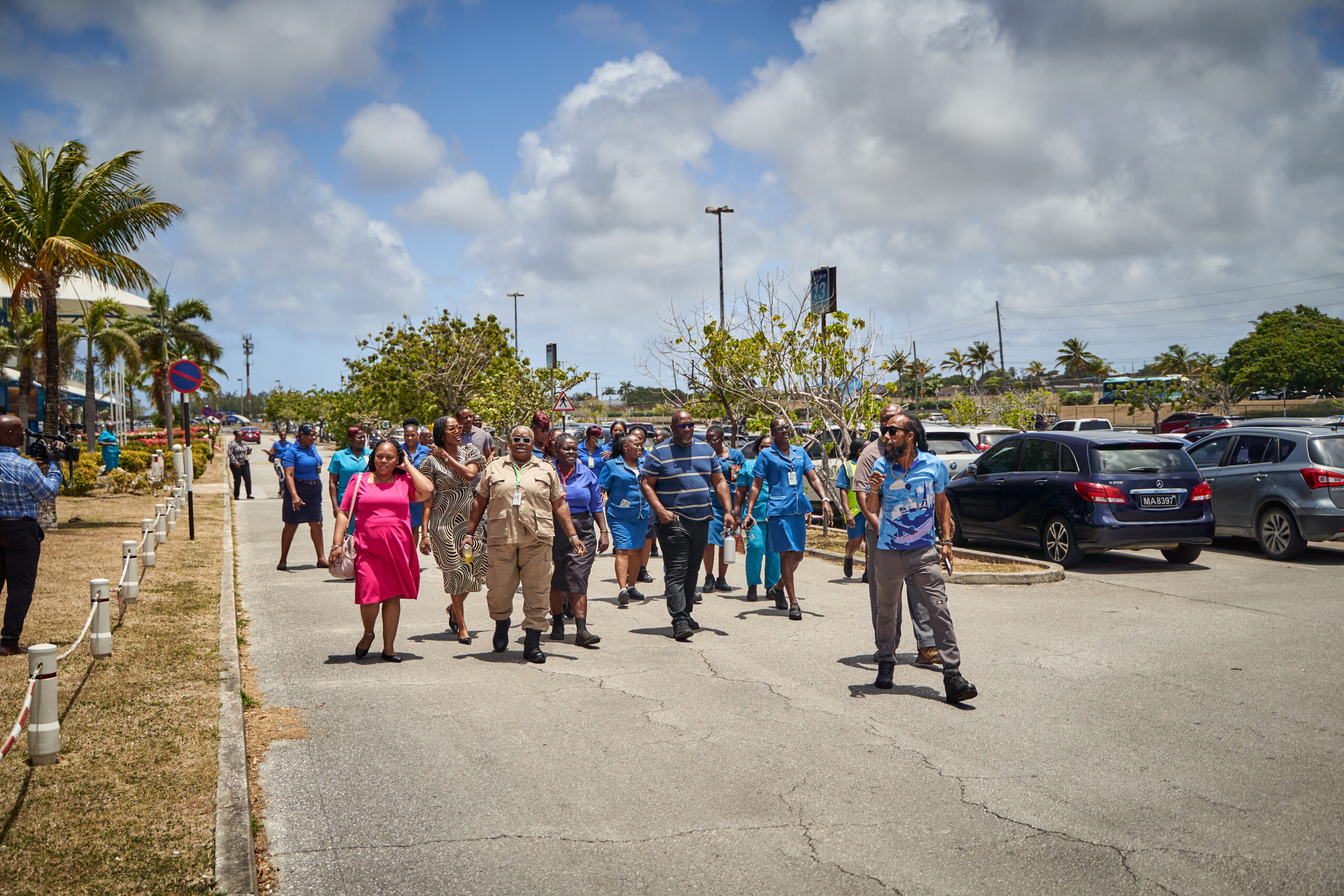
    On Tuesday, frontline workers at Grantley Adams International Airport Inc. (GAIA Inc.) took to the picket line, turning a months-long simmering wage dispute into open public demonstration. The action, organized by the workers’ representative body the National Union of Public Workers (NUPW), comes after nearly five months of unreturned communications from airport management over a proposed 20% wage increase for the 2025–2027 period.

    Under the quiet observation of local law enforcement, a group of airport employees walked off their posts to voice their long-held frustration, calling on management to immediately address their compensation demands. Union leadership has emphasized that the protest is not a spontaneous, unplanned outburst, but a direct response to GAIA management’s persistent refusal to return to collective bargaining.

    NUPW President Kimberly Agard told reporters that the union has been seeking formal negotiations with GAIA’s leadership since December of last year. Despite repeated outreach to schedule a bargaining session and discuss the union’s formal compensation proposal, Agard said the union has not received a single formal reply or counteroffer from management.

    “Since last December, the NUPW has shared its formal position with GAIA management, and to this day, we have not gotten any kind of response,” Agard stated. “This delay is not on our end—we have continuously reached out to lock in a date to return to the bargaining table, but every proposed date gets pushed back. Our members are fed up. They show up and work hard every day, they deserve better compensation, and this protest is just their way of making that frustration heard.”

    Union officials clarified that the decision to stage a public protest was not made lightly. Industrial Relations Officer Lisa Allicock explained that the NUPW intentionally narrowed its bargaining priorities to speed progress on the issue that matters most to workers: immediate wage relief. The union set aside non-wage contractual disagreements to focus exclusively on reaching a resolution for the 20% salary increase proposal covering 2025 to 2027, and has only been waiting for management to engage in good faith.

    “There were a range of outstanding items on the table, but we recognized that wages are the most pressing concern for our members right now, so we decided to pause discussions on everything else,” Allicock said. “We’ve narrowed our focus to bring salary negotiations to a close as quickly as possible, and we’re just waiting for GAIA management to respond to our position.”

    Agard pushed back against any claims that the demonstration was premature or uncoordinated, noting that the NUPW operates on a core principle of “responsible representation”—but that responsibility must extend to both sides of the bargaining table. She pointed out that airport workers are facing the same widespread cost of living pressures that are impacting households across Barbados, and their anxiety over stagnant wages is entirely justified.

    “This isn’t a random, unplanned action,” Agard stressed. “We’ve given management more than enough time to review our proposal and come back to the table. Our members aren’t against working—they just want fair pay for the work they do, and this protest shows how fed up they are with how management has treated their request and their representatives.”

    As of Tuesday, union leaders have not disclosed details of their next steps if management continues to refuse to negotiate. While the NUPW has not yet called for a full, formal work stoppage that would disrupt airport operations, representatives confirmed that all possible actions remain on the table, depending on GAIA management’s response in the coming days.

    “We remain committed to responsible representation, and labor organizing follows strategic planning—we’re not going to announce our next moves publicly right now,” Agard said. “We will hold further consultations with our members, and whatever direction they want us to go is what we will follow.”

    Barbados TODAY has reached out to GAIA communications specialist Sharleen Brown to request a comment from management on the protest and ongoing wage dispute, and is awaiting a response as of the publication of this report.