标签: Barbados

巴巴多斯

  • NISSS expands EZPay+, SurePay access for self-employed

    NISSS expands EZPay+, SurePay access for self-employed

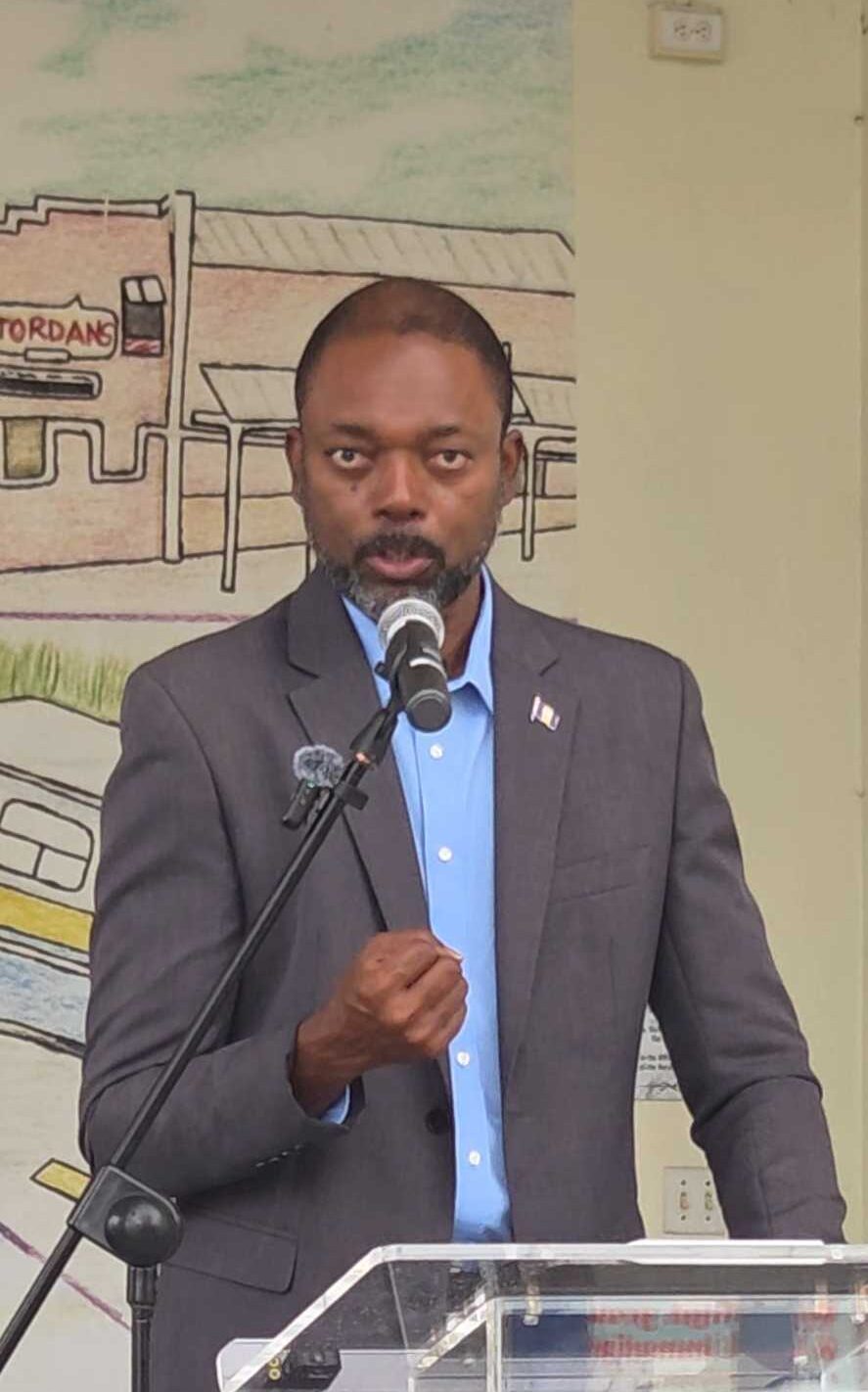
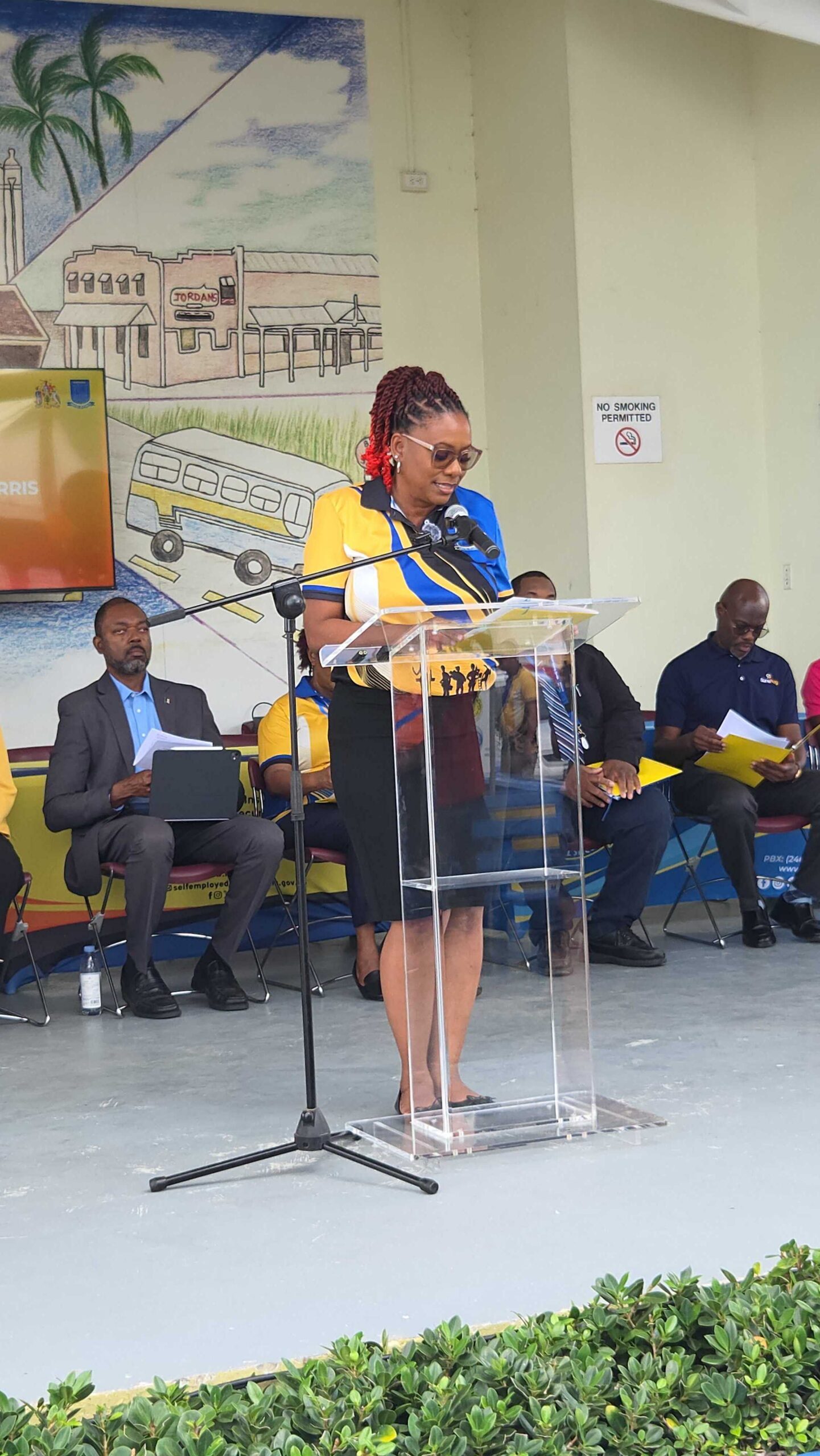
    Barbados has taken a landmark step to close a long-standing gap in its national social safety net, launching round-the-clock digital payment options for National Insurance contributions that remove major barriers to social security coverage for the country’s large self-employed workforce. Labour, Social Security and Third Sector Minister Colin Jordan made the announcement at the official launch of the “Self-Employed and Secure” community engagement initiative in Speightstown, St Peter, framing the reform as the start of a new era of equitable financial protection for independent workers across the island.

    Effective immediately, self-employed contributors can make National Insurance payments through two integrated platforms: the government’s native EZPay+ portal and commercial bill payment service SurePay. Both platforms operate 24 hours a day, seven days a week, eliminating the logistical hurdles that have kept thousands of independent workers outside the social security system for decades.

    Jordan emphasized that flexible, anytime-anywhere payments are not just a matter of added convenience for self-employed workers—they are a practical necessity. Unlike traditional formal employment tied to a 9-to-5 office schedule, independent work spans irregular hours across sectors from taxi driving and fishing to artisanal craft and creative industries. “No more disrupting your schedule or your earning of money. You can now, in the middle of the night, sit on your bed or at your dining room table and make your payments,” Jordan said, adding that the reform ensures every working Barbadian, regardless of their work model, can access the protection they deserve.

    The policy change comes as the National Insurance Scheme faces urgent long-term sustainability challenges. A recent 17th Actuarial Review delivered a sobering projection: if the contributor base does not expand significantly, the National Insurance Fund could be fully depleted by 2034. When Jordan took office, official data showed only 12 percent of Barbados’s self-employed population actively contributed to the fund—a gap the current administration has refused to delay addressing.

    “As a government, we decided we would not do the politically expedient thing and kick the can down the road. Once we recognised we had a challenge, we did what former Prime Minister Owen Arthur would say: you face it and you fix it,” Jordan noted. “We are addressing the sustainability of the fund because our self-employed are too valuable to be left to ad hoc relief.”

    In additional support for self-employed workers who have fallen behind on past contributions, the new digital system also allows payments for prior coverage years. Workers can now make up missed contributions for 2024 and 2025, alongside current 2026 payments, allowing them to build up their eligibility for future benefits without losing credit for past work. “Every year counts, and this facility allows you to add those missing weeks to your foundation,” the minister explained.

    Jordan praised the courage and creativity of Barbadian self-employed workers, who “bet on themselves” every day to grow the island’s economy. But he stressed that hard work alone cannot serve as a retirement plan, and ad hoc emergency assistance is not a substitute for comprehensive social security. Lessons from past crises, including the COVID-19 pandemic and Hurricane Beryl, have made clear the devastating human cost of leaving independent workers without a financial safety net, he added.

    “The National Insurance Scheme exists precisely so no self-employed person has to face a crisis without a firm foundation,” Jordan said. “I encourage all of you: do not wait until something happens. Join up, sign up, and participate.”

  • Self-employed unit expands reach to thousands – NISSS

    Self-employed unit expands reach to thousands – NISSS

    Barbados’ National Insurance and Social Security Service (NISSS) has announced a landmark milestone for its specialized Self-Employed Unit, revealing that more than 3,000 independent workers have signed up for national social security coverage in just over 14 months since the initiative launched. Officials made the announcement Friday during a celebratory ceremony held at Speightstown Esplanade, where they detailed the community-centered strategy driving the program’s rapid growth and unveiled new flexible payment options tailored to the unique needs of self-employed workers.

    Alethea Thomas, acting project manager of the Self-Employed Unit, presented the official progress update at the event, breaking down the results of the unit’s ground-up outreach approach launched on March 17, 2025. By the end of the program’s first full year, 3,039 self-employed Barbadians had completed new registrations, with a sharp late surge pushing totals even higher. Thomas shared that April 2026 alone saw 678 total processed registrations, including 543 first-time sign-ups and 135 reactivations of lapsed coverage, a result she credited to the unit’s intentional, community-facing model.

    Unlike traditional social security outreach that relies on centralized bureaucratic offices, the NISSS initiative has shifted to meet independent workers where they already operate. To date, the team has hosted 28 interactive workshops and community sessions across every part of the island, connecting directly with street vendors, skilled tradespeople, creative professionals and other independent workers in their daily work environments. What started as a registration drive has evolved into a long-term relationship-building framework, Thomas explained, that has made NISSS more visible, accessible and trusted among the self-employed community than ever before in the institution’s history.

    A key new rollout announced at the ceremony is flexible payment terms designed to accommodate the irregular, fluctuating income streams that are common for independent workers. The initiative’s 15 field officers, all recruited from the local communities they now serve, have been central to the program’s success, Thomas noted, adding that their existing connections to the populations they engage with has helped break down barriers to registration.

    Thomas emphasized that the self-employed workforce, whose members make a deliberate choice to “bet on themselves” through independent work, deserve the same long-term social protection that traditional employees access through the national insurance system. “The self-employed persons of Barbados work hard, and they make the necessary sacrifices for themselves, living on their own terms through skill, labour, creativity, and courage that deserves to be honoured,” Thomas told attendees. “What we are offering through the NISSS is the assurance that that hard work pays off, not just today, but for the rest of their lives — that the years of hard work and hustle will lead to somewhere safe, secure, and worry-free.”

    She added that every Barbadian, regardless of whether they work for an employer or run their own business, is entitled to financial security during retirement. “Every Barbadian, whether employee or self-employed, deserves those golden years, and it is the mission of the Self-Employed Unit to assure this.” Immediately following the ceremony, the unit’s field officers departed for new outreach stops in Six Men’s Bay and Mile-and-a-Quarter in St Peter, continuing the ongoing registration drive to reach remaining unregistered self-employed workers across the island.

  • Students eye non-traditional careers at national showcase

    Students eye non-traditional careers at national showcase

    As secondary school students across Barbados increasingly turn away from long-established conventional professions to explore unconventional vocational paths, the Barbados Association of Guidance Counsellors (BAGC) has broadened its industry partnerships to meet this shifting demand. The expansion was announced Friday by BAGC president Sharnell Clarke, during the opening of the association’s 19th National Career Showcase, hosted this year at the University of the West Indies at Cave Hill.

    Clarke noted that while core traditional careers including law, medicine, and education still draw significant student interest, a clear divergence in vocational preferences has emerged in recent years. To reflect this changing landscape, organizers this year added non-traditional roles to the showcase lineup – including a professional fruit carving artist, one of the creative vocational paths that has piqued growing curiosity among attending students.

    “More young people are actively broadening their horizons and opening themselves up to career options their parents or older generations rarely considered,” Clarke explained in an interview on site. “That’s why we worked to bring in representatives from every corner of Barbados’ economy, from skilled creative trades to public service roles that many students have never gotten the chance to learn about first-hand.”

    This year’s showcase brought together 70 distinct organizations spanning virtually every major sector of the Barbadian economy: finance, insurance, education, medical and mental health, business development, entrepreneurship, tourism, agriculture, animal control, food nutrition, and skilled creative trades. Even niche public service sectors got a spot in the event: the Barbados Police Service brought representatives from its canine unit and traffic division, while the national agriculture ministry featured six separate departments to introduce students to roles in agribusiness and rural development. For sports-inclined students, Barbados’ iconic cricket legends were also on hand to walk attendees through what it takes to build a professional career in competitive sports. BAGC also hosted its own exhibition, to demystify the work of guidance counsellors and encourage students interested in education and mental health to consider the profession themselves.

    Unlike past years, when the showcase opened to secondary students from third to sixth form, resource constraints – including limited event space and tightened funding – forced organizers to refocus the event exclusively on third-form students. This demographic, Clarke explained, is at a critical career juncture: they are just weeks away from selecting specialized subjects for their fourth and fifth form studies, a choice that directly shapes their future post-graduation vocational options.

    All secondary schools across the island were invited to send their third-form cohorts, including the specialized Derrick Smith School and Vocational Centre. According to Clarke, the core mission of the annual showcase is to bridge the gap between classroom learning and real-world work, giving students access to professionals and industries that most would never encounter in their daily school lives.

    “For most young people, there’s no way to learn what a typical day looks like in an unfamiliar career until you actually talk to someone who does that work every day,” Clarke said. “This event gives them that chance: they can ask questions, get behind-the-scenes insight, and even discover entirely new careers they never knew existed before.”

    Clarke added that a national, centralized showcase offers unique value that smaller, individual school career fairs cannot match. As an island-wide association, BAGC has the resources and network to bring together a far wider range of professions under one roof, giving every attending student access to a broader scope of vocational opportunities no matter what school they attend.

  • West Indies Women begin final prep ahead of T20 World Cup

    West Indies Women begin final prep ahead of T20 World Cup

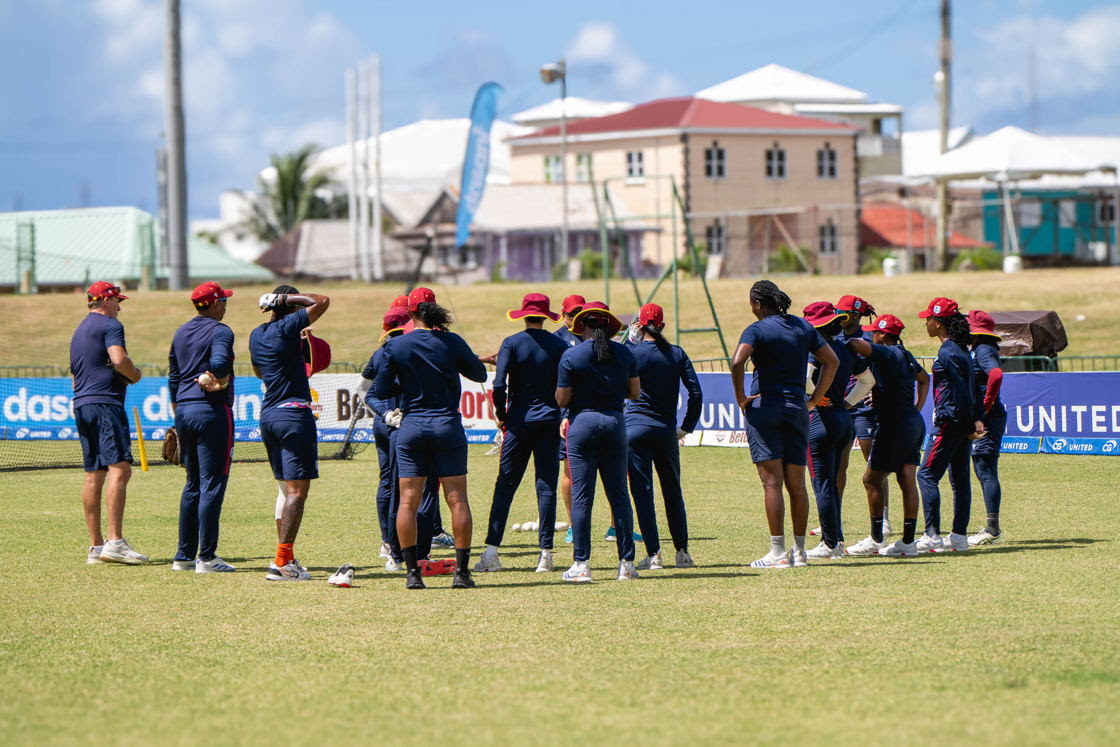
    West Indies Women’s cricket team has touched down in Newport, Wales, kicking off a 10-day high-performance preparatory camp that marks a key milestone on their road to the 2026 ICC Women’s T20 World Cup hosted in England. Organized by Cricket West Indies (CWI), the camp running from May 14 to 23 will set the stage for the team ahead of a crucial tri-nation T20 series against Ireland and Pakistan, a contest designed to give the squad competitive match experience in conditions nearly identical to those they will face at the upcoming global tournament.

    Over the course of the 10-day training block, the 16-member selected squad will fine-tune every dimension of their game through a packed schedule: intensive technical skill sessions, strategic tactical planning drills, realistic match simulations, targeted fitness conditioning, and collaborative team-building activities. This preparation comes as the Maroon Warriors prepare for their return to the ICC Women’s T20 World Cup main draw, a moment the squad has worked toward for months.

    Buoyed by a semi-final finish at the 2024 edition of the tournament, the team enters this preparation phase with clear ambition. Players and coaching staff alike note that the side has grown dramatically over the past two years, adding depth to their roster, sharpening their competitive edge, and boosting collective confidence after two years of high-level international play. The ultimate goal for the side is to repeat the historic triumph the team claimed 10 years ago, when they lifted the 2016 ICC Women’s T20 World Cup trophy.

    CWI Director of Cricket Miles Bascombe emphasized the strategic logic behind scheduling both the training camp in Wales and the subsequent tri-series in Ireland, noting that the location and timing offer unique advantages for the team. “The opportunity to train in the United Kingdom and then also get the experience of playing competitive matches in Ireland in similar conditions immediately prior to the start of the June 5th tournament is invaluable,” Bascombe explained. “This period will be utilised to help the squad gel, cement gameplans and remain connected. We are looking forward to a great showing by several key veterans and the emergence of our future stars on the back of this extended preparation.”

    This Wales camp is the latest step in a structured, long-term preparation pathway mapped out by CWI and team management, which has already included challenging white-ball series against Sri Lanka and Australia earlier in 2026. Following the conclusion of the camp, the team will travel to Ireland for the tri-nation series, kicking off their campaign against the host side on May 28 before wrapping up their group stage fixtures against Pakistan on June 3. Immediately after the tri-series, the squad will head to England for the World Cup, where they will play their opening tournament match against New Zealand on June 13.

    Final trimmed squads for both the tri-nation series and the 2026 ICC Women’s T20 World Cup will be announced by CWI at a later date. The 16-member group currently in Wales for the preparatory camp is: Aaliyah Alleyne, Eboni Brathwaite, Shemaine Campbelle, Jahzara Claxton, Deandra Dottin, Afy Fletcher, Jannillea Glasgow, Shawnisha Hector, Chinelle Henry, Zaida James, Qiana Joseph, Mandy Mangru, Hayley Matthews, Ashmini Munisar, Karishma Ramharack and Stafanie Taylor.

  • Career showcase opens students’ eyes to expanding job opportunities

    Career showcase opens students’ eyes to expanding job opportunities

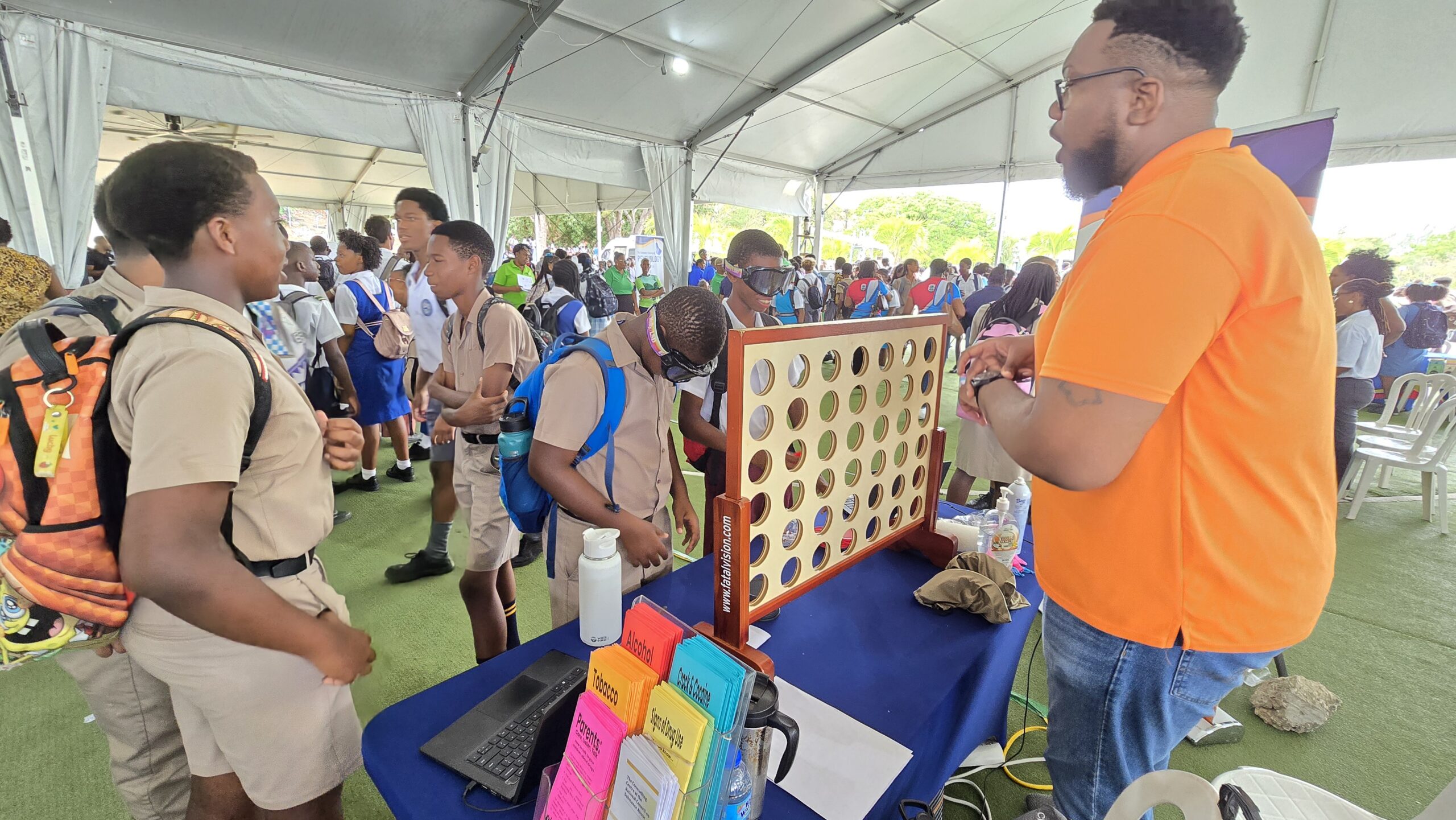
    On a bustling Friday at the University of the West Indies’ Cave Hill campus in St. Michael, hundreds of third-form secondary students from across Barbados stepped into a world of professional possibility at the 19th Annual National Career Showcase, hosted by the Barbados Association of Guidance Counsellors (BAGC). Held under the forward-thinking theme “A Bright Future Loading… Planning Your Vision,” the three-day event brought together 70 local and regional businesses, professional organizations, and educational institutions to demystify career pathways and break down the academic requirements students need to pursue their professional goals.

    Unlike traditional career fairs that rely on static brochures and brief handshakes, this year’s showcase prioritized interactive engagement to spark long-term interest. Exhibitors set up hands-on demonstrations, immersive challenges, and guided conversations to help young students, many of whom are just beginning to map out their post-secondary plans, connect classroom learning to real-world work.

    One of the biggest crowd-pleasers of the event was the booth hosted by Robot Adventures, where students lined up to crowd around live robotics displays, test their skills at maneuvering robotic arms, and complete hands-on technical challenges. Chief Instructor Jelani Payne, who leads the organization’s youth outreach programs, told attendees that robotics and related automation fields represent one of the fastest-growing professional sectors across the globe and the Caribbean, with a vast range of untapped opportunities for local graduates.

    Payne highlighted several fast-growing subfields that are already creating high-demand jobs in the region, from drone technology and autonomous systems to 3D printing and underwater robotics. “The career paths here are incredibly broad,” Payne explained. “For example, drone technology is already being used for farm security to prevent petty larceny, and to secure private property. We also see growing demand for professionals who can program autonomous drones and robotic systems that can complete tasks without any human input.”

    He noted that underwater robotics has emerged as a particularly promising field for Barbados, given the island’s deep maritime ties. Underwater robotic systems are used for deep-sea exploration, environmental monitoring, and hull cleaning for commercial ships – work that is often too dangerous, dirty, or repetitive for human workers to complete safely and efficiently. For students interested in joining the field, Payne advised focusing on multidisciplinary STEM coursework during secondary school, noting that robotics draws from mechanical engineering, electrical engineering, and computer science. Key foundational subjects include physics, chemistry, information technology, mathematics, and technical drawing, he added.

    At the BAGC’s own booth, Parkinson Memorial Secondary School guidance counsellor Kara Clarke led an effort to educate students on two fronts: the range of services guidance counsellors provide to students in schools, and the rewarding career path that counselling offers. Many students who visited the booth told Clarke they only had a limited understanding of what guidance counsellors do day-to-day, and some were surprised to learn that counsellors support students with academic planning, mental health, social conflict, and college applications, beyond just discipline referrals.

    Visitors interacted with the same worksheets, educational games, and counselling resources used in schools, and many who stopped by expressed genuine interest in pursuing counselling as a career. Clarke walked prospective students through the standard educational pathway: most entering professionals earn undergraduate degrees in psychology or social work before completing a master’s degree in school counselling or clinical psychology.

    Beyond inspiring the next generation of guidance counsellors, Clarke said the booth served another important purpose: reducing the stigma around seeking counselling support in schools. “We wanted to let students know that reaching out to your school guidance counsellor is nothing to be ashamed of,” she explained, adding that the day’s conversations with students had been “very enriching” for all participating counsellors.

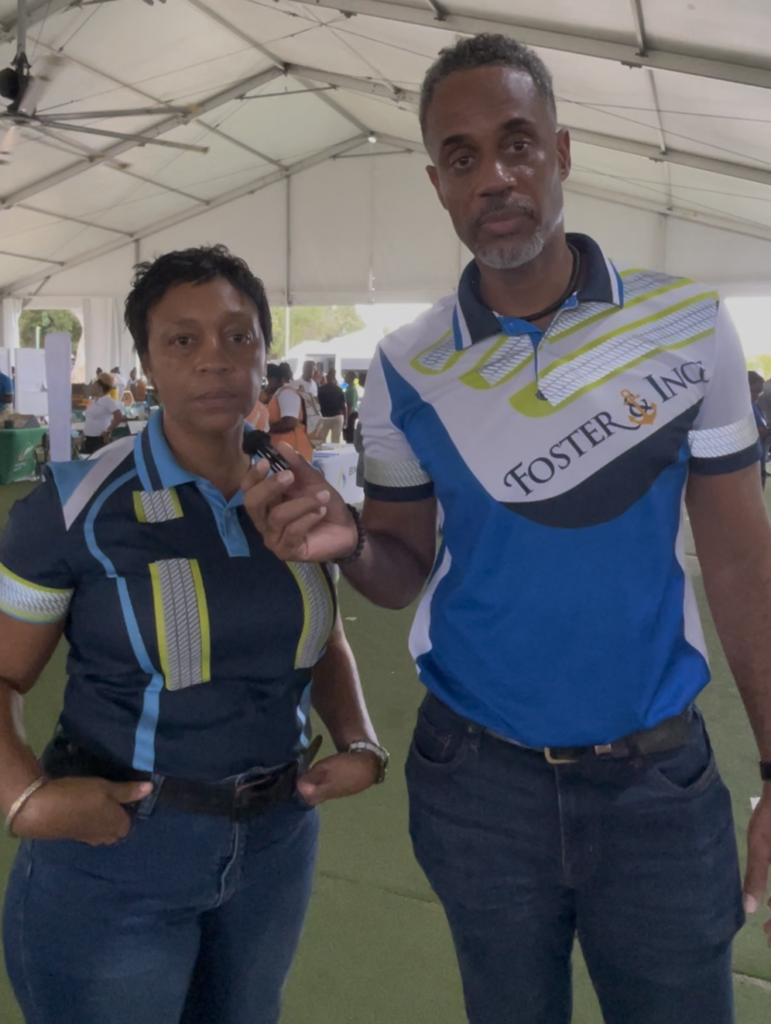
    Other exhibitors highlighted opportunities in sectors that are foundational to Barbados’ economy, from tourism and logistics to cricket administration. Neil Hoyte, a representative from local firm Foster and Ince, focused on educating students about the wide range of jobs linked to the cruise industry, a core driver of the island’s tourism sector. Hoyte explained that many students have no idea how many different roles are needed to keep cruise operations running smoothly, from tour guides and vessel turnover coordinators to freight managers, transportation staff, and administrative teams. “We have roles for people with a wide range of skills and interests,” he noted.

    Natasha Yearwood, a representative from Platinum Port Agency, added that the firm’s detailed ship models on display were a huge hit with students, helping spark natural conversations about maritime and hospitality careers both on-board cruise vessels and in local on-shore roles.

    Even the island’s iconic sport of cricket was featured as a source of diverse professional opportunities beyond playing professionally. Alicia Gittens, administrative assistant at Cricket Legends of Barbados, explained that the cricket industry needs skilled workers across every professional function, from administration and finance to community outreach and management. “There are so many roles beyond stepping onto the pitch,” Gittens said. “Even working with retired cricketers to preserve the sport’s legacy and keep it active in local communities is a rewarding career, and cricket as a whole gives young people the chance to make a real impact on the next generation.”

    For organizers, the 2024 showcase once again delivered on its core mission: helping young Barbadians make informed choices about their futures, connecting local industries to emerging talent, and opening doors to opportunities many students never knew existed.

  • Former cycling champion passes away

    Former cycling champion passes away

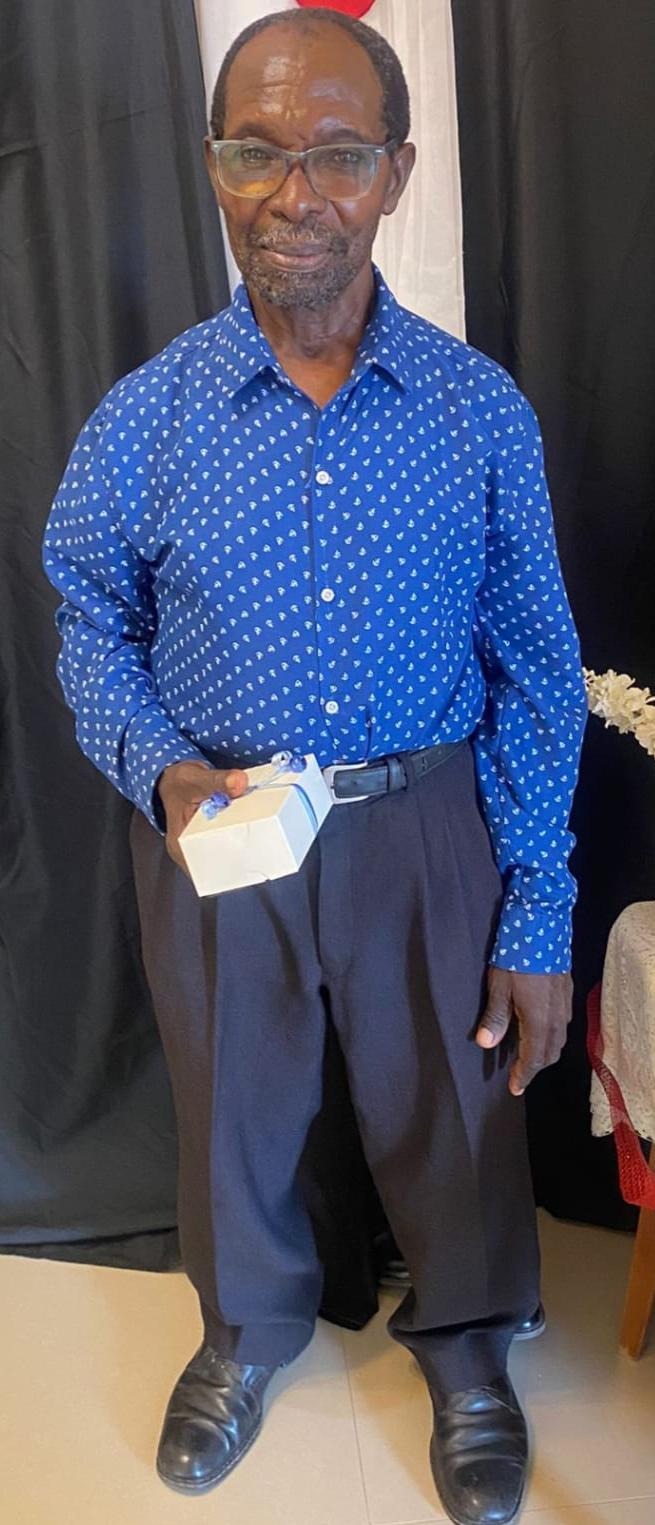
    Barbados’ cycling and heritage preservation communities are united in grief this week after the passing of legendary former national cycling champion Colin “Top Cat” Alleyne, who died peacefully last Saturday morning following a brief struggle with cancer. He was 72 years old.

    A longtime resident of Fairfield, Black Rock, Alleyne leaves behind a dual legacy that spans both competitive sport and cultural heritage preservation. During his decorated cycling career in the 1970s and 1980s, Alleyne earned widespread acclaim for putting Barbadian cycling on the global map, representing the small island nation at regional competitions across the Caribbean and as far as continental Europe. In honor of his extraordinary contributions to sports in Barbados, he was awarded the Barbados Service Medal (BSM), a distinction recognizing outstanding service to the country.

    Beyond the race track, Alleyne built a second respected career as one of Barbados’ most renowned master coral stone masons and heritage craftsmen. A man of deep faith, he continued to serve his country long after he retired from competitive cycling, sharing his craft with new generations through work with the Commonwealth Heritage Forum and the Samuel Jackman Prescod Institute of Technology, where he taught traditional heritage stone masonry techniques to aspiring tradespeople.

    Among his most notable restoration projects was the 2023 rehabilitation of the historic old railway bridge connecting Bulkeley and Carmichael in the parish of St. George. Funded by the Peter Moore Barbados Trust, the restored structure now bears Alleyne’s name in permanent recognition of his work. Most recently, in 2025, he completed the full restoration of the far larger Blackman’s Egg and Molasses Bridge in St. Joseph, a landmark originally constructed in the 1680s that holds significant historical value for the island. He also completed hundreds of custom commissioned pieces for commercial clients, hotels and private villas across Barbados, including hand-polished coral stone furniture that can still be seen across the island today.

    Speaking on behalf of Alleyne’s family, his niece Sonia A. Alleyne remembered her uncle as a constant source of inspiration and encouragement for young cyclists just starting their competitive careers, many of whom he mentored over decades. “Alleyne was a loving father, grandfather, brother, uncle, friend, and a role model to many. He will be deeply missed. At 72, the master craftsman has downed his tools, the champion will cycle no more, but Top Cat’s legacy of excellence will live on,” she said.

  • Inaugural youth football competition to kick off in June

    Inaugural youth football competition to kick off in June

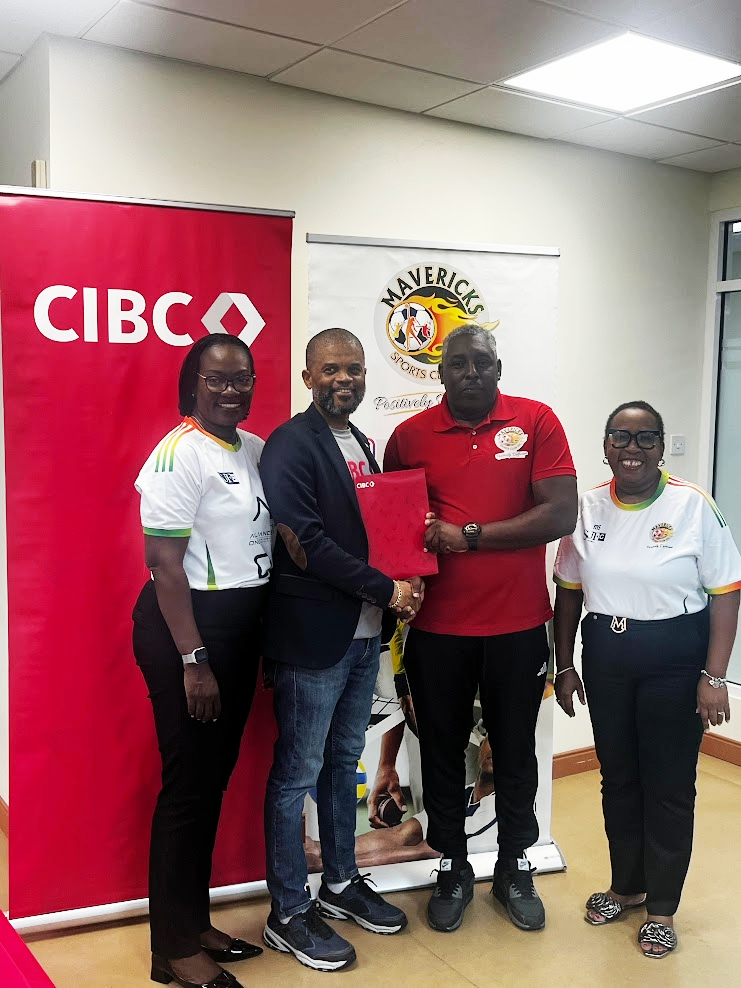
    Barbados is set to host its first-ever NextGeN Cup this June, a landmark one-day youth football tournament organized by Mavericks Sports Club that will bring together the island nation’s most promising young football talent and top youth academies. Scheduled for June 13 at the iconic Usain Bolt Complex, the tournament has secured major financial backing from two leading regional institutions, CIBC Caribbean and Visa, which have jointly committed $50,000 to bring the event to life.

    Speaking at the official launch of the tournament held Friday at the Usain Bolt Complex, Carlos Jackman, Technical Director of Mavericks Sports Club, outlined the core mission behind the new competition. Unlike many elite youth tournaments that charge entry fees for spectators, Jackman confirmed that the NextGeN Cup will be completely free and open to the general public, designed to make high-level youth football accessible to all community members while delivering an action-packed day of competitive play and family-friendly entertainment.

    Eight of Barbados’ most renowned youth football programs will take the pitch for the inaugural event, including top sides Paradise, St Philip Academy, Potential Ballers, Kickstart, Pro Shottas, FM Four Pillars, First Touch, and Technique. Jackman emphasized that the tournament was crafted with intentionality to create a safe, supportive space for young athletes to display their raw talent without unnecessary pressure. Beyond just showcasing skill, he noted that competing in front of an expected large crowd will be a transformative character-building experience for the young participants, helping them build confidence and poise that will serve them both on and off the pitch.

    Notably, the youth-focused tournament will not award cash prizes to competing teams. Instead, participating clubs will compete for custom trophies and new football equipment to support their ongoing youth development work. Even without the incentive of prize money, Jackman projected that the quality of play will far exceed expectations, potentially even outperforming the benchmark set by the established Prime Minister’s Cup. While he acknowledged that players are still in the early stages of their athletic development and will not display the fully refined skills of older elite competitors, Jackman pointed to the relentless work of club coaches to prepare their squads, saying he is confident the tournament will deliver a high standard of competitive play.

    Victor Boyce, Country Head of CIBC Caribbean, echoed Jackman’s enthusiasm for the event, noting that the partnership stems from the institution’s core belief that sports act as a powerful catalyst for social change and youth empowerment. “CIBC Caribbean and Visa are delighted to partner with our friends at Mavericks Sports Club to host this special youth football tournament,” Boyce said. “We believe sports are more than just mere games, but vehicles for opportunity, growth and empowerment. Especially for young people who may not otherwise have access to structured activities or mentorship.”

    This investment in the NextGeN Cup builds on CIBC Caribbean’s long-term commitment to youth sports development across Barbados. Boyce recalled that last year, the bank’s charitable trust foundation signed a four-year memorandum of understanding with the Athletics Association of Barbados, pledging $400,000 to support the country’s junior national athletics development program. That investment has already begun to deliver results, Boyce noted, pointing to the strong performance of Barbadian athletes at the recently concluded CARIFTA Games as early proof of the impact of sustained investment in youth sports.

    “Some of the success we saw at the recently concluded CARIFTA Games is that investment starting to bear fruit. We believe that the additional $50,000 CIBC Caribbean and Visa have committed to youth, sport and development, this time to the Mavericks youth football tournament, will make a meaningful difference for the young participants,” Boyce added.

    Janice Boyce, Project Coordinator for Mavericks Sports Club Inc, further explained that the NextGeN Cup is not an isolated event, but rather the centerpiece of a broader ongoing collaboration between Mavericks Sports Club, CIBC Caribbean, and Visa to grow youth sports access across Barbados.

  • Something’s ‘fowl’ in Haynesville

    Something’s ‘fowl’ in Haynesville

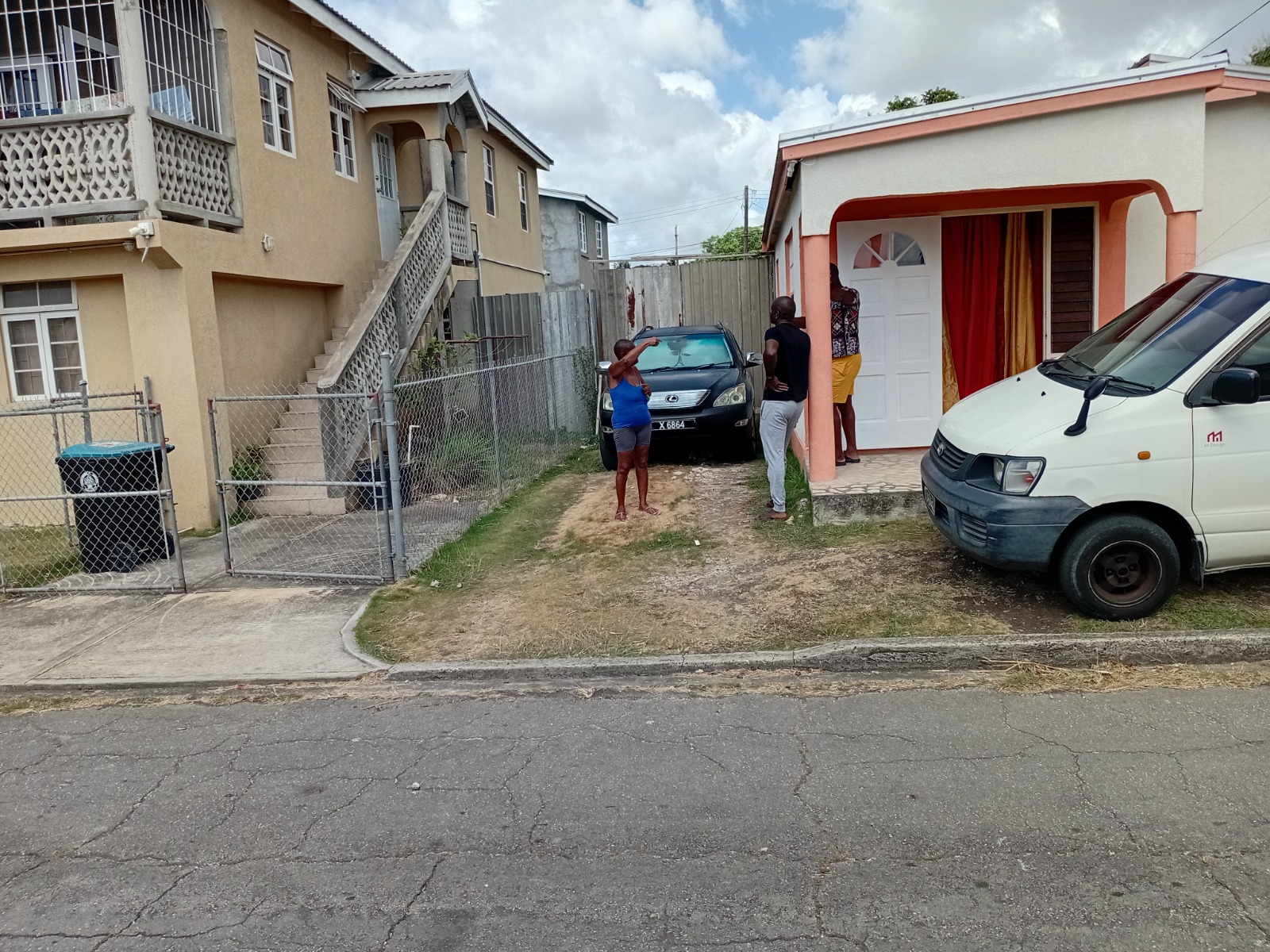
    For years, neighbours of a small-scale backyard chicken operation in Haynesville, St James, Barbados, have lived with a suffocating stench that has infiltrated their homes, ruined outdoor relaxation, and attracted unwanted pests – and according to affected residents, repeated complaints to government regulators have yielded little to no relief.

    When Barbados TODAY visited the residential neighbourhood to investigate the growing dispute, local businessman Anthony Ifill, whose home sits just feet from the chicken pen, detailed the three years of daily discomfort he has endured. Ifill explained that the sharp, pungent odour of accumulated chicken manure hangs over his property constantly, turning his post-work return home into anything but the peaceful retreat he craves.

    Ifill said his repeated attempts to secure intervention from government environmental health officials have been met with unfulfilled promises and bureaucratic stonewalling. According to Ifill, after a senior ministry official pledged to personally oversee an inspection and follow up on his complaint, she never contacted him again despite multiple reminders. That inaction, he said, has mirrored the behaviour of the area’s assigned inspector, whom he and his family have attempted to meet with for three years without success. “They wouldn’t even let you put the complaint in writing that you were actually there to make a complaint; all we got was that it would be logged in the book,” he said. Ifill added that the chicken farmer briefly cleaned up the site after complaints, and the odour disappeared temporarily, but the problem quickly returned once attention faded. The farmer has shown little consideration for the quality of life of nearby residents, he argued.

    Randy Mason, another resident whose backyard abuts the chicken pen’s back fence, said he has dealt with the nuisance since moving to the neighbourhood two years ago. Beyond the persistent stench, Mason said the accumulated manure has drawn a surge of unwanted pests to his property, including flies, rats, centipedes, and massive numbers of cockroaches that swarm the yard after sunset. “You see when six o’clock and the sun goes down? cockroaches are in that yard like bush,” he told reporters.

    Mason explained that the odour soaks into laundry left hanging to dry, leaving clothing permanently scented with manure. While he said he does not oppose the farmer earning extra income from the small operation, he and other neighbours demand basic consideration for surrounding residents. “Other neighbours told me that when the rain falls, the smell gets really strong. But I live directly behind the pen, so it’s affecting me a lot,” he said. “I don’t want to stop them from doing what they doing because everybody has to make an extra dollar. But they have to do something about the stench by cleaning more often.” Mason added that the farmer has refused to engage with neighbours to discuss a mutually acceptable solution.

    When Barbados TODAY reached out directly to the Haynesville woman at the centre of the complaints for comment, she did not immediately issue a response. However, environmental health officials confirmed Wednesday that they have received the complaints and have officially served notice to the small chicken farmer.

    Acting Chief Environmental Officer Euroline Welch-Drakes confirmed that officers from the Brandford Taitt Polyclinic launched an official investigation into the nuisance claims. Citing confidentiality rules, she declined to share specific details of inspectors’ initial findings, but confirmed that formal notices have been issued to the property owner.

    Welch-Drakes explained that the department follows a structured procedural process to resolve nuisance complaints, and that investigators avoid contacting complainants while engaging with the accused property owner to prevent unnecessary conflict between community members. Once the process is complete, the department will follow up directly with the residents who filed complaints, she said.

    If the inspection finds violations of Barbados’ Health Services legislation, the property owner will receive formal instructions to abate the public health nuisance and a set timeline to complete required changes. Failure to comply with the order can result in administrative penalties, starting at a $300 fine for the first offense, with an additional $10 fine added each day the violation remains unaddressed after the deadline. Welch-Drakes noted that unpaid fines can be added to the property owner’s land tax bill or recovered through formal court proceedings.

  • OPINION: A response to CXC’s AI Policy clarification

    OPINION: A response to CXC’s AI Policy clarification

    A recent clarification from the Caribbean Examinations Council (CXC) on the role of artificial intelligence in school-based assessments (SBAs) has brought a measure of relief to regional students, teachers, and parents who have grown increasingly anxious about the impact of AI detection tools on academic outcomes. CXC representative Dr Nicole Manning’s timely statement, which emphasized that AI-generated originality reports are not meant to serve as the sole proof of academic misconduct, addresses growing concerns over inconsistent similarity scores, unfair penalties, and overreliance on flawed detection technology.

    It is a widely accepted conclusion in educational technology research that AI detection tools cannot definitively confirm authorship. These systems operate solely on the basis of probability, statistical pattern matching, and predictive language modeling, meaning even fully original student work can be incorrectly flagged as AI-generated. This fundamental limitation is why education policy experts consistently argue that human oversight must remain the core of any credible assessment framework — a principle CXC has now formally acknowledged.

    Despite this clarification, critical questions remain unanswered about the exact operational role of AI originality reports within the CXC SBA structure, especially as anecdotal reports from students and educators across the region mount of unfair penalties stemming from false AI flags. Any tool that shapes assessment outcomes, even indirectly, demands a clear, consistently applied, and transparently communicated role within the system.

    Long before generative AI entered mainstream education, the CXC SBA model was built on a foundation of robust human supervision. Teachers guide students through project development, monitor progress step-by-step, evaluate submissions, and participate in cross-institutional moderation processes designed to protect assessment fairness. The integration of AI detection tools has only added an extra layer of procedural responsibility to this existing framework.

    If AI originality reports are intended to act primarily as a deterrent to misuse, a documentation tool, a transparency measure, or an early warning system for potential academic misconduct, their inclusion in the framework is reasonable. No regional examining body can afford to ignore the rise of generative AI or assume it will never be used improperly, as protecting academic integrity is non-negotiable for upholding the value of CXC qualifications. The challenge emerges when widely acknowledged imperfect tools are embedded into high-stakes assessment processes that shape student outcomes.

    The core contradiction remains: if AI detection results are not definitive, why are numerical similarity scores still being used in high-stakes assessment contexts at all? When human interpretation becomes the final safeguard against false flags, the bulk of new responsibility shifts directly onto overstretched regional teaching workforces. Teachers are now expected to analyze AI originality reports, cross-reference submissions with students’ past work, compare drafts, evaluate contextual evidence of original work, and distinguish between statistical false flags and intentional misconduct — all on top of their already heavy existing workloads that include classroom instruction, administrative duties, and core SBA supervision.

    In practice, CXC’s new AI policy has significantly expanded the interpretive labor required from teachers, fitting into a broader pattern in regional education where new procedural expectations are rolled out without corresponding increases in resourcing, adjusted workload allocations, or additional compensation. Teachers are not direct employees of CXC; they support the regional assessment system while fulfilling their core roles in individual schools. If the entire integrity of the assessment framework now depends on this extra layer of interpretive work, issues of workload sustainability and fair remuneration can no longer be treated as afterthoughts — they are core to successful implementation.

    Beyond teacher workload, a pressing question remains: can consistent fairness be maintained across regional schools and territories that operate with wildly different levels of infrastructure and resourcing? Some well-resourced institutions boast strong technological infrastructure and dedicated time for teachers to conduct detailed reviews of flagged submissions, while many under-resourced schools operate under severe capacity constraints that leave little time for extra procedural work. Variations in available time and institutional support for teachers directly impact how thoroughly they can investigate AI flags, creating uneven application of the policy across the region. Fairness cannot be achieved when the rigor of review depends entirely on a school’s resource level, and any policy that relies heavily on human judgment must account for the uneven distribution of time, resources, and support across Caribbean education systems.

    Another unaddressed gap is the lack of standardization for AI detection tools across the CXC system. Currently, different schools are permitted to use different AI originality checkers, and it is well-documented that these tools produce wildly different similarity scores for the exact same student submission. If one tool flags a submission with a 12% similarity score and another flags the same work at 28%, there is no clear rule for which result takes precedence. Without system-wide standardization, consistent assessment outcomes are impossible to guarantee. If AI detection is to remain part of the SBA framework, systemic coordination rather than fragmented, school-by-school tool selection is essential. Standardization would also require coordinated support from regional ministries of education and CXC to ensure access to approved tools does not depend on a school’s independent budget, preventing uneven implementation across institutions.

    This lack of standardized resourcing also raises concerns that AI integration could widen existing educational inequalities across the region. Access to reliable technology, stable high-speed internet, digital literacy training, and institutional resources is far from uniform across Caribbean schools. Better-resourced institutions are naturally positioned to navigate new AI-related requirements far more easily than under-resourced schools, and technology never operates neutrally within unequal systems. Without targeted safeguards, AI integration risks reinforcing pre-existing achievement gaps between more and less advantaged institutions.

    There is also the risk of unintended harm to student writing development. If students internalize the message that polished, sophisticated academic work increases the risk of being flagged as AI-generated, they may begin to alter their writing unnecessarily: simplifying their language, avoiding complex syntactical structures, and abandoning formal academic tone to avoid suspicion. This would turn a policy designed to protect academic integrity into one that pushes students to prioritize avoiding false flags over demonstrating their actual understanding of course material.

    At its core, this debate over AI detection in SBAs raises a much deeper question: are regional assessment systems structured appropriately for the age of generative AI? For decades, written assignments have served as the primary evidence of independent student thinking, but generative AI has blurred the once-clear lines between individual authorship, external assistance, and collaborative work.

    Educational researchers have long advocated for alternative assessment models that prioritize authentic demonstration of understanding, including oral defenses, supervised in-person drafting, practical skill demonstrations, and real-time evaluation of mastery. These approaches existed long before the rise of generative AI, but they have gained new urgency as AI complicates traditional written assessment. The open question now is whether Caribbean assessment systems can adapt quickly enough to meet this new context.

    If CXC continues to center AI detection despite its well-documented limitations, the assessment system will rely on fundamentally unreliable tools. If it shifts fully to human interpretation as the primary safeguard, fairness becomes dependent on inconsistent institutional capacity and teacher workload. Neither path is simple, and balancing competing priorities remains the central challenge for the council. Academic integrity must be protected, and misuse of AI must be addressed — but honest, original student work should not be penalized by systems that policymakers themselves admit are fallible. Ultimately, the question that remains unanswered is whether Caribbean education systems are prepared to meet the new demands of authentic assessment, authentic learning, and authentic authorship at a moment when the very nature of student writing is being redefined.

    This commentary is contributed by Dr Zhane Bridgeman-Maxwell, a Barbados-based science educator, researcher, and education reform advocate focused on redesigning outdated learning systems through policy change and pedagogical innovation. Her work centers amplifying the voices of students, teachers, and parents as she reimagines the purpose and structure of regional schooling.
  • Sagicor expands island-wide tree planting initiative to mark 185th anniversary

    Sagicor expands island-wide tree planting initiative to mark 185th anniversary

    To celebrate its 185 years of operation, Barbados-based financial group Sagicor has launched a large-scale national environmental initiative centered on planting 185 evergreen trees across every one of the island nation’s 11 parishes. The campaign represents the centerpiece of the company’s broader legacy program, which is targeted at developing greener residential communities, boosting the country’s climate change resilience, and leaving a positive, long-lasting environmental footprint across Barbados.

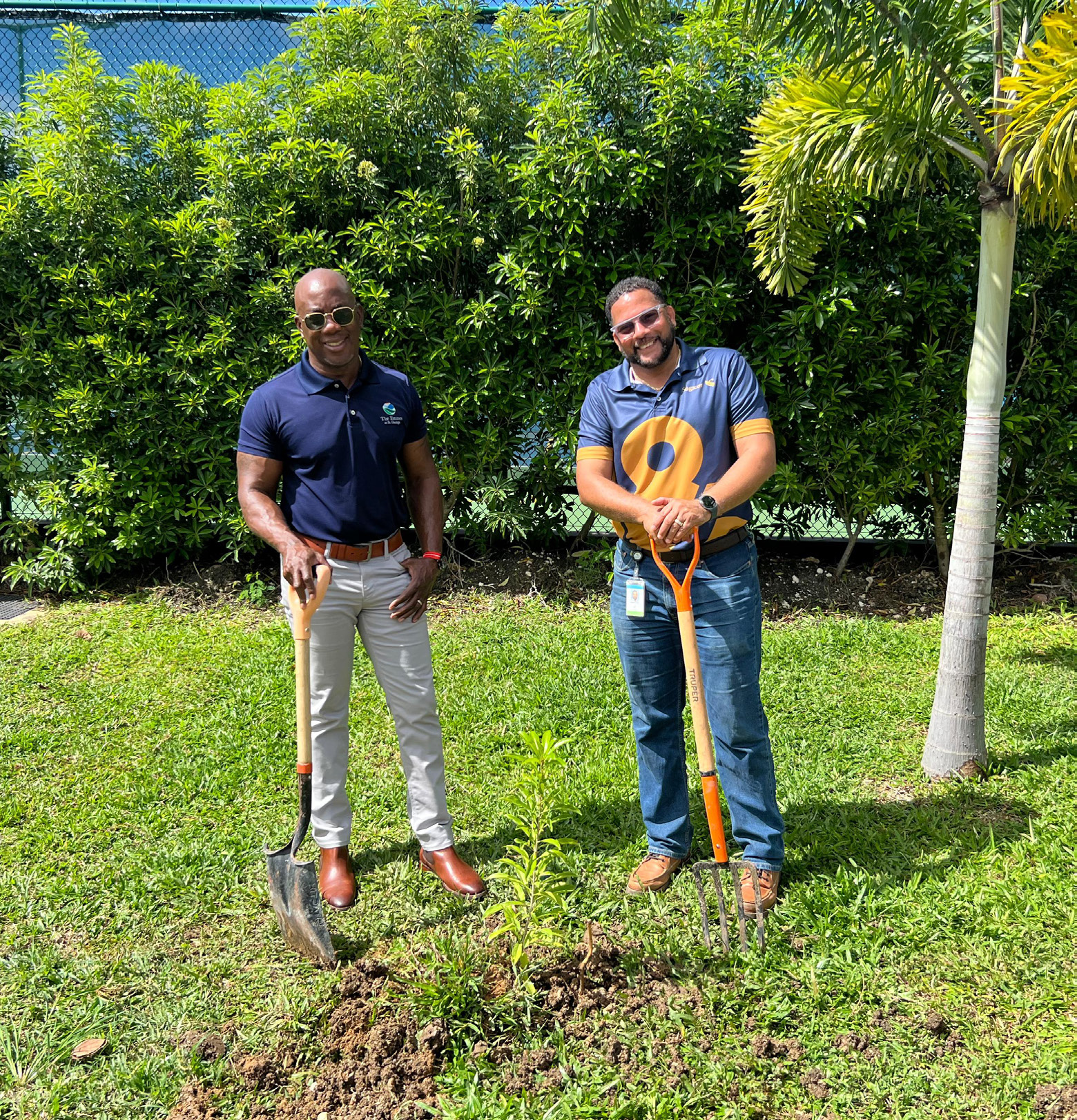
    The initiative kicked off in February with a ceremonial planting event led by Sagicor Financial Company Ltd President and Chief Executive Officer Andre Mousseau at the organization’s Wildey headquarters. The ceremony served as a symbolic launch for the company-wide effort, which will see trees planted at multiple Sagicor operational sites and highlights the firm’s ongoing investments in Barbados’ national growth.

    Over the next several months, coordinated planting activities will be carried out at schools and prominent public locations across the island, with participation from Sagicor executive teams, local students, and teaching staff. Senior company leaders will take on the role of parish ambassadors, working directly with school communities and empowering young people to act as long-term stewards for the trees planted in their local regions.

    A concentrated cluster of new trees will be planted in Bridgetown, the island’s capital and a designated United Nations Educational, Scientific and Cultural Organization (UNESCO) World Heritage Site. This targeted planting will honor Sagicor’s deep historical connections to the capital, while also helping to create cooler, more leafy urban public spaces for residents and visitors.

    The evergreen species selected for the project are engineered to deliver sustained environmental benefits for decades, including natural shade, urban temperature reduction, and support for greater local biodiversity. Each parish will also install sustainably produced markers to commemorate the initiative, standing as permanent reminders of the campaign as Sagicor continues to grow into the future.

    The most recent round of planting was held to coincide with Arbor Day at The Estates at St George, where five new trees were added to the development. Ezra Prescod, Sagicor’s Vice President of Project Development, explained that the tree-planting drive aligns with the company’s long-standing commitments to community development and sustainable practice.

    Prescod noted, “The Estates at St George grew directly out of Sagicor’s mission to lead the way in impactful community development. It was conceptualized by Sagicor team members to be an environmentally friendly, wellness-centered community that supports healthy living for residents of all ages. As we mark 185 years of Sagicor, planting trees here perfectly embodies the permanent legacy the company has built for local communities, and there is no more fitting location for this work.”

    The anniversary campaign reinforces Sagicor’s broader institutional commitments to environmental stewardship, collaborative community engagement, and laying the groundwork for a more sustainable future for coming generations of Barbadians.