标签: Barbados

巴巴多斯

  • GAIA bosses reject NUPW wage talks inaction claim

    GAIA bosses reject NUPW wage talks inaction claim

    Two days after airport workers held a public protest over stalled wage negotiations, leadership at Grantley Adams International Airport Inc. (GAIA) has pushed back against allegations from the National Union of Public Workers (NUPW) that company management has refused to engage in collective bargaining.

    In an official statement provided to local outlet Barbados TODAY on Thursday, GAIA spokesperson Sharleen Browne-Jones refuted the union’s claim that airport leadership has ignored multiple outreach attempts to schedule formal negotiations. “That assertion is incorrect,” Browne-Jones stated, pointing to a documented trail of communications between GAIA Inc. and the NUPW spanning several months, with confirmed exchanges on February 10, April 2, April 7, April 14, and May 8.
    Browne-Jones explained that scheduling conflicts rooted in conflicting availability on both sides have been the primary barrier to holding formal talks, rather than deliberate delay from management. “At different points, availability constraints arose on both sides, including instances when NUPW representatives were unavailable and other instances when GAIA Inc. was unavailable,” she said. “It is therefore not accurate to suggest that GAIA Inc. has been unresponsive or that it is delaying the process.”

    Browne-Jones’ comments came in direct response to industrial action held at the Barbados airport on Tuesday, when dozens of workers walked off the job to demonstrate against what union leadership described as months of silence from management in response to a formal wage adjustment proposal. The NUPW, which represents the airport’s frontline and administrative staff, submitted its formal bargaining package nearly five months ago, calling for a 20 percent wage increase for the 2025–2027 period. According to the union, GAIA management has still not tabled a formal counter-proposal to the workers’ request.

    Speaking at Tuesday’s protest, NUPW president Kimberly Agard accused GAIA Inc. of refusing to enter meaningful negotiations despite the union’s repeated requests for a meeting. “The NUPW would have put a position to the management of GAIA Inc. since last year December, and to this date, no response has been given,” Agard told reporters. She emphasized that the union had “continuously reached out to management” in an effort to return to the bargaining table, noting that staff frustration had grown steadily over the months of delay. “The members are frustrated. They work hard, they deserve better,” she added.

    In Thursday’s statement, Browne-Jones pushed back against that narrative, confirming that discussions remain active and that management is fully committed to reaching a resolution through open, constructive dialogue. “The management of GAIA Inc. remains in communication with NUPW. A meeting in June has already been proposed, and GAIA Inc. continues to work toward that date,” she said. Browne-Jones added that if an earlier time slot that works for both parties becomes available, airport management stands ready to convene negotiations ahead of the planned June date.

    “GAIA Inc. values its employees tremendously, respects the role of the union, and remains ready and willing to engage constructively,” Browne-Jones said.
  • Gonsalves wants CARICOM to help West Indies cricket

    Gonsalves wants CARICOM to help West Indies cricket

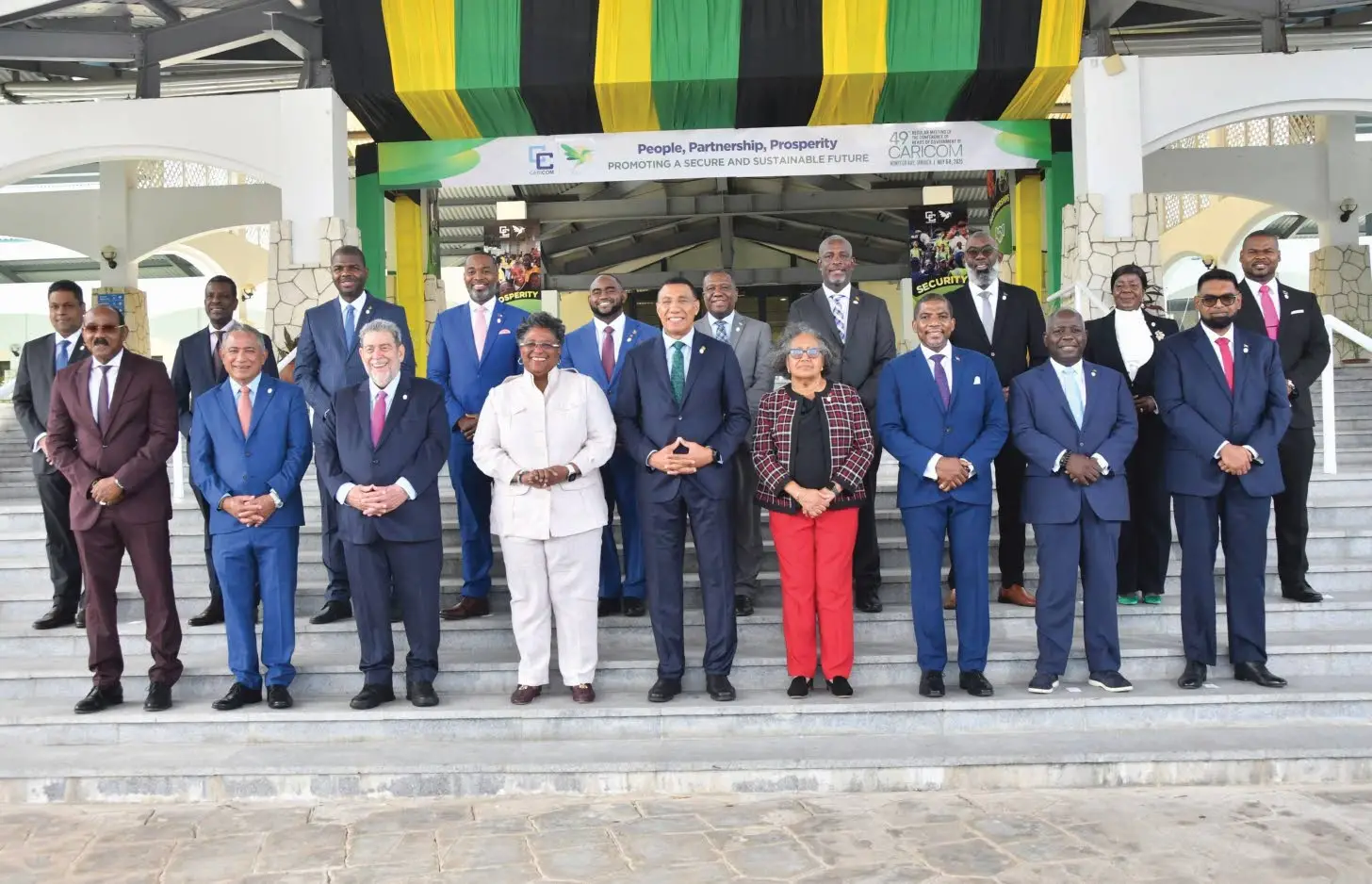
    West Indies cricket, once a powerhouse of the global game that dominated international competition for decades, finds itself mired in a deepening crisis that threatens its long-term survival, according to former St. Vincent and the Grenadines Prime Minister Dr. Ralph Gonsalves. In a candid interview with the Jamaica Observer, the 24-year incumbent leader, who stepped down after last November’s general election, has issued a urgent call for Caribbean regional governments to claim a formal, integrated seat at the decision-making table to reverse the sport’s steady decline.

    Worsening on-field performance and crippling financial instability have combined to paint a grim picture for West Indies cricket in recent years. While fan and stakeholder anxiety over the sport’s trajectory has simmered for decades, public and institutional scrutiny spiked dramatically over the last 12 months following a humiliating Test series defeat to Australia last summer. The low point of that series came at Kingston’s Sabina Park, where the entire West Indies batting line-up was bowled out for just 27 runs — a result that sent shockwaves through the global cricket community. Current International Cricket Council (ICC) rankings reflect the depth of the on-field slump: the regional men’s side sits 8th in Test cricket, 10th in One-Day Internationals, and 7th in Twenty20 Internationals, placing it firmly in the bottom half of all ranked ICC member nations.

    Off the field, the financial outlook is equally troubling. Cricket West Indies (CWI), the sport’s regional governing body, projects it will post a $26 million USD loss in the current year, though it has outlined a long-term forecast that predicts a return to profitability by 2027. Gonsalves argues that CWI’s current governing structure — which excludes formal government input — is ill-equipped to tackle these overlapping crises. He insists that closer collaboration between CWI and regional governments is the only path to meaningful reform, noting that governments are unwilling to commit public funding to the sport without receiving proportional decision-making power in return.

    “The governments have to get involved but the governments are not going to get involved seriously if Cricket West Indies continues to think that governments will pour money into Cricket West Indies without them having a say,” Gonsalves told the Jamaica Observer. Though the Caribbean Community (CARICOM) maintains a cricket subcommittee, once chaired by Gonsalves himself, the regional body holds no formal governing authority within CWI. ICC rules currently prohibit direct government interference in the administration of member organizations, but Gonsalves argues that the historic and cultural importance of cricket to the Caribbean demands an exception to this regulation.

    He pointed to precedents in other major cricket nations to back his argument, noting that the Indian Supreme Court has already ruled that cricket is a public good that cannot be managed exclusively by private entities. “I’m sure if it comes to our courts that they will rule similarly because it makes perfect sense,” Gonsalves said. “The law is right reason and right reason indicates that you can’t have a public good of this type being run by a private entity and certainly you can’t expect the parliaments to vote money to put it inside the organisation. I’ve thought long and hard about this thing and I dare anybody to tell me that my conclusions are not correct.”

    Gonsalves’ proposed path forward calls for regional leaders to collectively approach the ICC with a formal diplomatic demarche, laying out the severity of the crisis and requesting approval for expanded government involvement in restructuring and managing West Indies cricket. “If this matter is discussed within the context of the region and governments decide this is the way we’re going to do it and we want to play a part in the management of it and to restructure it, we have to make a demarche to the ICC and say this thing cannot continue like this, because if it continues like this, it would fold,” he explained. “So I don’t think it’s a question of trust, it’s whether we as governments in the region decide whether we’re going to be involved in this matter, and in order to comply with the perspectives of the ICC, where are the tolerable limits for the state’s involvement because we are in a crisis.”

    The West Indies men’s team is set to return to international competition next month, hosting Sri Lanka for three ODIs and three T20Is at Sabina Park, the same ground that hosted the devastating 27 all-out collapse against Australia last year. The upcoming series will put the team’s current form under the microscope once again, as calls for structural reform continue to grow across the region.

  • Barbados to lean on IMF if necessary

    Barbados to lean on IMF if necessary

    On Thursday, the Caribbean nation of Barbados wrapped up a three-year precautionary standby arrangement with the International Monetary Fund, securing access to up to $260 million in emergency funding designed as a financial buffer against unforeseen external economic disruptions.

    Crucially, Prime Minister Mia Mottley emphasized in a press briefing held at Illaro Court immediately after the staff-level agreement was signed with the visiting IMF delegation that Barbados has no immediate need to draw down any portion of the allocated funds. The agreement, she explained, was structured as a proactive safety net rather than a response to an existing economic crisis within the country.

    Mottley noted that ongoing volatility and widespread uncertainty across the global economy create real risks of sudden adverse shocks that could upend Barbados’ economic stability and quality of life for its residents. By locking in this precautionary arrangement now, the country has positioned itself to respond quickly if challenging conditions emerge. She added that accessing the funds would be a straightforward process: a single formal phone call to the IMF would be enough to activate a withdrawal of any portion of, or the full, $260 million allocation.

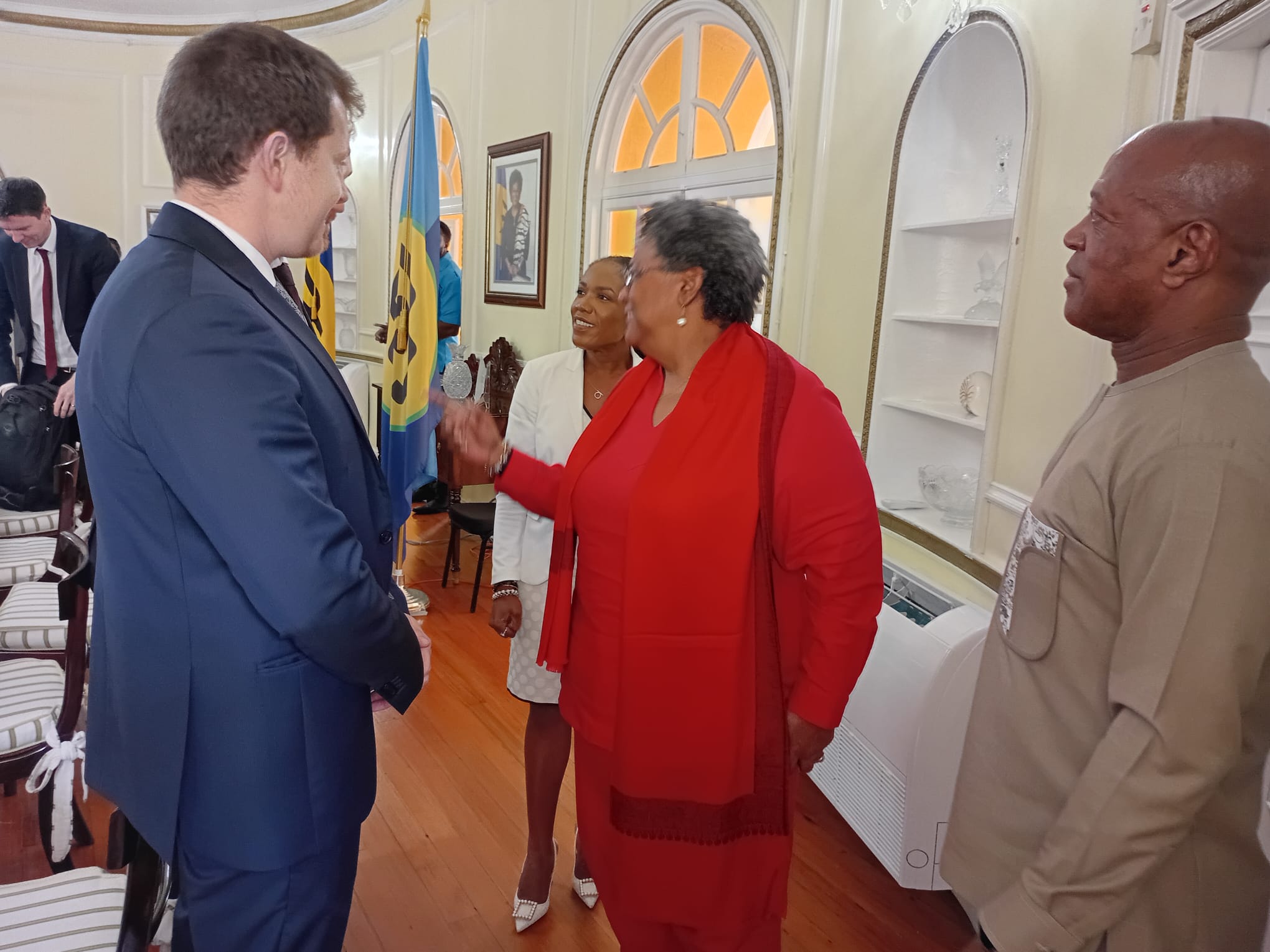
    The agreement signing event was attended by key economic and financial leaders from Barbados: the picture from the briefing captures Mottley in conversation with Michael Perks, head of the IMF’s visiting mission to the country, while Marsha Caddle, Barbados’ Minister of Economic Affairs, and Dr. Kevin Greenidge, Governor of the Central Bank of Barbados, observe the discussion.

  • Universities must teach graduates to create jobs – historian

    Universities must teach graduates to create jobs – historian

    A leading historian from one of the Caribbean’s most prominent academic institutions has laid out a bold blueprint for Barbados’ long-term prosperity, calling for sweeping shifts in higher education training, urgent action to reverse democratic decline, and a renewed commitment to teaching national history across the country’s school system.

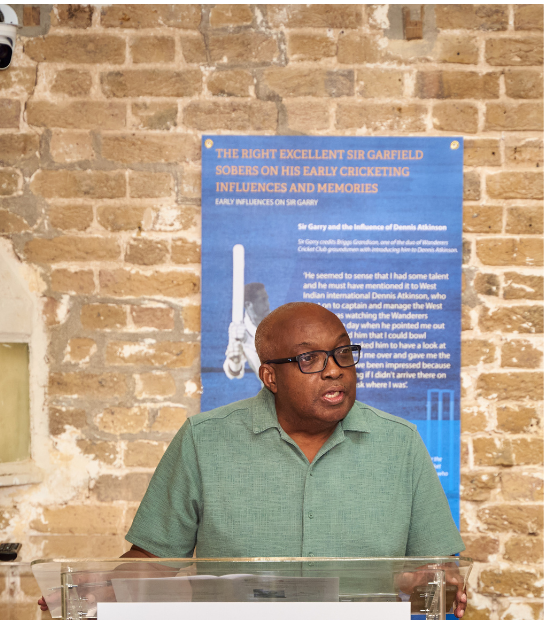
    Dr. Henderson Carter, who leads both the History Department and the Faculty of Humanities and Education at the University of the West Indies Cave Hill Campus, delivered his vision during the annual Dean’s Lecture, hosted by the St Michael Centre for Faith and Action. Titled *Movers and Shakers: Activism for Democracy Building*, his address centered on the urgent need to build a more resilient, inclusive nation for current and future generations of Barbadians.

    Carter’s first key proposal targets a fundamental gap in Caribbean higher education: a lack of training focused on entrepreneurship and self-employment. Instead of directing graduates solely toward traditional job hunting, he argues universities must reframe curricula to teach students how to turn their academic skills and degrees into sustainable self-employment and new business ventures. He points to diverse examples across disciplines to illustrate this potential: a biology or chemistry graduate could launch a biotech startup, an agricultural consulting service, or a sustainable food production enterprise, while a history graduate can monetize their expertise by developing well-researched scripts for feature films, streaming docuseries, and historical documentaries, which command growing global demand. Carter also notes that graduates need clearer pathways to access startup financing to turn these ideas into viable operations, a critical support system currently missing from many higher education outcomes strategies.

    Beyond education reform, Carter identified three pressing systemic challenges Barbados must confront to secure its democratic future. The first is widespread voter apathy, which he describes as a critical threat to the country’s democratic foundations. From growing numbers of eligible voters choosing to stay home on election day to the emergence of paid vote-buying, Carter emphasizes these trends cannot be ignored and require intentional, collective action to reverse. The second challenge is weak institutional responsiveness across both public and private sector entities. Carter stressed that delayed, unresponsive service from institutions undermines public trust and weakens national stability at every level. “Institution-building starts with individual accountability,” he explained, noting that even frontline staff and senior leaders have a role to play in prioritizing timely responses to public, student and stakeholder needs. “If your institutions are unresponsive and weak, your nation will be weak as a result,” he said.

    The third critical gap Carter highlighted is the erosion of historical education across Barbados’ primary and secondary school system. Walking audiences through centuries of the island’s history, from the mass resistance of enslaved people to the decades-long work of national heroes that shaped modern Barbados, Carter argued that widespread gaps in historical knowledge pose a direct danger to national identity. He emphasized that history must be restored as a core subject in schools, warning that it is unacceptable for children to complete the national education system without ever engaging deeply with their country’s past.

    Pointing to the rusted shackles featured on the monument at Barbados’ Heroes Square, Carter noted this public memorial is a vital, tangible reminder of the island’s history of chattel slavery, a past that was long erased from public landscapes across the country. “For generations, you could travel across the entire island and find no public marker acknowledging that slavery ever existed here. That is an inherently dangerous omission,” he argued. “Children grow up never seeing tangible evidence of this history, and without that reminder, we risk repeating the injustices of the past. We have to remember the slave society that once shaped Barbados to ensure it can never happen again.”

  • Finance minister urges digital shift as BimPay launch nears

    Finance minister urges digital shift as BimPay launch nears

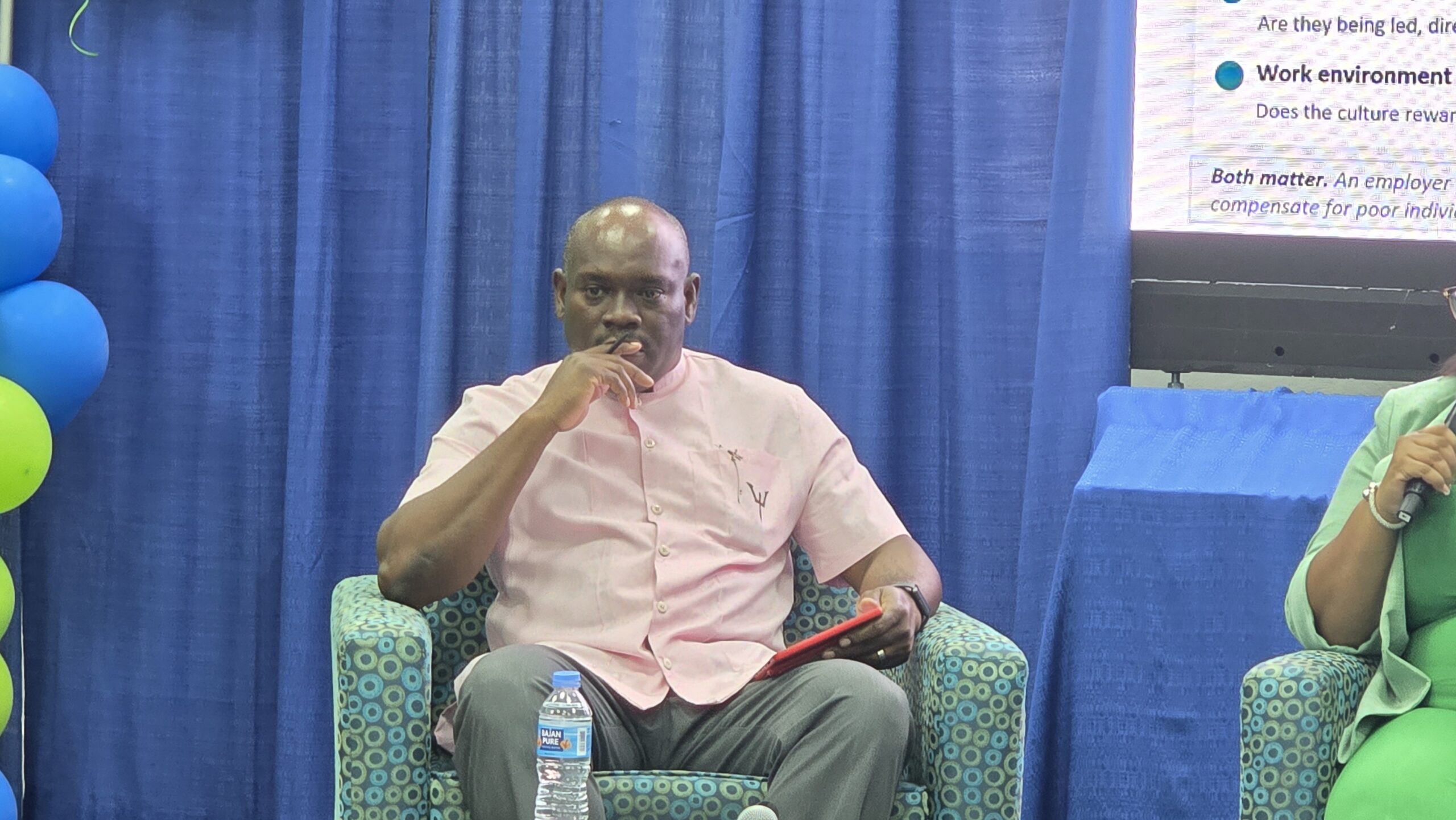
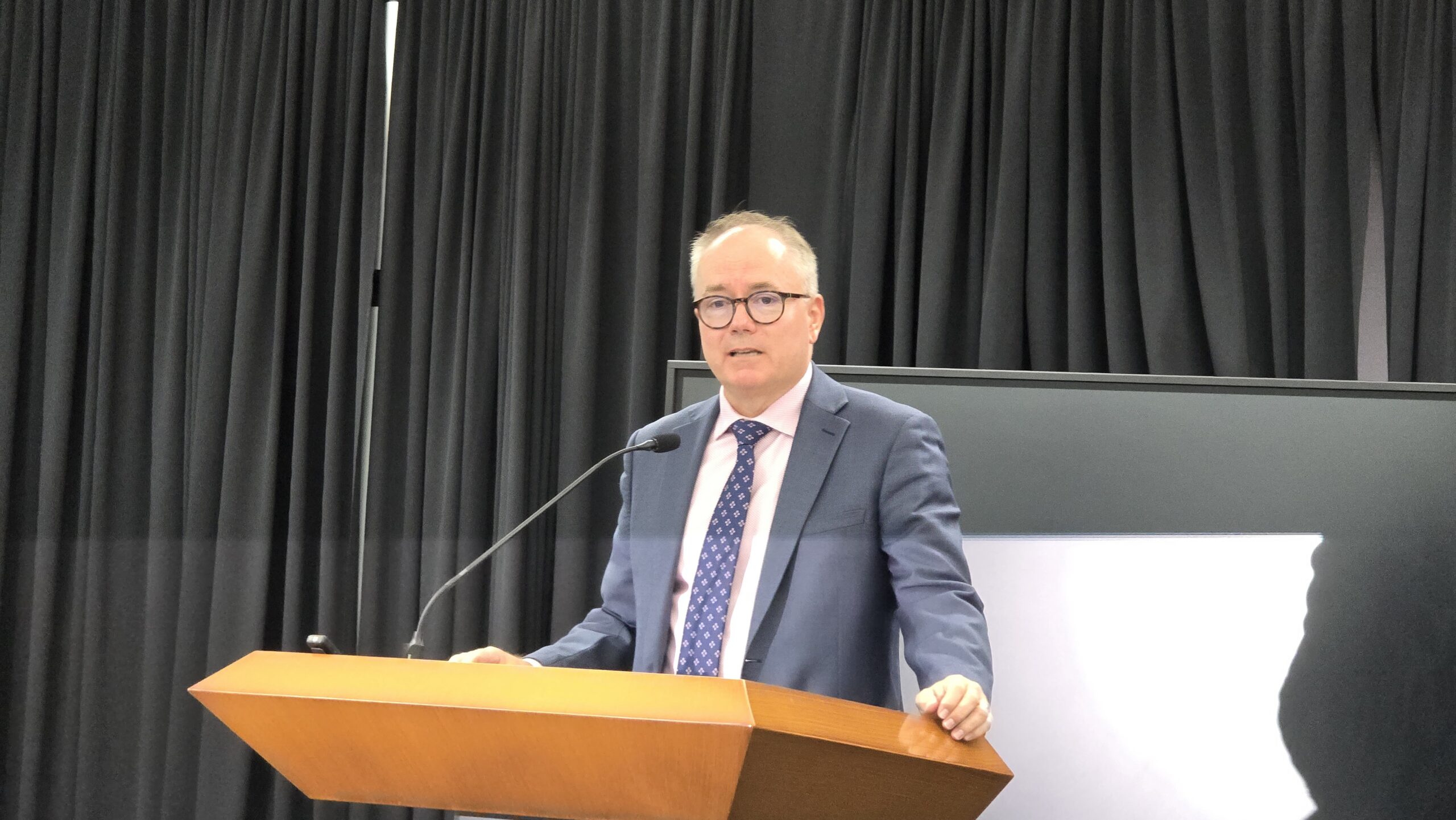
    Barbados’ upcoming launch of the central bank-backed BimPay digital payment platform is just weeks away, and the island nation’s top finance official is calling on all segments of society to embrace the new system as a foundational step toward modernizing the country’s entire economy. Speaking at a panel session during this week’s Barbados Employers’ Confederation (BEC) Annual General Meeting, Finance Minister Ryan Straughn emphasized that widespread adoption of BimPay will unlock tangible growth and productivity gains for both private enterprises and public sector agencies across the country.

    Straughn used his address to frame BimPay as far more than a simple payment tool. He argued that the digital system will cut through long-standing bureaucratic delays and eliminate the need for time-consuming in-person trips across multiple government agencies for routine transactions. “Instead of rushing all over the island to the Barbados Licensing Authority, the Barbados Revenue Authority and other government offices to handle paperwork and payments, we can complete every step online,” he explained. “That frees up hours of time that can be redirected to far more productive activities that actually move the needle for businesses and the public.”

    The minister pushed back against potential resistance to the shift to digital transactions, warning that any individual or business that chooses not to adapt to the new convenience-focused economic landscape risks being sidelined by consumer demand. Straughn even shared a personal example, noting that he has repeatedly encouraged his local Sunday coconut vendor to prepare for the launch, saying he prefers the convenience of digital payments over carrying cash.

    “Digital transactions have already cemented themselves as a core driver of efficiency across every modern economy,” Straughn told attendees. “This change will reshape how you deploy your resources as a business, and it will transform how government operates too – the single biggest impact on your long-term productivity will come from streamlining these basic transaction processes.”

    While Straughn acknowledged that BimPay alone cannot solve all of Barbados’ broader productivity challenges, he stressed that the platform is an essential first step in the island’s wider economic modernization journey. “If we want sustained, efficient economic growth and strong business expansion, digital transformation of transactions is non-negotiable,” he said. “Businesses that adapt quickly to this new system will be the ones that outperform over the long run. If you refuse to make the shift, the market will simply move toward competitors that offer the convenience and accessibility consumers now expect.”

    Beyond the rollout of BimPay, Straughn also called on local business leaders to expand their policy conversations beyond ongoing debates over minimum wage. He argued that firms must prioritize retraining their workforces to adapt to new digital processes and improve service delivery as part of a broader push to boost long-term competitiveness.

  • Barbados opens first resident embassy in Ireland

    Barbados opens first resident embassy in Ireland

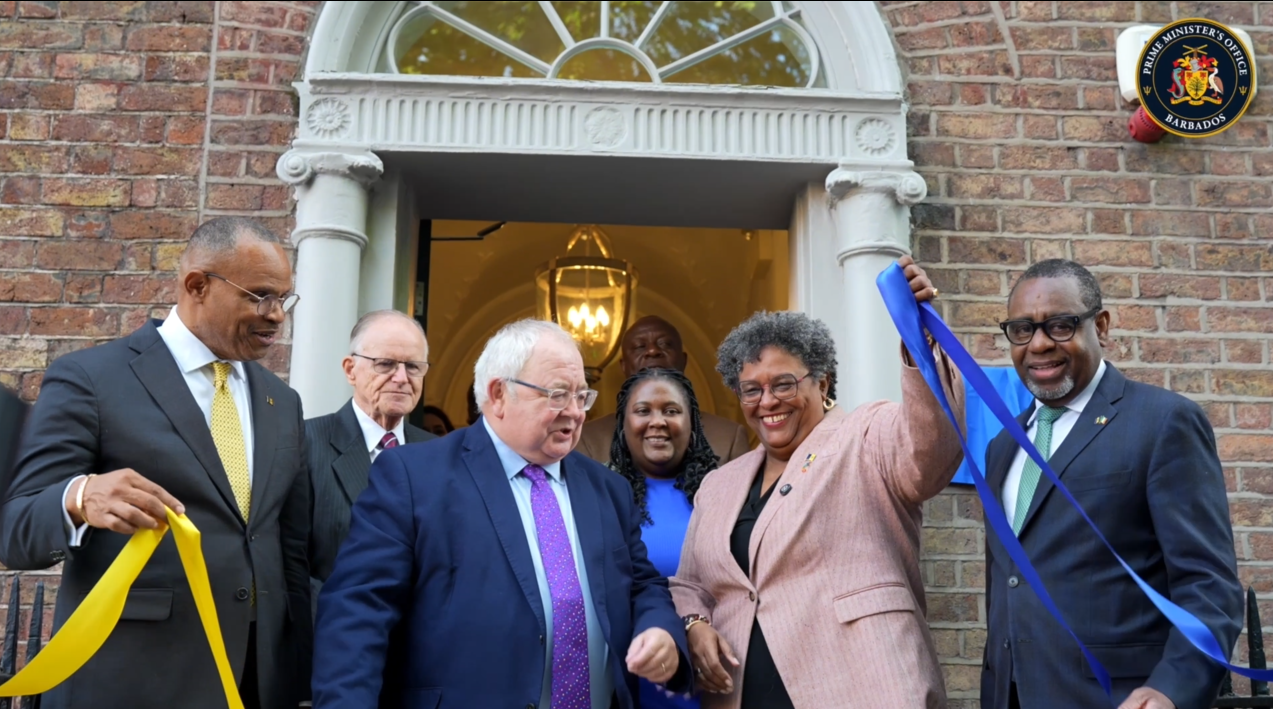
    On a landmark day for bilateral relations between two island nations, Barbados has officially opened its first resident embassy in Dublin, Ireland, a strategic step designed to expand collaboration across trade, tourism, political and cultural spheres. The inauguration comes as both Caribbean and European island republics celebrate 25 years of formal diplomatic relations, ahead of Barbados’ 60th anniversary of independence from British rule and five years as a sovereign republic.

    Addressing the opening ceremony on Monday, Barbadian Prime Minister Mia Mottley emphasized that the new physical diplomatic presence marks a deliberate choice to formalize and deepen the longstanding connection between the two countries. Beyond diplomatic protocol, Mottley highlighted deep shared historical roots that bind the two nations together, drawing parallels between the experiences of Irish indentured workers transported to Barbados in the 1600s and the enslavement of African people brought to the island to build its colonial economy. Today, a large portion of white Barbadians can trace their lineage directly to those 17th-century Irish indentured servants.

    “That early linkage, with your people coming as indentured servants and our people coming as slaves, meant that we understood together what it was to be pawns in the hands of those who had ambitions that simply did not see us, did not hear us and did not feel us as human beings who could be valued and allowed to build something of worth,” Mottley told attendees. She added that both countries forged a shared culture of resilience through their separate paths to full independence from British colonial rule, a trait she says is more critical today than ever before.

    “It is not a coincidence that we share so much in common: our values, our aspirations, our ambitions, but equally our journey. And that journey has taught us one characteristic that perhaps is needed now more than ever: resilience. The Irish know about resilience, and Bajans know about resilience,” she said.

    Helming the new Dublin mission is Cleviston Haynes, Barbados’ first resident ambassador to Ireland. Haynes outlined the core priorities for the embassy, which include expanding cooperation in trade, tourism, foreign direct investment, higher education, climate resilience, and cross-cultural exchange. He noted that Irish firms are already active contributors to key Barbadian economic sectors, including tourism, telecommunications, and public healthcare, while ongoing partnership with Ireland’s Marine Institute is supporting Barbados’ goal to develop its sustainable blue economy.

    Haynes also pointed to new growth opportunities on the horizon, particularly with the launch of trial direct Aer Lingus flights between Dublin and Bridgetown, which he said will open the door to far higher tourism volumes and easier business travel between the two countries.

    The ceremony brought together a broad group of stakeholders, including senior Barbadian Minister of Foreign Affairs and Foreign Trade Christopher Sinckler, senior Irish diplomatic and political figures, members of the Barbadian diaspora based in Ireland, and local supporters of the bilateral relationship. Seán Ó Fearghaíl, former Speaker of Ireland’s lower house of parliament Dáil Éireann, welcomed the new embassy and noted that Ireland sees Barbados as an increasingly attractive destination for Irish overseas investment, thanks to its reputation for political stability and strong governance.

    “We have shared visions. We have shared values,” Ó Fearghaíl said. “Irish people are looking for places to go to invest; they are looking for stability and they are looking for good governance. When they look to Barbados, that is exactly what they see.”

    Looking ahead, Mottley called for the bilateral relationship to evolve into a “living partnership” that advances shared global priorities, from climate justice and global peace to economic equity, and amplifies the collective voice of small island developing states on the international stage.

  • ‘Fix weak productivity, hard numbers behind wage talks’

    ‘Fix weak productivity, hard numbers behind wage talks’

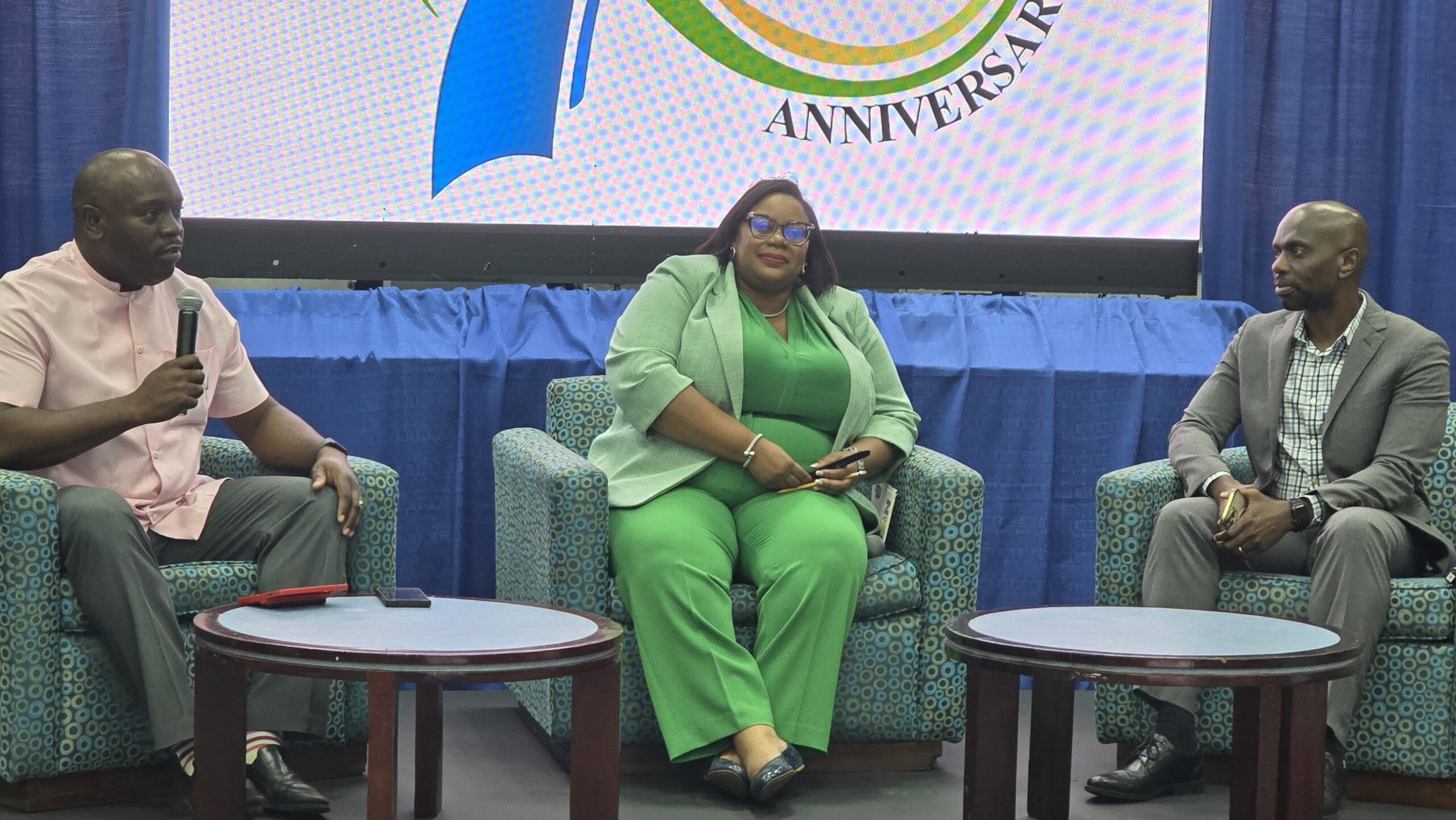
    Barbados stands at a critical economic juncture, with top financial, business and academic leaders issuing a stark warning that the country could slide further behind competing Caribbean economies if national wage negotiations remain limited to minimum wage adjustments rather than tackling systemic issues including lagging productivity, gaping data deficits and the true burden of the cost of living. The joint call to action came during a high-profile panel discussion hosted just after the Barbados Employers’ Confederation (BEC) annual general meeting, held at the Lloyd Erskine Sandiford Centre, bringing together Finance Minister Ryan Straughn, BEC Executive Director Sheena Mayers-Granville, and Winston Moore, Professor of Economics and Deputy Principal at the University of the West Indies Cave Hill Campus. The panel’s conversation centered on the interconnected structural barriers holding back Barbados’ productivity and long-term economic expansion.

  • Nurses praised for resilience amid mounting pressures

    Nurses praised for resilience amid mounting pressures

    Against a backdrop of growing strain on the island nation’s healthcare workforce, Barbados’ main opposition political group is shining a spotlight on the extraordinary grit and persistent dedication of the country’s nursing community, marking International Nurses Week with a public call for elevated acknowledgment of nurses’ irreplaceable role in national healthcare. The Democratic Labour Party (DLP) used the annual observance to amplify the contributions of both local nurses and Barbadian nursing professionals working abroad, with the party’s shadow health spokesperson Felicia Dujon leading the tribute in an official public statement.

    Dujon emphasized that even when facing overwhelming emotional and physical burnout from challenging workplace conditions, Barbadian nurses have never wavered in their commitment to delivering high-quality patient care. “No matter how much pressure mounts, no matter how difficult working conditions become, nurses here show up every day with dedication, compassion, and uncompromising professionalism,” Dujon stated in the address. “Their impact on our healthcare system and our country’s broader social development simply cannot be overstated.”

    Framing nursing as the backbone of Barbados’ healthcare infrastructure, Dujon noted that nurses serve as the consistent frontline touchpoint for patients and their families through every stage of care, building the trust that holds the nation’s health system together. “Our nurses embody the very best values of Barbados,” she added. “Even when they are drained, exhausted, and stretched emotionally thin, they still show up with extraordinary compassion, courage, and humanity for the people they care for.”

    Beyond honoring frontline nursing staff, the DLP also extended recognition to the Barbados Nurses Association and its president, Dr. Fay Parris, for their ongoing work advocating for nursing professionals and elevating the key challenges facing the profession. Dujon walked through the schedule of activities marking the week, noting that while official International Nurses Week observances wrapped up on Tuesday with formal Nurses Day celebrations, the Barbados Nurses Association will cap off its week of programming this Saturday with a public awards ceremony to honor outstanding nursing professionals across the country.

    Closing her statement, Dujon issued a call to young Barbadians exploring career paths, encouraging them to consider nursing as a long-term profession. She described the role as a deeply noble calling that creates tangible, lasting impact on communities and individual lives across the island.

  • BPSA cites steady growth but flags risks to outlook

    BPSA cites steady growth but flags risks to outlook

    Fresh off the release of the Central Bank of Barbados’ first-quarter economic assessment, the leader of the island nation’s top private sector advocacy group has outlined a mixed but broadly encouraging outlook for the domestic economy, flagging solid growth and improving fiscal health as key drivers of rising investor confidence, while warning that external and domestic headwinds threaten to undermine long-term progress.

    In a public statement issued Wednesday, James Jimmy Clarke, Chairman of the Barbados Private Sector Association (BPSA), noted that the Caribbean island logged another three months of consistent GDP expansion through the end of March, with the Central Bank pegging first-quarter growth at 1.7%. This uptick was fueled primarily by steady activity across the island’s core economic pillars: tourism, construction, business services and other service-related industries. Labour market conditions have also shown measurable improvement alongside this growth, Clarke added.

    Clarke emphasized that consecutive quarters of sustained expansion deliver a clear signal of economic stability, a critical metric for drawing and retaining private capital. “Overall, the attainment of successive economic growth of the economy provides further indication of stable economic performance, an important indicator to building investor confidence in the local economy,” he said. “We anticipate that Barbados will maintain its attractiveness to private sector investors.”

    The BPSA also praised the island’s ongoing solid fiscal performance, highlighting that the primary surplus for the 2025/2026 financial year hit $647 million – equal to 4% of Barbados’ GDP. Over the same period, the country’s overall fiscal deficit narrowed to just $58.3 million. These improvements have driven a downward shift in Barbados’ debt-to-GDP ratio, which fell 2.7 percentage points to 94.6% by the end of the financial year.

    While international reserves dipped slightly compared to the prior reporting period, Clarke confirmed that the buffer remained robust at $3 billion as of the end of March 2026, enough to cover 25.5 weeks of imports, well above standard adequacy thresholds. Contained domestic inflation and continued improving labour metrics further add to the economy’s positive momentum, the BPSA found.

    Despite these encouraging gains, Clarke did not downplay the significant challenges still facing the small island nation. External risks including ongoing global geopolitical instability and the cascading impacts of climate change have paired with domestic concerns, most notably rising energy costs and elevated crime rates, to create heightened economic uncertainty. In response to public safety threats, Clarke reaffirmed the private sector’s commitment to collaborating with other national stakeholders to mitigate the social and economic damage of crime and gun violence.

    “As we face global geopolitical tensions, rising energy prices, the impacts of climate change, and concomitant social pressures causing higher levels of uncertainty, the private sector hopes for continued national resilience and stable economic performance and growth,” Clarke said.

  • Officials get third-highest honours for getting Barbados off financial lists

    Officials get third-highest honours for getting Barbados off financial lists

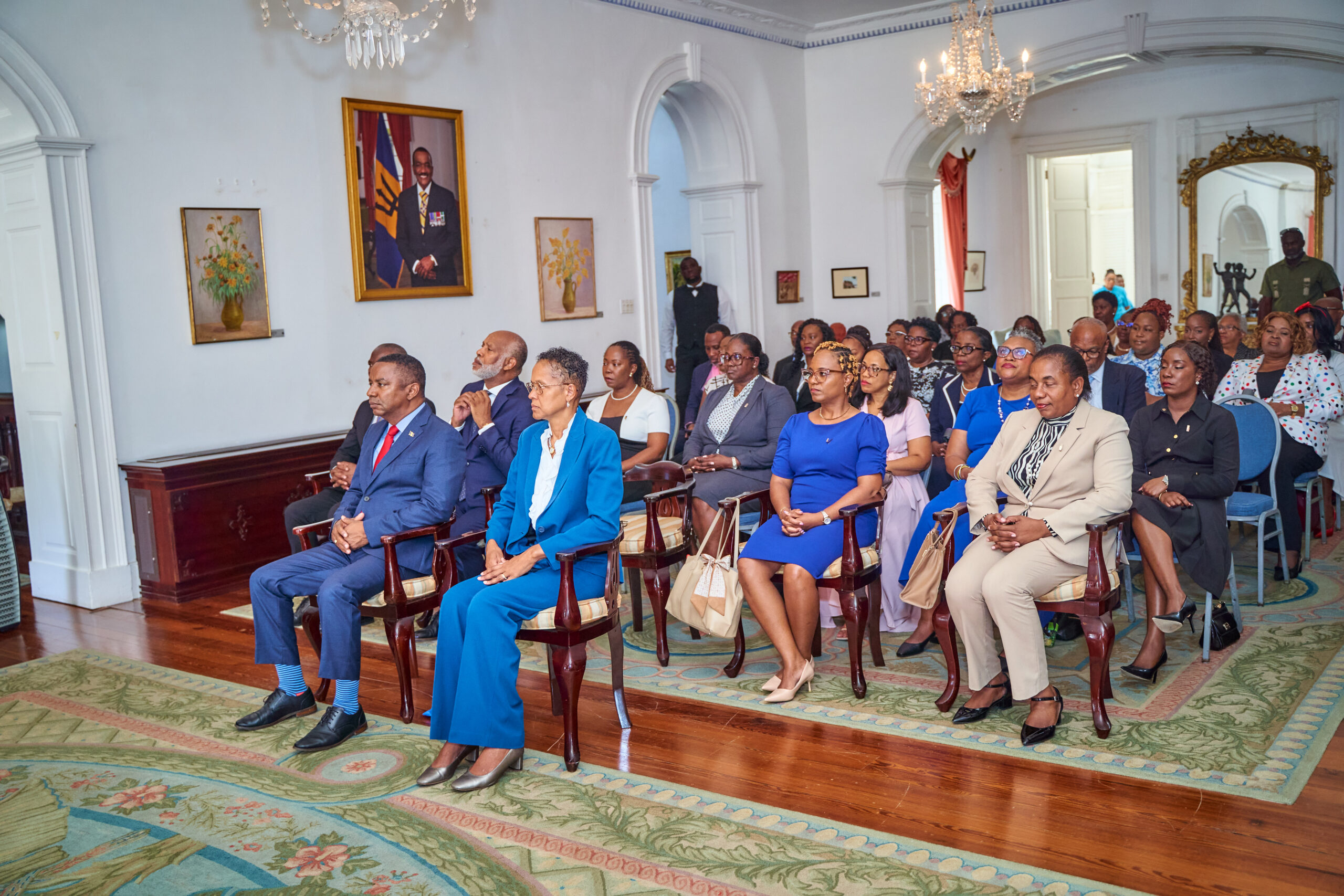
    In a formal ceremony held Wednesday at Barbados’ State House, 33 senior government and financial sector officials received the Caribbean nation’s third-highest civilian honor, capping years of coordinated work to lift the country off two critical international financial watchlists that had threatened its global economic standing. The awardees came from two core working groups: the Financial Action Task Force (FATF) Action Plan Implementation Team and the International Business Unit Economic Substance Team. Their collective effort culminated in two landmark delistings that have reshaped Barbados’ reputation as a global financial hub: the island was removed from the FATF’s monitoring-focused grey list in 2024, which triggered an automatic removal from the United Kingdom’s high-risk third country register, and formally taken off the European Union’s blacklist of high-risk non-EU jurisdictions on August 5, 2025. Barbadis President Jeffery Bostic used the ceremony to recognize the years of behind-the-scenes work and sacrifice that made the delistings possible, emphasizing the significance of the honor being conferred. The award granted to the officials is the third-highest distinction in the Order of Barbados, ranking only below the Freedom of Barbados and the Order of the Republic. “I want to offer my sincerest congratulations to you on what I consider to be a very significant achievement,” Bostic told the gathered honourees. “That is something to be very proud of. We all are very proud of what we’ve been able to do and to achieve.” Bostic also extended formal gratitude on behalf of the entire nation for the team’s consistent commitment to public service, noting that their relentless dedication delivered long-term benefits to Barbados’ economy. Deputy Prime Minister Santia Bradshaw echoed the president’s praise, highlighting the grueling long hours and meticulous policy changes the teams implemented to meet international regulatory standards. “The country owes you a debt of gratitude for the dedication, the commitment, and I’m sure the long hours of unbroken service and sacrifice that you’ve made,” Bradshaw said. She added that the successful delistings have already delivered tangible economic results, restoring investor confidence and strengthening growth prospects for Barbados’ key international business sector. “It has allowed us to be able to have investors certainly turning their attention back to Barbados,” she noted. Industry and policy observers have widely framed these dual delistings as a transformative milestone for Barbados, which has long positioned itself as a leading offshore international business and financial center. Inclusion on global anti-money laundering and counter-terrorism financing watchlists like the FATF grey list and EU blacklist carries significant economic risks: it can undermine international investor trust, raise transaction costs for cross-border business, damage the overall credibility of a country’s financial regulatory framework, and deter foreign direct investment. Wednesday’s honors ceremony marks a formal national recognition of the critical role these public servants played in protecting Barbados’ economic future and securing its position in the global financial system.