标签: Barbados

巴巴多斯

  • Pinelands Creative Workshop launches programme to ease 11-Plus anxiety

    Pinelands Creative Workshop launches programme to ease 11-Plus anxiety

    For thousands of young students moving from primary to secondary education, the jump in academic expectations, combined with pre-exam stress and uncertainty about new social environments, can derail even the most motivated learners. Now, a community-focused organization is stepping in with a creative, accessible solution to support the most vulnerable members of this student population.

    The Pinelands Creative Workshop, a community arts and education non-profit, has launched Finding Your Balance, a ground-breaking new initiative designed to address two growing challenges: widening academic gaps for at-risk pupils and the rapid rise of exam anxiety ahead of the critical 11-Plus examination, which determines secondary school placement.

    Funded by the Maria Holder Memorial Trust, the programme specifically targets students who are falling behind academically or feeling overwhelmed by the impending transition to secondary education. Speaking on Saturday, Pinelands Creative Workshop Chief Executive Officer Sophia Greaves outlined the urgent need that prompted the programme’s creation, noting that the organization had observed alarming gaps in student proficiency ahead of exam season.

    “We were seeing a trend where a number of our students… were operating basically at a very early stage, like Class 1, and having significant challenges,” Greaves explained. “Along with that, we saw anxiety issues that normally come as we move towards exam mode.”

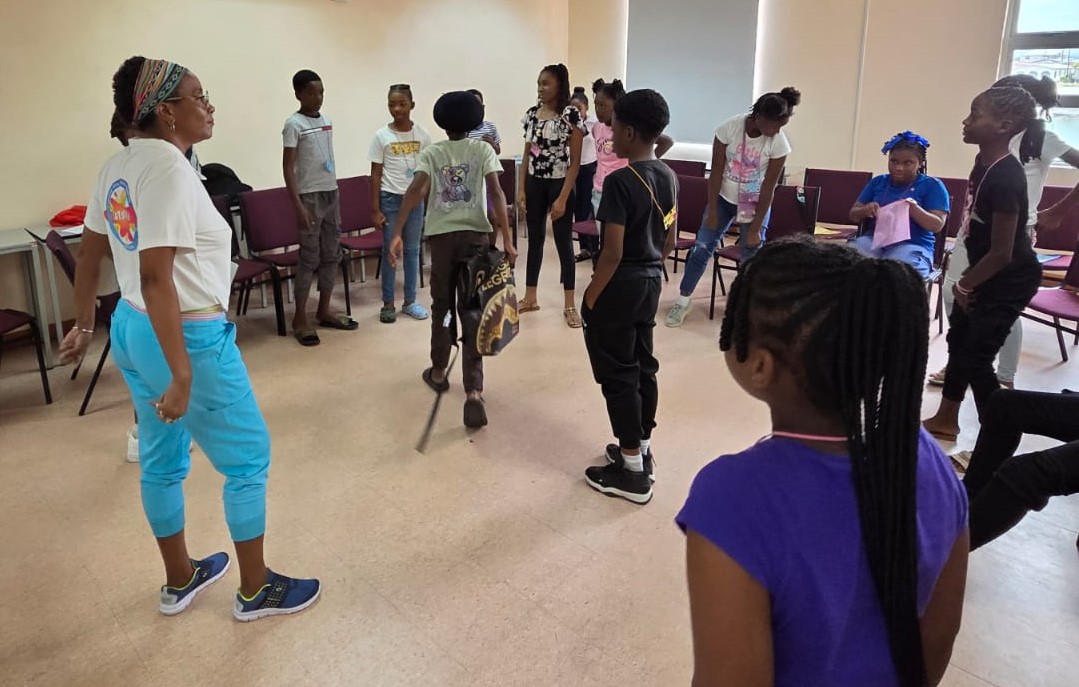
    Unlike traditional tutoring programmes that rely on rote learning and carry steep costs that put them out of reach for low-income families, Finding Your Balance leverages creative arts interventions including drama, sound-based activities and movement work to equip students with practical social and emotional skills. These tools help young learners navigate common secondary school challenges such as bullying, interpersonal conflict, and the increased academic rigour of higher-level classes. Crucially, the programme also fills an academic gap for families who cannot afford private supplementary tutoring, providing free or low-cost support that continues from a student’s first year of secondary school all the way through to their Caribbean Examinations Council (CXC) exams.

    Greaves explained that secondary school classroom dynamics create inherent gaps that the initiative is designed to address, noting that the programme is built to complement, rather than replace, the support offered in mainstream school settings. “The primary reality is that secondary school is not as supportive as primary school,” she said. “Classes are 30 children; there’s no way a teacher can get over concepts with 30 children of different abilities at the same time. We are trying to be complementary to what is offered in schools.”

    Recognizing that student success depends on whole-family support, the initiative also extends beyond the student population to engage caregivers through the organization’s “Parenting with a Purpose” seminar series. These sessions provide parents and guardians with holistic social and emotional resources to help them support their children through this pivotal educational transition, ensuring that support reaches every part of a student’s life.

  • One dead, another injured in Jackmans shooting

    One dead, another injured in Jackmans shooting

    A violent early-morning shooting in the Jackmans neighborhood of St. Michael has left one man dead and a second man hospitalized, according to official updates from Barbados law enforcement. The incident unfolded on Skeetes Road in the pre-dawn hours of Sunday, triggering an immediate investigation from local police.

    The Barbados Police Service confirmed that its Operations Control unit first received the emergency report of the gun violence at approximately 2:10 a.m. Responding officers were dispatched to the scene without delay, where they made a grim discovery: the lifeless body of an adult male positioned between two parked motor vehicles, near a local event that was taking place in the area.

    Following the initial assessment of the scene, a licensed medical examiner was called to the site to formally confirm and pronounce the man’s death. Law enforcement have not yet released the identity of the deceased pending notification of next of kin.

    A second male involved in the incident suffered gunshot injuries and was transported to the island’s primary care facility, the Queen Elizabeth Hospital, by a private motor vehicle before officers arrived. As of the latest update, medical authorities have not released a public update on the injured man’s condition.

    Local investigators are now working to piece together the circumstances that led to the shooting, and are actively calling on members of the public with any relevant information to step forward. Anyone who was present in the Skeetes Road area in the early hours of Sunday morning, witnessed the shooting unfold, or has any details that could assist the investigation is encouraged to reach out through multiple confidential contact channels.

    Tips can be submitted anonymously via the Crime Stoppers Hotline at 1-800-8477, through the national police emergency line at 211, or directly to investigators at District A Police Station by calling either 430-7242 or 430-7246. Police have not yet announced any suspects in connection with the shooting as the investigation remains ongoing.

  • Renewed push to revive Oistins Fish Festival

    Renewed push to revive Oistins Fish Festival

    Barbados’ long-running Oistins Fish Festival is poised for a major revitalization, as local leaders, vendors, residents and community representatives have launched a collaborative consultation process to reverse years of stagnation and set the event up for long-term growth ahead of its 50th anniversary in 2027.

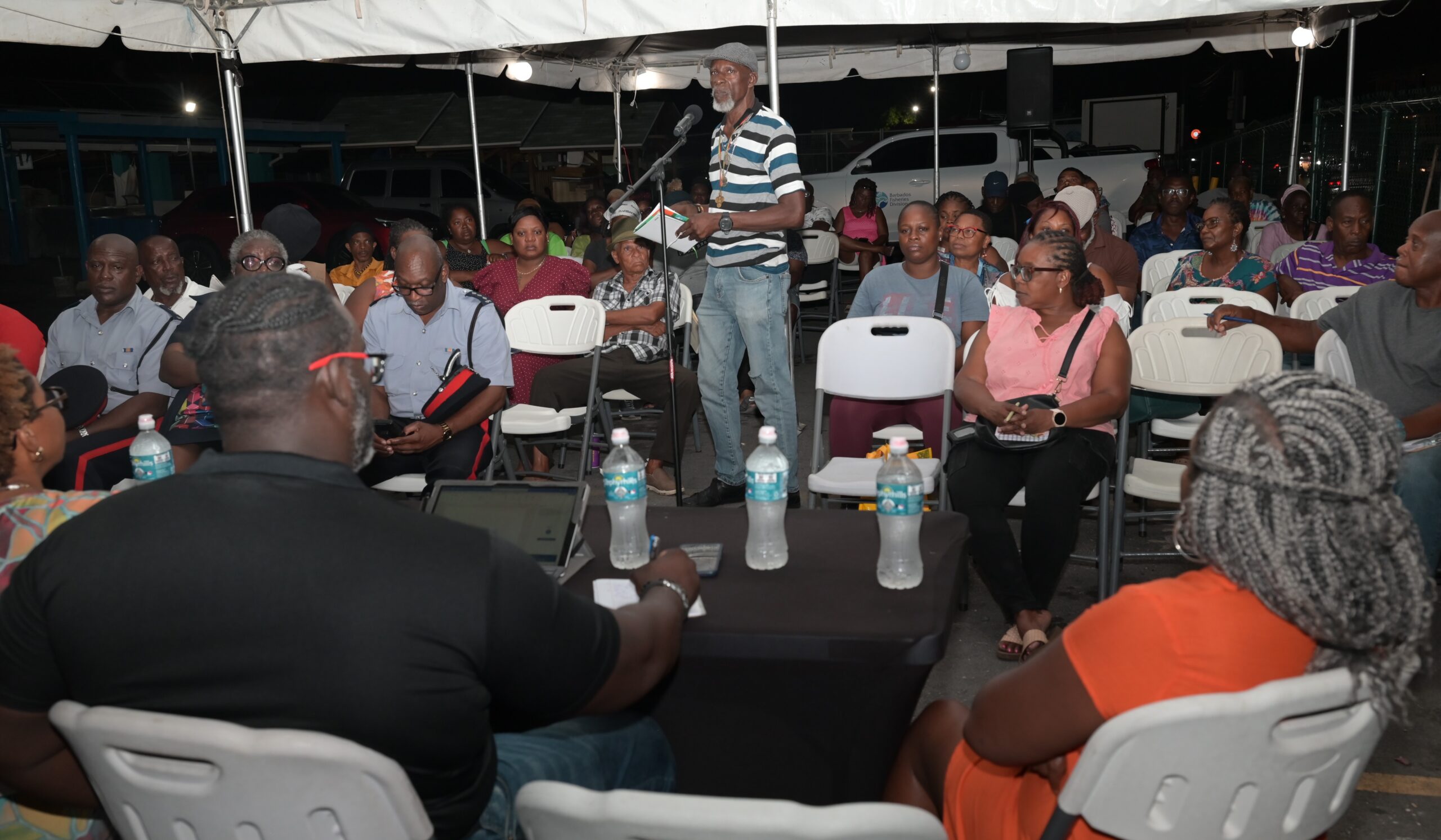
    The first public town hall meeting focused on the festival’s revival took place Thursday evening in the car park of the Berinda Cox Fish Market, drawing a large crowd of Oistins-based vendors, fishing community members, local residents and other invested stakeholders eager to share their ideas for improvement. Officers from the Oistins Police Station also attended the session, pledging to uphold a secure, welcoming environment for both local attendees and out-of-town visitors at all future festival events.

    Leading the revitalization effort is Dr. Shantal Munro-Knight, Member of Parliament for Christ Church South and Barbados’ Agriculture Minister, who has pledged that under her leadership, the historic festival will not only survive, but emerge stronger than ever. Munro-Knight emphasized that the planning process will center the needs and voices of the local fishing and vendor communities that form the core of the event’s identity.

    During the meeting, organizers compiled a range of actionable concerns and proposals from attendees. Many long-time participants called for formal recognition of the founding members who built the festival from its early days, a request Munro-Knight described as an easy, high-priority win for the revitalization team. Vendor Sue Ann Gilkes-Smith put forward two key suggestions: reconfiguring vendor stalls into a single continuous stretch along the event route, rather than the current fragmented layout, and boosting safety measures to encourage older patrons, who have historically been core spenders at the festival, to return comfortably.

    Kemar Harris, Chairman of the Oistins Bay Garden Board, explained that the series of town hall meetings was launched to address a years-long breakdown in communication between festival organizers and local stakeholders, which had gradually eroded the event’s quality. “What leads to breakdowns is a lack of communication,” Harris told attendees. “Over the years, people have been complaining, so there will be a series of these meetings to hear you, see you and feel you. Consultation is paramount, and this MP believes in that, so when consultations stop, you cannot say no stone has been left unturned.”

    Edwin Warner, Deputy Chairman of the Oistins Bay Garden Board and owner of local food stall Crazy Eddies, shared harsh criticism of the most recent festival held over the 2024 Easter weekend, calling it one of the worst iterations in recent memory. Warner argued that the previous organizing committee had grown stagnant after years in charge, failed to consult local Oistins Bay Garden stakeholders, and brought in outside participants without centering the community that anchors the event. He also put forward a series of proposals to expand the festival, including cleaning up the local boatyard to create additional space for vendor stalls, involving fishing communities from across Barbados, and adopting a regional approach that invites fisherfolk from neighboring Caribbean countries such as St. Lucia and Grenada to participate.

    Harris confirmed that the series of public consultation meetings will continue in the coming months, with all discussions centered on supporting local vendors and strengthening the festival’s roots in the Oistins community ahead of its milestone 50th anniversary in 2027.

  • No tsunami threat to Barbados after earthquake

    No tsunami threat to Barbados after earthquake

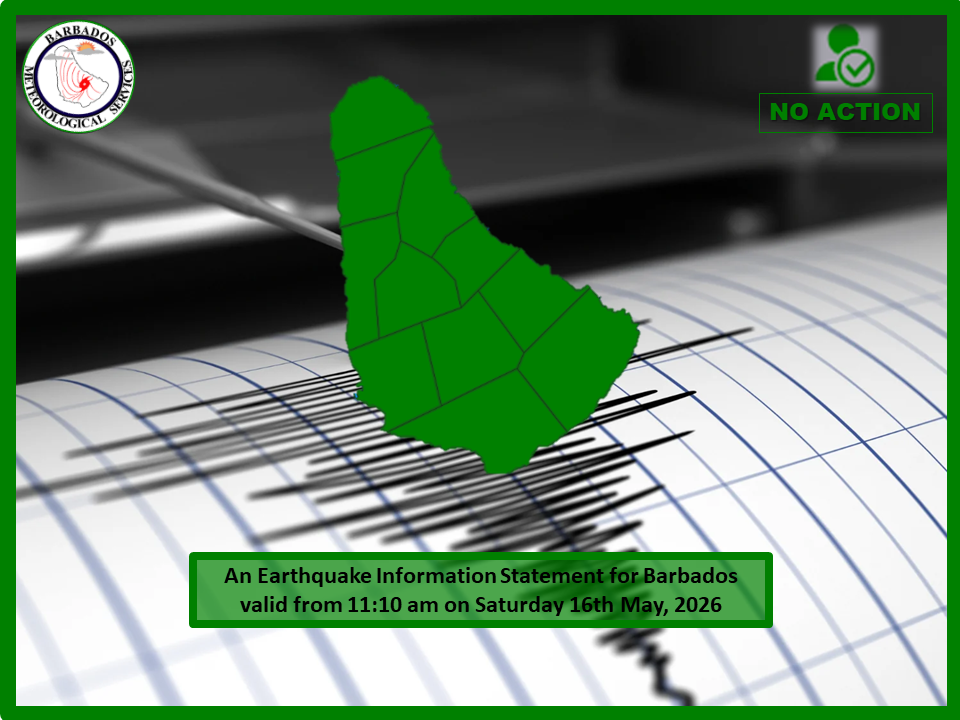
    A magnitude 6.1 earthquake that struck the Leeward Islands region early Saturday has triggered no tsunami risk or expected local damage for neighboring Barbados, according to official updates from the Barbados Meteorological Services (BMS).

    The seismic event was recorded at roughly 10:50 a.m. local time, with preliminary coordinates placing its epicenter at 17.6° north latitude and 61.0° west longitude. Data from the Pacific Tsunami Warning Center shows the quake originated at a depth of approximately 39 miles below the seabed in the Leeward Islands area.

    In an official public statement issued shortly after the tremor was detected, BMS representatives moved quickly to reassure residents and visitors that no tsunami watches or warnings are currently in effect for Barbados. The agency added that the seismic activity is not projected to cause any observable negative impacts on the island nation’s infrastructure, communities, or coastal areas.

    To prevent unnecessary public anxiety, BMS has encouraged the general population to remain calm amid the geologic event, advising residents to rely exclusively on official government communication channels for any future updates if new information becomes available.

  • EDITORIAL: Public trust must be won on IMF agreement

    EDITORIAL: Public trust must be won on IMF agreement

    For generations of Barbadians, the phrase “IMF agreement” has been inextricably tied to memories of economic pain: mass layoffs, frozen public sector wages, new tax burdens, and widespread financial hardship. It is little wonder that many citizens greet any new deal with the Washington-based multilateral lender with deep skepticism and caution — a reaction the Mia Mottley administration cannot afford to ignore. As the government prepares to finalize a new precautionary Stand-By Arrangement with the IMF, communication experts and analysts are stressing that clear, consistent, and accessible outreach is critical to avoid unnecessary public backlash and economic uncertainty.

    Unlike the austerity-focused bailout programs Barbados has entered in the past, officials emphasize this new facility is not an emergency rescue for a country on the brink of fiscal collapse. Both Prime Minister Mottley and IMF Mission Chief Michael Perks have repeatedly underlined that Barbados is entering this agreement from a position of hard-won economic strength. The country is not facing an imminent balance of payments crisis, it has not depleted its foreign reserves, and it is not struggling to meet its sovereign debt obligations. Instead, the arrangement is structured as a precautionary safety net: an insurance policy against unforeseen external economic shocks that the small island nation cannot control.

    In an increasingly volatile global economy, marked by escalating geopolitical tensions, ongoing regional conflicts, persistent supply chain disruptions, and soaring global oil prices that drive up the cost of everything from food to transportation, small open economies like Barbados are uniquely vulnerable. Dependent almost entirely on imports for basic goods and reliant on tourism as a core pillar of national income, the country is exposed to sudden shifts in the global market that can derail years of fiscal progress in months. As Mottley has noted, a sudden escalation of conflict in the Middle East, for example, could send oil prices spiking and trigger a global recession that would cripple Barbados’ tourism sector. By securing access to emergency liquidity now, the government argues, the country will be able to respond immediately to a crisis, rather than wasting months negotiating new financing when disaster strikes.

    The government successfully completed its previous IMF-backed restructuring program, the Barbados Economic Recovery and Transformation (BERT) initiative, last year. While the program included institutional restructuring — merging, downsizing, and eliminating some state-owned entities, as well as weaning others off public subsidy — the administration managed to avoid the mass job losses that marked past programs, a significant policy win. Today, even with broad signs of economic improvement, including stronger foreign reserves and reduced national debt, many ordinary Barbadians are still struggling to make ends meet amid sky-high food prices, rising utility costs, and growing transportation expenses. Unaddressed uncertainty about the new IMF deal could quickly spiral into widespread fear, fuel rumours of a new round of austerity, and prompt anxious consumers and businesses to pull back on spending, potentially triggering a slowdown that would harm the very recovery the government has worked to build.

    Analysts stress that technical explanations of reserve levels and debt ratios, while important, are not enough. The government must frame its messaging around the concerns that matter most to ordinary citizens: how will this agreement affect their incomes, their households, and their daily cost of living? Outreach should repeatedly emphasize that this is not an austerity program, and that the facility’s core purpose is to protect Barbadians from future external shocks, not impose new painful adjustments. Officials should also highlight existing support measures already in place to ease cost-of-living pressures, including freight cost adjustments, targeted tax relief, and direct household support. Transparency, they add, is non-negotiable: the government should provide regular public updates on the terms of the agreement, outline any policy commitments tied to the deal, and address questions about how it interacts with major public spending initiatives such as the recent CARIFESTA event. Without clear, consistent communication, misinformation will fill the information gap, eroding public confidence and putting economic progress at risk.

  • Counsellors ‘battling teens’ growing emotional crises’

    Counsellors ‘battling teens’ growing emotional crises’

    Across Barbados’ education system, school guidance counsellors are sounding the alarm over a steady, marked rise in students presenting with depression, anxiety and a range of other emotional and behavioral challenges, and are urging education authorities to deploy more full-time support staff to meet the surging need for student mental health care.

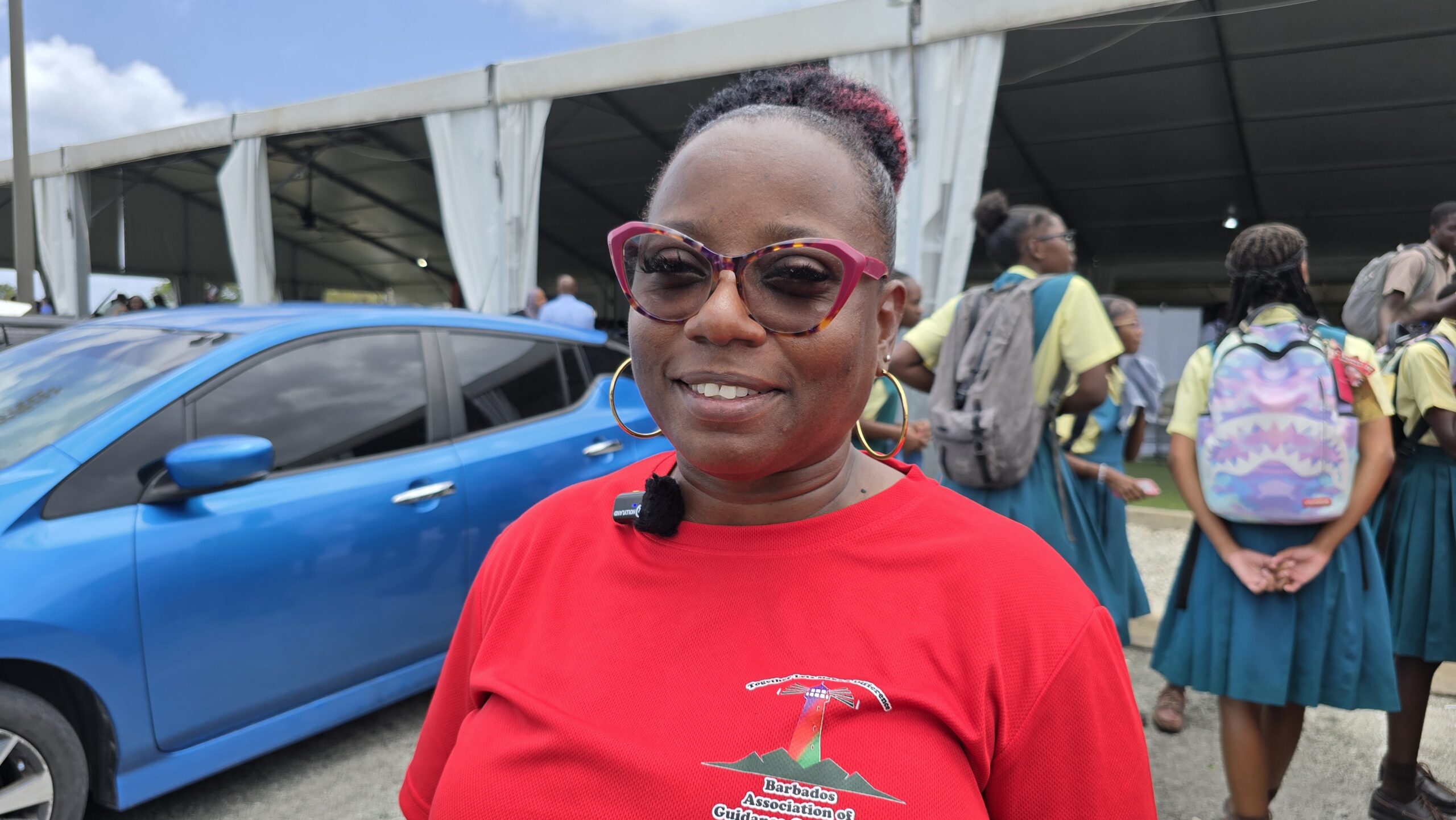
    Shernell Clarke, president of the Barbados Association of Guidance Counsellors, outlined the growing strain on the sector’s existing workforce in an interview with Barbados TODAY on Friday. Clarke explained that most schools currently operate with just one lone guidance counsellor, who is responsible for a sprawling list of duties beyond direct student mental health support: from career coaching and personal development advising to teaching mandatory Health and Family Life Education courses. Even as counsellors continue to fulfill their obligations, the cumulative workload has become unsustainable for many, she said.

    “We are not complaining about the work itself, but we cannot ignore that the demand for our services has grown exponentially,” Clarke noted. “Right now, many institutions share part-time counselling resources across multiple school campuses, which means on-site support is not consistently available when students need it. Having two full-time, dedicated counsellors on every campus would be far more effective than relying on one permanent staff member and one rotating, shared professional who is only present occasionally.”

    Clarke emphasized that while there has not been a noticeable spike in violent or severely disruptive student behavior, the number of children seeking and requiring targeted emotional support is far higher than it was in pre-pandemic and previous years. Unlike outdated disciplinary approaches that only address outward behavior, Clarke said Barbados’ guidance counsellors prioritize root-cause intervention, working to unpack the underlying issues driving negative actions rather than just punishing students for their conduct.

    Most student mental health and behavioral challenges stem from three core sources: intense peer pressure to fit in, unstable home environments, and widespread socioeconomic strain, Clarke explained. Many young people struggle with dissatisfaction about their current life circumstances, and lack healthy outlets to express their frustration or a clear path to improve their situation. This unaddressed pressure can lead vulnerable students to turn to negative peer groups or harmful coping mechanisms as they seek a sense of status or belonging, she added.

    While more students today are comfortable naming and discussing their emotional struggles than in past generations, many severe cases fall outside the scope of school-based guidance counselling. Clarke said outward referral to specialized mental health professionals is a core part of counsellors’ work, with staff regularly connecting students and families to advanced psychological care when needed. She did note, however, that many families referred to public mental health services ultimately opt for private care, a trend that may point to gaps in the public system’s ability to meet growing demand.

    The work of supporting students through acute emotional and traumatic challenges also takes a toll on counsellors’ own mental health, but Clarke said the Barbados Association of Guidance Counsellors has put systems in place to support its members. The organization regularly hosts professional-led self-care and therapeutic sessions to help counsellors process emotional stress from their work, and maintains a peer support community where members can share their experiences and struggles without compromising student confidentiality. Counsellors are also often called in to support entire school communities during traumatic events such as the death of a student or staff member, and the association’s internal support systems help counsellors process the emotional weight of those responses.

  • CDEMA ‘learned’ Hurricane Melissa lessons

    CDEMA ‘learned’ Hurricane Melissa lessons

    Against a backdrop of intensifying climate-fueled natural hazards, shifting global geopolitics, and dwindling international financial support, Caribbean nations are launching a complete overhaul of their 10-year regional disaster management framework. The shift comes after hard lessons learned from the widespread destruction of Hurricane Melissa, pushing regional authorities to abandon the long-held focus on post-disaster recovery and adopt a proactive pre-event planning model.

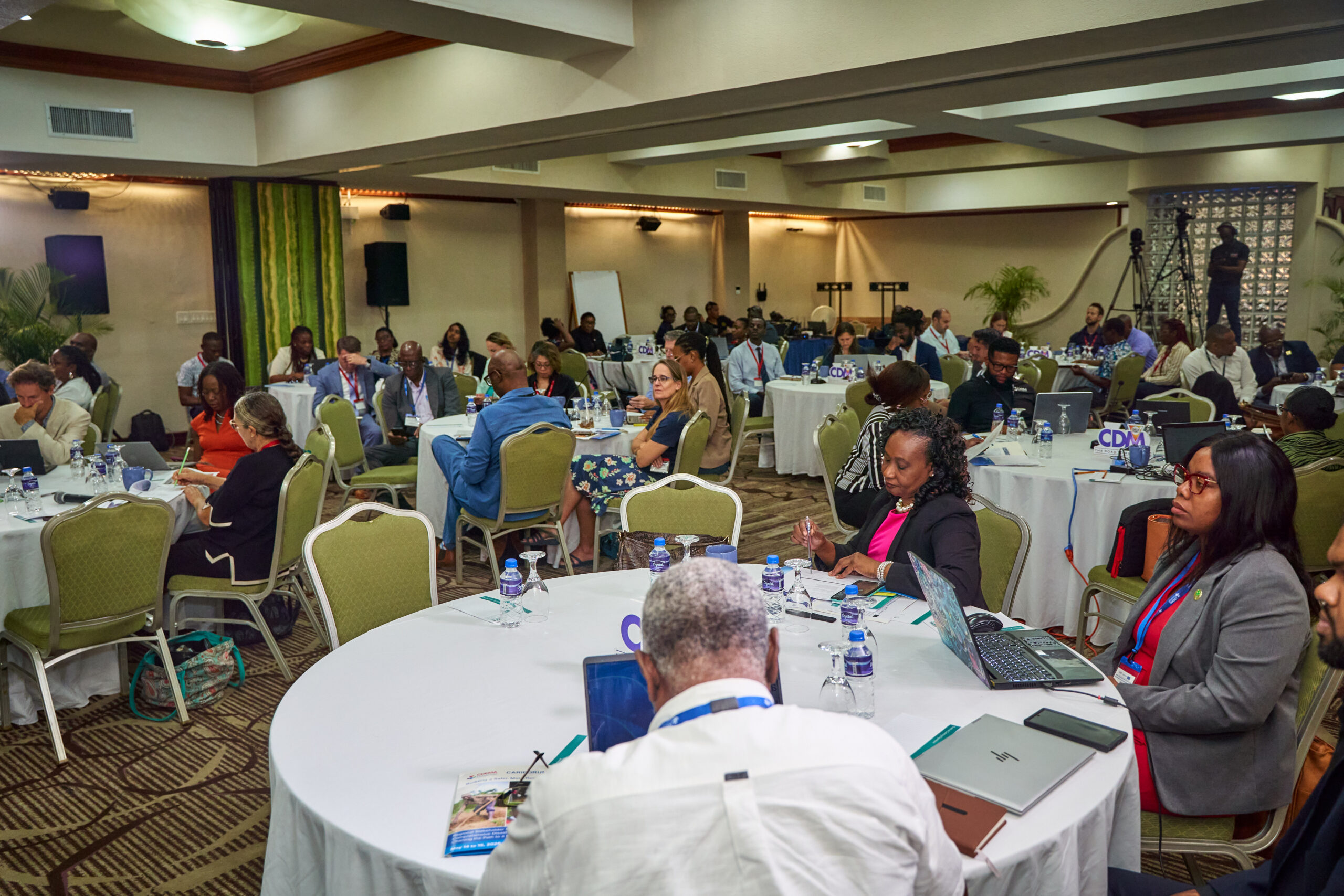
    Over two days of intensive consultations held at Barbados’ Accra Beach Hotel & Spa, representatives from the Caribbean Disaster Emergency Management Agency’s (CDEMA) 20 member states gathered to revise the Comprehensive Disaster Management Strategy, a foundational policy first rolled out in 2014. CDEMA Executive Director Elizabeth Riley explained in an interview with Barbados TODAY that the original framework is no longer fit for purpose, as both hazard patterns and global operating conditions have transformed dramatically over the past decade.

    “We recognise that since the start of this iteration of the strategy in 2014, there have been a lot of changes,” Riley noted. “These changes have been related to the hazards themselves, which have become a lot more complex, but also related to the geopolitical environment, which has become a lot more challenging.” Climate change stands as one of the most transformative drivers, Riley confirmed, linking rising global temperatures to a sharp uptick in both the frequency and severity of destructive weather events across the Caribbean. Compounding this growing risk is a steady decline in international funding earmarked for regional disaster management programs, stretching already thin national and regional budgets even further.

    One high-priority emerging issue being integrated into the updated strategy is disaster-induced human displacement, a crisis that has become far more common in recent years. Riley pointed to two recent major events that underscore the urgency of this challenge: Hurricane Melissa, which displaced thousands of residents in Jamaica, and the 2021 eruption of the La Soufrière volcano in St. Vincent and the Grenadines, which forced roughly 20,000 people to flee their homes. “This is a feature we’re seeing a lot more frequently, and we’re discussing how do we integrate these types of issues now into our planning,” she said.

    A core focus of the regional workshop was reimagining disaster recovery systems, with Riley emphasizing that the region can no longer afford to develop recovery plans only after a catastrophe hits. Instead, she argued, all member states need to have detailed, actionable recovery frameworks in place well before storms or other disasters make landfall. “We’re discussing modalities by which we can better assist countries to prepare for the recovery processes ahead of time and ensuring that that is treated not after the actual disaster takes place,” Riley explained.

    Hurricane Melissa, which swept through the Caribbean recently, provided a critical real-world test of existing regional coordination and response protocols, Riley said. In March, CDEMA assembled a cross-regional after-action review to assess the performance of the agency’s response mechanism, with a particular focus on strengthening coordination with new international humanitarian partners operating in the region and streamlining emergency logistics support.

    Riley also highlighted the successful first deployment of the CDEMA-World Food Programme logistics hub, which launched in Barbados in 2023, during the Hurricane Melissa response. “We reviewed how the operations of that hub went forward, the timeliness of the support, and the type of logistics support provided,” she said, adding that insights from this first activation will be used to refine the hub’s operations for future emergencies.

    Looking ahead to the 2026 Atlantic hurricane season, which officially kicks off on June 1, Riley urged residents across the region to participate in the agency’s annual pre-season press conference, scheduled for 10 a.m. local time on Thursday, May 28. The event will bring together regional officials to share the latest seasonal hurricane forecasts and outline key preparedness steps that households and communities can take to get ready before the first storm of the season forms.

  • Bar condemns attorney’s theft of client funds

    Bar condemns attorney’s theft of client funds

    A shocking admission of financial misconduct has sent shockwaves through Barbados’ legal community, after local attorney Hilary Nelson confessed to stealing nearly $900,000 from one of his clients. The high-profile case has triggered a sharp public rebuke from the Barbados Bar Association (BBA) and reignited long-running discussions about the need for more robust regulatory oversight of the island’s legal sector.

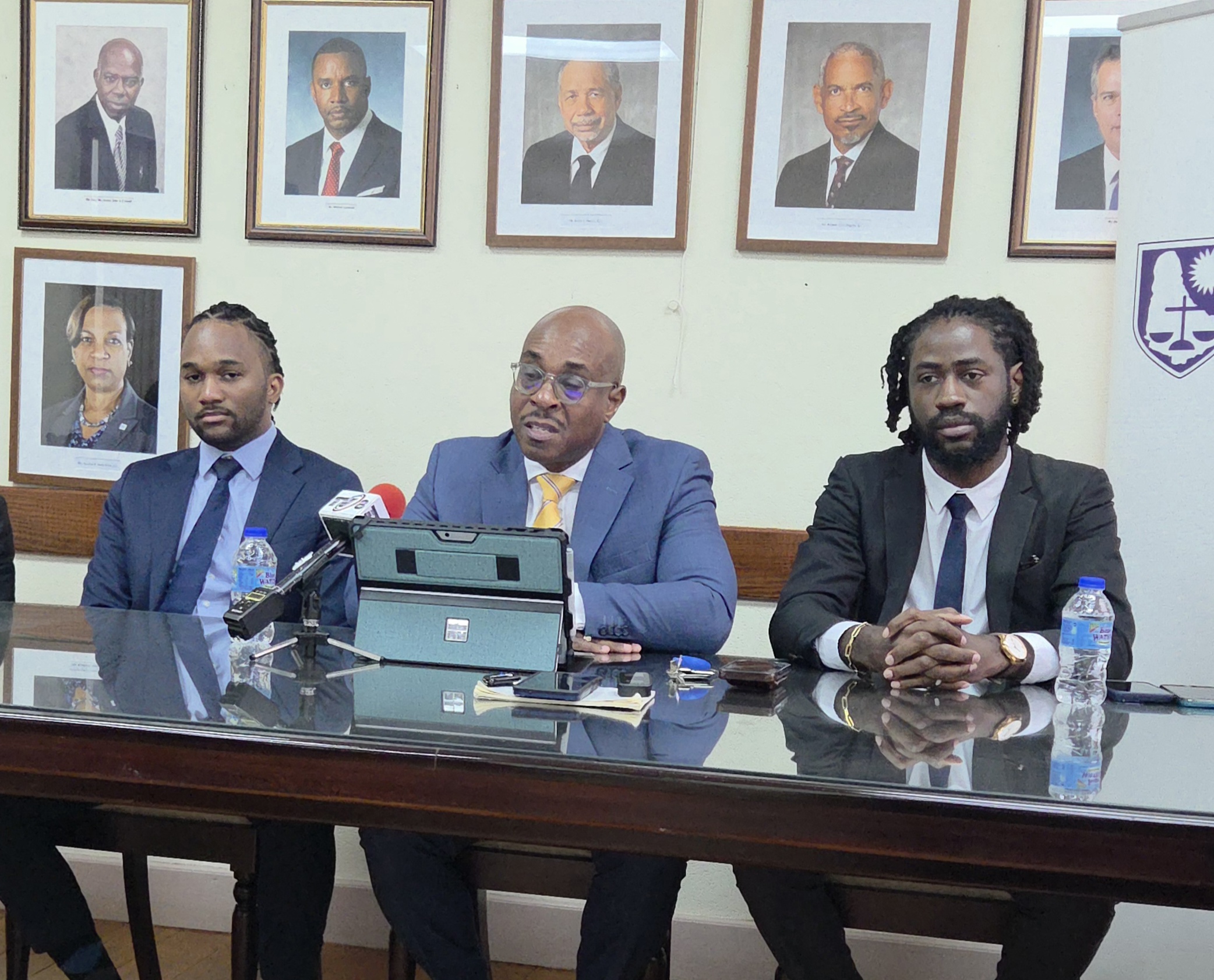
    Nelson entered his guilty plea during ongoing proceedings at the Supreme Court last week, and has since been remanded into custody ahead of his sentencing hearing. In an official press briefing held Friday at the BBA’s headquarters on Perry Gap, Roebuck Street, association president Larry Smith KC issued a blistering condemnation of Nelson’s actions, emphasizing that the organization’s governing council rejects any deviation from the strict ethical and professional standards that all practicing attorneys are required to uphold.

    “Any conduct by members of the profession that falls short of these expectations is condemned in the strongest possible terms by this council,” Smith stated. He went on to clarify that all allegations of professional misconduct are processed through pre-established legal and disciplinary channels, and that the BBA has long backed the full operation of these systems — including the ultimate penalty of permanent disbarment for attorneys found guilty of severe violations.

    Smith acknowledged that the high-profile nature of this case will inevitably erode some public trust in the local legal profession, but urged community members to have confidence in the court system’s ability to deliver fair accountability. “At the appropriate time, when the Bar is called upon to act, we will fulfill our responsibilities,” he added.

    The senior counsel also took the opportunity to clarify the independent structure of the BBA’s disciplinary committee, a key point of public confusion around regulatory processes. “I want the public to understand that the Bar council has no oversight over the disciplinary committee,” Smith explained. “When an attorney violates the profession’s code of ethics, it falls to the independent disciplinary committee to take action, not the Bar association leadership.”

    Beyond addressing the immediate case, the BBA used the briefing to outline its ongoing push to strengthen the regulatory framework that governs Barbados’ legal sector. The association is currently collaborating with the national government to draft targeted amendments to the island’s Legal Profession Act. These proposed changes are centered on three core goals: boosting professional accountability, streamlining and improving the effectiveness of existing disciplinary processes, and updating requirements for continuing legal education — with a particular focus on ethics training and competent modern professional practice.

    “These reforms are intended to ensure that the profession continues to meet the highest possible standards, and that public confidence in the administration of justice is maintained and strengthened over time,” Smith said of the proposed changes, reaffirming the BBA’s commitment to upholding the integrity of Barbados’ legal system.

  • Use real lawyers, Bar cautions public

    Use real lawyers, Bar cautions public

    A growing wave of complaints against unlicensed people offering legal services has prompted the Barbados Bar Association (BBA) to sound an urgent alarm to local residents, outlining the substantial risks consumers face when turning to unqualified providers for legal support. The industry body has moved to publicly clarify its position after questions were raised about its motivation for the notice, stressing that consumer protection, not private professional interests, drives the campaign.

    Speaking at the BBA’s headquarters on Roebuck Street, association president Larry Smith KC confirmed that the governing council has received multiple reports of people falsely presenting themselves as certified attorneys and offering legal services without holding active, valid practicing certificates. In response, the BBA published a formal public notice urging residents to avoid working with any individuals not officially enrolled as licensed legal practitioners.

    Smith pushed back against early speculation that the warning was a deliberate move to protect the financial positions and existing market share of registered BBA members. He emphasized that the public notice was not issued casually, but as a core responsibility of the association to safeguard the public and preserve the integrity of the island’s justice system.

    “Let me be clear: this initiative has nothing to do with protecting our members’ livelihoods or locking in market share,” Smith stated. “The BBA’s core mandates include upholding fair administration of justice, cracking down on unauthorized legal practice, and protecting residents who engage with people claiming to offer legal representation.”

    The BBA president went on to outline the key difference between working with a licensed attorney and an unqualified provider. All formally admitted attorneys in Barbados operate within a strict, comprehensive regulatory framework that binds them to formal ethical codes, mandatory professional competence standards, and ongoing disciplinary oversight. If a licensed attorney acts incompetently, mismanages client funds, or breaches client trust, clients have clear formal avenues for recourse: they can file an official complaint with the BBA’s disciplinary committee, and pursue civil remedies in appropriate cases where a professional duty of care has been broken.

    Unqualified, unregulated providers operate entirely outside this system, Smith warned. They are not bound by enforceable professional standards, face no disciplinary consequences for misconduct, and leave consumers with almost no options to seek redress if services go wrong. “This is not a hypothetical risk,” Smith noted. “These are tangible, damaging consequences that actual local residents have already experienced.”

    When asked whether the BBA supports increasing penalties for unauthorized legal practice, which currently carries a maximum $5,000 fine per year, Smith confirmed that harsher penalties could be included in a forthcoming full review of the island’s Legal Profession Act. The association has also formally pushed for an expansion of the national Legal Aid Scheme to improve access to licensed legal services for low-income residents.

    Smith added that while the BBA is prepared to offer its expertise and input to parliamentary lawmakers on legislative changes, all final decisions on regulatory reform rest with Barbados’ elected Parliament. “All matters of public importance will be considered as part of the overhaul, and increased penalties may well be one of those. But the BBA cannot dictate legislative outcomes — lawmaking is the responsibility of Parliament, and we will contribute our perspective if invited to do so,” he said.

  • Kickstart Rush thrash Gall Hill to move into third

    Kickstart Rush thrash Gall Hill to move into third

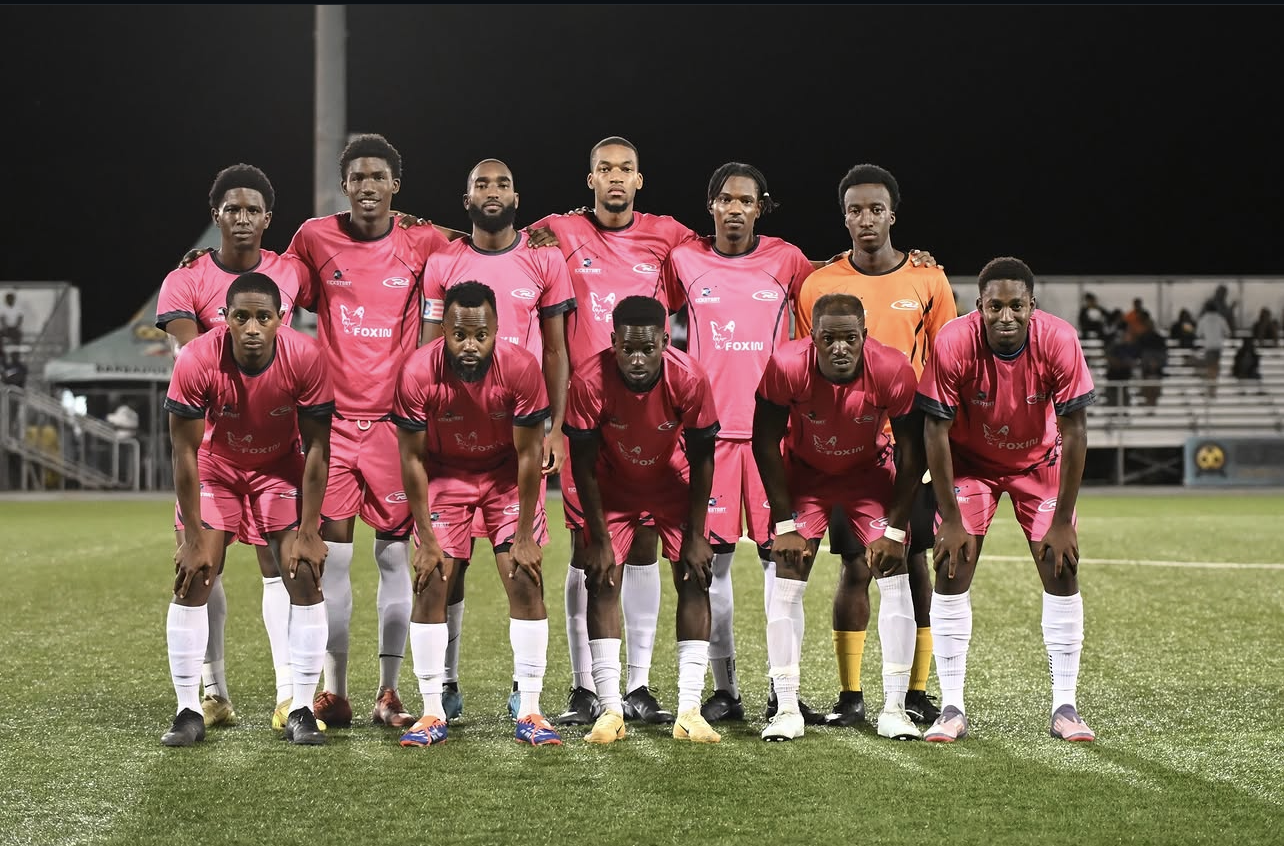
    As the Barbados Football Association (BFA) Premier League enters its final stretch, title hopefuls Kickstart Rush have reignited their bid for a coveted top-three finish after a dominant 4-0 win over Eyre’s Meat Shop Pride of Gall Hill in a rescheduled Thursday fixture at the BFA Technical Centre in Wildey. The three points propelled Kickstart up the table into third place with a total of 30 points, shifting previous third-place side Brittons Hill United down to fourth on 29 points, with Ellerton trailing just one point behind in fifth. Gall Hill, currently competing in just their second season back in the top flight, remain stuck in seventh position on 16 points after a second consecutive defeat.

    After a tightly contested first half, Jaylan Gilkes broke the deadlock for Kickstart in the 41st minute, sending the Wildey-based side into halftime with a narrow lead. The team turned up the pressure after the break, putting on a rampant attacking display that delivered three more goals to seal the emphatic rout. Nathan Skeete doubled the advantage in the 57th minute, Jamarco Johnson extended the lead further 11 minutes later, and Romario Drakes put the finishing touches on the win with a fourth goal in the 85th minute.

    In the late nightcap fixture, UWI Blackbirds notched their second straight victory with a dramatic 2-1 win over already-relegated Wotton, decided by a stunning last-minute counterattack goal. Wotton, who cannot avoid dropping down to Division One for the next season, drew first blood in the 52nd minute through a finish from Amari Small, and held their lead until Shaine Hermas leveled the score for UWI in the 74th minute.

    Deep into fifth minute of stoppage time, with Wotton still pushing for what would be just their third win of a difficult season, goalkeeper Raheem Agard pushed forward to join his teammates for a late corner kick. While pressing for a late winner, Wotton surrendered possession, and the ball broke to Teon Cadogan inside his own half. With the Wotton goalkeeper well out of position, Cadogan struck a spectacular long-range effort that found the empty net to secure all three points for UWI. The win lifts UWI to sixth place in the table on 19 points, capping an inconsistent season for the side that has been disrupted by multiple key player departures.

    The penultimate matchweek of the season kicks off this Sunday at Wildey, with the tight title race remaining the main focus. Defending champions Weymouth Wales currently sit atop the table on 34 points, holding just a one-point lead over second-place Paradise on 33 points. Kickstart Rush (30 points) and Brittons Hill United (29 points) round out the top four, all still vying for the valuable top-three finish.

    Sunday’s opening fixture will see Kickstart face relegation-bound St Andrew Lions at 4 p.m., with the side desperate to secure another three crucial points to hold their third-place spot. If Kickstart drops points, Brittons Hill will get the chance to reclaim third when they face Wotton at 6 p.m. Despite already being confirmed for relegation, Wotton has shown no willingness to roll over, leaving Brittons Hill bracing for a surprisingly tricky encounter.

    The final match of the day will pit league leaders Weymouth Wales against UWI Blackbirds at 8 p.m. Wales know that three more wins will be enough to retain their Premier League crown. Both sides have navigated constant matchday squad changes throughout the season due to a mix of injuries and player departures, but Wales enter the fixture as clear favorites.

    Adding extra complexity to the title race, a bush fire in the Wildey area last Sunday forced multiple match postponements. Weymouth Wales will now face Kickstart Rush in a later rescheduled fixture, while second-place Paradise will also have a critical postponed clash with Brittons Hill to come, keeping the race for both the title and top-three spots wide open.