标签: Antigua and Barbuda

安提瓜和巴布达

  • Four Norman Manley Law School Graduates Formally Called to the Bar

    Four Norman Manley Law School Graduates Formally Called to the Bar

    In a significant milestone for Jamaica’s legal community, the Norman Manley Law School celebrated the formal induction of its latest cohort of graduates into the legal profession on December 15, 2025. Presided over by Justice Ann-Marie Smith, the ceremonial proceedings at the Supreme Court represented the culmination of rigorous academic and practical training required for legal practice in Jamaica.

    The call to the bar ceremony serves as both a professional rite of passage and official authorization for graduates to practice law within Jamaican jurisdictions. This traditional proceeding acknowledges the completion of intensive legal education and prepares new attorneys for their upcoming roles within the justice system.

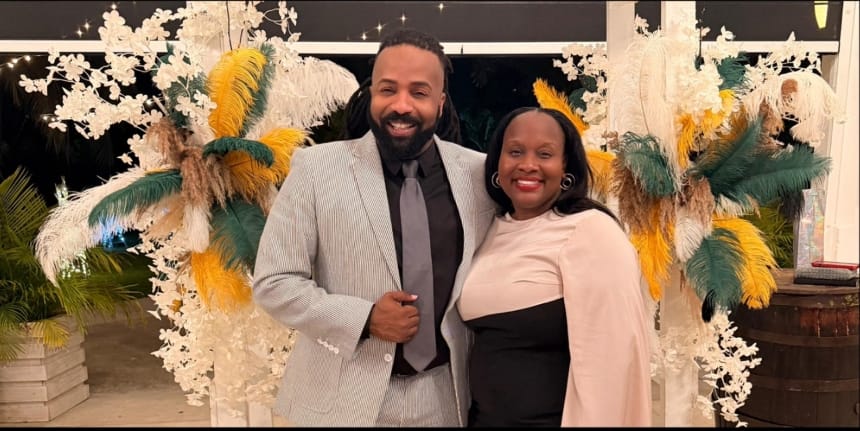
    Four distinguished graduates received formal recognition during the ceremony: Ravi Davis, Tia Dunnah, Rhynyce Robinson, and Sage Quinn. Each graduate has successfully navigated the demanding curriculum of the Norman Manley Law School, widely regarded as the Caribbean’s premier institution for legal education.

    The event underscores Jamaica’s ongoing commitment to maintaining high standards within its legal profession while ensuring a steady influx of qualified practitioners to serve the nation’s judicial needs. Family members, faculty, and established legal professionals attended the ceremony to witness the transition of these graduates from academic scholars to practicing officers of the court.

  • Persad-Bissessar Tells Browne to Focus on U.S. Visa Restrictions Facing Antiguans

    Persad-Bissessar Tells Browne to Focus on U.S. Visa Restrictions Facing Antiguans

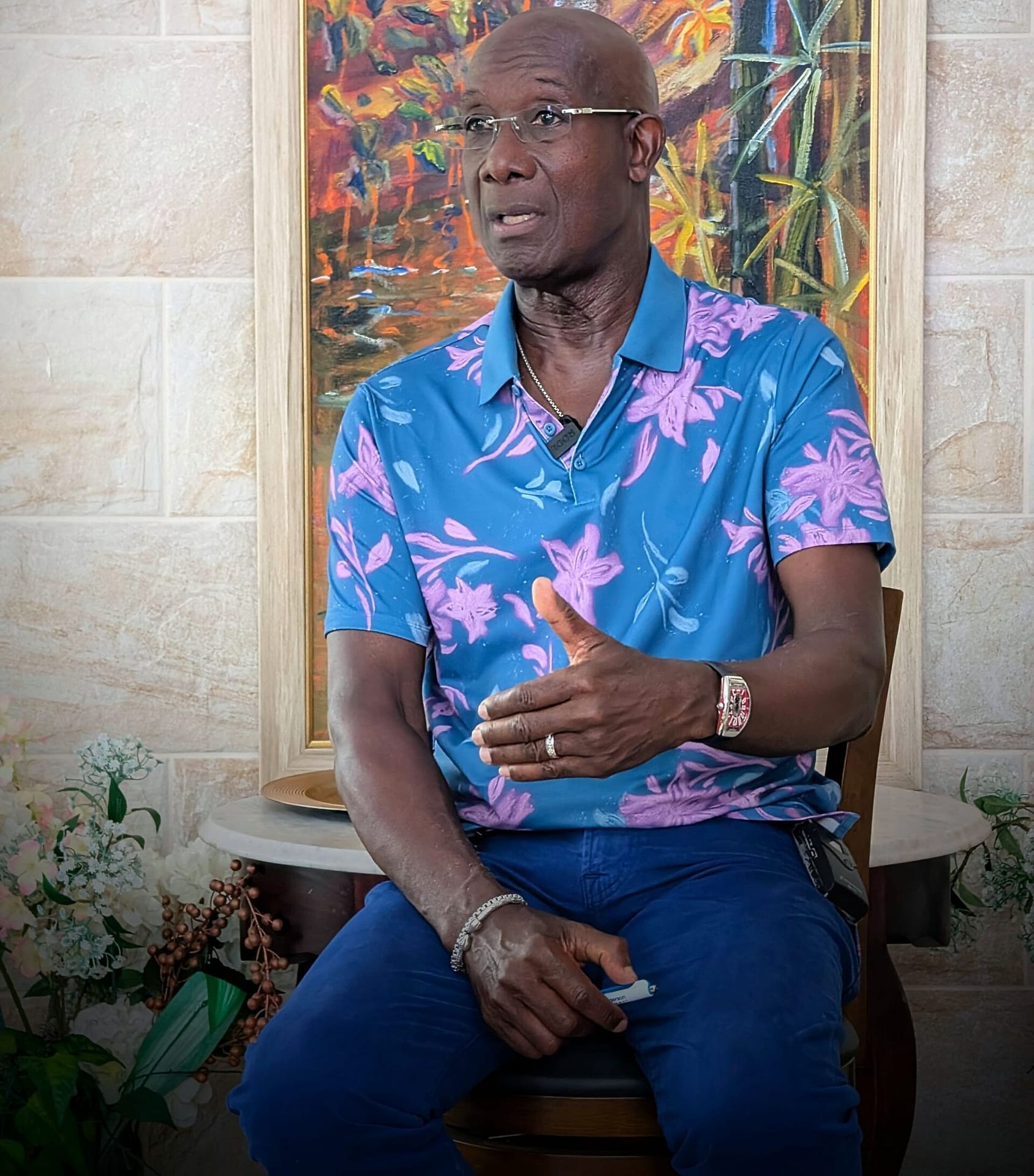
    A significant diplomatic confrontation has emerged within the Caribbean Community (CARICOM) as Trinidad and Tobago’s Prime Minister Kamla Persad-Bissessar launched a scathing critique against regional leadership and their perceived alignment with Venezuela’s government. The political firestorm ignited when Persad-Bissessar directly challenged Antigua and Barbuda Prime Minister Gaston Browne to address U.S. visa restrictions affecting his citizens rather than engaging in regional diplomacy.

    In a striking departure from CARICOM’s unified stance, the Trinidadian leader accused the regional bloc of effectively supporting the administration of Venezuelan President Nicolás Maduro, whom she characterized as presiding over a regime responsible for the imprisonment and elimination of thousands of political opponents. Persad-Bissessar specifically rejected CARICOM’s official ‘zone of peace’ policy, describing it as a strategic façade designed to remove American military presence from the Caribbean region, thereby enabling Maduro’s continued hold on power.

    The Prime Minister further highlighted escalating regional security concerns, referencing Venezuela’s persistent territorial claims against Guyana and recent statements suggesting Trinidad and Tobago might be considered Venezuelan territory. These developments, according to Persad-Bissessar, demonstrate clear security threats that CARICOM has failed to adequately address through its current diplomatic approach.

    Emphasizing national sovereignty over regional consensus, Persad-Bissessar stated her primary obligation remains protecting Trinidad and Tobago’s citizens rather than maintaining diplomatic harmony within CARICOM. The organization has yet to issue an official response to these allegations, which represent one of the most significant public challenges to CARICOM’s unified diplomatic position in recent years. This confrontation occurs amid ongoing tensions between Caribbean nations and the United States regarding regional security cooperation and immigration policies.

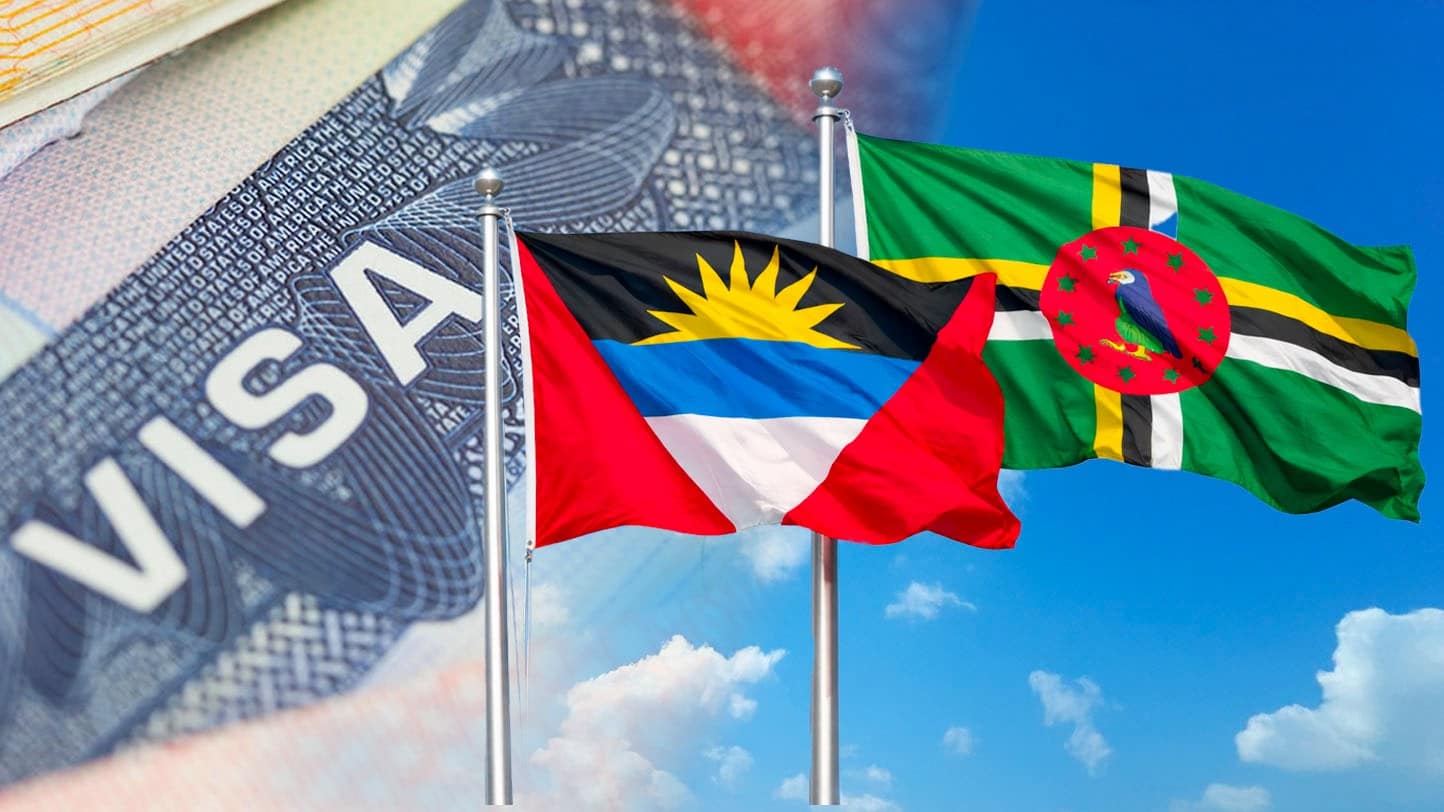
  • Statement by OECS Commission on the US Visa Proclamation for Citizens of Antigua and Barbuda and Dominica

    Statement by OECS Commission on the US Visa Proclamation for Citizens of Antigua and Barbuda and Dominica

    The Organisation of Eastern Caribbean States (OECS) Commission has issued a formal statement expressing unwavering solidarity with the governments and citizens of Antigua and Barbuda and Dominica following the United States’ decision to revoke visa privileges for certain categories of their nationals. While acknowledging America’s sovereign right to implement immigration and border security policies, the regional body emphasized the need to consider such measures within the context of the historically cooperative relationship between the Caribbean and the US.

    The OECS highlighted the substantial contributions of Caribbean nationals to American society, noting their integral role in healthcare, education, construction, entrepreneurship, and public service. The diaspora from these nations has consistently demonstrated law-abiding behavior and civic engagement, strengthening communities across the United States.

    Economic interdependence between the Eastern Caribbean and the US was underscored, with the United States remaining a primary trading partner, investor, tourism source market, and development ally. These connections are maintained through continuous diplomatic engagement, private-sector collaboration, and structured dialogue on shared concerns including financial integrity and border security.

    Regarding Citizenship by Investment Programs (CIPs), the OECS revealed that member states have been actively engaged in technical, solutions-oriented discussions with US agencies and international partners. Significant progress has been made in enhancing due-diligence systems, improving information-sharing protocols, tightening eligibility standards, and establishing a regional independent regulatory authority to ensure compliance with international best practices.

    The organization emphasized that for small island developing states, CIPs represent crucial lawful instruments for financing resilience-building, disaster adaptation, and sustainable development without creating debt. These programs have supported critical public investments in infrastructure, education, health systems, renewable energy, and social resilience—areas that directly contribute to regional and hemispheric stability.

    The OECS respectfully urged consideration of the unique vulnerabilities and limited economic diversification options available to small Western Hemisphere states. The commission advocated for a collaborative, consultative approach grounded in dialogue and shared responsibility as the most effective pathway to addressing security concerns while preserving long-standing partnerships.

    Reaffirming its commitment to continued engagement with the US government, the OECS expressed confidence that through sustained dialogue and evidence-based collaboration, solutions could be developed that balance security objectives with the developmental realities of small, open economies. The organization stands firmly with Antigua and Barbuda and Dominica, reiterating its collective resolve to maintain the Eastern Caribbean as a region defined by good governance and constructive international engagement.

  • Former Trinidad and Tobago Prime Minister Dr Keith Rowley says Prime Minister Kamla Persad-Bissessar’s recent statements risk weakening Caricom

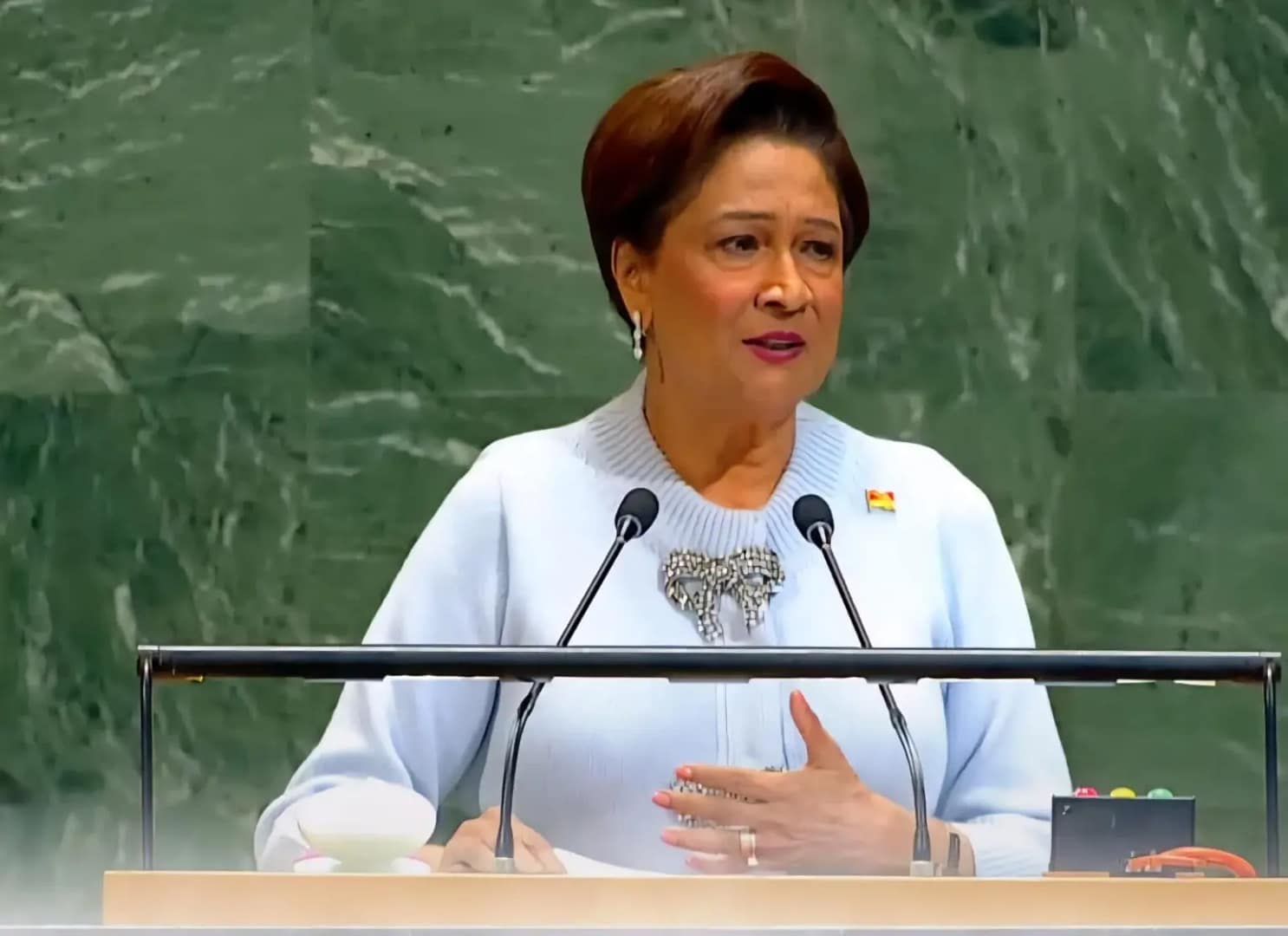
    Former Trinidad and Tobago Prime Minister Dr Keith Rowley says Prime Minister Kamla Persad-Bissessar’s recent statements risk weakening Caricom

    A significant diplomatic rift has emerged within Trinidad and Tobago’s political leadership, sparking concerns over Caribbean unity. Former Prime Minister Dr. Keith Rowley has issued a stern warning regarding current Prime Minister Kamla Persad-Bissessar’s recent public statements, asserting they possess the potential to substantially undermine the Caribbean Community (Caricom).

    The controversy centers on what Dr. Rowley characterizes as diplomatically damaging remarks made by the sitting Prime Minister. While the specific content of these statements remains undisclosed in this context, the former leader emphasized their timing and nature could adversely affect Trinidad and Tobago’s standing within the regional bloc and weaken the collective integrity of Caricom itself.

    This development highlights ongoing political tensions between successive administrations and reflects deeper ideological divisions regarding foreign policy approaches within the nation. The public nature of this criticism suggests deteriorating relations between the country’s leading political figures, potentially creating uncertainty about the nation’s future diplomatic direction within crucial regional partnerships.

    The implications extend beyond domestic politics, potentially affecting Trinidad and Tobago’s influence in regional decision-making processes, economic collaborations, and multilateral initiatives championed by Caricom. Observers are monitoring whether this exchange will trigger formal diplomatic responses from other member states concerned about maintaining cohesive regional governance structures.

  • PABRO brings Christmas cheer to Parham

    PABRO brings Christmas cheer to Parham

    The Parham Alliance Beautification and Revitalization Organisation (PABRO) embarked on a special holiday mission on December 20th, bringing Christmas spirit directly to residents throughout Parham Town. Volunteers from the community group visited numerous households to share seasonal greetings and engage in meaningful conversations with local community members.

    According to PABRO representatives, these personal visits served to emphasize the fundamental values of compassion, appreciation, and the understated joys found in community connections. The organization extended its festive wishes not only to Parham Town residents but to all citizens throughout the broader region, hoping everyone would experience a joyful holiday period.

    Beyond the seasonal celebrations, PABRO seized the opportunity to advocate for increased community involvement in its ongoing initiatives. Organization leaders emphasized that broader participation from residents would significantly contribute to the strengthening and overall enhancement of Parham Town’s social fabric and physical environment. The Christmas visits thus served dual purposes: immediate holiday cheer and long-term community building through volunteer recruitment.

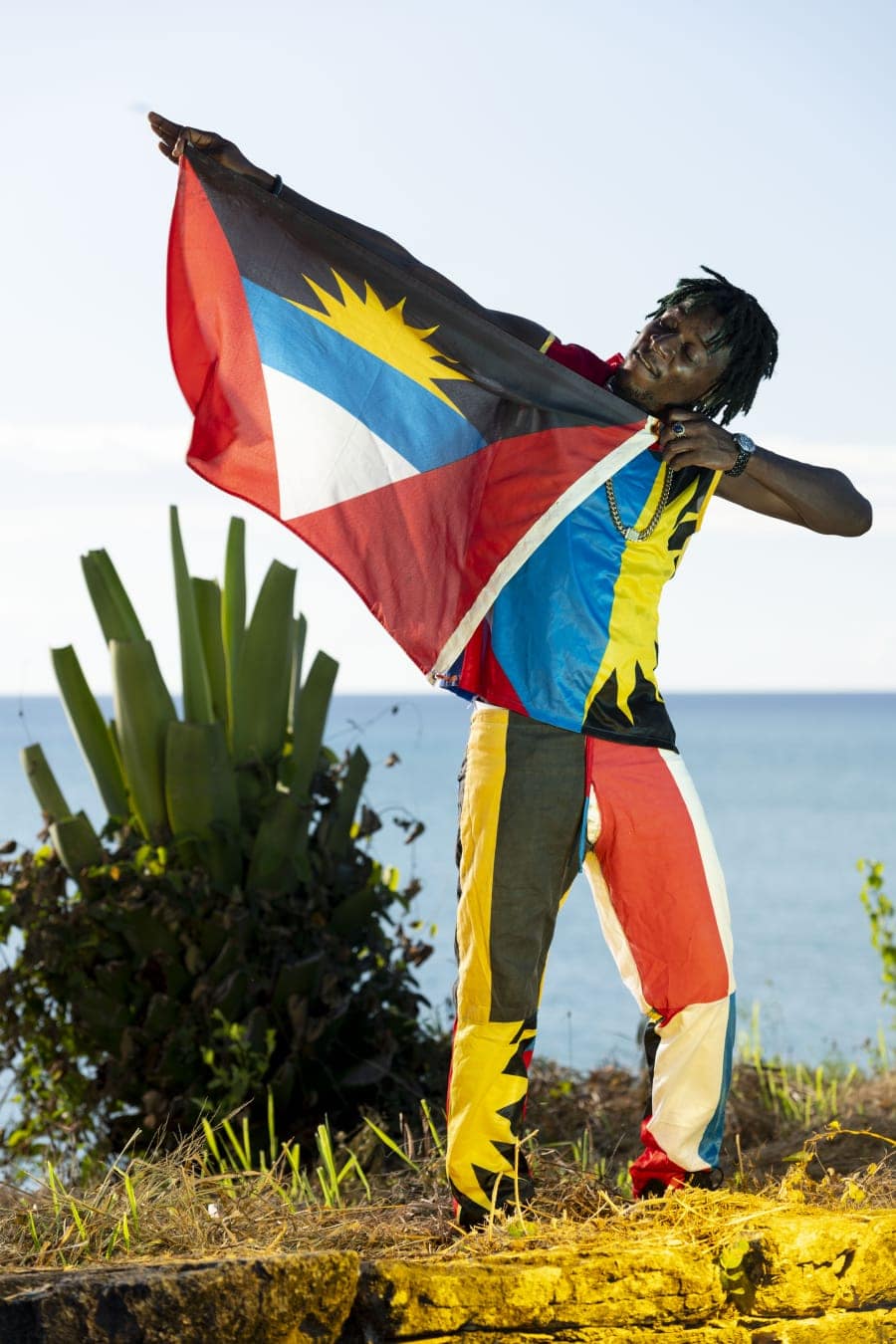
  • LETTER: The Unpaid Creatives of Antigua Carnival: A Tale of Frustration and Disrespect

    LETTER: The Unpaid Creatives of Antigua Carnival: A Tale of Frustration and Disrespect

    Half a year following the conclusion of Antigua Carnival 2025, a cloud of financial uncertainty hangs over the very artists and creators who formed the backbone of the celebrated event. While memories of the vibrant festivities that ran from July 23 to August 3 linger, numerous participants—including meticulous mask makers, dedicated performers, and tireless bartenders—continue to await compensation for their services.

    The Antigua and Barbuda Carnival and Festival Commission, the entity tasked with orchestrating the national celebration, faces mounting criticism for its failure to disburse payments. This pattern of delayed remuneration is not a novel occurrence but rather a chronic issue that has plagued the cultural sector for years, raising serious concerns about the valuation of artistic labor.

    Behind the spectacle of breathtaking performances and elaborate costumes lies a stark reality of financial strain. Many creatives, who depend on such events for their livelihood, report significant hardship in meeting basic expenses. The ongoing neglect threatens to undermine the cultural ecosystem, potentially eroding the nation’s artistic heritage and discouraging future participation.

    Critics argue that the Commission’s inaction contradicts its mandated mission to promote and preserve local culture. Calls for reform emphasize the urgent need for transparent payment systems and contractual accountability to protect the welfare of cultural contributors. The situation has sparked broader conversations about the economic realities facing artists and the necessary safeguards to ensure the sustainability of cultural traditions.

    As public pressure mounts, stakeholders demand immediate rectification of outstanding payments and systemic overhaul to prevent recurrence. The resolution of this dispute carries significant implications for the preservation of Antigua and Barbuda’s cultural identity and the professional dignity of its artistic community.

  • FEATURE: A Small Voice, A Huge Sound: Enoch Thomas Lights Up Jamaica with His Christmas Message

    FEATURE: A Small Voice, A Huge Sound: Enoch Thomas Lights Up Jamaica with His Christmas Message

    In an extraordinary display of youthful wisdom and national spirit, a young Jamaican boy named Enoch Thomas has become an overnight sensation and a symbol of hope. His heartfelt Christmas message, delivered with a clarity and depth far beyond his years, has resonated across the island nation, capturing the hearts of citizens and government officials alike.

    The phenomenon began when a video of Enoch’s eloquent address circulated widely on social media platforms. His message, far from a simple holiday greeting, wove together themes of unity, gratitude, and collective responsibility. He spoke poignantly about the importance of community bonds, cherishing family, and supporting one another through challenges, striking a chord with a populace yearning for positive narratives.

    The impact was immediate and profound. The video transcended typical viral content, evolving into a national talking point. Major local media outlets picked up the story, amplifying the young orator’s call for kindness and togetherness. His words were described as a ‘balm’ and a ‘beacon of light,’ offering a moment of collective pause and inspiration during the festive season.

    Remarkably, the message reached the highest echelons of Jamaican leadership. Prime Minister Andrew Holness publicly acknowledged Enoch, praising his maturity and the powerful simplicity of his words. This endorsement from the nation’s leader solidified the event’s significance, transforming a personal message into a national moment of reflection and pride. The story of Enoch Thomas underscores the powerful truth that a single voice, regardless of age, can ignite a wave of positivity and unite a country in hope and celebration.

  • Lovell links U.S. travel restrictions to Alfa Nero yacht dispute, warns of diplomatic fallout

    Lovell links U.S. travel restrictions to Alfa Nero yacht dispute, warns of diplomatic fallout

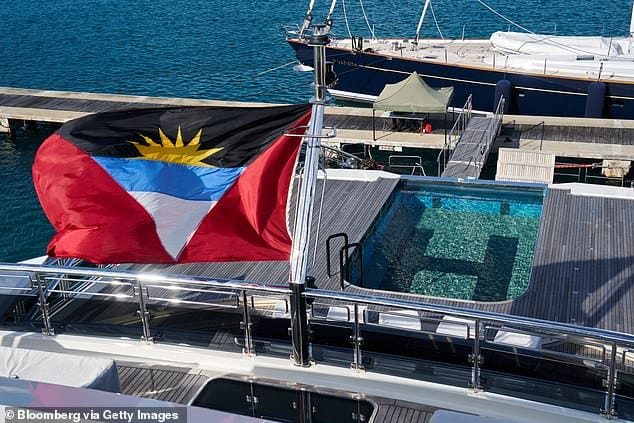
    Antiguan opposition figure Harold Lovell has drawn direct connections between recently imposed U.S. travel restrictions and his government’s controversial handling of the Russian-affiliated superyacht Alfa Nero, warning of significant diplomatic consequences. During a recent appearance on Observer Radio, Lovell presented a comprehensive critique of the Browne administration’s foreign policy approach, characterizing the U.S. sanctions as the predictable outcome of diplomatic missteps rather than unrelated developments.

    Lovell systematically dismantled the official narrative that the travel restrictions resulted from Antigua and Barbuda’s refusal to host U.S. military radar equipment. He revealed that discussions about potential sanctions had commenced months before any such request materialized, indicating deeper underlying issues. The opposition politician instead identified the seizure and attempted sale of the Alfa Nero yacht as the central catalyst, describing it as a severe geopolitical dispute that entangled the small nation in complex international power dynamics.

    The Alfa Nero, a luxury vessel with established Russian connections, became the subject of extended legal proceedings after its seizure. Lovell emphasized that government officials had received explicit warnings about the risks involved in engaging with such a sensitive international matter but proceeded without exercising necessary diplomatic caution. This action allegedly placed the Caribbean nation at the center of competing global interests involving wealthy international actors with significant cross-border influence.

    Lovell directed particular criticism toward Prime Minister Gaston Browne’s leadership, accusing his administration of demonstrating deficient tactical awareness and strategic judgment in diplomatic affairs. He stressed that small island states must employ heightened precision and restraint when navigating relationships with major global powers, noting that careless statements and decisions can jeopardize national interests. The politician referenced previous parliamentary concerns regarding the yacht’s ownership claims and associated financial interests, noting these warnings were disregarded before manifesting in international legal challenges.

    With partial U.S. travel restrictions now implemented, Lovell urged enhanced diplomatic discipline and greater awareness in international engagements to prevent further repercussions. He concluded that ordinary citizens ultimately bear the consequences of these foreign policy decisions, emphasizing the critical need for more sophisticated statecraft in an increasingly complex global landscape.

  • COMMENTARY: Old Man Bramble, a Caribbean Christmas Legend

    COMMENTARY: Old Man Bramble, a Caribbean Christmas Legend

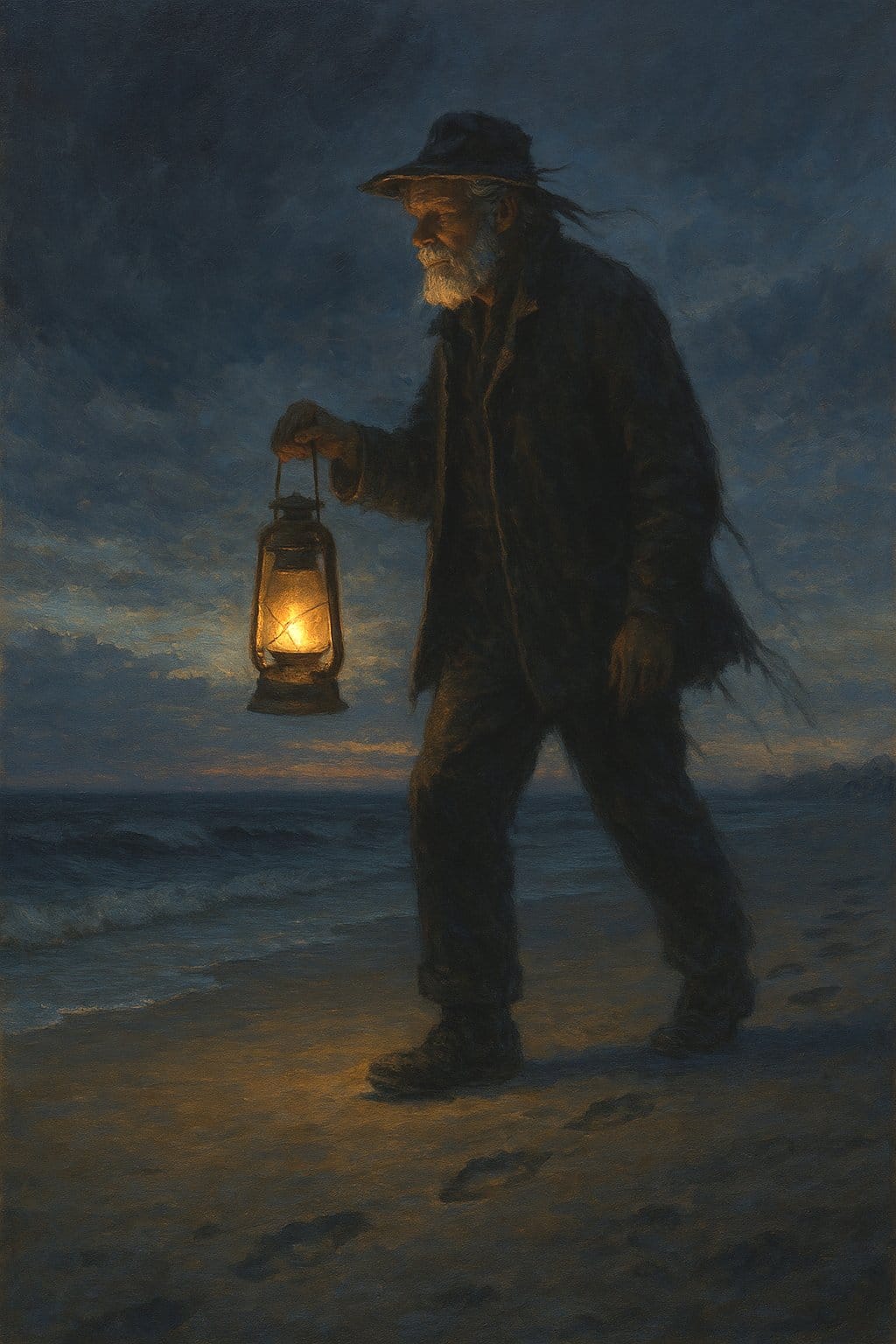
    On the remote Eastern Antilles island of Coral Cay, a timeless Christmas legend continues to illuminate hearts decades after its humble beginning. The story of Old Man Bramble, born from the extraordinary homecoming of an ordinary fisherman, has transformed into a profound cultural tradition that transcends generations.

    Originally known as Bram, the island native distinguished himself through exceptional curiosity from childhood. Unlike his peers who remained near shorelines, young Bram persistently gazed beyond the horizon, yearning to understand the world beyond his tropical home. Upon reaching adulthood, he departed with his mother’s blessing and a single gift: a modest brass and glass oil lamp. His solemn promise to return when ‘the world finished teaching him’ initiated a decades-long odyssey.

    Bram’s journeys exposed him to diverse cultures and wisdom traditions. Fishing alongside Windward sailors and learning from elders in distant harbors, he discovered universal truths about human connection: that strangers could become family, that kindness travels farther than any vessel, and that true wisdom resides in quiet reflection rather than loud proclamation. Throughout his travels, he maintained his mother’s lantern perpetually lit, a symbolic commitment that would later define his legacy.

    Returning as a silver-haired man on a Christmas Eve, Bramble—now known as Old Man Bramble—came not with material gifts but with hard-earned wisdom. His homecoming coincided with the most devastating storm in living memory, which plunged the island into darkness and terror. As families huddled fearfully in extinguished homes, a solitary light emerged along the shoreline.

    The elderly fisherman moved methodically through the tempest, his lantern creating a beacon of stability amidst chaos. Without uttering a single word, he guided lost islanders to safety, his calm demeanor seemingly causing the storm itself to abate. By dawn, the hurricane had vanished—and so had Bramble. Only his footprints and his still-glowing lantern remained on a driftwood stump, silently passing the responsibility of illumination to the community.

    Today, Coral Cay’s residents perpetuate Bramble’s legacy through annual Christmas Eve traditions. Families light lanterns to honor his memory and embody his teachings: that light is measured by faithfulness rather than size, that darkness exists to demonstrate light’s value, and that genuine power requires no volume. The legend has evolved into a cultural touchstone emphasizing quiet kindness, steadfast faithfulness, and the transformative impact of simple, consistent goodness.

    The Bramble narrative resonates particularly in modern times as an antidote to contemporary haste and noise. His story reminds societies that the most meaningful contributions often involve silent stewardship rather than loud proclamation, and that every individual possesses an inner light that no adversity can extinguish. This Christmas tradition ultimately celebrates how ordinary people can achieve extraordinary impact through consistent compassion and quiet reliability.

  • Dr Eudelle praises Senator Kiz Johnson’s leadership at JCI 2025 YEP Awards

    Dr Eudelle praises Senator Kiz Johnson’s leadership at JCI 2025 YEP Awards

    Senator Kiz Johnson has emerged as a transformative voice for emerging business leaders following her keynote address at the prestigious JCI 2025 Young Entrepreneur Programme Awards ceremony. The event, designed to celebrate innovation and leadership among young visionaries, witnessed Senator Johnson delivering what attendees described as a profoundly impactful message that resonated throughout the entrepreneurial community.

    According to Dr. Eudelle, an esteemed participant at the gathering, Senator Johnson’s presentation provided a masterclass in purposeful leadership that created lasting impressions on all attendees. The senator challenged the audience to transcend conventional boundaries by pushing beyond their comfort zones, maintaining unwavering discipline in their pursuits, and completely rejecting any form of mediocrity in their professional and personal endeavors.

    In a formal statement released after the ceremony, Dr. Eudelle characterized the address as both deeply motivating and re-energizing, noting that it sparked renewed commitment among attendees toward achieving excellence, pursuing continuous personal development, and creating meaningful impact within their communities.

    The JCI YEP Awards represent a significant initiative that acknowledges exceptional young leaders and entrepreneurs who demonstrate outstanding innovation, exemplary leadership qualities, and dedicated commitment to both national progress and community development. Senator Johnson’s participation underscores the growing collaboration between political leadership and entrepreneurial ecosystems in fostering the next generation of change-makers.